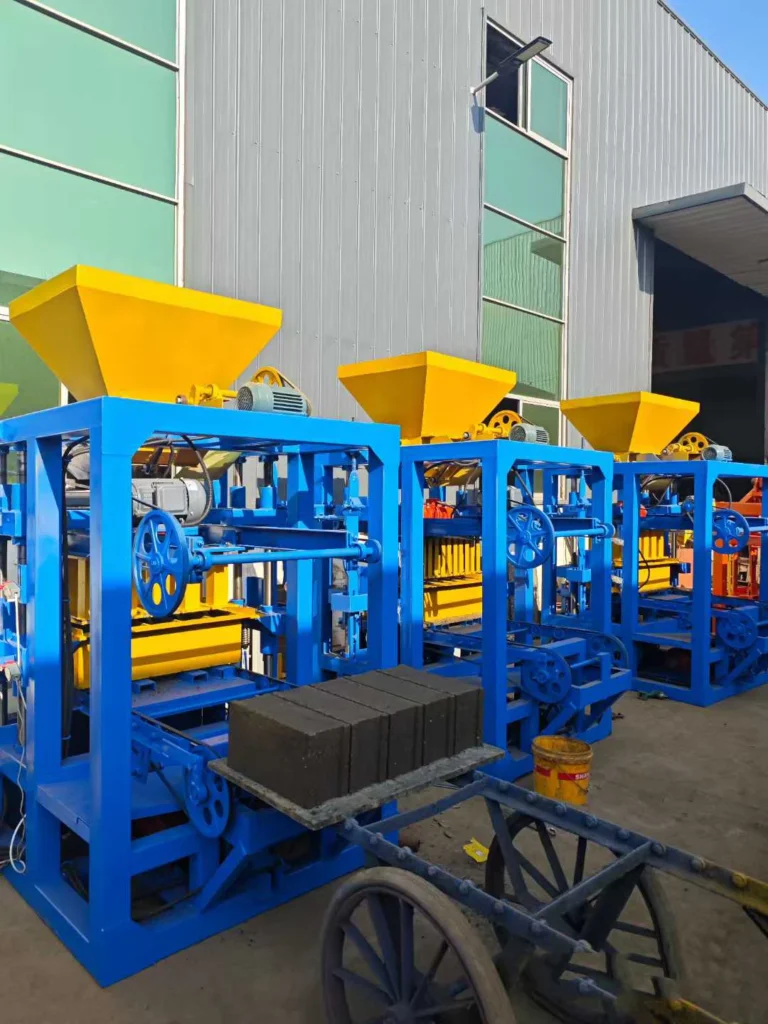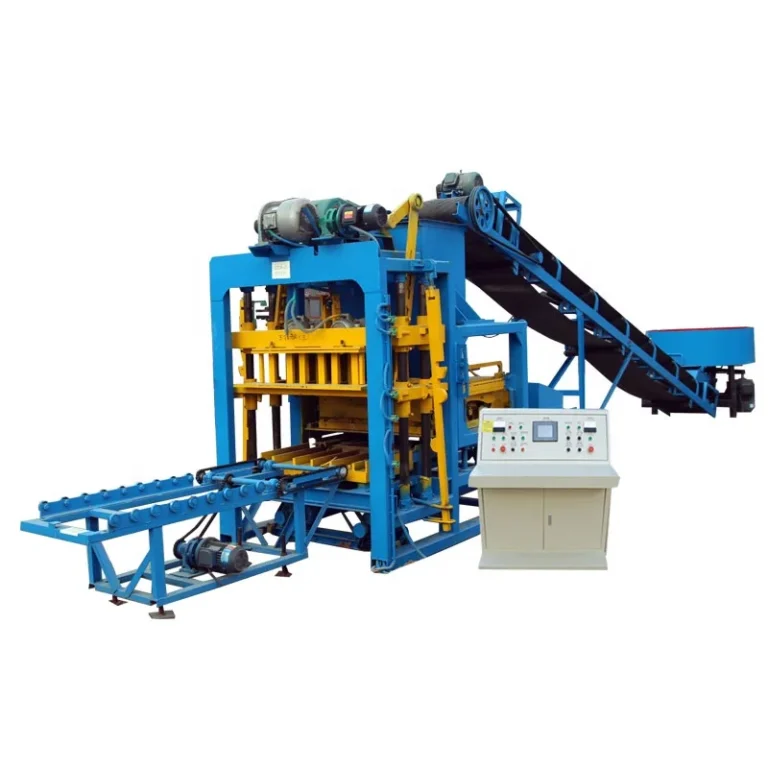


Description
Fast dispatch capability — QTJ4-24 inventory positioning means your block production can start weeks earlier than typical order-to-build timelines allow.
Technical Specifications
| Parameter | Value |
|---|---|
| Model | QTJ4-24 |
| Product Type | Manual Hollow Block Making Machine |
| Dimension | 3600mm × 1700mm × 2560mm |
| Total Mass | 3.5T |
| Main Machine Power | 11.95kW |
| Pallet Size | 900mm × 450mm |
| Molding Cycle | 24-26s |
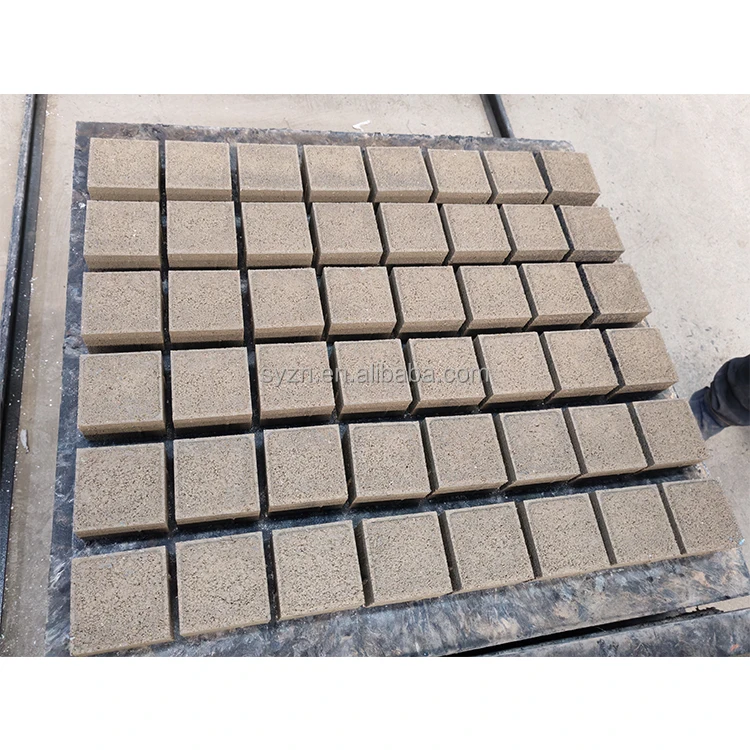
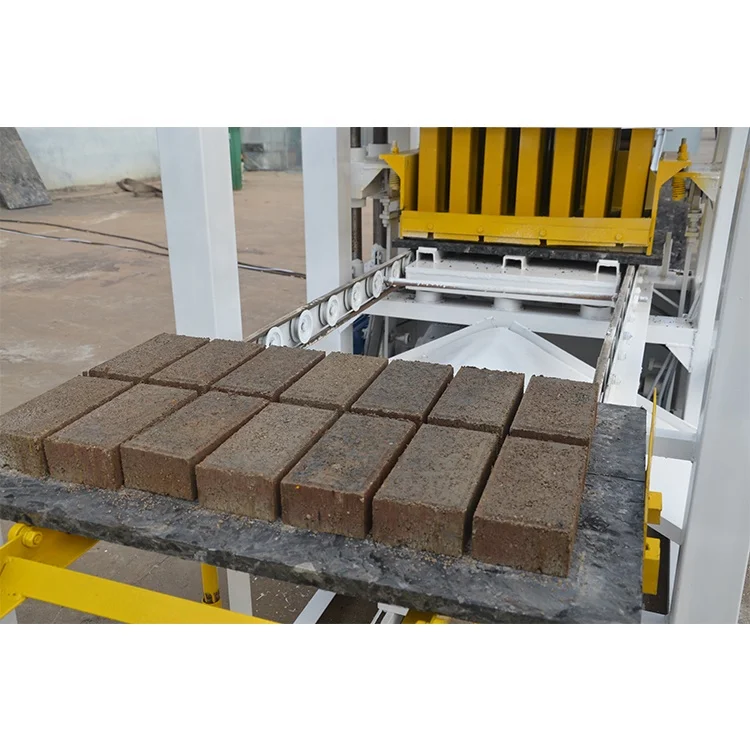
| Molding Capacity | 400×200×200mm 4pcs/mold, 390×240×190mm 3pcs/mold, 390×120×190mm 6pcs/mold, 240×115×53mm 21pcs/mold |
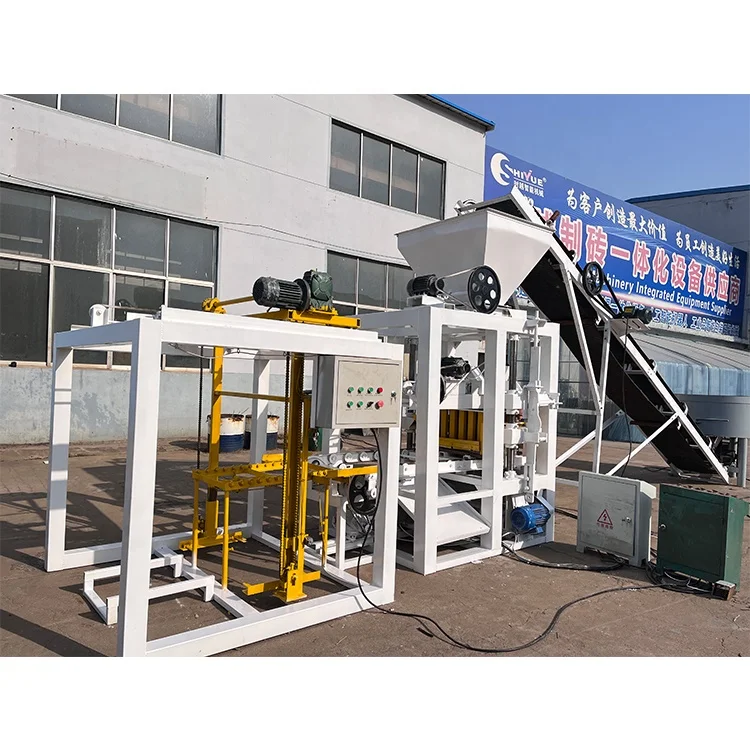
| Automation Level | Semi-automatic (manual feeding, electrical control with mechanical interworking) |
| Vibration Type | Table vibration feeding, fluctuation vibration molding |
| Feed Way | Two kinds of manual feed way (source value — verify against manufacturer catalog) |
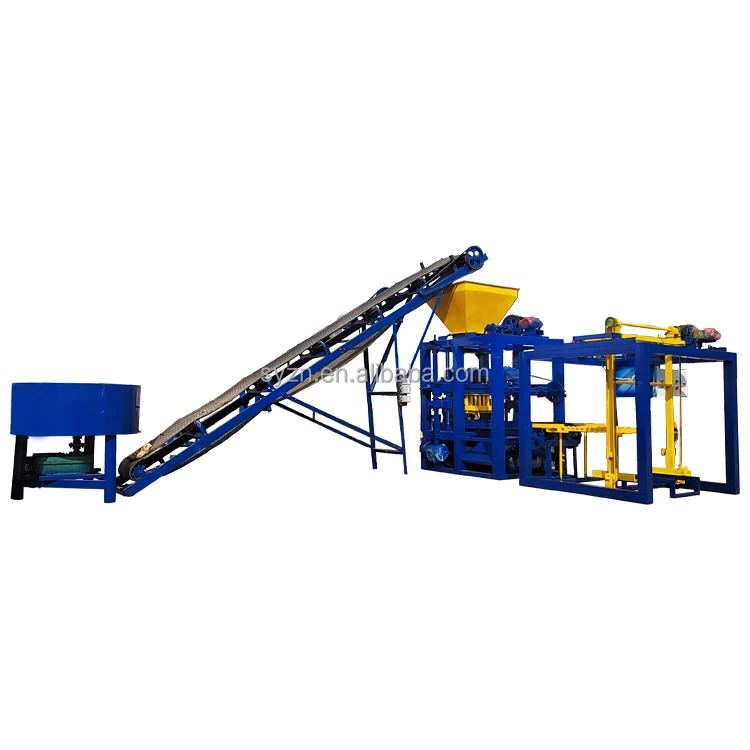
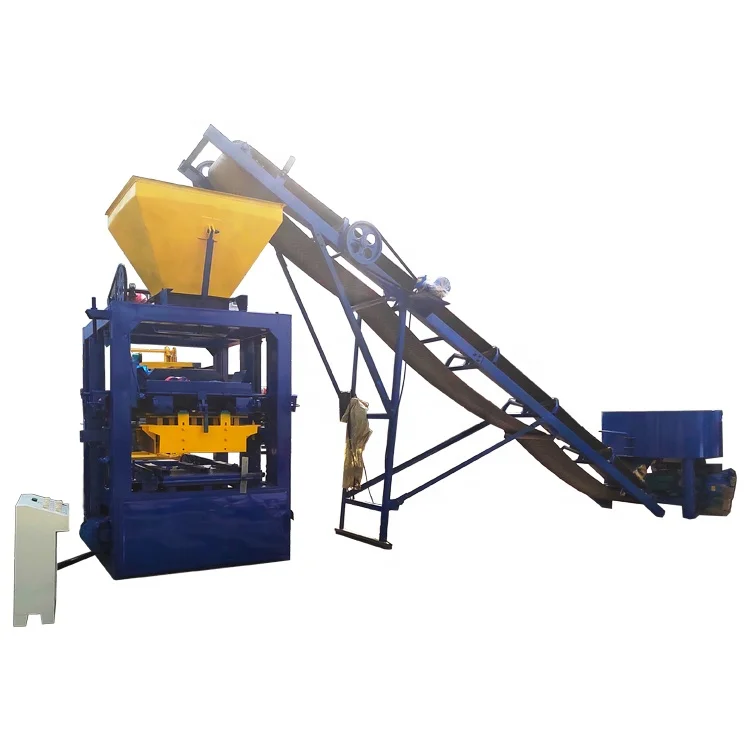
| Compatible Mixer | JQ350 or JQ500 vertical mixer |
| Compatible Conveyor | 6m or 8m belt conveyor |
| Wire Specification (Main Machine) | 3×6mm |
| Wire Specification (Mixer) | 3×4mm |
| Wire Specification (Conveyor) | 3×2.5mm |
| General Power Wire | 3×16mm |
| Warranty | 1 year (excluding spare parts) |
| Assembly State | Stationary, requires precast concrete ground installation |
| Standards | CE (basis not stated in source — confirm with manufacturer) |
Application Suitability
| Application | Material or Output |
|---|---|
| Hollow block production | Crushed stone, cement, sand aggregate for 400×200×200mm format |
| Solid block manufacturing | Concrete mix with local aggregate for 390×120×190mm format |
| Paving brick production | Cement and fine aggregate for 240×115×53mm standard brick |
| Small-scale block plant startup | Multi-format output with minimal infrastructure |
| On-site construction production | Portable setup for contractor project sites |
What "24-26 Second Cycle Time" Actually Means for Your Output
The molding cycle assumes optimal feed consistency and pallet positioning — real throughput depends on your operator rhythm and material flow.
I’ve watched block machines sit idle for hours because buyers didn’t calculate the full cycle including manual feeding, pallet exchange, and block stacking. The QTJ4-24 block machine in stock achieves its 24-26s molding cycle when the operator maintains consistent material feed and pallet rotation keeps pace. Without this rhythm, daily output falls noticeably short of theoretical calculations. [NEED_CITE: manual block machine operational workflow and cycle time factors]
Stocked Models Reduce Project Timeline Risk
When contractors face tight construction deadlines, waiting for custom-built machinery creates cascading delays across the entire project. The QTJ4-24 block machine in stock positioning eliminates the typical order-to-production window, allowing buyers to move from purchase decision to operational block plant in a compressed timeframe. This matters when housing projects, infrastructure contracts, or commercial developments have fixed completion dates that cannot slip without penalty clauses triggering.
Dispatch Transparency Before You Commit
Buyers working against project deadlines need more than estimated lead times — they need confirmed availability and container loading schedules. The QTJ4-24 block machine in stock model allows immediate factory testing against your specified mould format, with dispatch documentation and packing photographs provided before shipment. This eliminates the uncertainty of whether your machine will arrive configured correctly or require on-site adjustments that delay production startup. [NEED_CITE: block machine export documentation and factory testing protocols]
Why Vibration Force and Table Design Matter
The QTJ4-24 uses table vibration feeding combined with fluctuation vibration molding to achieve block density consistency across different formats. When producing 400×200×200mm hollow blocks at 4 pieces per mold, the vibration must penetrate the entire mold cavity to compact aggregate uniformly. The 900mm × 450mm pallet size determines the maximum mold footprint, which directly constrains the formats you can produce. This pallet dimension also affects your curing area layout — if your existing forklift or curing racks assume a different pallet size, you’ll face material handling inefficiencies that compound over every production shift.
The main machine power of 11.95kW provides sufficient energy for the vibration system without requiring industrial-grade electrical infrastructure, making this suitable for sites with standard three-phase power availability. However, the general power wire specification of 3×16mm must match your site’s electrical capacity, and voltage configuration must align with local grid standards before the machine ships. [NEED_CITE: voltage and frequency standards by export market]
The Cost of Skipping Pallet and Curing Area Planning
I’ve seen block plant operators manually stack output because pallet handling, curing rack systems, and block cubing weren’t included in the original purchase scope. The QTJ4-24 operates as a standalone press, meaning pallet return, block stacking, and curing logistics require separate solutions. Buyers who don’t plan the full workflow end up with production bottlenecks at the stacking stage, where semi-finished blocks wait for manual movement to curing areas. This invisible labor cost erodes the economic advantage of semi-automatic operation. [NEED_CITE: block plant workflow efficiency and manual handling costs]
Why This Source Supports Fast-Track Procurement
Shandong Shiyue Intelligent Machinery maintains block machinery as a single focus, which means the QTJ4-24 machine, compatible moulds, pallets, and supporting equipment are specified as a matched system rather than assembled from unrelated suppliers. Configuration decisions account for your actual mix design and local aggregate characteristics, not catalogue defaults that may not match available raw materials. The company provides machine specification sheets, mould drawings, pallet specifications, hydraulic and electrical schematics, and factory test records before dispatch — documentation that accelerates customs clearance and on-site commissioning. Installation support includes operator training on the specific block formats your market requires, reducing the time from machine arrival to consistent production output.
Documentation & Verification
- Factory test record demonstrating molding cycle on your specified block format
- Pallet specification sheet matching your curing area and forklift dimensions
- Voltage and control language confirmation for your target market grid standard
- Mould drawing and format list covering your required block dimensions
- Packing photographs documenting machine condition before container loading
- Customs documentation support for export clearance procedures
Installation, Commissioning & Support
- Stationary installation requires precast concrete ground foundation to support 3.5T total mass
- General power wire 3×16mm must connect to dedicated circuit matching 11.95kW main machine power requirement
- Machine arrives fully assembled; no complex on-site construction beyond ground preparation
- Compatible with JQ350 or JQ500 vertical mixer and 6m or 8m belt conveyor for complete production line
- First production run includes parameter adjustment for local aggregate characteristics and target block strength
- Wear parts list provided with initial spare parts package to cover first replacement cycle
Inquiry Guidance for Project-Deadline Buyers
To confirm QTJ4-24 availability and dispatch timing, provide your target block format with daily output requirement, local raw material type and characteristics, and site electrical specifications including voltage and frequency. Specify whether you need compatible mixer and conveyor equipment included in the quotation, and confirm the pallet size matches your existing curing area infrastructure. Indicate your required dispatch date so stock availability can be verified against your project timeline.
Frequently Asked Questions
Q: How do I verify the actual daily output before purchasing?
A: Request the factory test record showing molding capacity on your specific block format — the QTJ4-24 produces 4 pieces per mold for 400×200×200mm hollow blocks, 6 pieces per mold for 390×120×190mm format, or 21 pieces per mold for standard bricks. Daily output depends on your operational workflow including pallet handling speed and curing area capacity.
Q: What is the typical dispatch timeline for stocked models?
A: Stocked QTJ4-24 units can proceed to factory testing and container loading within a compressed timeframe after order confirmation. Exact dispatch timing depends on current inventory position and your required mould configuration. Request confirmed availability and loading schedule before committing to project deadlines.
Q: Will the electrical system work with my local power grid?
A: The machine requires voltage and frequency configuration matching your market’s grid standard — the general power wire specification is 3×16mm with main machine wire at 3×6mm. Confirm your site’s voltage, frequency, and phase requirements before production so the electrical system ships configured correctly for immediate commissioning on arrival.
Q: What installation support is available after the machine arrives?
A: The QTJ4-24 requires precast concrete ground installation to support its 3.5T mass and vibration forces. Commissioning support includes initial parameter adjustment for your local aggregate and operator training on the semi-automatic feeding workflow. Request installation guidance documentation covering foundation requirements and first-run procedures.
Q: How do I ensure spare parts are available when needed?
A: Request the wear parts and mould list with your quotation, and confirm which components ship with the initial order. The one-year warranty excludes spare parts, so planning your first replacement order alongside the machine purchase prevents production interruptions when wear parts reach their service interval.