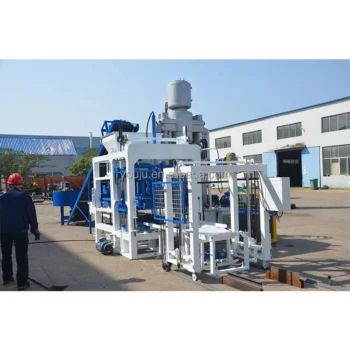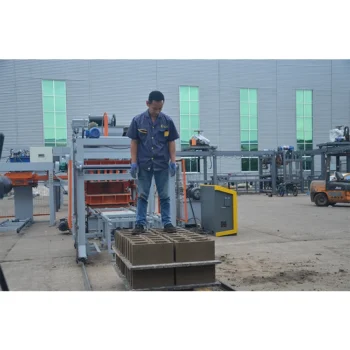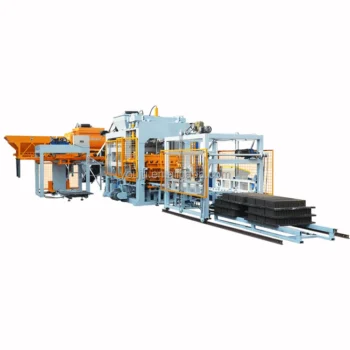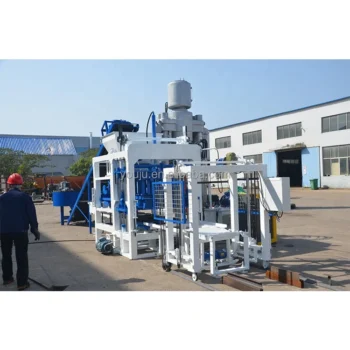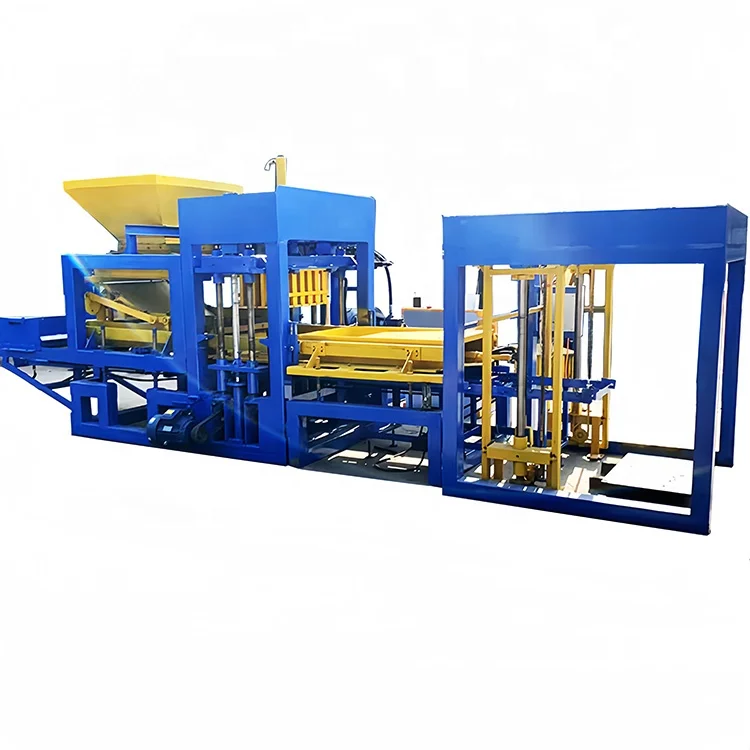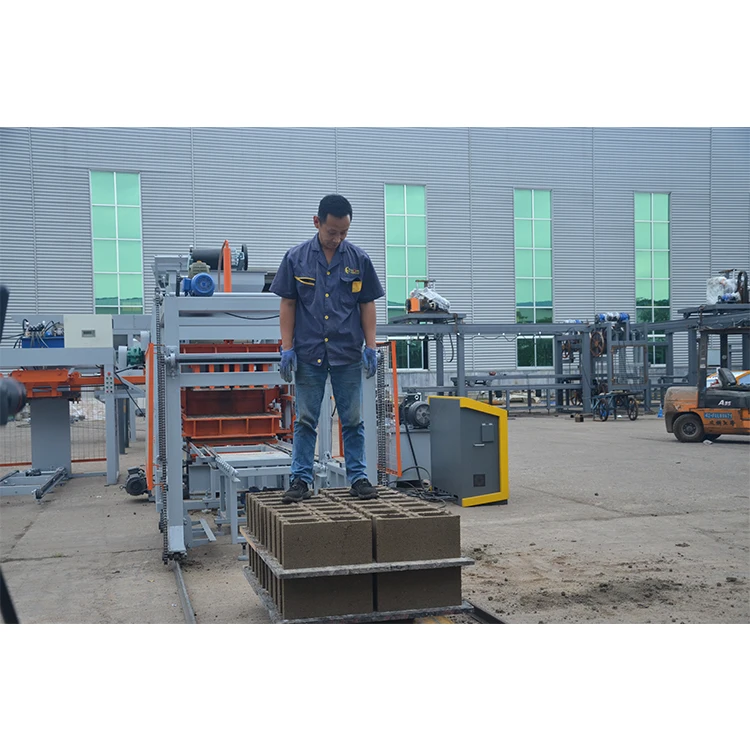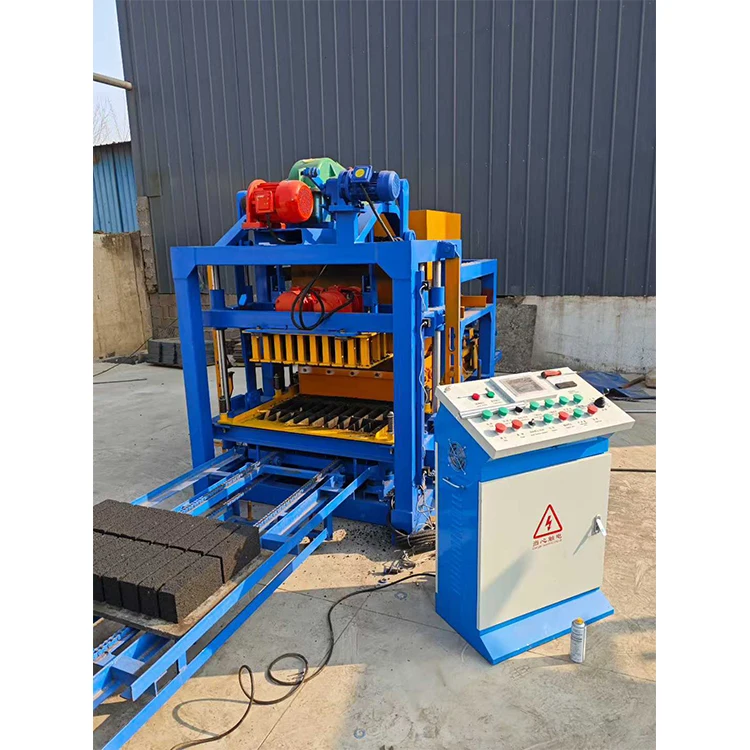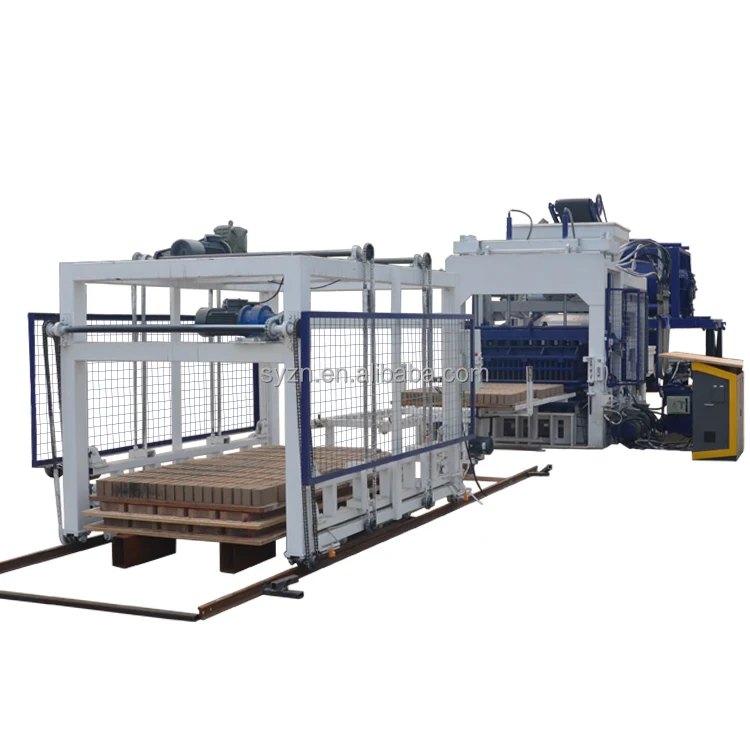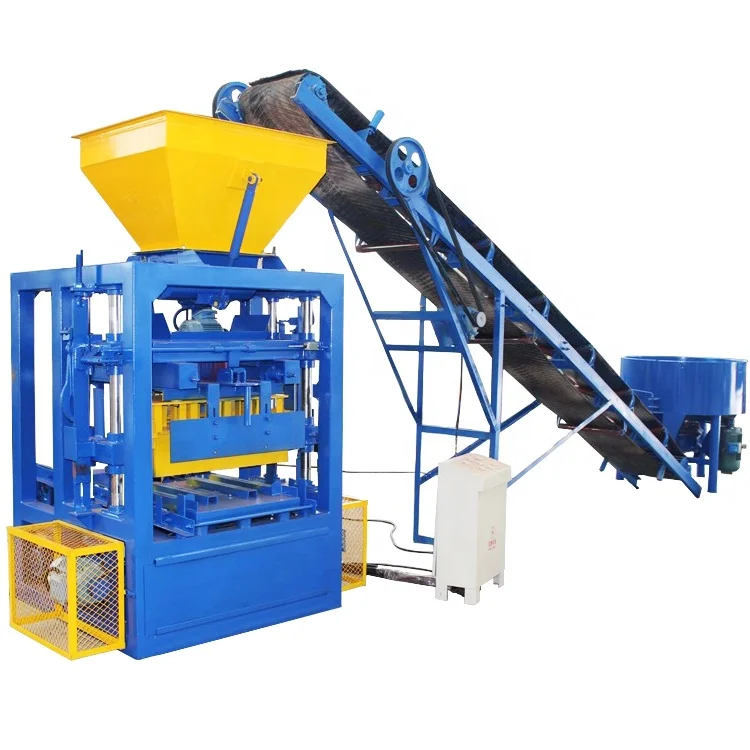
Description
Dispatch Transparency — Stocked models ship with container loading plans confirmed before payment, not after, matching your project start date rather than our production schedule.
Technical Specifications
| Parameter | Value |
|---|---|
| Product Type | Semi-Automatic Concrete Block Making Machine |
| Model | QTJ4-24 |
| Overall Dimensions | 2060×1730×2580 mm |
| Main Vibration Form | Platform vibration |
| Vibration Frequency | 4200 r/min |
| Pallet Size | 880×480×38 mm |
| Molding Cycle | 26 s (basis to be confirmed by block format) |
| Total Power | 14.25 kW |
| Exciting Power (Vibration Force) | 35.5 kN |
| Rated Pressure | 15 MPa |
| Control Technology | Frequency converting control |
| Voltage & Frequency | 380V, 3-phase, 50Hz (customizable to local voltage) |
| Mould System | Exchangeable moulds |
| Automation Level | Semi-automatic |
| Warranty | 1 year (excluding wearing parts) |
| Operation Manual | Included |
Application Suitability
| Application | Material or Output |
|---|---|
| Hollow block production | Crushed stone, sand, cement, and water mix for structural and partition walls |
| Interlocking paver forming | Fine aggregate and cement blends for walkways, driveways, and courtyard surfaces |
| Solid concrete block making | Dense aggregate mixes for load-bearing masonry in residential and commercial builds |
| Small-scale block plant setup | Entry-level production for entrepreneurs launching a first block business |
Why the Voltage Question Should Come Before the Container Booking
A QTJ4-24 block machine in stock is only ready if the voltage matches your site before it leaves the factory.
I have watched machines sit on a dock in Lagos for three weeks because the motor was wired for 50 Hz while the local grid runs 60 Hz. The frequency converting control on this unit reduces that risk, but the base voltage and phase must still align with your facility. Buyers often confirm price and dispatch date first, then discover the electrical mismatch during commissioning. By then the machine is bolted down and rewiring means pulling cables through conduits already poured into concrete [NEED_CITE: voltage and frequency standards by export market]. Confirming electrical specifications during the quotation stage prevents the most common arrival-day delay.
Dispatch Windows That Match Your Build Schedule
When a project deadline is fixed, knowing the exact QTJ4-24 block machine in stock status matters more than comparing brochure outputs. This model ships as a single main frame with bolt-on vibration table, motor assembly, and control panel, meaning container loading is straightforward and the unit arrives largely pre-assembled. Standard moulds for common hollow block and interlocking paver formats are typically held alongside the machine, so the complete package can move together. Buyers working to a contractor handover date can plan the vessel booking around a confirmed dispatch week rather than an open-ended production estimate.
Container Loading and Dismantling for Transit
The QTJ4-24 block machine in stock is dismantled into sections that fit a standard 20-foot container, keeping freight costs predictable. The main frame, vibration platform, and hydraulic station are separated at bolted joints designed for reassembly without welding or cutting on site. Pallets are stacked flat against the container wall, and exchangeable moulds are crated to prevent edge damage during ocean transit. This dismantling approach means your team can unload and reposition the machine using a standard forklift once it reaches the yard [NEED_CITE: standard container loading practices for industrial block machinery].
Reading the Numbers That Actually Matter at Start-Up
The 4200 r/min vibration frequency and 35.5 kN exciting force work together to compact the concrete mix against the mould walls before the pressure holds it in shape. A higher vibration frequency alone does not guarantee denser blocks if the hydraulic rated pressure at 15 MPa is insufficient for the mix stiffness. The 880×480 mm pallet size defines the production footprint per cycle and must match your curing rack spacing and the forklift tine width you already own. The 26-second molding cycle applies to a standard format; switching to a taller hollow block or a thinner paver changes that timing. Frequency converting control on the motors reduces current draw during start-up, which matters when your site runs on a shared transformer or a diesel generator with limited surge capacity.
The Cost of Skipping Pallet and Electrical Confirmation
Choosing a pallet size without measuring your curing yard leads to racks that cannot be loaded or forklifts that cannot reach the second tier. I have seen yards where blocks cured on the ground because the pallets were too wide for the existing racks, turning a semi-automatic line into a manual stacking operation. Similarly, arriving with a 380V machine in a region where the industrial supply is 415V forces an external transformer rental that adds cost and a failure point. These are not machine faults but configuration oversights that surface only after the container is opened [NEED_CITE: common commissioning delays in block plant start-ups].
Why Procurement Starts with Availability Confirmation
Block machinery as a single focus means the QTJ4-24 ships with pallets, moulds, and handling components specified together, not sourced separately and matched on arrival. Configuration is checked against your local aggregate and target block format before dispatch, reducing the chance that the machine arrives set for a mix you cannot source. Stocked models and standard moulds allow the quotation to include a real dispatch date rather than a production estimate. Container loading details are confirmed in the proposal so you know the freight class and can book the vessel. Voltage and control language are locked in before packing, preventing the most frequent on-site delay.
Documentation & Verification
- Machine specification sheet listing all confirmed parameters for your QTJ4-24 unit
- Mould drawing and format list matching the block shapes you intend to produce
- Voltage and control language confirmation signed off before dispatch
- Factory test record showing the machine running with your specified pallet size
- Packing photographs documenting crating and container loading condition
- Operation and maintenance manual with exchangeable mould change procedures
Installation, Commissioning & Support
- Foundation pad must be level and rated for the 2060×1730 mm footprint plus operator clearance
- Three-phase 380V dedicated circuit required for the 14.25 kW total power draw
- Machine arrives in bolted sections for reassembly with standard hand tools, no welding needed
- First run includes vibration frequency and pressure adjustment to match your local aggregate mix
- Operator training covers mould exchange sequence, pallet loading rhythm, and daily greasing points
- Wearing parts list provided at dispatch so first replacements can be ordered proactively
Planning Your Inquiry with the Right Details
Share your target block format, daily production target, and the raw materials available within haul distance of your site. Include your existing curing yard dimensions and the forklift model you plan to use for pallet handling. Confirm the industrial voltage and frequency at your connection point so the motor and control panel are wired correctly before the machine ships.
Frequently Asked Questions
Q: Is the QTJ4-24 currently in stock, or what is the production lead time if not?
A: Stock status for the QTJ4-24 block machine in stock is confirmed at the time of inquiry, along with which standard moulds are ready to ship alongside it. If a specific mould format or voltage configuration requires production, the lead time is quoted before you commit so your project schedule stays intact.
Q: How is the machine packed and loaded into a container for shipment?
A: The main frame, vibration platform, and motor assembly are separated at bolted joints and loaded into a standard container. Pallets are stacked flat, and exchangeable moulds are crated to prevent transit damage. Packing photographs are provided before the container is sealed.
Q: What voltage options are available, and is customization confirmed before dispatch?
A: The base configuration is 380V, 3-phase, 50 Hz, but voltage and frequency are customizable to match your site supply. The exact electrical specification is confirmed and documented before the machine is wired and packed, preventing commissioning delays on arrival.
Q: What is included in the shipment besides the machine itself?
A: The shipment includes the QTJ4-24 main unit, exchangeable moulds for your selected formats, pallets sized to the 880×480 mm specification, the control panel, and the operation manual. Ancillary handling equipment can be added to the same container if confirmed during the quotation stage.
Q: How quickly can the machine be set up and running after arrival on site?
A: Because the machine ships in bolted sections designed for reassembly, most installations on a prepared foundation are completed within days rather than weeks. The first production run includes vibration and pressure adjustment to match your local mix, followed by operator familiarization with the mould exchange and pallet handling sequence.