Description
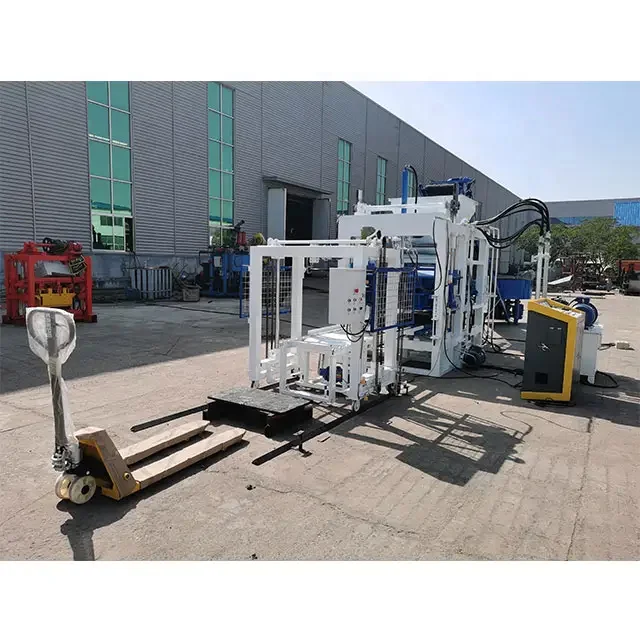
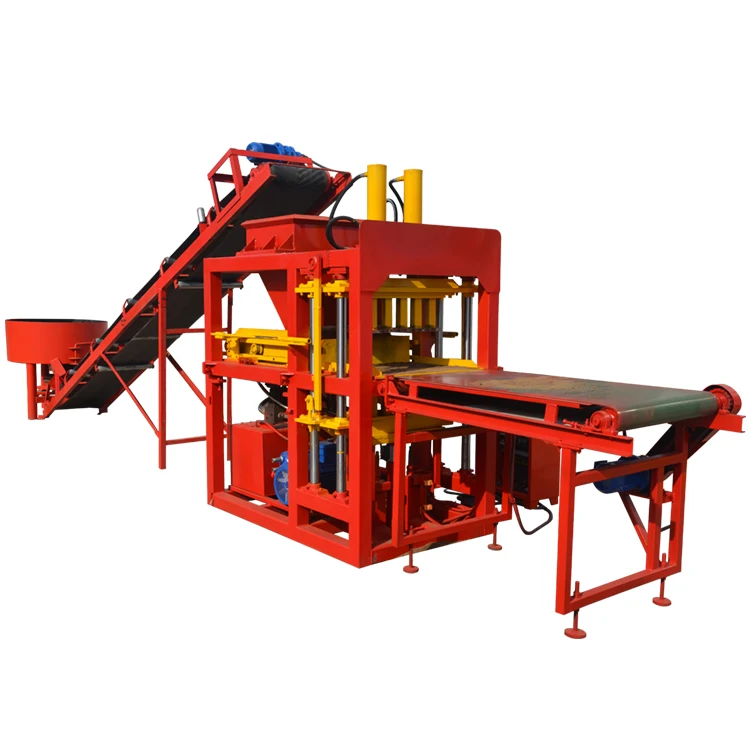
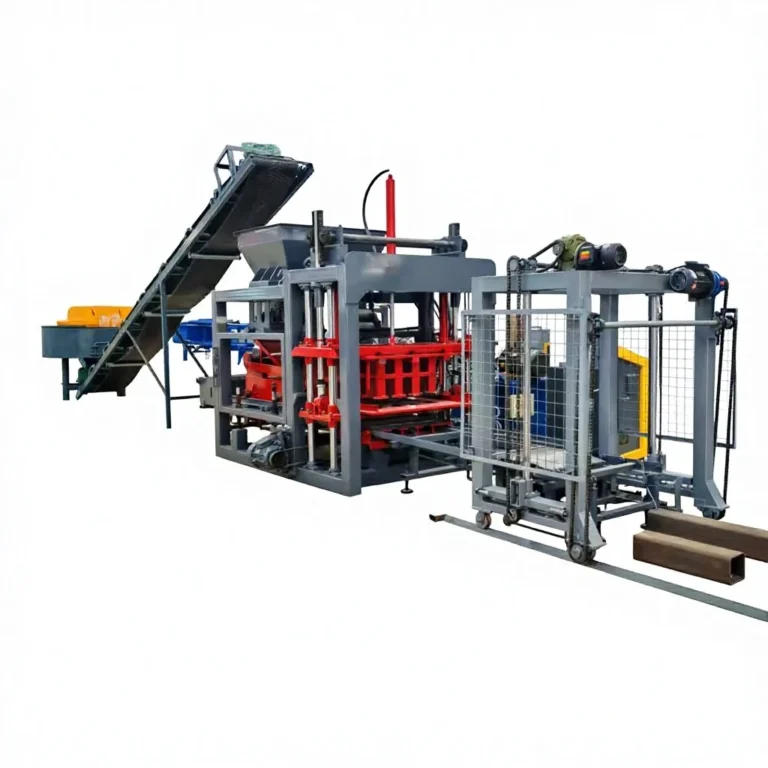
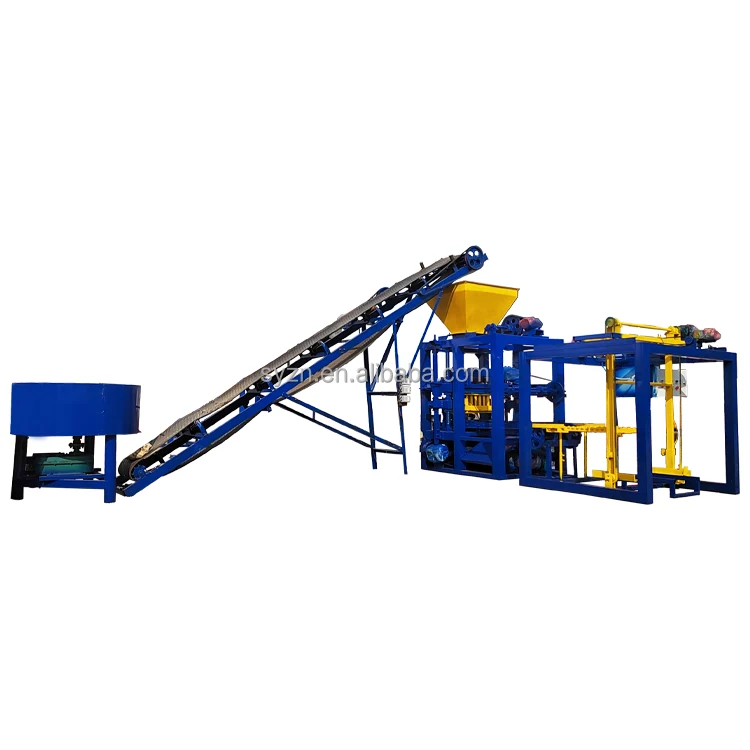
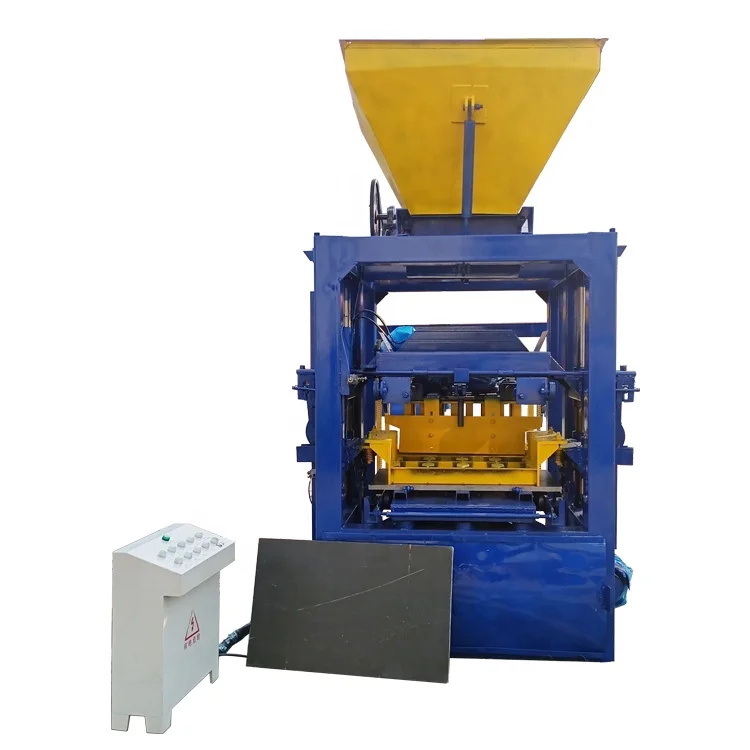
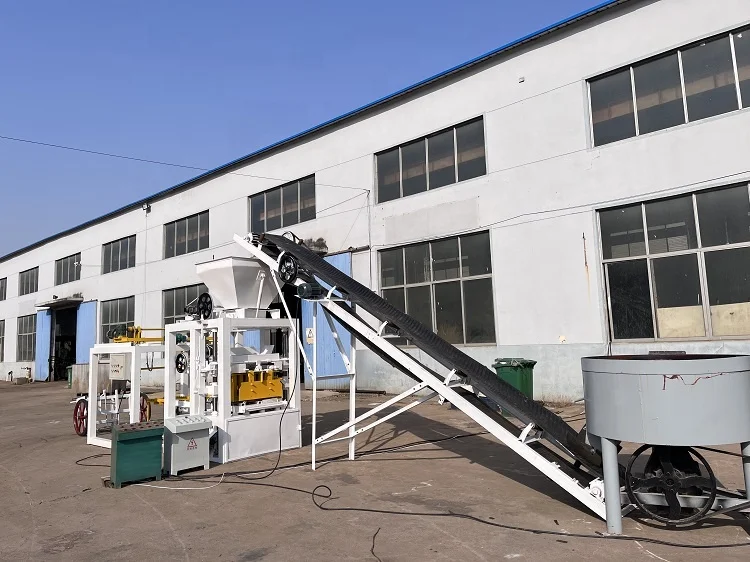
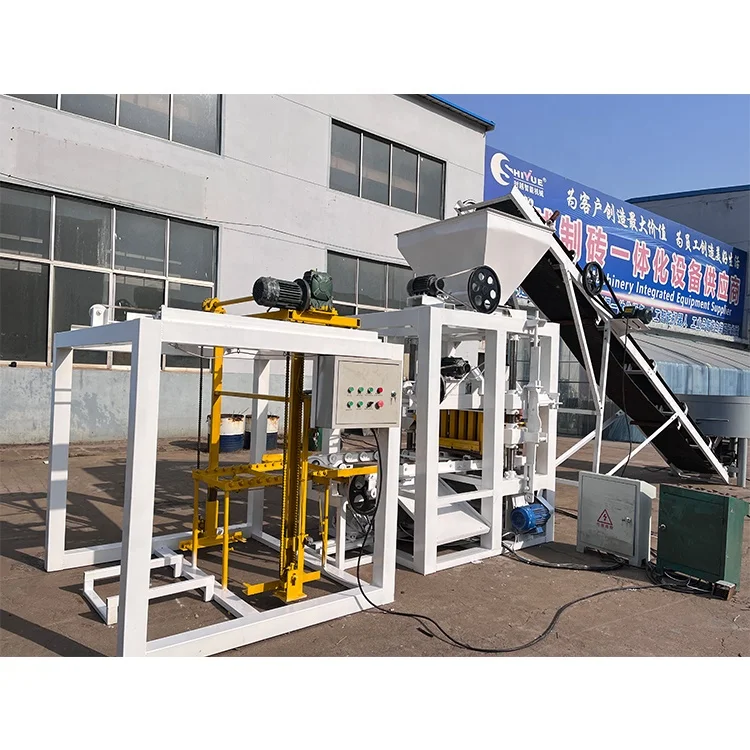
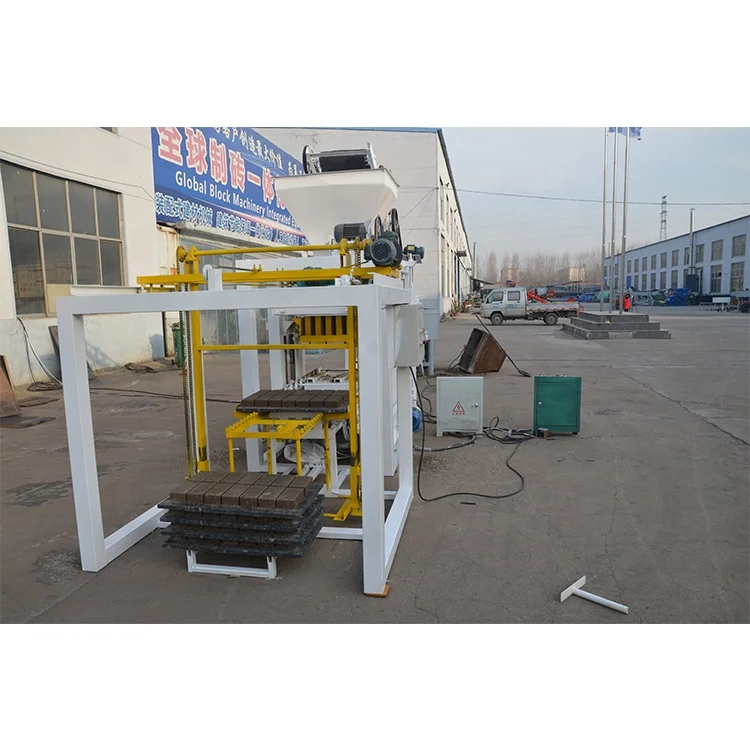
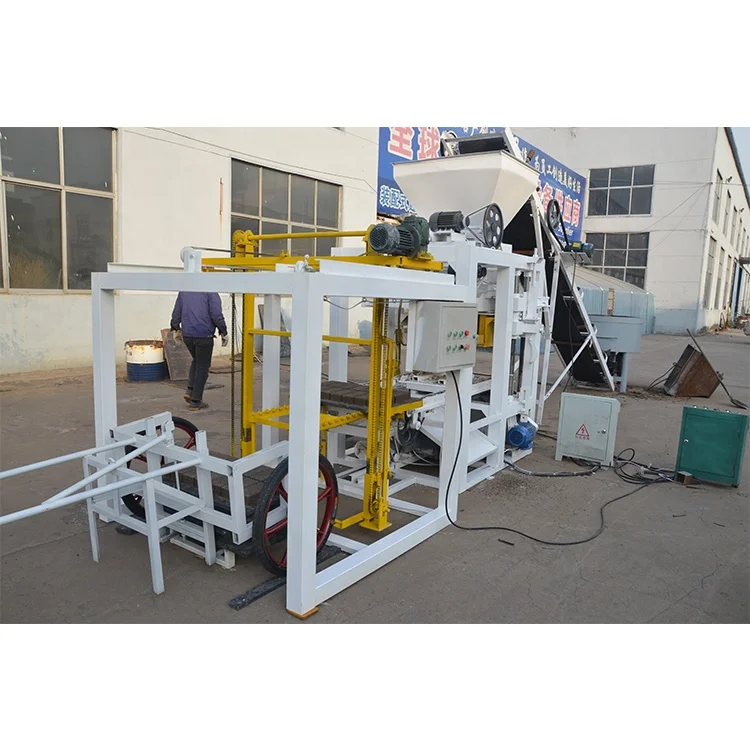
Dispatch-Ready Availability — QTJ4-24 stationary block making machine staged for immediate container loading, with voltage and control parameters confirmed before the crate is sealed so site commissioning is never delayed by a mismatched electrical spec.
Technical Specifications
| Parameter | Value |
|---|---|
| Model | QTJ4-24 |
| Product Type | Stationary Block Making Machine |
| Overall Dimensions (L×W×H) | 3600 × 1700 × 2560 mm |
| Pallet Size | 850 × 450 mm |
| Molding Cycle | 24–26 s (basis not stated in source — confirm block format / material / thickness) |
| Overall Power | 11.95 kW |
| Vibration Force | 45 kN |
| Total Mass | 2 T |
| Molding Method | Mechanical |
| Material Distribution | Full-automatic spiral |
| Vibrator Configuration | 2 × 3 kW lower vibrators + 2 × 1.5 kW upper vibrators |
| Reducer for Mold Lifting | 350-type |
| Automation Level | Semi-automatic |
| Raw Materials | Cement, sand, stone |
| Warranty | 1 year (excluding spare parts) |
Application Suitability
| Application | Material or Output |
|---|---|
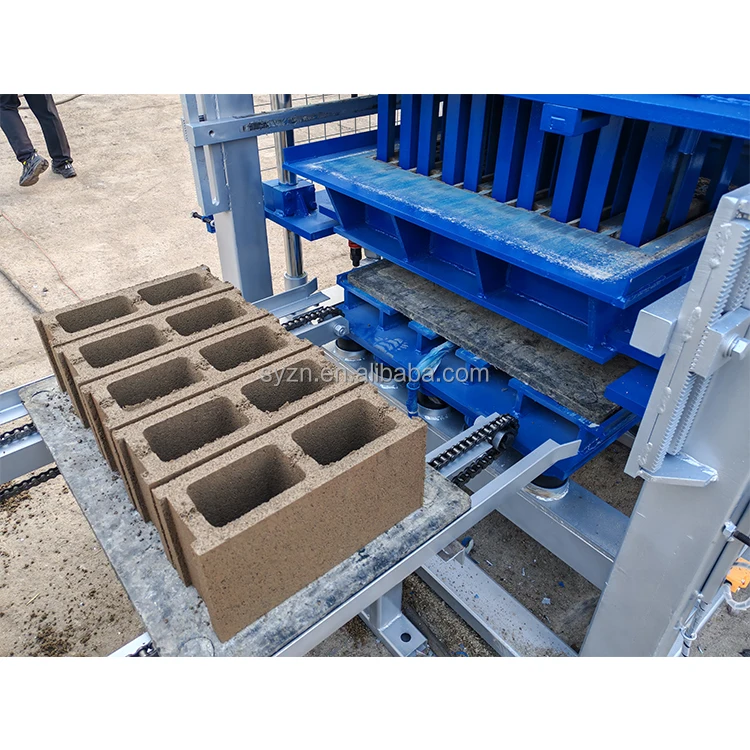
| Hollow block production for site-built walls | Cement, sand, crushed stone aggregate |
| Interlocking brick runs for paving and retaining structures | Cement-graded sand blends |
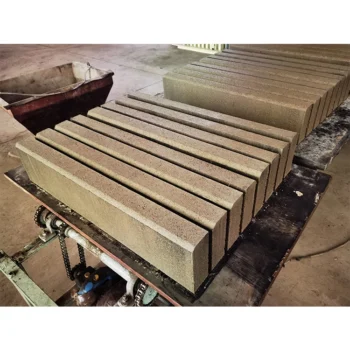
| Paving brick batches for walkways and yards | Cement, fine sand, stone dust |
| Solid brick output for load-bearing infill | Cement, sand, coarse aggregate |
Why Voltage Confirmation Must Precede the Bill of Lading
A stationary block making machine in stock means nothing if the motor winding does not match the destination grid.
I spent years on the factory floor testing block presses before moving to the dispatch side, and the lesson that stuck came from a shipment to West Africa. The voltage was never locked down on paper, and the variable-frequency drive burned out during first startup. The site crew waited almost a month for a replacement part while the project schedule slipped. Since that incident, every QTJ4-24 dispatch file carries a signed voltage confirmation sheet before the machine leaves Linyi [NEED_CITE: voltage and frequency standards by export market]. Skipping this step turns a fast-delivery advantage into an expensive delay.
Stock Positioning and Dispatch Timeline
Buyers working against a project milestone need a stationary block making machine in stock that can be inspected, crated, and moved to port without a production wait. The QTJ4-24 sits in a readiness tier where standard moulds and the host press are held in finished form, so the lead time narrows to container booking and inland haulage rather than a build cycle. Dispatch planning starts with confirming the exact mould format the buyer needs on day one.
Container Loading and Dismantling Protocol
A 2-ton press with a 3600 mm footprint requires partial dismantling — typically the upper vibrator assembly and hopper are unbolted, tagged, and packed in a separate crate inside the same container. The loading plan is photographed stage by stage so the receiving crew can reverse the sequence without guessing. This approach keeps the QTJ4-24 in a standard 20-foot or 40-foot container, avoiding the cost and scheduling friction of break-bulk or flat-rack shipping. [NEED_CITE: standard container dimensions and loading practices for industrial machinery]
Reading the Numbers That Matter on Site
The 45 kN vibration force comes from four dedicated motors — two 3 kW units below the mould table and two 1.5 kW units on the upper head. This split arrangement compacts the concrete mix from both directions, which matters when local aggregate grading varies from one batch to the next. The 350-type reducer on the mould-lifting mechanism absorbs repeated shock loads across thousands of cycles, reducing the chance that a lifting gear fails mid-shift. At 11.95 kW total draw, the QTJ4-24 stays within the capacity of a modest site generator, so contractors without a dedicated transformer can still run the press on arrival.
The Cost of Overlooking Pallet and Curing Logistics
Quotations that stop at the press itself leave buyers discovering — after the container is opened — that pallets, stacking labour, and curing racks were never in scope. The 850 × 450 mm pallet size on the QTJ4-24 must align with the curing yard layout and the forklift fork spacing already on site. When pallets arrive in a dimension the existing racks cannot hold, blocks end up stacked on the ground, moisture curing becomes uneven, and compressive strength varies across the batch [NEED_CITE: concrete block curing practices and strength development].
Why Buyers Route Stationary Orders Through This Channel
Block machinery is the sole product focus here, so the QTJ4-24 arrives with mould, pallet spec, and handling accessories specified as one package rather than stitched from separate vendors. Machine configuration is checked against the buyer’s actual mix design and local aggregate, not a default catalogue recipe. Standard moulds for the formats the buyer’s market sells are stocked alongside the press, cutting the wait for a first production run. Voltage, frequency, and control language are confirmed in writing before dispatch, and factory test records travel with the shipment so the receiving team can verify performance against the bench-marked cycle.
Documentation & Verification
- Factory test record showing cycle timing on the buyer’s target block format before dispatch
- Voltage and frequency confirmation sheet signed by both parties prior to crating
- Hydraulic and electrical schematic matched to the shipped configuration
- Packing photographs documenting dismantling sequence and container loading stages
- Operation and maintenance manual with mould change procedure for the supplied formats
- Customs documentation package prepared for the destination country’s import requirements
Installation, Commissioning & Support
- Foundation pad leveled to 3600 × 1700 mm footprint with anchor bolt template supplied
- Dedicated 11.95 kW circuit with breaker rating matched to confirmed voltage and frequency
- Upper vibrator assembly and hopper re-bolted using tagged hardware from the dismantle kit
- First-run cycle timed and adjusted against the 24–26 s benchmark for the chosen block format
- Operator walk-through covering mould change on the 350-type reducer lift mechanism
- Wear parts list provided for lower and upper vibrator motor bearings and spiral feeder flighting
What to Include in Your Inquiry
Send the block format you plan to produce first, the daily output target, and the raw materials available within hauling distance of your site. Confirm the local grid voltage, frequency, and the language you need on the control panel so the dispatch package is complete. If you already have pallets or a curing rack system on site, share the dimensions so the pallet spec on the QTJ4-24 aligns from day one.
Frequently Asked Questions
Q: Is the QTJ4-24 currently in stock, or what is the dispatch lead time?
A: Standard configurations of this stationary block making machine are held in finished form. When the exact mould format and voltage match stock, dispatch can proceed within days. If a custom mould or non-standard voltage is required, a short production window is added and quoted before the order is confirmed.
Q: How is the machine dismantled and loaded into the container?
A: The upper vibrator frame, hopper, and material spiral are unbolted, tagged, and packed in a separate crate inside the same container. Stage-by-stage photographs are taken so the receiving crew can reassemble in reverse order without ambiguity. A standard 20-foot or 40-foot container accommodates the full package.
Q: What is the estimated transit time from dispatch to destination port?
A: Inland haulage to the port of loading typically takes a matter of days. Ocean transit depends entirely on the destination — Southeast Asian ports are reached in roughly one to two weeks, while West African or South American ports may require four to six weeks. A shipping estimate is provided at quotation stage.
Q: Are standard moulds for common block formats shipped with the machine?
A: Yes. Moulds for the hollow, solid, paving, and interlocking formats most commonly requested are stocked and can ship in the same container as the press. Custom mould drawings are reviewed and confirmed before dispatch to ensure they match the buyer’s target block dimensions.
Q: What customs and shipping documents are provided?
A: The dispatch package includes the commercial invoice, packing list, bill of lading, certificate of origin, and a CE declaration where applicable. All documents are prepared in advance to support smooth customs clearance at the destination port and avoid storage demurrage charges.