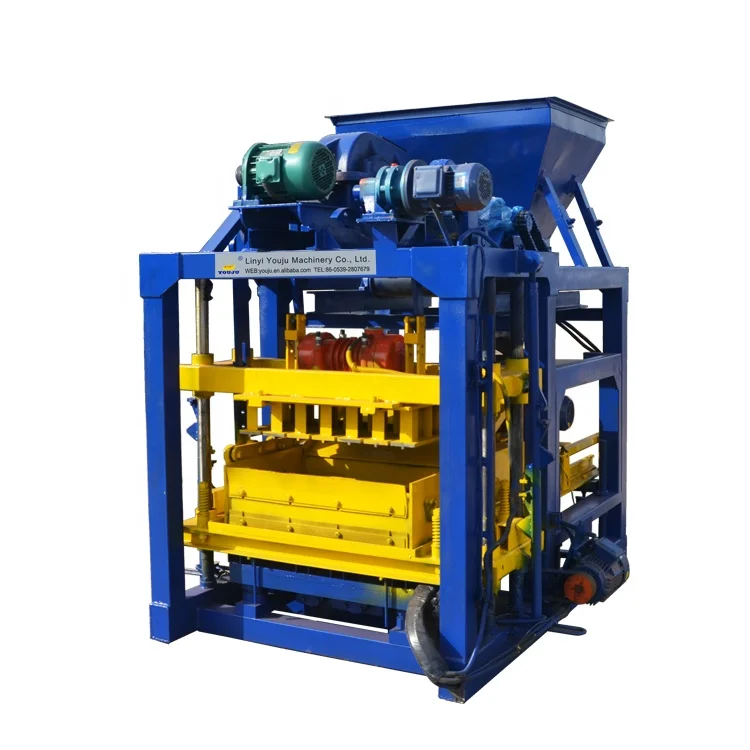
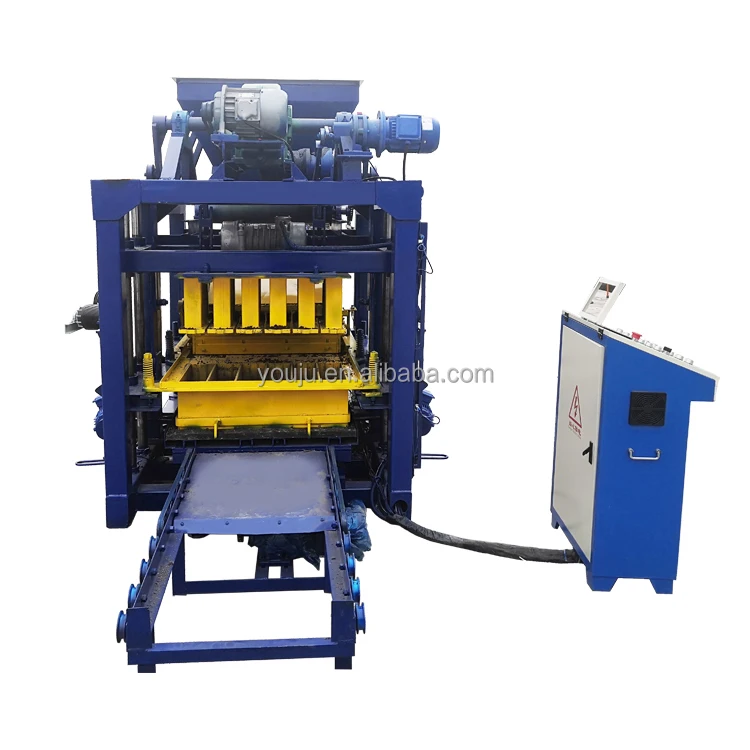

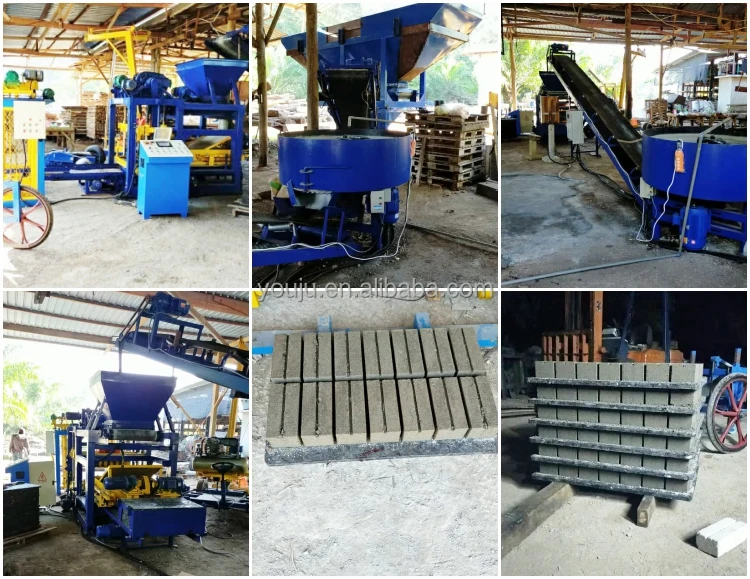
Description
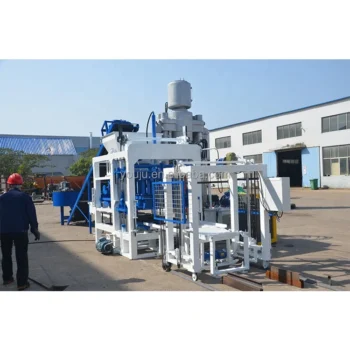
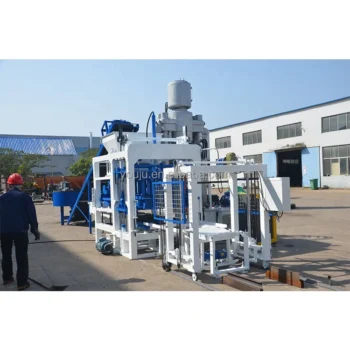
Stock readiness, fast dispatch — QTJ4-25 units and standard moulds staged for container loading so project-deadline buyers know the ship date before they pay.
Technical Specifications
| Parameter | Value |
|---|---|
| Model | QTJ4-25 |
| Product Type | Automatic Concrete Block Making Machine |
| Overall Dimensions (L×W×H) | 3000×1800×2680 mm |
| Total Mass | 3.5 T |
| Exciting / Vibration Force | 60 KN |
| Vibration Frequency | 2800–4500 r/min |
| Main Vibration Form | Platform vibration |
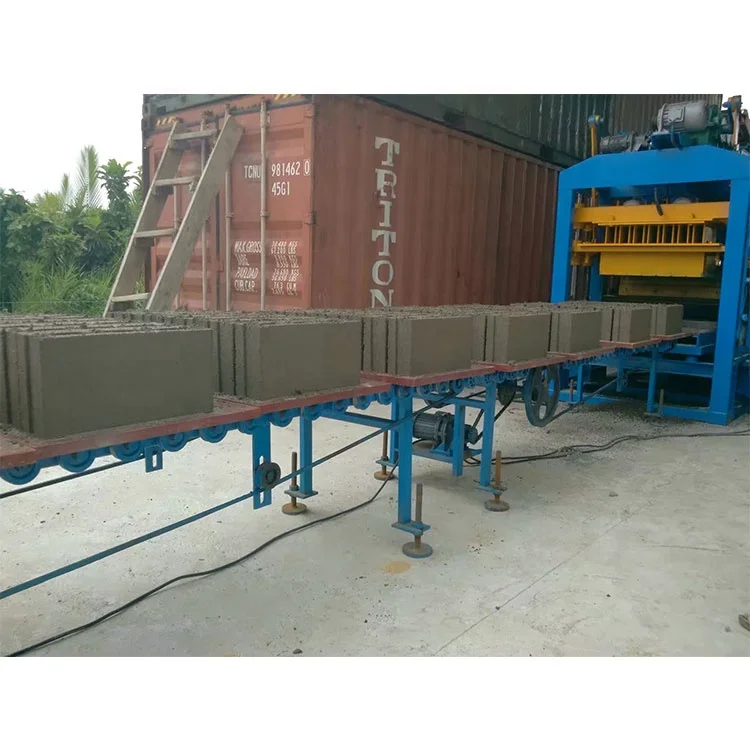
| Pallet Size | 850×480 mm |
| Molding Cycle | 25 s |
| Demolding Method | Mechanical |
| Guide Column Design | Four guide columns, overlong guide design |
| Surface Treatment | Chrome-plated (anti-wear, anti-distortion) |
| Steel Material | National standard manganese steel |
| Overall Power | 16.58 kW |
| Factory Area Required | 300 m² |
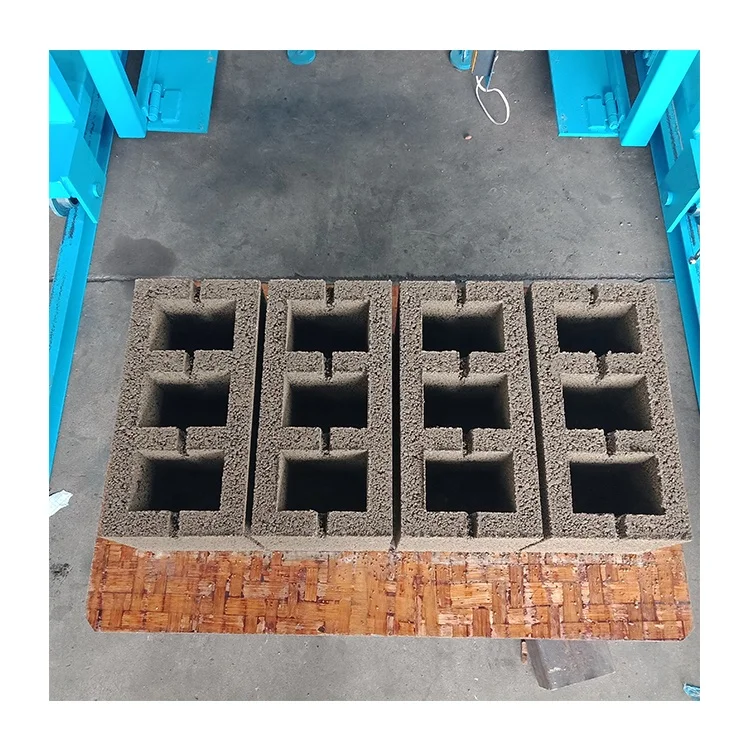
| Output — Hollow Block | 580 pcs/h (basis: 400×200×200 mm, 4 pcs/mould) |
| Output — Multicellular Brick | 1400 pcs/h (basis: 240×115×90 mm, 9 pcs/mould) |
| Output — Solid Brick | 3300 pcs/h (basis: 240×115×53 mm, 21 pcs/mould) |
| Daily Output (8 h) — Hollow Block | 4640 pcs (basis: 400×200×200 mm) |
| Daily Output (8 h) — Multicellular Brick | 11200 pcs (basis: 240×115×90 mm) |
| Daily Output (8 h) — Solid Brick | 26400 pcs (basis: 240×115×53 mm) |
| Control System | To be confirmed (PLC / manual) |
| Voltage & Frequency | To be confirmed before order |
| Warranty | 1 year (excluding spare parts) |
Application Suitability
| Application | Material or Output |
|---|---|
| On-site hollow block production for housing projects | Crushed stone, sand, cement, fly ash |
| Solid brick runs for masonry and infill | Gravel, slag, cement blends |
| Paver and interlocking block formats for landscaping | Colored concrete mixes, fine aggregates |
| Curbstone production for road and site infrastructure | Coarse aggregate, cement, high-compaction cycles |
| Distributor stock of standard concrete products | Local sand, crushed stone, industrial by-products |
Why Dispatch Timing Matters More Than Brochure Capacity
A machine that ships late turns a profitable project into a penalty clause.
The QTJ4-25 automatic block machine in stock status is the first question a contractor should ask before looking at cycle times. I have watched project timelines collapse not because the press was slow, but because it was still being built when the foundation crew was already pouring footings. Buyers working to a housing deadline or a government infrastructure schedule need a confirmed ship date written into the proforma, not a vague production estimate. [NEED_CITE: typical consequences of late equipment arrival on construction project milestones]
What Stock Availability Actually Means for Your Schedule
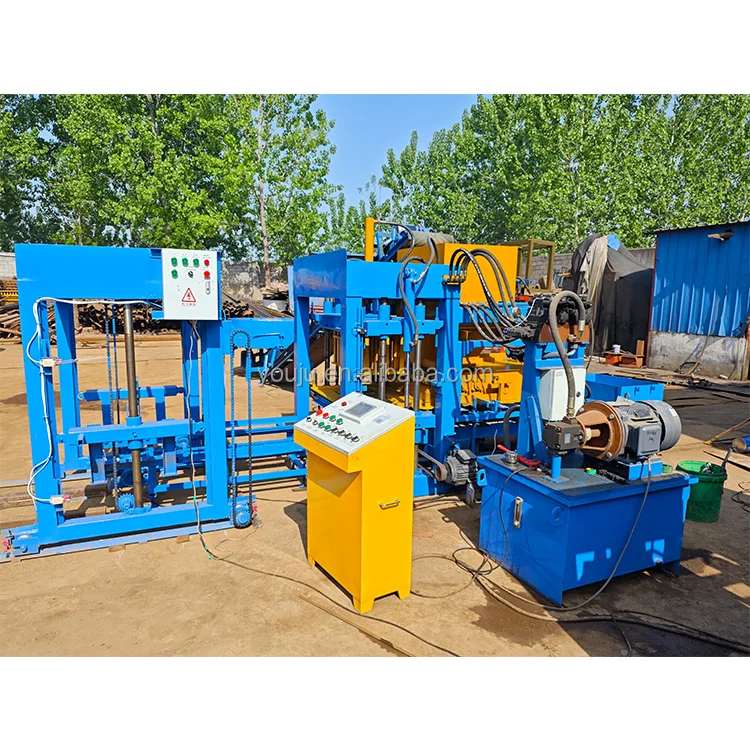
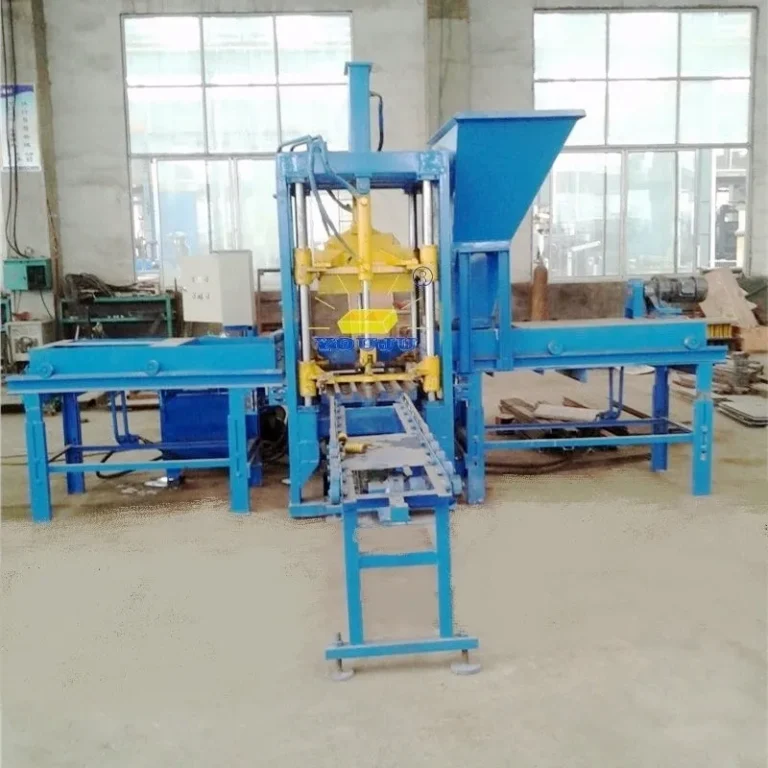
When we say a QTJ4-25 automatic block machine in stock is ready, that means the press frame, vibration platform, guide columns and hydraulic pack are assembled and tested — not sitting as a pile of steel plates waiting to be welded. Standard moulds for common formats like 400×200×200 mm hollow blocks and 240×115×53 mm solid bricks are matched and sitting alongside the machine so the full set loads into one container.
Dismantling and Loading Before the Container Arrives
A block machine of this footprint does not roll into a 20-foot container as one piece. The QTJ4-25 is broken down into the main frame, vibration table, mould assembly, pallet stack and electrical cabinet. Each section is wrapped and braced so ocean transit does not shift chrome-plated guide columns or bend the pallet rack. Packing photographs are taken at every stage and shared with the buyer before the container doors close. [NEED_CITE: standard container loading practices for mid-size concrete block presses]
How Vibration Force and Pallet Size Shape Your Output
The 60 KN vibration force at 2800–4500 r/min compacts the mix from the platform upward, which means the mould fill must be consistent for every cycle. If your local sand has high clay content — something I see constantly in Southeast Asian quarries — the vibration frequency needs adjustment or the block faces will show voids. The 850×480 mm pallet size is fixed, so your curing area, transfer trolleys and forklift forks must accommodate that dimension; otherwise you are hand-carrying wet blocks off the line, which defeats the purpose of buying an automatic press.
The Real Cost of Skipping Voltage and Control Confirmation
Shipping a 380 V / 50 Hz machine to a 440 V / 60 Hz market means the motor overheats within the first week and the vibration frequency drifts outside the 2800–4500 r/min range, producing weak blocks that fail compression tests. Control panel labels in the wrong language force the operator to guess button functions during mould changes. These are problems that cost more to fix on-site than a one-week delay to rewire and re-label at the factory. [NEED_CITE: voltage mismatch failures in exported industrial machinery]
Why Buyers With Deadlines Choose This Channel
The QTJ4-25 automatic block machine in stock is sourced from a single-focus block machinery operation where the press, mould, pallet and handling equipment are specified as one matched system. Dispatch lead times are quoted with the proforma, not after the deposit clears. Container loading plans show exactly how the machine breaks down and how many mould sets fit in the remaining space. Customs documentation is prepared in-house so your clearing agent receives the packing list, certificate of origin and commercial invoice in one package. Buyers also receive the factory test record run on their target block format before the machine leaves the workshop.
Documentation & Verification
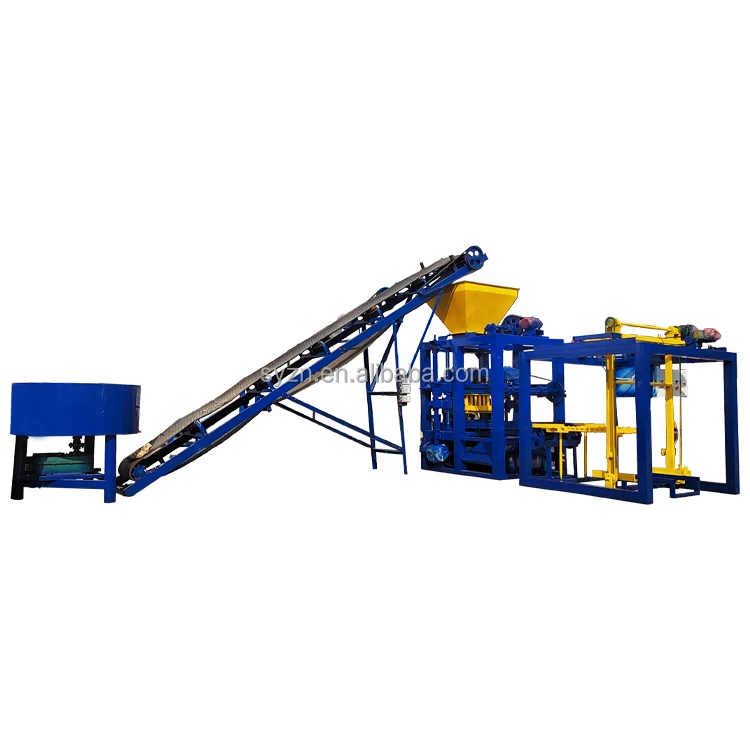
- Line layout with QTJ4-25 footprint and pallet transfer path marked
- Capacity sheet stating output per block format with mould cavity count
- Factory test record on buyer’s target aggregate mix before dispatch
- Voltage, frequency and control language confirmation signed off pre-shipment
- Mould drawing package with format list and cavity dimensions
- Packing photographs and container loading plan with bracing detail
Installation, Commissioning & Support
- 300 m² factory floor with level concrete base for the 3000×1800 mm frame
- Dedicated circuit rated for 16.58 kW total power with correct voltage confirmed
- Guide columns and vibration platform reassembled on-site with chrome surfaces inspected
- Mould change procedure trained with operator until cycle time stabilizes
- Spare chrome-plated guide bushings and vibration springs included in first shipment
- Pallet size 850×480 mm verified against buyer’s curing racks and forklift
What to Send With Your Inquiry
Tell us your target block format and the daily quantity your site or market needs. Share a sample or analysis of your local sand and aggregate so we can confirm the QTJ4-25 vibration range suits your mix. Confirm your site voltage, frequency and the language your operators read on a control screen.
Frequently Asked Questions
Q: Which QTJ4-25 models and moulds are currently in stock and ready to ship?
A: Standard QTJ4-25 presses with moulds for 400×200×200 mm hollow blocks, 240×115×90 mm multicellular bricks and 240×115×53 mm solid bricks are held in stock. Custom mould formats require a production run. We confirm exact available sets in writing with your inquiry response.
Q: What is the dispatch lead time and estimated arrival at the destination port?
A: Stocked QTJ4-25 units ship within days of payment clearance and container booking. Sea transit time depends on destination. We quote an estimated arrival date on the proforma so you can plan your foundation and curing area preparation around a known timeline.
Q: How is the machine dismantled and loaded into a container for shipment?
A: The main frame, vibration platform, mould set, pallet stack and electrical cabinet are separated. Each section is wrapped, braced and photographed before container doors close. A loading plan is shared with the buyer so you know which section comes off first on arrival.
Q: Are voltage, frequency and control display language confirmed before shipping?
A: Yes. We confirm your site voltage, frequency and preferred control language in writing before the machine leaves the factory. This avoids motor overheating, vibration frequency drift and operator confusion during the first week of production on-site.
Q: What customs and shipping documents come with the machine?
A: Each shipment includes a commercial invoice, packing list, certificate of origin, bill of lading and factory test record. We also provide the operation manual and hydraulic schematic so your local technician can begin maintenance scheduling before the container arrives.