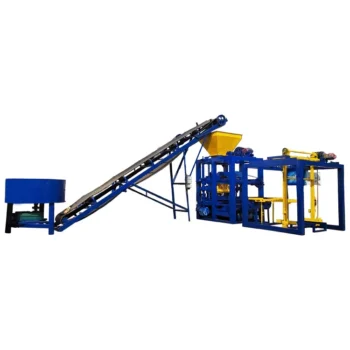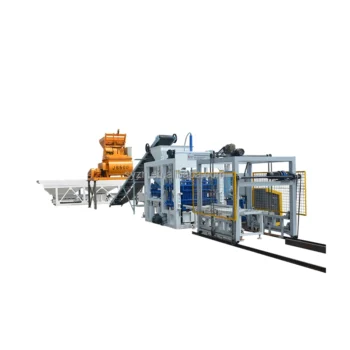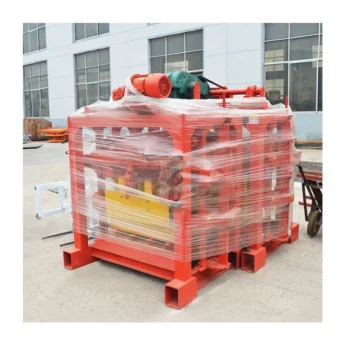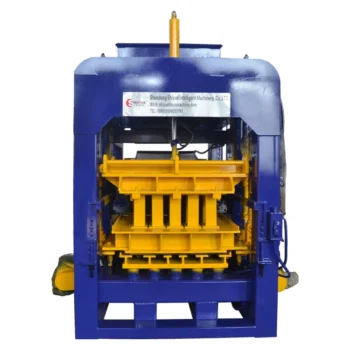
Description
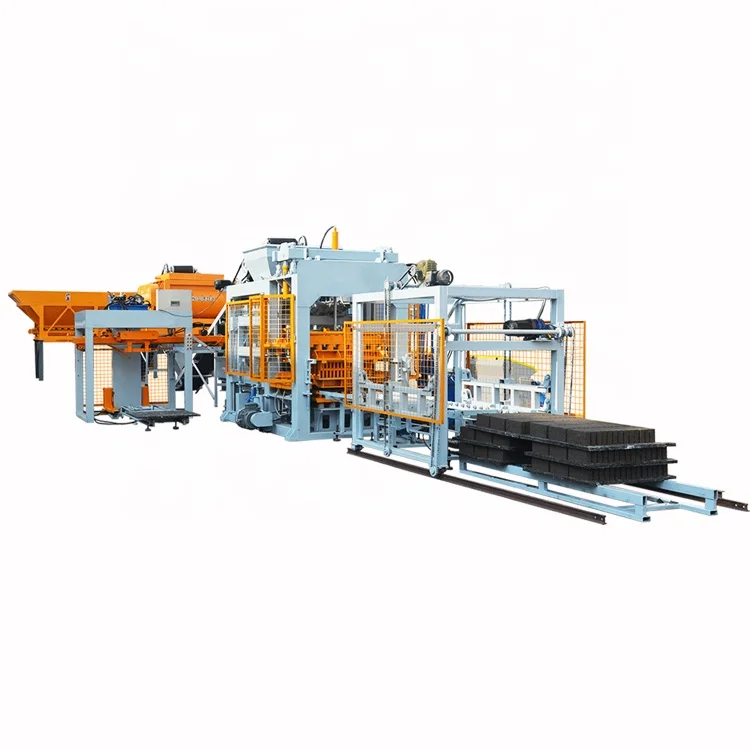
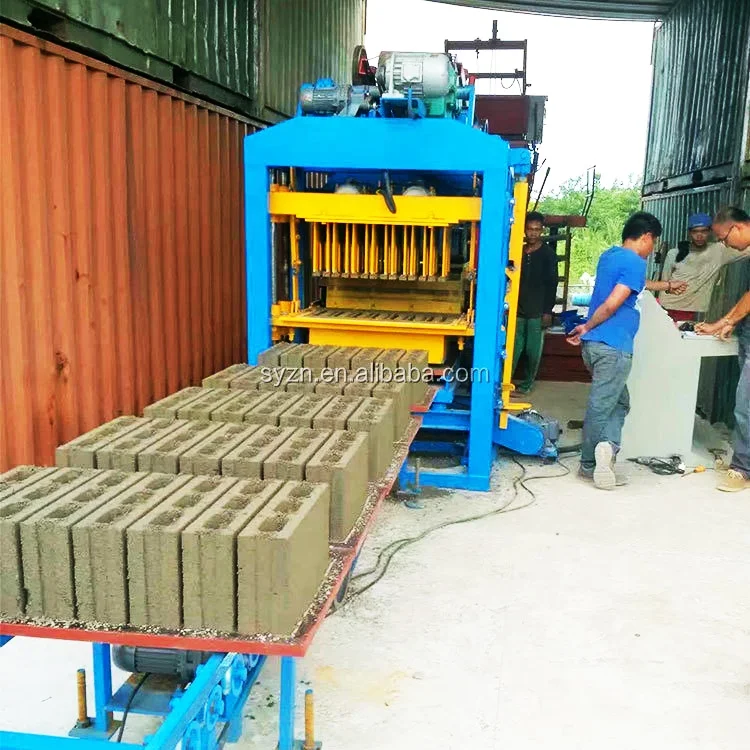
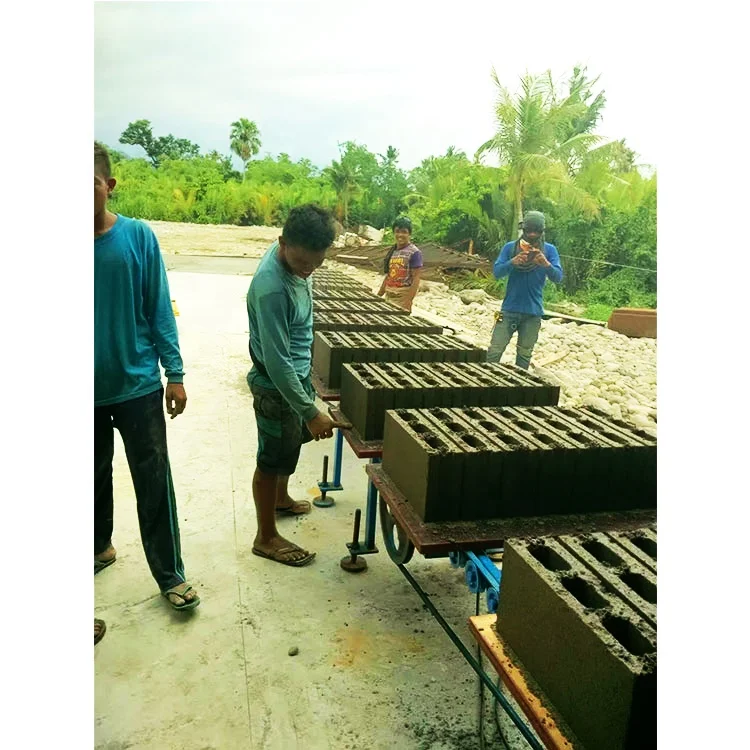
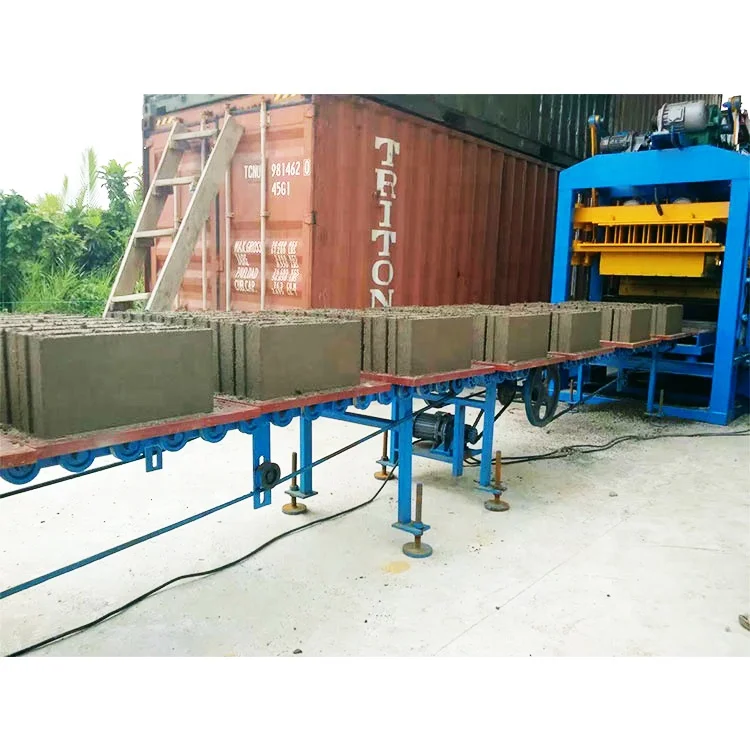
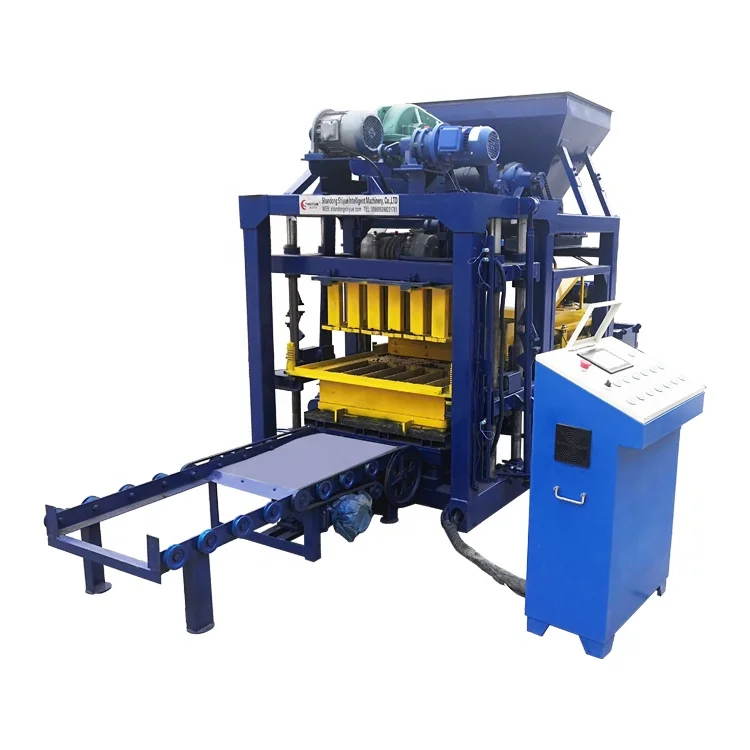
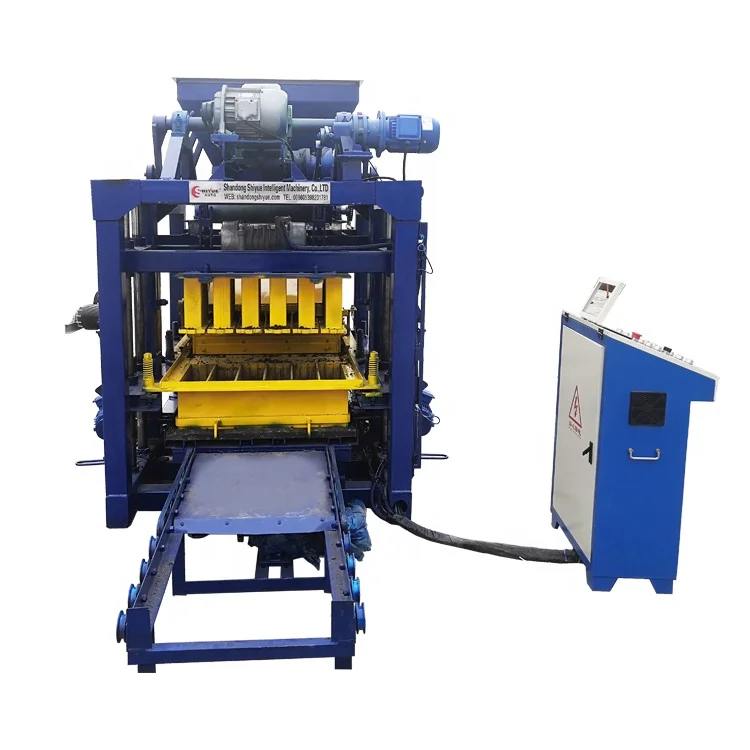
Readiness for Dispatch — A QTJ4-25 semi-automatic block machine sits prepared for container loading, with pallet dimensions, molding cycle, and packing plan confirmed before payment so your project timeline holds.
Technical Specifications
| Parameter | Value |
|---|---|
| Model | QTJ4-25 |
| Product Type | Semi-Automatic Concrete Block Making Machine |
| Overall Dimensions (L×W×H) | 3060 × 1730 × 2580 mm |
| Total Mass | 4 T |
| Rated Pressure | 16–21 MPa |
| Main Vibration Form | Platform Vibration |
| Vibration Frequency | 4200 r/min |
| Vibration Force | 45.5 KN |
| Pallet Size | 850 × 550 mm |
| Molding Cycle | 25–30 s (basis not stated in source) |
| Overall Power | 14.9 kW |
| Demolding Method | Vibration |
| Factory Area | 200 m² |
| Automation Level | Semi-automatic |
| Loading | 1 × 40HQ container (basic equipment) |
| Warranty | 1 year |
Application Suitability
| Application | Material or Output |
|---|---|
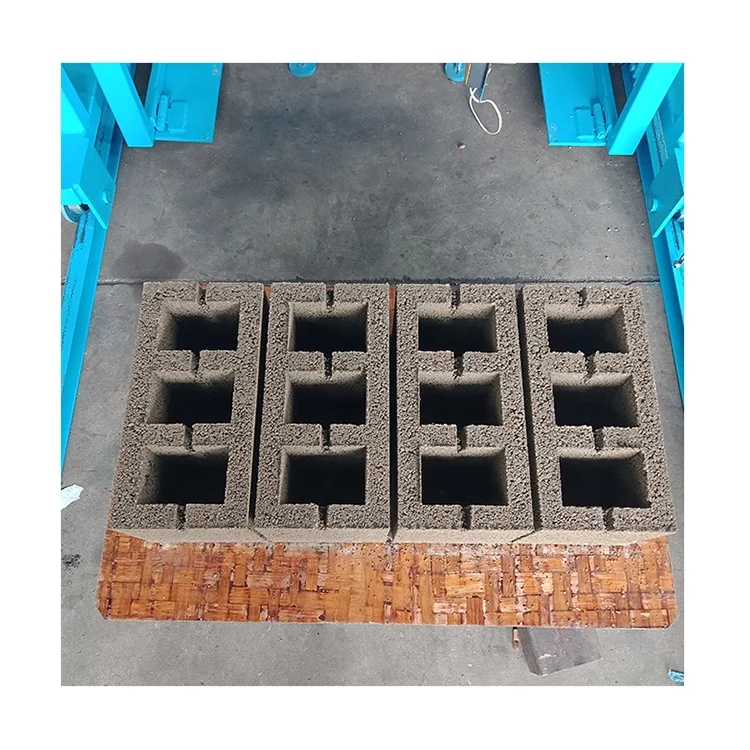
| Hollow block production | Crushed stone, sand, cement, fly ash |
| Solid block manufacturing | Gravel, cement, stone dust |
| Paver and interlocking brick | Cement, sand, colored pigment |
| Curbstone forming | Slag, cement, crushed aggregate |
| Porous brick production | Fly ash, sand, cement |
What "Stocked and Ready" Actually Means for Your Schedule
The QTJ4-25 block machine in stock can ship within a known window, not an open-ended promise.
Buyers working to a construction deadline cannot afford a quotation that says "four to six weeks" and then stretches into two months. A machine that arrives late delays the curing cycle, which delays the entire wall schedule. When I was doing after-sales work across sites in East Africa, I watched a complete block line sit idle for two weeks because a single mold spring snapped and no spare was on the container. That QTJ4-25 block machine in stock status is only meaningful if the supporting parts, voltage configuration, and packing photographs are also confirmed before the container door closes [NEED_CITE: typical container transit windows to West and East African ports].
Dispatch Timing and Container Loading
When a buyer needs a QTJ4-25 block machine in stock for a fast-moving project, the first conversation is about the dispatch lead time. The standard configuration ships dismantled to fit into one 40HQ container. Basic equipment includes the host press, platform vibration assembly, hydraulic station, and control panel. Confirming the exact loading plan — which assemblies are crated, which are bolted to the container floor — eliminates surprises at the destination port.
Matching Voltage and Frequency Before Dispatch
Grid standards vary widely between export markets. A machine wired for 380V/50Hz that arrives in a 440V/60Hz region will not commission without a transformer swap, adding days to an already tight schedule. Voltage, frequency, and PLC display language are confirmed at the order stage so the QTJ4-25 block machine in stock matches the buyer’s local grid and operator language from the first hour of installation [NEED_CITE: voltage and frequency standards by export market].
Vibration Force, Pressure, and Block Density
Platform vibration at 4200 r/min delivers 45.5 KN of compaction force against the mold cavity, while the hydraulic system applies 16–21 MPa of rated pressure from above. These two forces work together: vibration settles the aggregate into the mold corners, and hydraulic pressure squeezes out air voids to increase block density. The 850 × 550 mm pallet size defines the footprint of each production cycle, and that footprint must align with the curing racks and forklift the buyer already operates. A pallet size mismatch means buying new curing racks or losing usable kiln space.
The Cost of Shipping Without a Spare Parts Audit
A block machine that stops for a missing fifty-cent seal costs the same downtime as one waiting for a major component. Buyers who skip the wear parts list before dispatch often discover the first replacement spring, carbon brush, or hydraulic O-ring is three air-freight weeks away. I started building a mandatory spare-parts checklist into every shipping order after watching a line stand still in a humid coastal yard because nobody packed replacement vibration motor brushes. The basic equipment quotation for the QTJ4-25 should be reviewed against a wear parts list before the container is sealed [NEED_CITE: common hydraulic and electrical wear components in semi-automatic block presses].
Why Buyers Source This Model Here
Block machinery is the single focus, so the host press, mold, pallet, and handling equipment are specified as one matched system. The configuration is set against the buyer’s actual mix design and local aggregate rather than a catalogue default. Molds are designed for the block formats that the buyer’s regional market actually purchases, including custom drawings. Automation level is selectable, allowing a buyer to start with semi-automatic operation and add automatic stacking later. Installation and commissioning support includes operator training at the buyer’s site.
Documentation & Verification
- Factory test record on your specified block format before dispatch
- Machine specification sheet with confirmed pallet size and voltage
- Hydraulic and electrical schematic matching the shipped configuration
- Packing photographs of dismantled assemblies inside the container
- Customs documentation support for destination-country import codes
Installation, Commissioning & Support
- Foundation pad leveled to support 4 T total mass and vibration load
- Dedicated power circuit matching confirmed voltage and 14.9 kW draw
- Re-assembly from 40HQ container with bolt-torque verification on press frame
- First-run test on buyer’s local aggregate mix to validate cycle timing
- Operator training on mold change procedure and daily lubrication points
- Wear parts inventory — springs, seals, carbon brushes — shipped with the machine
Preparing Your Inquiry
To move from availability to a firm dispatch date, provide the target block format and daily output you need to hit, the local aggregate and cement type available at your site, and your grid voltage and frequency. Confirming these three items allows the configuration to be locked and the container loading plan to be finalized.
Frequently Asked Questions
Q: What is the dispatch lead time for a stocked QTJ4-25?
A: A stocked unit can be prepared for container loading once voltage, frequency, and control language are confirmed. The lead time covers final factory testing, dismantling for shipment, and packing photography. Buyers receive a dispatch date before payment is finalized so the project schedule can be updated with certainty.
Q: How is the machine dismantled and loaded into a 40HQ container?
A: The host press, hydraulic station, vibration platform, and control panel are separated and secured with crating and bolt-down brackets. This dismantled configuration fits the basic equipment package into one 40HQ container. A loading plan document shows the position of each assembly inside the container for efficient unloading at the destination.
Q: What is included in the basic equipment package?
A: The basic equipment covers the QTJ4-25 host press, platform vibration assembly, hydraulic station, control panel, and one standard mold. Pallets, stacking equipment, and curing racks are separate line items. Buyers confirm which supporting components are needed so the quotation reflects the full scope before the container is booked.
Q: Can voltage and frequency be matched to my country’s grid before shipping?
A: Voltage and frequency are confirmed at the order stage and the motor, transformer, and control panel are configured accordingly before the factory test. The PLC display language is also set to match the operator’s preference. This prevents costly rewiring or transformer additions after the machine arrives at your site.
Q: What arrival estimate can I expect from dispatch date to destination port?
A: The arrival estimate depends on the shipping route and destination port. Buyers receive a port-to-port transit window once the container is booked with the freight forwarder. Combining the dispatch lead time with the transit window gives a realistic date for the machine to reach the site and begin installation.