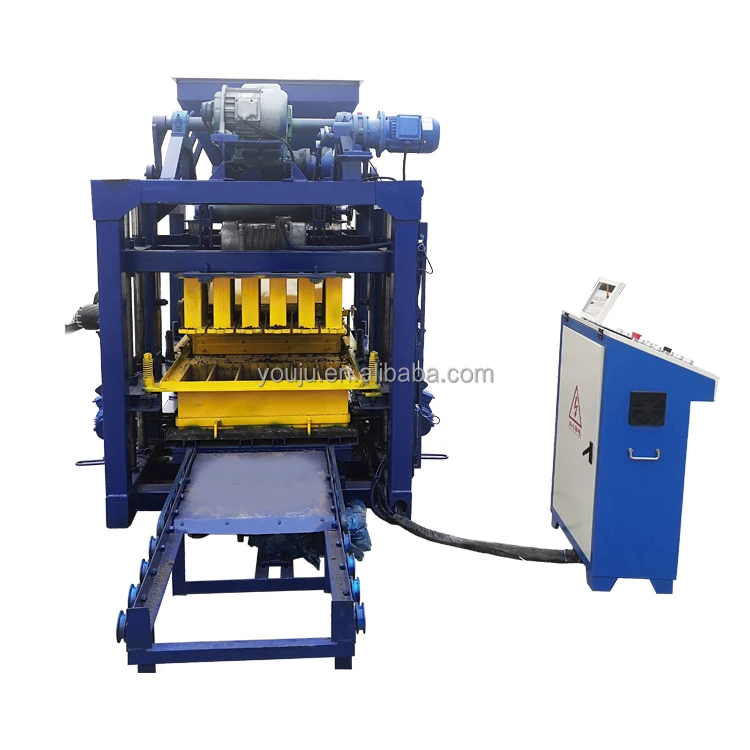
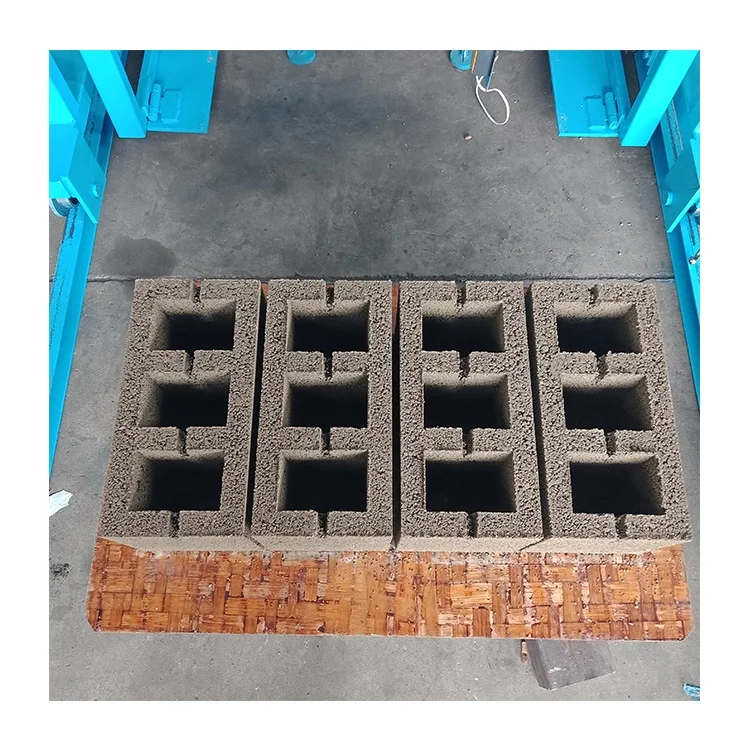
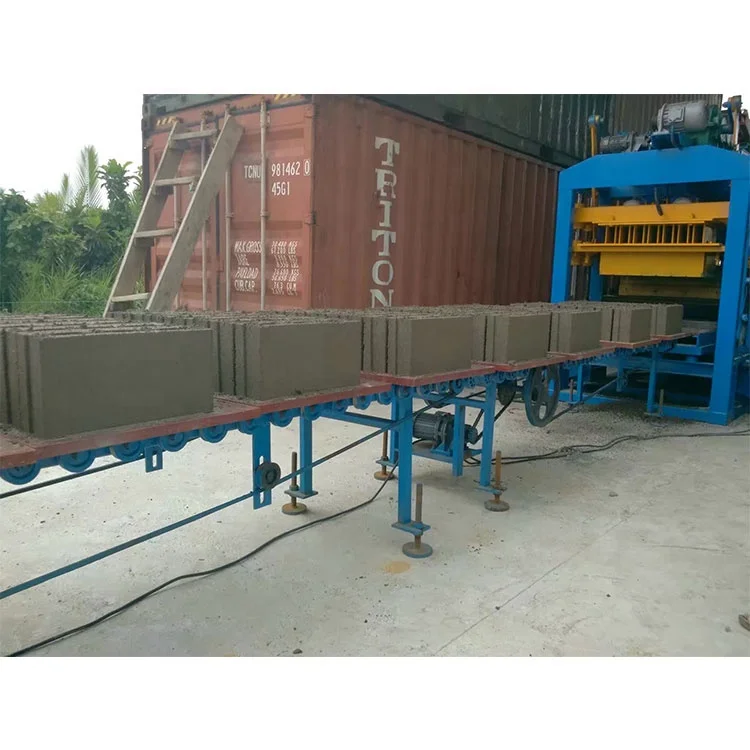
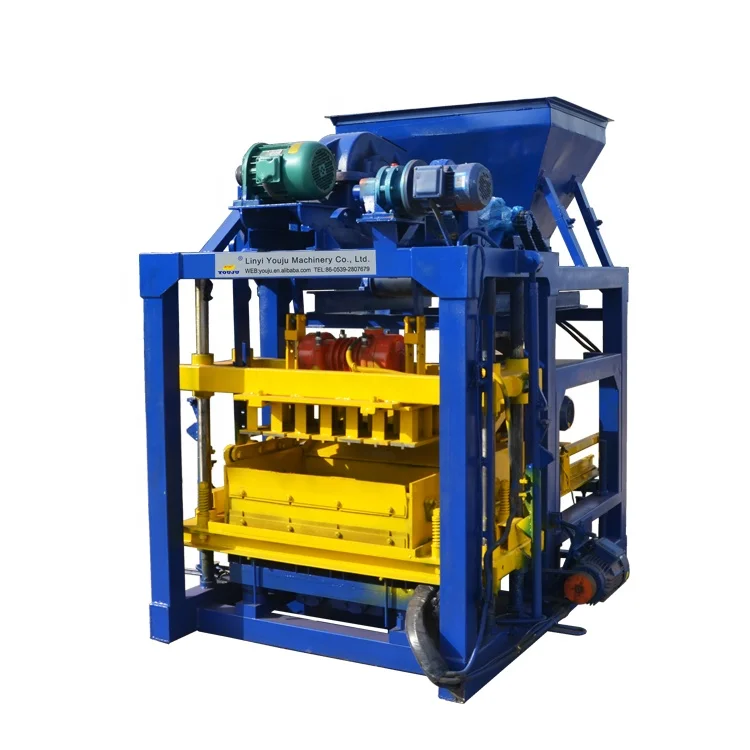
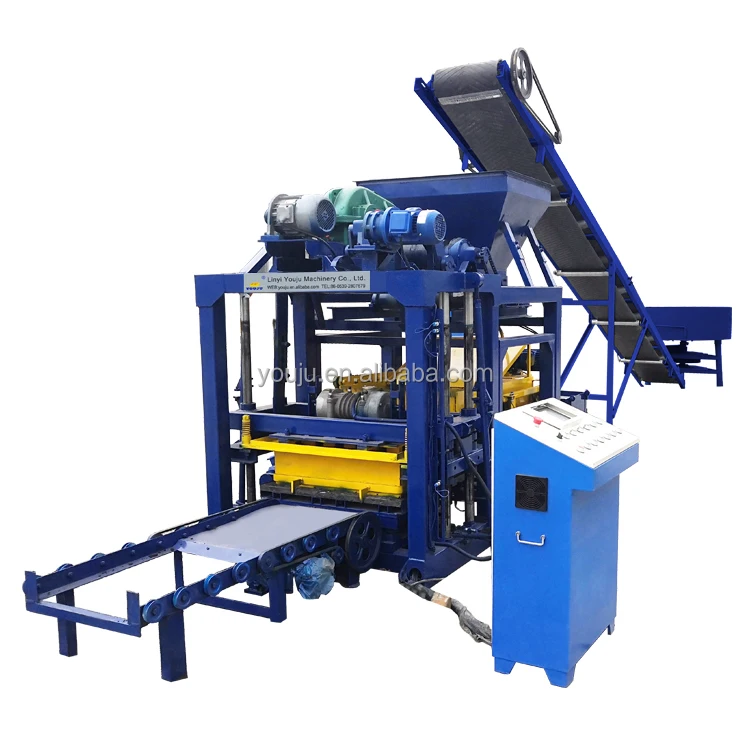
Description
Fast dispatch readiness — every QTJ4-25 unit is checked against your local aggregate report before container loading so the machine produces at its rated cycle from day one.
Technical Specifications
| Parameter | Value |
|---|---|
| Model | QTJ4-25 |
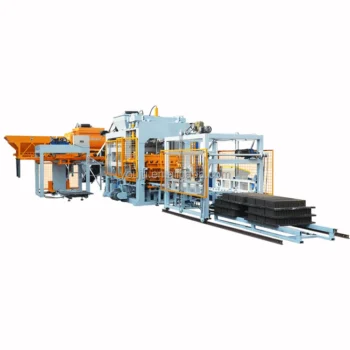
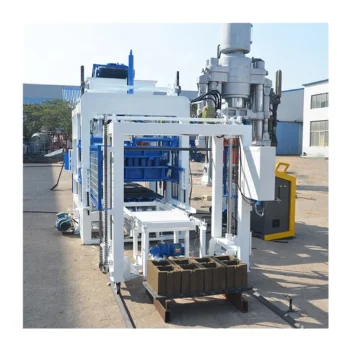
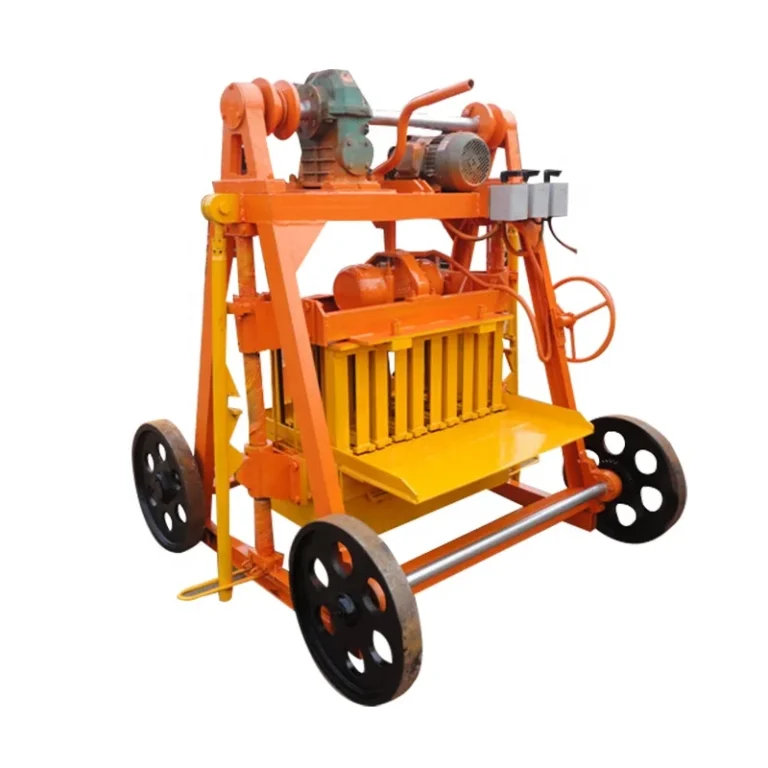
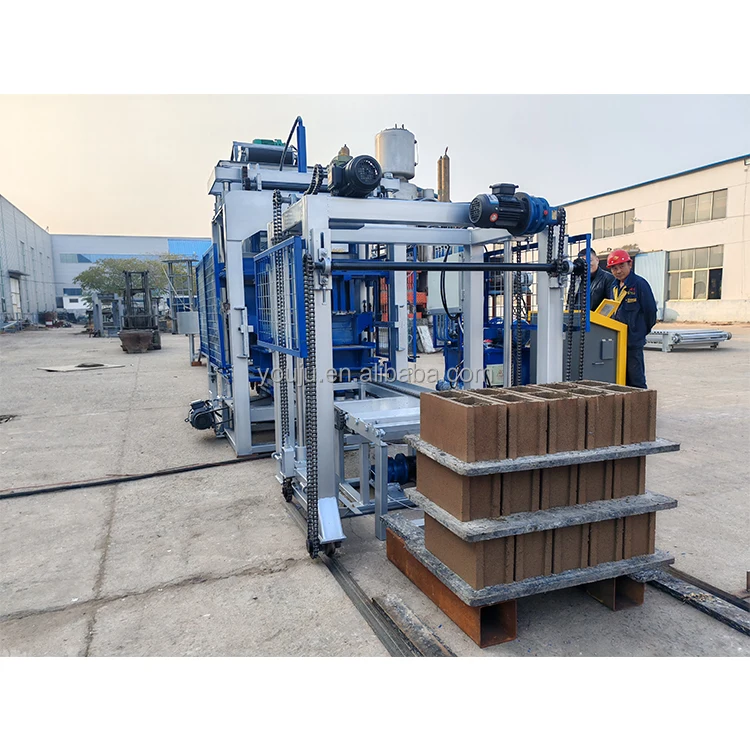
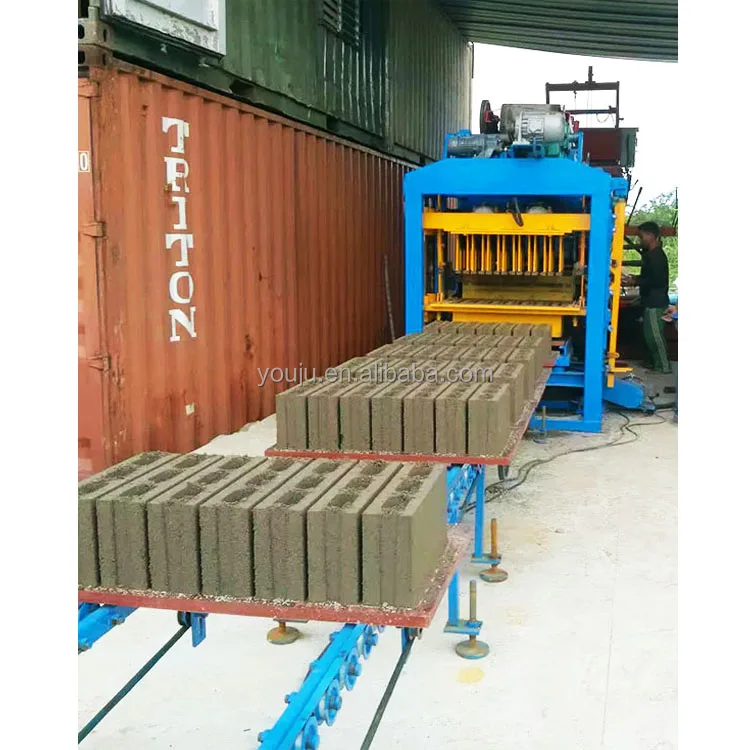
| Product Type | Semi-Automatic Hollow Block Making Machine |
| Overall Dimensions | 3000 × 1800 × 2680 mm |
| Total Mass | 3.5 T |
| Vibration Force | 60 KN |
| Vibration Frequency | 2800–4500 r/min |
| Main Vibration Form | Platform Vibration |
| Molding Cycle | 25 s |
| Pallet Size | 850 × 480 mm |
| Overall Power | 16.58 kW |
| Factory Area Required | 300 m² |
| Guide Column | Four chrome-plated columns, overlong guide design |
| Frame Material | National standard manganese steel |
| Demolding Method | Mechanical |
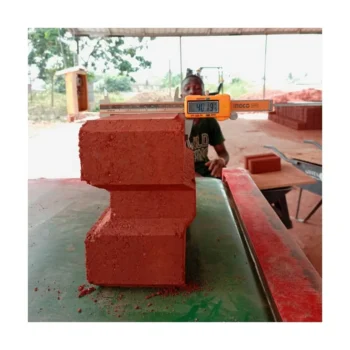
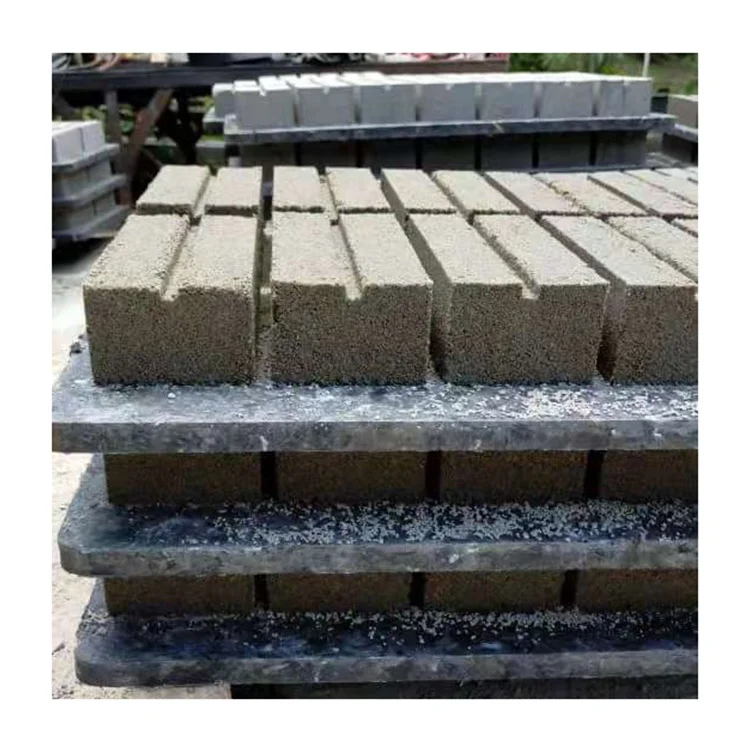
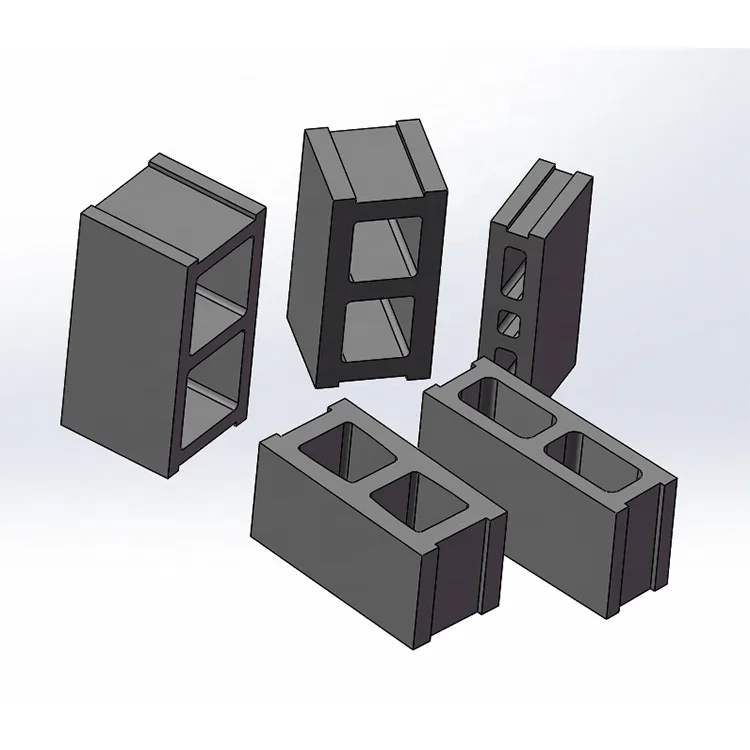
| Mould Compatibility | Solid bricks, hollow blocks, porous blocks (exchangeable) |
| Output: 400×200×200mm hollow block | 4 pcs/mould, 580 pcs/hour, 4640 pcs/day (8 hours) |
| Output: 240×115×90mm brick | 9 pcs/mould, 1400 pcs/hour, 11200 pcs/day (8 hours) |
| Output: 240×115×53mm brick | 21 pcs/mould, 3300 pcs/hour, 26400 pcs/day (8 hours) |
| Voltage & Frequency | To be confirmed with buyer’s local grid |
| Control System | Semi-automatic operation |
| PLC Display Language | To be confirmed before production |
| Warranty | 1 year (excluding spare parts) |
Application Suitability
| Application | Material or Output |
|---|---|
| On-site block production for housing projects | Hollow blocks from crushed stone, sand, and cement |
| First block plant for entrepreneurs | Solid bricks and porous blocks from fly ash and gravel |
| Paver and kerbstone addition to existing range | Interlocking blocks and curbstones from colored aggregates |
| Small-to-medium building material supply | Standard concrete blocks from locally sourced sand and slag |
What the "25-Second Cycle" Actually Means for Your Daily Output
A 25-second molding cycle only translates into real daily tonnage when the block format, pallet size, and local mix design are all confirmed before the machine leaves the factory.
Capacity figures quoted without naming the exact block format are a constant source of disappointment on site. I have seen contractors plan their entire pour schedule around a number that turned out to assume a solid brick format, while they actually needed 400 mm hollow blocks for the project. The QTJ4-25 block making machine in stock is listed here with output tied to three specific formats so you can match the number to the block your market actually buys. When the local aggregate contains high clay or silt content, vibration frequency often has to be reduced to keep the green block from slumping, and that directly cuts the hourly count. [NEED_CITE: effect of aggregate silt content on vibration forming cycle time]
Stock Availability and Container Loading
Buyers working against a project deadline need to know exactly when the machine will leave the yard. The QTJ4-25 block making machine in stock is held in a configuration that covers the most requested hollow block and solid brick formats. Once the pallet size and voltage are confirmed, the unit can be dismantled for container loading within a short lead window. Dispatch timing is quoted at order, not after production starts.
Arrival Timing and On-Site Reassembly
The 3.5-tonne frame and four-column guide assembly are designed to be broken down into container-friendly sections. On arrival, the QTJ4-25 block making machine in stock is reassembled on a prepared concrete slab inside the 300 m² factory footprint. The overlong chrome-plated guide columns slide back into position without specialist machining, so a local mechanical crew can handle the reassembly with standard hand tools. [NEED_CITE: typical port-to-site logistics for semi-automatic block machines]
How the 60 KN Vibration Force Meets the 25-Second Cycle
Platform vibration at 2800–4500 r/min compacts the mix from below the mould cavity. The 60 KN exciting force must be matched to the stiffness of the local aggregate; a hard crushed granite mix absorbs the vibration differently than a soft river sand. The four chrome-plated guide columns keep the mould box aligned through every cycle, which matters most when the mould is changed between a hollow block and a thinner solid brick format. If the mix is too wet for the vibration force available, the green block loses dimensional accuracy before it reaches the curing area. The mechanical demolding system pushes the block out of the mould without hydraulic delay, which is what keeps the cycle at 25 seconds for standard formats.
When the Wrong Pallet Size Stops the Line
The 850 × 480 mm pallet is the interface between the press and the curing area. If the buyer’s existing forklift tines or curing racks are sized for a different pallet, every loaded board becomes a manual handling problem. I once had a contractor whose curing racks were built for 900 mm boards, and the 850 mm pallets kept slipping through the rack rails, forcing a complete rack rebuild mid-project. Mismatched pallets also slow down the manual loading and unloading that a semi-automatic line depends on, erasing the advantage of a fast molding cycle. The pallet specification should be locked against the curing layout before the QTJ4-25 block making machine in stock is loaded into the container. [NEED_CITE: pallet dimension compatibility with standard curing rack systems]
Why Buying From a Block-Machine-Only Supplier Matters Here
Our single product focus means the QTJ4-25 is specified as a matched set of press, mould, pallet, and handling aids rather than assembled from unrelated sources. Every capacity calculation states the block format assumed, so there is no guesswork at commissioning. Mould drawings are provided for the exact formats the buyer’s market sells, and custom mould design is available when the local building code calls for a non-standard hollow block dimension. Voltage, frequency, and PLC display language are confirmed before production begins, not discovered on arrival. The factory test record and packing photographs are shared before dispatch so the buyer sees the machine running their chosen format before it is bolted down in the container.
Documentation & Verification
- Factory test record showing cycle time on your chosen hollow block format before dispatch
- Mould drawing and format list matching the block dimensions your market requires
- Pallet specification sheet confirming 850 × 480 mm size and material grade
- Voltage and control language confirmation signed off before production begins
- Packing photographs documenting machine condition at the point of container loading
- Operation and maintenance manual covering mechanical demolding and guide column lubrication
Installation, Commissioning & Support
- Concrete slab foundation inside the 300 m² area leveled to support the 3.5-tonne frame
- Dedicated power circuit matching confirmed voltage and frequency for the 16.58 kW total load
- Machine sections reassembled on site with the four chrome-plated guide columns realigned
- First production run supervised to set vibration frequency against your local aggregate mix
- Operator training on mechanical demolding, pallet handling, and mould change procedure
- Wear parts list covering guide column bushes and vibration motor bearings for first-year maintenance
What We Need From You to Confirm Dispatch
To lock in the container loading schedule, send us the target block format and daily output you are planning for, along with a recent test report on your local sand and aggregate. We also need your site voltage, frequency, and the language you want on the control display. If you already have curing racks and forklifts on site, share the pallet dimensions they accept so we can confirm the 850 × 480 mm pallet will fit your existing layout.
Frequently Asked Questions
Q: Which QTJ4-25 models and mould formats are currently in stock and ready for dispatch?
A: Stocked units cover the standard hollow block, solid brick, and porous block formats listed in the capacity table. Custom mould formats require a production run. Confirm your target block size and we will reply with the exact stocked mould set available for immediate container loading.
Q: How long is the lead time from order confirmation to container loading?
A: Once voltage, pallet size, and mould format are confirmed in writing, a stocked QTJ4-25 can typically be dismantled and loaded within a short dispatch window. We quote the exact loading date at the time of order so you can plan vessel booking and site preparation around a fixed date.
Q: What is the arrival estimate to my destination port once shipped?
A: Transit time depends on the destination port and current vessel schedules. We provide an arrival estimate at the time of order based on the loading date and your named port of discharge, so you can arrange customs clearance and site reassembly crew in advance.
Q: Is the pallet size 850 × 480 mm compatible with standard forklifts and curing rack systems?
A: This pallet size fits most standard brick plant forklifts and curing racks, but compatibility must be checked against your specific equipment. Share your forklift tine spacing and curing rack rail dimensions before dispatch so we can confirm fit or adjust the pallet specification accordingly.
Q: Can the machine be dismantled for shipment and reassembled on-site without specialist tools?
A: The QTJ4-25 is designed to be broken down into sections that fit a standard container. Reassembly requires standard mechanical hand tools and a level concrete slab within the 300 m² footprint. The overlong guide columns and bolted frame joints allow a local crew to complete reassembly without specialist machining equipment.