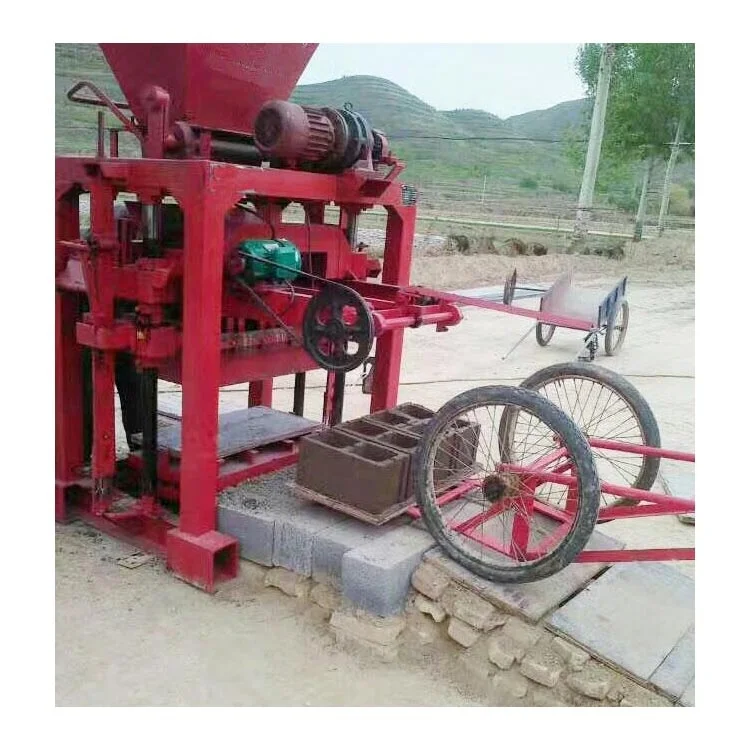
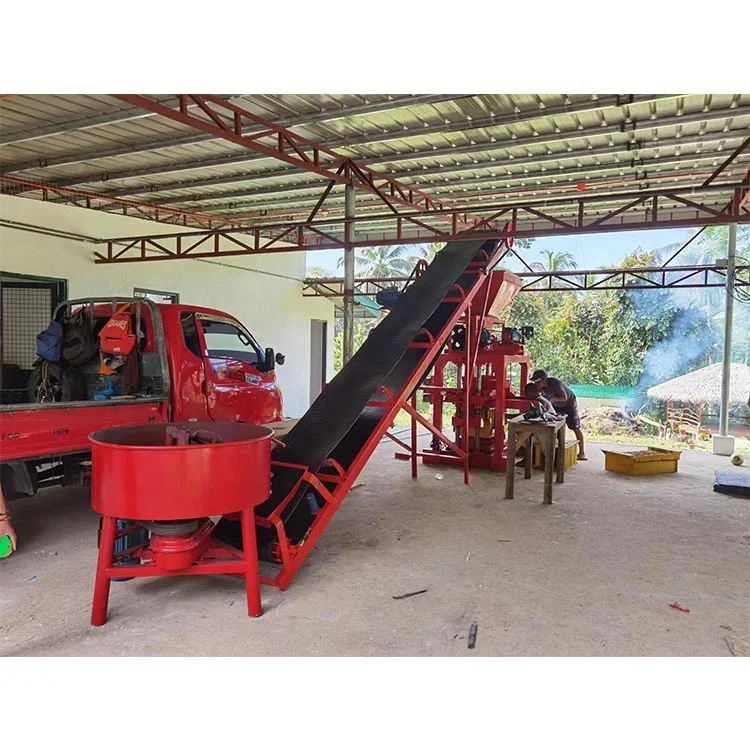
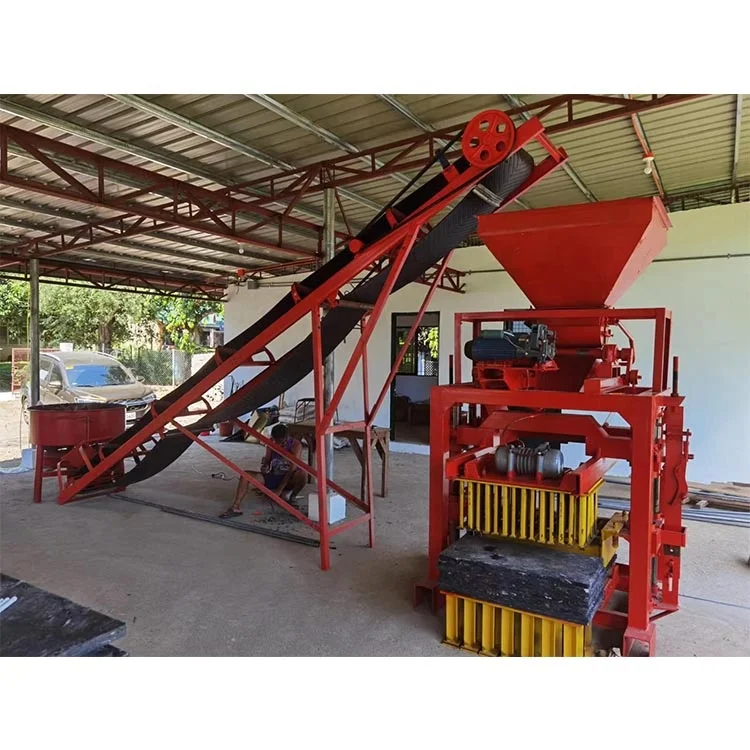
Description
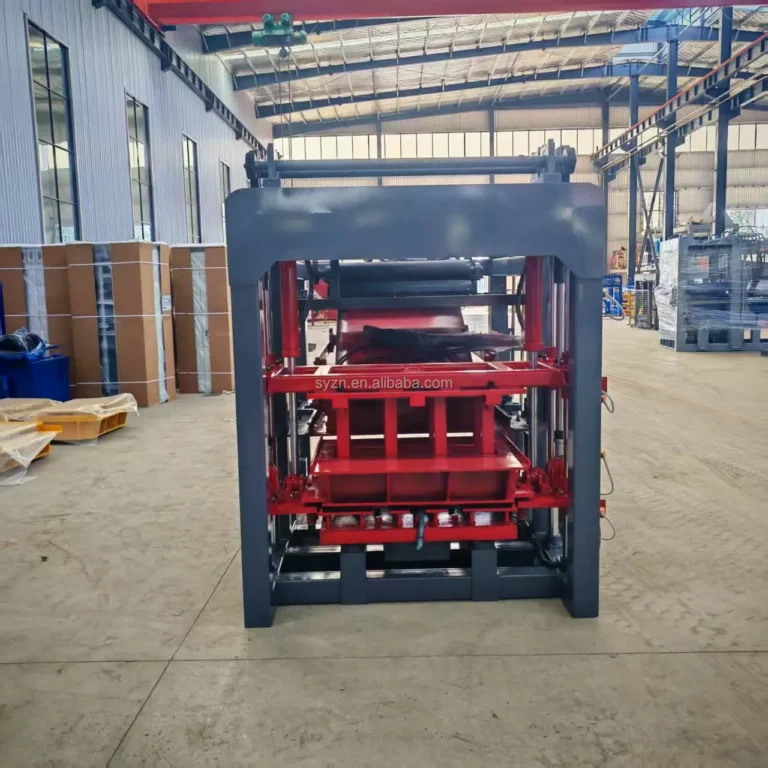
Stocked Dispatch — QTJ4-35 units held in inventory for container loading within standard lead windows, with dismantling plans confirmed before the crate closes.
Technical Specifications
| Parameter | Value |
|---|---|
| Model | QTJ4-35 |
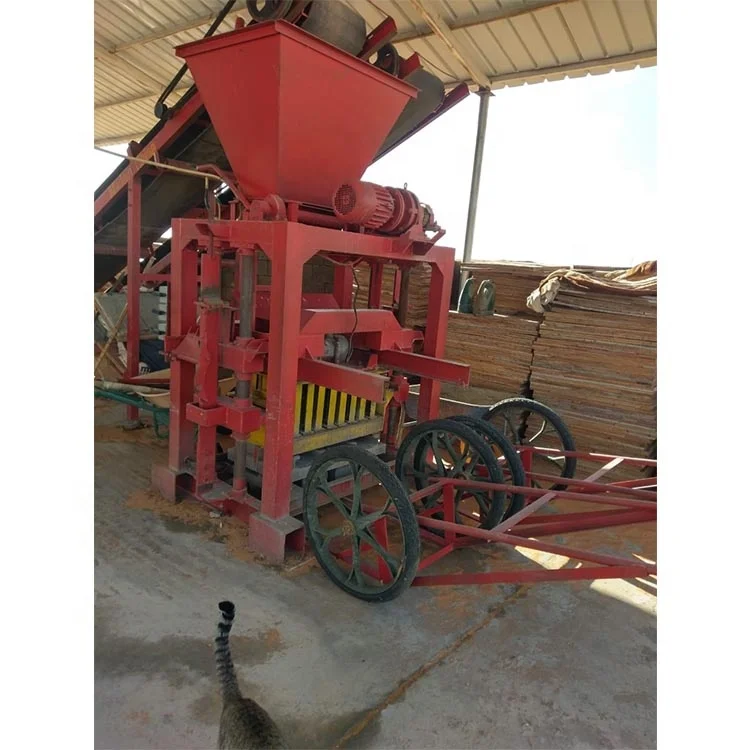
| Product Type | Concrete Hollow Block Machine |
| Overall Dimensions (L×W×H) | 2050×1660×1900 mm |
| Total Mass | 1500 kg |
| Rated Exiting Force | 35 kN |
| Main Vibration Form | Platform Vibration |
| Vibration Frequency | 2800 r/min |
| Pallet Size | 850×450 mm |
| Molding Cycle | 35 s (basis not stated in source — confirm block format and material) |
| Overall Power | 9.7 kW |
| Demolding Method | Vibration |
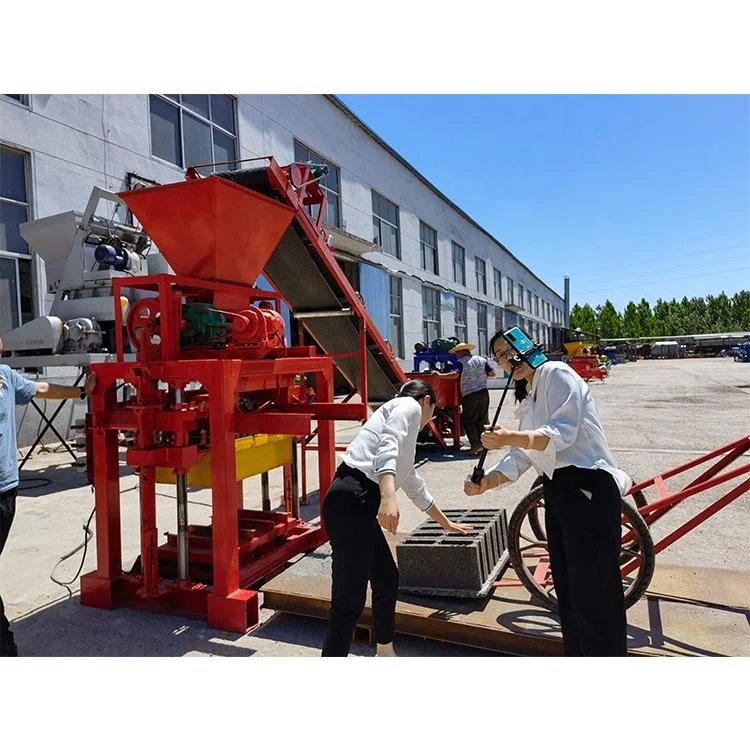
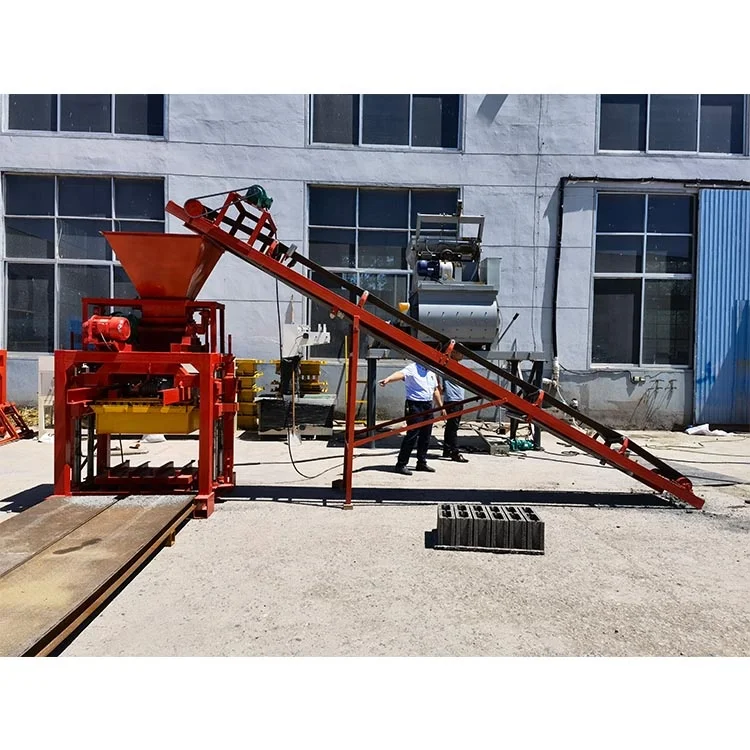
| Automation Level | Manual pallet handling |
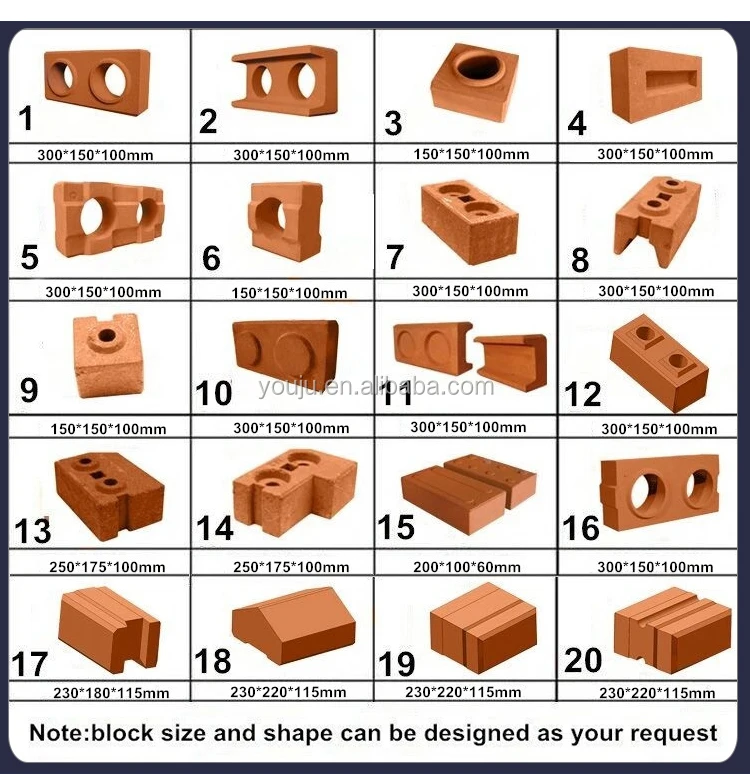
| Applied Products | Hollow blocks, solid blocks, pavers, interlocking blocks, curbstones |
| Raw Materials | Crushed stone, sand, cement, fly ash, gravel, slag |
| Warranty | 1 year |
Application Suitability
| Application | Material or Output |
|---|---|
| Small-scale hollow block production | Crushed stone, sand, and cement mixes |
| Solid block manufacturing for local construction | Fly ash blends and gravel aggregates |
| On-site paver and interlocking brick runs | Colored concrete and dust-based mixes |
| Curbstone forming for housing projects | Slag and coarse aggregate composites |
| First-plant entrepreneur block making | Locally sourced sand and cement |
Why the Voltage Question Must Come Before the Container Booking
Confirming voltage, frequency, and control language at order stage prevents a machine that sits idle on arrival.
A QTJ4-35 concrete block machine in stock can ship fast, but if the electrical specification does not match the destination grid, the machine cannot run until a transformer or panel swap arrives. I have watched a 9.7 kW motor sit for weeks on a job site because the local supply was a different frequency than what the factory wired. That delay costs more than any shipping shortcut saves [NEED_CITE: voltage and frequency standards by export market]. Buyers working to a project deadline should treat electrical confirmation as the first step, not the last.
Dispatch Timing and Stock Position
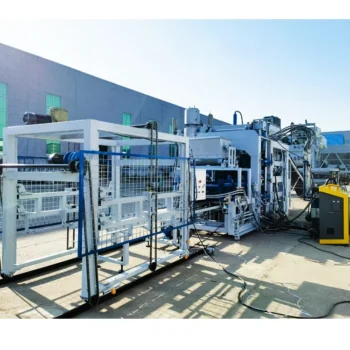
Holding a QTJ4-35 concrete block machine in stock means the unit is assembled, tested, and waiting for container allocation rather than waiting for a production slot. Standard models ship without a build queue, so the gap between order confirmation and gate-out narrows to the documentation and packing window. For buyers racing a project start date, that difference matters — a stocked unit reaches the port while a built-to-order machine is still curing paint.
Container Loading Without Special Arrangements
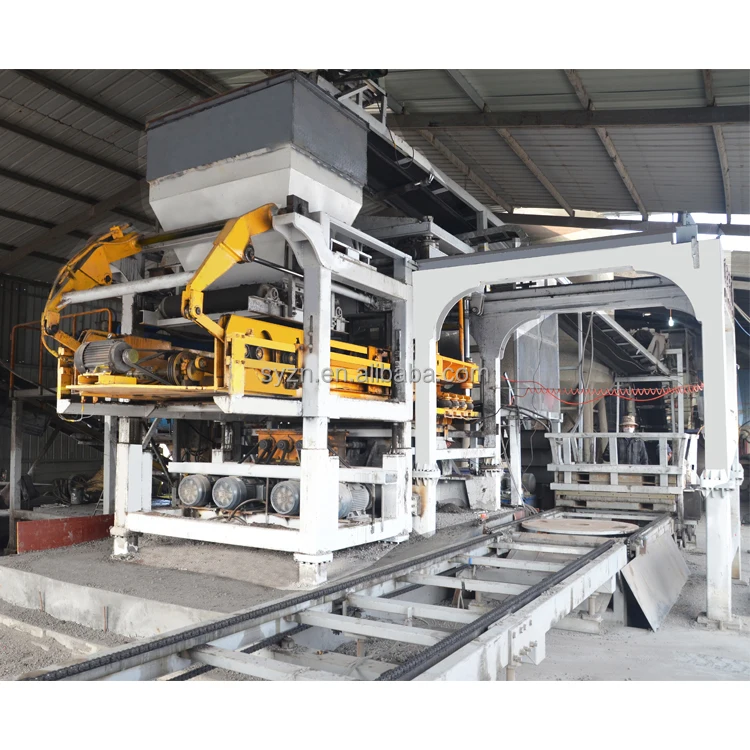
The overall dimensions of 2050×1660×1900 mm and a total mass of 1500 kg keep this machine within standard container limits. No flat-rack or open-top surcharge is needed, and the machine can be dismantled into press frame, motor assembly, and control panel for tighter stowage if required [NEED_CITE: standard container internal dimensions and loading limits]. The packing team photographs each stage so the buyer sees exactly how the crate is sealed before it leaves the yard.
Reading the Specs That Matter on Site
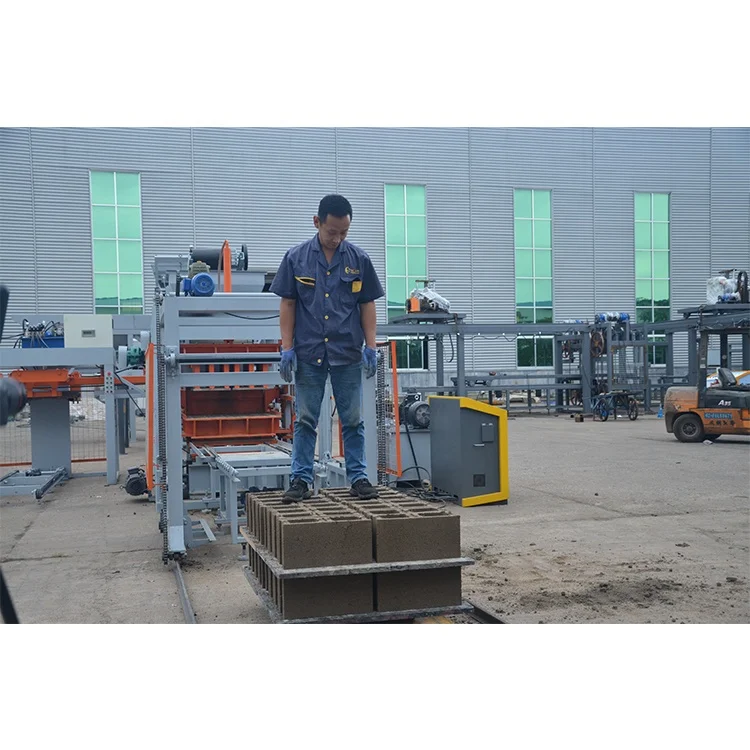
Platform vibration at 2800 r/min combined with a rated exiting force of 35 kN determines how densely the mix compacts inside the mould cavity. Lower vibration frequency leaves voids in hollow block walls; higher force without matching vibration produces blocks that crack during demolding. The 850×450 mm pallet size defines the curing rack spacing the buyer must prepare — order pallets that match a forklift and curing area already in place, not the other way around. A 35-second molding cycle is quoted without a stated block format, so buyers should request a cycle-per-format breakdown before comparing daily output across machines. The 9.7 kW total power draw means most small sites can run this from a standard three-phase supply, but the exact voltage and frequency must be locked in before the wiring harness is assembled.
What Happens When Pallets and Electrical Are Left for Arrival
If the pallet size does not match the curing racks already built on site, the buyer either rebuilds the racks or hand-stacks blocks on the ground — both options waste the output the machine was bought to produce [NEED_CITE: pallet handling impact on block curing quality]. An unconfirmed voltage means the control panel arrives with the wrong breaker rating, and the local electrician must source replacements while the machine sits under tarp. These are not rare edge cases; they appear on nearly every first shipment where specifications were not confirmed in writing at the order stage.
Why Buyers Source This Model Here
Block machinery is our single focus, so the press, mould, pallet, and handling are specified as a matched set rather than assembled from separate vendors. Every QTJ4-35 leaves with a configuration checked against the buyer’s stated aggregate and target format. Mould formats cover the shapes the buyer’s market actually sells, and custom drawings are available when standard options do not fit. The automation level starts at manual and can be upgraded later, so a first-plant buyer is not paying for stacking systems they cannot staff yet. Factory test records are available before dispatch, so the buyer sees the machine cycle before the container doors close.
Documentation & Verification
- Factory test record on buyer’s target block format before dispatch
- Packing photographs showing crate sealing and container load plan
- Voltage and control language confirmation sheet signed at order
- Machine specification sheet with pallet size and power ratings
- Operation and maintenance manual in buyer’s requested language
- Customs documentation package for destination port clearance
Installation, Commissioning & Support
- 260 m² factory area footprint requires level concrete slab before arrival
- 9.7 kW overall power needs dedicated three-phase circuit at confirmed voltage
- Dismantled shipping state means on-site reassembly of press frame and motor
- Vibration frequency and exiting force calibrated during first commissioning run
- Manual pallet handling training covers molding cycle and demolding method
- Wear parts list includes platform vibration components and mould liners
- One-year warranty coverage starts from bill of lading date
What to Send With Your Inquiry
Provide the block format you intend to produce most often, the local aggregate available at your site, and your confirmed three-phase voltage and frequency. Share your curing area dimensions so pallet size can be matched before the machine ships. If you have an existing forklift or mixer in the line, list those models so the layout accounts for what is already on the ground.
Frequently Asked Questions
Q: What is the dispatch lead time for the QTJ4-35 and which configurations are currently in stock?
A: Stocked QTJ4-35 units are assembled and tested, so dispatch follows documentation completion and container booking rather than a production build cycle. Standard configurations with common mould formats ship fastest. Custom mould orders or non-standard voltage requirements add a short preparation window. Confirm your electrical specification at inquiry to keep the timeline tight.
Q: How is the machine loaded into the container and is dismantling required?
A: At 2050×1660×1900 mm and 1500 kg, the QTJ4-35 fits a standard container. The press frame, motor assembly, and control panel can be separated for tighter stowage if needed. Packing photographs document each stage. The loading plan is confirmed with the buyer before the crate is sealed and the container is collected from the yard.
Q: What voltage and frequency options are available, and when must I confirm?
A: The 9.7 kW motor and control panel are wired to the buyer’s confirmed voltage and frequency before dispatch. Common three-phase configurations across export markets are supported. Confirmation is required at the order stage so the wiring harness, breakers, and motor nameplate all match the destination grid on arrival.
Q: What documentation ships with the machine for customs clearance at destination?
A: Each shipment includes a machine specification sheet, factory test record, operation manual, packing list, and commercial invoice. CE declaration is provided where applicable. Additional customs documents are prepared based on the destination country’s import requirements. Buyers receive document drafts for review before the container sails.
Q: How do I estimate arrival time from dispatch date to my port?
A: Arrival depends on the shipping route, carrier schedule, and port congestion at destination. The dispatch date is confirmed once the container is booked and documents are cleared. Your freight forwarder provides the transit estimate from our port to yours. We quote the arrival window at order based on current carrier schedules so planning can begin before the machine ships.