
Description
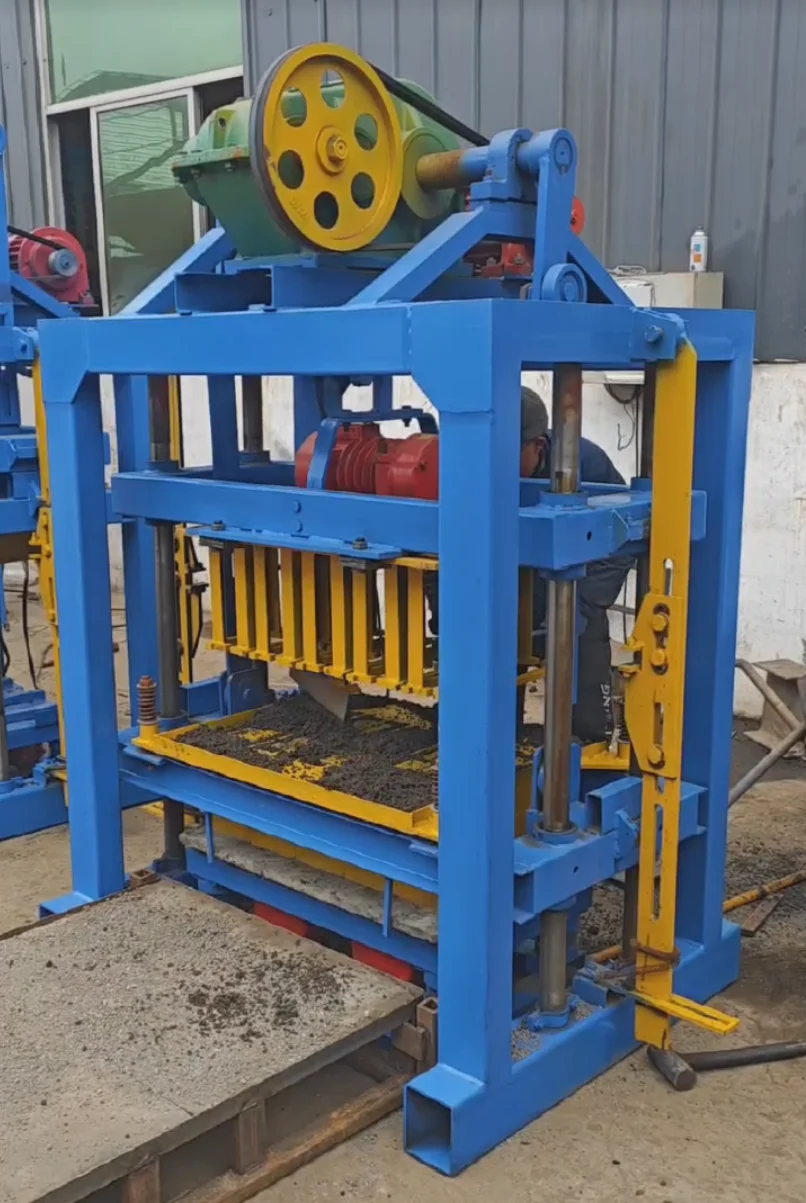
Stocked for Dispatch — QTJ4-40 block machine in stock with container loading details and arrival estimates provided before you commit, keeping your project timeline intact.
Technical Specifications
| Parameter | Value |
|---|---|
| Model | QTJ4-40 |
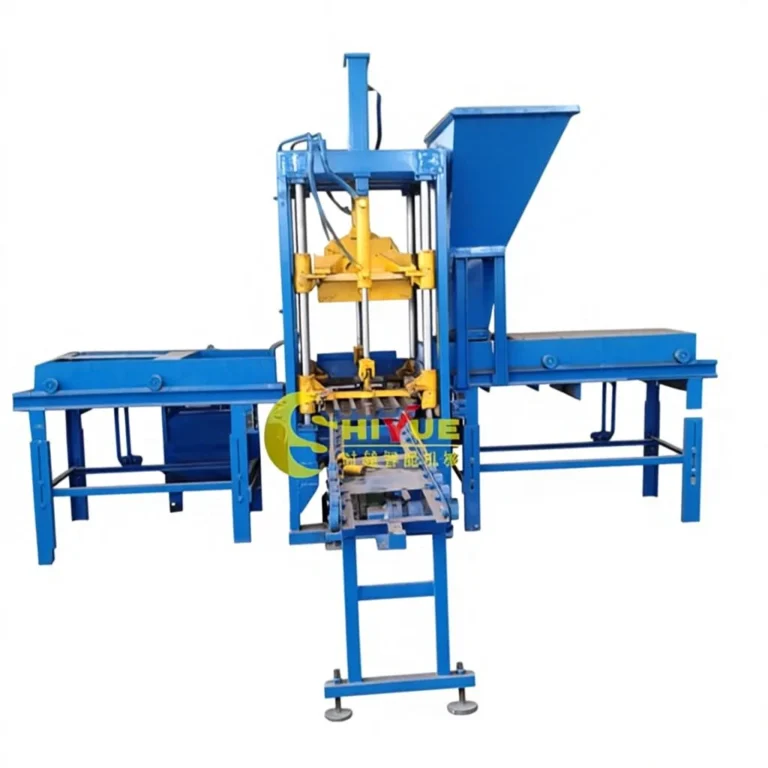
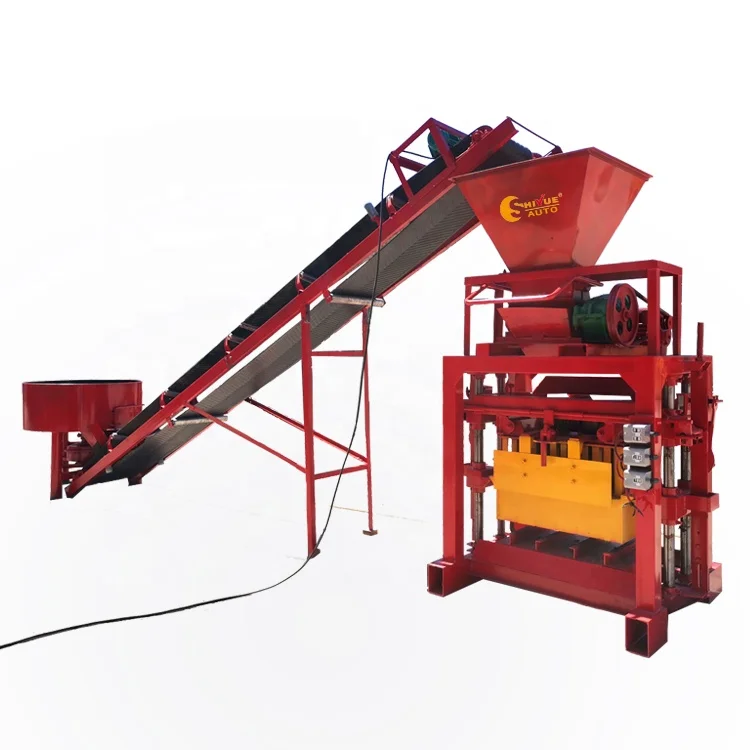
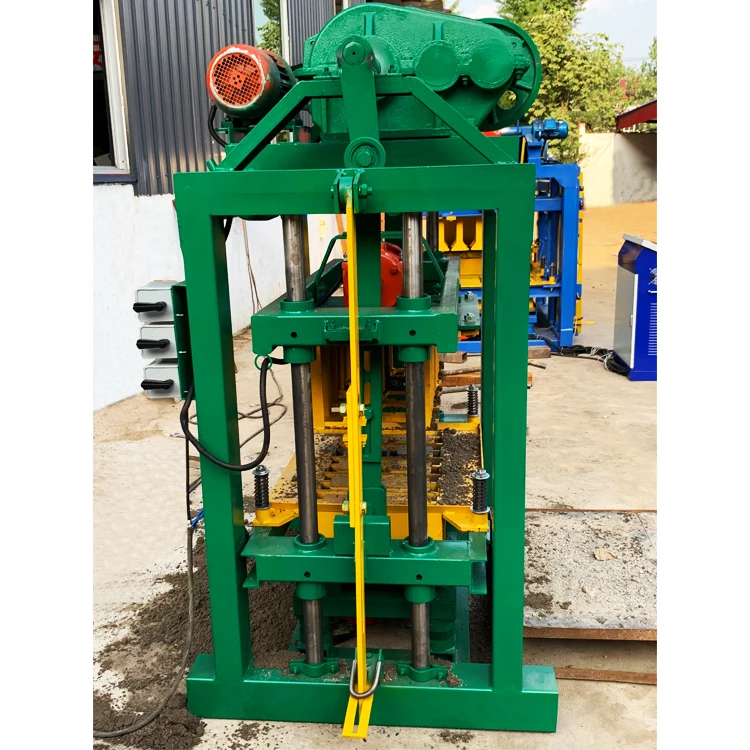
| Product Type | Semi-Automatic Concrete Block Making Machine |
| Overall Dimensions (L×W×H) | 1350×1460×1800mm |
| Net Weight | 1.2T |
| Rated Power | 10.4kW |
| Molding Cycle | 40s |
| Vibration Type | Bed mould vertical vibration and upper mould compression vibration |
| Pallet Size | 850×450×20mm |
| Automation Level | Semi-automatic |
| Voltage | Configurable according to local voltage standard |
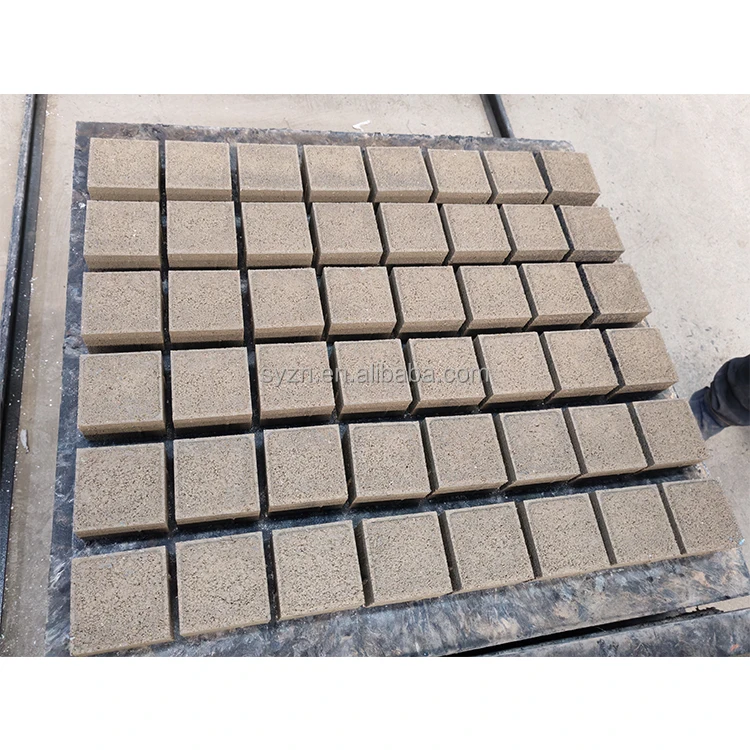
| Mould Format | Hollow, solid, paver (8 inch, 6 inch, 5 inch, 4 inch) |
| Assembly State | Host machine, block mould, pallets (mixer optional) |
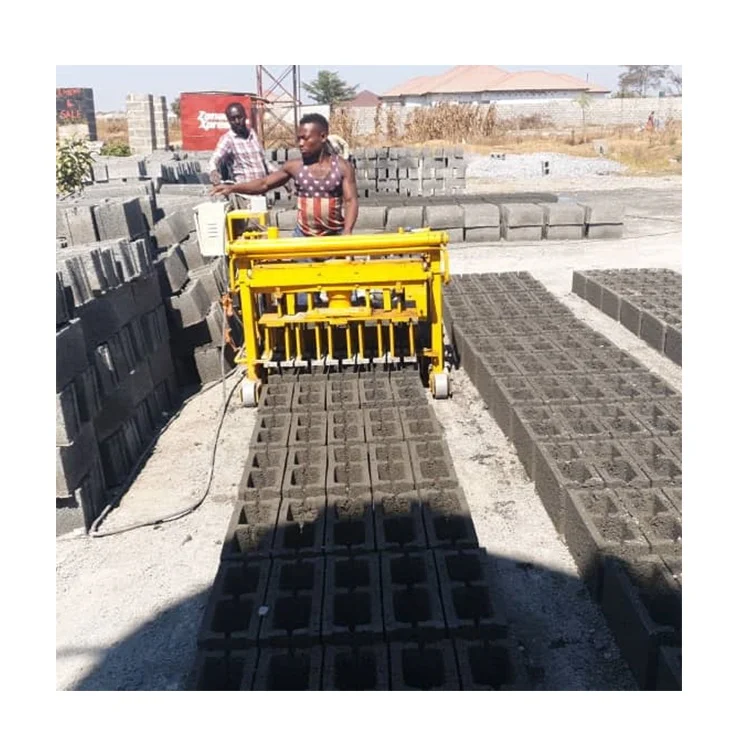
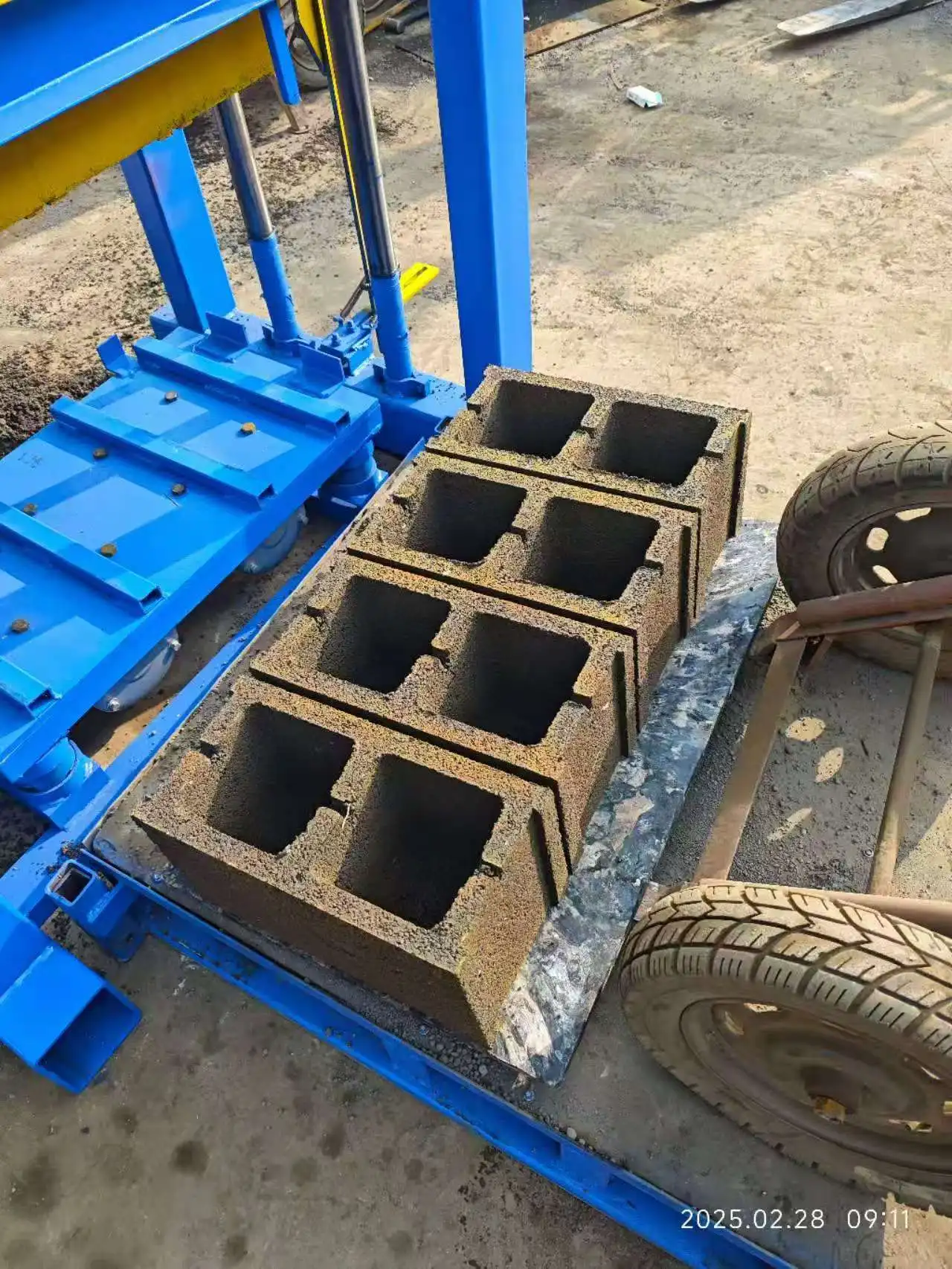
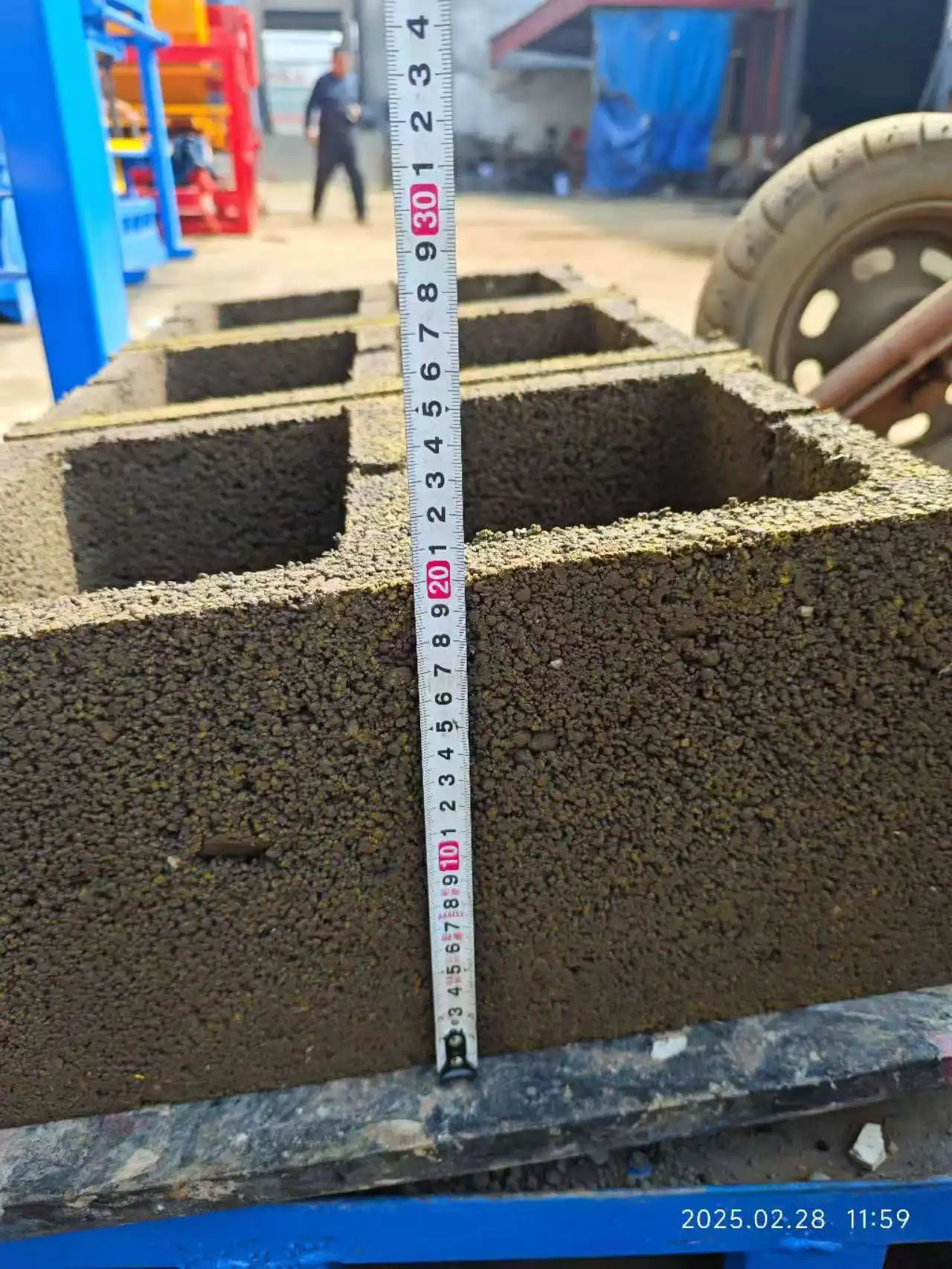
| Output Capacity (Hollow Block 400×200×200mm) | 4 pcs/mould, 360 pcs/hour, 2880 pcs/day (basis not stated in source) |
| Output Capacity (Hollow Block 400×150×200mm) | 5 pcs/mould, 450 pcs/hour, 3600 pcs/day (basis not stated in source) |
| Output Capacity (Solid Block 225×112.5×60mm) | 9 pcs/mould, 800 pcs/hour, 6400 pcs/day (basis not stated in source) |
Application Suitability
| Application | Material or Output |
|---|---|
| Small to medium-scale block production plants | Concrete, sand, cement, fly ash, lime, gypsum |
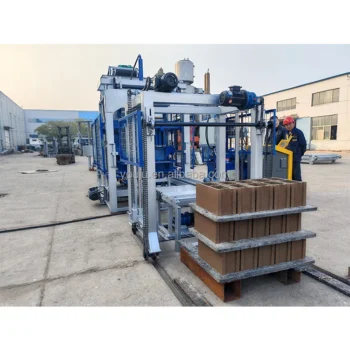
| On-site block manufacturing for construction contractors | Rapid deployment of hollow and solid blocks for housing projects |
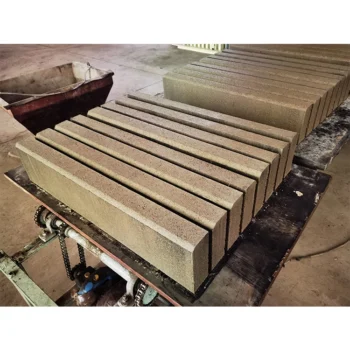
| Production of various paving blocks | Interlocking pavers and kerbstones using locally sourced aggregates |
| Format flexibility for building material distributors | Quick mould changes between 4-inch, 5-inch, 6-inch, and 8-inch formats |
Why Voltage Confirmation Matters Before Dispatch
A machine crated for the wrong voltage sits in a warehouse while your foundation phase ends.
I have seen projects stall for weeks because a QTJ4-40 block machine in stock was shipped with a motor rated for 380V/50Hz to a site running 220V/60Hz. The fix requires rewinding the motor or swapping the control panel, neither of which happens overnight. When you are working to a project deadline, the fastest dispatch means nothing if the machine cannot plug in and run the day it clears customs. Always lock in voltage, frequency, and PLC display language before the crate is sealed [NEED_CITE: voltage and frequency standards by export market].
Immediate Availability for Project Deadlines
Contractors and entrepreneurs often cannot wait through a production queue. Having the QTJ4-40 block machine in stock means standard models and common mould formats are physically on the floor, ready for dismantling and container loading. This eliminates the typical multi-week lead time associated with made-to-order configurations, allowing your block production to start before the housing project’s foundation phase is complete.
Container Loading and Dismantling Logistics
The QTJ4-40 block machine in stock is designed for straightforward export logistics. With a net weight of 1.2T and dimensions of 1350×1460×1800mm, the host machine and standard pallets can be loaded into a standard container without requiring specialized break-bulk shipping. We provide packing photographs and customs documentation support to ensure the arrival estimate quoted upfront matches the reality at your port [NEED_CITE: container loading plans for 1.2T machinery].
Interpreting the Molding Cycle and Output
The 40-second molding cycle is the baseline for the QTJ4-40, but actual daily output depends heavily on the block format and material mix. The bed mould vertical vibration combined with upper mould compression ensures density, but if your local river sand has a high mud content, the vibration force may not achieve the same compaction as a clean crushed stone mix. This is why the output capacity figures in the table must be verified against your specific aggregate and mix design before you commit to a production schedule.
The Hidden Cost of Ignoring Site Conditions
A machine might leave the factory in perfect condition, but if the pallet size of 850×450×20mm does not match the racking system in your curing area, you will be restacking blocks by hand. Similarly, if the forklift at your site cannot handle the pallet dimensions, the entire workflow from press to curing rack bottlenecks. These mismatches are not machine failures; they are configuration failures that turn a fast delivery into a slow frustration [NEED_CITE: pallet handling compatibility in block plants].
Why Procure the QTJ4-40 Through This Channel
- Stock Verification: We confirm which QTJ4-40 units and standard moulds are physically in the warehouse versus those requiring production, preventing false dispatch promises.
- Upfront Arrival Estimates: You receive a container loading plan and an arrival estimate for your specific port before payment, not after the machine is already on the water.
- Voltage and Control Lock: We verify local voltage and control language requirements before crating, ensuring the QTJ4-40 block machine in stock is actually usable upon arrival.
- Customs Support: Packing photographs and full customs documentation are provided to smooth the import process, reducing the risk of the machine sitting in bond.
- Dismantling for Transit: The machine is dismantled specifically for container loading, ensuring the 1.2T unit and pallets fit securely without damage during the voyage.
Documentation & Verification
- Stock status report confirming physical availability of the QTJ4-40 host and selected moulds.
- Container loading plan detailing the dismantling sequence and securing points for the 1.2T unit.
- Arrival estimate calculation based on current shipping schedules to your destination port.
- Voltage and frequency confirmation sheet signed off before the crate is sealed.
- Packing photographs showing the crated machine and pallets for your insurance records.
Installation, Commissioning & Support
- Site preparation guide for the 1350×1460mm footprint, including floor levelness requirements for the vibration table.
- Electrical connection checklist matching the confirmed voltage and the 10.4kW rated power draw.
- Reassembly instructions for the host machine and upper mould compression system after container unloading.
- First-run testing protocol using your local aggregate to verify the 40-second molding cycle.
- Operator training on manual pallet handling and the semi-automatic control sequence.
- Wear parts list for the vibration bed and mould liners to ensure stock for future maintenance.
What We Need to Confirm Your Dispatch
To ensure the QTJ4-40 block machine in stock is the right fit and ships without delay, please provide your target block format and the local voltage standard. We also need to know if your curing area is already fitted with racking for the 850×450mm pallet size, or if you need us to supply the initial batch of pallets and handling racks with the machine.
Frequently Asked Questions
Q: Is the QTJ4-40 block machine in stock right now, and what is the dispatch lead time?
A: We maintain stock of the QTJ4-40 host machine and standard hollow and solid block moulds. Once you confirm the voltage and pallet requirements, the dispatch lead time is typically limited to the days required for dismantling, crating, and booking the container, rather than a production wait.
Q: How is the QTJ4-40 dismantled for container loading?
A: The 1.2T host machine and the vibration system are secured to the base, while the upper mould assembly and control panel are dismantled to fit within standard container dimensions. We provide a loading plan showing exactly how the machine and the 850×450mm pallets are stowed.
Q: Do standard moulds ship with the machine, or are they made-to-order?
A: Standard formats such as the 400×200×200mm hollow block and common paver sizes are typically in stock and can ship with the host machine. Custom mould drawings or non-standard formats will add a production lead time that is quoted before you pay.
Q: What arrival estimate can you quote for my port?
A: We provide an arrival estimate based on current shipping line schedules to your specific port of destination. This estimate includes the dispatch lead time for crating and the estimated sea transit, giving you a date to plan your site commissioning.
Q: If I need a different voltage, does that affect stock availability?
A: The QTJ4-40 block machine in stock is configurable to local voltage standards. However, if a motor rewind or control panel swap is required to match your site’s frequency, this will add a short lead time for those electrical modifications before the machine can be crated.