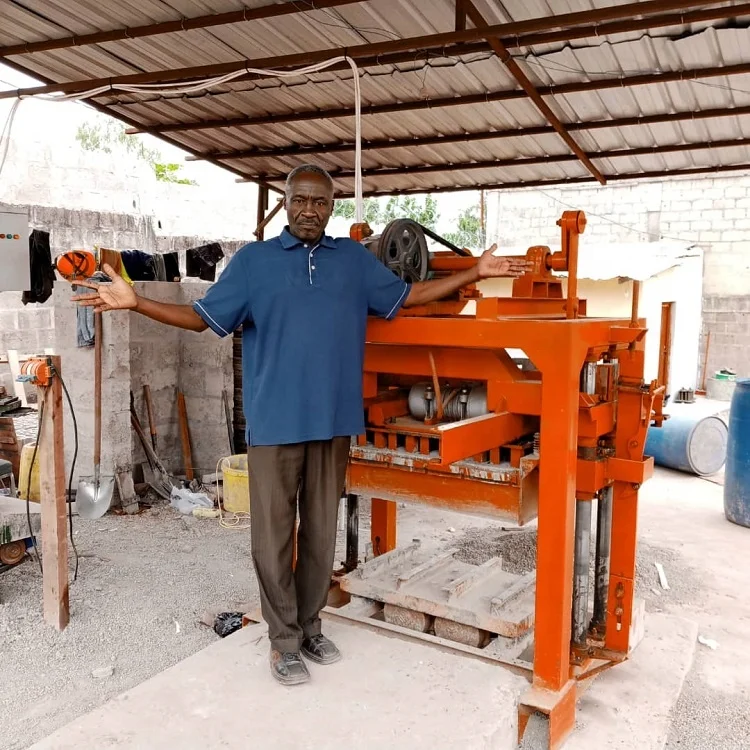
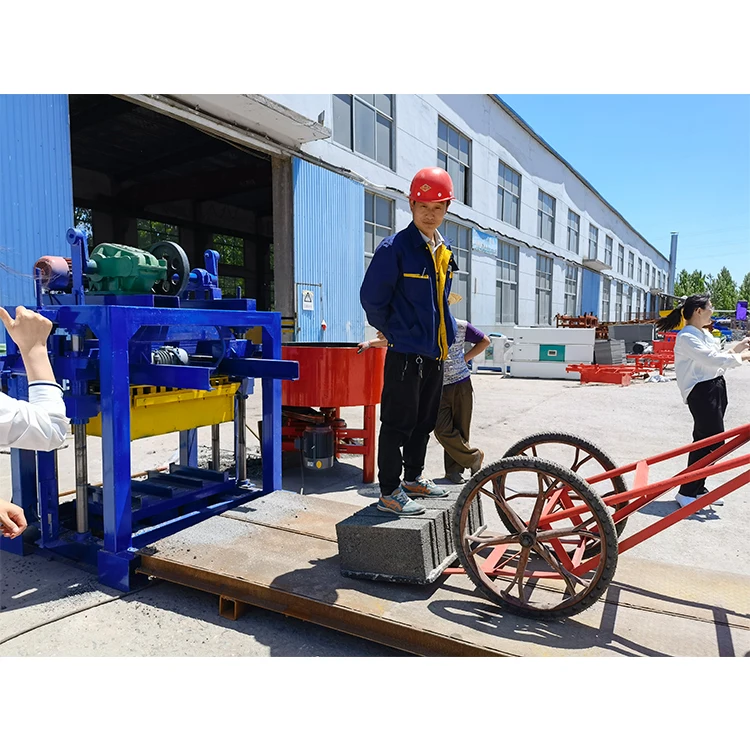
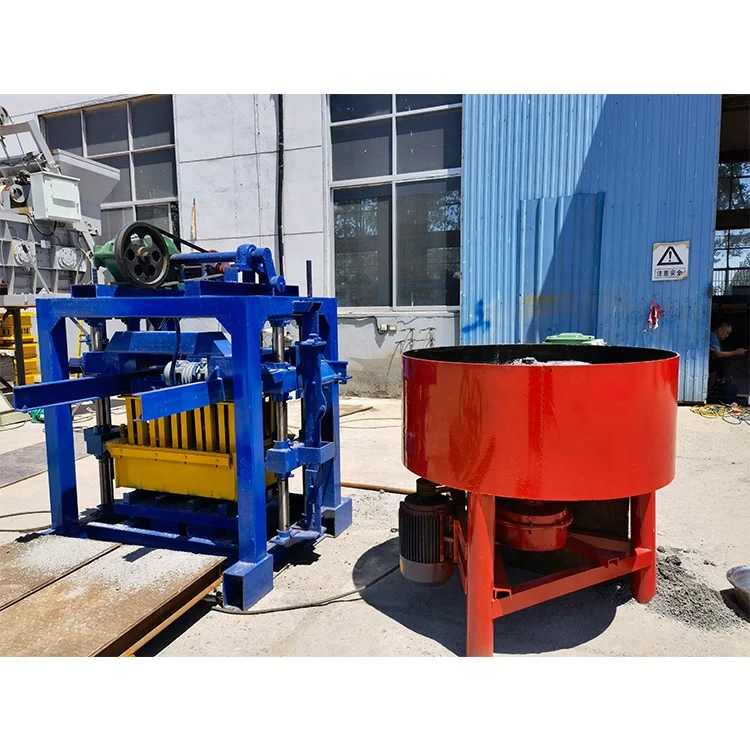
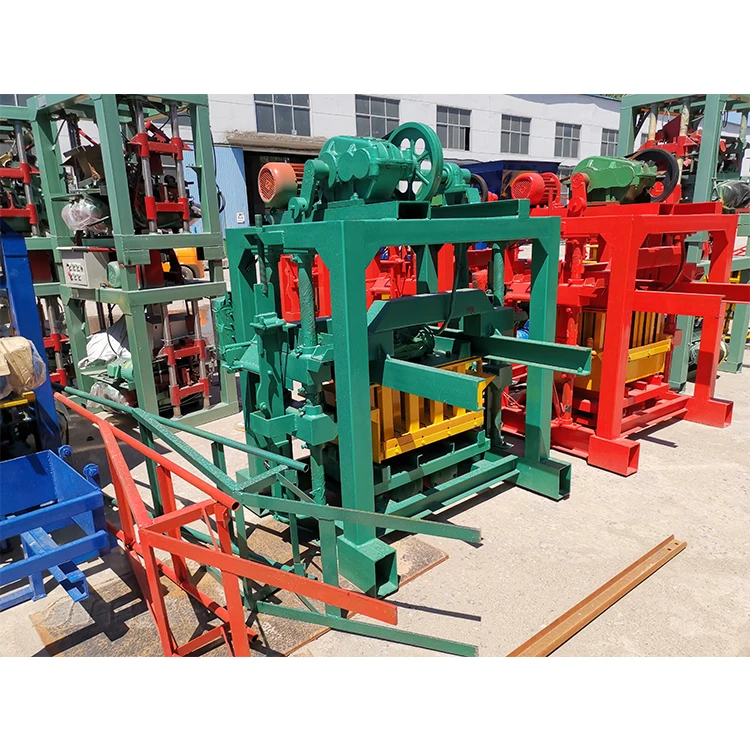
Description
Stocked configuration readiness — Voltage, PLC language and pallet size confirmed before the QTJ4-40 leaves the Linyi yard, so first production starts days after arrival instead of weeks.
Technical Specifications
| Parameter | Value |
|---|---|
| Model | QTJ4-40 |
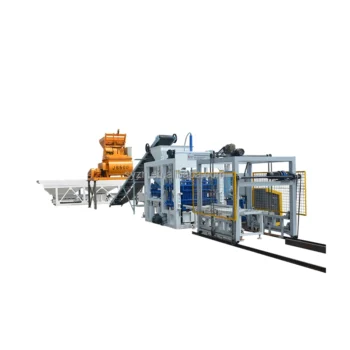
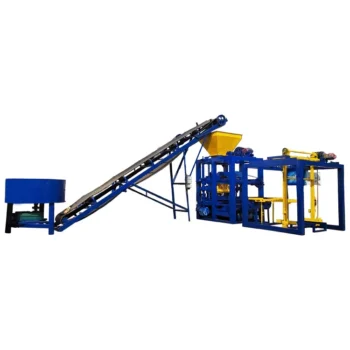
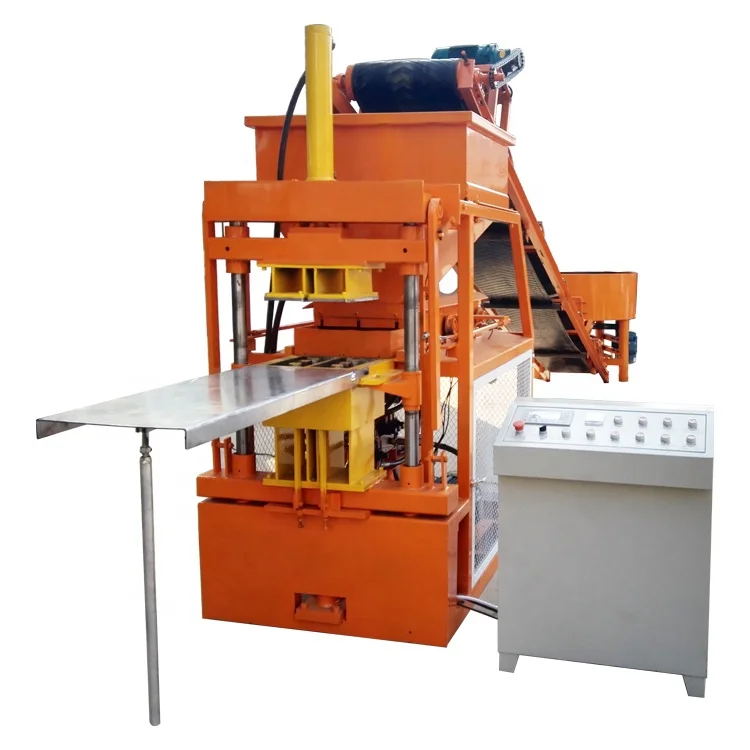
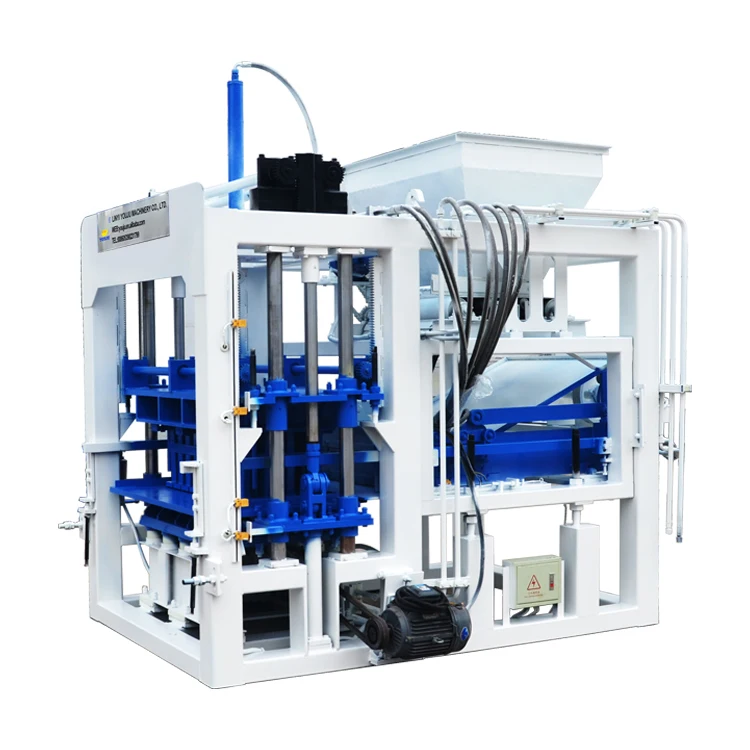
| Product Type | Semi-Automatic Concrete Block Making Machine |
| Machine Power | 10.4 kW |
| Molding Cycle | 40 s |
| Output Capacity | 2000–2500 pcs/8 h (basis not stated in source — confirm block format and material) |
| Theoretical Productivity (400×200×200 mm hollow block, 4 pcs/mould) | 360 pcs/h, 2800 pcs/day |
| Theoretical Productivity (400×150×200 mm hollow block, 5 pcs/mould) | 450 pcs/h, 3600 pcs/day |
| Theoretical Productivity (225×112.5×60 mm solid brick, 9 pcs/mould) | 800 pcs/h, 6400 pcs/day |
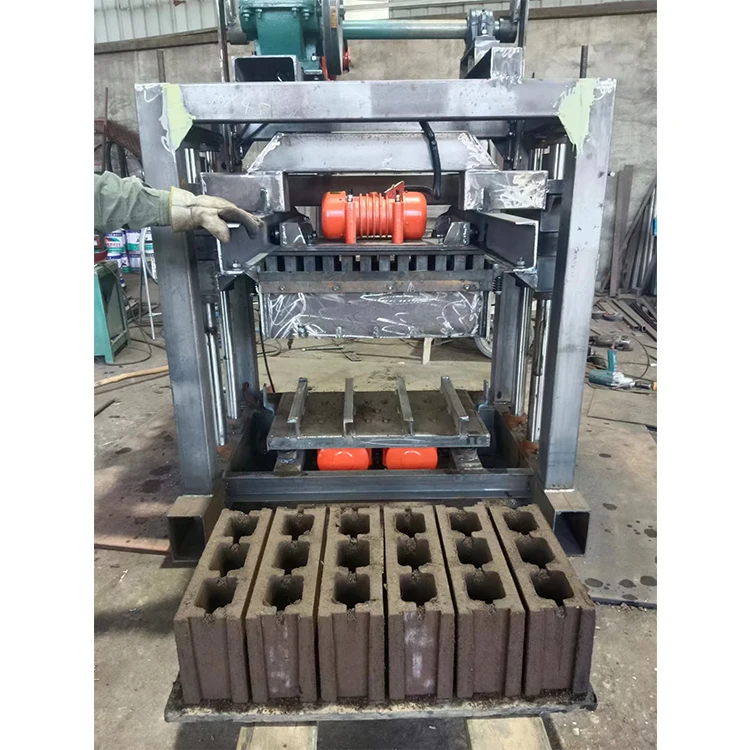
| Vibration System | Bed mould vertical vibration + upper mould compression vibration |
| Mould Operation | Top die push-pull with automatic scraper |
| Pallet Size | 850 × 450 mm |
| Overall Dimensions (L×W×H) | 1350 × 1460 × 1800 mm |
| Machine Weight | 1 T |
| Voltage | Configurable to buyer’s local supply |
| Automation Level | Semi-automatic |
Application Suitability
| Application | Material or Output |
|---|---|
| Hollow block production for load-bearing walls | Concrete with sand, cement, fly ash, and crushed stone |
| Solid brick manufacturing for infill and partition work | Cement, sand, lime, and gypsum blends |
| Small to medium block plant start-ups | Locally sourced aggregate with standard Portland cement |
| On-site block production for housing projects | Available fill material mixed with cement and water |
Why Voltage Confirmation Must Come Before Dispatch
Every QTJ4-40 block machine in stock ships only after the buyer’s site voltage and frequency are verified — because a machine that cannot be powered on arrival stalls the entire project timeline.
I watched a contractor wait three weeks for an electrician to rewire a site because the machine arrived with a motor configured for a different frequency standard. The block crew sat idle, the cement aged, and the project penalty clauses started counting [NEED_CITE: common causes of commissioning delays in exported construction machinery]. A semi-automatic unit like this one has a straightforward electrical layout, which makes pre-dispatch voltage matching a short conversation rather than a field engineering project.
Stock Availability and Dispatch Timeline
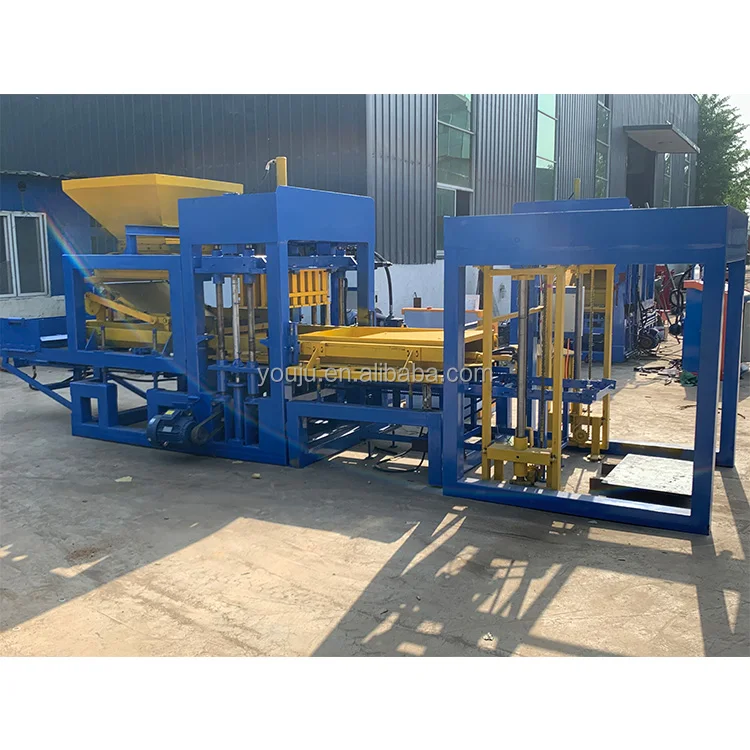
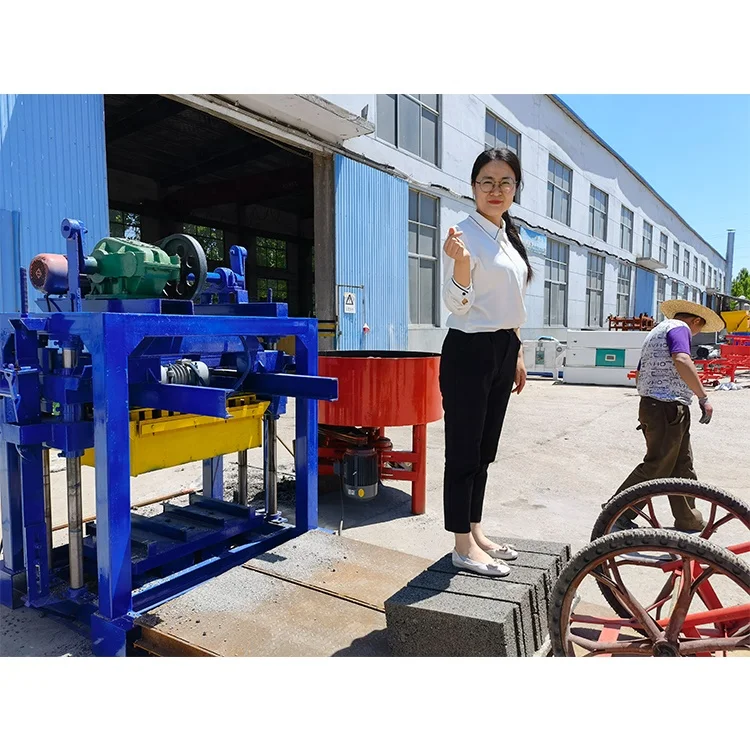
The QTJ4-40 block machine in stock sits assembled and factory-tested in the Linyi yard, meaning the gap between order confirmation and container loading is measured in days rather than production cycles. Standard mould sets ship alongside the press, so the buyer can run the first block format the day the machine is commissioned. For contractors working against a fixed completion date, this eliminates the typical multi-week production queue that delays comparable machines ordered on a build-to-order basis.
Dismantling and Container Loading
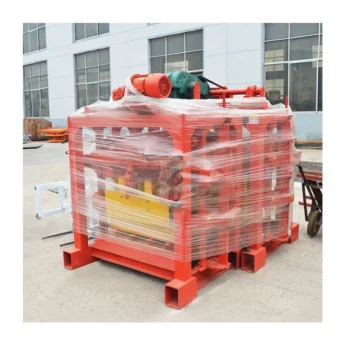
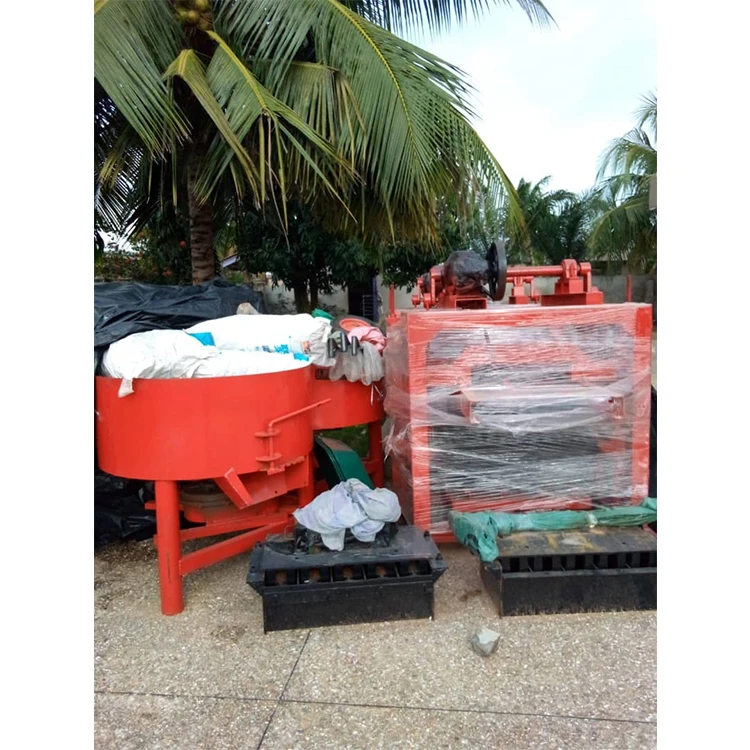
Before every shipment, the frame is broken down into sections sized for a standard 20-foot container, with each bolt pattern photographed and tagged for reassembly. The 1 T machine weight and compact 1350 × 1460 × 1800 mm footprint mean the press, pallets, and moulds can share a single container without specialized flat-rack booking. Packing photographs go to the buyer before the container is sealed, so there are no surprises at the destination port [NEED_CITE: container loading best practices for heavy industrial machinery].
Vibration, Pressure, and Block Density
The dual vibration system combines vertical bed mould vibration with upper mould compression, forcing aggregate particles into a tighter matrix during the 40-second cycle. This two-axis approach produces denser blocks than single-direction vibration alone, which matters when local aggregate gradation varies between deliveries. The semi-automatic mould operation uses a push-pull top die with an automatic scraper, keeping the cycle consistent without requiring a full PLC-controlled stacking line. Mould change is manual but straightforward — the 850 × 450 mm pallet format stays constant across block types, so curing racks and forklifts do not need reconfiguration when switching from hollow blocks to solid bricks.
The Cost of Skipping Pre-Dispatch Verification
A machine configured for the wrong voltage draws excessive current, trips breakers, or simply refuses to start — problems that show up only when the electrician connects power on-site. Similarly, pallet size chosen without checking the buyer’s existing curing racks forces a last-minute purchase of new handling equipment. These are not engineering defects; they are information gaps that a ten-minute pre-dispatch checklist would have closed [NEED_CITE: frequency mismatch damage to induction motors in industrial equipment].
What This Supply Point Does Differently
Machine, mould, pallet, and handling are specified as one matched system rather than assembled from separate suppliers — the 850 × 450 mm pallet size is chosen to align with standard curing rack spacing. Configuration is set against the buyer’s actual mix design and target block format, not a catalogue default that assumes ideal aggregate. Voltage and control language are confirmed before the unit leaves the yard, removing the most common cause of post-arrival delay. Stocked models ship with the moulds the buyer’s market actually sells, and custom mould drawings can be included in the same container. The dispatch timeline is stated upfront, so project planners can schedule the installation crew with confidence.
Documentation & Verification
- Factory test record filmed on your specified block format before container loading
- Voltage and frequency confirmation sheet signed by both parties before dispatch
- Pallet specification matched to your curing rack and forklift capacity
- Mould drawing and format list included in the shipment document pack
- Packing photographs with container loading plan sent before seal closure
- Operation and maintenance manual in the control panel language you confirm
Installation, Commissioning & Support
- Foundation pad sized to the 1350 × 1460 mm footprint with anchor bolt template provided
- Dedicated 10.4 kW circuit at confirmed voltage and frequency required before commissioning
- Frame sections reassembled on-site using tagged bolt patterns from the packing photographs
- First production run supervised to match vibration timing to your local aggregate blend
- Operator training covers mould change procedure and daily scraper maintenance
- Wear parts list with hydraulic seal and vibration motor specifications included for local sourcing
Before You Send the Inquiry
Share your target block format, the aggregate available at your site, and the daily output you need so the mould set and cycle time can be matched before the quotation is prepared. Confirm your local voltage, frequency, and preferred control panel language — these three data points determine whether the QTJ4-40 block machine in stock can ship within the week or needs a configuration adjustment first.
Frequently Asked Questions
Q: Is the QTJ4-40 in stock and what is the dispatch lead time?
A: Stocked units are assembled and factory-tested in Linyi, ready for container loading once voltage and control language are confirmed. Dispatch lead time is quoted at the inquiry stage and depends on how quickly configuration details are finalized, not on a production queue.
Q: Which block formats are included with the machine?
A: The standard package includes moulds for the buyer’s primary block format. Additional moulds for hollow blocks, solid bricks, or pavers can ship in the same container if confirmed before loading, keeping freight to a single shipment.
Q: How is the machine loaded for container shipment?
A: The frame is dismantled into sections sized for a standard 20-foot container. Packing photographs and a container loading plan are sent to the buyer before the container is sealed, so reassembly hardware and orientation are clear on arrival.
Q: What voltage configurations are available and is the control panel labelled in my language?
A: Voltage and frequency are configured to match the buyer’s site supply, and the control panel labels are printed in the language confirmed during the order process. Both are verified before dispatch to avoid commissioning delays.
Q: What is the realistic daily output versus the theoretical figures listed?
A: Theoretical output assumes a specific block format and mould cavity count — for example, 2800 pieces per day on 400×200×200 mm hollow blocks at four per mould. Real output depends on mix design, operator pace, and curing logistics, which are reviewed during the configuration conversation.