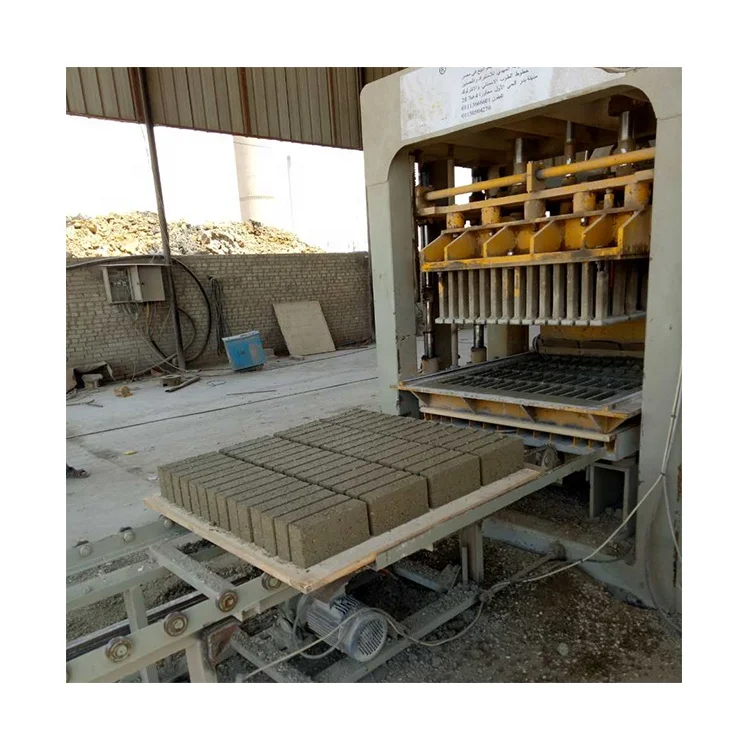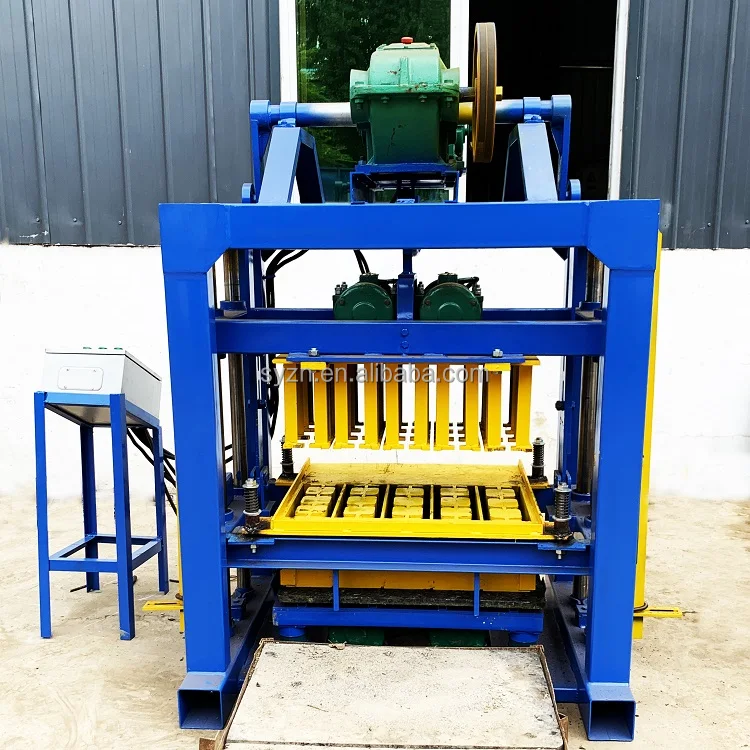
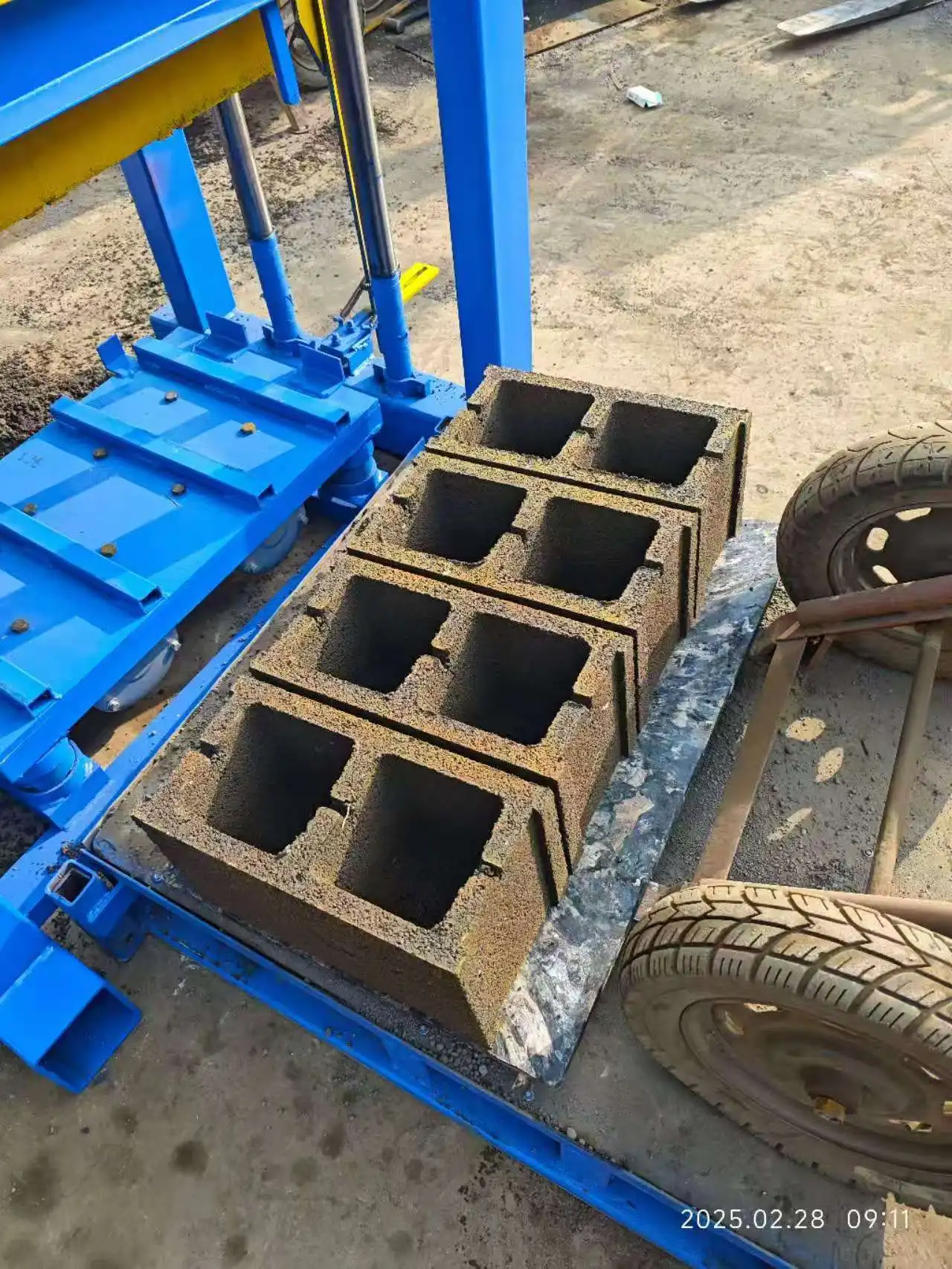
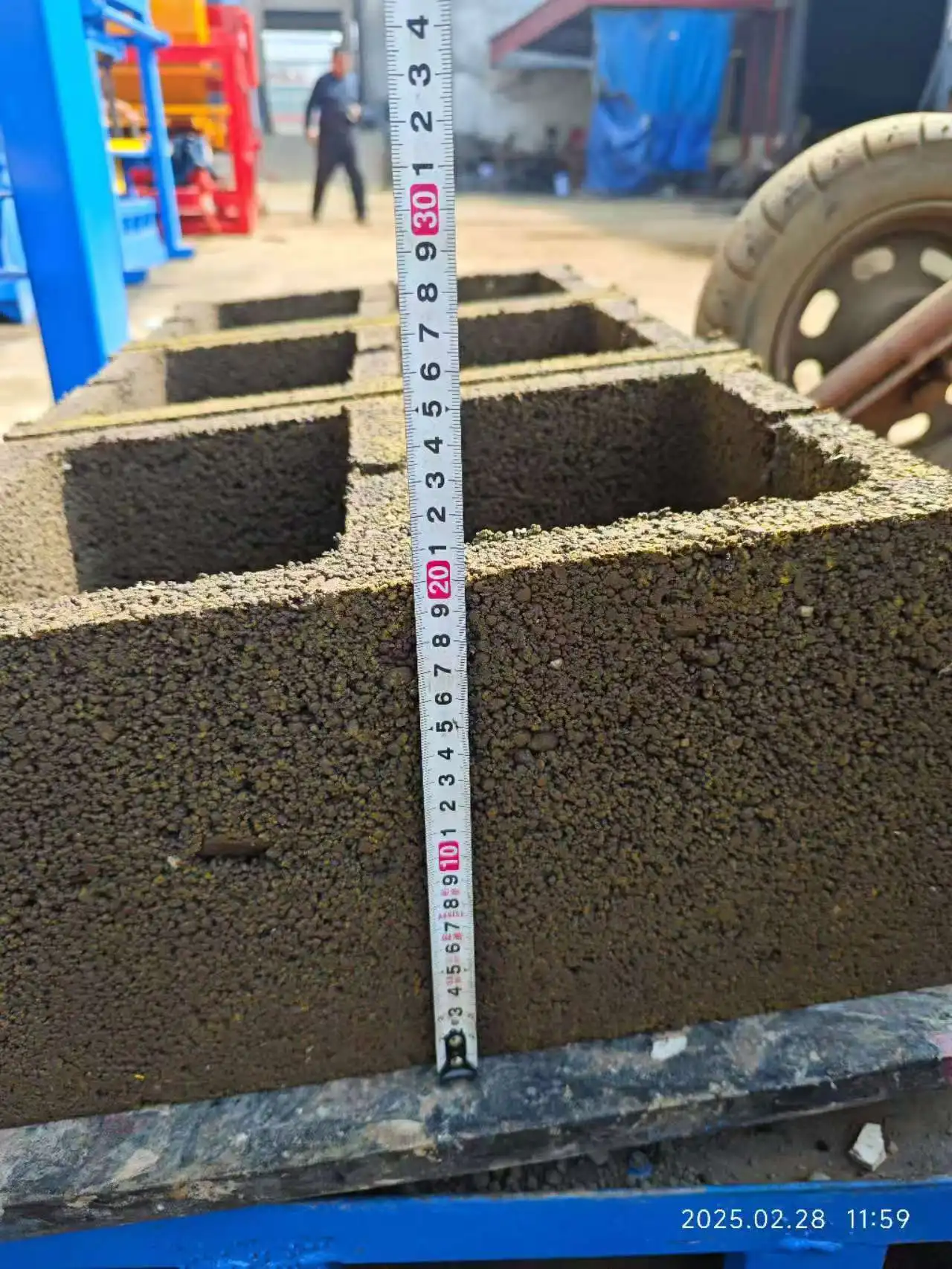
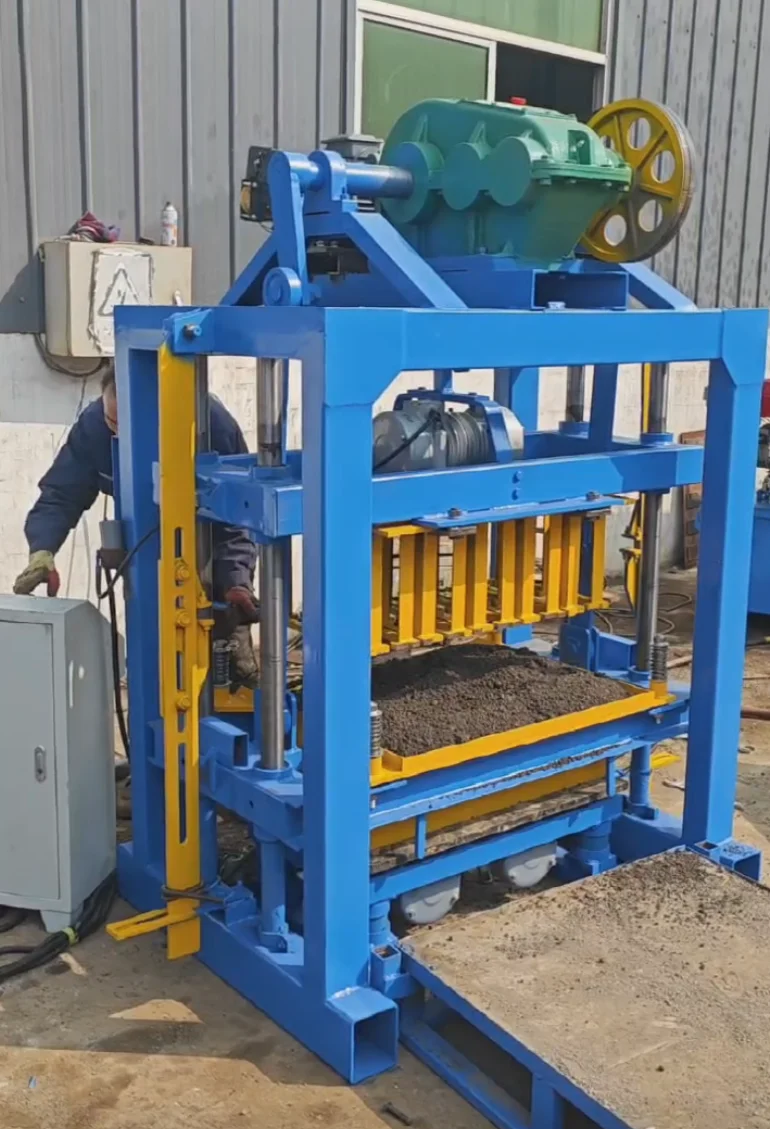
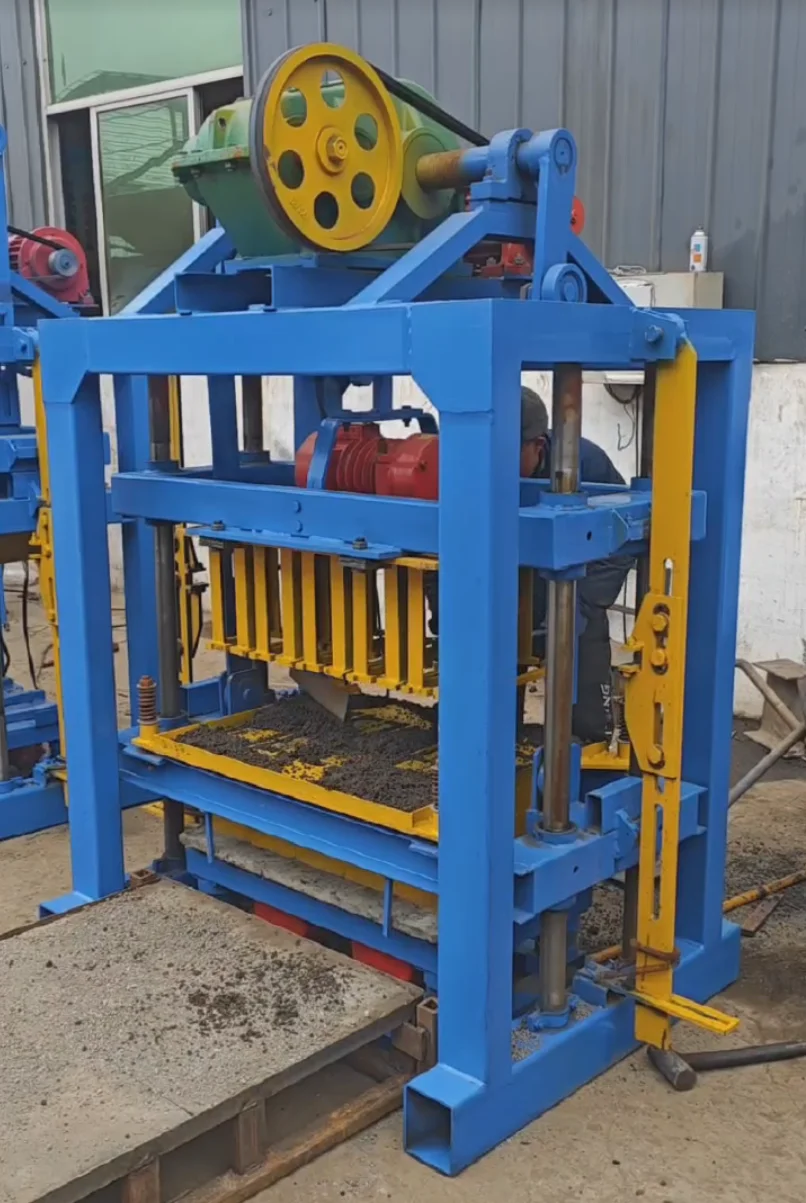
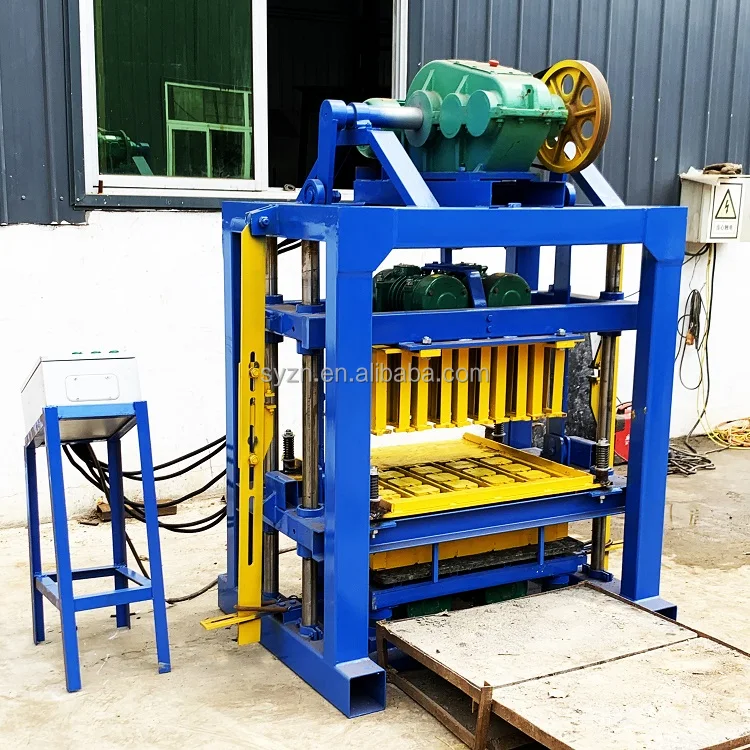
Description
Fast dispatch readiness — the QTJ4-40 ships with voltage, pallet dimensions and mould format locked in against your site before it leaves our Linyi yard, so commissioning starts on day one, not week three.
Technical Specifications
| Parameter | Value |
|---|---|
| Model | QTJ4-40 |
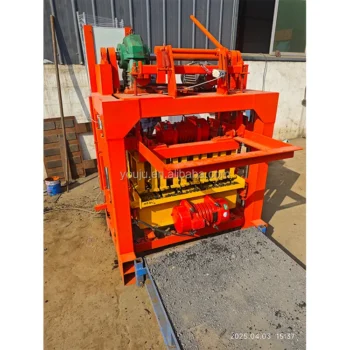
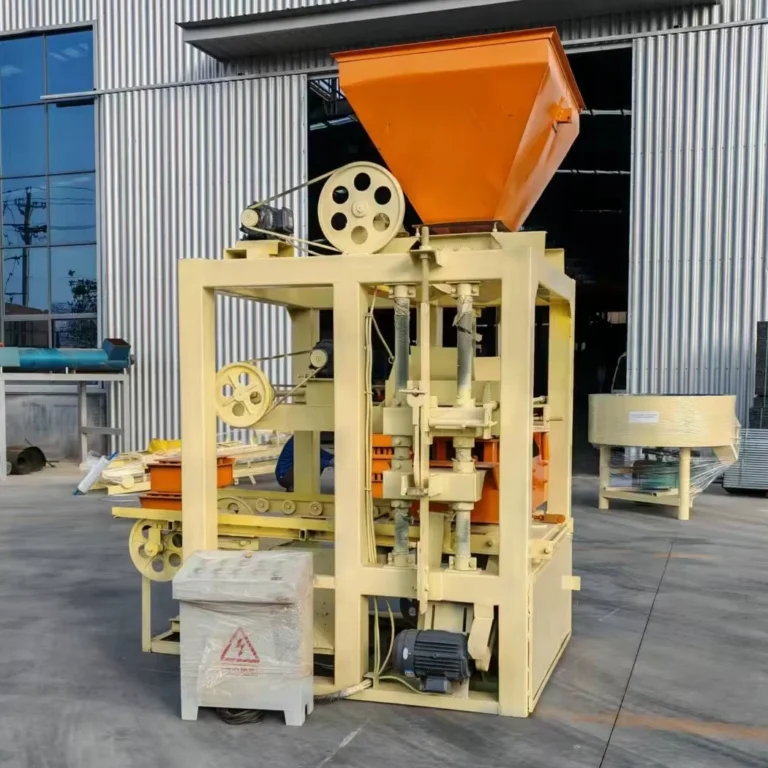
| Product Type | Semi-Automatic Hydraulic Block Making Machine |
| Overall Dimensions (L×W×H) | 1350×1460×1800 mm |
| Machine Power | 10.4 kW |
| Molding Cycle | 40 seconds |
| Output Capacity | 2880 pcs/day (basis: 400×200×200mm hollow block, 4 pcs/mould) |
| Output Capacity | 3600 pcs/day (basis: 400×150×200mm block, 5 pcs/mould) |
| Output Capacity | 6400 pcs/day (basis: 225×112.5×60mm paver, 9 pcs/mould) |
| Pallet Size | 850×450×20 mm |
| Net Weight | 1.2 T |
| Vibration System | Bed mould vertical vibration + upper mould compression vibration |
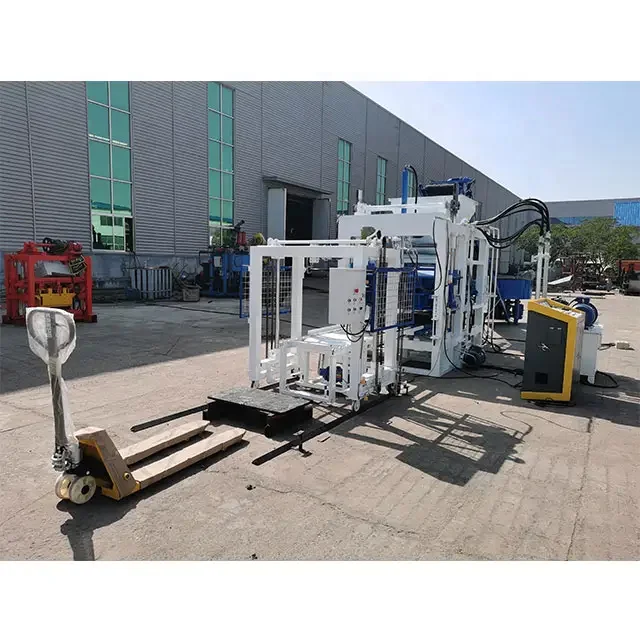
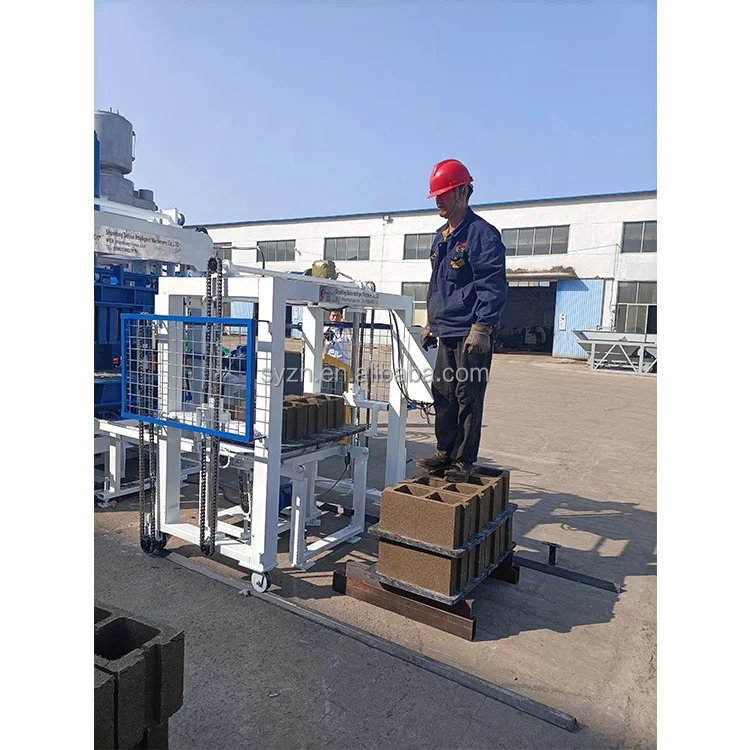
| Automation Level | Semi-automatic with manual pallet handling |
| Voltage | Configurable to buyer’s local voltage and frequency |
| Control System | Semi-automatic operation |
| Mould Compatibility | 4, 5, 6, 8 inch hollow/solid blocks, pavers, custom sizes |
Application Suitability
| Application | Material or Output |
|---|---|
| Small-scale block plant startup | Hollow and solid concrete blocks from sand, cement and local aggregate |
| On-site contractor production | Masonry units made directly at the construction project location |
| Format expansion for existing producers | Paving blocks and interlocking formats alongside standard hollow output |
| Fly ash or gypsum block runs | Alternative binders including fly ash, lime and gypsum mixes |
Why the Voltage Question Must Come Before the Price
Every QTJ4-40 block machine in stock fast delivery order is held at the wiring stage until we receive your signed voltage and frequency confirmation document.
I once watched a buyer in West Africa uncrate a block press only to find the motor wound for 380V/50Hz while his generator supplied 440V/60Hz. The machine sat idle for weeks while a new motor was air-freighted. That delay is completely avoidable. With the QTJ4-40, we lock in voltage, frequency and PLC display language at order stage so the electrical cabinet matches your actual power supply when the container is opened [NEED_CITE: voltage and frequency standards by export market].
Stock Availability and Dispatch Timing
Buyers searching for a QTJ4-40 block machine in stock fast delivery option usually work against a project deadline. We maintain stocked units in our Linyi warehouse so that once your pallet size, voltage and mould selection are confirmed, the machine can be dismantled and container-loaded within a typical short lead window. The dispatch timeline is quoted at order stage, not after payment clears.
How Container Loading Is Handled
The QTJ4-40 measures 1350×1460×1800mm and weighs 1.2 tonnes, which means a single machine plus moulds and pallets fits into a standard container with room to spare. We dismantle the upper frame and secure each component against transit movement. Packing photographs and a container loading plan are sent before the doors are sealed, giving you visibility into shipment condition [NEED_CITE: container loading standards for industrial machinery].
Reading the Capacity Numbers Honestly
The 40-second molding cycle drives every capacity figure, but that cycle only tells half the story. At 4 pieces per mould for a 400×200×200mm hollow block, you reach a rated 2880 pieces per day. Switch to a 400×150×200mm mould at 5 pieces per cycle and the daily figure moves to 3600. For 225×112.5×60mm pavers at 9 pieces per mould, the count reaches 6400 per day. The vibration system — vertical bed vibration paired with upper mould compression — determines actual block density and demoulding quality across all these formats. A shorter cycle means nothing if the block cracks on the pallet. The hydraulic pressure and vibration force must be matched to your specific mix design and local aggregate to produce consistent strength across every batch [NEED_CITE: relationship between vibration force and concrete mix density].
When a Rushed Order Backfires
Skipping the pre-shipment confirmation step creates problems that only appear on-site. If the 850×450×20mm pallet does not match your curing racks or the forklift you already own, you end up modifying shelving or buying new handling equipment after arrival. If the control panel displays in a language your operators cannot read, every parameter adjustment becomes guesswork. These are not warranty claims — they are ordering oversights that cost you weeks of production time [NEED_CITE: common causes of commissioning delays in imported machinery].
Why Buyers Source This Machine Here
Block machinery is our single focus, which means the QTJ4-40 is specified as a matched system of press, mould, pallet and handling rather than assembled from unrelated suppliers. We confirm pallet size against your curing area dimensions before the machine ships. Moulds are designed for the block formats your local market actually buys, including custom drawings when standard sizes do not cover your needs. Dispatch lead time and arrival estimates are quoted at the order stage so you can plan your project timeline. Every machine undergoes a factory test with your specified mould before crating, and the test record is included in the documentation package.
Documentation & Verification
- Factory test record showing the QTJ4-40 running your specified mould format
- Voltage, frequency and control language confirmation signed before production
- Pallet dimension sheet cross-referenced to your curing area layout
- Packing photographs and container loading plan provided before dispatch
- Machine specification sheet with capacity stated per block format
- Mould drawing and format list for every mould included in the order
Installation, Commissioning & Support
- Foundation pad must be level and cured to handle the 1.2T machine weight plus vibration load
- Dedicated circuit required matching your confirmed voltage and the 10.4kW total power draw
- Upper frame dismantled for shipment and reassembled on-site with alignment verification
- First-run commissioning includes vibration force and cycle timing adjustment to your mix
- Operator training covers mould change procedure and manual pallet handling workflow
- Wear parts list and mould maintenance schedule provided for local sourcing planning
Before You Send an Inquiry
Tell us the block formats your market sells, the daily volume you need, and the raw materials available locally. Confirm your site voltage, frequency and the language your operators read on a control panel. Share the dimensions of your curing area and the pallet-handling equipment you already have so we can verify compatibility before the QTJ4-40 block machine in stock fast delivery order is finalized.
Frequently Asked Questions
Q: Is the QTJ4-40 currently in stock, and what is the dispatch lead time?
A: We maintain QTJ4-40 units in our Linyi warehouse. Once your voltage, pallet size and mould format are confirmed, the machine is dismantled and container-loaded within a typical short lead window. Dispatch timing and an arrival estimate are quoted at order stage so you can plan around your project deadline.
Q: How are voltage and frequency confirmed before the machine ships?
A: We send you a confirmation document listing voltage, frequency and PLC display language. You sign it before the electrical cabinet is wired. This prevents the situation where a machine arrives with a motor wound for a power supply your site does not have.
Q: Can I order the QTJ4-40 with multiple moulds for different block formats?
A: Yes. Moulds for hollow blocks, solid blocks and pavers in various sizes can be included in one order. Each mould is packed and secured inside the container with the machine. A full mould drawing and format list is provided so you know exactly what is on board.
Q: How is the machine dismantled and loaded into the container?
A: The upper frame is removed and the press is secured to prevent movement during ocean transit. The 1350×1460×1800mm footprint and 1.2T weight allow the machine plus moulds and pallets to fit a standard container. Packing photos and a loading plan are shared before the container doors close.
Q: How long after dispatch will the machine arrive at my port?
A: Arrival time depends on the destination port and shipping route. We provide an estimated arrival window at the order stage based on current sailing schedules so you can arrange customs clearance and site preparation before the container docks.