Description
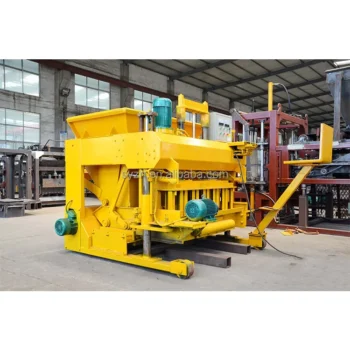
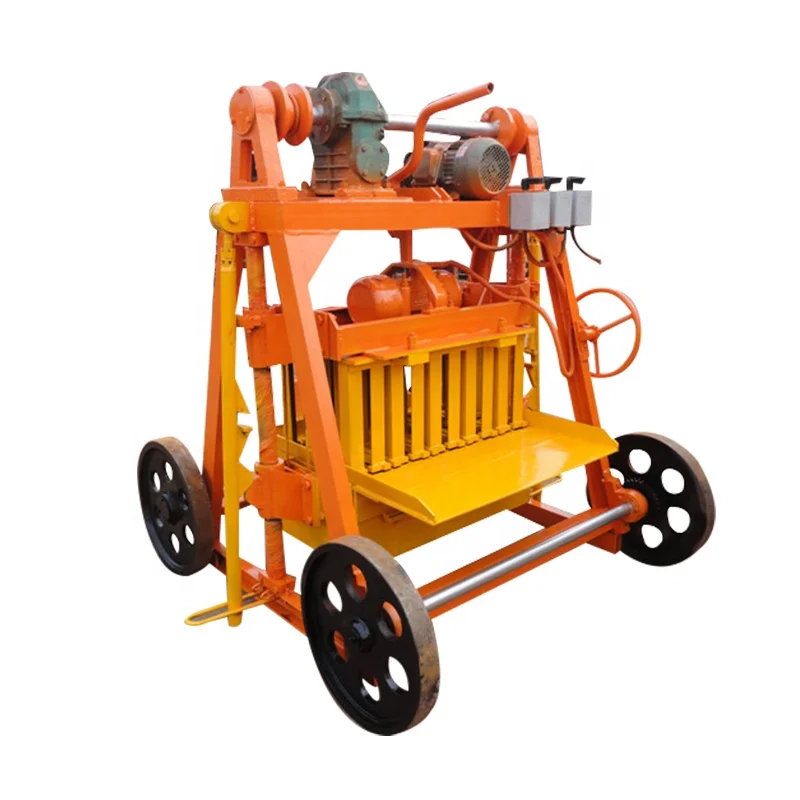
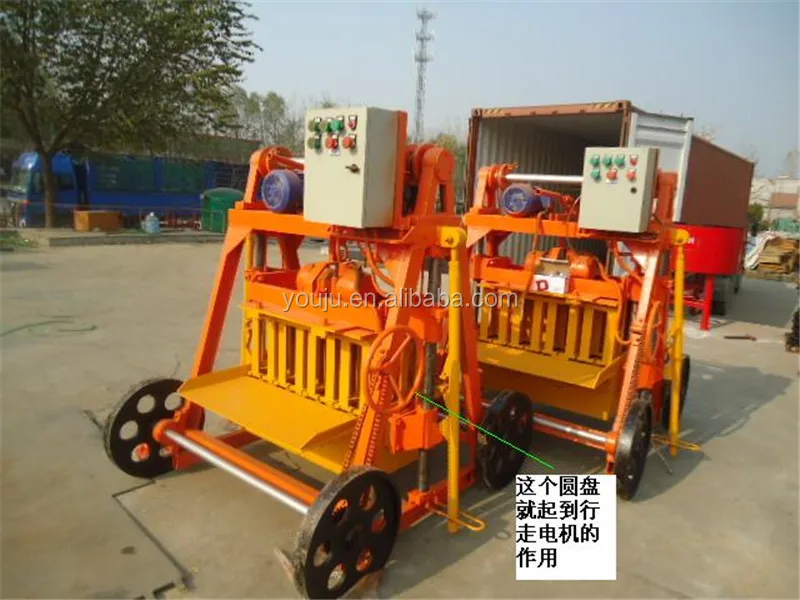
Dispatch Readiness Confirmed — The QMJ4-45 mobile block machine ships from current stock with standard hollow block moulds, so your construction site does not wait out a two-month production cycle while deadlines slip.
Technical Specifications
| Parameter | Value |
|---|---|
| Model | QMJ4-45 |
| Product Type | Manual Cement Hollow Block Making Machine |
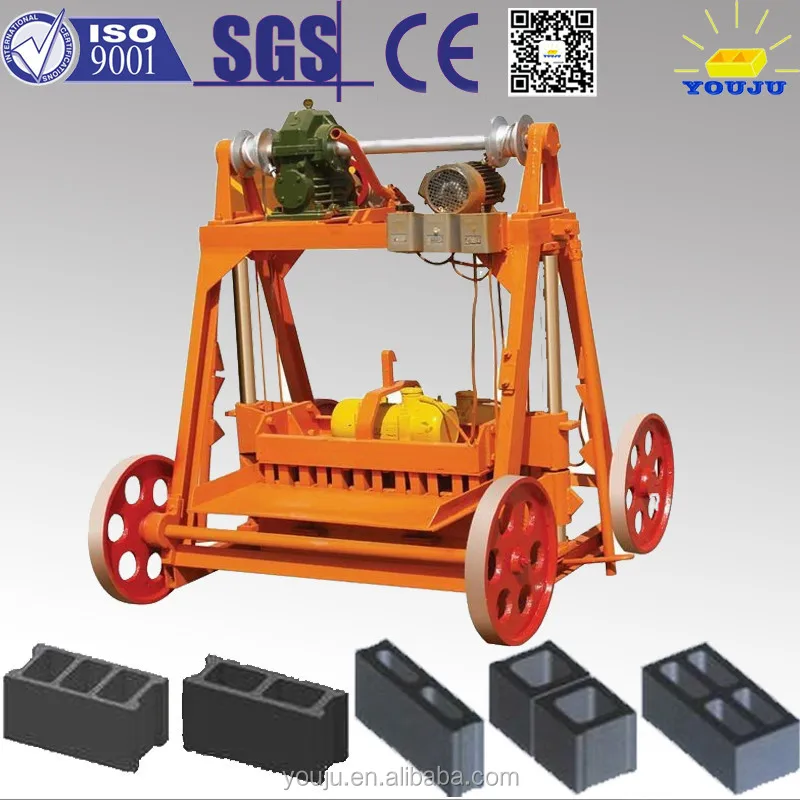
| Molding Capacity | 4 pcs/mold (hollow block 400×200×200mm) |
| Vibration Frequency | 2400 r/m |
| Vibration Method | Mold vibration |
| Demold Method | Manual |
| Turning Method | Manual |
| Molding Cycle | 45 seconds |
| Total Power | 6 kW |
| Power Source | Diesel/Petrol engine |
| Automation Level | Manual |
| Daily Productivity (400×200×200mm hollow block, 8h shift) | approx. 3000 pcs/day |
| Daily Productivity (400×150×200mm hollow block, 8h shift) | approx. 3500 pcs/day |
| Daily Productivity (400×120×200mm hollow block, 8h shift) | approx. 4500 pcs/day |
| Warranty | One year for the whole machine |
Application Suitability
| Application | Material or Output |
|---|---|
| On-site hollow block production | Cement, crushed stone, sand, gravel aggregate |
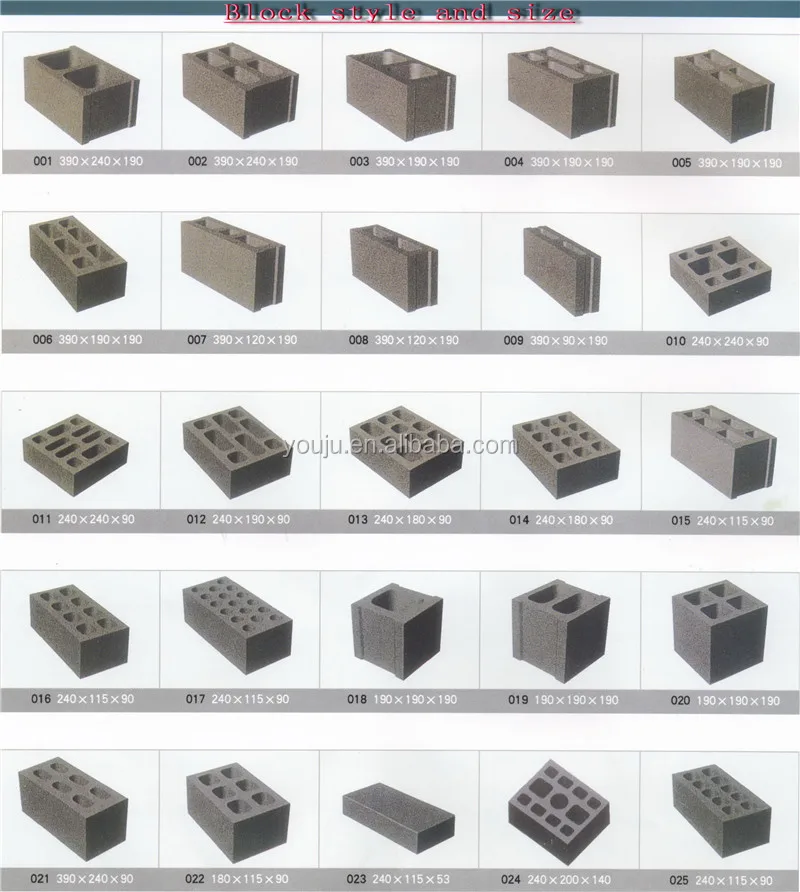
| Remote housing project block supply | Standard and multicellular hollow formats up to 400mm length |
| Small-scale paving brick runs | Cement-sand mixes with local coarse aggregate |
| First plant setup for entrepreneurs | Hollow blocks, standard bricks, multicellular bricks |
When Your Project Cannot Wait Eight Weeks for a Block Machine
Stock availability and confirmed dispatch dates matter more than catalogue lead times when a site crew is already mobilised.
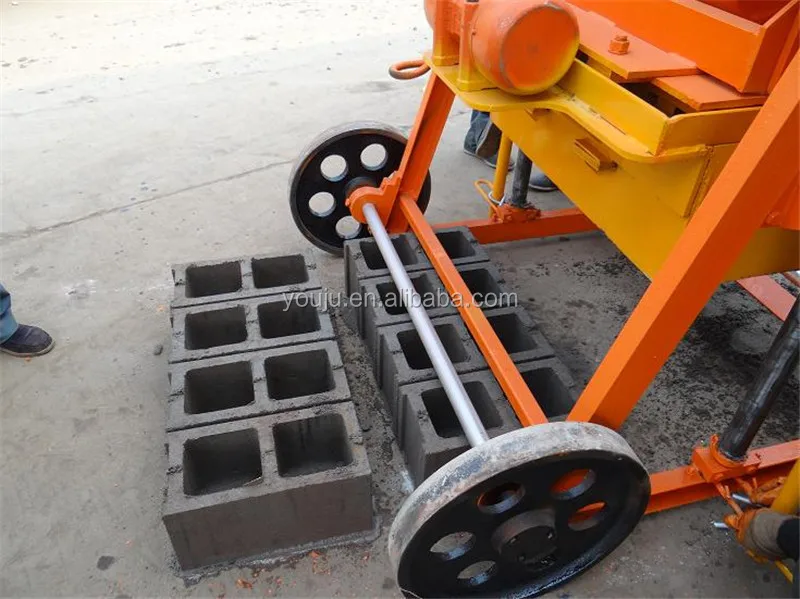
Project contractors in West Africa, Southeast Asia and parts of South America frequently lose weeks between paying a deposit and seeing a container clear customs. A mobile block machine in stock with verified readiness to load changes that timeline from months to weeks. I have watched entire housing phases stall because the block supply chain hinged on a machine that was still in production when the rainy season arrived. With the QMJ4-45 egg laying design, blocks cure directly on the ground — no pallet inventory, no pallet return loop, no forklift dependency for a remote job site. The diesel or petrol engine option means you are not waiting for a grid connection before the first brick is laid [NEED_CITE: typical off-grid construction site power constraints in developing markets].
What Ships Today Versus What Takes Weeks
The QMJ4-45 is held in assembled, factory-tested condition with standard hollow block moulds fitted. When a buyer confirms block format and destination port, the machine is dismantled to container-loading dimensions and secured within days, not weeks. Standard moulds for 400×200×200mm, 400×150×200mm and 400×120×200mm hollow blocks are stocked alongside the machine, so the first production run can begin without waiting for a custom mould order. This is the core advantage of sourcing a mobile block machine in stock rather than commissioning a build-to-order line.
Container Loading and Arrival Timing You Can Plan Around
A 20-foot container accommodates the dismantled QMJ4-45 with room for additional standard moulds, spare vibration springs and a basic wear parts kit. Dispatch lead time is quoted at the inquiry stage based on the current stock position, and an arrival estimate is provided before payment so that site preparation, aggregate sourcing and crew scheduling can proceed in parallel. Buyers working against handover deadlines need a shipping date, not a production slot. The egg laying block format means curing racks and pallet circulation systems are not part of the container load, keeping freight volume and cost contained [NEED_CITE: standard container loading practices for mobile egg laying block machines].
Reading the Specs That Actually Affect Your Site
The 2400 r/m mold vibration frequency is the number that determines block wall density and compressive strength for hollow formats. Lower vibration on a manual machine leaves porous, weak blocks that crumble during transport to the laying point. The 6 kW total power requirement is modest and fully supplied by the onboard diesel or petrol engine, which is the reason this machine works on sites with no transformer and no three-phase supply. The 45-second molding cycle is measured per mould impression — actual daily throughput depends on crew size, mix delivery speed and curing space available on the ground. Manual demolding and manual turning mean the operator controls pace; there is no PLC to fault-find when cement humidity varies, as I learned first-hand on a dispatch to a West African site where seasonal moisture required mix adjustments every few days until production stabilised.
The Hidden Cost of Ordering a Machine That Is Not Yet Built
Choosing a block machine on price alone, only to discover it has a 60-day build lead, turns a procurement decision into a project delay. By the time the machine ships, clears customs and reaches site, penalty clauses on construction contracts may already be triggered. A mobile block machine in stock eliminates the production-wait variable entirely. Additionally, machines built to order sometimes arrive configured for a mix design the buyer cannot source locally — wrong aggregate grading, incompatible cement type — forcing material substitutions that compromise block strength. Stocking standard configurations against proven hollow block formats reduces that risk [NEED_CITE: common mix design mismatches in exported block machinery].
Why Source This Machine Here
Block machinery is our single product focus, which means the QMJ4-45, its moulds and its engine package are specified as one matched unit rather than assembled from separate suppliers. Capacity figures are stated per block format, not as a single misleading cycles-per-hour number. The diesel engine option reflects real job-site conditions we have seen across multiple export markets, not a catalogue checkbox. Standard mould inventory is maintained against the hollow block formats that sell in most developing markets, so your first container carries production-ready tooling. Dispatch timing is confirmed against actual stock position at the point of inquiry, not against a factory schedule that can slip.
Documentation & Verification
- Factory test record demonstrating molding cycle on your specified hollow block format
- Mould drawing and format list confirming dimensional accuracy before shipment
- Diesel or petrol engine specification sheet with service interval schedule
- Operation and maintenance manual with troubleshooting for manual demolding
- Packing photographs showing container loading configuration and securing method
- Customs documentation package supporting clearance at destination port
Installation, Commissioning & Support
- Ground surface must be level and firm for egg laying block production without pallets
- 6 kW diesel engine requires standard fuel supply; no electrical grid connection needed
- Machine arrives dismantled; reassembly on site takes one shift with basic hand tools
- First production run supervised remotely with mix ratio guidance for local aggregate
- Spare vibration springs and wear parts included to cover initial operating period
- Mould change between hollow block formats completed with manual bolt release
Before You Send an Inquiry
To provide a confirmed dispatch date and arrival estimate, we need your target hollow block format and dimensions, the port of destination, and whether your site has access to diesel fuel or requires a petrol engine configuration. If you plan to produce multiple block formats from day one, specify which additional standard moulds should share the container load.
Frequently Asked Questions
Q: Which QMJ4-45 machines and mould formats are currently ready to ship?
A: The QMJ4-45 mobile block machine is held in stock with standard hollow block moulds in 400×200×200mm, 400×150×200mm and 400×120×200mm formats. Additional standard moulds can be added to the same container shipment. Current stock position is confirmed at the time of inquiry so dispatch scheduling is based on fact, not forecast.
Q: How is the machine prepared for container loading and what is the shipping timeline?
A: The QMJ4-45 is dismantled to fit a 20-foot container with space for spare moulds and wear parts. Loading configuration and securing method are photographed before the container is sealed. Dispatch lead time from payment is quoted based on current stock readiness, and sea freight transit to your port is estimated at order stage.
Q: What is the realistic timeline from payment to the machine producing blocks on my site?
A: From confirmed order and payment, stock machines are typically containerised and dispatched within days. Total elapsed time to first block production depends on sea freight duration to your port, customs clearance speed and on-site reassembly. An arrival estimate covering these stages is provided before you commit.
Q: Can I include extra moulds in the same container to broaden my block format range?
A: Yes. The dismantled QMJ4-45 leaves room in a standard 20-foot container for additional hollow block moulds, spare vibration components and a wear parts kit. Including extra formats in the first shipment means your production capability expands without waiting for a second consignment.
Q: What documentation is provided to support customs clearance and immediate commissioning?
A: The shipment includes a factory test record, mould drawings, engine specification sheet, operation manual, packing photographs and a full customs documentation package. These documents are prepared in English and support both port clearance and the first production run on your site.