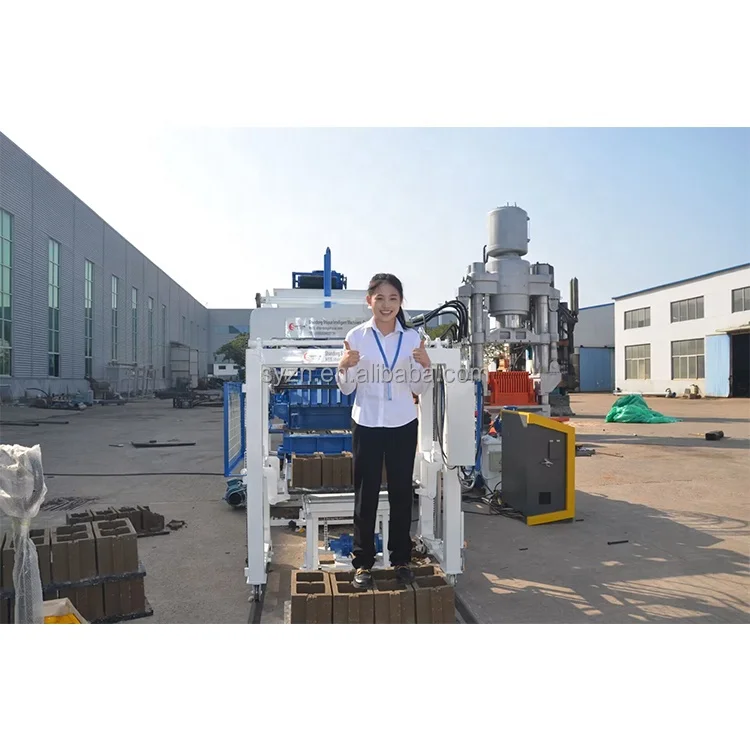
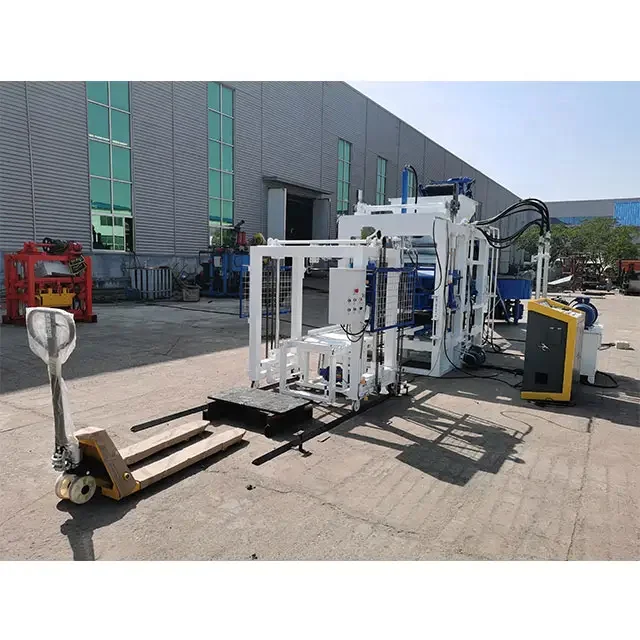
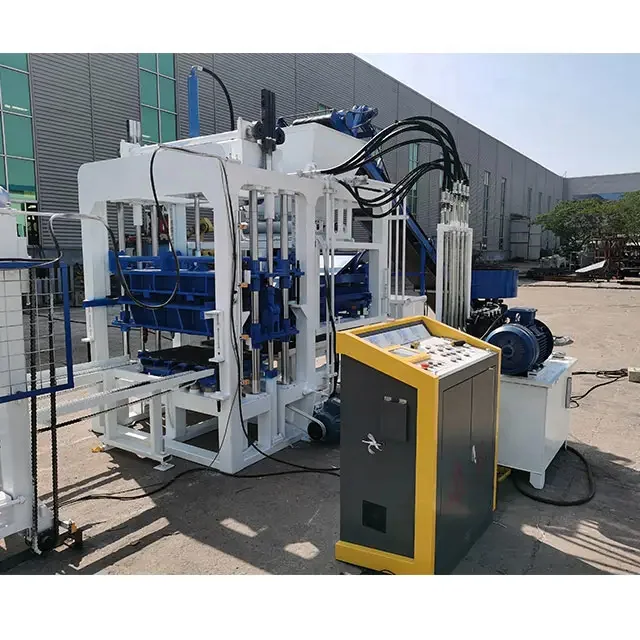
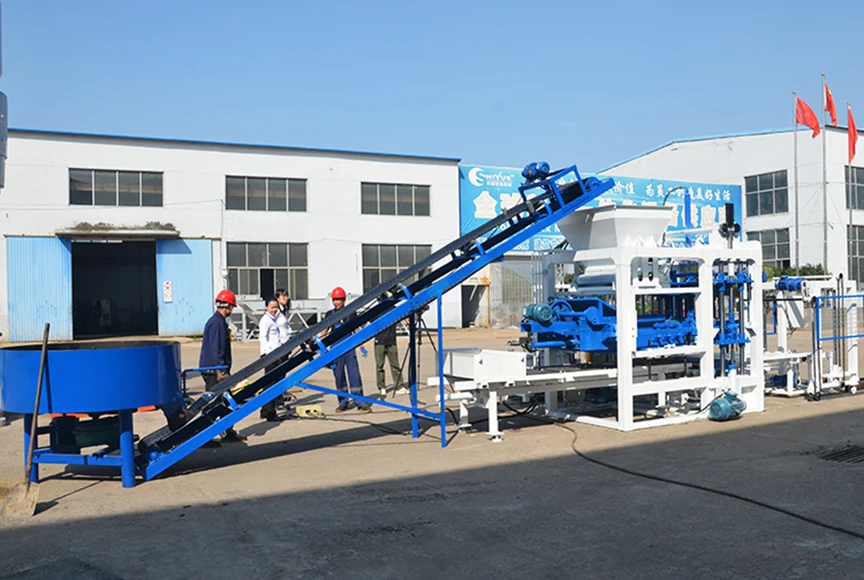
Description
Fast Dispatch Ready — QT4-18 semi-automatic block machines and standard moulds are held in stock, meaning your order ships on a confirmed timeline rather than entering a production queue.
Technical Specifications
| Parameter | Value |
|---|---|
| Model | QT4-18 |
| Product Type | Semi-Automatic Hydraulic Concrete Block Making Machine |
| Overall Dimensions (L×W×H) | 3900 × 1600 × 2300 mm |
| Total Weight | 3 T |
| Rated Power | 24 kW |
| Vibration Force | 40–50 kN |
| Molding Cycle | 15–25 s |
| Mixer Model | JQ350 |
| Pallet Size | 850 × 550 × 25 mm |
| Pallet Material | Fibreglass (wooden pallet also compatible) |
| Hydraulic Station | Equipped, high-pressure stable operation |
| Vibration System | Bed mould vertical vibration + upper mould compression vibration |
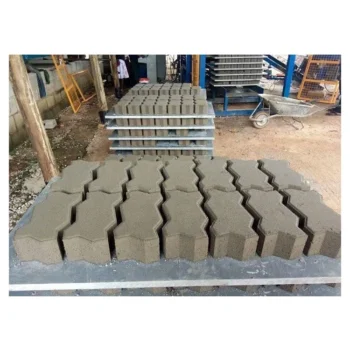
| Applied Products | Hollow block, solid brick, paver, curbstone |
| Raw Materials | Crushed stone, sand, cement, dust, fly ash |
| Output — Hollow Block 400×200×200 mm | 9,600–13,440 pcs / 8 hr |
| Output — Hollow Block 400×150×200 mm | 14,400–19,200 pcs / 8 hr |
| Output — Solid Brick 240×115×53 mm | 16,200–19,440 pcs / 8 hr |
| Automation Level | Semi-automatic |
| Standards | CE declaration (where applicable) |
Application Suitability
| Application | Material or Output |
|---|---|
| Hollow block production for residential walls | Crushed stone, sand, cement — 400×200×200 mm or 400×150×200 mm formats |
| Solid brick manufacturing for load-bearing structures | Cement, sand, fly ash blends — 240×115×53 mm standard brick |
| Paver and curbstone production for site infrastructure | Aggregate-rich mixes for high-density paving units and kerbs |
| On-site block production for project contractors | Local sand and crushed stone with portable mixer feeding |
| First plant setup for entrepreneurs entering block market | Semi-automatic operation with JQ350 mixer and manual pallet handling |
What "Fast Delivery" Actually Means When You Order a Block Machine
A stocked QT4-18 block machine in stock leaves the factory on a known date — not after an open-ended production slot.
Most machinery suppliers quote a lead time only after the order is placed and the deposit clears. By then the project schedule is already slipping. I have watched contractors in the Gulf lose an entire foundation phase because the block machine they ordered was "in production" for weeks longer than promised, and the site crew sat idle with a mixer running and nothing to press. The difference between a machine on the warehouse floor and one on a build schedule is not semantic — it is the gap between hitting a milestone and paying penalty clauses [NEED_CITE: typical construction delay penalty structures in Middle East and African markets]. When you need a fast delivery concrete block machine, the conversation has to start with what is physically ready, not what the catalogue says can be built.
Stocked Configurations and What Ships Together
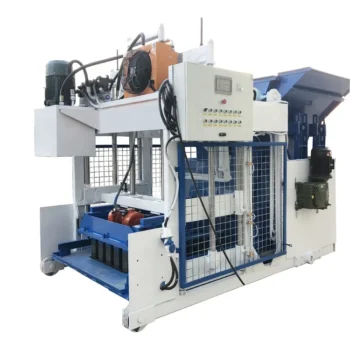
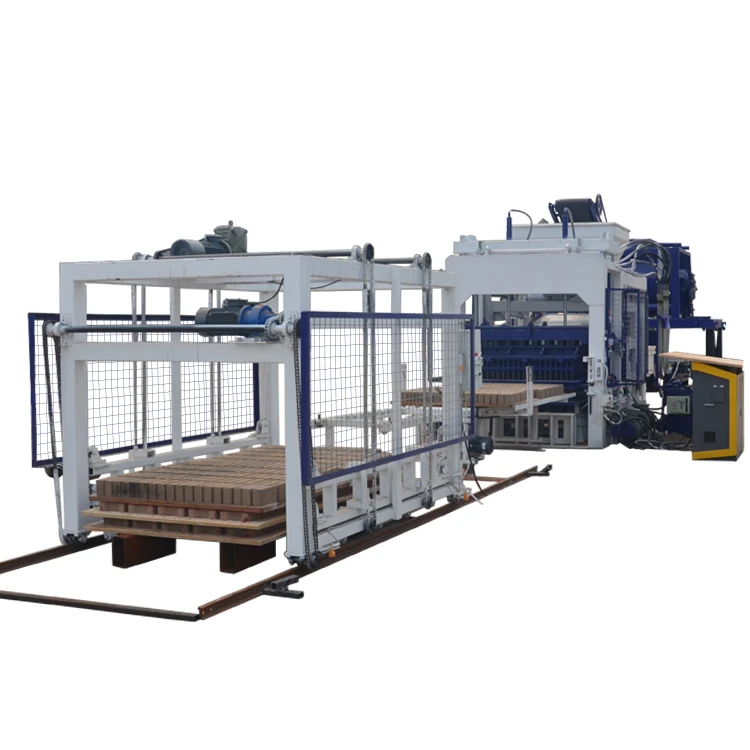
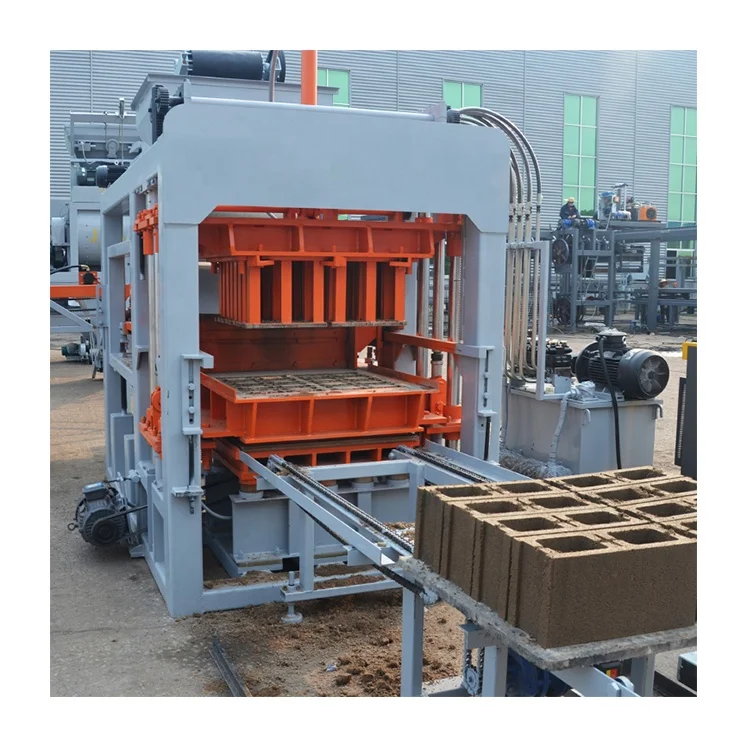
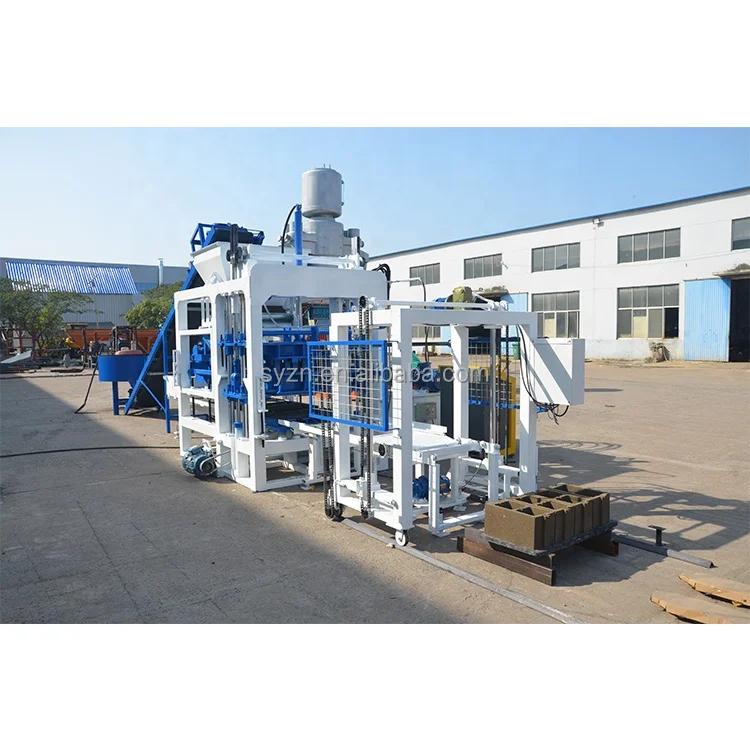
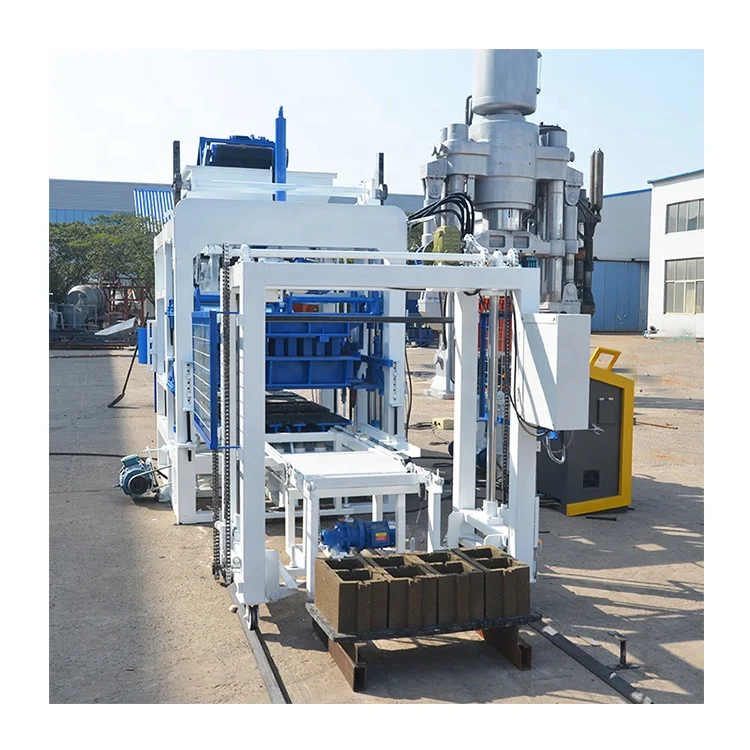
The QT4-18 semi-automatic block machine is held as a complete press unit with hydraulic station, vibration assembly, and control panel assembled and factory-tested. Standard moulds for 400×200×200 mm hollow block, 240×115×53 mm solid brick, and common paver formats are stocked alongside the machine. A QT4-18 block machine in stock is not a partial kit waiting on subcontracted components — the JQ350 mixer, fibreglass pallets, and pallet feeding mechanism are matched and available in the same dispatch window. This matters because a press without pallets or a mixer that arrives a container late turns a fast delivery into a delayed commissioning.
Container Loading and the Arrival Estimate You Can Plan Around
Before payment is confirmed, the loading plan for the QT4-18 is laid out: which sections are dismantled for a 20GP container, how the moulds and pallet stack are secured, and what the estimated transit time is to the destination port. I spent enough time on sites in Dubai and Jeddah to know that a machine arriving without a clear unloading sequence costs the buyer a full day of crane and forklift rental while the crew figures out which bolts hold the frame together [NEED_CITE: container loading and bracing standards for heavy industrial machinery]. The fast delivery concrete block machine promise only holds if the arrival date is quoted before the proforma invoice, not revised after the bill of lading is issued.
Reading the Specs That Actually Affect Your Output
The 40–50 kN vibration force combined with the dual vibration system — bed mould vertical vibration plus upper mould compression — determines the density and consistency of every block that comes off the pallet. A single-axis vibration system leaves the upper section of a tall hollow block under-compacted, which is why the QT4-18 pairs both directions. The 850 × 550 × 25 mm pallet size is not arbitrary; it defines the maximum mould footprint and must match the curing racks and forklift tine spacing the buyer already has on site. The 24 kW rated power tells the electrician what dedicated circuit and breaker rating to prepare before the machine arrives — a detail that routinely delays first start-up when it is confirmed too late. Molding cycles of 15–25 seconds vary by block format and mix stiffness, which is why output figures above are each tied to a specific block dimension rather than a single headline number.
When a Machine Arrives but the Site Is Not Ready
The most common reason a fast delivery concrete block machine still fails to produce on day one is that the site infrastructure was specified for a different machine. A buyer orders the QT4-18 on short lead time but the curing yard was laid out for a larger pallet size, so blocks stack unevenly and forklift operators refuse to move them. The local voltage is 415V/60Hz and the stocked machine was wound for 380V/50Hz — the motor runs, but at the wrong speed, vibration force drops, and block strength falls below the project specification [NEED_CITE: voltage and frequency mismatch effects on industrial vibration motors]. The mixer is on site but the aggregate stockpile contains sand with high clay content that the original cycle time did not account for, so every block crumbles at the edges. None of these problems show up in a catalogue, and all of them erase the advantage of a quick dispatch if they are not caught at the inquiry stage.
Why Sourcing This Machine Here Reduces Dispatch Risk
Block machinery is the single focus of this operation, which means the QT4-18 is not one product in a catalogue of hundreds — the press, moulds, pallets, and JQ350 mixer are specified and stocked as one matched line. Dispatch lead times are confirmed at inquiry because stock levels are tracked per model and mould format, not estimated from a general production plan. Machine dismantling for container loading is documented with photographs so the receiving crew knows the reassembly sequence before the container door opens. Voltage and control language are confirmed before the machine leaves, not discovered when the PLC display boots up in a language the operator cannot read. Factory test records are run on the block format the buyer will actually produce, not on a default setting that proves nothing about real output [NEED_CITE: factory acceptance testing protocols for hydraulic block making equipment].
Documentation & Verification
- Factory test record run on your target block format before dispatch
- Pallet specification sheet confirming dimensions and load rating
- Voltage and control language confirmation signed before shipment
- Hydraulic and electrical schematic matching the shipped configuration
- Container loading photographs documenting dismantling and bracing
- Wear parts and mould list with reorder part numbers
Installation, Commissioning & Support
- Foundation pad sized to 3900 × 1600 mm footprint with level tolerance for vibration stability
- Dedicated 24 kW circuit with breaker rating and voltage confirmed before machine arrival
- Frame reassembly guided by dismantling photographs taken at factory loading
- First-run cycle time and vibration parameters set against your local aggregate sample
- Operator training covers mould change procedure and pallet feed sequence
- Wear parts list with hydraulic seal and vibration motor brush reorder intervals
Before You Request a Quote
To confirm stock availability and a realistic arrival date, share the block format and daily volume the project requires, the voltage and frequency at the site, and the pallet size your existing curing area is built around. If local sand or aggregate has been tested, the report helps match vibration parameters before the machine ships.
Frequently Asked Questions
Q: Which QT4-18 machines and moulds are currently in stock?
A: The QT4-18 semi-automatic press with hydraulic station and dual vibration system is held in stock along with standard moulds for 400×200×200 mm hollow block, 240×115×53 mm solid brick, and common paver formats. Fibreglass pallets at 850 × 550 × 25 mm and the JQ350 mixer are available in the same dispatch window. Specific stock quantities are confirmed at inquiry.
Q: What is the dispatch lead time and estimated arrival date?
A: Because the QT4-18 block machine in stock does not enter a production queue, dispatch lead time is measured in days from order confirmation, not weeks. The estimated arrival date is calculated from the loading port to your destination port and quoted on the proforma invoice before payment, so you can plan site preparation around a known delivery window.
Q: How is the machine dismantled and loaded into a 20GP container?
A: The QT4-18 frame is dismantled into sections that fit within standard 20GP container dimensions, with the hydraulic station, vibration assembly, and control panel secured separately. Moulds and pallet stacks are braced against movement. Dismantling photographs are taken at the factory and shared with the buyer so the receiving crew can plan reassembly.
Q: Can I order extra pallets and standard moulds from stock with the same shipment?
A: Yes. Fibreglass pallets at 850 × 550 × 25 mm and additional standard moulds for hollow block, solid brick, or paver formats can be added to the same container load. Ordering them together avoids a second shipment and ensures the machine starts production with the full format range the market requires.
Q: What voltage and frequency configurations are available from stock?
A: Stocked QT4-18 units carry standard industrial voltage windings, but the motor and control panel can be reconfigured to match the destination site supply before dispatch. Confirming voltage and frequency at inquiry — rather than after arrival — prevents the motor speed and vibration force mismatch that causes weak blocks on day one.