Description
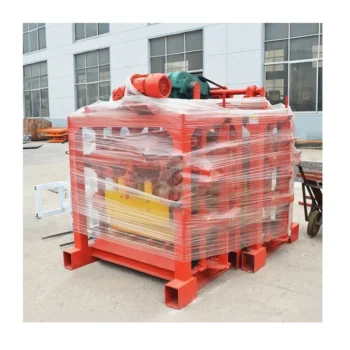
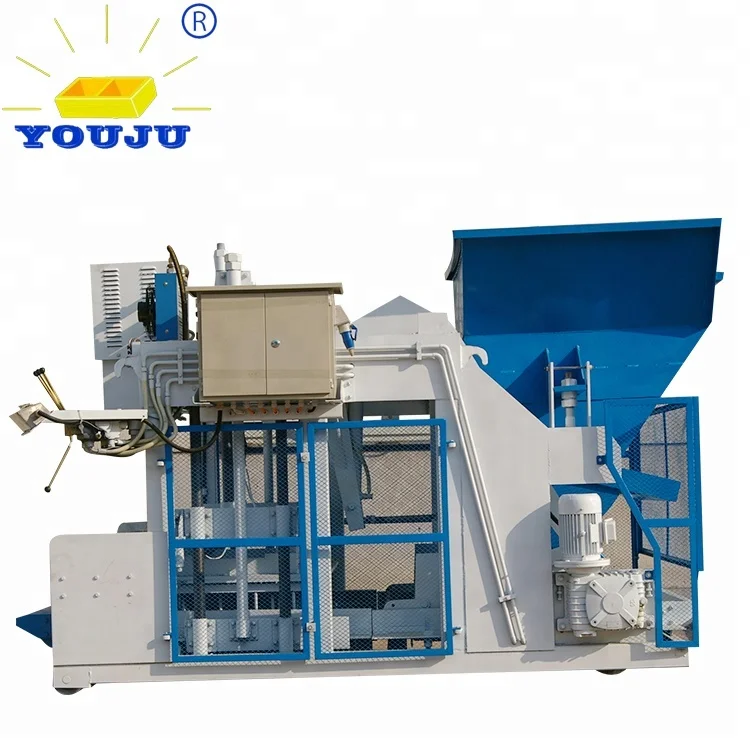
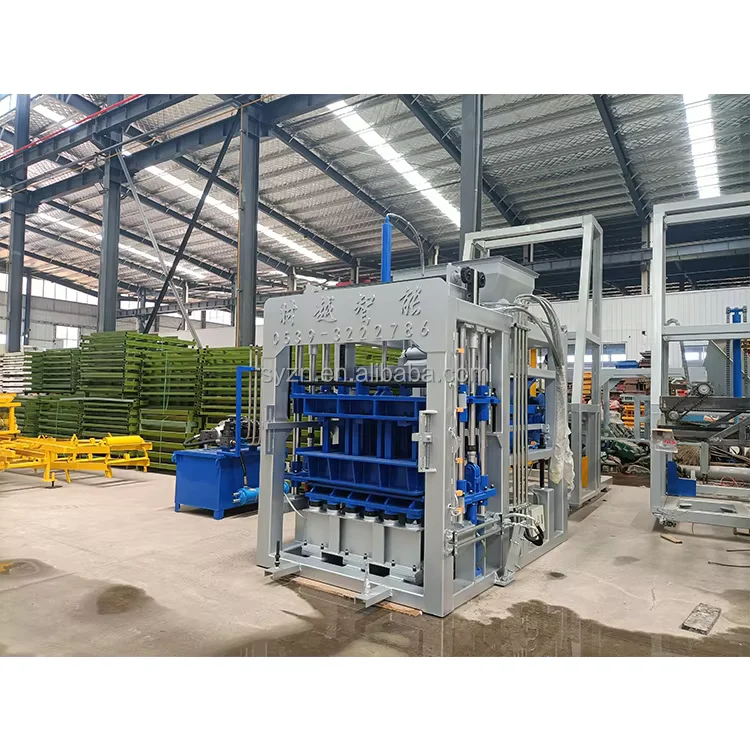
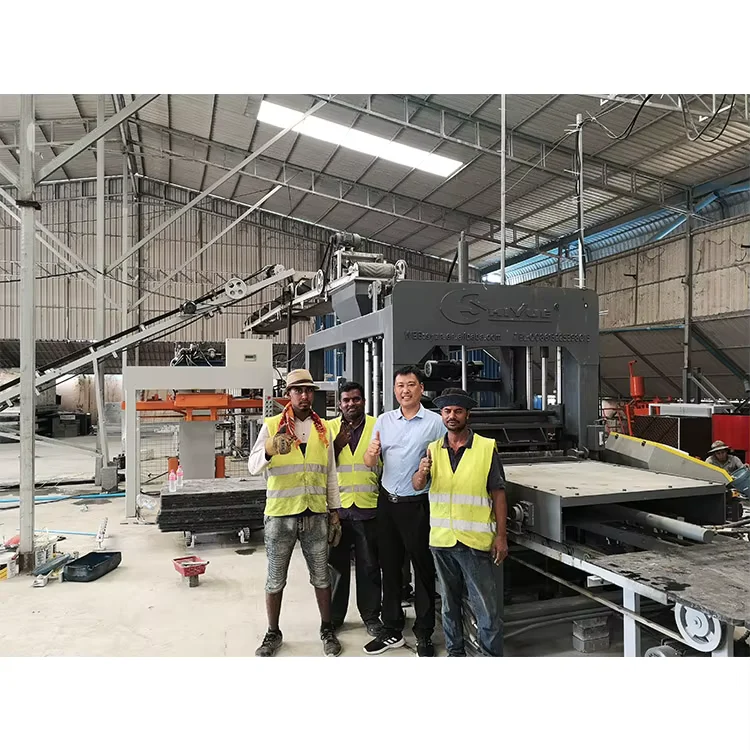
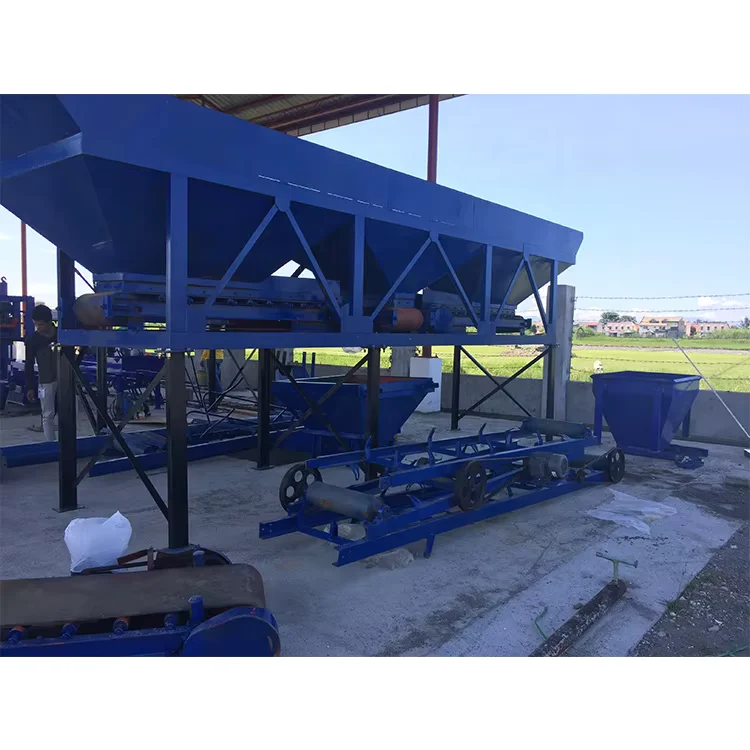
Stocked Readiness — the QT10-15 block making machine in stock is dismantled and measured for standard container loading, preventing site clearance surprises upon arrival.
Technical Specifications
| Parameter | Value |
|---|---|
| Model | QT10-15 |
| Product Type | Fully Automatic Block Making Machine |
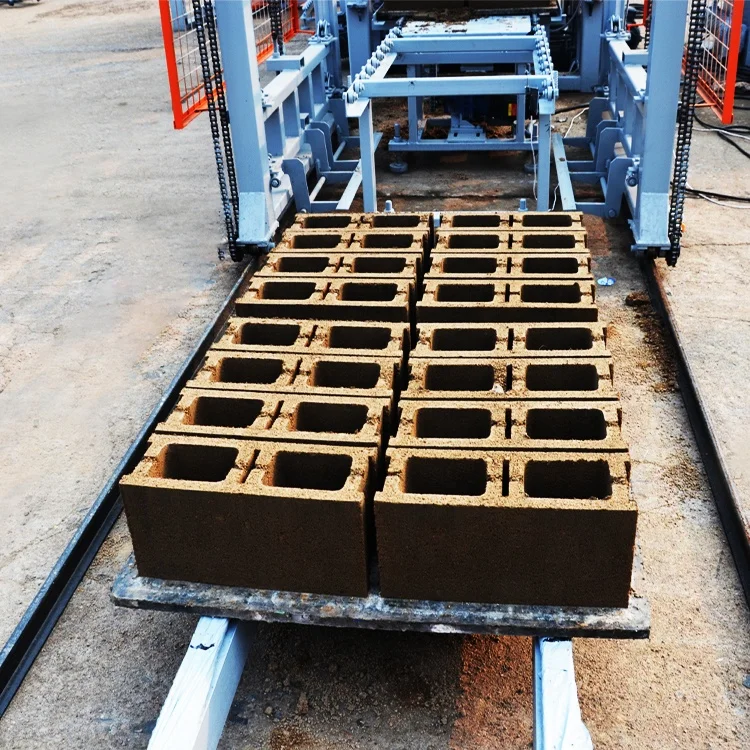
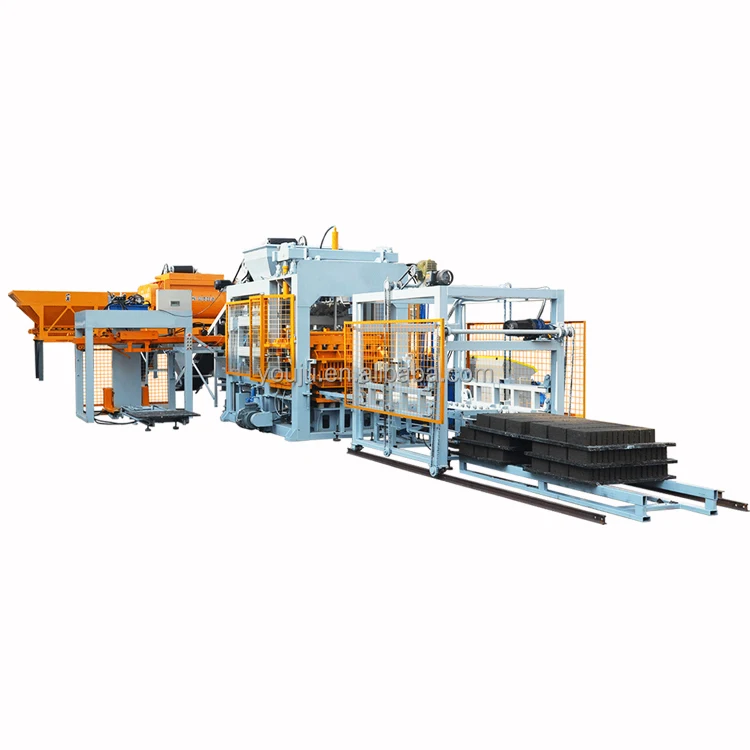
| Machine Type | Hollow, Paving, Interlock, Curbstone Block Machine |
| Method | Hydraulic pressure |
| Hydraulic Pressure | 20 MPa |
| Shaping Cycle | 15-20s (basis not stated in source) |
| Overall Dimensions (L×W×H) | 9350×2320×2950 mm |
| Net Weight | 10000 kg |
| Power Source | Electric motor |
| Voltage | Local Voltage |
| Core Components | Motor, Pump |
| Labor Requirement | 1-3 people |
| Concrete Mixer | Optional |
| Warranty | 1 Year |
| Key Features | Fully Automatic, Machinery Test Report Provided, Video Outgoing-inspection Provided |
Application Suitability
| Application | Material or Output |
|---|---|
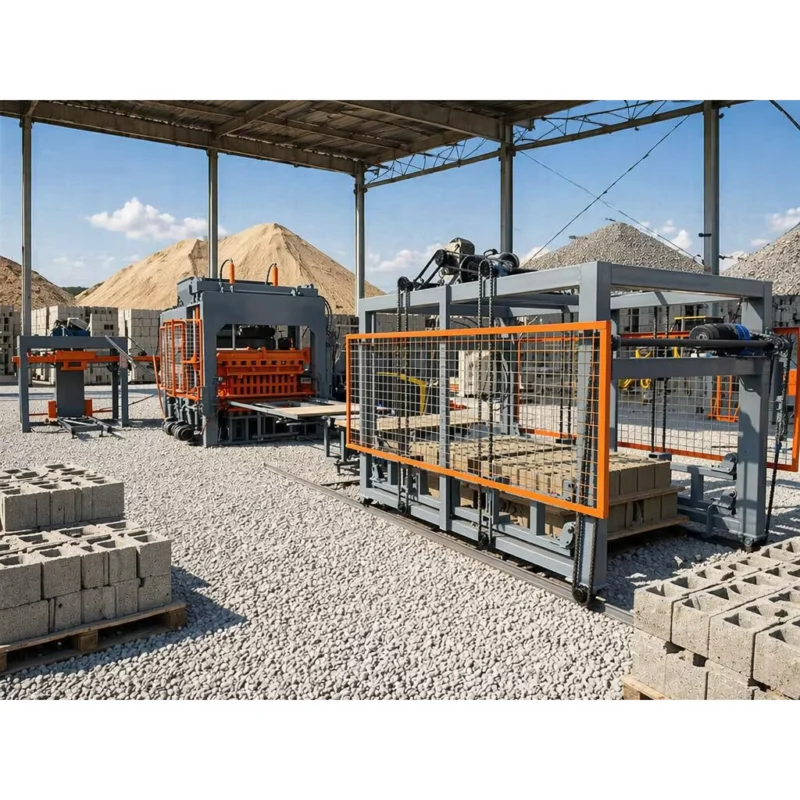
| Hollow block production | Cement, crushed stone, sand, coal fly ash |
| Paving block manufacturing | Cement, dust, cinder, slag, gravel |
| Interlocking brick formation | Sand, crushed stone, cement |
| Curbstone pressing | Gravel, slag, cement |
Why Dimensions Dictate Dispatch for the QT10-15 block making machine in stock
A stocked unit is only useful if it physically fits through your facility doors and into the shipping container.
I once managed a rushed dispatch for a fully automatic press to a Southeast Asian housing project. The buyer needed immediate production, but the machine height exceeded their workshop clearance, forcing a costly roof dismantling upon arrival. When evaluating a QT10-15 block making machine in stock, the physical footprint and dismantling protocol are just as critical as the dispatch date [NEED_CITE: industrial facility clearance standards for heavy machinery].
Container Loading and Dismantling Protocols
Securing a QT10-15 block making machine in stock requires immediate verification of the loading scheme. The mainframe and hydraulic stations must be separated to fit standard high-cube containers without exceeding weight limits per axle. We map the dismantling sequence before dispatch so your local rigging team knows exactly which bolts to undo first, keeping the reassembly timeline predictable.
Arrival Estimates and Port Logistics
Quoting an upfront arrival estimate depends on matching the stocked unit’s container count with the next available vessel from the departure port. Delays often occur when buyers assume a single container will suffice for a press of this weight class. Confirming the exact packing list and gross weight allows freight forwarders to book space accurately [NEED_CITE: maritime freight booking requirements for heavy breakbulk].
Interpreting the Physical Footprint
The 9350×2320×2950 mm overall dimension represents the fully assembled operational envelope, not the shipping size. The 2950 mm height is a frequent bottleneck in older workshops with low-hanging crane hooks or ventilation ducts. The 20 MPa hydraulic pressure system requires a rigid, level concrete foundation to maintain plumb alignment during the pressing cycle, meaning floor preparation must happen while the unit is in transit. Since the shaping cycle is listed as 15-20s (basis not stated in source), actual daily throughput will depend on the specific block format and curing logistics you have prepared on-site.
The Hidden Costs of Rushed Procurement
Skipping the facility measurement phase to secure a fast dispatch often leads to expensive on-site modifications. If the raw material feeding and pallet handling zones are not mapped against your existing layout, the press might arrive ready to run, but starved of materials. This turns a quick installation into a multi-week construction project, negating the advantage of buying readily available equipment [NEED_CITE: common causes of delays in industrial equipment commissioning].
Why Source This Unit Here
We focus exclusively on block machinery, meaning the dispatch documentation for this unit includes matched pallet and handling specifications rather than generic catalog sheets. The factory test record is generated on the specific stocked unit you are purchasing, not a prototype. We provide video outgoing-inspections showing the hydraulic pressure holding at 20 MPa before the machine is dismantled for loading.
Documentation & Verification
- Factory test record confirming 20 MPa hydraulic pressure on the exact stocked unit.
- Video outgoing-inspection showing the mainframe and motor running pre-dismantling.
- Container loading plan detailing the dismantling sequence for the 9350 mm mainframe.
- Packing photographs verifying the 10000 kg net weight distribution across containers.
- Machinery test report validating core component performance before dispatch.
Installation, Commissioning & Support
- Foundation blueprints accounting for the 9350×2320 mm footprint and dynamic vibration loads.
- Electrical schematics for configuring the local voltage to the main motor and pump.
- Dismantling guide for reassembling the 2950 mm high mainframe without crane overload.
- Hydraulic bleeding procedures to restore 20 MPa pressure after ocean transit.
- Clearance checklists ensuring the 2320 mm width fits your workshop access doors.
Pre-Purchase Alignment
To ensure the stocked unit aligns with your project deadline, provide your workshop ceiling height and access door dimensions. We also need your destination port to calculate the realistic arrival estimate and confirm the container loading scheme. Finally, specify your local voltage and frequency so we can verify the electrical cabinet compatibility before the crate is sealed.
Frequently Asked Questions
Q: What is the exact dispatch lead time for the stocked QT10-15 machine?
A: Dispatch lead times depend on the current loading schedule and container availability at the port. Once the unit is reserved, we finalize the dismantling and packing sequence. We provide a confirmed dispatch date based on the actual readiness of the specific stocked unit and the vessel booking window.
Q: How is the machine dismantled and loaded into containers for fast shipment?
A: The 9350×2320×2950 mm mainframe is separated from the hydraulic station and control cabinet to fit standard shipping containers. We provide a detailed loading plan and dismantling guide so your local team can reverse the process efficiently upon arrival, ensuring no components are damaged during uncrating.
Q: Can the arrival estimate be quoted upfront based on my project location?
A: Yes, once we confirm your destination port and the exact container count required for the 10000 kg net weight, we calculate the transit time. This upfront arrival estimate helps you schedule your foundation pouring and facility preparations to match the equipment delivery.
Q: What is the process for voltage confirmation on a machine that is already built?
A: Since the unit is already assembled, we check the existing motor and pump specifications against your local voltage and frequency requirements. If a mismatch exists, we advise on the necessary transformer or component swap before dispatch to prevent commissioning delays on your site.
Q: Are standard moulds for my required block sizes included in the stocked unit?
A: The stocked unit is compatible with various standard brick sizes up to 400×200×200 mm. We verify which specific moulds are currently paired with this exact machine in our warehouse and confirm their inclusion or availability prior to finalizing the container loading plan.