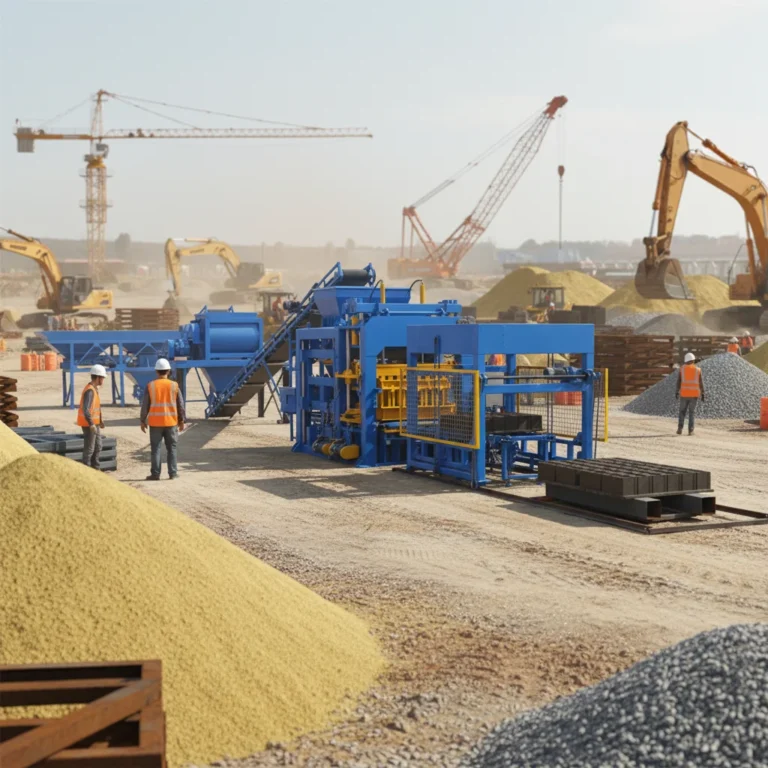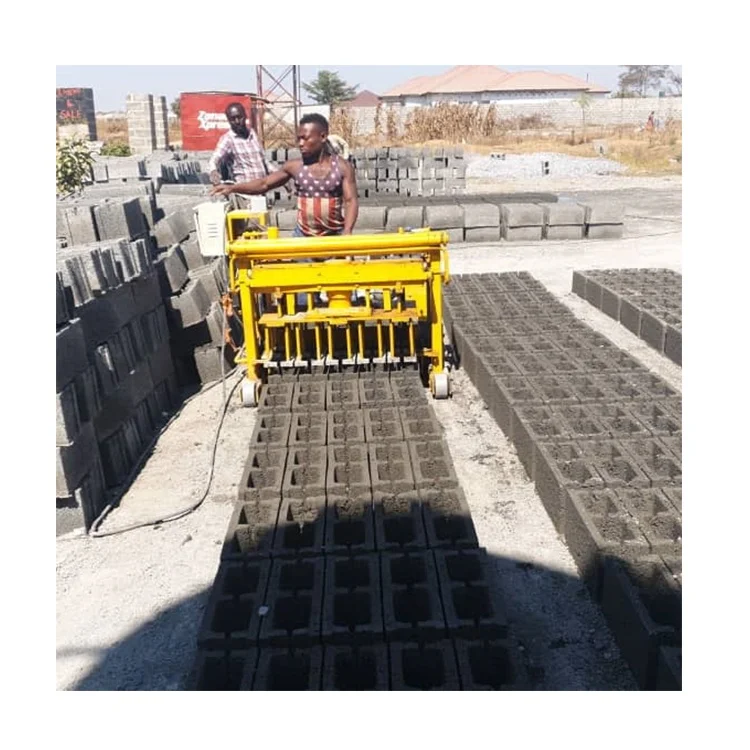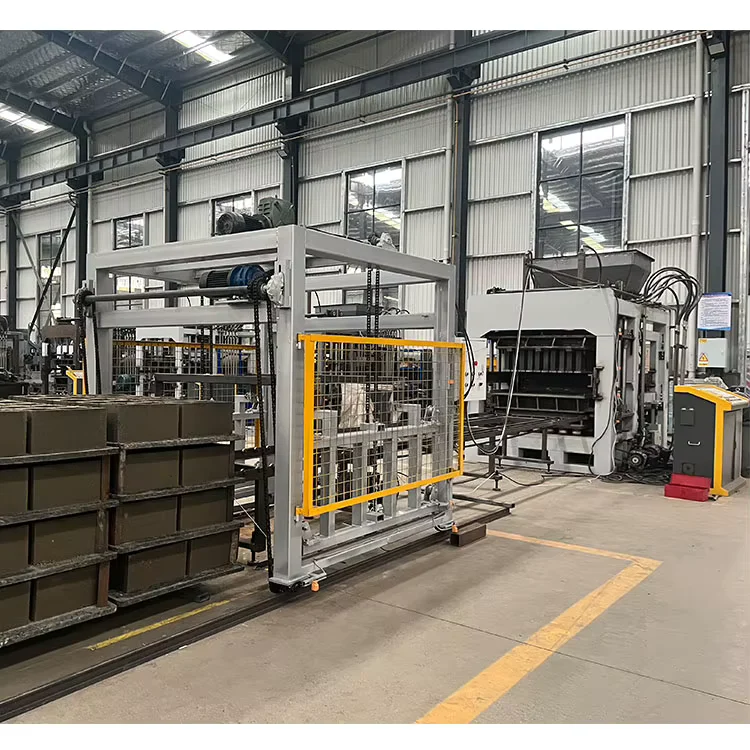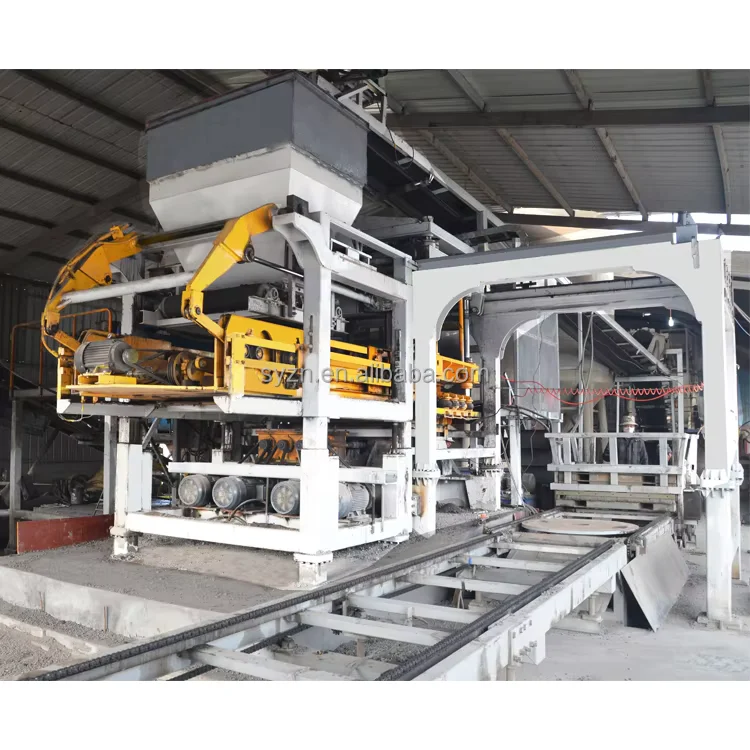
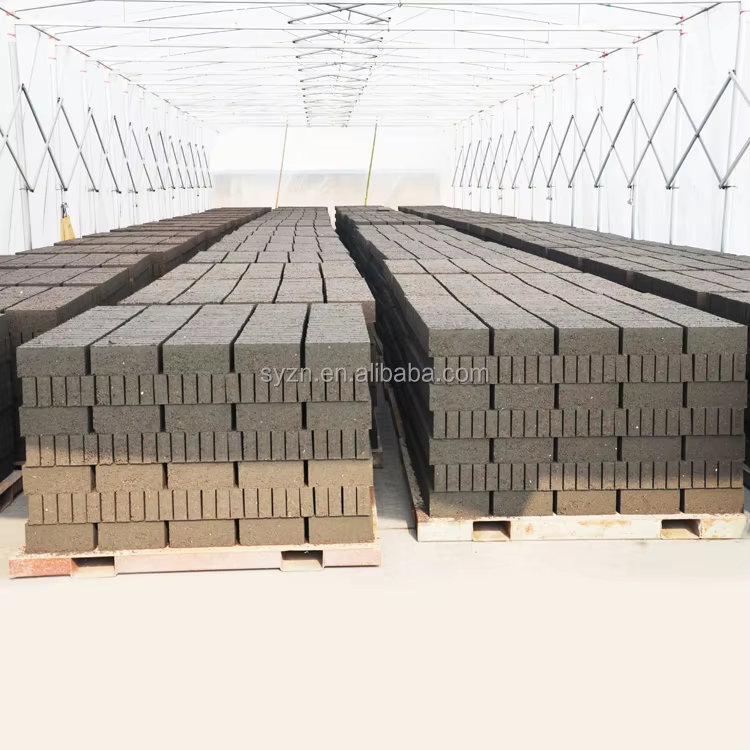


Description
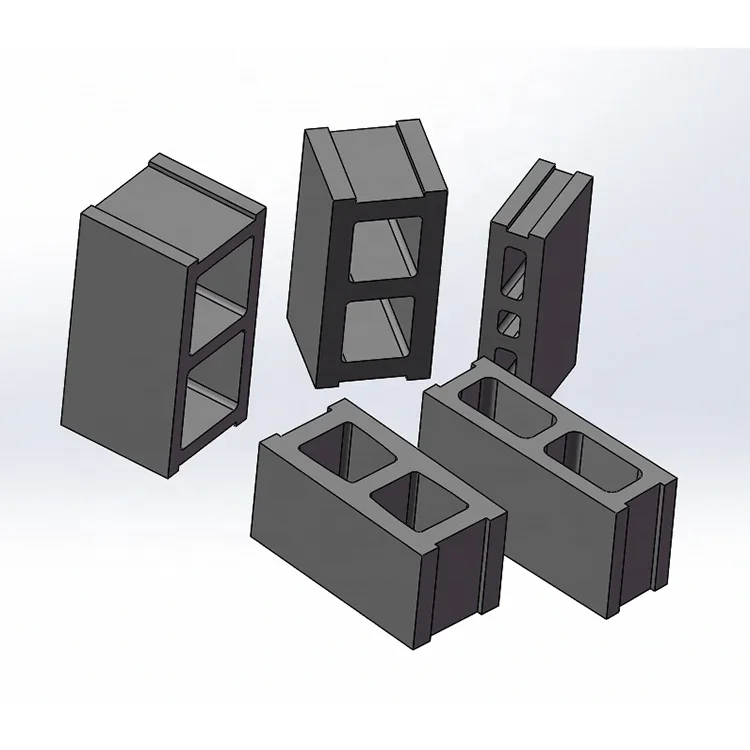
Standard Mould Inventory — We keep standard block format moulds ready for immediate container loading, eliminating custom fabrication delays for urgent project deadlines.
Technical Specifications
| Parameter | Value |
|---|---|
| Model | QT18-25 |
| Product Type | Fully Automatic Block Production Line |
| Method | Hydraulic pressure |
| Automation Level | Fully Automatic |
| Production Capacity | 800 to 12000 pcs/8hours (basis to be confirmed by block format) |
| Overall Dimensions (L×W×H) | 935023202950mm |
| Voltage & Frequency | Client Local Voltage |
| Vibration Type | Platform vibration |
| Vibration Frequency | 2800-4500 R/min |
| Cycle Time | 15-25s (basis to be confirmed by block format and material) |
| Control System | PLC |
| Raw Material | Cement, sand, etc |
| Warranty | More Than 5 Years |
Application Suitability
| Application | Material or Output |
|---|---|
| Hollow block production for structural walls | Cement, sand, and crushed stone aggregates |
| Paving block manufacturing for outdoor areas | High-density concrete mixes with fine aggregates |
| Solid brick production for load-bearing structures | Standard concrete mixes requiring high hydraulic pressure |
| Interlock block creation for landscaping | Colored concrete mixes with specific mould formats |
Why Dispatch Timing Dictates Your Project Success
Securing a Fully Automatic Block Production Line in stock is only the first step; matching the container loading plan to your site’s actual arrival deadline prevents costly contractor penalties. I have managed project deployments across the Middle East where a delayed shipment stalled an entire housing development, burning through liquidated damages before the machine even cleared customs. When equipment sits in a yard waiting for a missing component, the financial bleed is entirely avoidable [NEED_CITE: typical liquidated damages for delayed construction milestones]. Confirming the exact dispatch lead time and vessel schedule upfront ensures your civil works align perfectly with the machinery arrival.
Dispatch Readiness and Container Loading
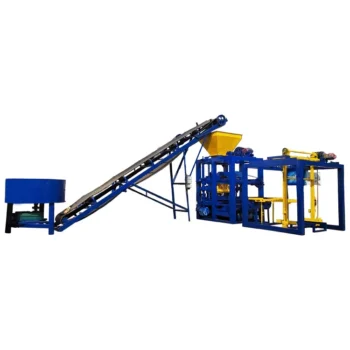
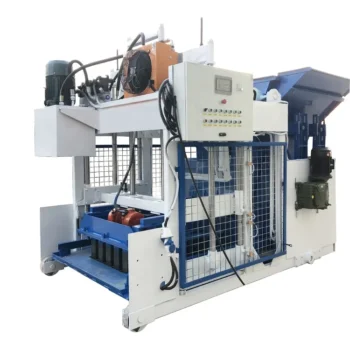
Having the QT18-25 Fully Automatic Block Production Line in stock means the main press and standard moulds are built, tested, and staged for immediate dismantling. We calculate the exact container volume required for the 935023202950mm footprint, ensuring no critical supporting equipment is left behind at the factory. Every component is photographed during the loading process, giving you complete visibility before the doors are sealed.
Arrival Estimates and Site Synchronization
We provide upfront arrival estimates based on current shipping routes, allowing your ground team to prepare the foundation and power drops in advance. A Fully Automatic Block Production Line in stock eliminates the guessing game of manufacturing lead times, letting you synchronize the vessel’s port arrival with your crane rental and installation crew schedules. This synchronization prevents the machine from sitting idle at the destination port while you scramble to arrange site logistics [NEED_CITE: port demurrage costs for delayed industrial cargo].
Interpreting the Core Performance Data
The platform vibration system operates between 2800 and 4500 R/min, working in tandem with hydraulic pressure to consolidate the raw material inside the mould cavity. The 15-25s cycle time indicates the mechanical pressing duration, though the total daily output depends entirely on the specific block format and material density you choose to run. The PLC control system manages these sequences, requiring confirmation of your local voltage and frequency before we finalize the electrical cabinet wiring to prevent commissioning delays upon arrival.
The Hidden Cost of Incomplete Shipments
Rushing a shipment without verifying the complete line setup often leads to severe bottlenecks once the equipment is installed. I once oversaw a site where the press ran perfectly, but the absence of coordinated handling equipment meant workers had to move heavy output manually, instantly jamming the discharge area. When auxiliary stations are missing from the initial container, the entire investment sits idle while you wait for a second, expedited shipment to arrive [NEED_CITE: supply chain disruptions for secondary industrial shipments].
Why Source Your Equipment Here
Our single focus on block machinery ensures that the press, moulds, and handling systems are dispatched as one matched unit rather than fragmented across multiple suppliers. We verify the configuration against your target block format before crating, ensuring the standard mould inventory matches your immediate market needs. Our dispatch process includes comprehensive factory test records and video outgoing-inspections, providing absolute certainty that the machine performs as expected before it leaves our floor.
Documentation & Verification
- Factory test record demonstrating hydraulic pressure and vibration sequence before crating
- Video outgoing-inspection showing the complete dismantling and container loading process
- Packing photographs detailing the exact placement of the PLC cabinet and moulds
- Voltage and control language confirmation sheet signed off prior to electrical assembly
- Customs documentation support tailored to your specific import regulations
Installation, Commissioning & Support
- Foundation requirements mapped to the 935023202950mm overall dimensions and dynamic vibration loads
- Dedicated electrical circuit specifications aligned with your confirmed local voltage and frequency
- Dismantling state documented to ensure rapid reassembly of the hydraulic and vibration platforms
- Initial PLC parameter setting calibrated to your specific cement and sand raw material ratios
- Operator training focused on the 15-25s cycle sequence and safe mould change procedures
- Wear parts list provided to ensure critical hydraulic and vibration spares are available on day one
Project Alignment and Inquiry Details
To ensure the dispatch schedule aligns with your project milestones, please provide your target block formats, required daily output, and the exact local voltage and frequency. We also need your site’s container unloading capabilities and the preferred PLC display language to finalize the pre-shipment configuration.
Frequently Asked Questions
Q: How do you confirm the capacity of the stocked machine before shipping?
A: We conduct a factory test run using standard materials and record the specific cycle times for your requested block formats. This video outgoing-inspection proves the actual mechanical output, ensuring the dispatch matches your realistic daily requirements rather than unverified catalogue maximums.
Q: What is the exact process from ordering to port arrival?
A: Once the voltage and PLC language are confirmed, we dismantle the tested unit, execute the container loading plan, and provide packing photographs. We then share the vessel booking details and an upfront arrival estimate so your site team can prepare the foundation and power connections.
Q: Is the electrical system already adapted to my local grid?
A: The PLC and motor configurations are built specifically to your confirmed local voltage and frequency. We do not ship generic electrical setups; the control cabinet is wired and tested against your exact grid specifications before the machine is dismantled for shipment.
Q: How is the machine prepared for rapid site reassembly?
A: The equipment is systematically dismantled and secured within the container to prevent transit damage. We provide detailed packing photographs and assembly schematics, ensuring your installation crew can quickly reconstruct the hydraulic and vibration systems without guessing component placements.
Q: Which standard moulds and spares are included in the immediate dispatch?
A: The shipment includes the standard moulds matched to your initial block format request, alongside a predefined list of hydraulic and vibration wear parts. This ensures you have the necessary consumables to maintain continuous operation immediately after commissioning.