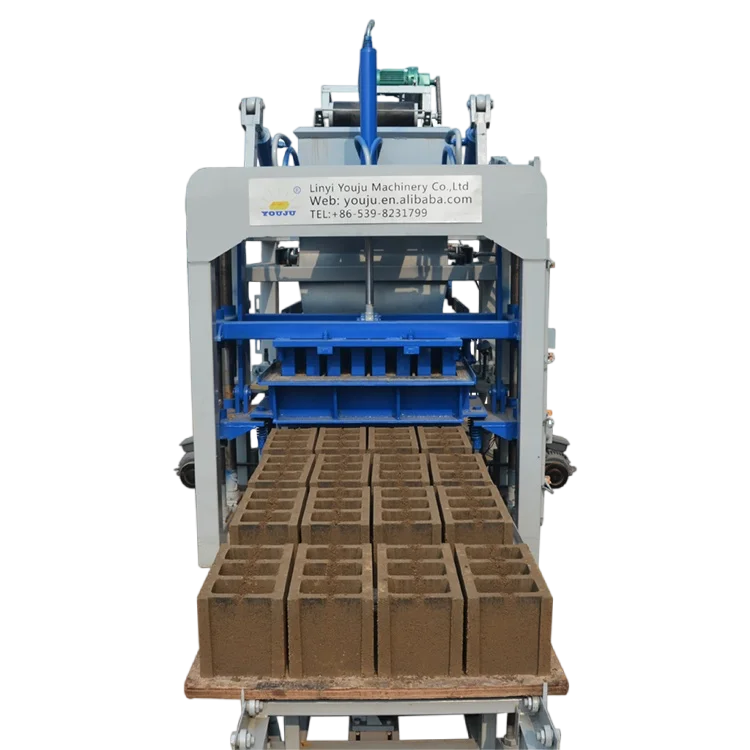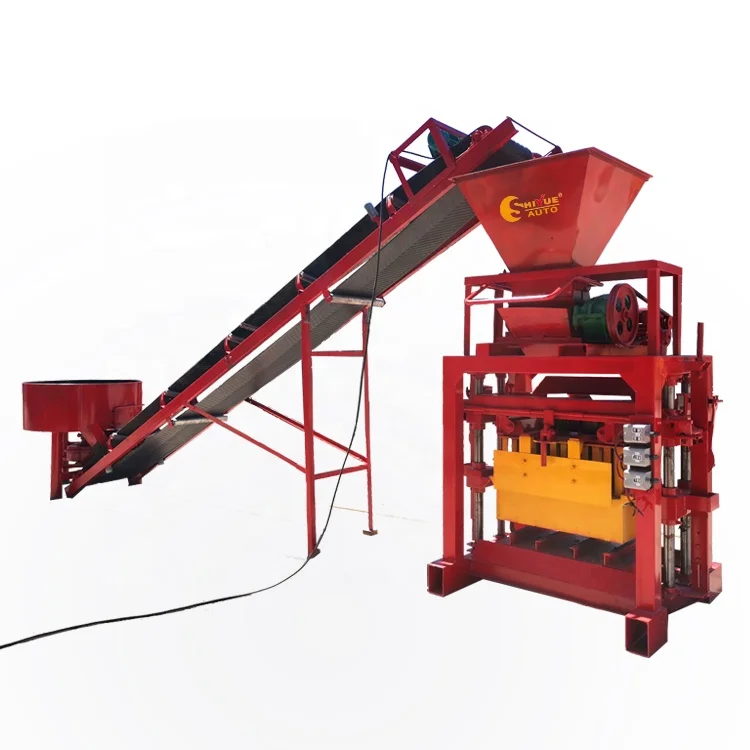
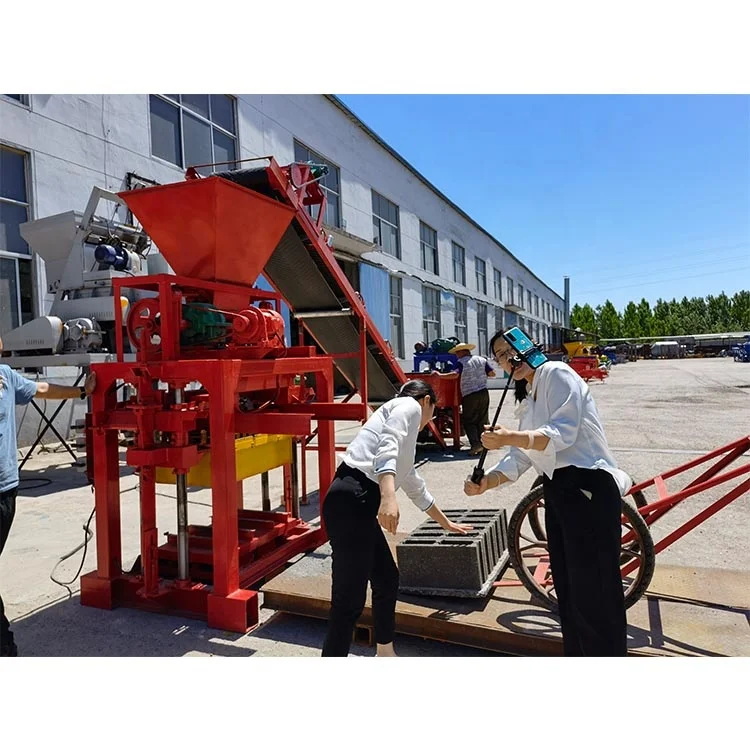
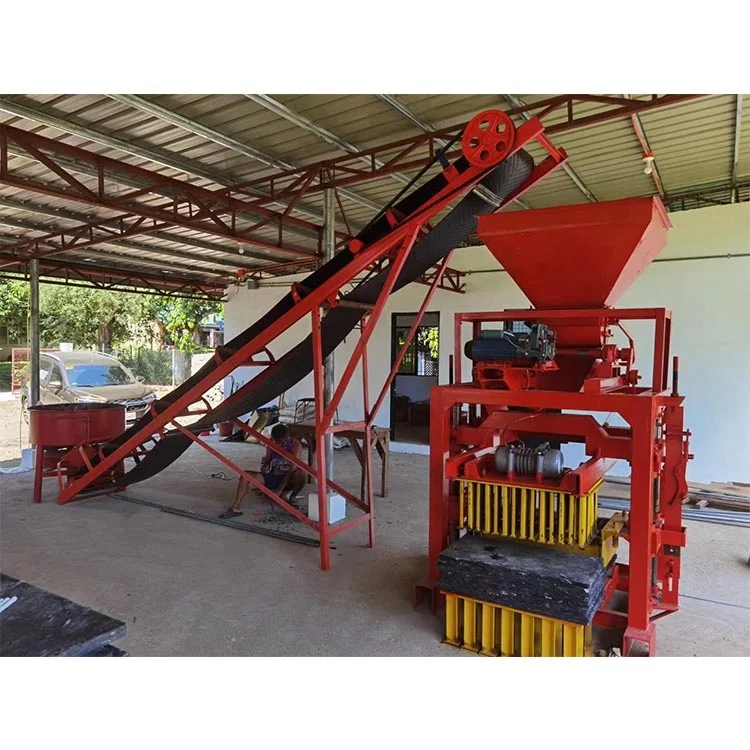
Description
Stocked readiness verified — every QTJ4-35 unit held in our yard is tested against the buyer’s confirmed voltage and frequency before it leaves, so arrival on-site means production start, not electrical rework.
Technical Specifications
| Parameter | Value |
|---|---|
| Model | QTJ4-35 |
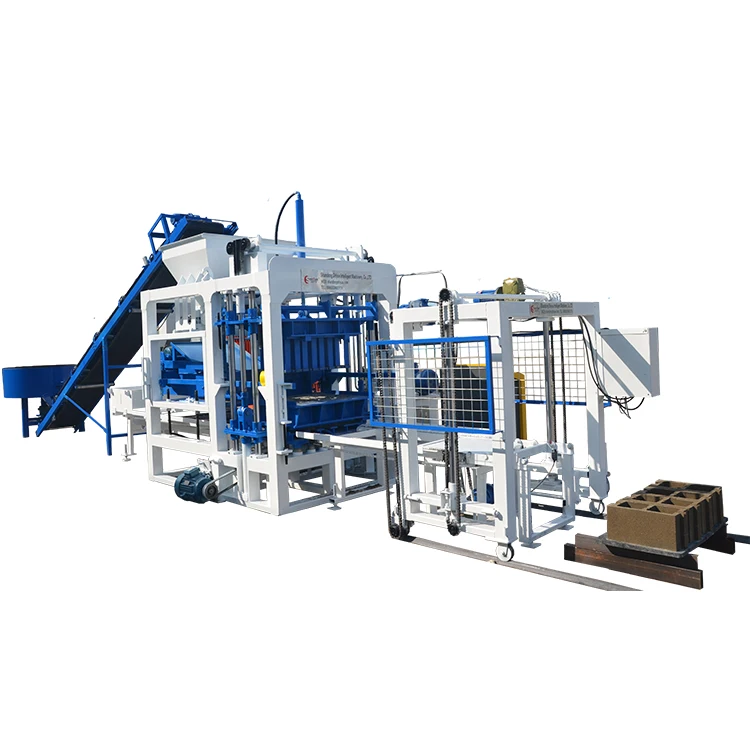
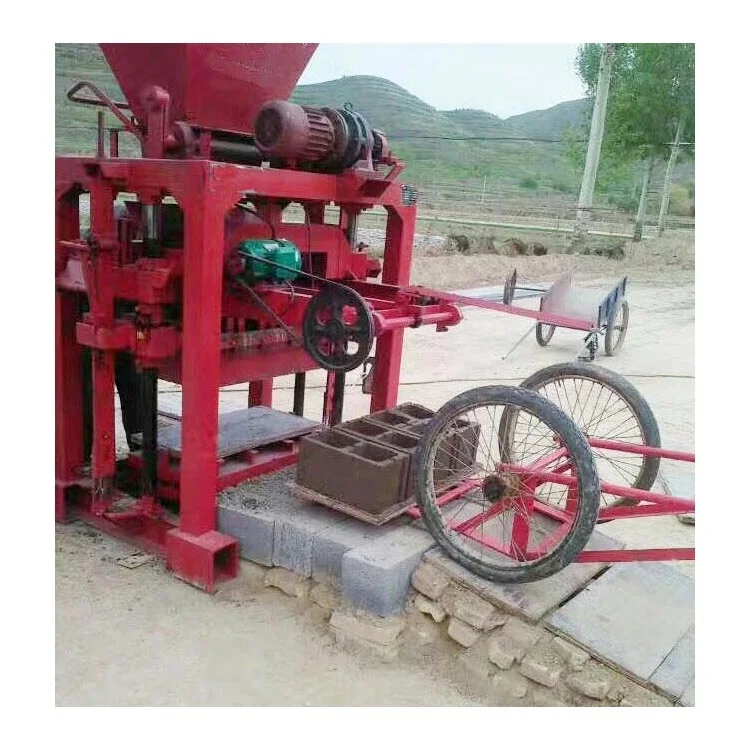
| Product Type | Small Semi-Automatic Concrete Block Making Machine |
| Overall Dimensions (L×W×H) | 1350×1460×1800 mm |
| Molding Cycle | 35 s |
| Vibration Frequency | 2800 r/min |
| Exciting Force | 30 kN |
| Total Power | 11.15 kW |
| Mixer Model | JQ350 |
| Pallet Size | 850×450×20 mm |
| Net Weight | 1500 kg |
| Frame Construction | Four-lead channel steel stand |
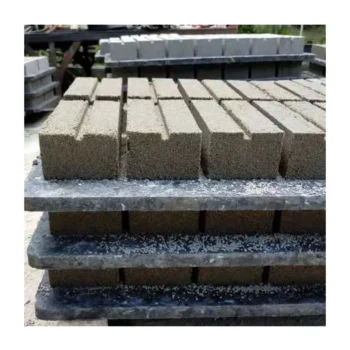
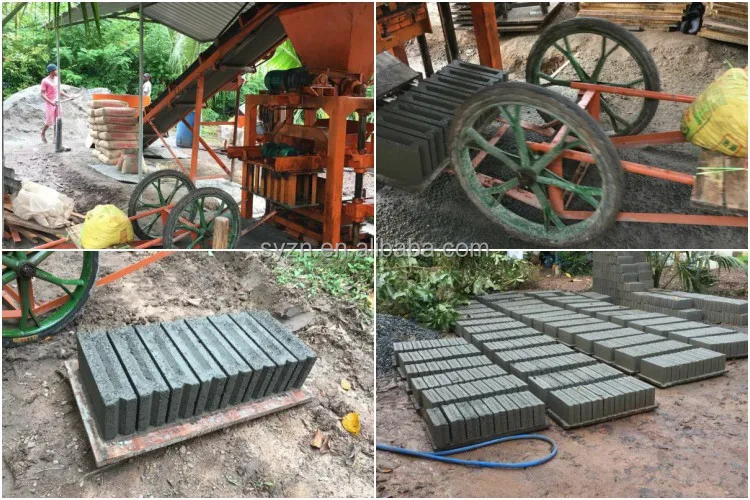
| Applied Products | Concrete hollow blocks (8 inch, 6 inch), solid bricks |
| Raw Materials | Crushed stones, sand, cement, dust, fly ash |
| Production Capacity — 400×200×200 mm Hollow Block | 4 pcs/mould, 408 pcs/hr, 3264 pcs/8hr |
| Production Capacity — 400×150×200 mm Hollow Block | 5 pcs/mould, 510 pcs/hr, 4080 pcs/8hr |
| Production Capacity — 240×115×53 mm Solid Brick | 18 pcs/mould, 2100 pcs/hr, 17000 pcs/8hr |
| Voltage & Frequency | Configurable per destination country (basis to be confirmed before order) |
| Control System | Semi-automatic operation (basis to be confirmed) |
Application Suitability
| Application | Material or Output |
|---|---|
| On-site hollow block production for building contractors | 8-inch and 6-inch hollow blocks from crushed stone, sand, and cement |
| First-stage block plant for entrepreneurs with limited capital | Standard solid bricks and hollow blocks using locally sourced fly ash and dust |
| Small workshop adding brick formats to an existing range | 240×115×53 mm solid bricks alongside hollow block output |
| Project-based production at remote construction sites | Compact footprint operation with JQ350 mixer integrated into the 11.15 kW total power envelope |
Why the Voltage Question Must Precede the Shipment Date
A stocked machine that cannot be energized on arrival is not a fast delivery — it is a project delay wearing a dispatch receipt.
I spent years running commissioning on Middle East project sites before managing dispatch logistics. One contractor needed a small block machine urgently for a housing deadline. The unit shipped same-week from stock, but the local supply was a voltage and frequency combination the motor was not wound for. The site sat idle while a transformer and panel swap were arranged locally, burning through the exact days the fast dispatch was supposed to save. That is why the QTJ4-35 block machine in stock is only quoted as ready once the buyer’s electrical standard is documented on the order. [NEED_CITE: voltage and frequency standards by export market]
Dispatch Timing That Holds Up After the Invoice
The promise of a small block machine fast delivery collapses the moment a single component needs sourcing. For the QTJ4-35, stocked units mean the press frame, vibration motor, JQ350 mixer, and pallet set are physically in the yard, not on a production schedule. Container loading is planned around the 1350×1460×1800 mm overall dimensions and 1500 kg net weight before the booking is made, so the arrival estimate given at quotation stage reflects the actual loading plan, not a generic transit guess.
What "Ready to Ship" Actually Covers Before Dispatch
A machine can be in stock and still be unready for a specific buyer. The QTJ4-35 leaves the yard only after the voltage and frequency are matched to the destination grid, the control panel labels and display language are set, and a factory test cycle runs the actual mould the buyer ordered. Packing photographs and the container loading plan are shared before the doors close. This is the difference between a machine that ships fast and one that actually produces on arrival. [NEED_CITE: CE machinery directive requirements for industrial equipment]
Reading the Specs Behind the Compact Footprint
The 30 kN exciting force at 2800 r/min is what compacts the mix into a block that can be de-moulded without slumping, and on the four-lead channel steel stand that vibration is transmitted into the mould cavity rather than dissipated through frame flex. The 35-second molding cycle is measured on standard hollow and solid formats; denser mixes or taller blocks may extend it. The 850×450×20 mm pallet size is the dimension the buyer’s curing yard and forklift must accommodate — spec it against your existing racks before the machine arrives, not after. Total power of 11.15 kW covers both the press and the JQ350 mixer, meaning a single supply circuit runs the core production cell without a separate mixer feed.
The Cost of Skipping the Compatibility Check
When a small block plant is specified by catalogue default instead of the buyer’s actual curing layout, the pallets that ship with the machine do not fit the forklift already on site, and blocks are handled by hand through the curing cycle. [NEED_CITE: manual handling risks in block curing yards] When voltage confirmation is left to the last step, the machine arrives with a motor wound for a grid it will never see, and the project schedule absorbs the cost of local rewinding. These are not machine defects — they are specification gaps, and they fall entirely on whoever signed off the order.
What Buying From This Stock Means in Practice
Block machinery as a single focus means the QTJ4-35 ships with a mould, pallet, and mixer specified as one working cell, not three separate purchases the buyer has to integrate. Capacity is stated per block format — 400×200×200 hollow, 400×150×200 hollow, 240×115×53 solid — so the daily output number you plan against is the number the machine actually delivers on that product. Voltage, frequency, and control language are confirmed in writing before production or dispatch. Moulds are selected or designed against the formats your market actually buys, not a default set. Factory test records and packing photographs are provided before the container is sealed.
Documentation & Verification
- Line layout and capacity calculation naming the exact block format behind each output figure
- Voltage, frequency, and control language confirmation documented before dispatch
- Pallet specification sheet for curing yard and forklift compatibility verification
- Factory test record on your ordered mould before the machine leaves the yard
- Container loading plan with dimensions and weight distribution quoted at quotation stage
Installation, Commissioning & Support
- Foundation pad sized to the 1350×1460 mm footprint and 1500 kg static load plus dynamic vibration
- Dedicated circuit rated for the 11.15 kW total draw including JQ350 mixer starting current
- Machine shipped assembled; on-site setup covers levelling the four-lead stand and connecting power
- First production run verifies the 35-second cycle on your specific mix and block format
- Operator training covers mould change procedure and daily vibration motor inspection
- Wear parts list provided at shipment with reorder lead times for moulds and pallets
What to Send With Your Inquiry
To give you an honest arrival date rather than a generic one, share the block formats your market actually sells and the daily volume you need against each. Confirm your site voltage, phase, and frequency so the motor and control panel are wound and labelled correctly before dispatch. If you already have curing racks and a forklift, send the pallet dimensions they accept so the 850×450 mm pallet spec is verified or adjusted before the order is finalised.
Frequently Asked Questions
Q: Which block formats are included in the quoted capacity, and how do I verify output for my own size?
A: The published capacity covers 400×200×200 mm hollow blocks at 3264 pieces per 8-hour shift, 400×150×200 mm hollow blocks at 4080 pieces, and 240×115×53 mm solid bricks at 17000 pieces. For any other format, share the drawing and we calculate cycle time and daily output against that specific mould before you commit.
Q: What is the dispatch lead time for stocked QTJ4-35 units, and how is container loading arranged?
A: Stocked units dispatch once voltage, frequency, and mould selection are confirmed and the factory test is complete. The container loading plan is based on the 1350×1460×1800 mm dimensions and 1500 kg weight, and the arrival estimate is quoted with the loading plan at order stage, not added later.
Q: Are pallets included in the shipment, and what pallet size should I prepare for?
A: Pallets sized 850×450×20 mm ship with the machine. Before dispatch, share your curing rack dimensions and forklift fork width so we confirm compatibility. If your yard requires a different pallet size, we adjust the specification before the machine leaves rather than discovering the mismatch on arrival.
Q: Is the voltage and frequency confirmed for my country before the machine ships?
A: Yes. The motor winding, control panel components, and display language are all set against your written confirmation of local voltage, phase, and frequency. This step is completed before the factory test, so the machine that arrives is the machine that runs.
Q: What spare parts and moulds ship with the machine, and how quickly can replacements follow?
A: The shipment includes the ordered mould set, a starting set of pallets, and a wear parts list specific to the QTJ4-35. Replacement moulds and hydraulic wear parts are quoted with lead times at the same time as the machine order, so the first reorder does not become an emergency.