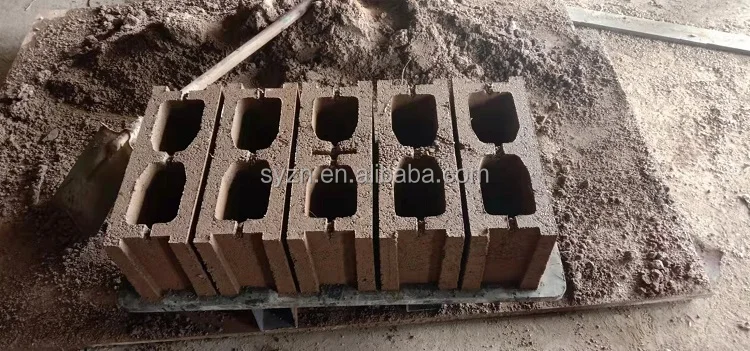
Description
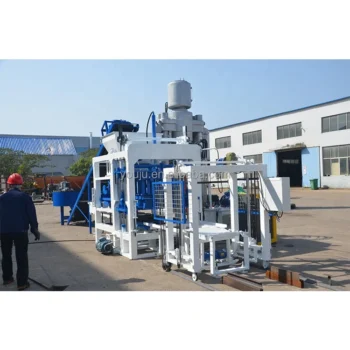
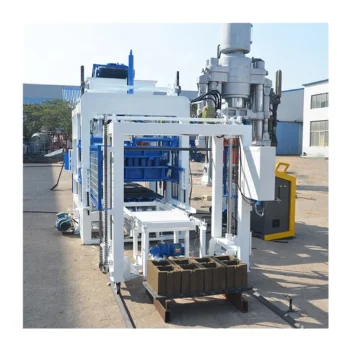
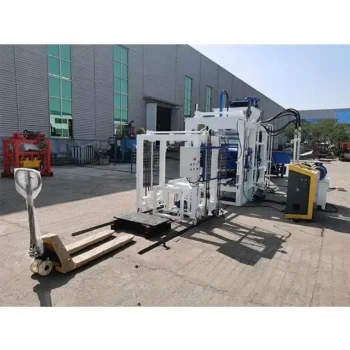
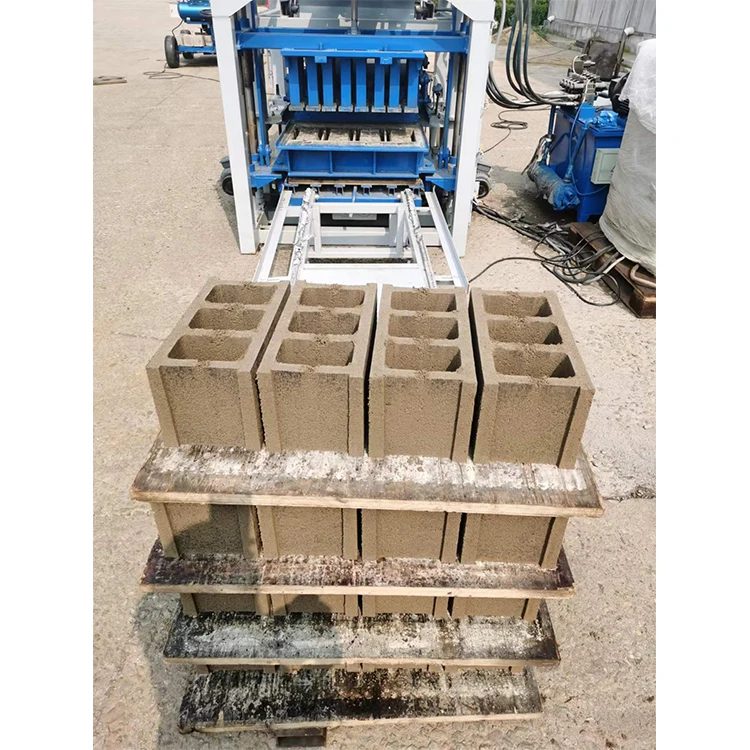
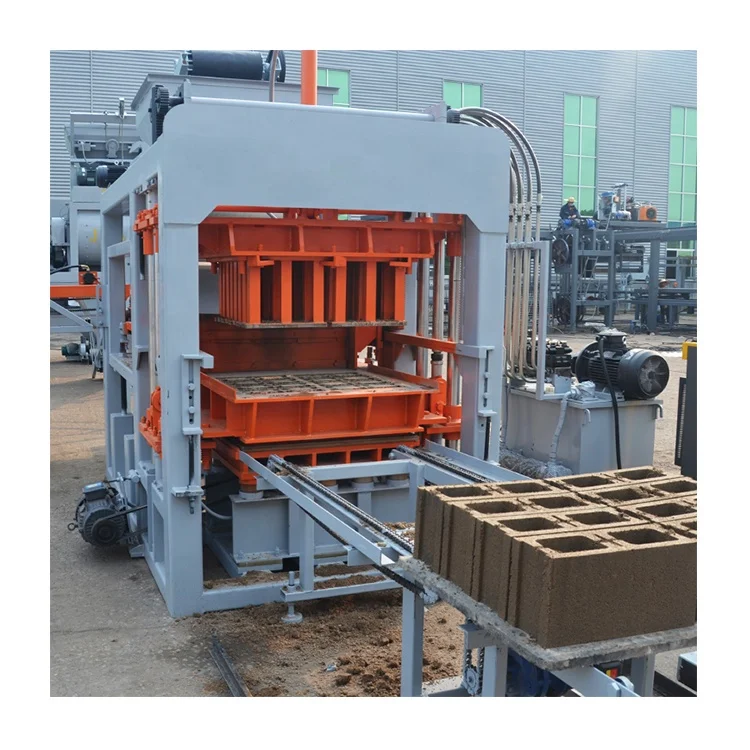
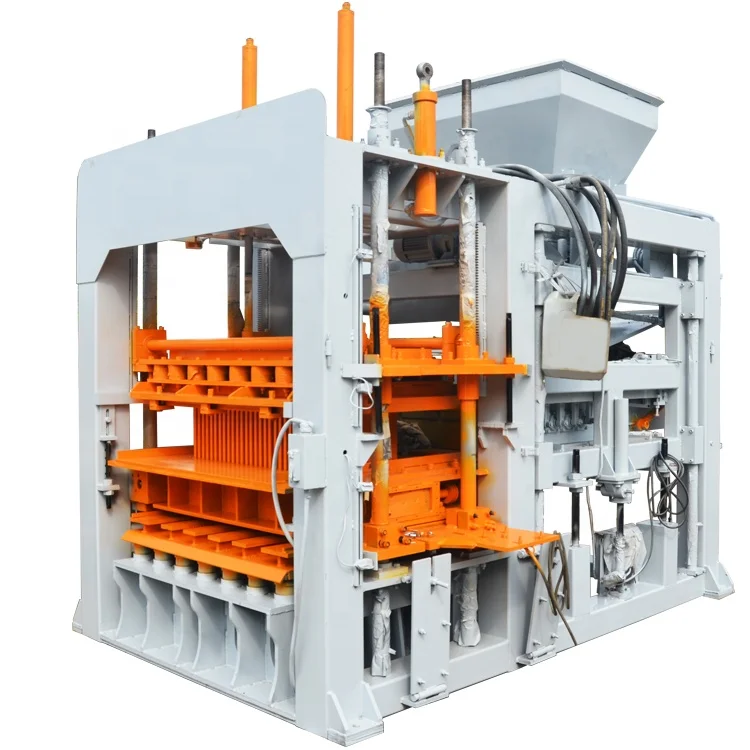
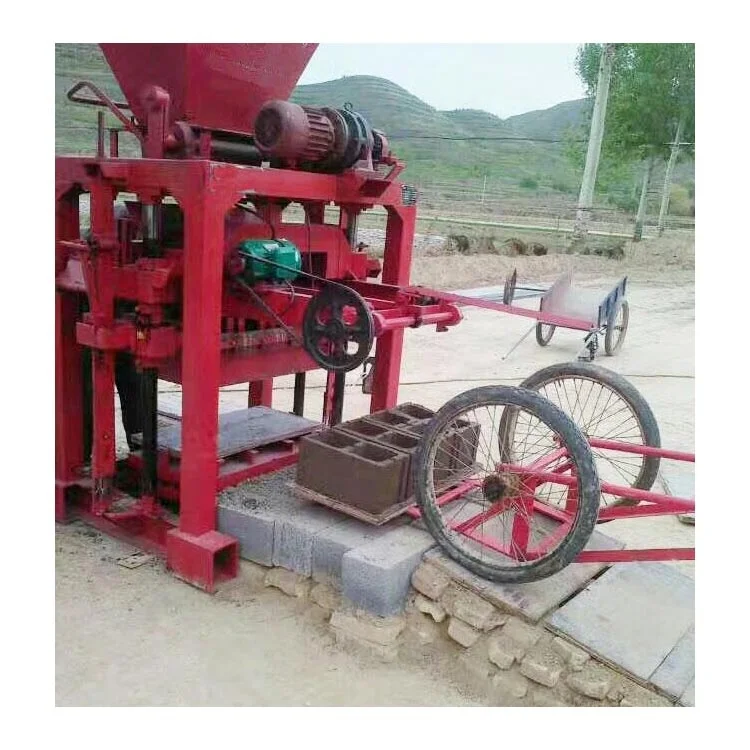
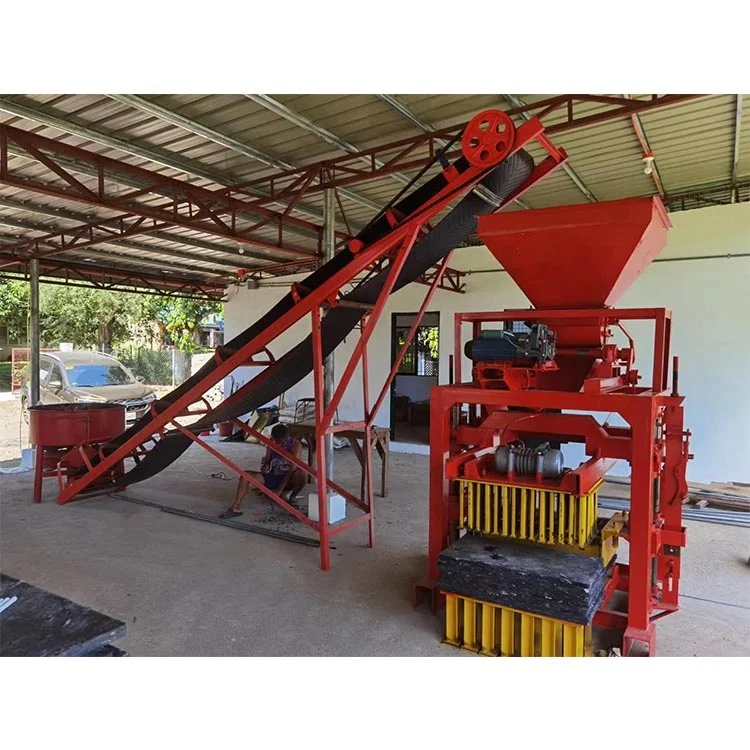
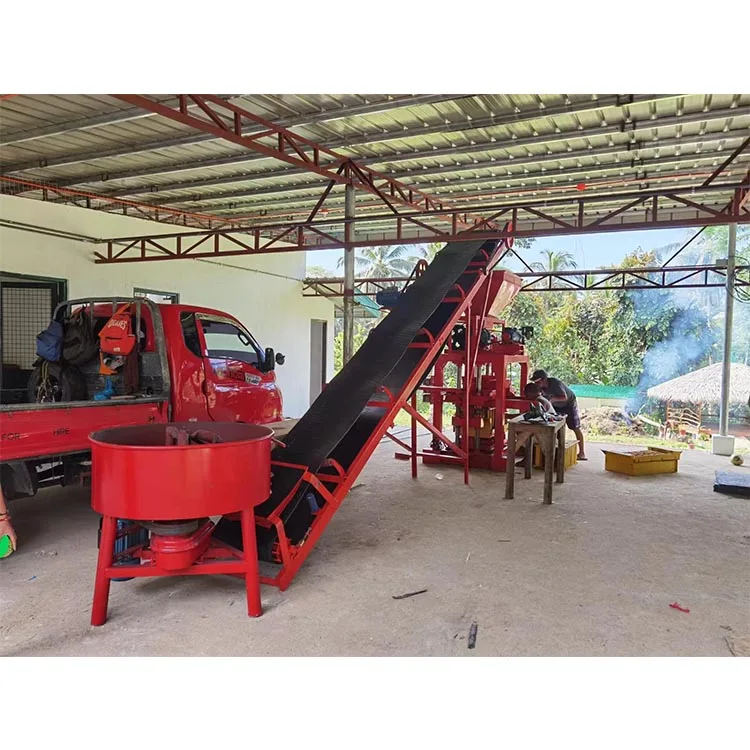
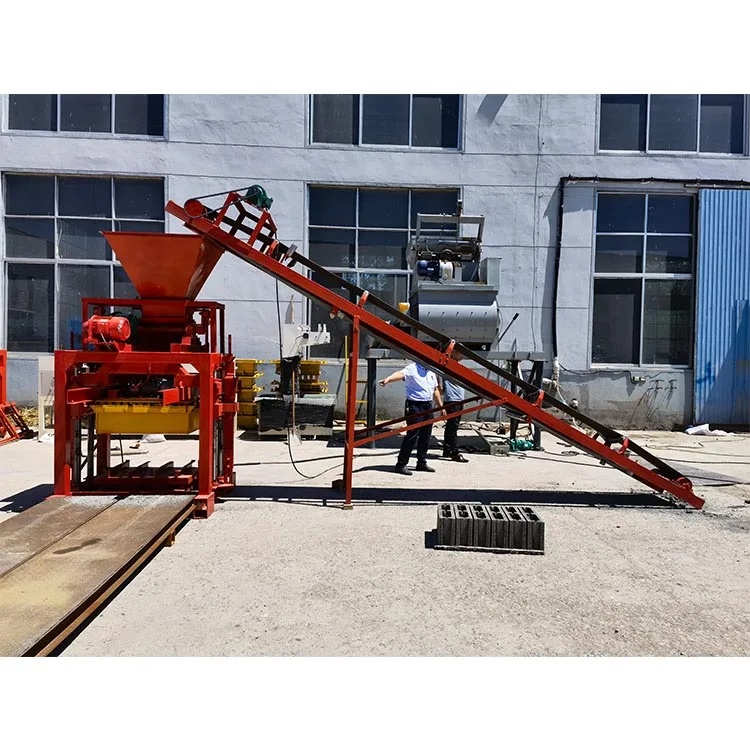
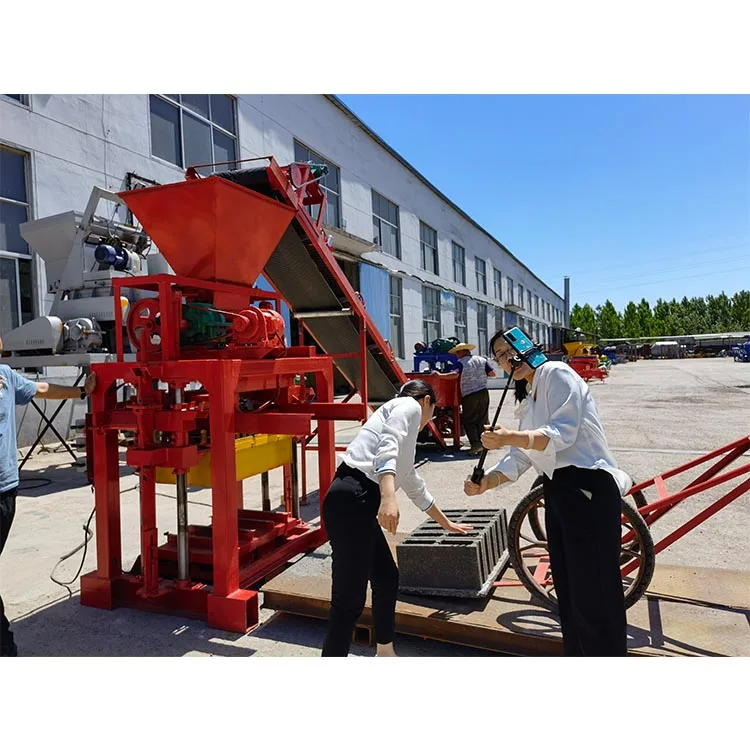
Stock readiness over catalog promises — QTJ4-35 semi-automatic lines ship as complete sets with mixer and conveyor, standard moulds staged for container loading from Qingdao port.
Technical Specifications
| Parameter | Value |
|---|---|
| Model | QTJ4-35 |
| Product Type | Semi-Automatic Concrete Block Making Machine |
| Automation Level | Semi-automatic |
| Included Mixer | JQ350 |
| Included Conveyor | Belt conveyor |
| Mould Compatibility | Hollow blocks, solid blocks, pavers (interchangeable) |
| Output Capacity | 3,200 pieces per 8-hour shift based on 400×200×200mm hollow blocks |
| Capacity Detail | 4,000 pieces per 8-hour shift based on 400×150×200mm solid blocks |
| Capacity Detail | 7,200 pieces per 8-hour shift based on 225×112.5×60mm pavers |
| Assembly State | Production line set (mixer + conveyor + host machine) |
| Stacking Method | Manual |
| Standards | CE declaration applicable |
Application Suitability
| Application | Material or Output |
|---|---|
| Hollow block production for housing projects | Crushed stone, cement, sand, water |
| Solid block manufacturing for load-bearing walls | Gravel, cement, fly ash blends |
| Interlocking paver production for walkways and yards | Fine aggregate, cement, pigment additives |
| On-site block production for contractors | Locally sourced sand and stone |
| First plant setup for entrepreneurs | Standard concrete mixes with regional aggregate |
Why "Pieces per Hour" Means Nothing Without the Block Format Attached
A capacity figure only matters when it names the exact block size, mould cavity count, and shift length it was measured against.
I have watched buyers sign off on a quoted hourly rate, then realize on arrival that the number was based on a small paver while they planned to run large hollow blocks all day. The real daily output dropped sharply, and the project schedule slipped before the first wall was laid [NEED_CITE: block format impact on actual daily output versus quoted capacity]. When sourcing a QTJ4-35 semi automatic block machine in stock, the conversation must start with which block you intend to produce and in what volume.
From Order Confirmation to Container Dispatch
A stocked QTJ4-35 line is not just the host press sitting in a warehouse. The complete set includes the JQ350 mixer and belt conveyor, staged together so that one container loading covers the full production loop. Once payment clears and voltage details are confirmed, the dispatch window stays short because there is no waiting for separate equipment to arrive from different suppliers. The QTJ4-35 semi automatic block machine in stock leaves our Linyi facility as a matched package rather than a collection of parts gathered over weeks.
Container Loading and Port Handoff
The host machine is dismantled for shipment to fit standard container dimensions, and a loading plan is shared before the doors are sealed. Buyers working against a project start date need the arrival estimate upfront — not after the vessel has sailed. Qingdao port dispatch keeps transit times predictable for most destination markets [NEED_CITE: typical sea freight transit windows from Qingdao to major global ports]. Confirming the container loading method in advance prevents surprises when the machine arrives and your port handling equipment does not match the packing arrangement.
What the Specification Sheet Actually Tells You
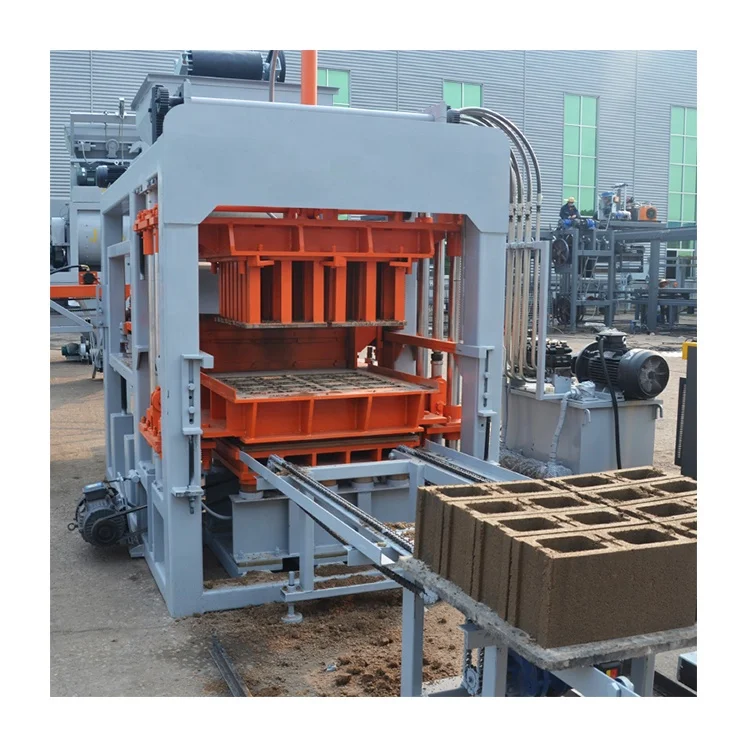
The QTJ4-35 runs interchangeable moulds for hollow blocks, solid blocks, and pavers, but each format demands a different cycle rhythm and mix consistency. Hollow blocks at 400×200×200mm require four cavities per mould cycle, while the same machine with a paver mould at 225×112.5×60mm produces nine pieces per cycle. The JQ350 mixer must deliver a consistent feed to the belt conveyor so the press never waits between cycles. Semi-automatic operation means pallet feeding and stacking rely on operators, keeping the setup straightforward but requiring a crew plan from day one. The hydraulic pressure and vibration force ratings must match your local aggregate — coarse material with high moisture content behaves differently from dry, fine sand, and the machine parameters need adjustment accordingly.
The Cost of Skipping Voltage and Frequency Confirmation
Dispatching a machine without locking in the destination voltage and frequency is the fastest way to stall a project after arrival. A motor wired for 380V/50Hz will not run on a 440V/60Hz supply without rewinding or replacement, and that delay lands on your site while the concrete crew stands idle [NEED_CITE: common commissioning delays caused by unconfirmed electrical specifications]. The control panel language matters too — operators reading instructions in an unfamiliar script slow down mould changes and troubleshooting during the critical first week.
What We Do Before the Container Doors Close
Every QTJ4-35 line is configured around the buyer’s actual block format and local raw material, not a default catalog setting. Standard moulds for hollow, solid, and paver formats are kept on hand to shorten the gap between order and dispatch. The mixer, conveyor, and host press are tested together as one system before dismantling, so the line behaves the same way on your site as it did on our test floor. Packing photographs and a factory test record go out before sealing, giving you a visual trail of exactly what was loaded. Documentation covers machine specifications, mould drawings, hydraulic and electrical schematics, and the CE declaration where your market requires it [NEED_CITE: CE machinery directive documentation requirements for concrete equipment imports].
Documentation & Verification
- Factory test record showing block output on your specified format and mix
- Mould drawing and cavity count list matching your ordered block sizes
- Voltage, frequency, and control language confirmation sheet before dispatch
- Hydraulic and electrical schematic for your on-site maintenance team
- Packing photographs documenting container loading condition
- CE declaration provided for applicable destination markets
Installation, Commissioning & Support
- Foundation must support host press vibration load and JQ350 mixer weight together
- Dedicated power circuit matching confirmed voltage and frequency for the full line
- Machine arrives dismantled; reassembly follows the provided layout drawing
- First production run includes parameter tuning for your local aggregate and mix
- Operator training covers mould change procedure and daily maintenance intervals
- Wear parts list supplied with recommended replacement schedule per component
What We Need to Move Forward
Send us your target block format with dimensions, the daily output you need to meet your project schedule, and the local aggregate type you will be using. Confirm your site voltage, frequency, and preferred control panel language so the QTJ4-35 semi automatic block machine in stock is wired and labeled correctly before it leaves the factory. If you have an existing curing area or forklift, share the dimensions so pallet sizing aligns with what you already handle.
Frequently Asked Questions
Q: What QTJ4-35 units and standard moulds are currently ready for dispatch?
A: The QTJ4-35 host machine ships as a complete set with the JQ350 mixer and belt conveyor. Standard moulds for 400×200×200mm hollow blocks, 400×150×200mm solid blocks, and 225×112.5×60mm pavers are stocked for fast loading. Custom mould sizes require a separate lead time based on drawing approval.
Q: How long does dispatch take from order confirmation to port loading?
A: Once voltage, frequency, and control language are confirmed, a stocked QTJ4-35 semi automatic block machine in stock moves to dismantling and container loading within a short window. The exact dispatch schedule depends on container availability at Qingdao port and your destination documentation requirements.
Q: What container size is needed and how is the machine packed for shipment?
A: The QTJ4-35 line is dismantled for container loading, with the host press, mixer, conveyor, and moulds packed to standard container dimensions. A loading plan is shared before dispatch so you can prepare the right handling equipment at your arrival port.
Q: Can the electrical configuration match my site before the machine ships?
A: Voltage, frequency, and control panel language are confirmed during the order stage. This step is mandatory before dispatch so the motor wiring and PLC display match your local supply and operator requirements, avoiding rework after the container arrives.
Q: What arrival documentation do you provide for customs clearance?
A: We supply the commercial invoice, packing list, bill of lading, factory test record, and CE declaration where applicable. Customs documentation support is provided based on your destination country requirements to smooth the clearance process at your port.