

Screw Conveyor for Cement: Factory-Direct Wholesale Supplier
Most cement blockages are not caused by poor material quality, but by inadequate inlet sealing against ambient humidity.
Proper installation alignment and humidity-aware sealing are critical for cement screw conveyors; neglecting these leads to rapid motor burnout and material clumping, especially in tropical regions. A cement screw conveyor installation guide must prioritize moisture ingress prevention and precise shaft concentricity over simple mechanical assembly. Without these foundational steps, even high-grade equipment will fail prematurely in humid environments.
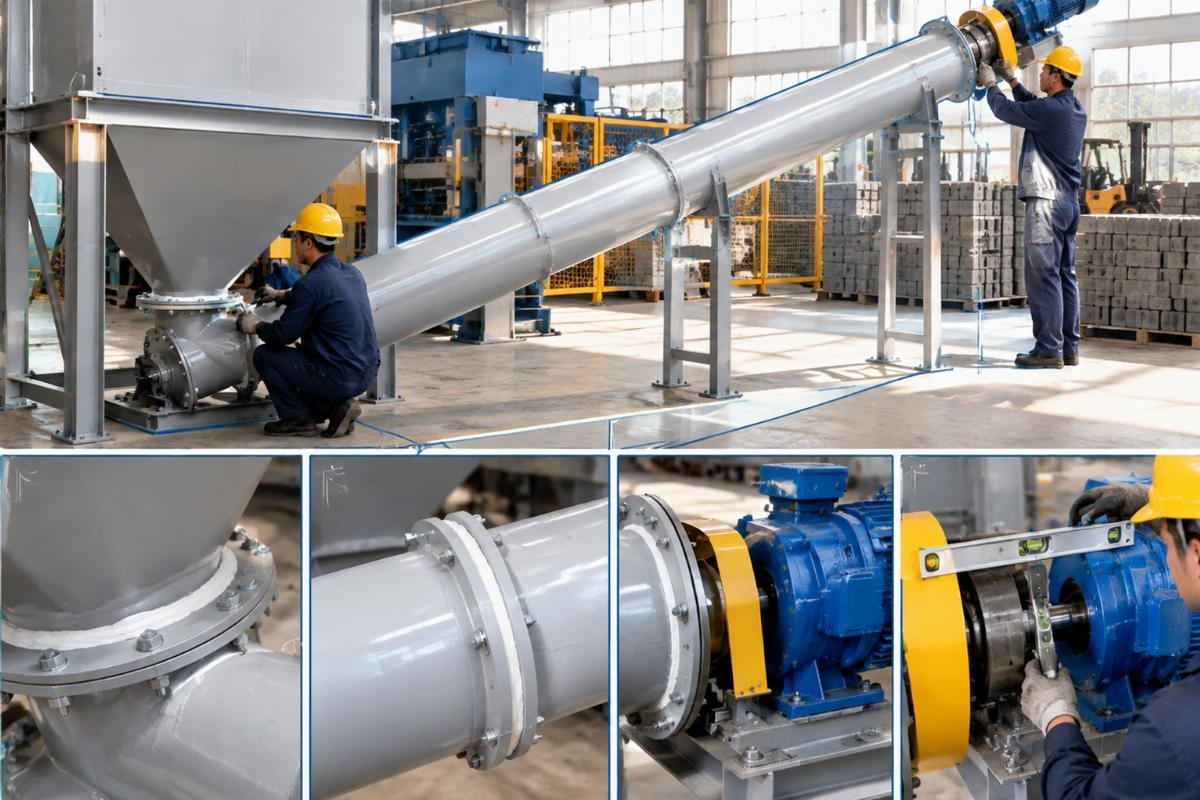
The difference between a reliable conveying system and a constant maintenance headache often lies in the details that are invisible once the machine is running. In my early days on site, I watched perfectly good motors burn out because the focus was entirely on the drive unit, ignoring the subtle gaps where tropical air entered the trough. Understanding how to properly configure a cement screw conveyor installation guide means looking beyond the manual and into the specific environmental challenges of your plant location.
Why Do Cement Screw Conveyors Block in Humid Climates?
Humidity ingress causes clumping; proper sealing is non-negotiable.
In regions like Southeast Asia, the ambient humidity can reach saturation levels that turn fine cement powder into concrete-like plugs inside the conveyor tube. Many operators assume that if the cement is dry when it leaves the silo, it will remain dry during transport. This is a dangerous misconception. The temperature differential between the cool cement and the warm, moist air outside creates condensation points, particularly at the inlet and discharge ends. [NEED_CITE: impact of relative humidity on cement flowability]
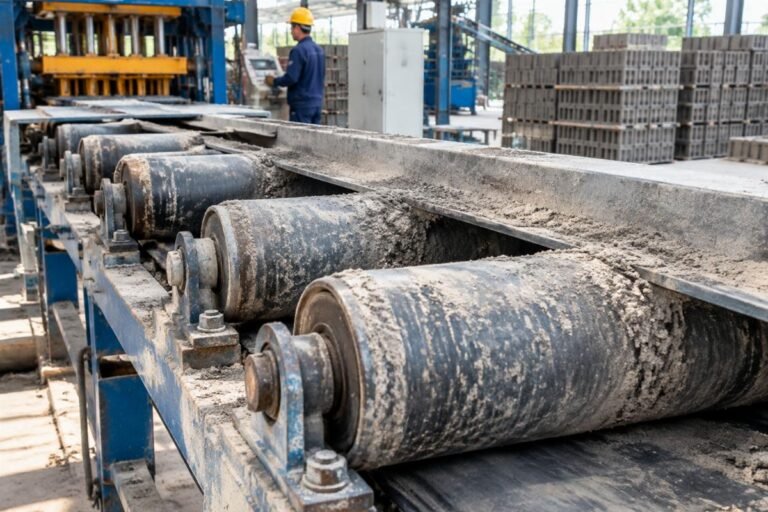
I recall a project in Vietnam where a local brick manufacturer faced repeated shutdowns. The cement screw conveyor installation guide they followed was generic, lacking specific instructions for tropical climates. The inlet flange had no specialized gasket,* of the screw. Within weeks, the cement began to cake on the inner walls, reducing the effective diameter of the trough and increasing friction. The motor, sensing the increased load, drew higher amperage until it eventually failed.
To prevent this, the selection of sealing materials is paramount. Standard rubber gaskets may harden and crack under continuous exposure to heat and cement dust. Instead, using silicone or EPDM seals that maintain flexibility ensures a tight barrier against moisture. Furthermore, the design of the inlet hood should minimize the exposure of the moving screw to the open atmosphere. A well-sealed system does not just protect the material; it protects the mechanical integrity of the entire cement screw conveyor installation guide process by preventing the buildup that leads to excessive wear.
The key takeaway is that blockage is often a symptom of environmental mismanagement rather than mechanical failure. By addressing the humidity factor at the installation stage, you eliminate the root cause of most operational disruptions. This approach transforms the cement screw conveyor installation guide from a simple assembly instruction into a strategic plan for long-term reliability.
Critical Installation Steps for Long-Term Reliability
Shaft concentricity and blade clearance must be calibrated precisely during setup.
A common error in the field is assuming that the screw shaft is perfectly straight out of the box. In reality, minor deviations can occur during shipping or manufacturing. If these are not corrected during installation, the rotating screw will rub against the trough liner, creating hot spots and accelerating wear. [NEED_CITE: standard tolerance for screw conveyor shaft alignment]
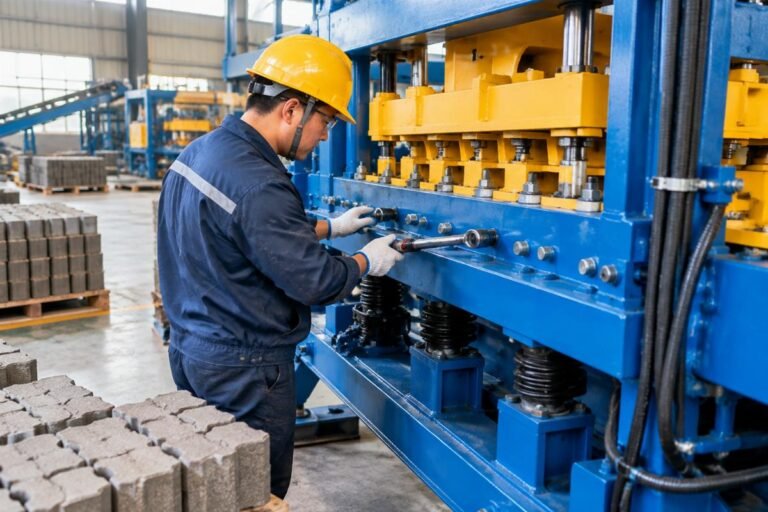
During an installation in Indonesia, I observed a team rushing to connect the drive unit without checking the intermediate bearings. The result was a slight misalignment that caused the screw to wobble. Over time, this wobble wore down the liner on one side, creating a gap where cement could accumulate and harden. This dead zone reduced the efficiency of the conveyor and required frequent manual cleaning. A proper cement screw conveyor installation guide must include a step-by-step alignment check procedure using laser tools or dial indicators to ensure the shaft runs true along its entire length.
| Inspection Point | Acceptable Condition | Risk of Neglect |
|---|---|---|
| Shaft Concentricity | Within micron-level precision | Accelerated liner wear and vibration |
| Blade-to-Trough Clearance | Uniform gap around circumference | Material buildup in dead zones |
| Bearing Alignment | Parallel to shaft axis | Premature bearing failure |
| Inlet Sealing | Tight, flexible gasket fit | Moisture ingress and clumping |
Another critical aspect is the clearance between the screw blades and the trough wall. Many assume that tighter clearance is always better for efficiency. However, if the clearance is too tight, any slight expansion due to heat or minor misalignment can cause the blades to scrape the liner. Conversely, too much clearance allows material to fall back and recirculate, reducing throughput. The ideal clearance depends on the fineness of the cement and the diameter of the screw. A detailed cement screw conveyor installation guide should specify these tolerances based on the specific model and application.
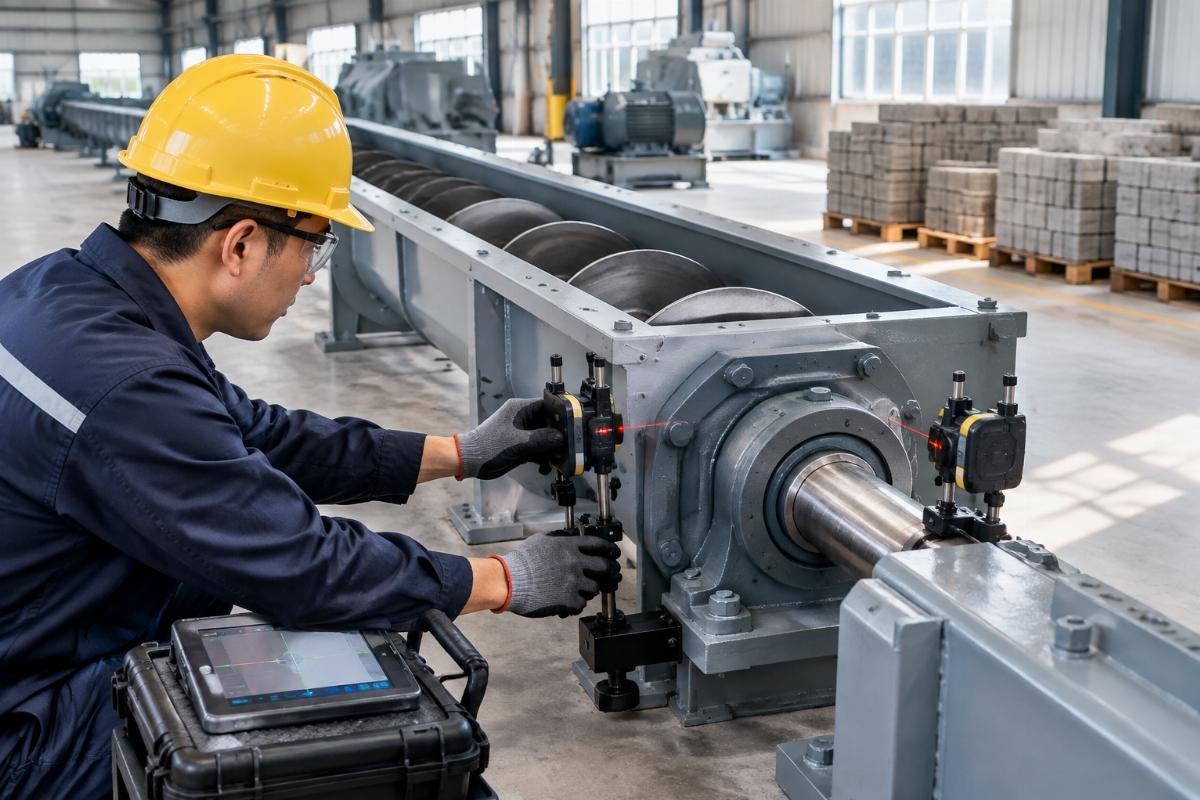
By adhering to strict alignment protocols, you ensure that the conveyor operates smoothly with minimal friction. This not only extends the life of the wear parts but also reduces the energy consumption of the motor. The precision invested during installation pays dividends in reduced downtime and lower maintenance costs over the life of the equipment.
Essential Maintenance Checks to Prevent Motor Burnout
Regular inspection of wear liners and torque monitoring prevents unexpected failures.
Motor burnout is rarely a sudden event; it is usually the culmination of unchecked resistance in the system. As cement builds up on the walls or bearings begin to fail, the torque required to turn the screw increases. If the motor is not protected by appropriate overload settings, it will continue to draw current until it overheats. [NEED_CITE: relationship between conveyor load and motor amperage]
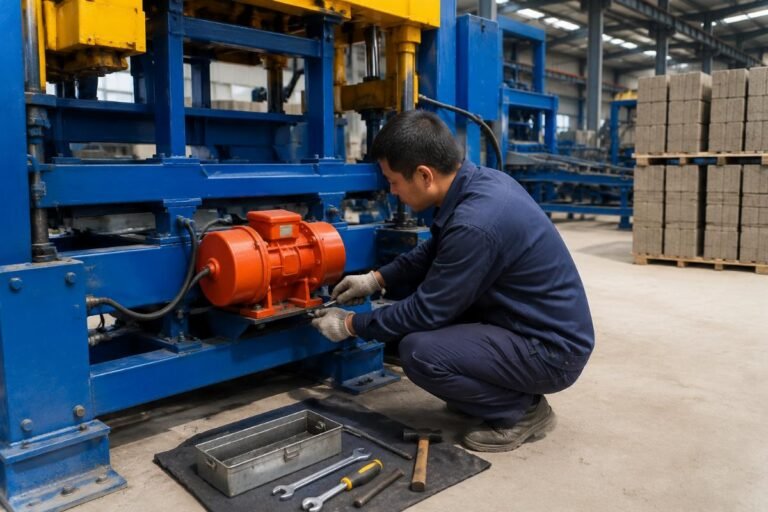
In Thailand, I encountered a scenario where a plant operator ignored gradual increases in motor noise. The underlying issue was worn-out liners that had created uneven surfaces, causing the cement to pack tightly against the screw. The motor struggled against this resistance, leading to eventual failure. A proactive maintenance schedule, as outlined in a comprehensive cement screw conveyor installation guide, includes regular checks of the liner condition and monitoring of motor amperage.
Torque limiters are essential safety devices that should be calibrated correctly during commissioning. They act as a mechanical fuse, disconnecting the drive if the torque exceeds a safe threshold. This protects the motor and gearbox from catastrophic damage. However, these devices are only effective if they are set according to the actual operating conditions, not just theoretical values. Regular testing of the torque limiter ensures it will function when needed.
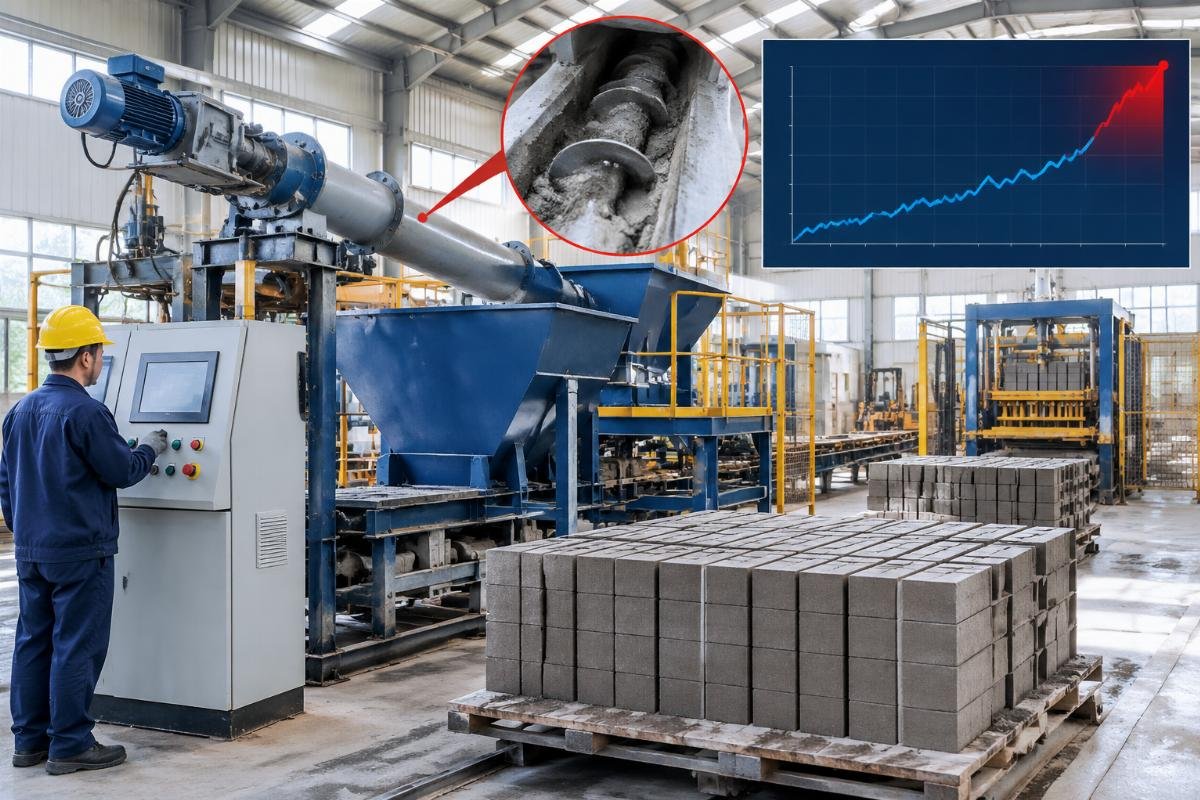
Additionally, bearing lubrication is often overlooked. Cement dust is abrasive and can penetrate standard seals, contaminating the grease and causing bearing failure. Using sealed bearings with high-quality grease and establishing a regular re-lubrication schedule can significantly extend their service life. The cement screw conveyor installation guide should specify the type of grease and the frequency of lubrication based on the operating environment.
By implementing these maintenance checks, you can detect issues before they lead to costly breakdowns. Monitoring the health of the conveyor system allows for planned interventions rather than emergency repairs, ensuring continuous production.
How to Choose the Right Spare Parts for Your Environment
Material grade and seal type should match local climate and cement characteristics.
Not all spare parts are created equal, and choosing the wrong components can undermine the best installation practices. The choice of wear-resistant liners, for example, should be based on the abrasiveness of the cement and the expected volume of material handled. In high-volume plants, standard steel liners may wear out quickly, requiring frequent replacement. Upgrading to hardened steel or ceramic-lined sections can provide substantially extended service life.
Seals are another critical component that varies by environment. In dry climates, standard nitrile rubber may suffice. However, in humid or coastal areas, materials resistant to moisture and corrosion are necessary. EPDM or silicone seals offer better performance in these conditions, maintaining their elasticity and sealing properties over time. A tailored cement screw conveyor installation guide will recommend specific seal types based on the local climate and operational requirements.
When sourcing spare parts, it is important to consider the supply chain reliability. Having a stock of critical components, such as bearings, seals, and liner sections, minimizes downtime during replacements. Working with a supplier who understands the specific demands of your environment ensures that you receive parts that are fit for purpose. For instance, Shiyue’s factory-direct wear-resistant liners and sealed drive units are designed with tropical durability in mind, addressing the common pitfalls observed in emerging markets.
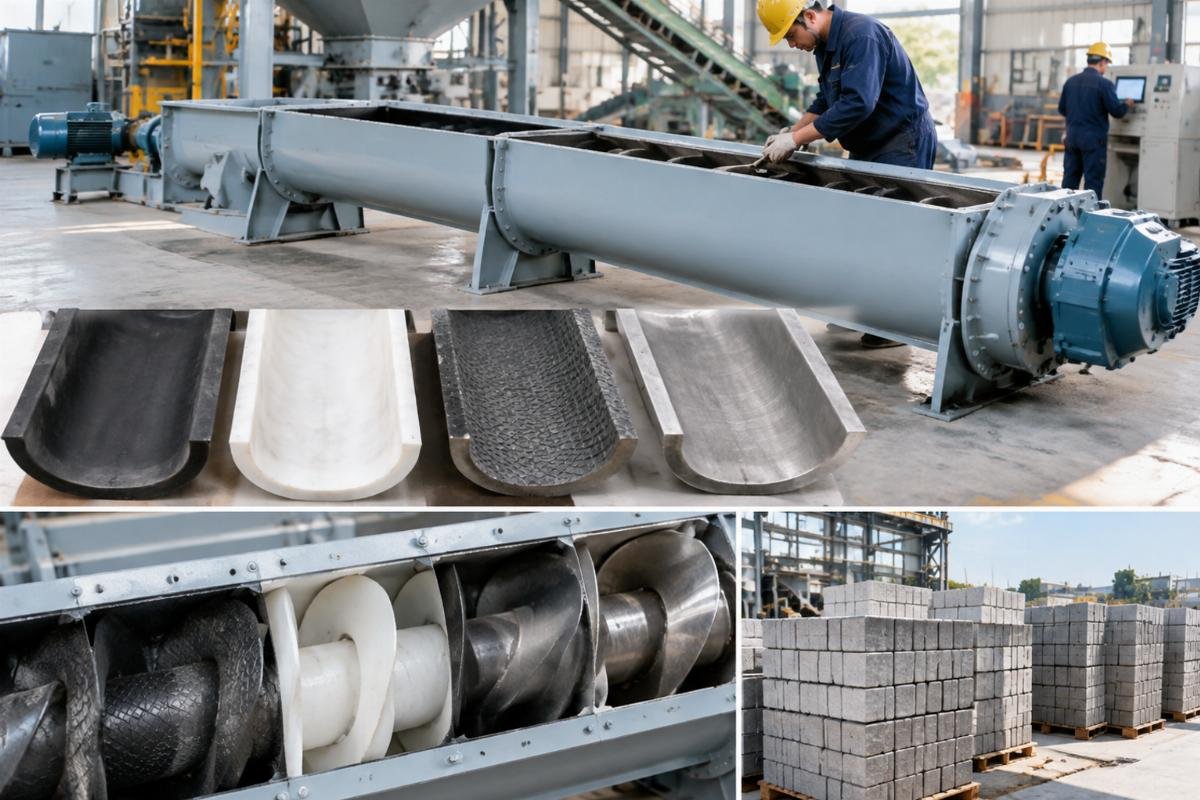
The right spare parts not only restore the conveyor to its original performance but can also improve its resilience to environmental challenges. Investing in high-quality components reduces the frequency of replacements and lowers the total cost of ownership. This strategic approach to spare parts management is an integral part of a robust cement screw conveyor installation guide.
Conclusion
Precision in installation and awareness of environmental factors define the lifespan of your conveying system.
A cement screw conveyor installation guide is more than a set of assembly instructions; it is a blueprint for operational success in challenging conditions. By focusing on humidity control, precise alignment, and proactive maintenance, you can prevent the common issues that lead to blockages and motor failures. The experiences shared from sites in Vietnam, Indonesia, and Thailand highlight the importance of adapting standard practices to local realities. Choosing the right materials and spare parts further enhances the reliability of your system, ensuring consistent performance and reduced downtime.
Leave a Reply