

China Cement Silo Manufacturer 2026: Factory Direct Bulk Supply
The lowest FOB price often becomes the most expensive line item on your final balance sheet.
In 2026, the primary bottleneck in cement silo exports is not production capacity or raw material cost, but interface compatibility and logistics optimization. Buyers who prioritize locking down cone angles, flange distances, and shipping plans during the drawing phase avoid costly delays in Africa and Southeast Asia. This shift from price-based competition to technical precision defines the current landscape for any reliable China Cement Silo Manufacturing Trends 2026.
I still remember the humidity at Tincan Island port in Lagos. A client had ordered a batch of 100-ton cement silos, and we had produced them according to standard domestic drawings. The steel was solid, the welding was clean, and the price was competitive. But when the containers arrived, the local bulk cement trucks could not connect to the silo discharge outlets. The cone angle was off by a few degrees, and the flange bolt holes did not align with the Nigerian standard卸料车 interfaces. We spent nearly three weeks on-site cutting and re-welding while demurrage fees piled up daily. The labor and penalty costs eventually exceeded the initial savings from choosing a cheaper supplier. That incident changed how I approach every export project. Now, the first question I ask is not about budget, but about the local truck specifications and site access limits. [NEED_CITE: common causes of clearance delays in heavy machinery imports]
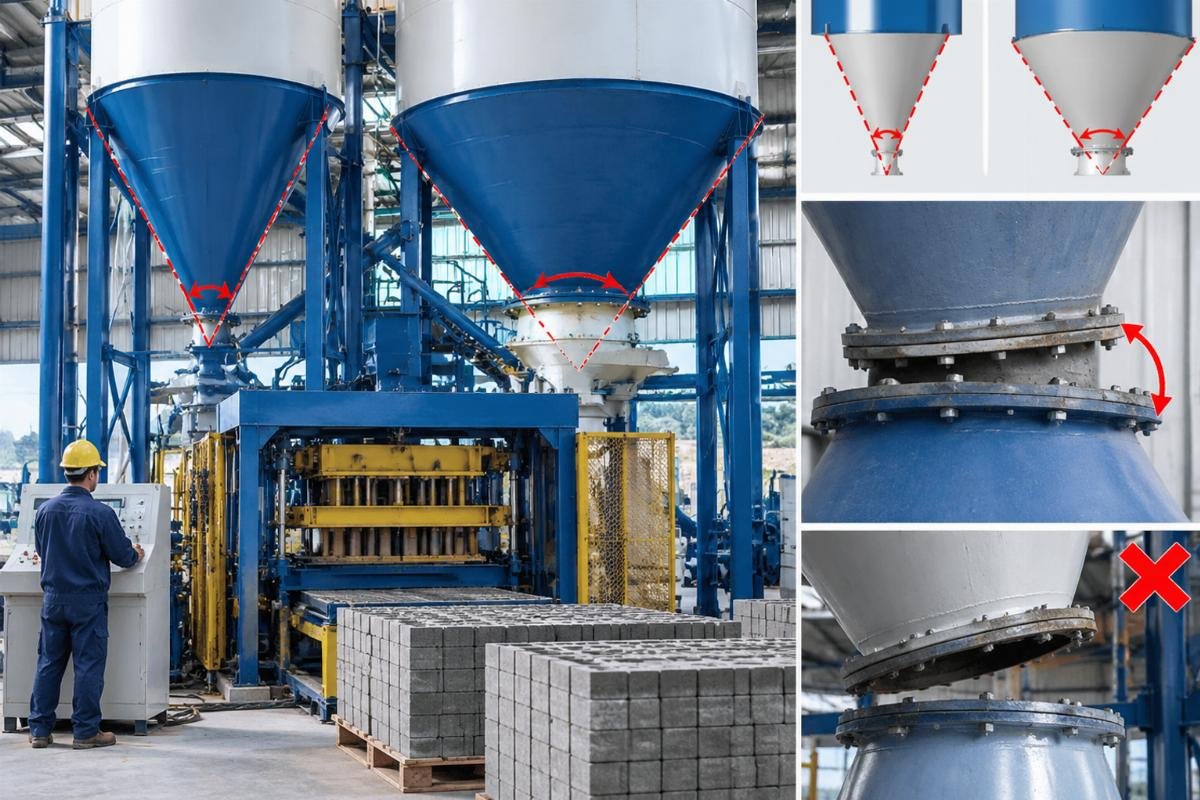
This experience highlights why modern buyers must look beyond the invoice price. The real value lies in pre-shipment verification. Let us explore how to navigate these pitfalls effectively.
Why Do Standard Cement Silos Fail at Local Ports?
Interface mismatch is responsible for the majority of clearance and installation delays in emerging markets.
Many buyers assume that a cement silo is a generic product. They believe that a standard drawing from a manufacturer will fit any local infrastructure. This is a dangerous misconception. In reality, the interface between the silo and the local bulk cement truck varies significantly by region. In Southeast Asia, for instance, some countries use specific metric flange standards, while others in Africa may rely on imperial measurements or localized adaptations due to historical vehicle imports.
When a silo arrives with a cone angle that does not match the discharge mechanism of the local truck, the cement cannot flow smoothly. It bridges, clogs, and requires manual intervention. This defeats the purpose of automated bulk handling. Furthermore, if the flange outer diameter or bolt hole spacing is incorrect, the flexible connector cannot be sealed properly, leading to dust leakage and environmental compliance issues. [NEED_CITE: ISO standards for bulk material handling interfaces]
I recall a project in Vietnam where the site manager insisted on using a "standard" 50-ton silo. We proceeded with our typical export model. However, upon arrival, we discovered that the local batching plant used a proprietary quick-connect system that required a specific recessed flange design. Our standard flat flange could not mate with their truck adapter. The solution involved fabricating custom transition rings on-site, which delayed the project start by several weeks. This could have been avoided with a simple photo of the local truck’s discharge valve sent during the inquiry stage.
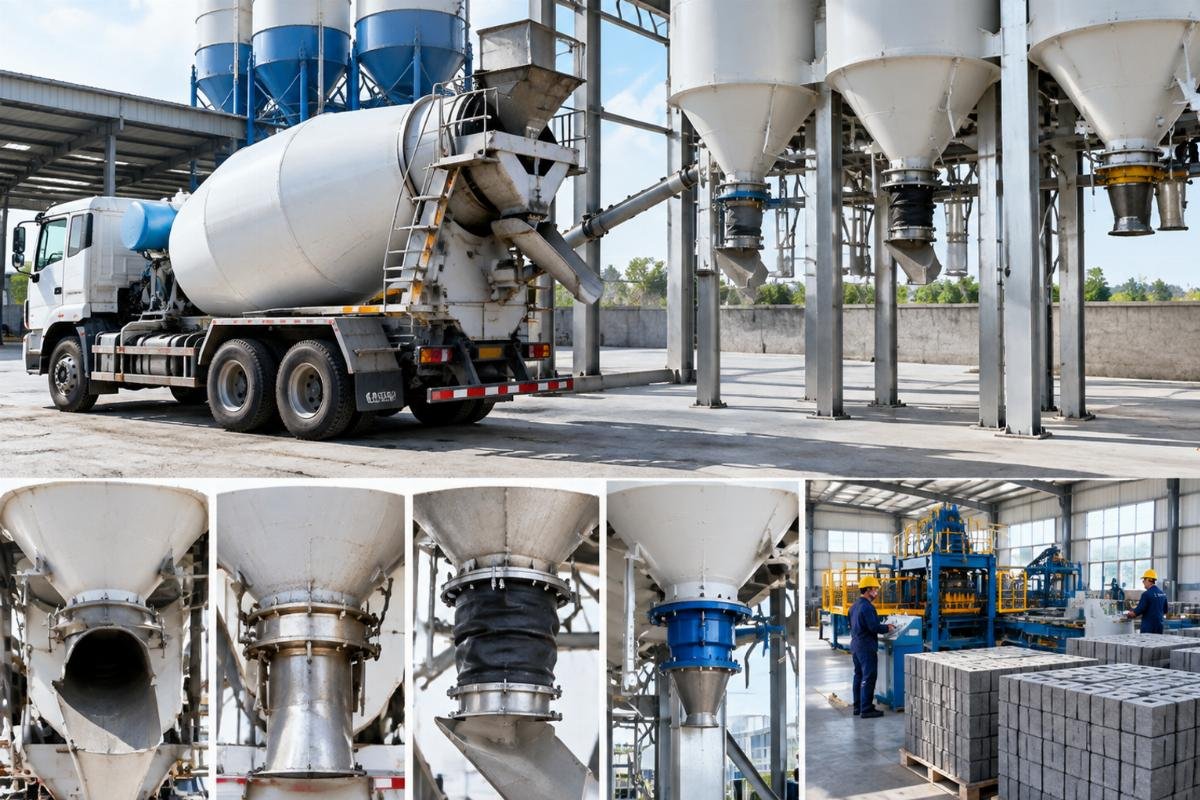
To prevent this, buyers must treat the silo not as a standalone tank, but as part of a connected system. The China Cement Silo Manufacturing Trends 2026 emphasize that manufacturers should request detailed photos or dimensional drawings of the local transport vehicles before finalizing the production drawings. This simple step ensures that the cone angle and flange compatibility are locked in before the steel is even cut.
The Hidden Cost of "Free" Modifications On-Site
Labor and demurrage fees for on-site modifications often exceed twenty percent of the equipment value.
It is tempting to think that minor adjustments can be made easily after delivery. After all, it is just steel. However, modifying a cement silo on-site is far more complex and expensive than it appears. First, you need skilled welders who can work on thick steel plates in potentially harsh weather conditions. Second, any modification voids the original factory warranty for the affected sections. Third, and most critically, the time spent on modifications translates directly into demurrage charges at the port and idle labor costs at the construction site.
In one case in Kenya, a buyer received a silo that was slightly too tall for the designated foundation due to a misunderstanding about the base support height. To fix this, the team had to cut the bottom section, shorten it, and re-weld the support legs. This process took days of heavy lifting and precise alignment. The cost of the crane rental, the welding team, and the delay in commissioning the batching plant far outweighed the cost of getting the dimensions right initially. [NEED_CITE: impact of project delays on construction ROI in developing economies]
Moreover, on-site welding often lacks the controlled environment of a factory. The quality of the weld may not match the original factory standard, potentially leading to future leaks or structural weaknesses under wind load. This is why experienced exporters now insist on a "technical lockdown" phase. During this phase, all critical dimensions, including the overall height, leg span, and discharge outlet position, are confirmed against the site’s actual conditions.
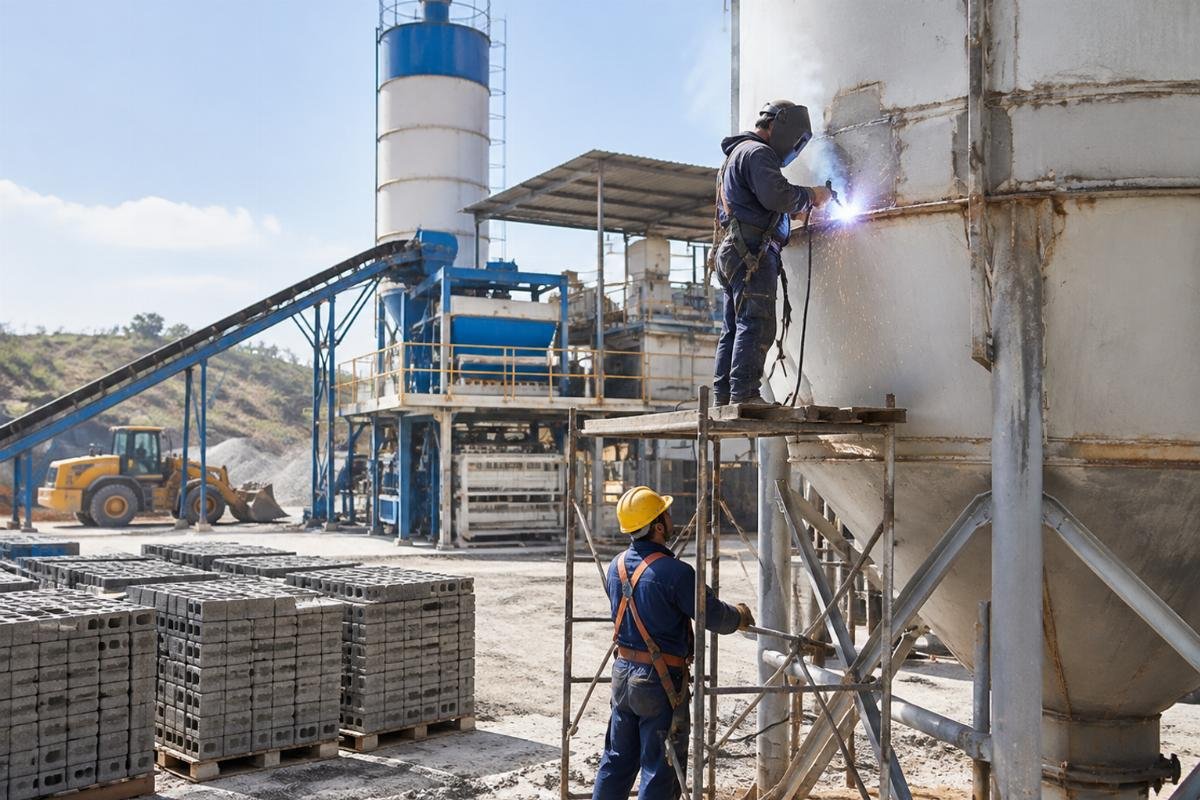
Buyers should view the pre-shipment verification as an insurance policy. By confirming these details early, you avoid the hidden costs that rarely appear in the initial quotation. The focus of China Cement Silo Manufacturing Trends 2026 is shifting towards providing this verification service as part of the standard package, ensuring that what is shipped is exactly what fits.
How to Optimize Shipping Costs via 40HQ Loading Plans
Visualizing load efficiency reduces per-ton logistics cost significantly compared to standard packing methods.
Shipping cement silos is a game of volume. Since silos are large, cylindrical structures, they do not pack efficiently into standard containers unless disassembled and arranged strategically. A common mistake is to assume that all manufacturers use the same loading plan. In reality, the number of silo sections that can fit into a 40HQ container varies based on the diameter, wall thickness, and the design of the supporting legs.
By optimizing the loading plan, you can reduce the number of containers needed for a project. For example, nesting smaller diameter components inside larger sections or designing detachable legs that pack flat can increase container utilization by a noticeable margin. This directly lowers the freight cost per ton of silo capacity. [NEED_CITE: maritime logistics optimization strategies for oversized cargo]
I once helped a client in Indonesia compare two quotes. One supplier offered a lower unit price but used a conservative loading plan that required five 40HQ containers for a set of silos. Another supplier, with a slightly higher unit price, provided a detailed 3D loading simulation showing that their design could fit the same capacity into four containers. When we calculated the total landed cost, including sea freight, the second option was cheaper overall. The savings on shipping alone covered the price difference and then some.
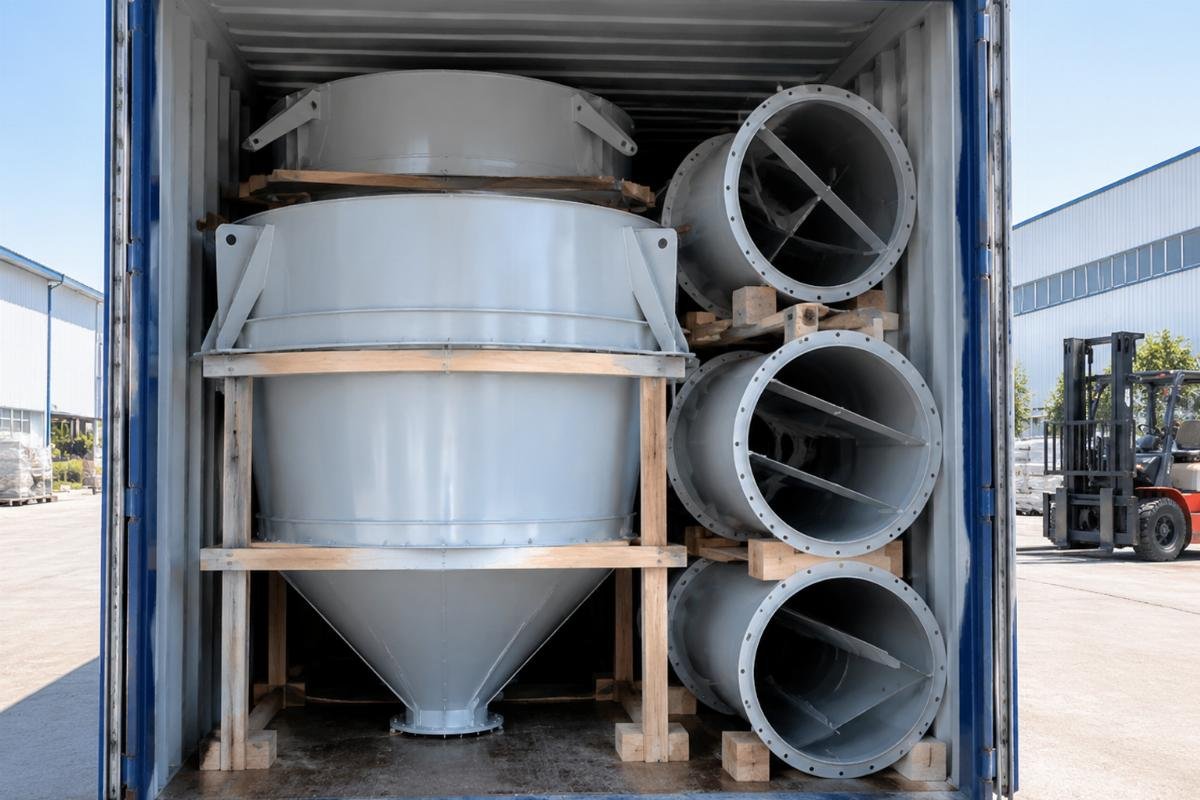
This is where the expertise of a China Cement Silo Manufacturer 2026 becomes valuable. Instead of just quoting a FOB price, forward-thinking suppliers provide pre-shipment loading simulations. These visualizations allow buyers to see exactly how the goods will be packed and to verify the container count before production begins. This transparency helps in accurate budgeting and avoids surprise freight bills.
Checklist for Pre-Shipment Technical Lockdown
Mandatory verification of local vehicle interfaces and site limits prevents costly post-delivery failures.
To ensure a smooth transaction, buyers should adopt a rigorous checklist before approving the final production drawings. This checklist goes beyond basic capacity and material grade. It focuses on the physical integration of the silo into the local environment.
First, verify the discharge interface. Request photos and measurements of the local bulk cement truck’s discharge valve. Confirm the cone angle, flange outer diameter, bolt hole spacing, and bolt size. If possible, ask the local truck operator for their standard specification sheet.
Second, check site access limits. Measure the maximum height and width of the roads leading to the installation site. Pay attention to overhead obstacles like power lines, bridges, or tree branches. Also, consider the turning radius for the delivery truck. A silo that fits the foundation but cannot reach it is useless. [NEED_CITE: site accessibility assessment guidelines for heavy equipment]
Third, review the foundation drawing. Ensure that the silo’s leg span and anchor bolt positions match the civil works prepared on-site. Mismatches here require expensive concrete drilling and re-barbing.
Finally, confirm the loading plan. Ask the supplier for a detailed packing list and container loading diagram. Verify that the weight distribution complies with local road transport regulations for inland haulage from the port to the site.
| Verification Item | Standard Practice | Optimized Practice |
|---|---|---|
| Discharge Interface | Assumed standard metric | Confirmed via local truck photos/dims |
| Site Access | Estimated by buyer | Verified against road limit data |
| Foundation Match | Generic drawing provided | Customized to site civil works |
| Loading Plan | Basic packing list | 3D simulation with container count |
By following this checklist, buyers align their expectations with reality. This proactive approach is central to the evolving China Cement Silo Manufacturing Trends 2026, where technical diligence replaces guesswork.
Conclusion
Success in cement silo procurement depends on technical precision, not just price negotiation.
The market has matured. Buyers in Africa and Southeast Asia now recognize that the true cost of ownership includes installation ease and logistical efficiency. By focusing on interface compatibility, site constraints, and shipping optimization, you protect your project from unnecessary delays and expenses. Partnering with a manufacturer that prioritizes these technical details ensures a smoother journey from factory floor to operational site. This is the essence of the current China Cement Silo Manufacturing Trends 2026.
Leave a Reply