Description
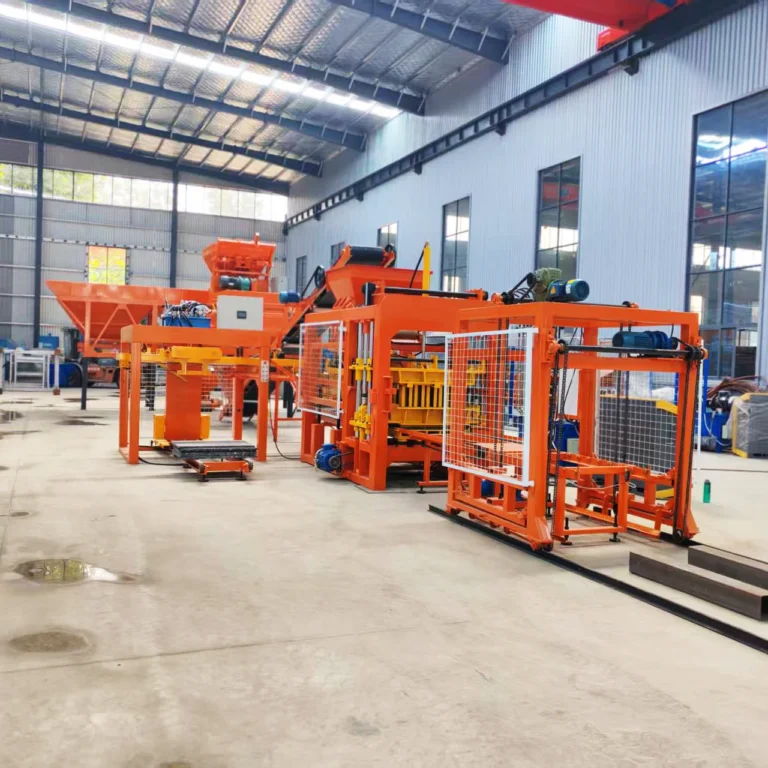
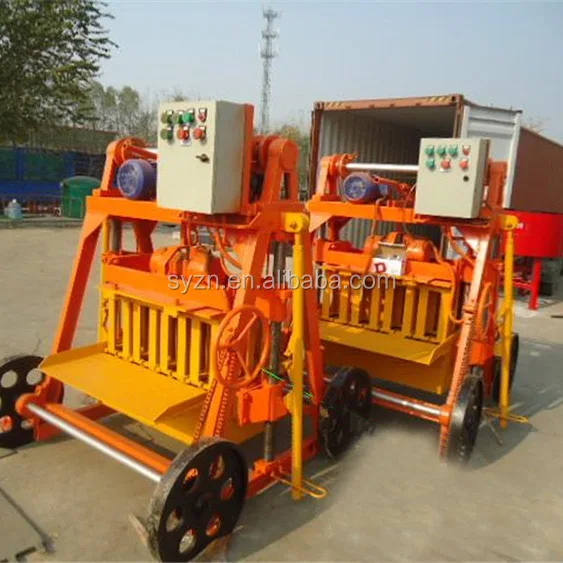
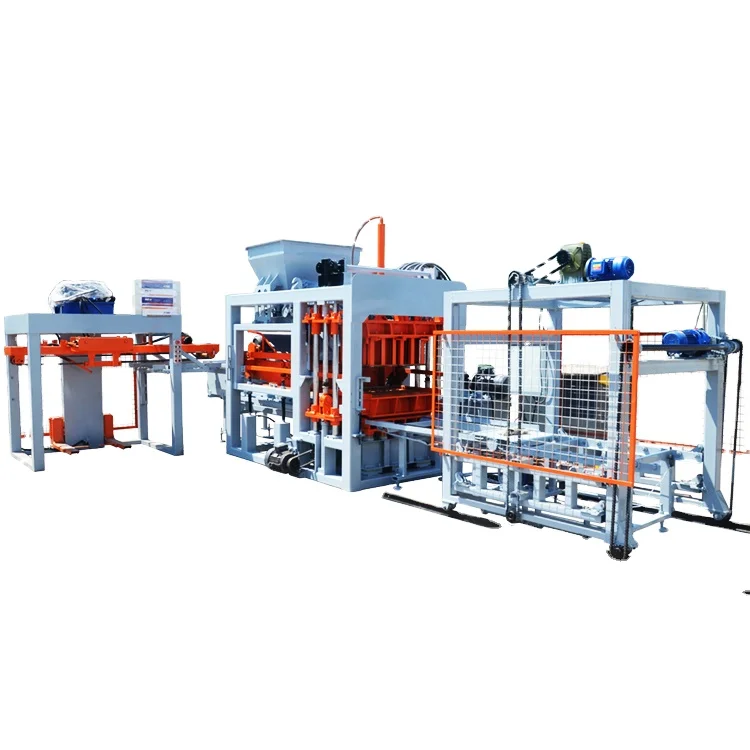
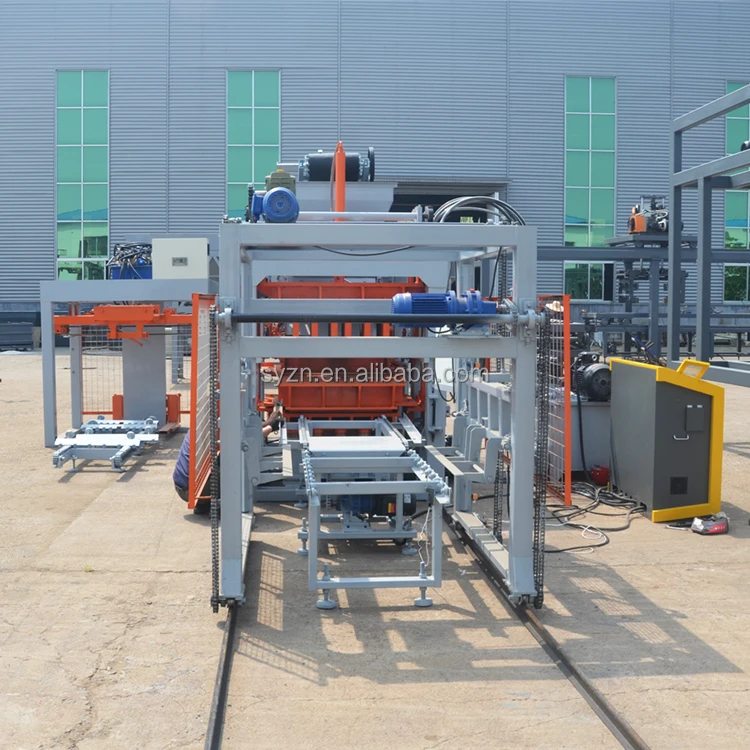
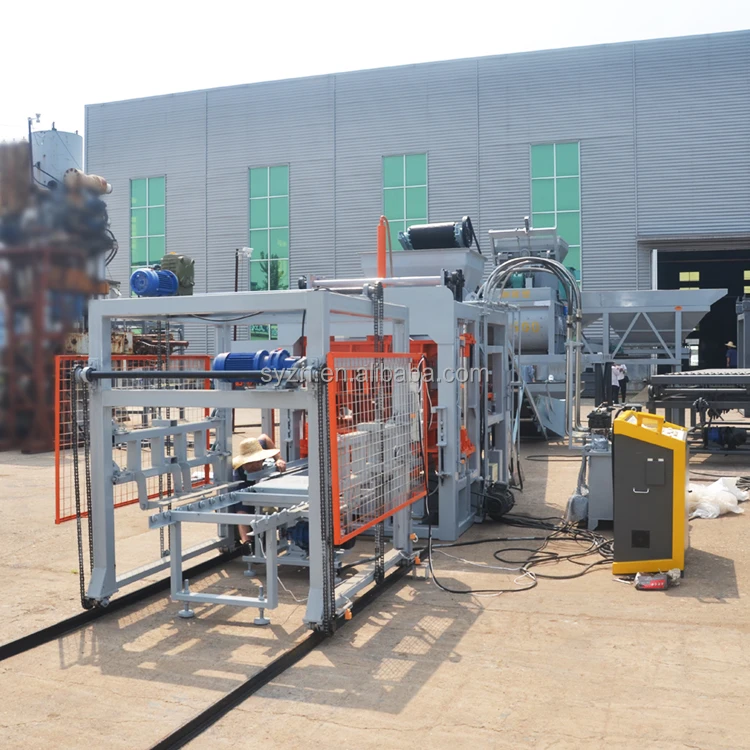
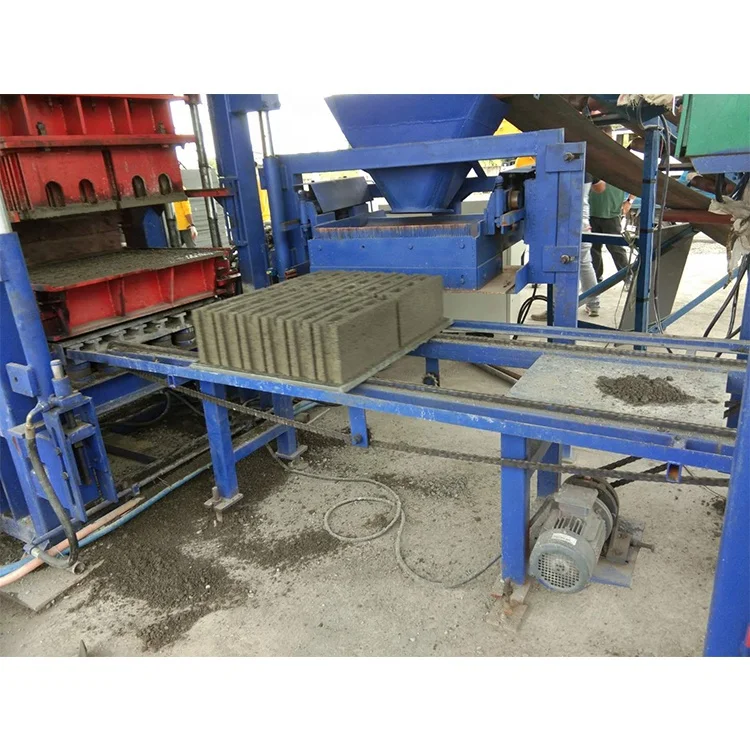
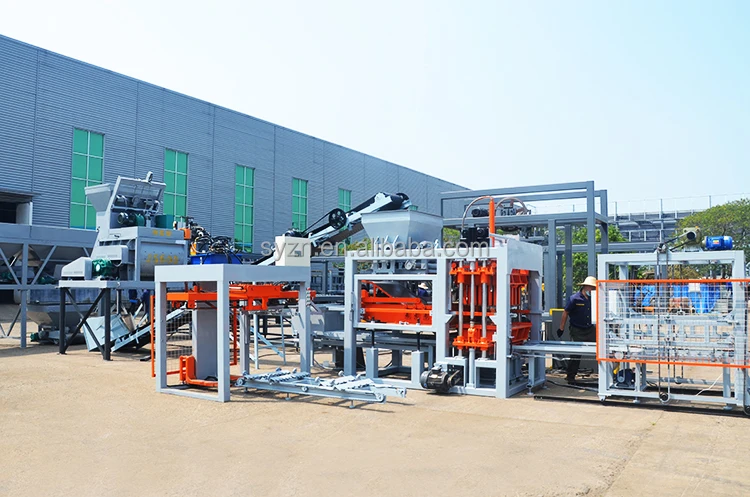
Matched System Delivery — block machine, pallets, moulds and handling specified as one integrated line so arrival timing stays predictable for project deadlines.
Technical Specifications
| Parameter | Value |
|---|---|
| Model | QT6-15 |
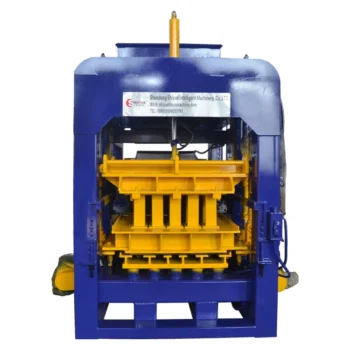
| Product Type | Automatic Hydraulic Concrete Block Making Machine |
| Overall Dimensions (L×W×H) | 8200 × 1700 × 2950 mm |
| Total Mass | 7 T |
| Overall Power | 37 kW |
| Vibration Form | Platform Vibration |
| Vibration Frequency | 0–60 Hz |
| Vibration Force | 45 kN |
| Moulding Mode | Automatic loading, vibration moulding |
| Demolding Method | Hydraulic |
| Pallet Size | 880 × 850 mm |
| Molding Cycle | 15–20 s (basis not stated in source — confirm block format) |
| Control System | PLC with touch screen HMI |
| Factory Area Requirement | 1200 m² |
| Block Compressive Strength | >15 MPa |
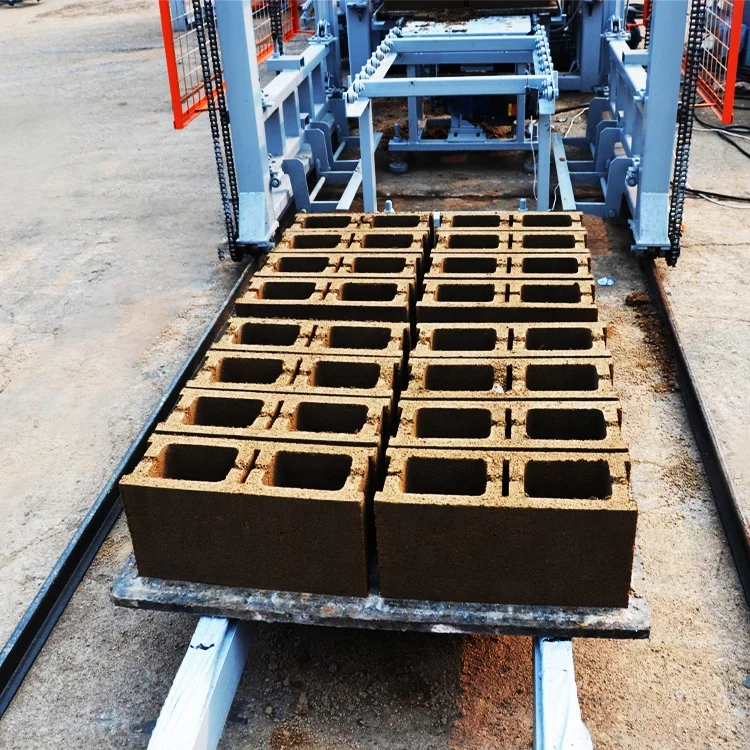
| Output Capacity (Hollow block 400×200×200 mm) | 6 pcs/mould, 1080–1440 pcs/h, 8640–11520 pcs/8hr |
| Output Capacity (Hollow block 400×150×200 mm) | 8 pcs/mould, 1440–1920 pcs/h, 11520–15360 pcs/8hr |
| Output Capacity (Solid brick 240×115×53 mm) | 32 pcs/mould, 5760–7680 pcs/h, 46080–61440 pcs/8hr |
| Output Capacity (Rectangular paver 200×100×60 mm) | 21 pcs/mould, 2160–2880 pcs/h, 17280–23040 pcs/8hr (cycle 20–25 s) |
| Output Capacity (Zigzag paver 225×112.5×60 mm) | 15 pcs/mould, 2160–2880 pcs/h, 17280–23040 pcs/8hr (cycle 20–25 s) |
| Hydraulic System | Independent integrated hydraulic station |
| Fault Diagnosis | Built-in system with action interlock logic |
| Raw Material Adaptability | Waste ash, slag, aggregate, cement |
| Warranty | 1 year (excluding spare parts) |
Application Suitability
| Application | Material or Output |
|---|---|
| Hollow block production for wall construction | Crushed stone, fly ash, slag and cement mixes |
| Solid brick manufacturing | Aggregate and cement blends for bearing and non-bearing walls |
| Rectangular paving block production | High-density concrete mixes for walkways and parking areas |
| Zigzag interlocking paver production | Interlocking profiles for driveways and heavy-load paving |
| On-site contractor block production | Locally sourced waste aggregate and cement for housing projects |
Dispatch Timelines and What "In Stock" Really Means
A stocked QT6-15 block machine in stock fast delivery only matters if container loading, voltage confirmation and PLC language are settled before it leaves the factory.
Project-deadline buyers often receive a quoted lead time that covers production alone, ignoring the weeks lost to unresolved electrical specifications or missing pallet inventory. When a QT6-15 block machine in stock fast delivery arrives at site with the wrong voltage configuration or an unreadable HMI language, commissioning stalls while electricians rewire panels and operators wait for translated manuals. I have watched entire crews stand idle because the container was loaded before the destination port’s frequency standard was verified. [NEED_CITE: voltage and frequency standards by export market]
Stocked Units Versus Production Queue
Buyers chasing a project deadline need clarity on whether a quoted unit sits in a warehouse ready for container loading or enters a production queue. A genuine QT6-15 block machine in stock fast delivery means the frame, hydraulic station and PLC cabinet are assembled and factory-tested, not merely that raw materials are allocated. Standard moulds for hollow blocks and rectangular pavers typically accompany stocked units, while custom interlocking profiles require a separate mould lead time that must be confirmed before the order date.
Container Loading and Dismantling for Shipment
The QT6-15 ships with the hydraulic station, vibration platform and control cabinet separated to fit standard container dimensions. Pallets and moulds occupy remaining cubic volume, and their quantity directly affects how many formats are production-ready on day one. Dismantling configuration, bracing photographs and container loading plans should be reviewed before the booking confirmation to avoid delays at the port of departure. [NEED_CITE: container loading standards for heavy industrial machinery]
Pallet Inventory and Curing Area Alignment
The 880 × 850 mm pallet size on this machine dictates curing rack spacing and forklift tine width. If the buyer’s existing curing yard was built around a different pallet dimension, either new racks must be fabricated or the pallet order must match the legacy system — both add time and cost that do not appear on the machine quotation. Confirming pallet material, quantity and curing cycle duration before shipment prevents a situation where the press runs but finished blocks have nowhere to cure.
Power, Pressure and Vibration in Practice
The 37 kW overall power rating feeds both the hydraulic station and the platform vibration system simultaneously, so site transformers must account for peak draw during the compression cycle rather than average running load. The 45 kN vibration force works in tandem with hydraulic pressure to compact the mix; if local aggregate is coarser than the default configuration assumes, vibration frequency may need adjustment within the 0–60 Hz range to maintain block density above 15 MPa. The 1200 m² factory area requirement covers the press, mixer, pallet return conveyor and a minimum curing zone — buyers measuring only the machine footprint will find the line incomplete. Independent hydraulic station design isolates faults so a valve issue on the demolding circuit does not shut down the entire vibration table.
The Cost of Skipping Voltage and Language Confirmation
When voltage and frequency are left unconfirmed at order stage, the arriving machine may carry motors wound for a grid the site does not have, forcing a transformer purchase or a motor rewind that delays commissioning by weeks. PLC touch screens programmed in a language the local operators cannot read turn a built-in fault diagnosis system into an indecipherable alarm list. [NEED_CITE: CE machinery directive requirements for industrial equipment] These are not factory defects — they are specification gaps that shift the delay onto the buyer’s timeline.
Why Source This Machine Here
Block machinery is the single production focus, so the QT6-15 press, its moulds, pallets and handling equipment are specified as a matched system rather than assembled from unrelated suppliers. Configuration is set against the buyer’s actual mix design and target block format, not pulled from a catalogue default. Stocked models and standard moulds ship on short dispatch timelines with container loading plans confirmed upfront. Every shipment includes a factory test record run on the buyer’s specified block format, packing photographs, and hydraulic and electrical schematics in the confirmed language. Spare wear parts and a replacement mould list travel with the machine so the first maintenance interval does not trigger an emergency air freight order.
Documentation & Verification
- Factory test record run on the buyer’s target hollow block format before dispatch
- Hydraulic and electrical schematic in the confirmed PLC display language
- Pallet specification sheet matching the 880 × 850 mm size and curing rack layout
- Container loading plan with bracing and dismantling photographs
- Operation and maintenance manual translated to the operator’s working language
- Wear parts list and mould drawing set included with the shipment
Installation, Commissioning & Support
- Foundation plan scaled to the 8200 × 1700 mm machine footprint and 1200 m² site layout
- Electrical circuit diagram matching the confirmed voltage and the 37 kW total draw
- Dismantled shipping state with reassembly sequence for the hydraulic station and vibration platform
- Commissioning run on the buyer’s local aggregate and cement mix to verify block strength above 15 MPa
- Operator training covering PLC fault diagnosis, mould change procedure and daily maintenance points
- Spare wear parts kit packed in the container to cover the first replacement cycle on site
What to Send with Your Inquiry
To match a stocked unit to your project timeline, include the block formats your market sells, the daily volume each format requires, and your site’s voltage and frequency standard. Confirm the PLC display language your operators need and the pallet dimensions already in use at your curing yard so the shipment arrives ready to run.
Frequently Asked Questions
Q: How is the daily output for each block format verified before purchase?
A: Every capacity figure on this page is tied to a specific block dimension and mould cavity count — for example, hollow blocks at 400 × 200 × 200 mm yield 8640 to 11520 pieces per eight-hour shift based on the stated cycle time. Buyers should request a capacity calculation that names the exact format, cycle assumption and pallet configuration intended for their production plan.
Q: Is the QT6-15 block machine in stock fast delivery available right now or made to order?
A: Stock status changes with order flow, so confirmation at inquiry time is necessary. Standard configurations with common hollow block and rectangular paver moulds are more likely to be available from inventory, while custom interlocking profiles or non-standard pallet quantities may require a short production window before dispatch.
Q: What happens if my site voltage does not match the machine’s motor rating?
A: Voltage and frequency must be declared at order stage so motors and the PLC panel are built for the destination grid. If a mismatch is discovered after arrival, commissioning pauses while transformers are sourced or motors are rewound — a delay that falls entirely on the project timeline rather than the supplier.
Q: How much curing area is needed for the stated output capacity?
A: The 1200 m² factory area requirement includes the press, mixer, pallet return path and a baseline curing zone sized for standard production shifts. Buyers running extended shifts or producing dense pavers with longer cure times should plan additional yard space beyond this minimum to prevent pallets from backing up at the stacker.
Q: What support is provided after the machine arrives on site?
A: Installation guidance covers foundation preparation, electrical connection to the 37 kW supply, and reassembly of the dismantled hydraulic and vibration components. Commissioning includes test runs with local materials, operator training on the PLC interface and fault diagnosis system, and a wear parts kit to cover early replacements without waiting for overseas shipment.