
Description
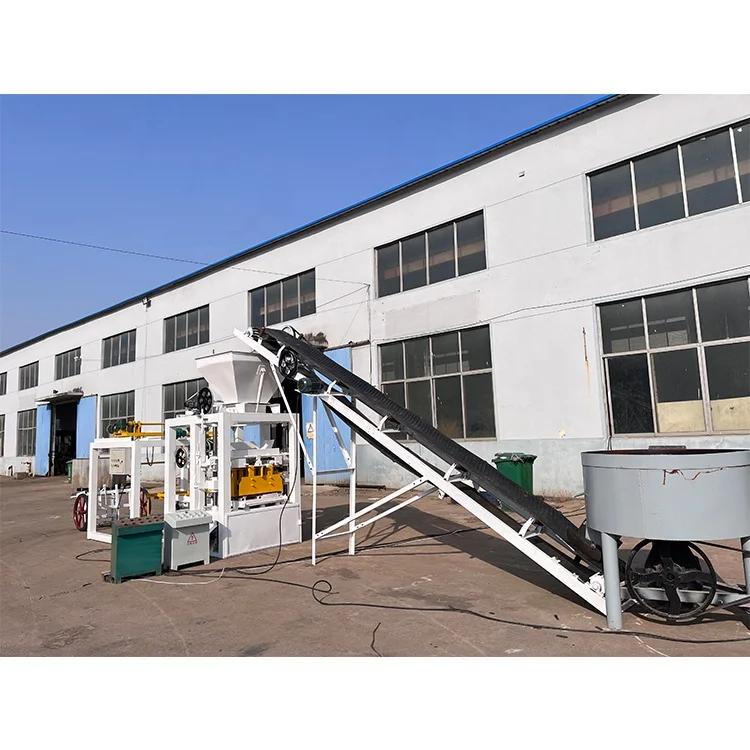
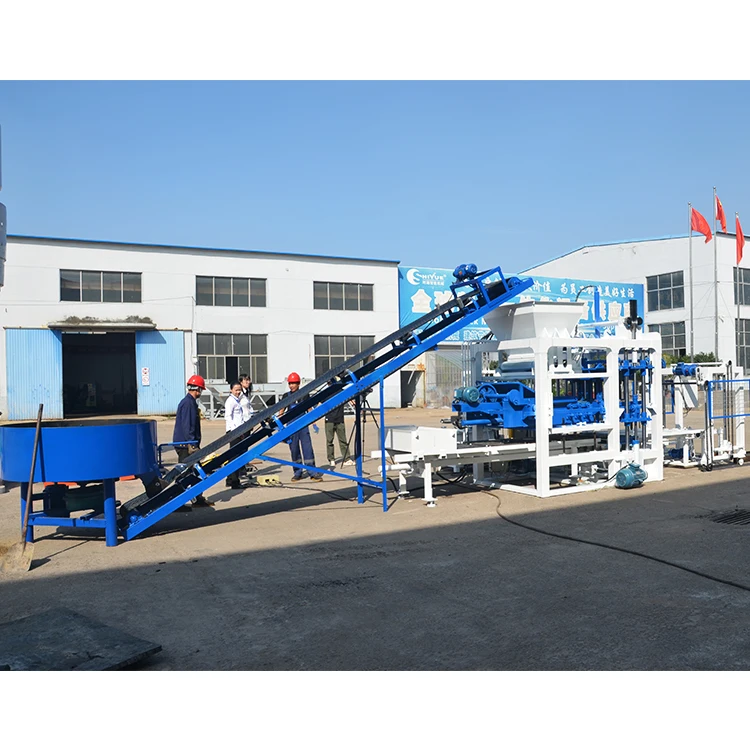
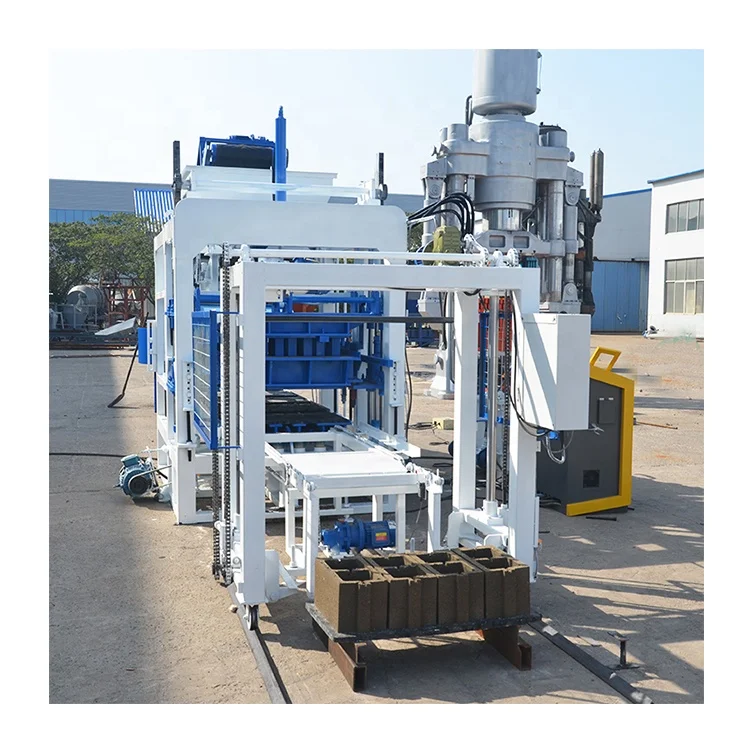
Matched System Dispatch — QT4-18 block machines leave the factory with pallets, moulds, and hydraulics pre-tested as one integrated line rather than sourced from separate vendors, cutting your on-site assembly time when the project deadline is already tight.
Technical Specifications
| Parameter | Value |
|---|---|
| Model | QT4-18 |
| Product Type | Stationary Hydraulic Block Making Machine |
| Vibration Frequency | 0-60 Hz |
| Vibration Form | Platform Vibration |
| Pallet Size | 900 × 500 mm |
| Molding Cycle | 18-25 s |
| Vibration Force | 45 kN |
| Demolding Method | Hydraulic |
| Control System | PLC (person-machine conversation interface) |
| Automation Level | Fully Automatic |
| Output Capacity | 799 pcs/h (based on 400×200×200mm hollow block, 4 pcs/mould, 18s cycle) |
| Output Capacity | 999 pcs/h (based on 400×150×200mm block, 5 pcs/mould, 18s cycle) |
| Output Capacity | 5199 pcs/h (based on 240×115×52mm solid brick, 26 pcs/mould, 18s cycle) |
| Output per 8hr Shift | 6399 pcs (based on 400×200×200mm hollow block) |
| Output per 8hr Shift | 7999 pcs (based on 400×150×200mm block) |
| Output per 8hr Shift | 41599 pcs (based on 240×115×52mm solid brick) |
| Mould Formats | Hollow block, solid brick, color face brick, environmental protection brick, road curb rock, hydraulic block, sod brick |
| Warranty | 1 year (excluding spare parts) |
| Assembly State | Complete machine with hydraulic and electric system |
| Payment Term | 30% T/T deposit, 70% balance before delivery |
| Rated Power | (basis to be confirmed) |
| Overall Dimensions | (basis to be confirmed) |
| Net Weight | (basis to be confirmed) |
| Voltage & Frequency | (basis to be confirmed) |
| Hydraulic Pressure | (basis to be confirmed) |
Application Suitability
| Application | Material or Output |
|---|---|
| Hollow block production | Crushed stone, cement, and local aggregate for building construction |
| Solid brick manufacturing | River sand, fly ash, or quarry dust blended with cement |
| Color face brick and environmental brick | Pigmented surface mix over a standard concrete core |
| Road curb rock and paving brick | Coarse aggregate with higher cement ratio for load-bearing strength |
| Hydraulic block and sod brick | Permeable mix designs for landscaping and drainage systems |
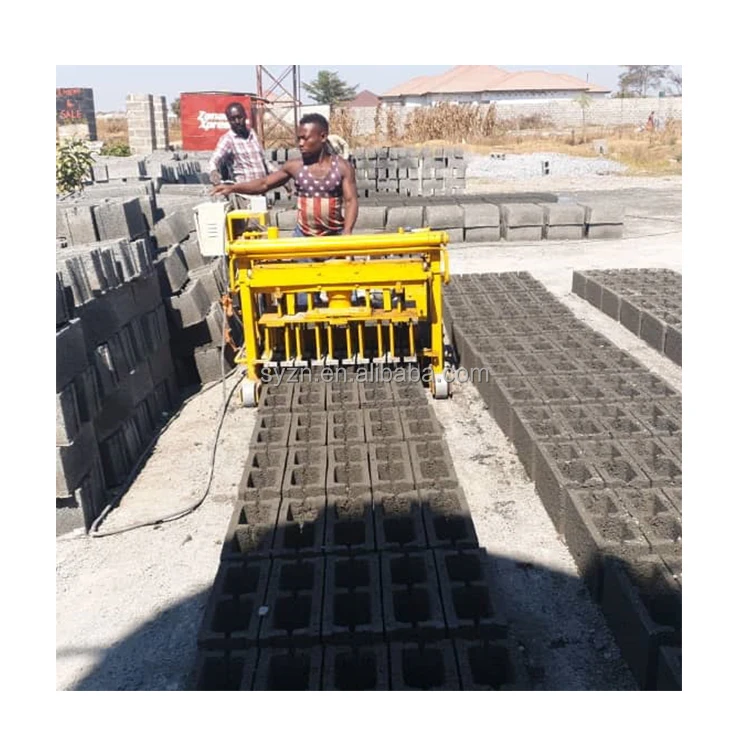
| On-site contractor production | Mobile batching of locally sourced materials at the project location |
Why "In Stock" Means Nothing Without the Dispatch Date
A machine sitting in a warehouse only matters if the container leaves on a confirmed sailing date.
I have watched contractors lose two or three weeks chasing a promised fast delivery stationary block machine, only to discover the quoted "stock" meant the frame was welded but the hydraulic pack, PLC cabinet, and moulds were still on backorder. The QT4-18 block machine in stock inquiry you are making today should end with a written dispatch schedule, not a brochure promise. When a housing project or road tender has a fixed completion date, every day between order confirmation and container loading is a day your crew stands idle. That is why I always push buyers to lock down voltage, frequency, and PLC language before the deposit clears — a machine that ships fast but arrives with the wrong electrical spec still sits unpacked while you source transformers [NEED_CITE: voltage and frequency standards by export market].
Dispatch Timeline and Container Loading Readiness
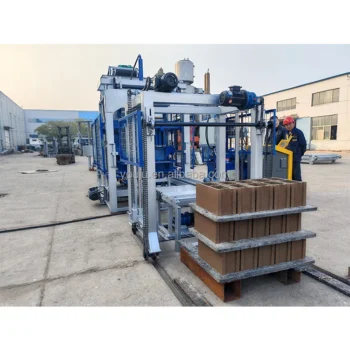
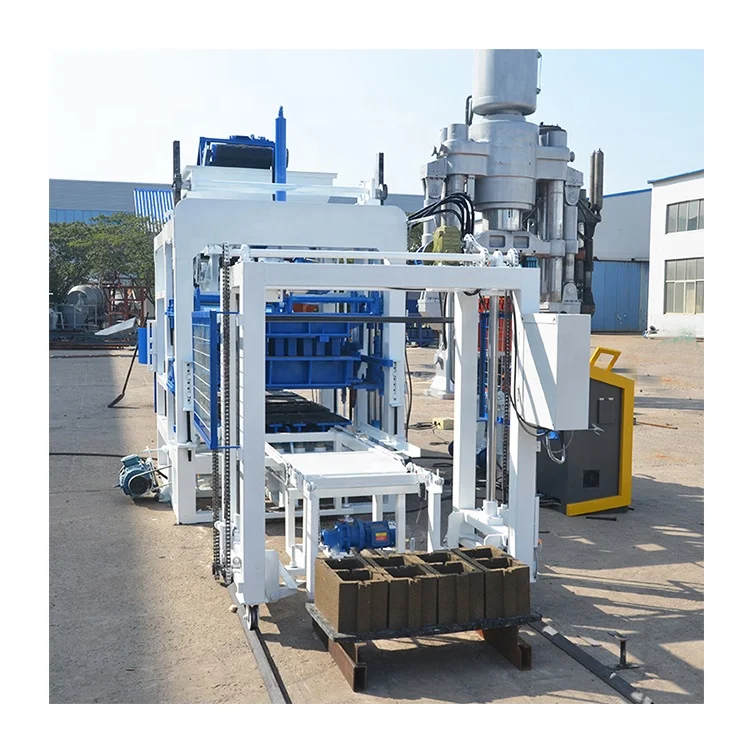
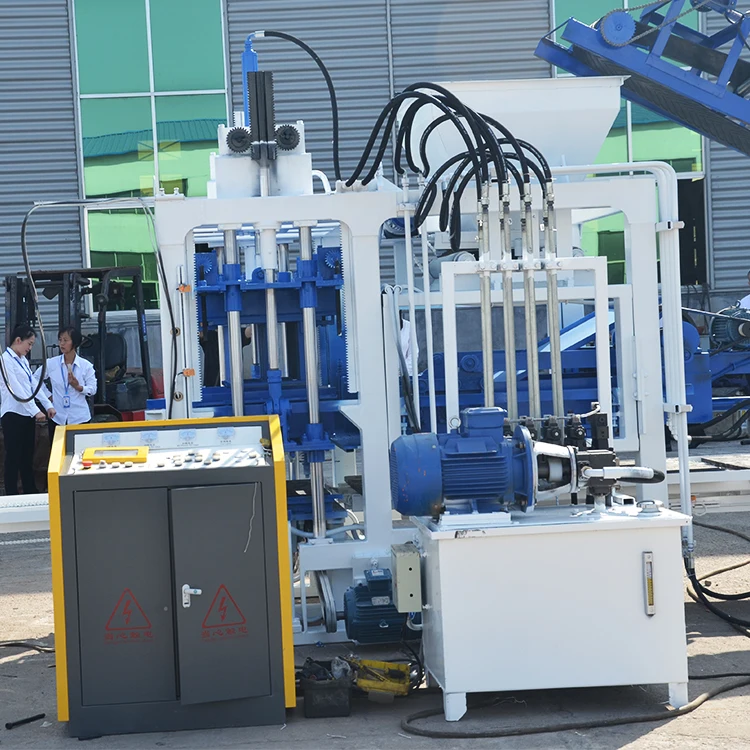
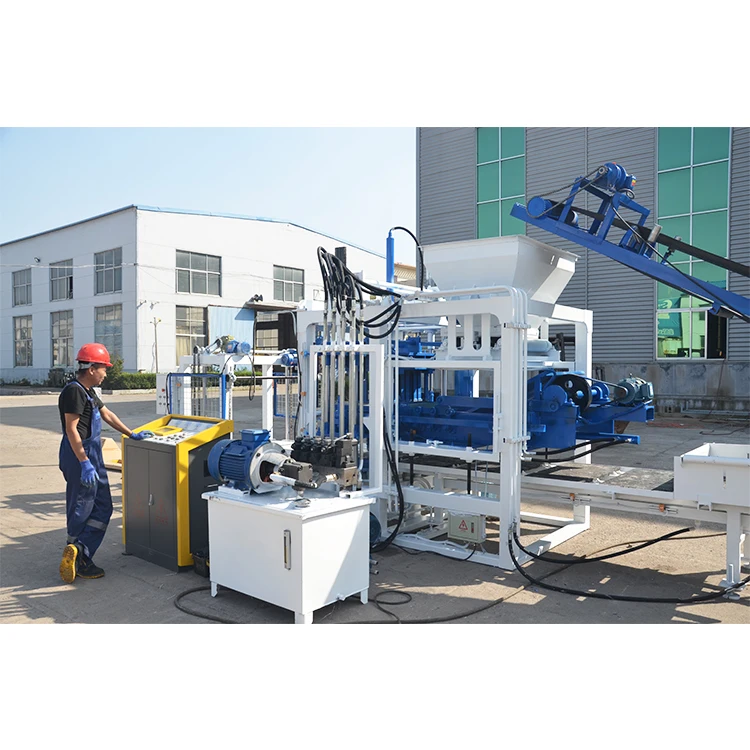
The QT4-18 block machine in stock ships as a complete unit with hydraulic manifold and electrical cabinet pre-mounted, which means the on-site assembly crew only reconnects lines and runs the commissioning sequence rather than rebuilding the machine from sub-assemblies. Standard moulds for 400×200×200mm hollow blocks and 240×115×52mm solid bricks are palletized alongside the main frame, so a single container holds the press, pallets, and at least two mould sets. This consolidated loading method eliminates the scenario where the machine arrives first and the moulds follow six weeks later on a different vessel.
How Stocked Moulds Shorten Your Wait
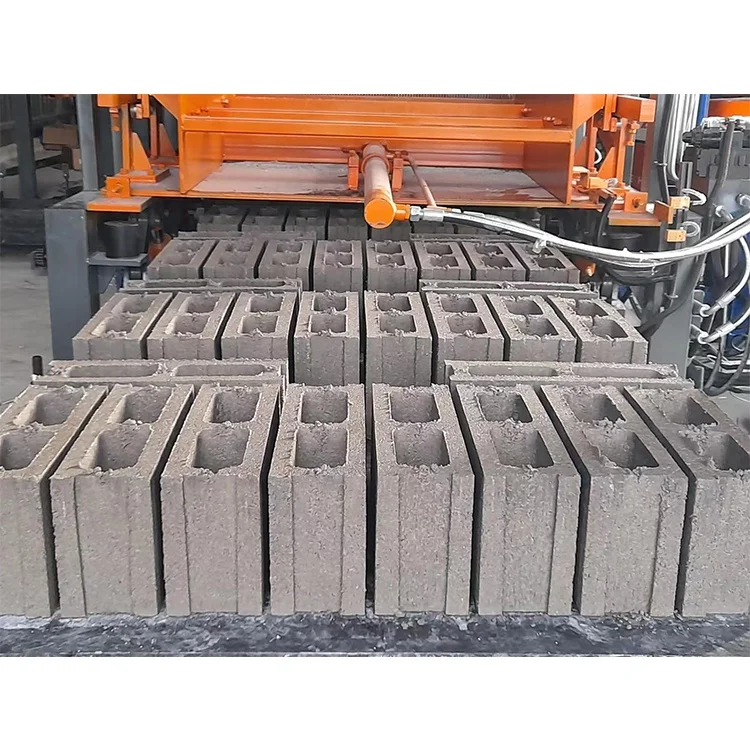
Custom mould engineering typically adds several weeks to any block machine order. The QT4-18 fast delivery stationary block machine ships with the most demanded formats already in the mould inventory — hollow blocks, solid bricks, paving formats, and curb rocks — so buyers targeting common regional sizes skip the drawing and trial-press stage entirely. If your market runs a less common interlocking profile, confirm mould stock status before placing the deposit; a mould that must be cast and machined from scratch will push the container loading date regardless of how quickly the press itself is ready. [NEED_CITE: typical lead times for custom block mould fabrication]
Reading the Pallet, Cycle, and Vibration Numbers Together
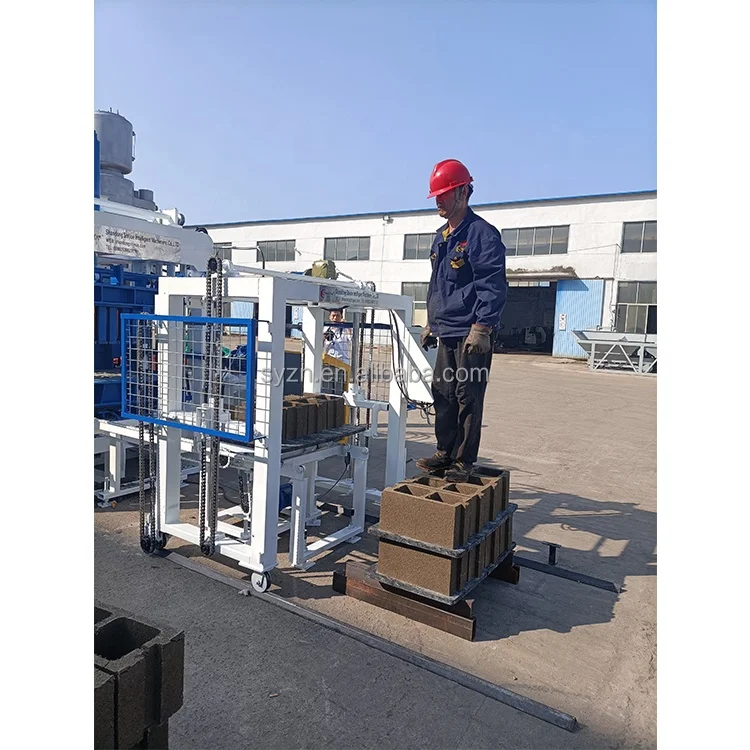
Platform vibration at 0-60 Hz combined with 45 kN of vibration force determines how densely the concrete mix is compacted inside the mould cavity before hydraulic demolding releases the block. Higher density means the block can be moved off the pallet sooner without crumbling, which directly affects how many pallets you need circulating and how large your curing rack area must be. The 900 × 500 mm pallet size is the dimension you must verify against your existing forklift tines and curing yard racking — a mismatch here means you either replace your forklift or re-rack your entire yard before the first production shift. The 18-25 s molding cycle range accounts for different mix consistencies; a dry, well-graded aggregate will compact at the lower end of that range, while a wetter or higher-fines mix needs the full 25 seconds to achieve target strength.
What Happens When Dispatch Details Are Overlooked
Buyers who skip voltage confirmation before shipment sometimes open the electrical cabinet on-site to find a 380 V / 50 Hz setup when their local grid runs 440 V / 60 Hz. The result is a motor rewinding or transformer purchase that idles the crew for another week or more. Equally common is a PLC display that boots up in a language the operator cannot read, forcing the plant manager to call for remote support before a single block is pressed. These delays are not machine failures — they are dispatch oversights that a fast delivery stationary block machine purchase should have prevented from the start. [NEED_CITE: CE machinery directive requirements for industrial equipment]
Why Buyers Source This Machine From Here
Block machinery is the sole product focus, so the QT4-18 ships with pallets, moulds, and handling components matched to the press rather than bolted on from unrelated suppliers. Every configuration is set against the buyer’s actual mix design and target block format before dispatch, not pulled from a generic catalogue page. Mould inventory covers the formats most markets trade in, and custom drawings can be quoted if the standard stock does not cover a regional size. Dispatch readiness is confirmed with packing photographs and a container loading plan so you see exactly how the machine is dismantled and secured before the vessel sails. Factory test records travel with the shipment, giving your commissioning team a baseline to verify against on day one.
Documentation & Verification
- Line layout and capacity calculation stating the block format assumed for the QT4-18
- Factory test record run on a mix design close to your local aggregate profile
- Voltage, frequency, and PLC display language confirmation sheet signed before dispatch
- Packing photographs and container loading plan showing dismantling and securing method
- Hydraulic and electrical schematic matching the as-built QT4-18 configuration
- Customs documentation support to clear import without hold-up at your port
Installation, Commissioning & Support
- Foundation pad must accommodate the 900 × 500 mm pallet footprint and allow curing rack access on both sides
- Dedicated power circuit matching the confirmed voltage and frequency before the QT4-18 electrical cabinet is energized
- Hydraulic lines pre-assembled at factory; on-site crew reconnects and pressures up under guidance
- PLC language and person-machine interface verified during first-shift commissioning with your operators present
- Mould change procedure trained on the stocked formats so your crew can switch independently after departure
- Wear parts list supplied with the QT4-18 identifying hydraulic seals and vibration motor bearings for first reorder
Before You Request a Quote
Send the exact block dimensions and daily volume your project requires so the dispatch team can confirm whether the stocked QT4-18 moulds match your format or a change is needed. Include your site voltage, frequency, and preferred PLC display language to prevent electrical mismatches after arrival. Share your existing forklift capacity and curing yard dimensions so the 900 × 500 mm pallet configuration is validated against your current handling setup before the container is booked.
Frequently Asked Questions
Q: Which QT4-18 configurations and standard moulds are currently in stock?
A: The QT4-18 press with standard hollow block and solid brick moulds is typically held in stock along with matching 900 × 500 mm pallets. Availability of specific formats like curb rock or sod brick moulds varies by production batch. Request a written stock confirmation with dispatch date before committing the deposit so your project timeline stays intact.
Q: What is the dispatch lead time from order confirmation to container loading?
A: When the QT4-18 block machine in stock is confirmed available, container loading can follow within a short window after voltage, frequency, and PLC language are finalized. Any custom mould or non-standard pallet requirement extends this timeline. The dispatch date is provided in writing with your quotation so you can plan vessel booking and port clearance accordingly.
Q: How is the QT4-18 dismantled and packed for shipment?
A: The QT4-18 fast delivery stationary block machine ships with the hydraulic and electrical systems pre-assembled on the main frame. It is dismantled only to the extent required for container entry, and moulds and pallets are secured alongside. Packing photographs and a loading plan are shared before the container is sealed so you can verify the packing method.
Q: What is the estimated arrival time at my port after dispatch?
A: Arrival depends on the shipping route and vessel schedule from the port of loading to your destination. Typical ocean transit times vary by region. Once the container is booked, the estimated arrival date is communicated upfront so your ground crew can prepare the foundation and electrical connection before the machine clears customs.
Q: Are voltage, frequency, and PLC language confirmed before shipment?
A: Yes — these parameters must be agreed in writing before the QT4-18 leaves the factory. Confirming them early prevents the situation where a machine arrives with motors wound for the wrong grid frequency or a PLC interface the operator cannot read, both of which cause commissioning delays that erode the advantage of buying a stocked unit.