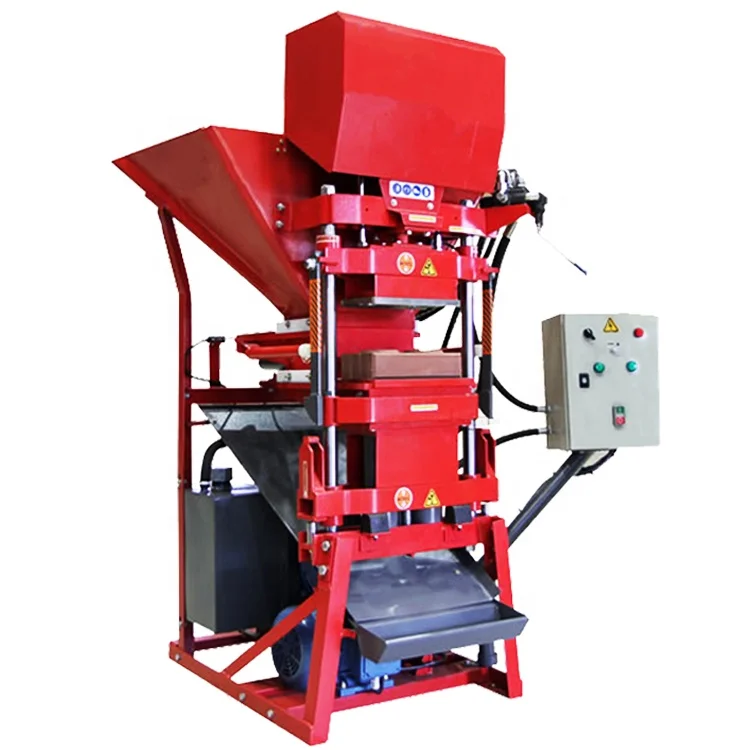
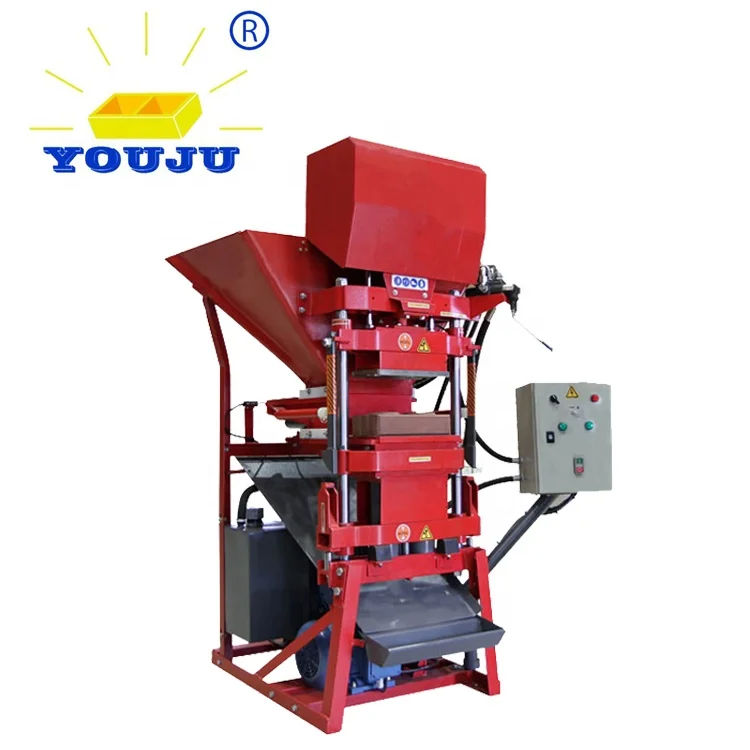
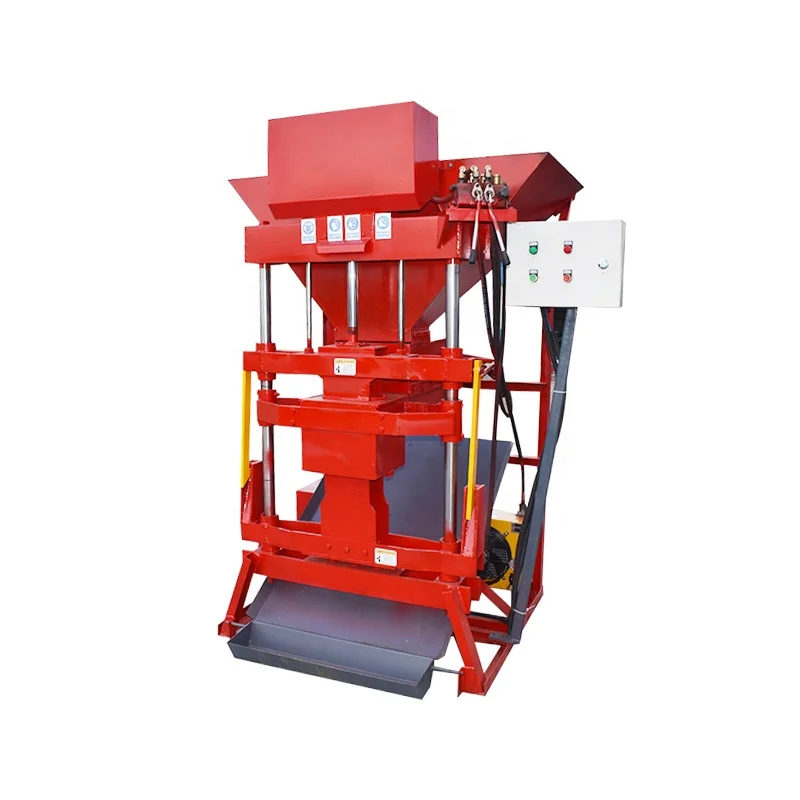
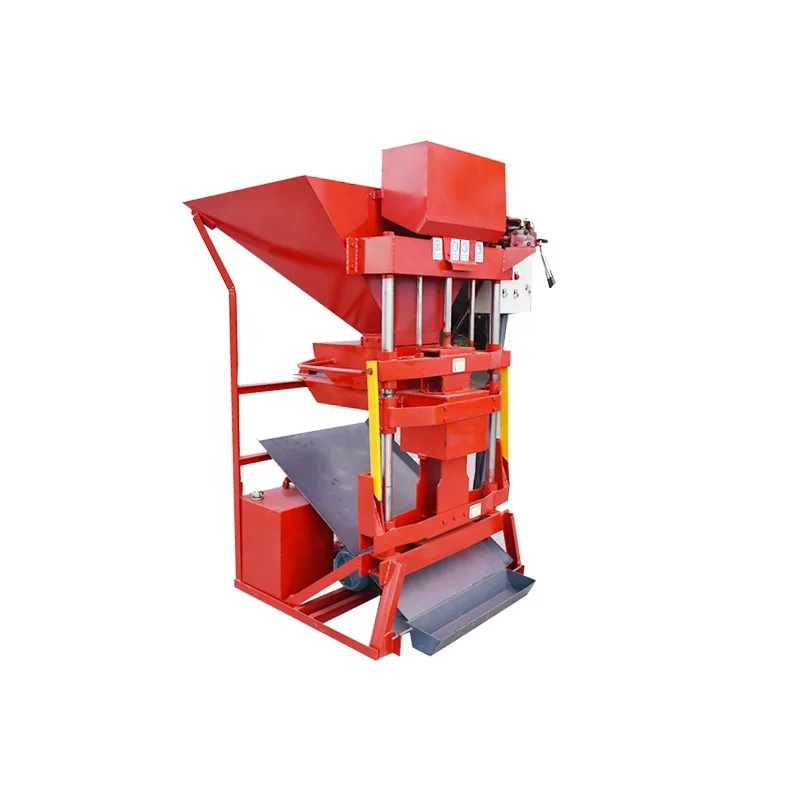
Description
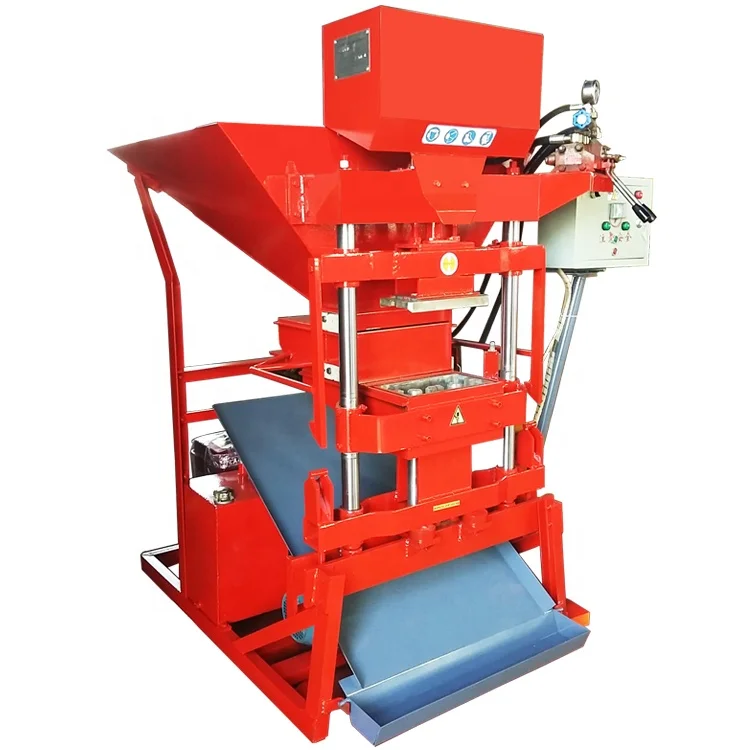
Fast dispatch from stock — every ECO 2700 unit on our Linyi floor is inspected, voltage-verified, and ready for container loading within days, not weeks.
Technical Specifications
| Parameter | Value |
|---|---|
| Model | ECO 2700 |
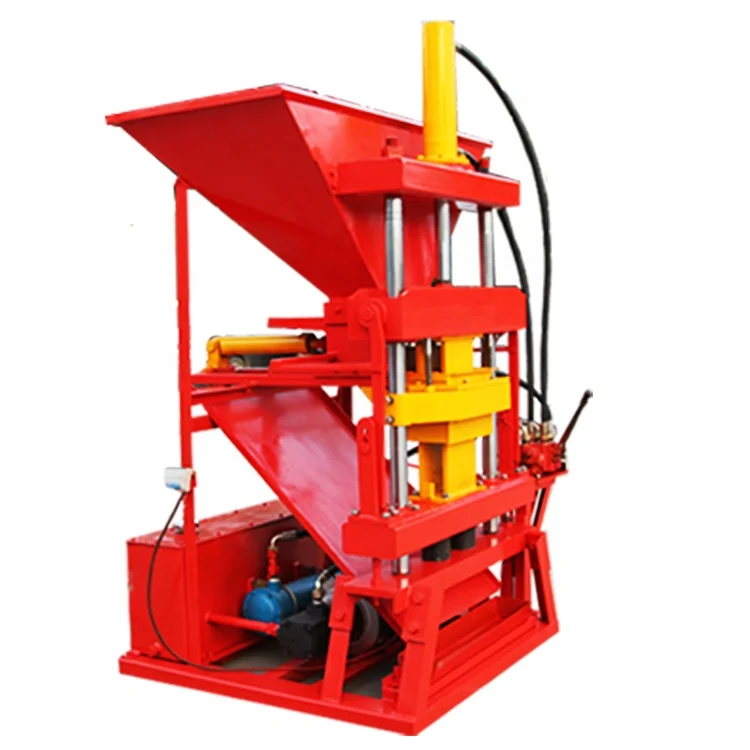
| Product Type | Clay Block Making Machine |
| Overall Dimensions (L×W×H) | 1000 × 1000 × 1800 mm |
| Shaping Cycle | 15–20 seconds (basis not stated — confirm block format and material) |
| Rated Power | 5.5 kW |
| Hydraulic Pressure | 16 MPa |
| Total Weight | 1000 kg |
| Voltage & Frequency | 380V, 3-phase, 50Hz (customizable to local supply before dispatch) |
| Automation Level | Manual forming, no external power required for shaping stroke |
| Stacking Method | Manual |
| Warranty | 1 year |
| Certification | CE |
Application Suitability
| Application | Material or Output |
|---|---|
| Small-scale clay brick production for local housing | Locally sourced clay mixed with sand or aggregate |
| On-site block forming for rural construction projects | Clay and crusher dust blends, low-cement mixes |
| Startup block plants testing market demand | Standard clay brick formats with manual pallet handling |
| Building material distributors stocking compact machines | Small-format solid bricks and lightweight clay blocks |
Why the Voltage Question Must Come Before the Crate Goes Shut
A machine that cannot start on arrival is a machine that does not exist for your project deadline.
I once watched a shipment of small forming machines sit on a West African dock for three extra weeks because the motors were wound for 380V 50Hz while the site ran on 440V 60Hz. The contractor had a crew of thirty standing idle, and a replacement transformer had to be air-freighted in at considerable cost. Since that afternoon, every ECO 2700 clay block making machine in stock gets its voltage tag, frequency plate, and control cabinet label checked against the buyer’s written confirmation before the crate lid goes on. It is a small step that prevents a large problem [NEED_CITE: voltage and frequency standards by export market].
What "In Stock" Actually Means for Your Timeline
When we list an ECO 2700 clay block making machine in stock, the unit is assembled, hydraulically tested, and sitting on our Linyi warehouse floor — not halfway through a production schedule. Buyers working against a project mobilisation date can receive packing photographs and a container loading plan within days of order confirmation. The compact footprint of the ECO 2700 means it fits into a standard 20-foot container alongside moulds and spare wear parts, keeping freight costs predictable.
Container Loading and Dismantling for Shipment
The 1000 × 1000 × 1800 mm frame is designed to pass through standard container doors without partial dismantling. Hydraulic hoses are capped, the press column is wrapped, and the motor is isolated before loading. A typical 20-foot container holds the ECO 2700 plus a pallet of standard moulds and a crate of fast-moving wear parts. We photograph every stage so you can see exactly how your machine was secured before the container doors close [NEED_CITE: standard container loading practices for heavy machinery].
Reading the Numbers That Matter
The 5.5 kW rated power keeps the ECO 2700 within the supply capacity of most small-site generators, meaning you do not need a dedicated transformer just to run the press. At 16 MPa hydraulic pressure, the forming cylinder delivers enough force to compact stiff clay mixes into high-density blocks, though the actual block strength still depends on your mix design and curing practice. The 15–20 second shaping cycle is quoted without a stated block format, so treat it as a mechanical baseline rather than a guaranteed output rate — the real cycle time depends on how fast your operators feed material and remove finished blocks. Total machine weight of 1000 kg means the ECO 2700 can be positioned with a standard site forklift rather than a mobile crane.
The Hidden Cost of Skipping the Pre-Shipment Checklist
Buyers who confirm a machine on price alone and leave voltage, control language, and mould format to "sort out later" routinely lose weeks at commissioning. A motor wound for the wrong frequency will overheat and trip its thermal relay within minutes of start-up, and rewinding on-site is neither fast nor cheap. Moulds ordered after the machine ships arrive in a separate consignment, which means the press sits idle while you wait [NEED_CITE: common commissioning delays in exported machinery]. Getting these details right before the ECO 2700 leaves Linyi is the difference between producing blocks on day one and producing excuses for a month.
Why Buyers Source This Machine From Our Floor
Block machinery is our single focus, so the ECO 2700 is specified as a matched system — machine, mould, and pallet — rather than assembled from unrelated suppliers. Configuration is set against your actual clay source and target block format, not a catalogue default. Standard moulds for common brick formats are held in stock alongside the machine, so both ship in the same container. We confirm voltage, frequency, and any control label language in writing before production or dispatch. Installation guidance covers first start-up, hydraulic pressure setting, and mould alignment so your crew is forming blocks the same week the container is unpacked.
Documentation & Verification
- Factory test record showing hydraulic pressure and cycle function before crating
- Voltage and frequency confirmation sheet signed against your site supply data
- Mould drawing and format list matching the moulds included in your shipment
- Packing photographs documenting machine condition at container loading
- Customs documentation support including HS code and certificate of origin
Installation, Commissioning & Support
- 1000 × 1000 mm footprint requires a level concrete pad, no special foundation
- 5.5 kW motor draws within standard 3-phase site supply, confirm amperage locally
- Machine ships fully assembled; position with a 2-tonne capacity forklift
- First-run hydraulic pressure set to 16 MPa, then adjusted to your clay mix
- Mould alignment and changeover demonstrated during remote or on-site commissioning
- Wear parts list with part numbers provided for local reorder
Before You Request a Quote
Tell us the block format your market actually sells, the clay or aggregate source you plan to use, and the voltage and frequency at your site. If you are working to a project mobilisation date, share that deadline so we can confirm whether a stocked ECO 2700 clay block making machine can meet it.
Frequently Asked Questions
Q: Is the ECO 2700 currently in stock and what is the dispatch lead time?
A: Stock status changes as orders ship, so we confirm availability at the time of inquiry. When a unit is on the floor, typical dispatch from Linyi takes several working days for inspection, packing, and container booking. We provide a written arrival estimate based on the destination port before you commit.
Q: Which standard moulds are available from stock for immediate shipment?
A: We hold moulds for common solid clay brick formats alongside the ECO 2700. Custom moulds are manufactured to your drawings and require additional lead time. Confirm your target block dimensions early so we can match available stock or schedule production before your machine ships.
Q: How is the machine dismantled and loaded for container shipment?
A: The ECO 2700 ships fully assembled thanks to its compact 1000 × 1000 × 1800 mm frame. Hydraulic lines are capped and the motor isolated. A standard 20-foot container accommodates the machine plus spare moulds and wear parts. We photograph every loading stage for your records.
Q: Can motor voltage be customized to my local supply before dispatch?
A: Yes. We confirm your site voltage, phase, and frequency in writing and configure the motor and control cabinet accordingly before the machine leaves our floor. This step is mandatory on every ECO 2700 we ship — no unit is crated without a signed voltage confirmation.
Q: What arrival estimate can I expect once the machine ships from Linyi?
A: Sea freight transit times depend on the destination port and current sailing schedules. We quote a port-to-port estimate at the time of order confirmation so you can plan your site mobilisation. Inland transport from the arrival port to your site is arranged separately.