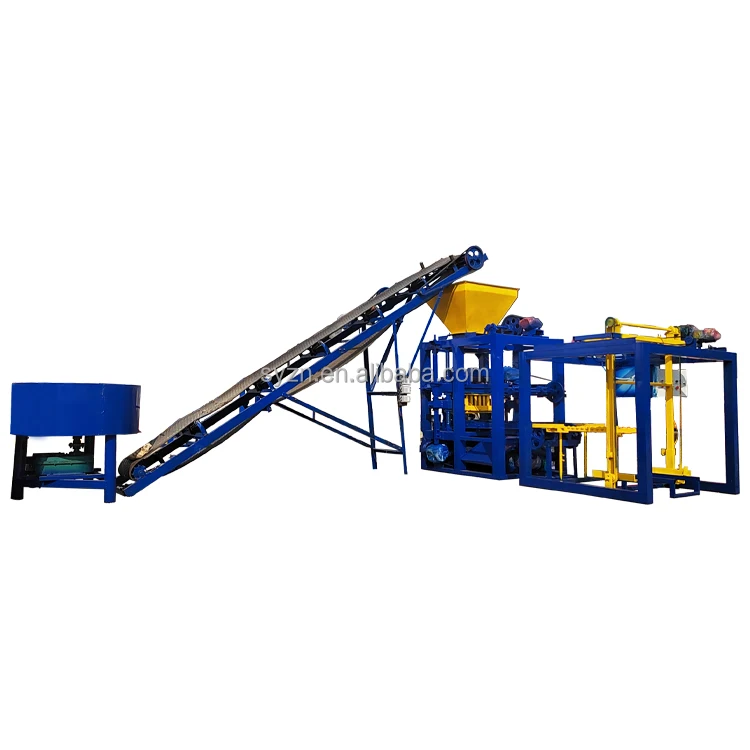
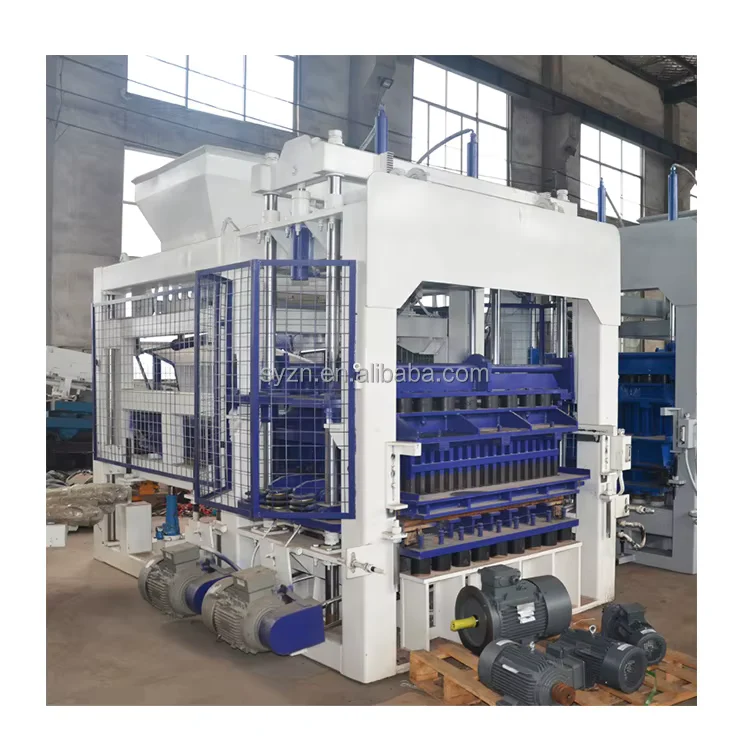
Description
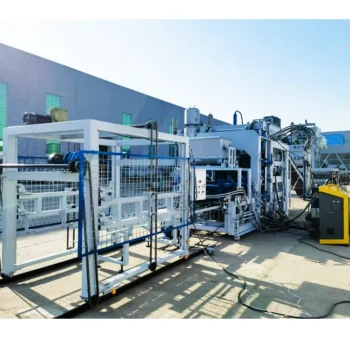
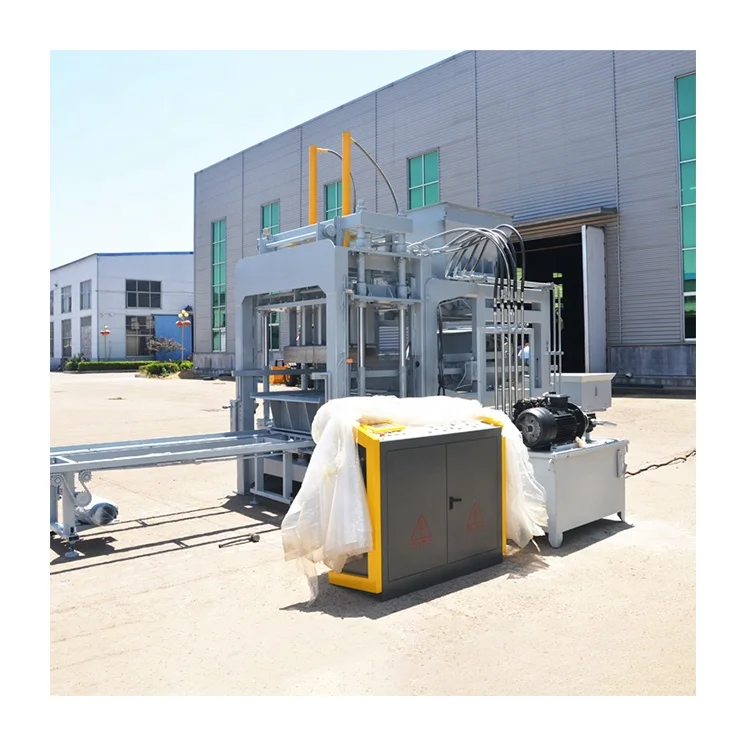
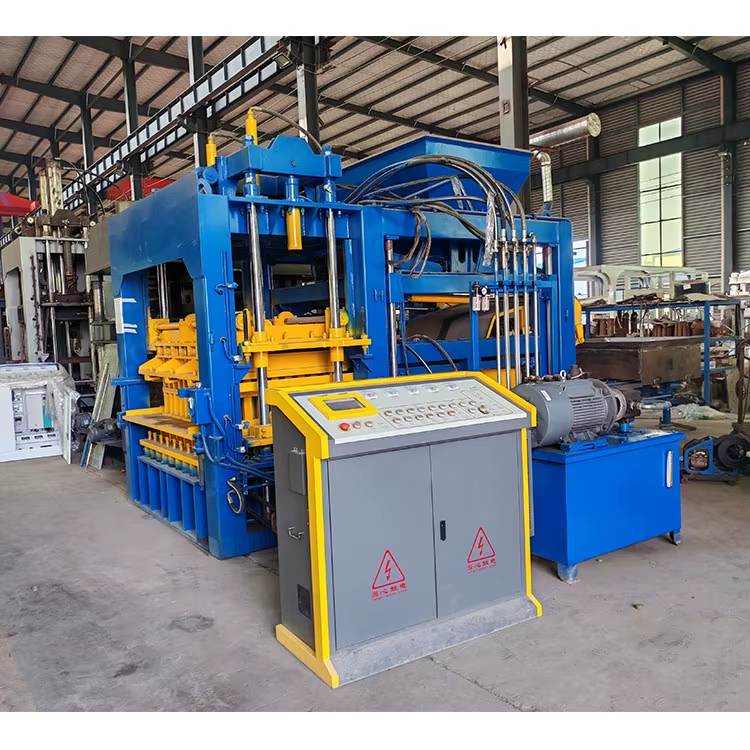
Standard Moulds Ready — standard block formats are pre-built and kept in our warehouse so your equipment shipment leaves without waiting for custom tooling fabrication.
Technical Specifications
| Parameter | Value |
|---|---|
| Model | QT12-15 |
| Product Type | Automatic Hollow Block Making Machine |
| Brick Raw Material | Clay, Fly Ash, Cement, Sand, Concrete |
| Pressing Method | Hydraulic pressure |
| Voltage Options | 380V/220V |
| Overall Dimensions (L×W×H) | 940030602980mm |
| Net Weight | 12000 kg |
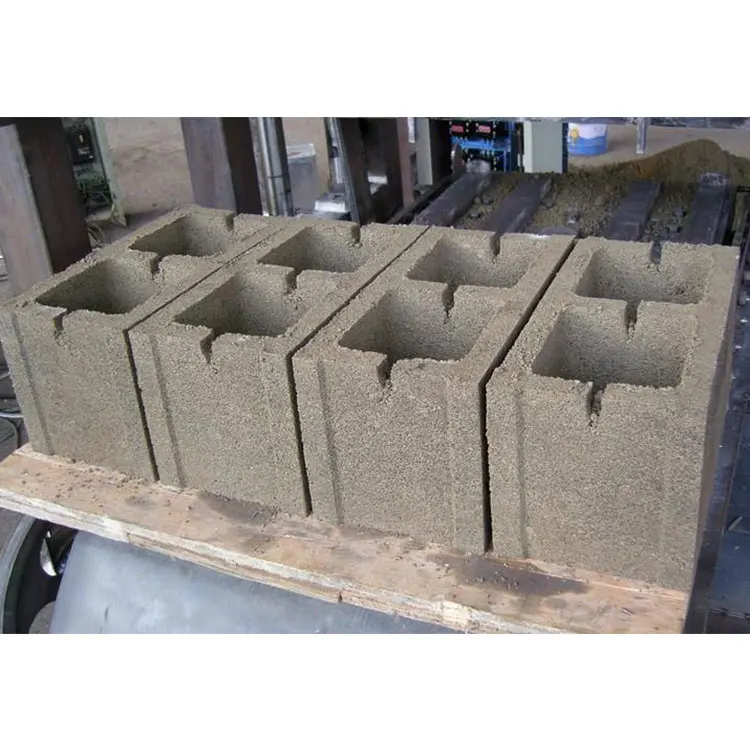
| Standard Brick Sizes | 400100200 mm, 400120200 mm, 400200200 mm |
| Core Components | PLC, Engine, Gear, Pump |
| Molding Cycle | 15-20S |
| Pallet Size | 1300*900mm |
| Vibration Force | 100KN |
| Pieces per Mould | 12pcs/mould (basis to be confirmed) |
| Output Capacity | (basis to be confirmed) |
Application Suitability
| Application | Material or Output |
|---|---|
| Load-bearing wall construction | Hollow blocks from crushed stone and cement |
| Pedestrian walkways and plazas | Paving blocks from fly ash and sand |
| Landscaping and retaining walls | Interlock blocks from concrete aggregates |
| Roadside infrastructure | Kerbstones from heavy concrete mixes |
Why "In Stock" Must Mean More Than Just the Main Press
A true fast delivery hollow block machine includes the matched pallets and standard moulds sitting on the loading dock, not just the bare press.
Project deadlines rarely wait for manufacturing schedules to align. When a contractor needs to start local block production immediately, waiting weeks for custom tooling or pallet fabrication defeats the purpose of buying readily available equipment. I have seen sites idle because the main press arrived but the specific moulds were still in production [NEED_CITE: typical manufacturing delays for custom block moulds]. Securing a QT12-15 block machine in stock ensures the entire core forming assembly is ready for container loading the moment the order is confirmed.
Dispatch Timelines and Warehouse Readiness
Finding a QT12-15 block machine in stock is only the first step in meeting a tight project schedule. The real advantage lies in how quickly the equipment transitions from the warehouse floor to the shipping container. Standard moulds for common formats like 400200200mm hollow blocks are kept alongside the main presses, eliminating the secondary waiting period for tooling completion. This parallel availability allows the dispatch team to consolidate the entire core production setup into a single shipment, keeping your construction timeline intact.
Container Loading and Machine Dismantling
Moving a 12000 kg press with overall dimensions of 940030602980mm requires precise dismantling procedures to fit standard shipping containers. The host frame, hydraulic station, and PLC control cabinets are separated and secured to prevent transit damage while maximizing cubic space. Proper blocking and bracing inside the container ensure that when the fast delivery hollow block machine arrives at the destination port, the structural integrity remains uncompromised. This careful loading strategy directly translates to faster unloading and reassembly on your site [NEED_CITE: international freight standards for heavy industrial machinery].
Matching Pallets and Curing Area Constraints
The 1300*900mm pallet size dictates how the freshly pressed blocks move into the curing zone. If these pallets do not match the racking systems or forklifts already operating at your facility, the entire material flow bottlenecks. Verifying this dimension before dispatch ensures that the equipment integrates smoothly into your existing yard layout. Furthermore, confirming the 380V/220V voltage configuration against your local grid prevents costly transformer rentals or electrical rewiring upon arrival [NEED_CITE: regional voltage and frequency standards for industrial plants].
The Hidden Costs of Overlooking Site Clearances
Failing to verify site dimensions before dispatch can derail a project completely. Years ago, while fulfilling an order in Southeast Asia, I shipped a fully automatic block production line without double-checking the facility’s roof clearance. The main press arrived, but the local crane could not maneuver under the low eaves to position it. The contractor had to dismantle a section of the workshop roof just to get the equipment inside. Now, I demand detailed site drawings and crane access plans before any machinery leaves the yard, ensuring the physical delivery matches the logistical promise.
Why Source Your Equipment Through This Channel
Our focus remains strictly on block machinery, meaning the press, moulds, and pallets are specified as a matched system rather than assembled from disconnected suppliers. We maintain an inventory of standard models and tooling specifically to serve buyers facing strict project deadlines. Dispatch lead times and container loading plans are mapped out before the proforma invoice is signed. We provide upfront arrival estimates based on current shipping routes, removing the guesswork from your project planning. Every shipment includes comprehensive customs documentation to ensure smooth port clearance.
Documentation & Verification
- Factory test record verifying the 15-20S molding cycle before the press leaves our facility.
- Detailed container loading plan showing the dismantling sequence for the 9400mm host frame.
- Upfront arrival estimate calculated from current maritime schedules to your specific discharge port.
- Complete customs documentation package including certificates of origin for fast border clearance.
- Electrical schematic confirming the 380V/220V configuration matches your local site requirements.
Installation, Commissioning & Support
- Foundation blueprints detailing the load-bearing requirements for the 12000 kg main press.
- Electrical routing guides for connecting the PLC and hydraulic pump to your dedicated power circuit.
- Step-by-step reassembly instructions for joining the separated host frame and vibration table.
- On-site parameter setting for the 100KN vibration force to suit your specific concrete aggregate.
- Operator training focused on the 15-20S molding cycle and safe pallet handling procedures.
- Wear parts list identifying the high-friction components within the hydraulic and gear systems.
Preparing Your Site for Immediate Integration
To ensure the equipment arrives and operates without delay, please provide your target block formats and required daily output volumes. We also need detailed site drawings, including workshop height and crane access routes, to plan the unloading sequence. Finally, confirm your local voltage and frequency standards so the electrical cabinets are wired correctly before dispatch.
Frequently Asked Questions
Q: What is the current dispatch lead time for the QT12-15 block machine in stock?
A: Because the main press and standard moulds are pre-built and held in our warehouse, the dispatch lead time is reduced to the days required for final inspection, container booking, and loading. We provide an exact timeline upon order confirmation, ensuring your project schedule remains predictable without waiting for a ground-up manufacturing cycle.
Q: How is the machinery dismantled for container loading?
A: The 940030602980mm host frame is separated from the hydraulic station, pallet feeder, and PLC cabinets. Each component is securely blocked and braced inside standard shipping containers to maximize space and prevent transit damage. This systematic dismantling allows for rapid unloading and straightforward reassembly once the equipment reaches your facility.
Q: Can you provide an upfront arrival estimate to my specific port?
A: Yes, we calculate upfront arrival estimates based on current maritime shipping schedules and the specific discharge port you designate. By combining our fast warehouse dispatch with reliable freight forwarding, we give you a clear timeline for when the fast delivery hollow block machine will clear customs and arrive at your project site.
Q: Are standard moulds for 400200200mm blocks included in the stock shipment?
A: Standard moulds for common formats, including the 400200200mm hollow block, are kept in stock alongside the main presses. This means the tooling is loaded into the same container as the machinery, eliminating the secondary delays typically associated with custom mould fabrication and ensuring you can start production immediately upon installation.