


Description
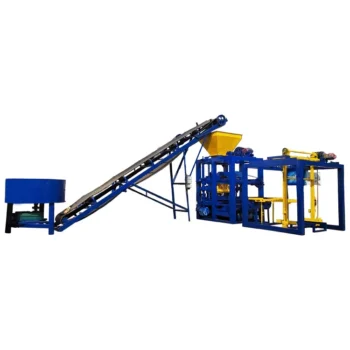
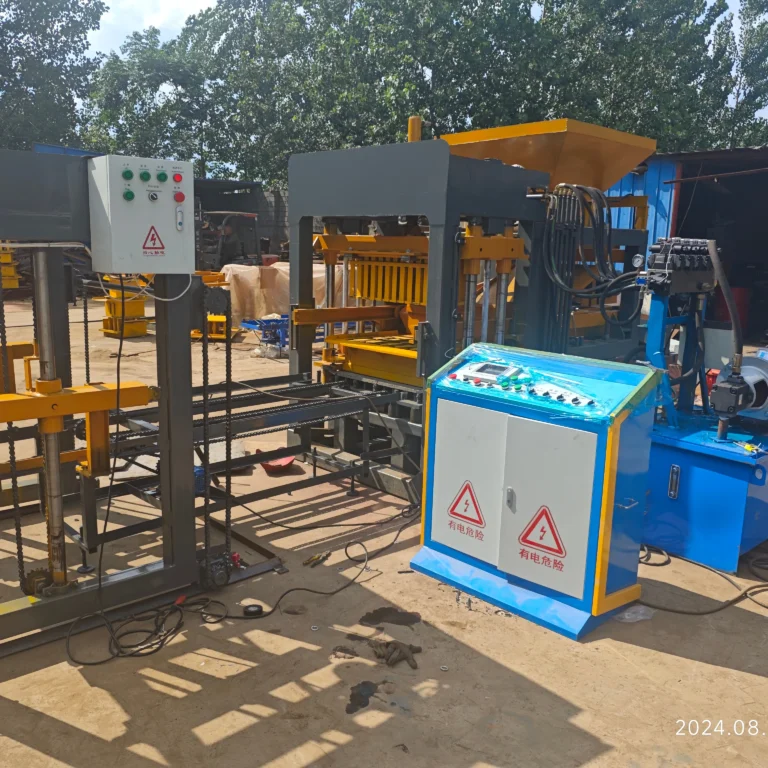
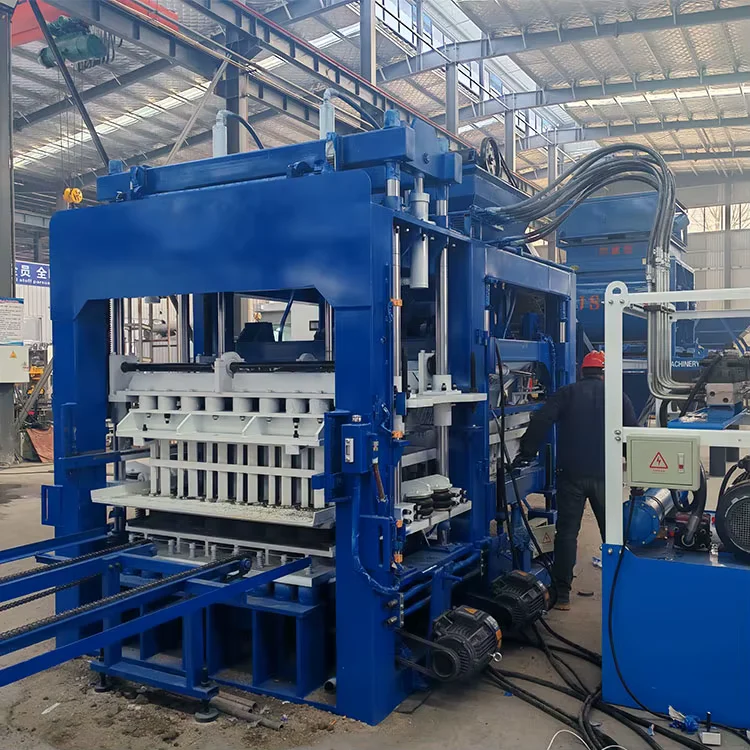
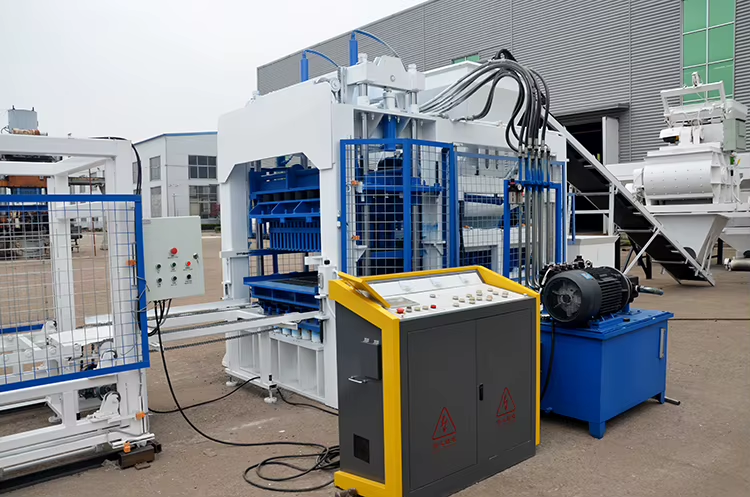
Dispatch Readiness — the QT 12-15 is staged for container loading with dismantling plans mapped to your project deadline.
Technical Specifications
| Parameter | Value |
|---|---|
| Model | QT 12-15 |
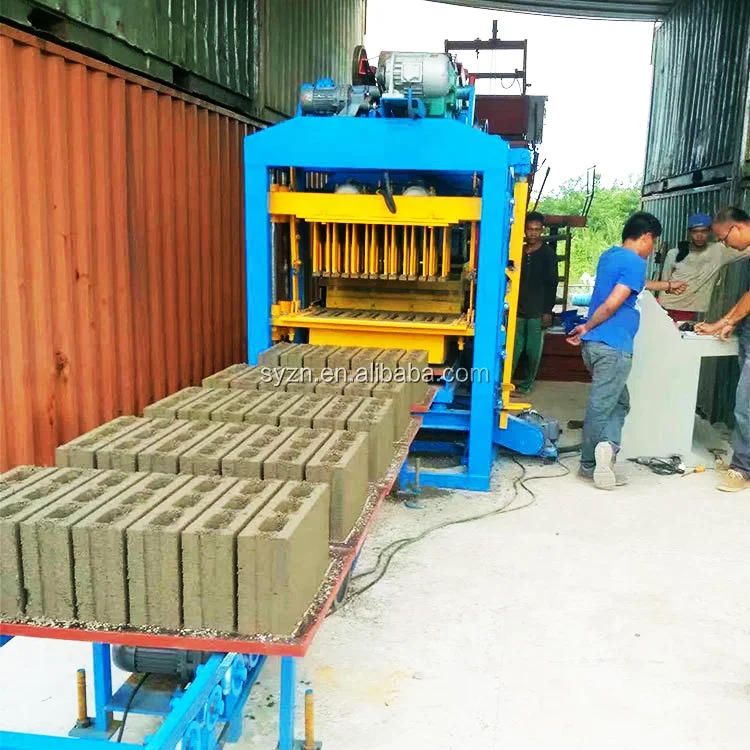
| Product Type | Fully Automatic Concrete Block Making Machine |
| Overall Dimensions (L×W×H) | 935025202950mm |
| Net Weight | 12000 kg |
| Molding Cycle | 15s |
| Pallet Size | 1350*850mm |
| Method | Hydraulic pressure |
| Rated Pressure | 21Mpa |
| Main Vibration Form | Platform vibration |
| Brick Size | 400100200 mm, 400120200 mm, 20010060 mm, 400150200 mm, 24011590 mm, 20020060 mm, 400200200 mm, 230220115 mm, Other |
| Production Capacity | 5760 pcs/8h, 3200 pcs/8h, 22400-112000 pcs/8h (basis to be confirmed) |
| Voltage | Local Voltage (verify against manufacturer catalog) |
| Key Features | PLC Control System, 4-5 Workers Required, 2 Years Warranty |
Application Suitability
| Application | Material or Output |
|---|---|
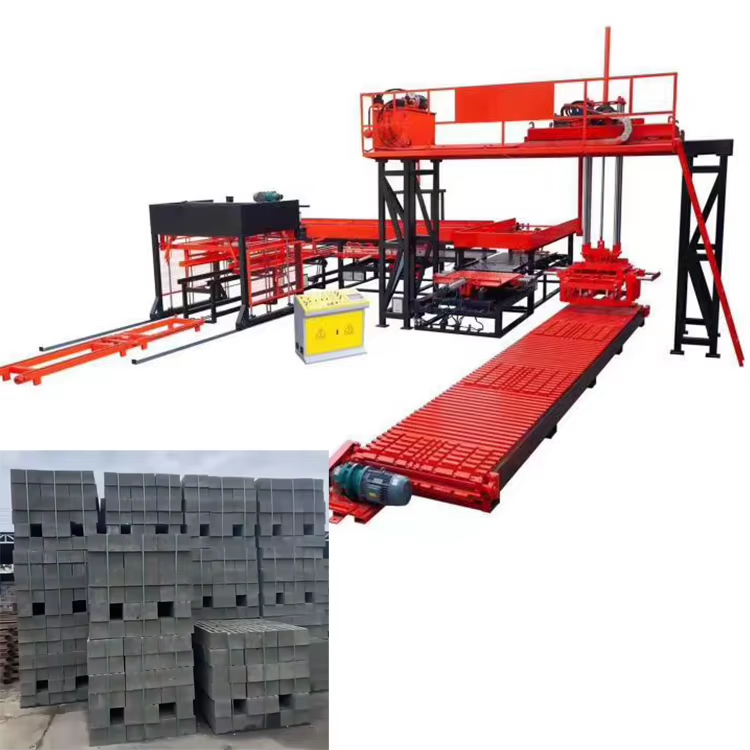
| Large-scale construction works | Standard concrete masonry units |
| Manufacturing plant expansion | Paving blocks and kerbstones |
| Building material production | Porous bricks and interlocking formats |
Why "Ready to Ship" Matters More Than Quoted Output
A fast delivery concrete block machine only accelerates your timeline if the supporting logistics are fully resolved before it leaves the factory floor.
When a project deadline is looming, waiting for custom fabrication or delayed component sourcing can stall an entire construction schedule. I have seen fully automatic lines arrive at the port weeks late because a single hydraulic valve was backordered, leaving contractors paying idle crews. Securing a QT 12-15 block machine in stock eliminates the manufacturing wait, but the real challenge lies in the dispatch coordination. Getting a 12,000 kg press dismantled, loaded, and cleared for export requires precise staging so the equipment actually meets your arrival estimate [NEED_CITE: typical maritime freight transit and customs clearance timelines].
Container Loading and Dismantling Strategy
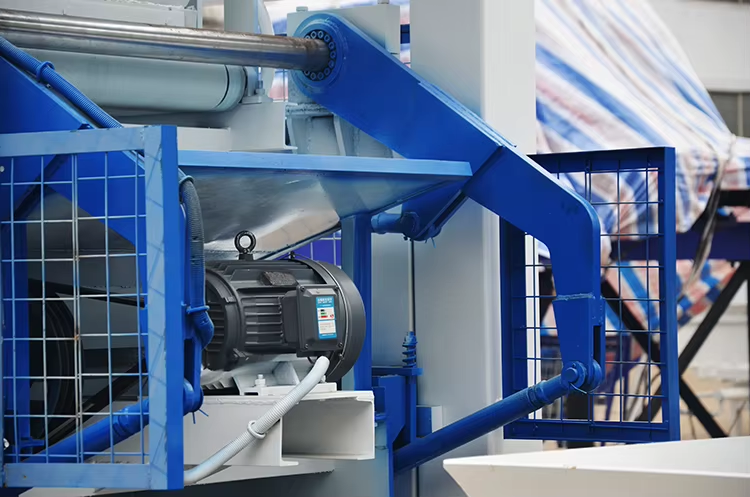
Moving a 935025202950mm mainframe requires calculated dismantling to maximize container space and protect critical components during ocean transit. When we prepare a fast delivery concrete block machine for dispatch, the hydraulic manifolds and PLC cabinets are detached and crated separately to prevent vibration damage. This pre-planned breakdown ensures the machine fits standard shipping dimensions without forcing you to pay for oversized flat-rack containers, keeping the logistics simple and the arrival date predictable.
Aligning Pallet Inventory with Dispatch Timing
The 1350*850mm pallet size dictates not just the press footprint, but the volume of curing racks and handling equipment that must ship alongside it. If the pallets are delayed, the main press sits idle upon arrival. We synchronize the pallet bundle dispatch with the mainframe loading schedule. This prevents the common scenario where the press is installed but cannot run a single 15s molding cycle because the curing racks are still stuck in a secondary shipment [NEED_CITE: supply chain synchronization for heavy industrial equipment].
Interpreting the Physical Footprint and Cycle Data
The 21Mpa rated pressure and platform vibration form the physical core of the press, requiring a reinforced concrete foundation that must be poured before the machine arrives. The 15s molding cycle indicates the speed at which the press operates, but this speed is entirely dependent on the upstream batcher and downstream stacker keeping pace. The 12,000 kg net weight means your site must have heavy-lifting capabilities ready on day one. Understanding these physical realities ensures that when the fast delivery concrete block machine clears customs, your facility is actually prepared to receive and anchor it.
The Hidden Costs of Uncoordinated Arrivals
Dispatching a heavy press without confirming the destination port’s unloading capacity or the site’s foundation curing time leads to expensive demurrage charges. If the voltage configuration is not verified against the local grid before the container is sealed, the machine cannot be commissioned upon arrival. I have watched contractors pay daily storage fees at the port because the electrical panels required rewiring to match local frequency standards, turning a rapid dispatch into a logistical bottleneck [NEED_CITE: port demurrage and detention fee structures].
Why Source This Dispatch From Our Facility
We treat the QT 12-15 as a complete logistical package, not just a standalone press. Our dispatch team maps the exact dismantling sequence to match your container loading plan, ensuring no critical component is left behind. We provide upfront arrival estimates based on actual vessel schedules, not theoretical factory lead times. Every standard mould and pallet bundle is cross-referenced with the mainframe dispatch to guarantee the entire line arrives in a single shipment. We verify the physical loading dimensions against your specific container type to prevent last-minute freight surcharges.
Documentation & Verification
- Factory test record confirming 15s cycle execution before dismantling
- Dismantling and container loading plan specific to the 9350mm mainframe
- Photographic evidence of hydraulic manifold crating and securing
- Verified packing list matching the 1350*850mm pallet bundle count
- Dispatch schedule aligned with your target port arrival estimate
Installation, Commissioning & Support
- Foundation blueprints detailing load distribution for the 12,000 kg net weight
- Electrical schematics for verifying local voltage against the PLC cabinet
- Step-by-step reassembly guide for the detached hydraulic pressure manifolds
- Commissioning checklist to validate the 15s molding cycle on-site
- Spare parts list focusing on high-wear vibration platform components
Preparing Your Site for Immediate Commissioning
To ensure the equipment is operational the moment it clears customs, please provide your destination port’s unloading specifications and the exact local voltage and frequency standards. We also need to know if your site already possesses the necessary forklifts to handle the 1350*850mm pallets, or if we need to include handling equipment in the current container load. Confirming these physical and electrical parameters allows us to finalize the dispatch configuration without delaying the vessel booking.
Frequently Asked Questions
Q: What standard configurations of the QT 12-15 block machine in stock are available for immediate dispatch?
A: The readily available inventory typically includes the main press configured with the standard 1350850mm pallet system and the PLC control cabinet. Standard moulds for common formats like 400200*200mm hollow blocks are usually staged alongside the mainframe. We confirm the exact mould inventory and hydraulic manifold status at the time of your inquiry to ensure everything loads into the same container.
Q: How is the complete delivery timeline calculated from order confirmation to port arrival?
A: The timeline begins with the physical dismantling and crating of the 12,000 kg mainframe, followed by inland transport to the loading port. We then factor in the specific maritime transit duration to your destination port and standard customs clearance windows. We provide this complete schedule upfront, relying on actual vessel booking availability rather than theoretical manufacturing lead times, ensuring you have a reliable date for site preparation.
Q: How is the machine dismantled to optimize container loading and reduce freight costs?
A: The 935025202950mm mainframe is too large for standard containers, so we systematically detach the hydraulic stations, PLC cabinets, and vibration platforms. These components are securely crated and loaded into standard high-cube containers alongside the pallet bundles. This dismantling strategy avoids the need for expensive flat-rack or breakbulk shipping, keeping your logistics costs predictable while protecting sensitive electrical and hydraulic parts.
Q: Can the electrical and control systems be adjusted to local standards before the machine ships?
A: Yes, verifying the destination voltage and frequency is a mandatory step before we seal the containers. The PLC display language and electrical panel wiring are configured at our facility based on your site specifications. This pre-dispatch adjustment prevents the machine from sitting idle on your foundation while local electricians attempt to rewire or reprogram the system after arrival.