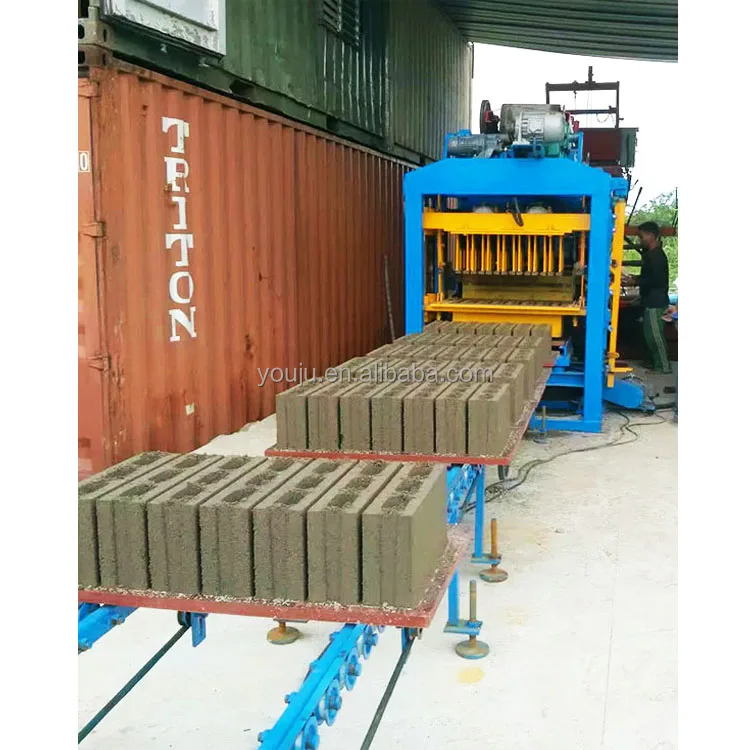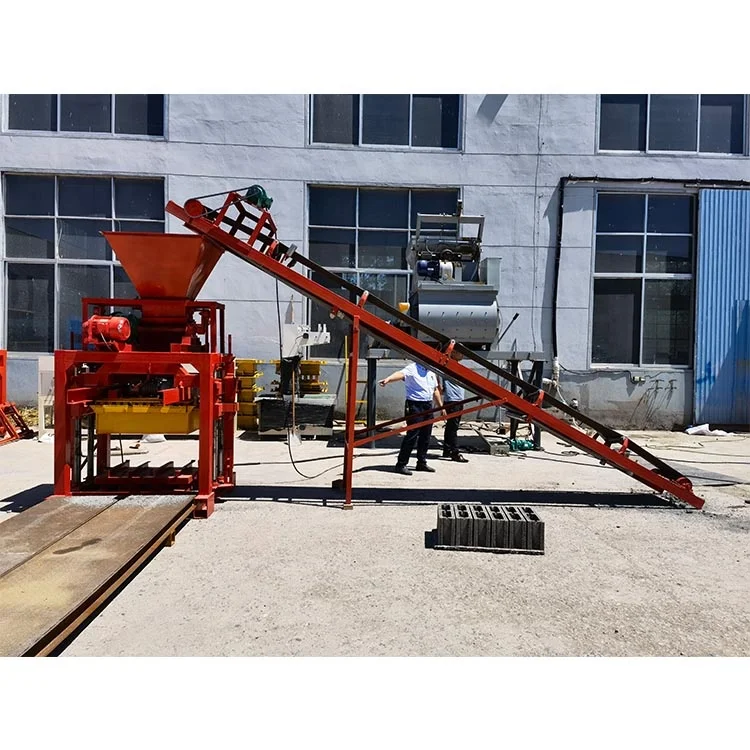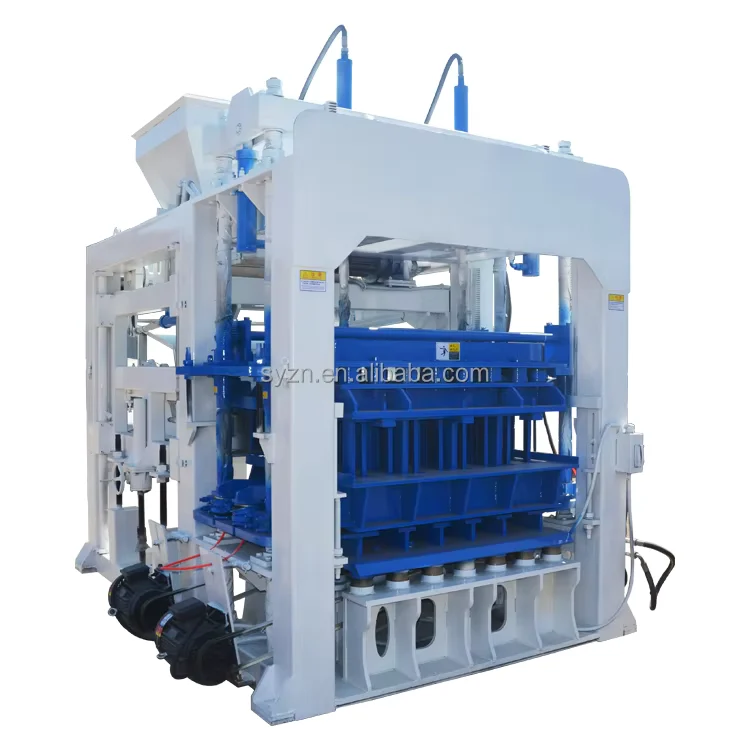

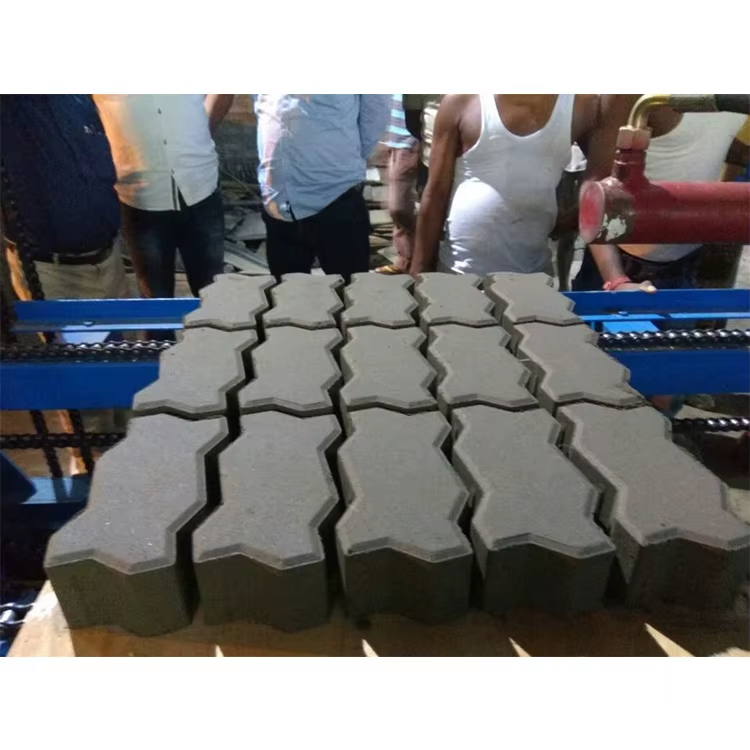
Description
Container-Ready Dispatch — The QT12-15 is dismantled and measured for exact loading plans before it ever reaches the port, ensuring your site crew is not left waiting for heavy lifting equipment that never arrives.
Technical Specifications
| Parameter | Value |
|---|---|
| Model | QT12-15 |
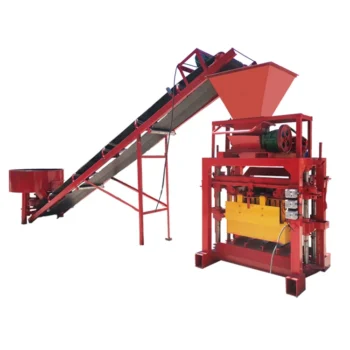
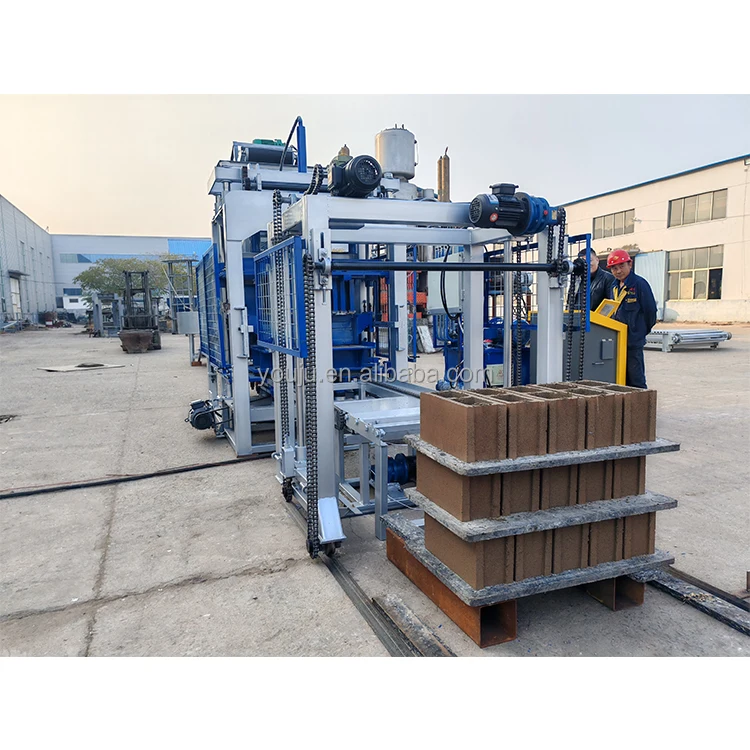
| Product Type | Stationary Automatic Block Making Machine |
| Overall Dimensions (L×W×H) | 935025202950mm (368.1199.21116.14in) |
| Net Weight | 12000 kg (26455.47lb) |
| Forming Method | Hydraulic pressure |
| Voltage | Configured according to local voltage |
| Core Components | PLC, Pressure Vessel, Engine, Gear, Motor, Pump, Bearing |
| Key Features | Fully automatic operation, machinery test report provided, video outgoing-inspection provided, color as requested |
Application Suitability
| Application | Material or Output |
|---|---|
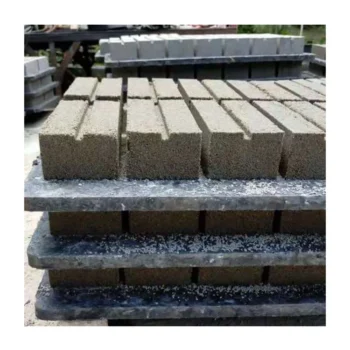
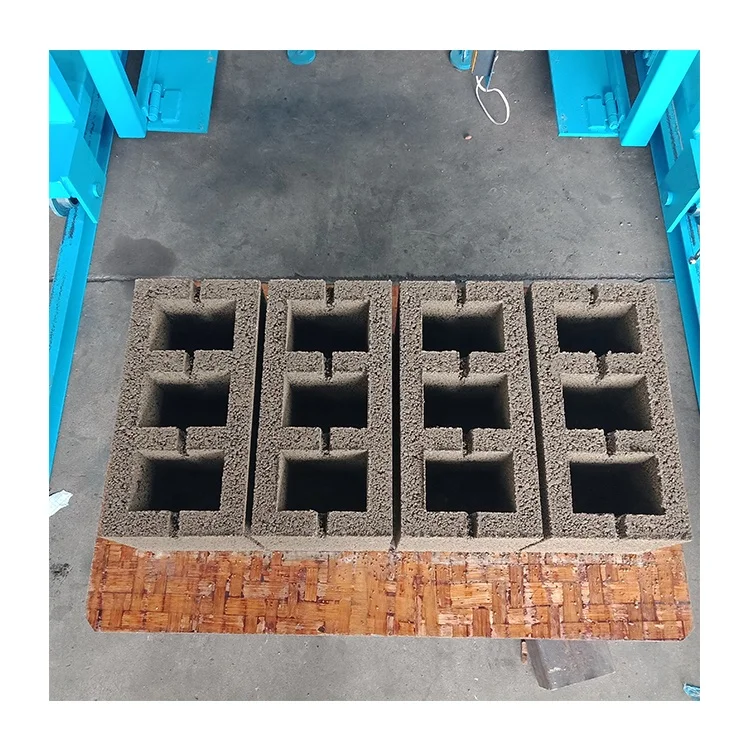
| Large-scale hollow block production | Clay, water, cement, concrete, fly ash |
| Paving and interlocking block manufacturing | Concrete and fly ash mixtures |
| Curbstone and AAC block forming | Specific cement and aggregate blends |
Why "Fast Dispatch" Means Nothing Without a Loading Plan
Securing a QT12-15 block making machine in stock is only the first step; the real challenge begins when the equipment reaches your destination port. A machine is only truly delivered when it can be safely unloaded and moved to your foundation. I have seen heavy stationary presses sit in containers for weeks because the buyer did not realize their local forklift could not handle the mainframe weight, or the dismantled sections were too long for the site access road. When we confirm dispatch, we are confirming that the physical dimensions of the QT12-15 have been mapped against your specific unloading conditions [NEED_CITE: heavy machinery port clearance and inland transport logistics]. This prevents the frustrating gap between a ship arriving and the machine actually starting production.
Mapping the 9350mm Frame to Standard Containers
The overall dimensions of 935025202950mm and the 12000 kg net weight dictate a strict dismantling and loading protocol. We do not simply push the QT12-15 into a shipping container; the mainframe, hydraulic station, and control cabin are separated based on pre-calculated weight distribution and volume limits. This ensures that every component of the QT12-15 block making machine in stock fits securely without exceeding road transport weight limits at your destination.
Securing Standard Moulds for Immediate Dispatch
Waiting for custom tooling is a primary cause of project delays. By keeping standard brick size moulds—such as the 400200200 mm and 390190190 mm formats—ready in our warehouse, we eliminate the manufacturing gap. When you order the QT12-15, the corresponding standard moulds are loaded into the same shipment. This guarantees that the fast delivery promise applies to the complete forming setup, not just the bare press [NEED_CITE: standard construction block dimensions and market availability].
Decoding the 12000 kg Net Weight for Site Logistics
The 12000 kg net weight of the QT12-15 is not just a shipping metric; it is the baseline for your site preparation and unloading strategy. The hydraulic pressure system and heavy-duty vibration components concentrate mass in the mainframe. Understanding this weight distribution allows your local rigging team to position cranes or heavy-duty forklifts correctly before the container doors even open. We provide detailed dismantling photographs and weight breakdowns for each packed section, ensuring your site manager knows exactly which piece requires the 15-ton lift and which can be moved with standard warehouse equipment.
The Hidden Costs of Ignoring Port Unloading Conditions
Overlooking the physical reality of your destination port can turn a quick deployment into a costly storage nightmare. If the dismantled sections of the QT12-15 are not matched to your local transport vehicle lengths, you will face secondary cutting or specialized hauling fees. Furthermore, if the local voltage configuration is not confirmed and hardwired before the machine leaves our facility, your electricians will spend days rewiring the PLC and motor connections instead of running test cycles [NEED_CITE: industrial voltage mismatch consequences at international ports]. These delays consume your project buffer and push back your first block production day.
Why Procurement Here Secures Your Timeline
We treat the shipping process as an extension of the manufacturing floor. Every QT12-15 is evaluated against your specific destination port capabilities, ensuring the dismantling plan matches your unloading reality. We confirm the local voltage and control language before the machine is crated, eliminating on-site electrical guesswork. Standard moulds for common brick sizes are kept ready, allowing us to consolidate the press and tooling into a single, coordinated shipment. Finally, we provide upfront arrival estimates and complete customs documentation support, ensuring your equipment clears the border without administrative hold-ups.
Documentation & Verification
- Factory test record confirming hydraulic pressure stability before dismantling
- Video outgoing-inspection showing the exact QT12-15 unit being loaded
- Dismantling photographs detailing container placement and securing points
- Complete customs documentation support for smooth destination border clearance
- Machinery test report validating core component performance prior to shipment
Installation, Commissioning & Support
- Foundation plans mapped to the 935025202950mm footprint and dynamic loads
- Electrical schematics confirming the pre-configured local voltage and dedicated circuits
- Step-by-step reassembly guide matching the provided dismantling photographs
- Initial PLC parameter setting and hydraulic pressure calibration upon reassembly
- Operator training focused on rapid mould changes for the supplied standard formats
- Detailed wear parts list for the hydraulic pump and vibration motor assemblies
Preparing Your Site for Immediate Deployment
To ensure the equipment arrives and operates without delay, please provide the exact dimensions and weight limits of your local unloading vehicles. We also need confirmation of your site’s electrical grid voltage and frequency to pre-configure the motor and PLC systems. Finally, specify your required standard brick sizes so we can allocate the correct moulds from our current inventory for immediate loading.
Frequently Asked Questions
Q: What is the exact dispatch lead time for the QT12-15?
A: Because the mainframe and standard moulds are kept ready, the primary lead time involves final voltage configuration, dismantling, and securing the load for your specific container type. Once your local electrical specs and destination port details are confirmed, we can provide a precise dispatch date and an upfront arrival estimate tailored to your shipping route.
Q: How is the machine dismantled and loaded into containers?
A: The 9350mm mainframe, hydraulic station, and control systems are separated based on strict weight and volume calculations. We provide detailed dismantling photographs and a loading plan showing exactly how each section is secured inside the container, ensuring safe transit and straightforward reassembly at your site.
Q: Can you provide an upfront arrival estimate to my port?
A: Yes. Once the dispatch date is locked and the booking is confirmed with the shipping line, we provide an estimated time of arrival. This allows your site team to schedule the necessary cranes, forklifts, and foundation crews well before the vessel docks.
Q: Are standard moulds for common brick sizes readily available?
A: We maintain an inventory of standard moulds for widely used formats, including 400200200 mm and 390190190 mm blocks. These are loaded alongside the main machine, ensuring you have the necessary tooling to begin production immediately upon commissioning.
Q: What customs documentation support is included?
A: We supply all necessary commercial invoices, packing lists, and machinery test reports required for border clearance. Our documentation team ensures the paperwork accurately reflects the dismantled components and their values, preventing administrative delays at your destination port.