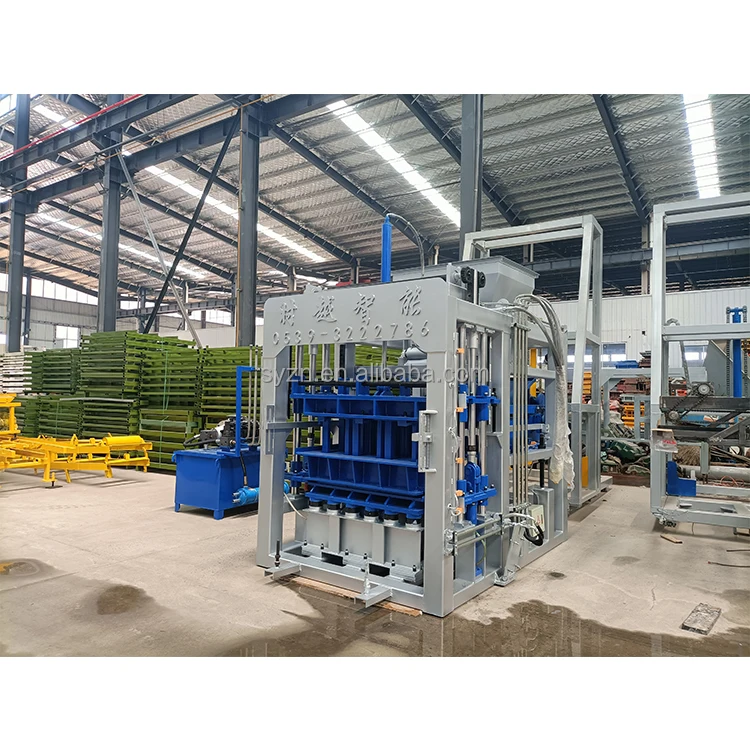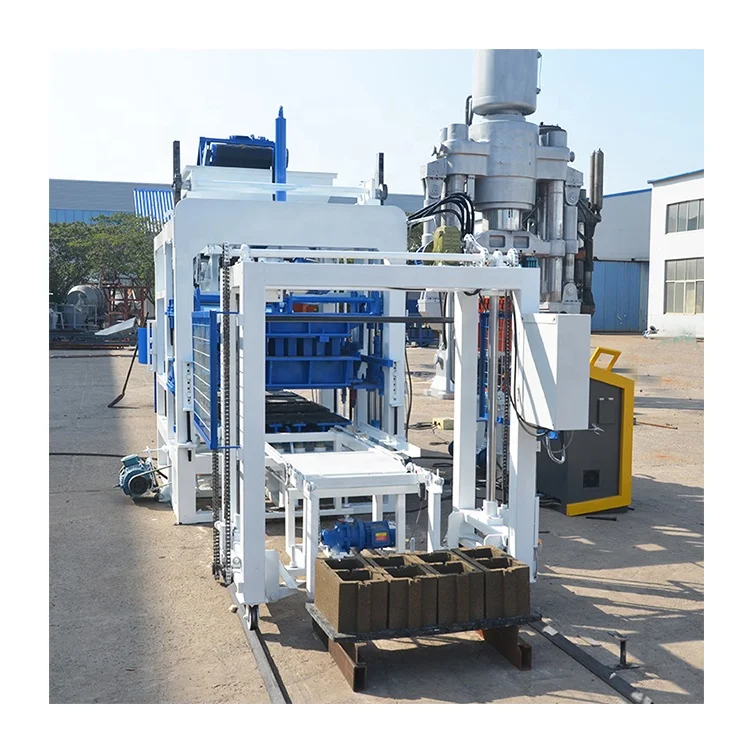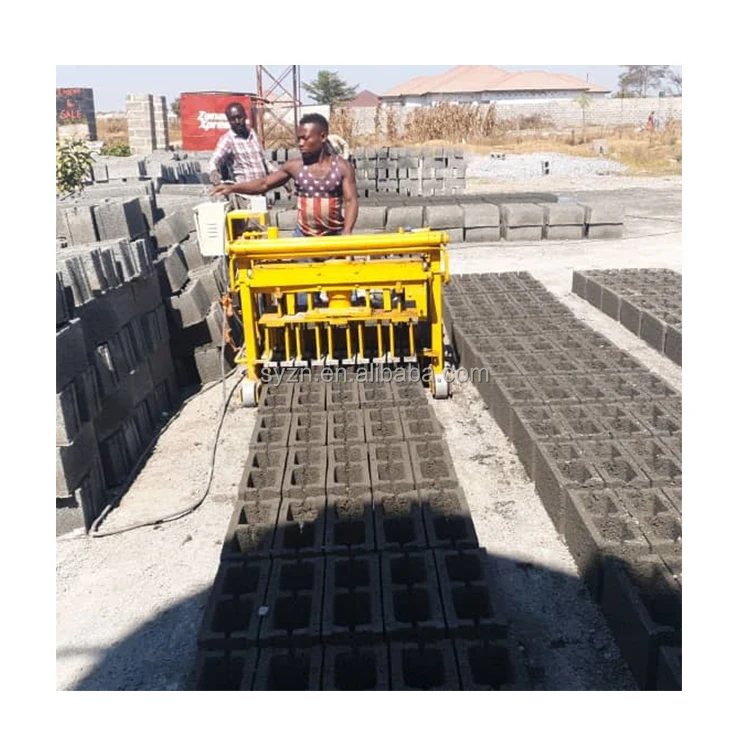


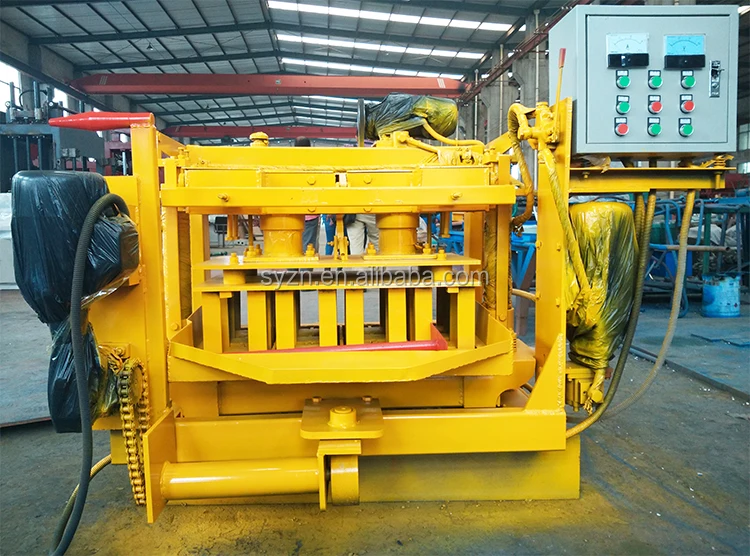
Description
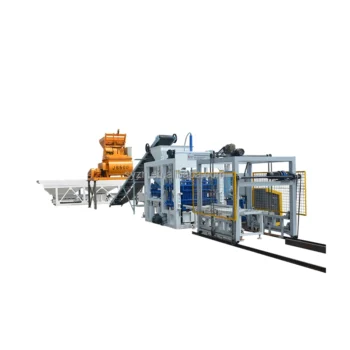
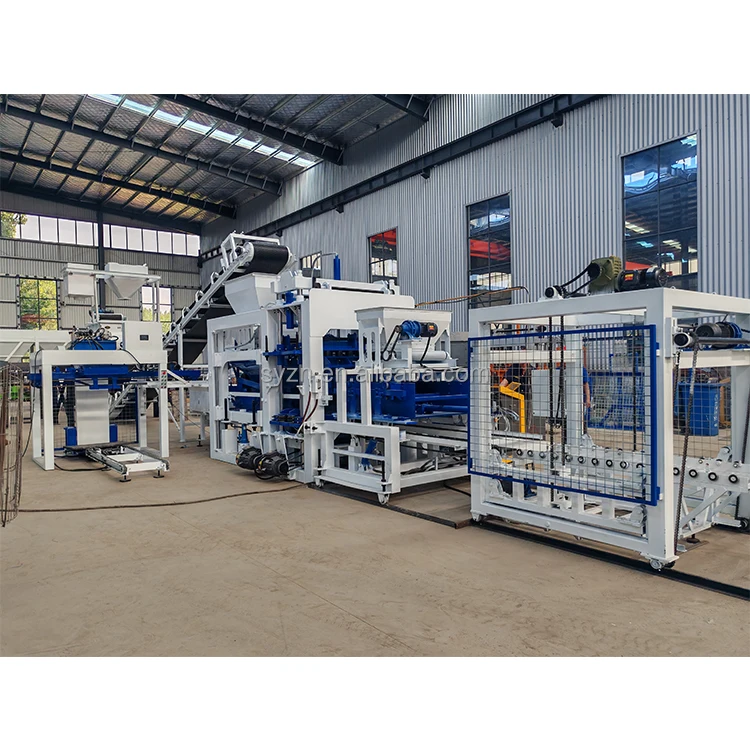
Compact On-Site Production — The QMY4-30 diesel mobile block machine arrives as a single, matched unit rather than a collection of mismatched components, letting contractors begin laying blocks the same week it clears customs.
Technical Specifications
| Parameter | Value |
|---|---|
| Model | QMY4-30 |
| Product Type | Diesel Engine Mobile Egg-Laying Block Making Machine |
| Power Source | Diesel Engine / Electric Motor (configurable) |
| Voltage | 220V / 380V |
| Total Power | 5.95 kW |
| Vibration Method | Mold Vibration |
| Exciting Force | 28.6 kN |
| Excitation Frequency | 4500 r/min |
| Molding Cycle | 30 s |
| Overall Dimensions (L×W×H) | 1300 × 1500 × 1000 mm |
| Net Weight | 950–1000 kg |
| Output Capacity | 3000 pcs/day (basis not stated in source — confirm block format, wall thickness and material mix) |
| Raw Materials | Concrete, sand, cement, fly ash, stone dust, construction waste, river sand |
| Control System | Manual lever operation with vibratory motor and oil pump motor |
| Mould Format | Customizable to buyer drawings |
Application Suitability
| Application | Material or Output |
|---|---|
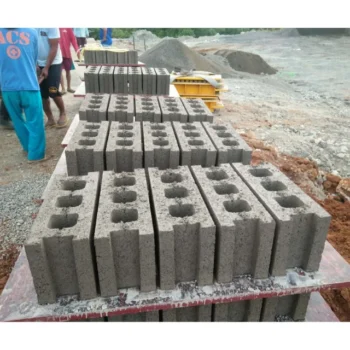
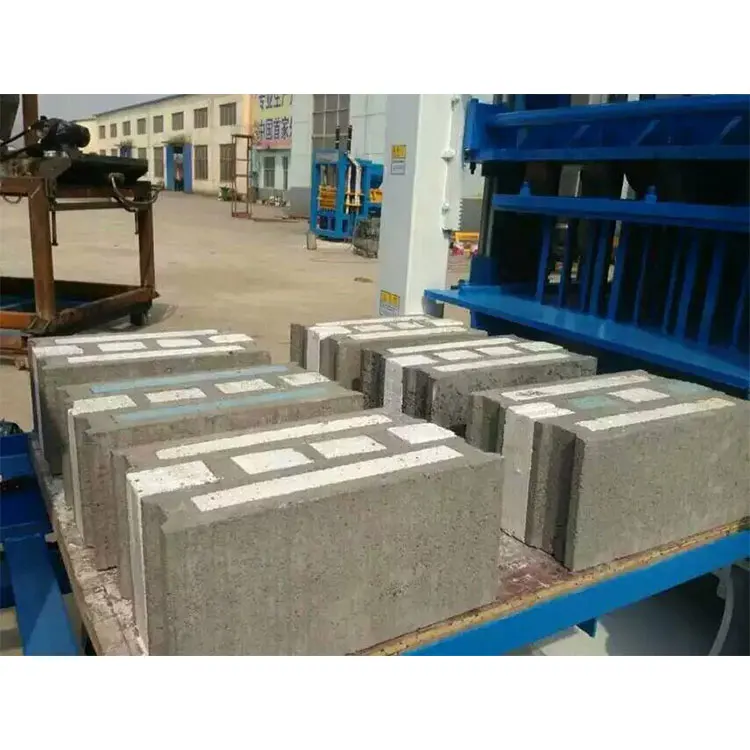
| Remote housing project sites | Hollow and solid blocks from local river sand and cement |
| Mountainous or hilly terrain construction | Paving blocks and kerbstones using crushed stone dust |
| Coastal and desert zone development | Interlocking bricks with fly ash or slag blends |
| Individual entrepreneur small-scale production | Solid blocks from construction waste and gypsum |
| Mine industrial area infrastructure | Heavy-duty blocks from coal gangue aggregate |
Why "3,000 Pieces a Day" Can Derail a Project Timeline
The quoted output figure only matters once you know which block format it assumes.
I have watched contractors sign off on a machine capacity number, wire up the site, and then discover on day one that their chosen hollow block format cuts actual throughput to less than half the brochure claim. With a mobile egg-laying block machine in stock, the temptation is to ship first and ask questions later. The result is a machine sitting idle on a dock while the project clock runs out. Confirming the exact block dimensions and wall thickness against the 30-second cycle before the container is booked keeps the schedule honest [NEED_CITE: block format and cycle time relationship in mobile production].
Dispatch Timing That Matches Your Site Mobilization Date
Project-deadline buyers do not have the luxury of a six-week build slot. The QMY4-30 is held in stock as a complete unit — diesel engine, mould, and pallet frame — so the lead time collapses to container booking and customs paperwork. Once the mobile egg-laying block machine in stock is allocated against your purchase order, the dispatch window is quoted in days rather than months. This matters most when your foundation crew is already on site and every idle day burns labor cost.
Container Loading and the Dismantling Detail That Saves Re-Handling
The 1300 × 1500 × 1000 mm footprint is compact, but loading a 950 kg machine into a standard 20-foot container still requires partial dismantling of the hopper and lever assembly. We photograph every bolt removed and tag each sub-assembly so your site crew can reverse the process with a single spanner set and the packing photographs. Arriving with a clear reassembly sequence means the machine is producing blocks before the second container of raw materials even reaches the gate.
Reading the Specs That Actually Govern On-Site Output
The 28.6 kN exciting force delivered through mold vibration is what compacts the mix into a dense, stackable block within the 30-second cycle. If your local aggregate is angular crushed stone rather than rounded river sand, that force level is generally adequate, but a high-fines mix will demand longer vibration or a cement-rich proportion to achieve handling strength. The 4500 r/min excitation frequency sits in the mid-range for egg-laying machines, which keeps the concrete matrix settled without segregating heavier aggregate to the bottom of the mould [NEED_CITE: vibration frequency and aggregate segregation in mobile block production]. The diesel engine option at 5.95 kW total power removes the dependency on a stable grid — a genuine advantage on greenfield sites where the temporary generator is shared with welding sets and lighting towers. Mould change is manual and lever-operated, so swapping from hollow to solid format is a matter of unbolting one mould box and lifting in another, with no PLC recalibration required.
The Cost of Overlooking Pallet and Curing Logistics
Egg-laying machines deposit wet blocks directly onto the ground or a prepared bed, which sounds simple until you realize the curing area must be flat, swept, and large enough to hold a full day’s output without stacking. Buyers who plan only for the press and forget the curing footprint end up with blocks crushed under their own weight or moved too early, cracking at the corners. Voltage mismatch is another silent delay — ordering a 380V electric version for a site with only single-phase 220V supply means the machine sits in its crate until a transformer arrives [NEED_CITE: voltage and frequency standards by export market]. These are not engineering failures; they are procurement oversights that a five-minute pre-shipment checklist would prevent.
Why Sourcing the QMY4-30 Through This Channel
Block machinery is the only product line handled here, so the machine, mould, and pallet specification are cross-checked as one system before the quotation is issued. Configuration is set against your actual local aggregate and target block format, not a catalogue default — if your sand carries high clay content, that is flagged before dispatch, not discovered on commissioning day. Standard moulds for hollow, solid, and interlocking formats are held in stock alongside the machine, and custom mould drawings can be matched to your market’s best-selling dimensions. The factory test record, voltage confirmation document, and packing photographs are compiled for every unit before it leaves the workshop. Documentation for customs clearance is prepared in-house, reducing the back-and-forth that typically delays container release at the destination port.
Documentation & Verification
- Factory test record showing 30-second cycle run on your specified block format before dispatch
- Voltage and frequency confirmation sheet signed against your site electrical supply details
- Mould drawing and format list matching your local market block dimensions
- Packing photographs documenting dismantling sequence and container load plan
- Operation and maintenance manual with diesel engine service intervals
- Customs documentation package prepared for destination port clearance
Installation, Commissioning & Support
- Level ground preparation across the curing area, minimum 20 m × 10 m for daily output handling
- Diesel fuel supply and electric backup circuit rated to 5.95 kW total draw
- Tagged sub-assemblies with packing photos for on-site reassembly without specialist tools
- First-run parameter setting covering vibration duration and mix moisture tolerance
- Operator training on manual lever sequence and mould changeover procedure
- Wear parts list covering vibratory motor mounts and mould liner plates
What to Include in Your Inquiry
Send the exact block format dimensions your local market demands, including wall thickness for hollow blocks. State whether your site has three-phase 380V supply or requires the diesel engine configuration. Confirm the container destination port so the loading plan and arrival estimate can be quoted upfront.
Frequently Asked Questions
Q: How is the current stock status of the QMY4-30 confirmed, and what is the dispatch timeline after ordering?
A: Inventory is updated against each purchase order allocation. Once your order is confirmed and the block format is agreed, the unit is reserved, and dispatch timing is quoted based on the next available container sailing from the loading port. Typical preparation including factory test, dismantling, and container loading runs several working days before the vessel cutoff.
Q: Should I choose the diesel engine or electric motor version for my project site?
A: The diesel option suits sites without reliable grid power or where generator capacity is already committed to other equipment. The electric version at 380V three-phase is preferred when stable supply is available, as it reduces daily fuel cost and engine maintenance. Confirm your site voltage and frequency before the order is finalized.
Q: How is the machine prepared for container shipment, and what does reassembly involve on arrival?
A: The hopper and lever frame are partially dismantled to fit the standard container footprint. Every removed fastener is tagged and photographed. On arrival, your crew reassembles using the packing photographs as a guide, with basic hand tools and no specialized equipment required.
Q: The 3,000 pieces per day figure — what block size does it assume, and how do I calculate my actual requirement?
A: That figure is published without a stated block format basis. Before shipping, we confirm your target block dimensions and calculate the realistic daily output by multiplying the 30-second molding cycle against your chosen format, factoring in mould change and material feeding intervals.
Q: What support is available for the first production run after the machine arrives at site?
A: Commissioning guidance covers mix proportion adjustment to your local aggregate, vibration timing fine-tuning, and mould changeover practice. Remote support is available during your first production days, and a wear parts list is included so you can stock spares before the first replacement is due.