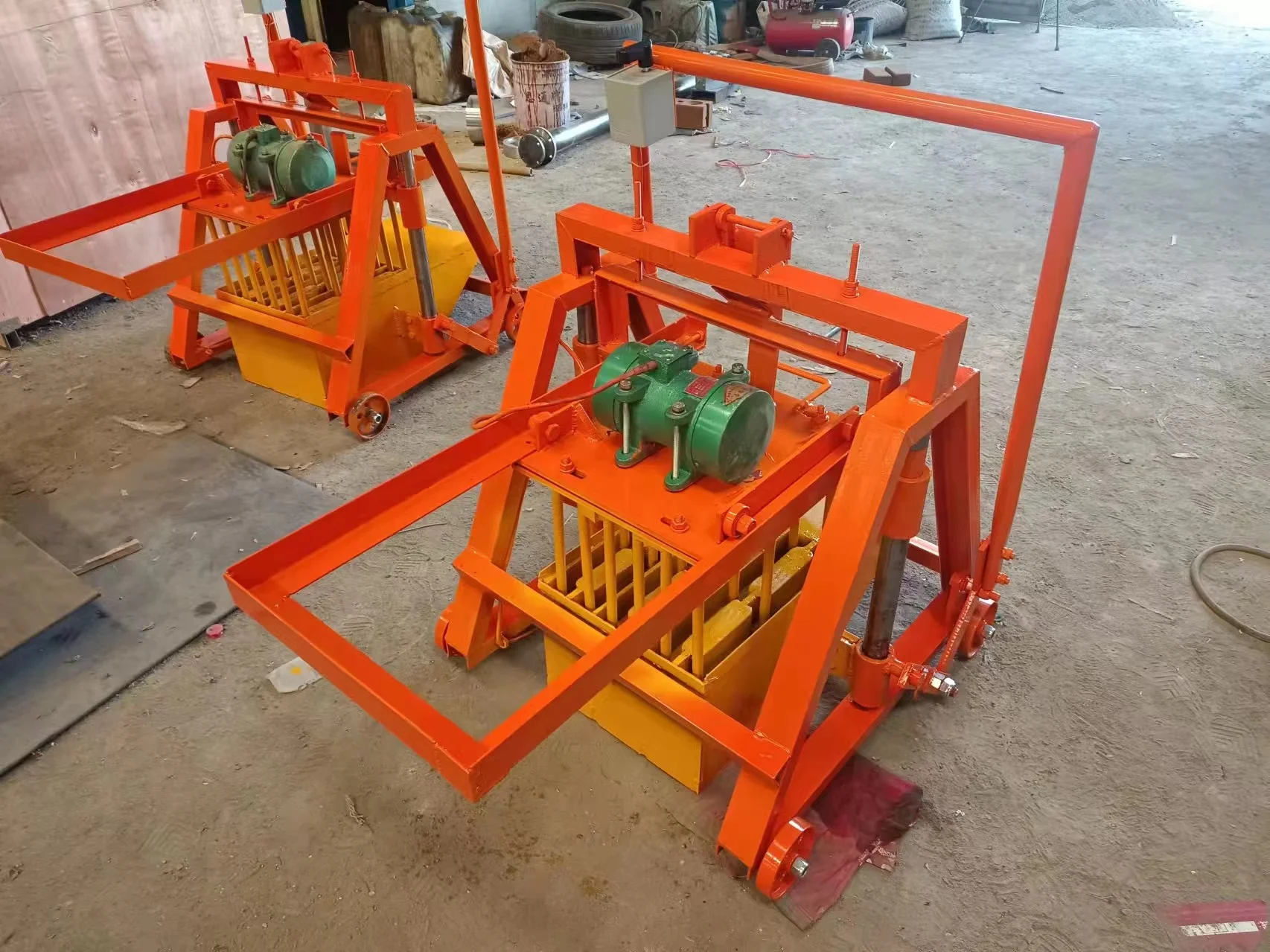
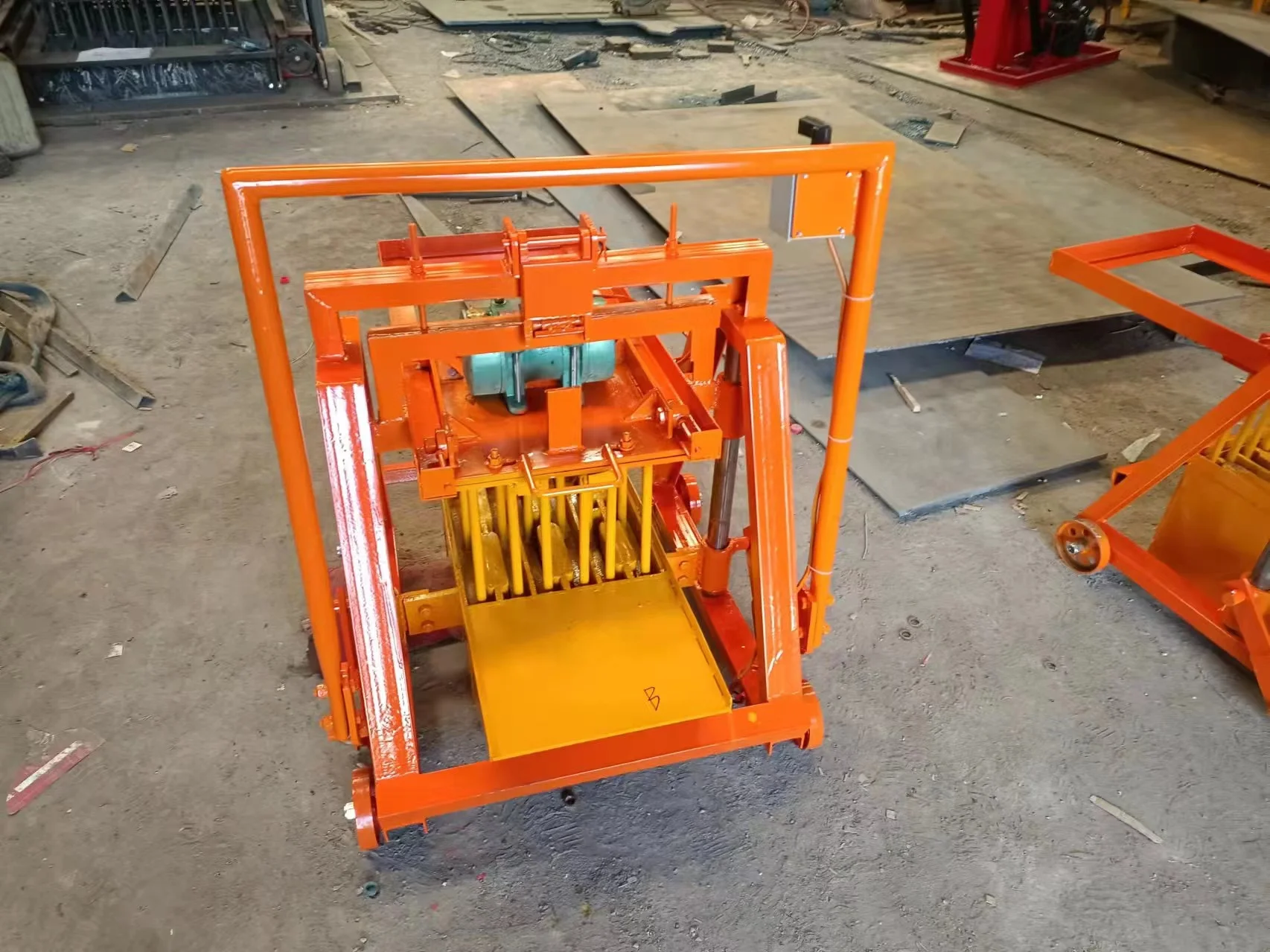
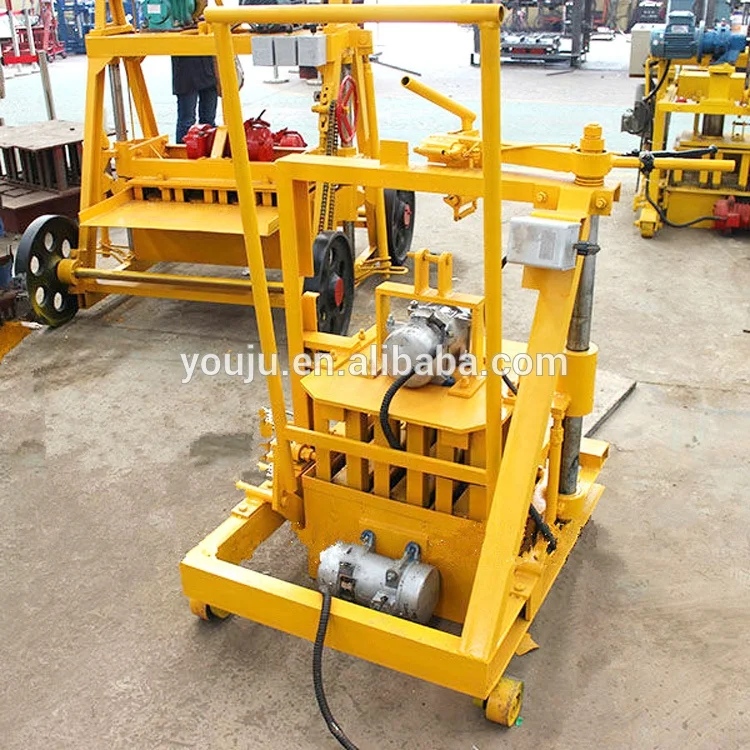
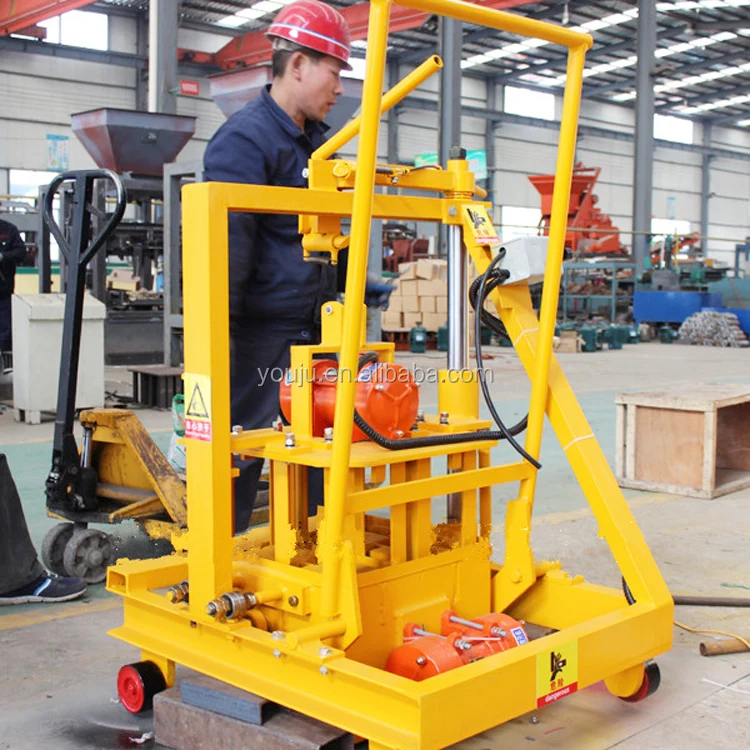
Description
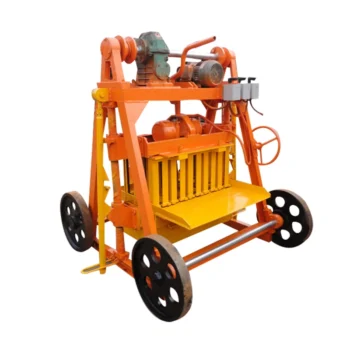
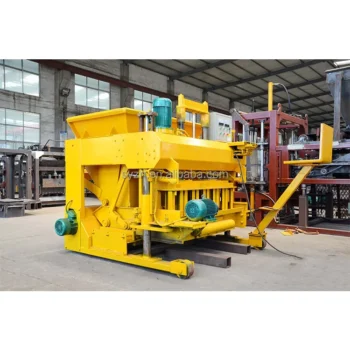
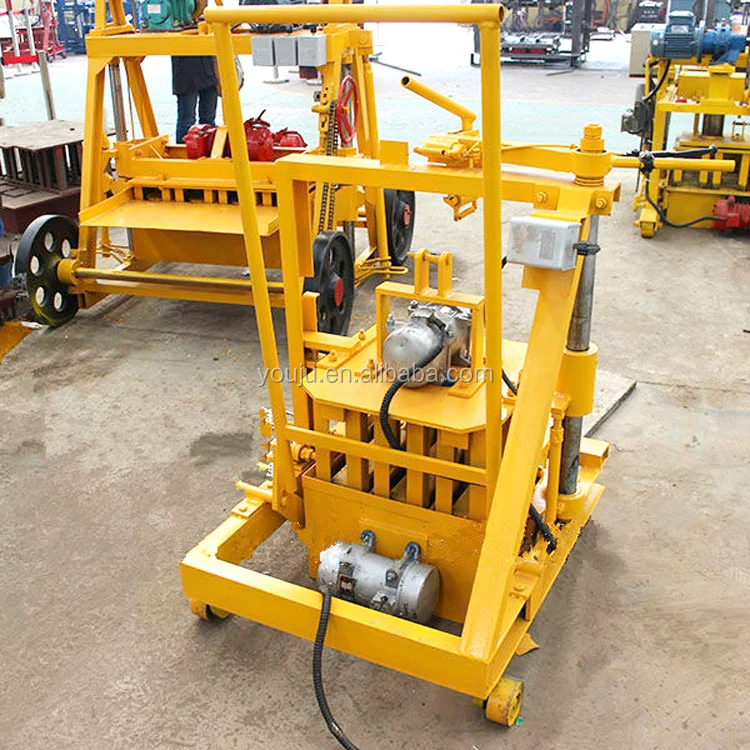
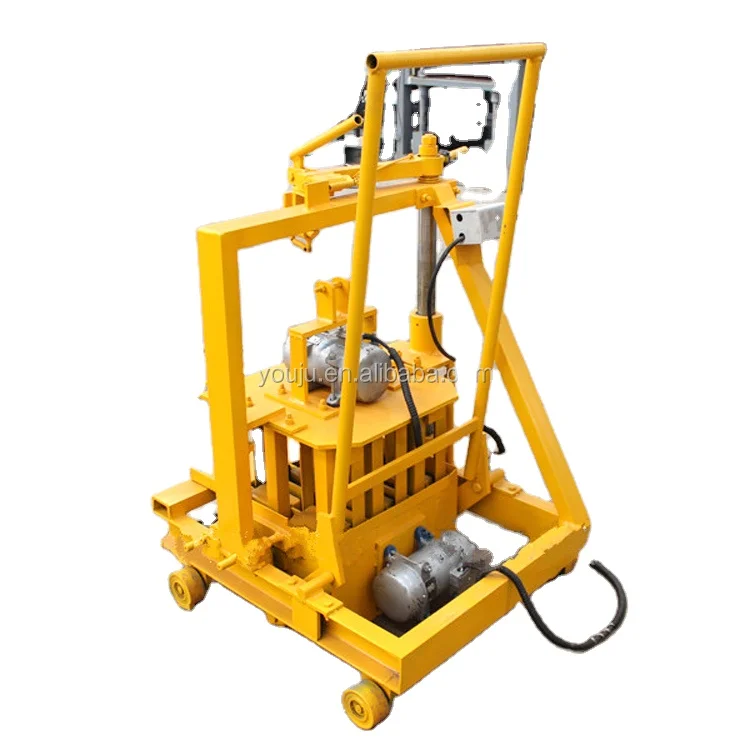
Stocked Machines Ready for Dispatch — QMJ2-45 units held in yard, dismantled and loaded into container within days of order confirmation, arrival estimate quoted before you commit.
Technical Specifications
| Parameter | Value |
|---|---|
| Model | QMJ2-45 |
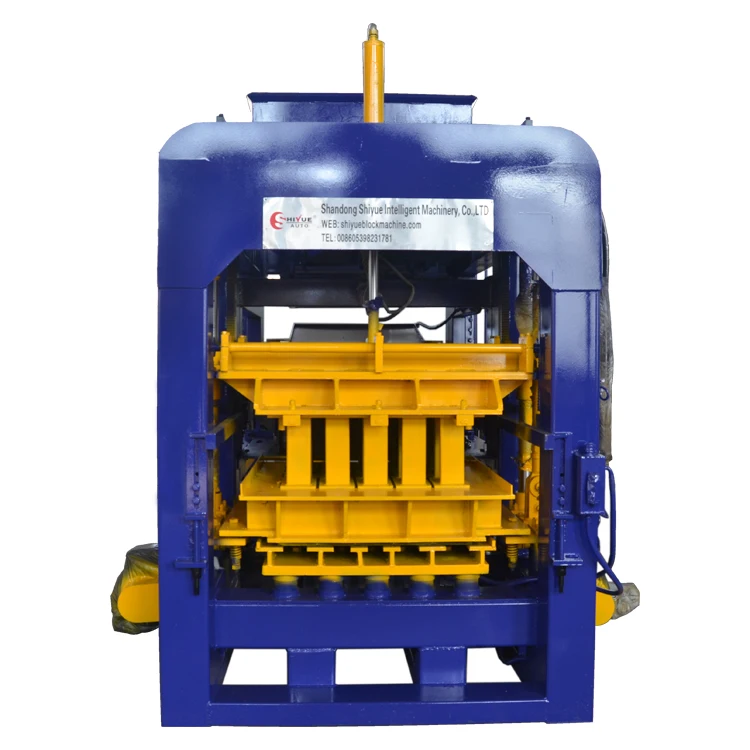
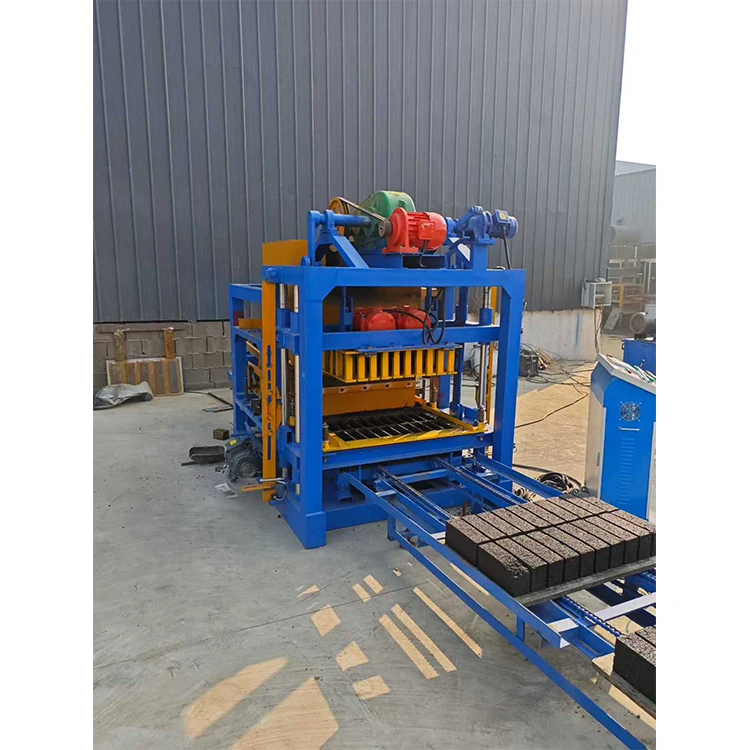
| Product Type | Mobile Concrete Block Making Machine |
| Mould Format | Hollow brick (interchangeable moulds) |
| Mould Change Method | Manual, quick swap |
| Cycle Time | 25–30 s per mould cycle |
| Output Capacity | 160 pcs/h (basis: 400×200×200 mm hollow brick, 2 pcs/mould) |
| Output Capacity | 240 pcs/h (basis: 400×150×200 mm hollow brick, 3 pcs/mould) |
| Output Capacity | 320 pcs/h (basis: 400×100×200 mm hollow brick, 4 pcs/mould) |
| 8-hour Output | 1280 pcs (400×200×200) / 4800 pcs (400×150×200) / 2560 pcs (400×100×200) |
| Pallet Requirement | None (palletless egg-laying operation) |
| Power Source | Electric motor (rated power and voltage to be confirmed for destination market) |
| Control System | Manual / push-button (no PLC) |
| Automation Level | Manual, hand-pushed |
| Labour Requirement | 1–3 operators |
| Mould Heat Treatment | Carburization |
| Certification | ISO 9001:2000, CE |
Application Suitability
| Application | Material or Output |
|---|---|
| Small-scale on-site hollow block production | Concrete mix from crushed stone, sand, cement and water for construction contractors |
| First block plant for entrepreneurs | Hollow brick formats 400×200×200, 400×150×200 and 400×100×200 mm with minimal capital |
| Remote or space-constrained sites | Palletless egg-laying production where fixed power, diesel engines and pallet handling are unavailable |
| Format flexibility for existing block plants | Quick mould swap between hollow brick sizes to supplement an existing product range |
What the Hourly Rate Leaves Out When No Block Format Is Named
Any output figure without a stated block format is not a capacity — it is a guess.
I have watched buyers compare two mobile block machines on a single number, only to discover after arrival that the quoted figure assumed the smallest brick the machine can produce. With the QMJ2-45, the cycle time of 25–30 seconds per mould stays the same, but the pieces per mould ranges from two to four depending on whether you are pressing a 400×200×200 mm block or a 400×100×200 mm block. That difference halves or doubles your daily count. A mobile block machine in stock does you no good if the format assumption behind the quoted capacity does not match the block your market actually buys [NEED_CITE: block format demand variance across regional markets].
Palletless Egg-Laying Operation Eliminates the Handling Chain
The QMJ2-45 lays blocks directly onto a level concrete floor, curing in place without pallets, rack systems or forklifts. This removes an entire layer of capital and labour from a first block plant. You do not purchase pallets, you do not feed pallets, and you do not strip cured blocks from pallets the next morning. For a contractor producing hollow blocks on a housing site with limited yard space, the palletless egg-laying design turns the mobile block machine in stock into a deployable asset rather than a fixed installation.
Mould Swap Speed Determines Real Format Flexibility
Three standard hollow brick moulds ship with this machine, covering the wall, partition and infill sizes most commonly specified in residential construction. The manual mould change takes a few minutes with basic hand tools — no hydraulic clamps to bleed, no alignment fixtures to recalibrate. A small crew can switch from 400×200×200 mm blocks in the morning to 400×100×200 mm blocks after lunch, keeping the same machine productive across format changes. This matters when a site foreman needs two wall thicknesses in the same pour schedule [NEED_CITE: typical mould change procedures on hand-pushed block machines].
How Cycle Time, Vibration and Mix Design Intersect on a Manual Machine
The 25–30 second cycle time holds across the three listed hollow brick formats, but the density and compressive strength of the finished block depend on the concrete mix fed into the mould. On a hand-pushed machine without hydraulic pressure, vibration force and mix moisture content carry the full burden of compaction. A dry mix that works in a stationary hydraulic press may produce friable blocks here; a wetter mix suited to egg-laying operation may need a longer cure before handling. The carburized mould surfaces resist abrasion from aggregate, extending the interval between mould replacements, but the operator still controls the feed consistency that ultimately determines block quality.
The Voltage Mismatch That Stops a Machine Before It Starts
I once spent three weeks on a site in the Gulf waiting for a transformer because the machine arrived wired for a voltage the local grid did not supply. The QMJ2-45 runs on an electric motor, and the rated kW, voltage and frequency must be confirmed in writing before production — not after the container clears customs. A mobile block machine in stock means nothing if the motor spins at the wrong RPM on the local supply, pulling excess current and burning out within the first shift. Control panel language also needs confirmation; a push-button box labelled in a language the operator cannot read creates safety and troubleshooting delays on day one [NEED_CITE: voltage and frequency standards by export market].
Why Dispatch Lead Time and Loading Plans Matter More Than Brochure Claims
The QMJ2-45 ships in a dismantled state inside a standard container, with the frame, vibration assembly and moulds secured separately to prevent transit damage. Before you place the order, you should know exactly how many units are in the yard, which container type fits the load, and the estimated port-to-port transit window for your destination. Stock availability without a loading plan leaves you guessing. We confirm the dispatch lead time, container loading photographs and arrival estimate upfront, so your site schedule can be built around a real date rather than a promised one.
Documentation & Verification
- Factory test record run on your specified hollow brick format before the machine leaves the yard
- Voltage, frequency and motor rating confirmed in writing against your destination grid specification
- CE declaration and ISO 9001:2000 certificate copies included in the shipping document set
- Mould drawing pack covering all three hollow brick sizes with dimensional tolerances
- Packing photographs of dismantled machine and secured moulds before container sealing
Installation, Commissioning & Support
- Level concrete floor required for egg-laying operation; no foundation pits or anchor bolts needed for the hand-pushed QMJ2-45
- Dedicated electrical circuit at the confirmed voltage and frequency must be available before the machine is assembled on site
- Moulds ship separately from the vibration frame; on-site assembly and alignment take a single shift with basic tools
- First-run block samples tested for density and dimensional accuracy before the machine is handed over to the production crew
- Operator training covers mix consistency, feed technique and mould swap procedure for all three hollow brick formats
- Carburized moulds and vibration motor brushes listed as wear parts with replacement intervals noted in the manual
What to Include in Your Inquiry
To quote the QMJ2-45 against your project timeline, specify the hollow brick format you intend to produce most often, the local voltage and frequency at the job site, and the port of discharge for transit estimation. If your site has an existing curing area or a target daily block count, include those figures so the capacity calculation can be stated against your actual format rather than a catalogue default.
Frequently Asked Questions
Q: How many QMJ2-45 units are currently in stock and how fast can they ship?
A: Stock levels vary by week. We confirm the exact number of QMJ2-45 machines available in the yard at the time of your inquiry, along with the container loading schedule and dispatch lead time. No quotation is issued without a stated departure window and an estimated arrival date for your discharge port.
Q: How is the QMJ2-45 dismantled and loaded into a container for shipment?
A: The vibration frame, moulds and motor assembly are separated and secured individually inside a standard container to prevent transit movement. Packing photographs are shared with the buyer before the container is sealed, showing how each component is braced and wrapped for ocean freight.
Q: What does the site need to support palletless egg-laying block production?
A: A smooth, level concrete floor is essential so that freshly laid blocks do not settle unevenly. The curing area should be sheltered from direct sun and wind during the initial set period, and water must be available for surface curing. No pallets, racks or forklifts are required for the QMJ2-45.
Q: How do I calculate daily output for my specific hollow brick size?
A: Daily output depends on the pieces per mould for your chosen format and the number of productive hours in your shift. The QMJ2-45 cycles every 25–30 seconds; multiplying the pieces per mould by the cycles achievable in your working day gives a realistic figure. We provide this calculation in the proposal against your stated format.
Q: What support is available after the QMJ2-45 arrives on site?
A: On-site assembly guidance, first-run commissioning and operator training are arranged after arrival. Wear parts including carburized moulds and motor brushes are listed with replacement intervals. Voltage and control language are confirmed before dispatch so that no electrical or communication issues delay the first production shift.