

Description
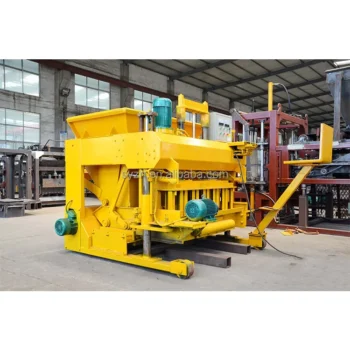
Stocked & ready to ship — every QMJ4-45 mobile egg laying block machine leaves our yard with factory test record, container loading plan and arrival estimate confirmed before the invoice is signed.
Technical Specifications
| Parameter | Value |
|---|---|
| Model | QMJ4-45 |
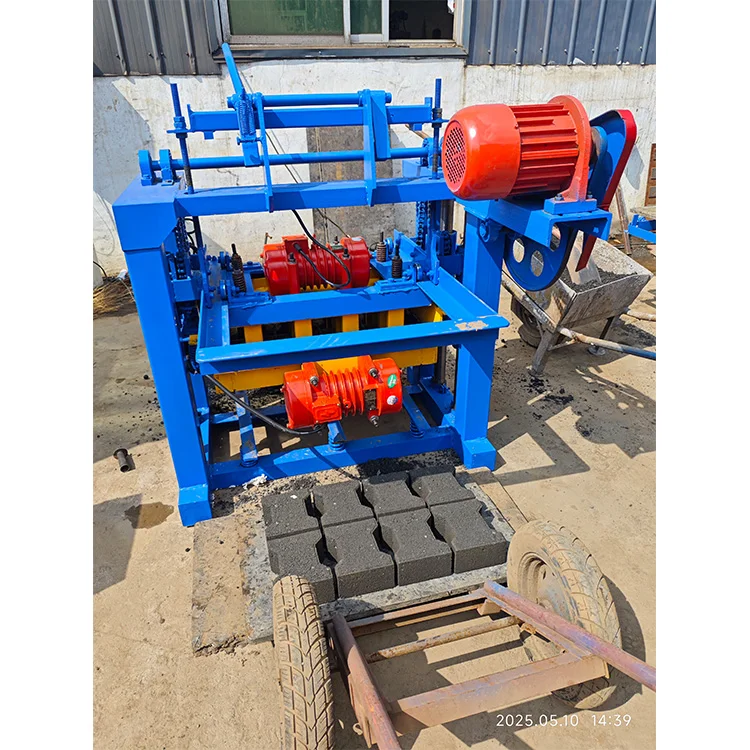
| Product Type | Mobile Egg Laying Block Making Machine |
| Molding Capacity | 4 pcs/mold for 400×200×200 mm hollow block (basis to be confirmed for other formats) |
| Molding Cycle | 45 seconds |
| Vibration Frequency | 2400 r/m |
| Vibration Method | Mold vibration |
| Output Capacity | 3000–4500 pcs/day based on 8-hour shift, hollow block formats ranging from 400×200×200 to 400×120×200 mm |
| Demold Method | Manual |
| Turning Method | Manual |
| Total Power | 6 kW |
| Power Source | Diesel or petrol engine |
| Pallet Requirement | No pallets required (egg-laying design) |
| Automation Level | Manual operation, mobile egg-laying |
Application Suitability
| Application | Material or Output |
|---|---|
| On-site hollow block production for housing projects | Cement, crushed stone, sand, water |
| Small-scale cement block manufacturing at existing yards | Local aggregate with standard cement ratio |
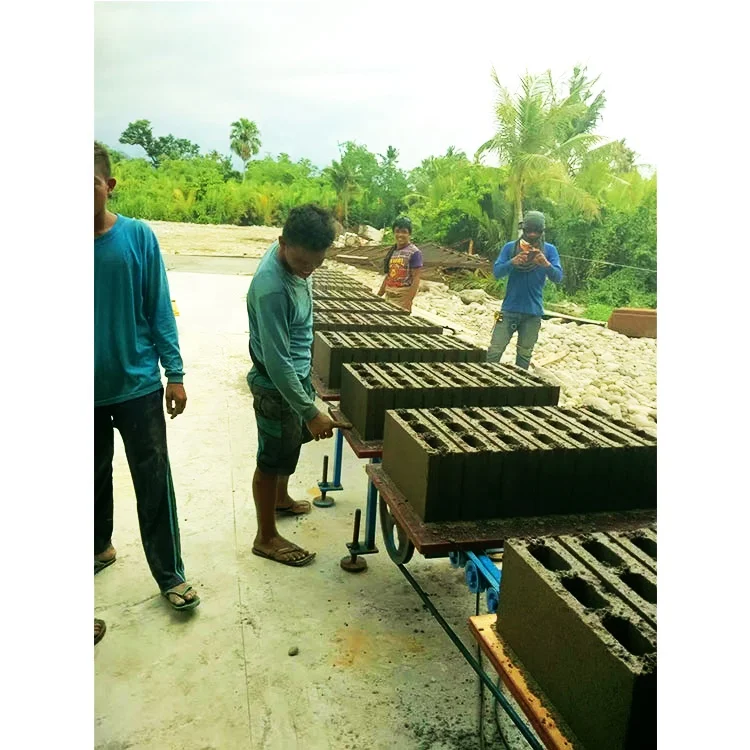
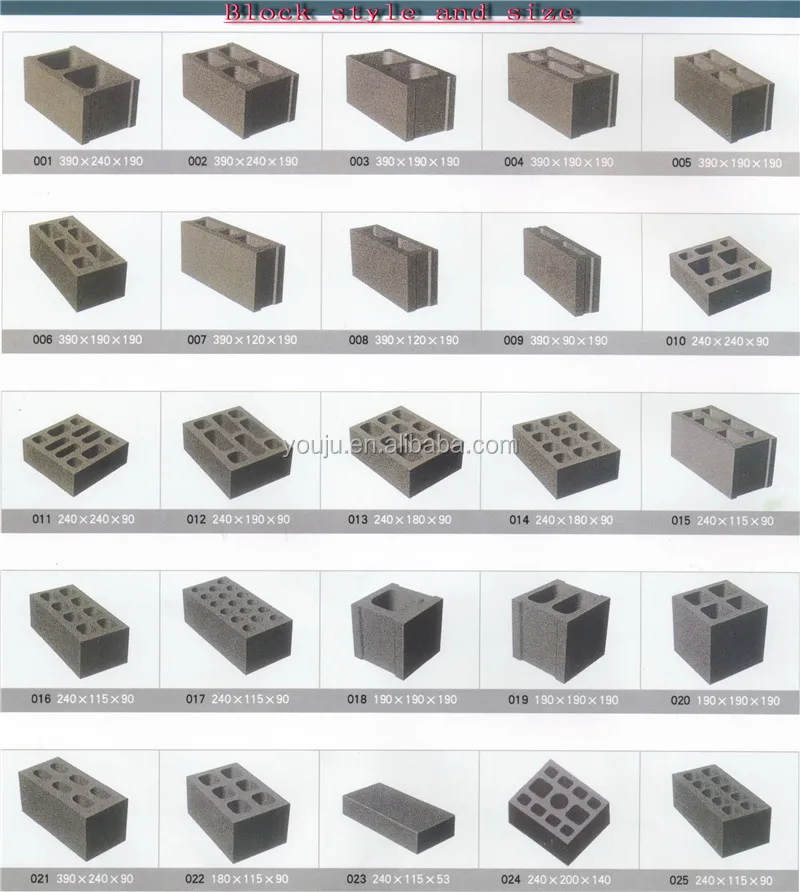
| First block plant for entrepreneurs with limited capital | Hollow blocks in 400×200×200, 400×150×200, 400×120×200 mm formats |
| Remote or rural block supply without grid electricity | Diesel-powered production on unprepared ground |
Why "Output Up to 4500 Pieces" Means Nothing Without the Block Size
A mobile egg laying block making machine in stock is only useful if its capacity matches the format you actually sell.
I have watched buyers receive a machine quoted at a daily figure, then discover on day one that the number assumed a block size their market does not buy. The QMJ4-45 produces roughly 3000 pieces per 8-hour shift when pressing 400×200×200 mm hollow blocks at 4 pieces per mold, yet that same machine reaches around 4500 pieces when running 400×120×200 mm blocks at 6 pieces per mold. The cycle stays near 45 seconds in both cases; only the mold cavity count changes. Without the format stated beside the number, a buyer comparing quotations is comparing different products. [NEED_CITE: block format and daily output correlation in mobile egg-laying machines]
Stock Availability and Dispatch Timing
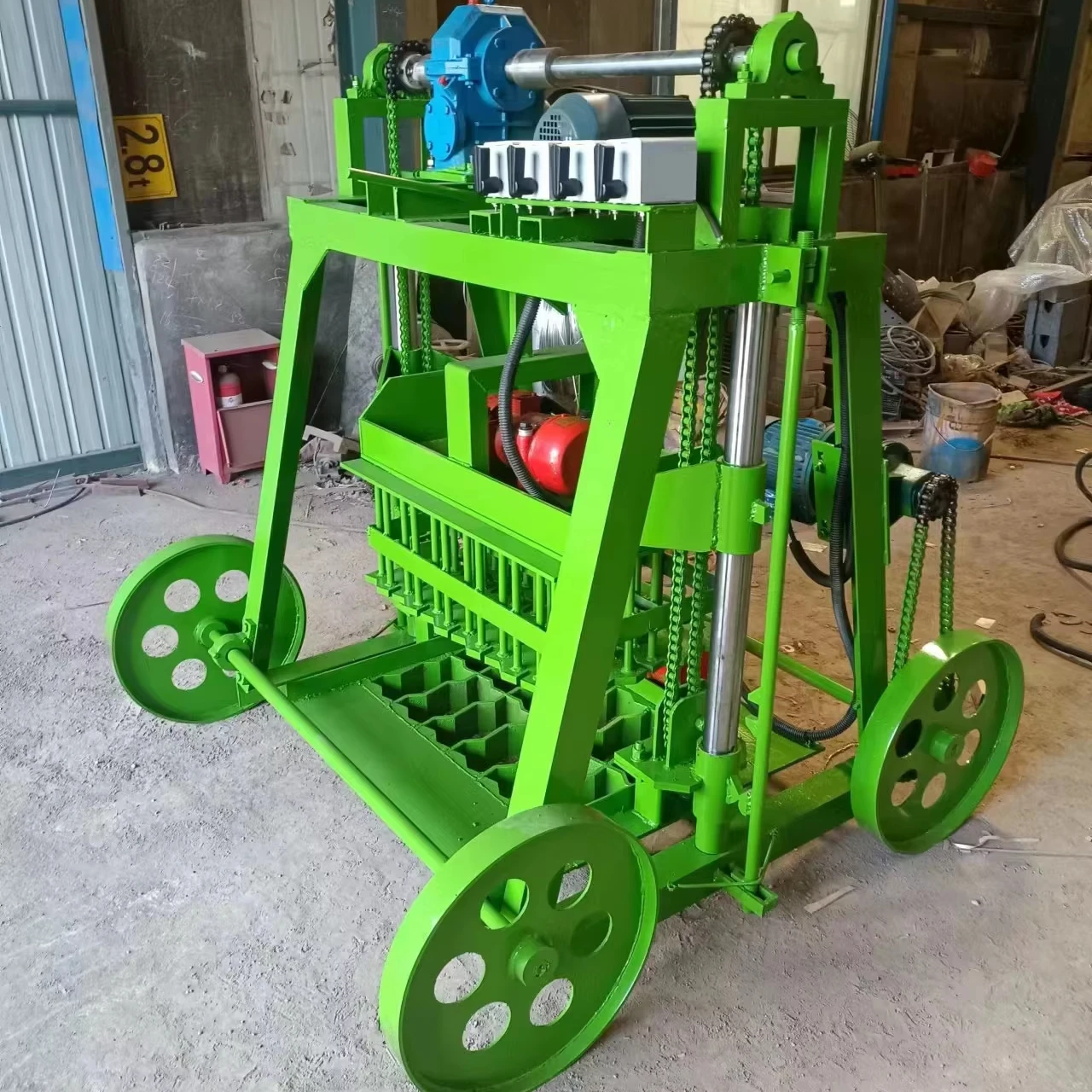
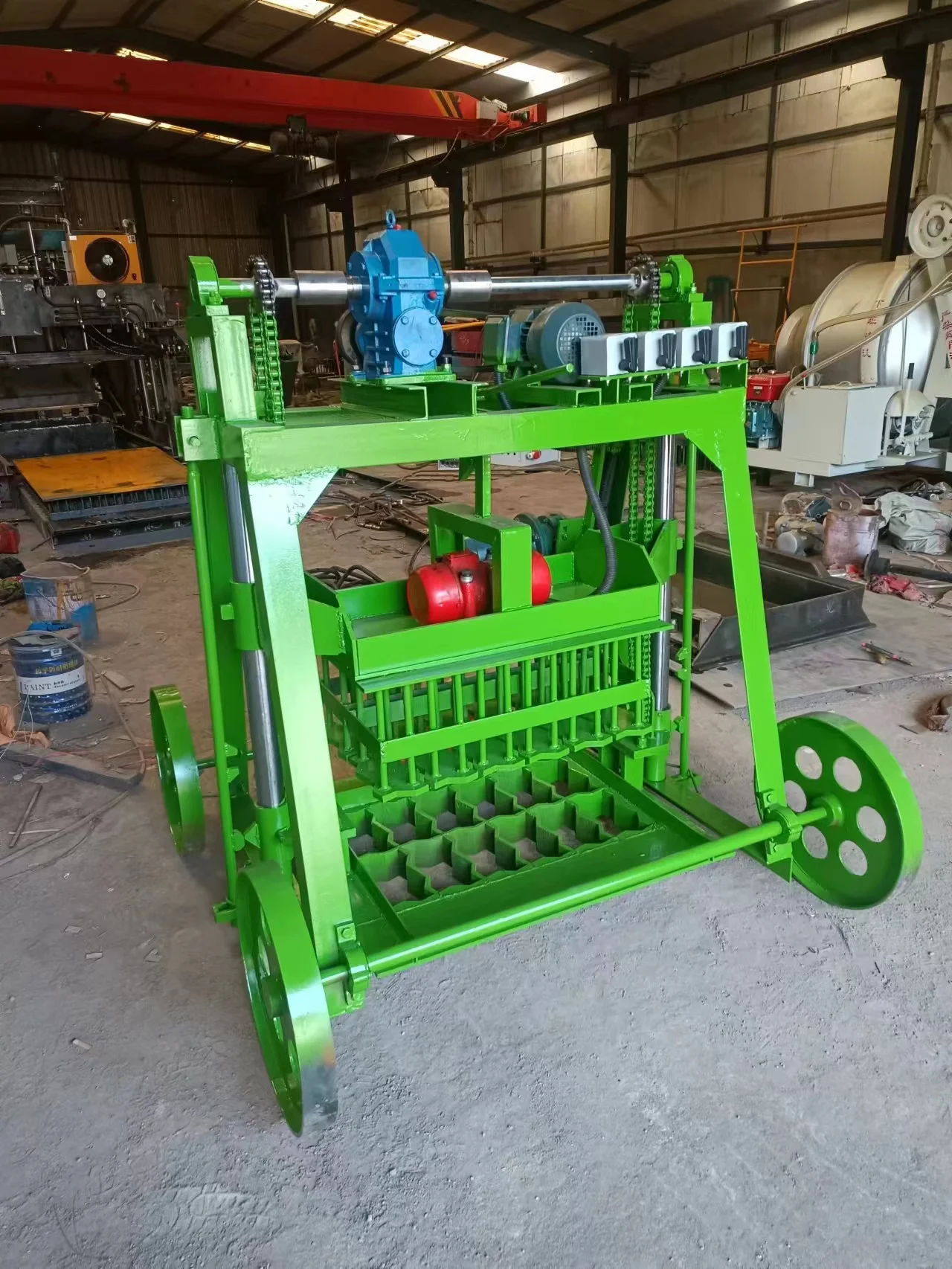
Project-deadline buyers cannot wait for a production slot. The QMJ4-45 mobile egg laying block making machine in stock means the unit is assembled, engine-mounted and factory-tested before you commit. Dispatch lead time is measured in days rather than weeks once the engine specification — diesel or petrol — and destination port are confirmed. Container loading plans are drawn for standard 20-foot or 40-foot containers, with the machine dismantled to fit and reassembly instructions included.
Arrival Estimate Quoted Before You Pay
Shipping uncertainty kills project schedules. For the QMJ4-45, an arrival estimate is provided alongside the quotation so you know whether the machine reaches your port before your masons are scheduled to start laying. Transit duration depends on destination, but quoting it upfront removes the guesswork that forces contractors to idle crews. [NEED_CITE: typical ocean freight transit windows by major export corridor]
What the 6 kW Power Draw and 2400 r/m Vibration Mean on the Ground
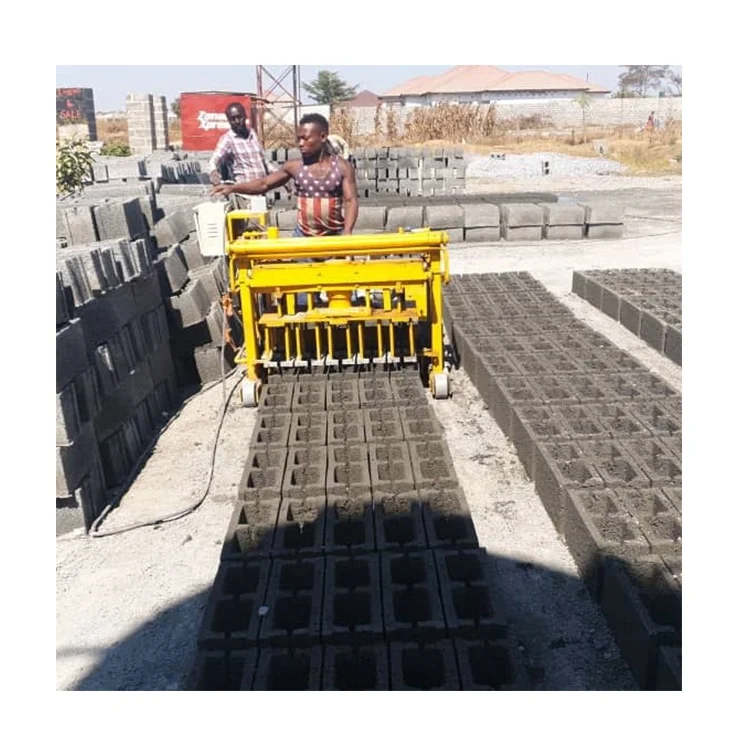
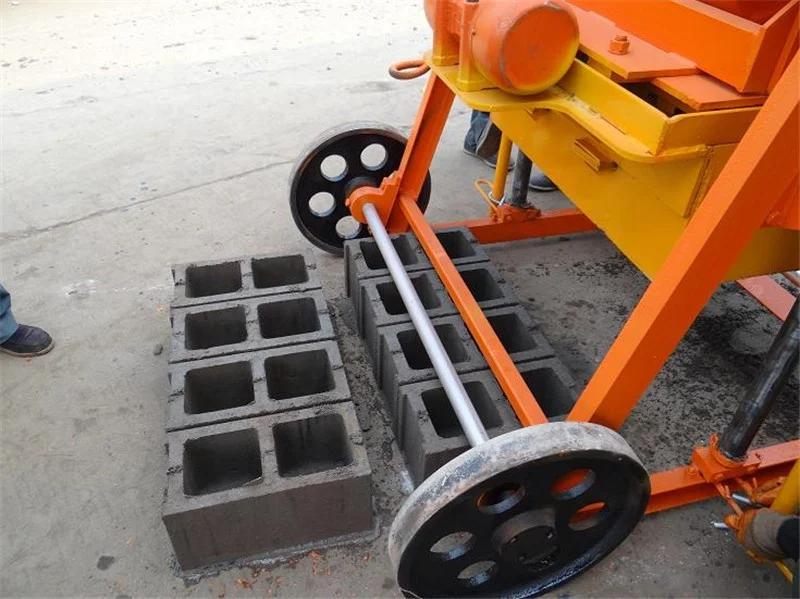
The 6 kW total power rating keeps generator sizing manageable — a 10 kVA diesel generator covers the machine with headroom for a small mixer nearby. The 2400 r/m mold vibration frequency is tuned for standard cement-aggregate mixes, compacting the concrete enough to hold shape immediately after the mold lifts without waiting for initial set. Because this is an egg-laying design, the machine lays each block directly on compacted ground and moves forward, eliminating pallet purchase, pallet storage and curing rack construction. Manual demold and manual turning keep the operator count low, typically two workers: one feeding the hopper and one guiding the machine along the production row. The 45-second molding cycle is consistent across the three standard hollow block formats listed in the specification table, so daily output scales with cavity count rather than speed adjustments.
The Cost of Skipping Voltage and Engine Confirmation
A diesel or petrol engine removes grid dependency, but auxiliary components — vibration motor wiring, any control panel lighting — still carry a voltage rating. I once saw a mobile block machine arrive at a West African site where the auxiliary circuit was wound for 380 V while the site generator produced 415 V at 50 Hz. The motor tripped on overload, and the crew spent two weeks idle waiting for replacement windings to fly in. Confirming every electrical component against the destination market’s voltage and frequency standard is a non-negotiable step before the machine leaves the factory floor, even on a unit as compact as this one. [NEED_CITE: voltage and frequency standards by export market]
Why Buyers Source This Machine Here
Block machinery is the only product line, so the QMJ4-45 is specified alongside its mold, engine option and handling requirements as a matched set rather than assembled from unrelated suppliers. Configuration is checked against your target block format and local aggregate, not pulled from a generic catalog. Molds for the hollow block sizes your market actually sells — 400×200×200, 400×150×200, 400×120×200 mm — ship with the machine, and custom mold drawings are available if your market demands a different format. Stocked units mean the lead time conversation starts from availability, not from a blank production schedule. Factory testing runs the machine through a full molding cycle on the specified block format before crating, and packing photographs are sent before the container is sealed. [NEED_CITE: CE machinery directive requirements for mobile construction equipment]
Documentation & Verification
- Factory test record showing cycle time on your specified hollow block format before dispatch
- Container loading plan with machine dismantling points marked for reassembly at destination
- Packing photographs of the QMJ4-45 before container doors close
- Engine specification sheet confirming diesel or petrol type, horsepower and governed RPM
- Voltage and frequency confirmation for all auxiliary electrical components
Installation, Commissioning & Support
- Compacted level ground required; no concrete foundation needed for the QMJ4-45 egg-laying operation
- Diesel engine arrives pre-mounted; fuel lines and air filter inspected before first start
- 6 kW total power draw suits a 10 kVA site generator with mixer on a separate circuit
- Mold change handled with basic hand tools; spare mold bolts included in the crate
- Operator training covers hopper feeding rhythm aligned to the 45-second cycle
- Wear parts list identifies vibration motor brushes and mold liner plates for first reorder
What to Tell Us When You Inquire
Share the hollow block format your market buys, the daily volume you need to sustain, and your destination port so we can pair the right mold cavity count with a realistic arrival window. Confirm whether diesel or petrol engine supply is available locally or must ship with the machine. State your site generator voltage and frequency so every electrical component is wound correctly before dispatch.
Frequently Asked Questions
Q: What models are in stock and what is the dispatch lead time?
A: The QMJ4-45 mobile egg laying block making machine in stock is assembled and factory-tested. Once you confirm engine type and destination port, dispatch typically follows within days. A container loading plan is prepared so you see exactly how the machine is dismantled and secured before it leaves the yard.
Q: How is the machine dismantled and loaded into a container?
A: The engine, hopper and mold assembly are detached from the main frame to fit a standard container. Reassembly instructions and marked connection points are included. Packing photographs are shared before the container is sealed so you can verify condition prior to shipment.
Q: Can I get an arrival estimate quoted upfront?
A: Yes. Once your destination port is confirmed, a transit estimate is provided alongside the quotation. This lets you schedule crews and materials around a known arrival window rather than guessing when the machine clears customs.
Q: Is the diesel engine included or sourced locally?
A: Both options are available. The QMJ4-45 can ship with a matched diesel or petrol engine pre-mounted, or you can source an engine locally and we supply the coupling specifications. Confirm this at inquiry stage so the factory test uses the correct power source.