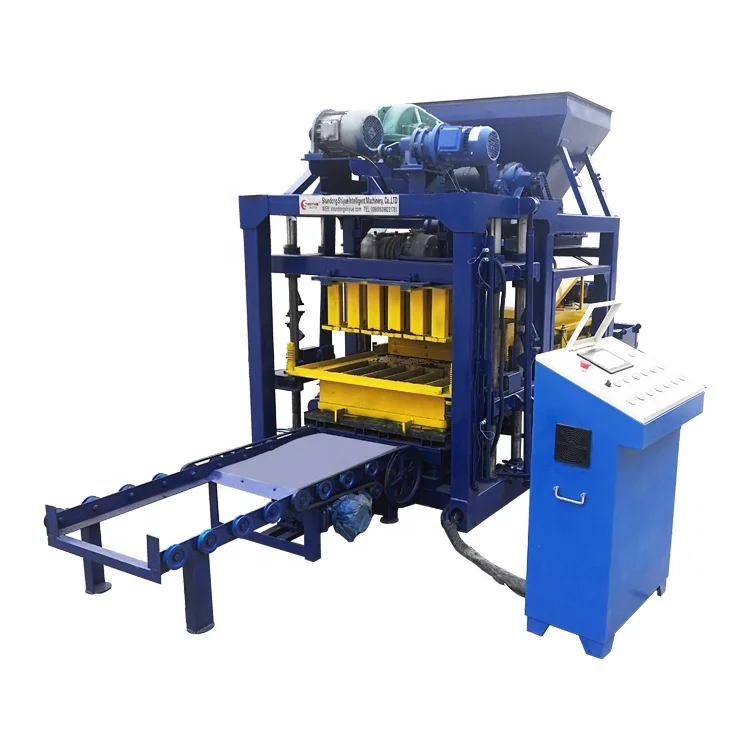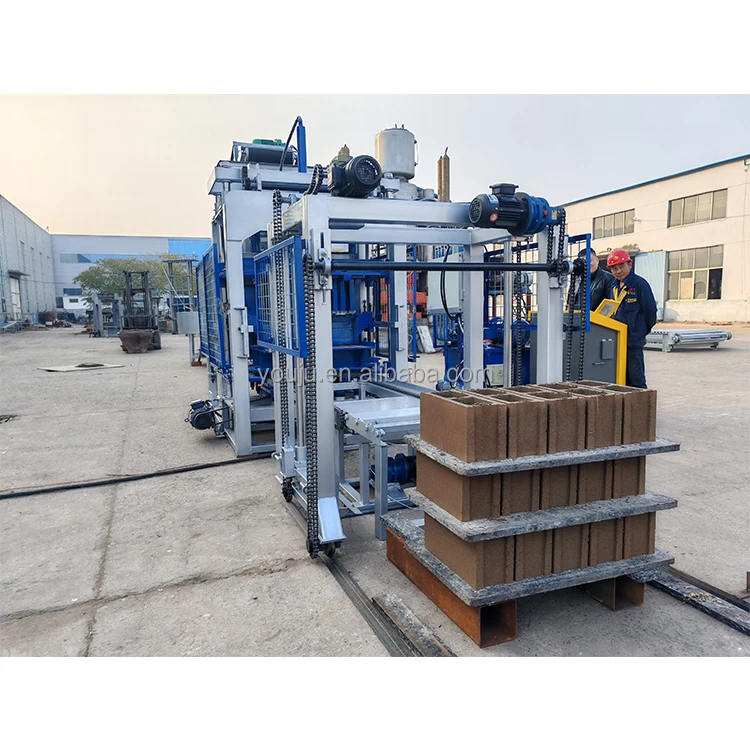
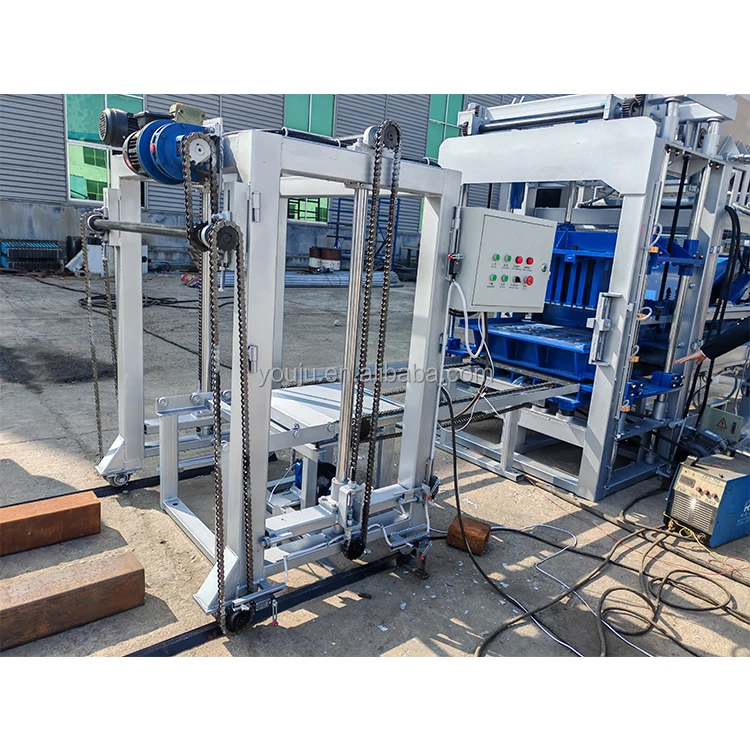
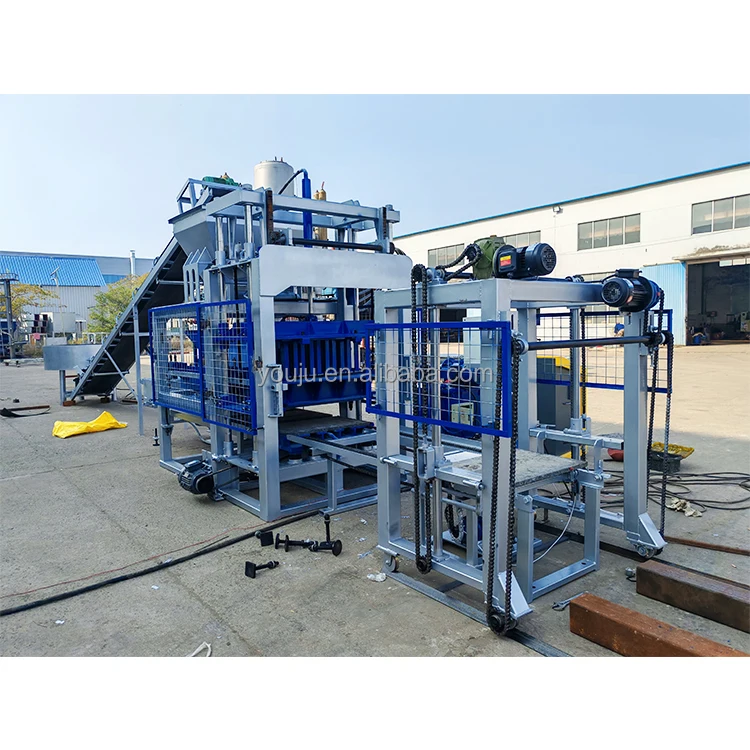
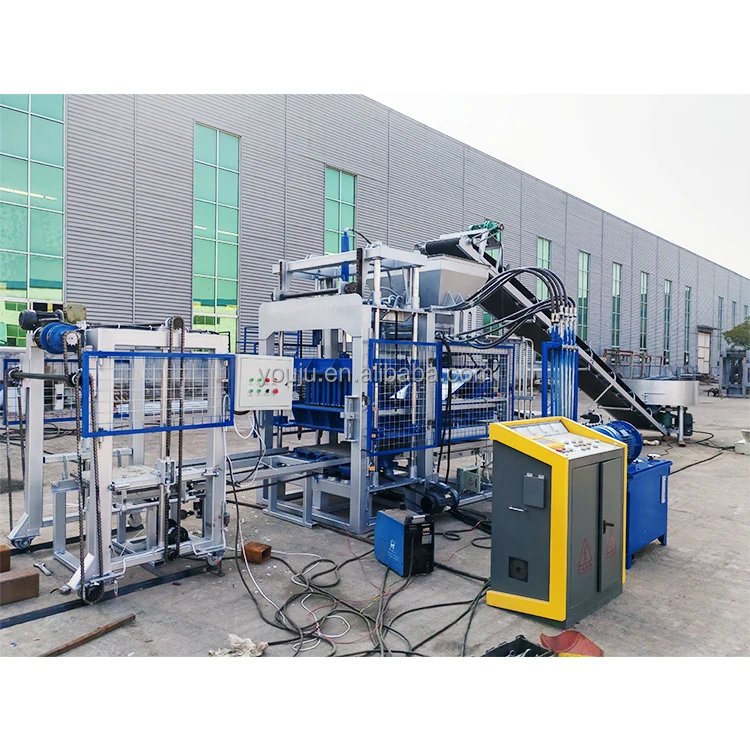
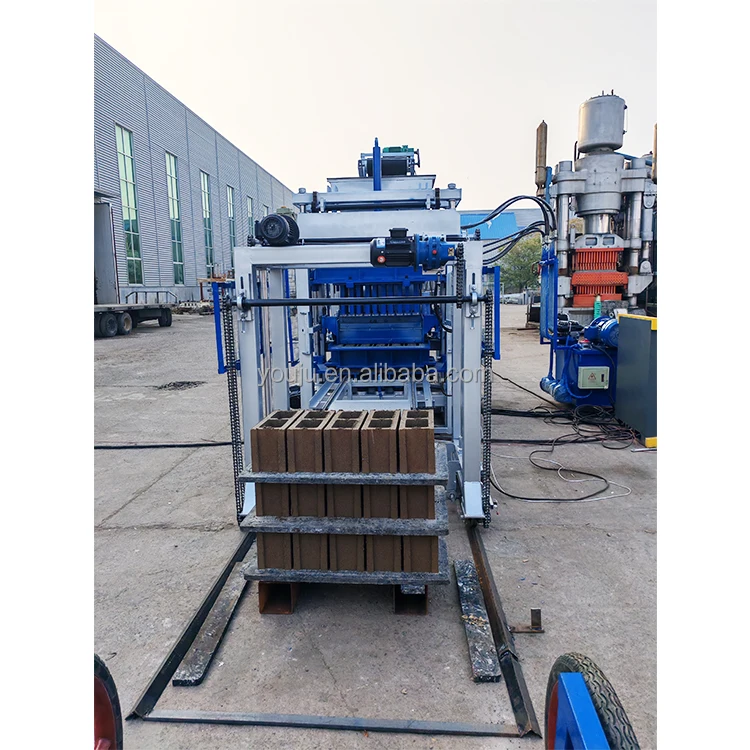
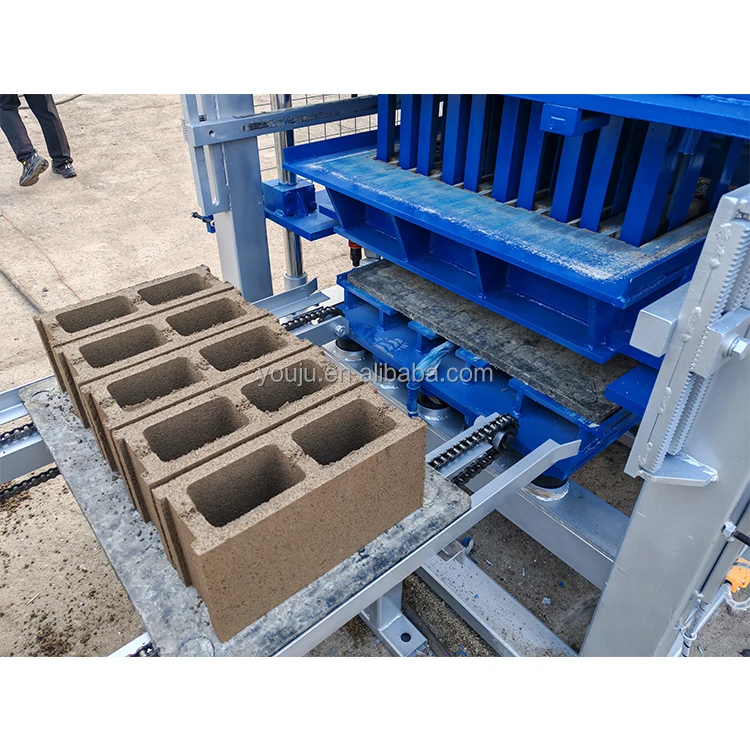
Description
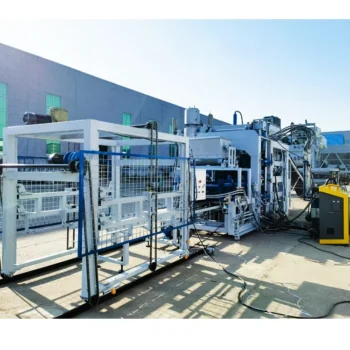
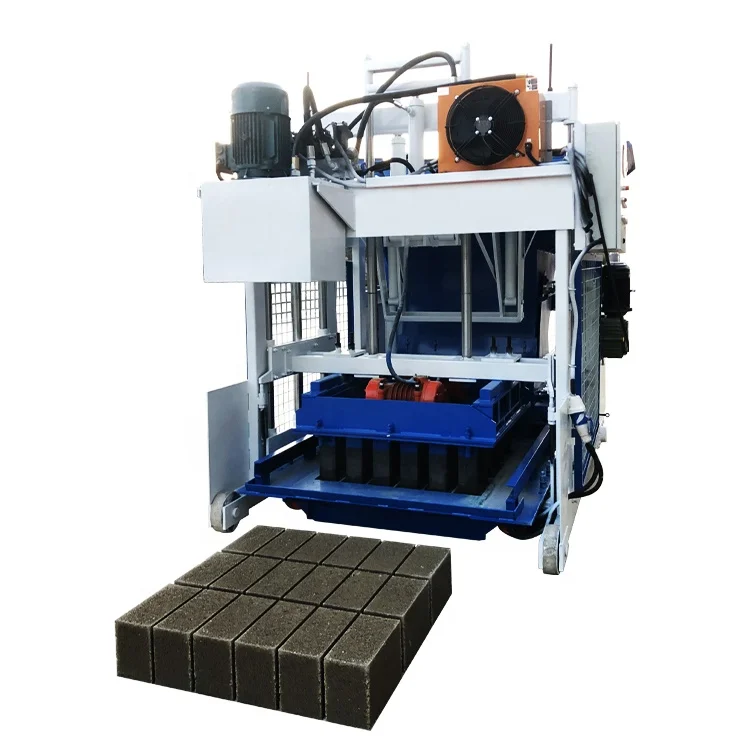
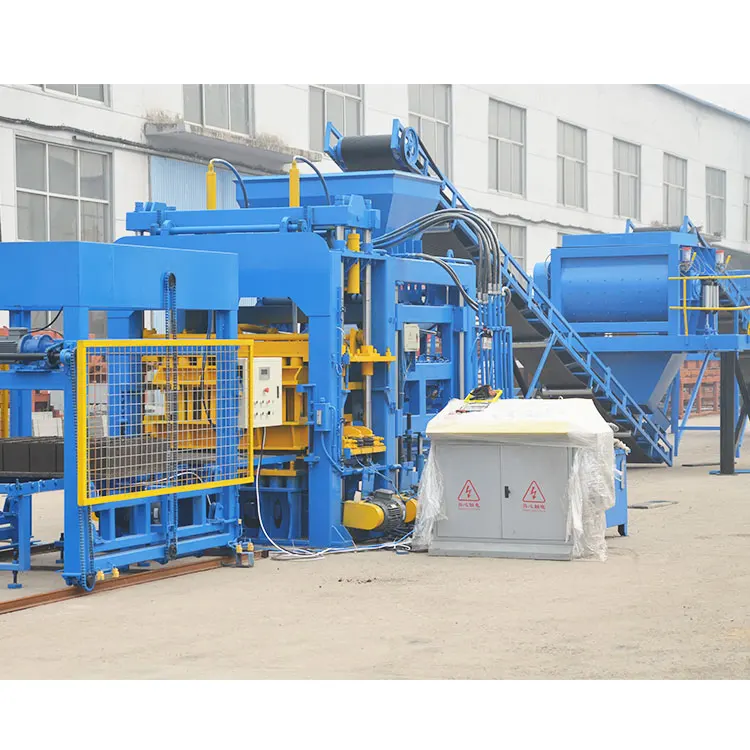
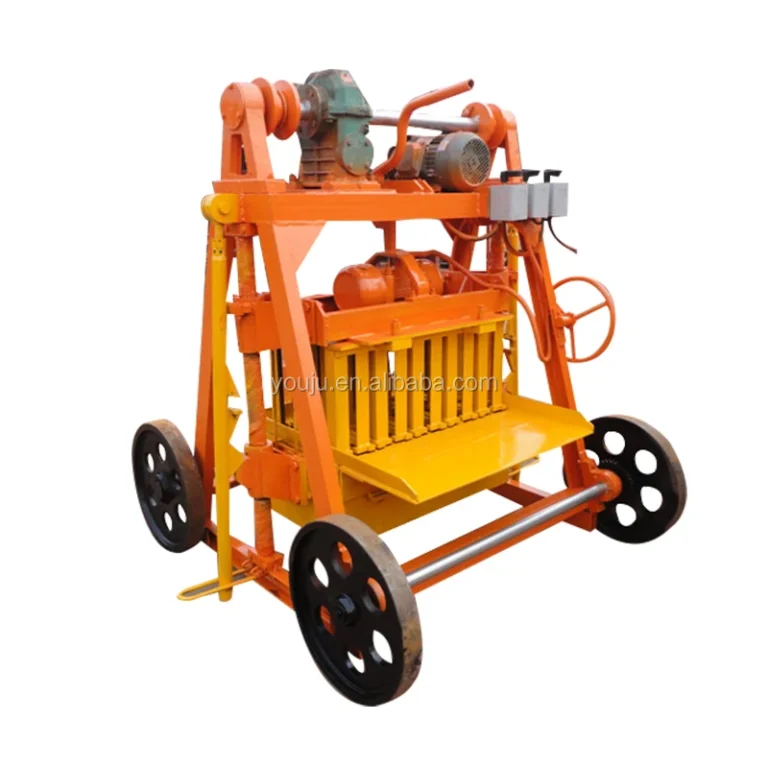
Stocked QT4-15 ready for immediate dispatch — block machine and matching moulds held in our Linyi warehouse so your project timeline is not held hostage by a production queue.
Technical Specifications
| Parameter | Value |
|---|---|
| Model | QT4-15 |
| Product Type | Hydraulic Block Making Machine |
| Control System | PLC controlled with approach switch monitoring |
| Molding Cycle | 15-30s |
| Pallet Size | 900×500mm |
| Vibration Type | Platform vibration |
| Vibration Frequency | 50-70HZ |
| Product Height Range | 50-220mm |
| Overall Power | 24.5kW |
| Demolding Method | Hydraulic |
| Automation Level | Automatic |
| Output Capacity (Hollow Block 400×200×200mm) | 900-1200 pcs/hour (basis: 4 pcs/mould, 15-20s cycle) |
| Output Capacity (Hollow Block 400×150×200mm) | 1080-1440 pcs/hour (basis: 5 pcs/mould, 15-20s cycle) |
| Output Capacity (Hollow Block 400×100×200mm) | 1440-1920 pcs/hour (basis: 8 pcs/mould, 15-20s cycle) |
| Output Capacity (Paver 200×100×60mm) | 2880-3840 pcs/hour (basis: 16 pcs/mould, 15-20s cycle) |
| Output Capacity (Solid Brick 240×115×53mm) | 5930-6720 pcs/hour (basis: 28 pcs/mould, 15-20s cycle) |
| 8-Hour Output (Hollow Block 400×200×200mm) | 7200-9600 pcs/shift |
| 8-Hour Output (Solid Brick 240×115×53mm) | 47400-53700 pcs/shift |
| Voltage & Frequency | To be confirmed with buyer before dispatch |
| Block Compressive Strength | >15 MPa (basis to be confirmed) |
Application Suitability
| Application | Material or Output |
|---|---|
| Hollow block production | Fly ash, slag, sand, crushed stone, cement, water |
| Solid brick production | Cement, crushed stone, gangue, sand mixture |
| Paver brick production | Fine aggregate, cement, pigment for colored pavers |
| On-site contractor production | Local aggregate blended with cement for project-specific formats |
Why the Voltage Question Must Be Answered Before the Container Is Booked
A QT4-15 block machine in stock fast delivery means nothing if the motor cannot run on arrival.
I once watched a fully crated QT4-15 sit idle on a West African job site for three weeks because the local grid ran at a frequency the motor was never wound for. The buyer had focused entirely on cycle time and pallet size, and the voltage confirmation step got skipped in the rush to ship. That machine was a QT4-15 block machine in stock fast delivery candidate that still could not produce a single block until a step-down transformer was sourced locally [NEED_CITE: voltage and frequency standards by export market]. When project deadlines are measured in days, an electrical mismatch is the most expensive delay a buyer can face.
Dispatch Lead Time You Can Put in Your Project Schedule
The QT4-15 is a mature mid-range stationary press, and we keep completed units along with standard mould sets in our Linyi yard. Once your voltage and control language are confirmed, the machine moves from stock inspection through dismantling and container loading within a defined window — not an open-ended production queue. Buyers working against a construction deadline or a letter-of-credit shipment date need that certainty. Every QT4-15 block machine in stock fast delivery order gets a written dispatch date at the quotation stage, not after payment is received.
How Container Loading and Dismantling Are Handled
The QT4-15 is sized so that the main frame, hydraulic station, and control cabinet can be broken down into standard container-compatible modules. Before loading, we photograph each component in its dismantled state and share the images with the buyer so the on-site reassembly sequence is clear. Pallets, moulds, and hydraulic hoses are packed in separate labelled bundles. This is the part of the process where most delays hide — a missing hydraulic fitting or an unlabelled cable loom can add days to commissioning [NEED_CITE: typical container loading practices for heavy machinery exports].
Reading the Numbers That Actually Matter
The 900×500mm pallet size is the dimension that determines your curing area layout and the forklift capacity you need on site. If your existing curing racks were built for a different pallet, the mismatch will surface the day the machine arrives, not during installation. The PLC-controlled approach switch monitoring automates the full cycle from raw material feed through vibration to hydraulic demolding, which means operator headcount stays low once the line is running. Overall power draw of 24.5kW tells your electrical contractor the dedicated circuit rating required — confirm this against your site transformer capacity before the machine ships. The platform vibration system at 50-70HZ paired with hydraulic pressure is what achieves the stated block compressive strength; the two forces must be matched to your specific mix design to hold consistent density across every production run.
What Happens When the Wrong Pallet Size Ships
A buyer in Southeast Asia once accepted a pallet size that did not match his curing yard forklift. The machine ran fine, but every pallet had to be moved twice — once by the machine line and once by hand — wiping out the automation advantage he had paid for. The QT4-15 supports a 900×500mm pallet, and that dimension should be checked against your existing racking and handling equipment before you confirm the order. Mould compatibility is another area where assumptions cause problems; confirm which block formats are included in the stock package and whether custom moulds need additional lead time [NEED_CITE: pallet handling and curing area planning for block plants].
Why Buyers Choose This Stock Program
Block machinery is our single focus, which means the QT4-15 press, its moulds, pallets, and supporting equipment are specified as one matched set rather than assembled from separate suppliers. Machine configuration is verified against the buyer’s local aggregate and target block format, not pulled from a generic catalogue default. Mould design covers the formats your market actually sells, and custom drawings are accommodated when standard options do not fit. The automation level on the QT4-15 is selectable, so a buyer can start with the current PLC configuration and add handling stations later. Factory testing runs the full molding cycle before dispatch, and the test record travels with the machine.
Documentation & Verification
- Factory test record on your specified block format before the machine leaves Linyi
- Voltage and control language confirmation sheet signed off before crating
- Machine specification sheet with pallet size and mould list itemized
- Packing photographs showing dismantling state and container loading sequence
- Operation and maintenance manual in your selected control panel language
- Hydraulic and electrical schematic matching the as-built configuration
Installation, Commissioning & Support
- Foundation must support the QT4-15 main frame weight and vibration load on level concrete
- Dedicated electrical circuit sized for 24.5kW overall power draw with correct voltage and frequency
- Main frame, hydraulic station, and control cabinet reassembled on site per dismantling photographs
- First-run molding cycle with your local aggregate to verify block compressive strength and cycle time
- Operator training covering PLC controls, mould change procedure, and daily maintenance checks
- Wear parts list with hydraulic seals and vibration components identified for first reorder
Before You Send the Inquiry
To lock down a QT4-15 block machine in stock fast delivery with the right configuration, share your target block formats and the daily output you need for each one. Confirm your local raw material type — whether fly ash, crushed stone, or sand — so the mix design can be factored into the mould selection. Provide your site voltage and frequency along with the preferred PLC display language so the electrical package is built correctly before the machine leaves our yard.
Frequently Asked Questions
Q: What stock configurations of the QT4-15 are available right now?
A: Completed QT4-15 units are held with standard mould sets for hollow blocks, solid bricks, and pavers. Current stock status and available mould formats are confirmed at the inquiry stage so you know exactly which configuration can ship. Non-standard moulds may require additional preparation time.
Q: How long does dispatch take once an order is confirmed?
A: After voltage, frequency, and control language are confirmed, the machine goes through stock inspection, dismantling, and container loading within a quoted window. The dispatch date is stated in the quotation so you can align it with your project schedule and shipping arrangements.
Q: Is the QT4-15 dismantled for container shipment?
A: Yes. The main frame, hydraulic station, and control cabinet are broken into container-compatible modules. Each component is photographed before loading, and reassembly follows a documented sequence so your on-site team or our installation crew can rebuild the line in the correct order.
Q: Can the voltage and control panel language be confirmed before shipping?
A: This is a mandatory step in our dispatch process. The buyer confirms site voltage, frequency, and preferred PLC display language before the electrical package is finalized. Skipping this step risks weeks of downtime at the destination while a transformer or panel replacement is sourced.
Q: What does the buyer need to prepare before the machine arrives?
A: A level concrete foundation rated for the machine’s vibration load, a dedicated electrical circuit matching the confirmed voltage and 24.5kW power requirement, and curing space configured for 900×500mm pallets. Having these ready when the container arrives keeps commissioning on schedule.