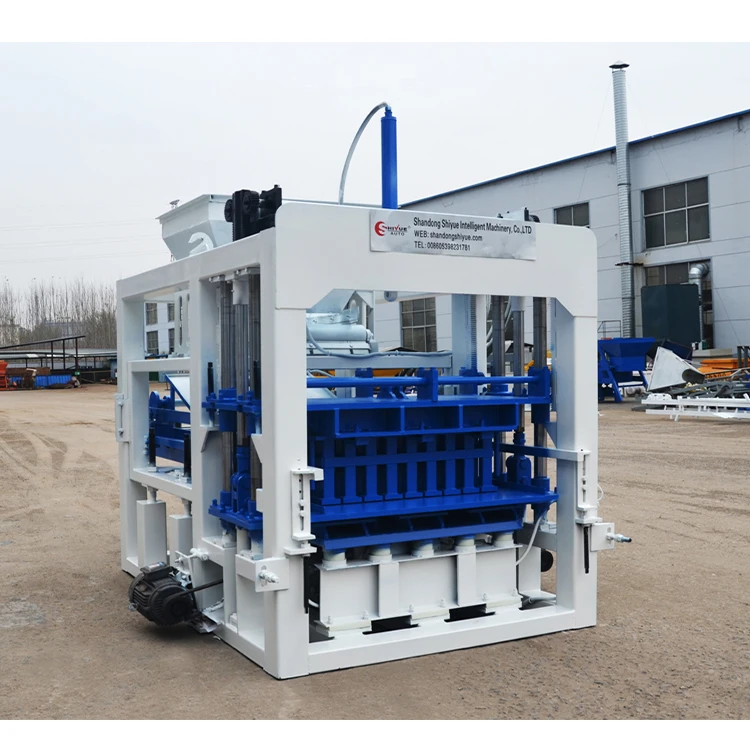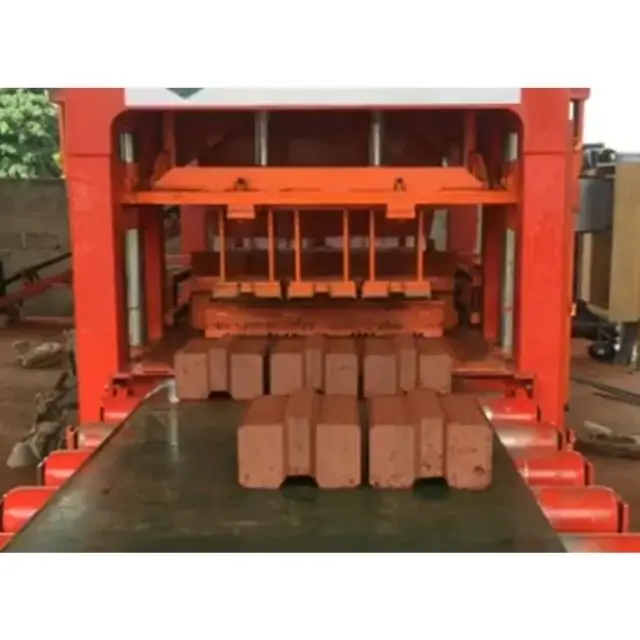


Description
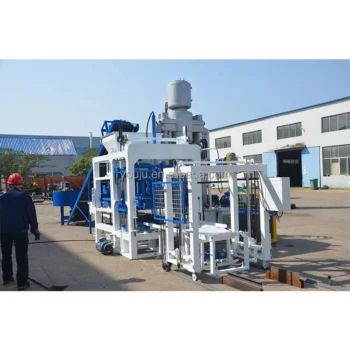
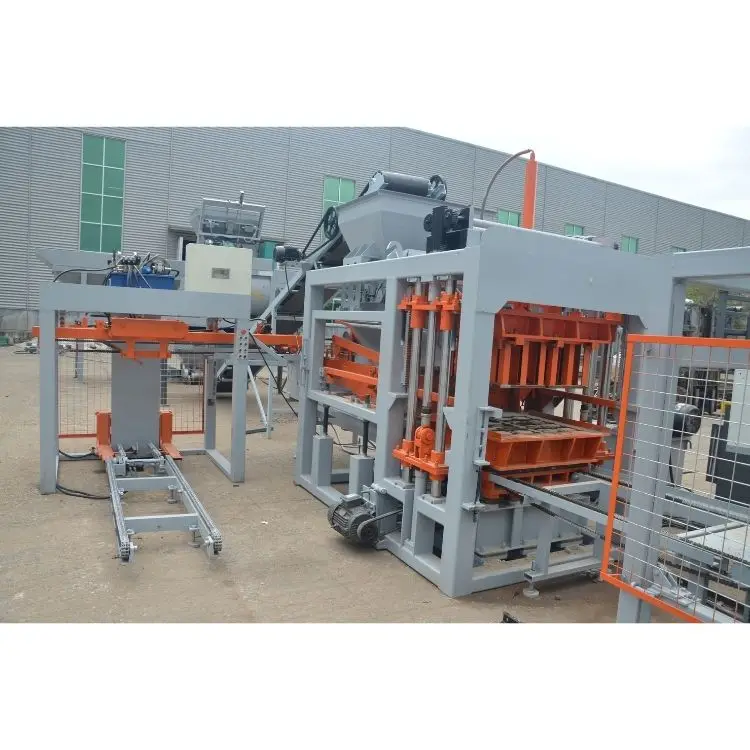
Stocked Machines & Clear Dispatch — we quote the LY4-10 interlocking clay brick machine with confirmed availability and a loading plan, so your project timeline is not left guessing.
Technical Specifications
| Parameter | Value |
|---|---|
| Model | LY4-10 |
| Product Type | Automatic Soil Clay Interlocking Brick Making Machine |
| Control System | PLC controlled |
| Overall Dimensions (L×W×H) | 1600 x 1400 x 2100 mm |
| Net Weight | 1600 kgs |
| Rated Power | 11 kW |
| Molding Cycle | 10 seconds |
| Output Capacity | 11520 pcs/day (basis not stated in source — confirm block format) |
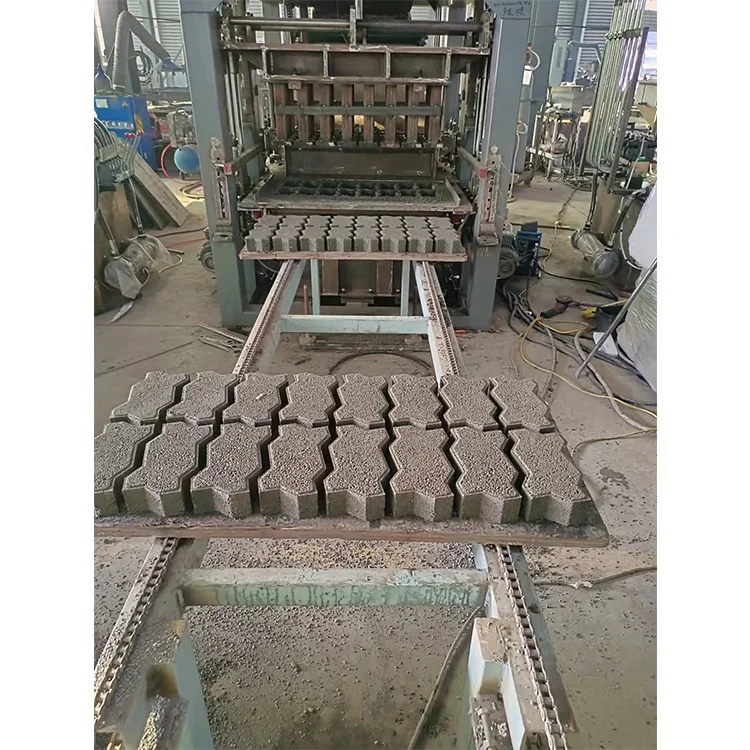
| Production Rate | Four bricks per mould cycle in less than 10 seconds (according to the mold) |
| Forming Method | Hydraulic pressure |
| Hydraulic Oil Capacity | 70 L anti-wear hydraulic oil |
| Gearbox Oil Capacity | 15 kg oil (mixer gearbox) |
| Basic Equipment Included | JQ350 Concrete Mixer, 6M Conveyor Belt |
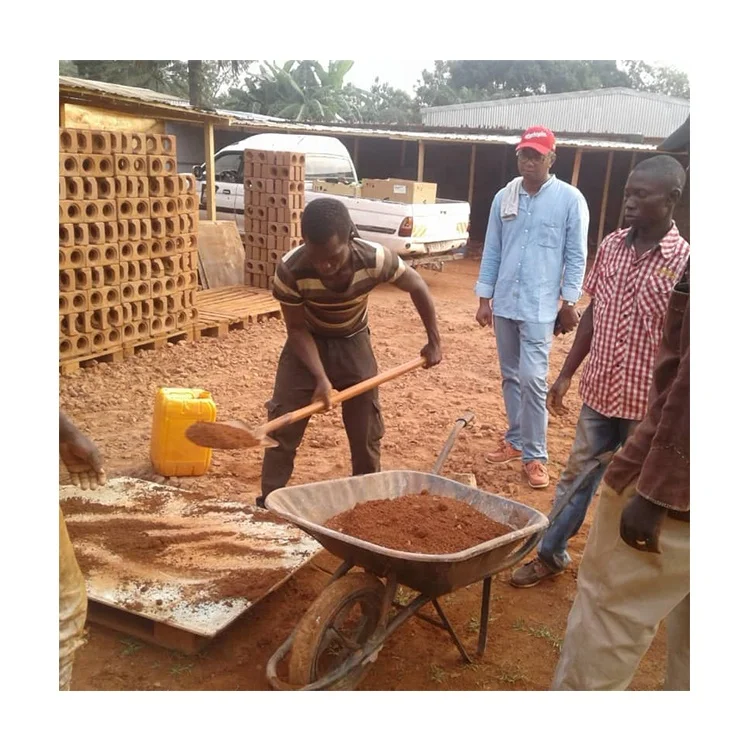
| Raw Material Compatibility | Clay, soil, cement or other construction dregs |
| Automation Level | Full automatic, operable by one person |
| Voltage & Frequency | Configurable (to be confirmed before shipment) |
Application Suitability
| Application | Material or Output |
|---|---|
| On-site interlocking brick production for housing projects | Local soil or clay mixed with cement |
| Small-to-medium brick plant startups | Construction dregs, clay, soil |
| Rural infrastructure and wall construction | Soil-based mixes with adjustable brick height |
| Mobile block production for remote sites | Hydraulic-formed interlocking formats |
What "In Stock" Actually Means for Your Project Deadline
A stocked LY4-10 interlocking clay brick machine in stock means we can quote a firm dispatch date before you commit, not after.
When a contractor is working against a handover date, the last thing needed is a machine that sits in a factory waiting for parts. I have stood on sites where the foundation was poured, the curing area was marked out, and the crew was hired — but the brick machine was still "in production." By the time it arrived and was commissioned, the wet season had started, and the whole schedule slipped. That is why availability and a realistic arrival estimate must be part of the first conversation, not a surprise at the end [NEED_CITE: typical shipping and customs lead times for heavy machinery to African and South Asian ports].
Dispatch Readiness and Container Loading
The LY4-10 interlocking clay brick machine in stock is sized for straightforward container loading. At 1600 kgs and 1600 x 1400 x 2100 mm, the main press unit fits within standard flat-rack or open-top container configurations alongside the JQ350 mixer and 6M conveyor belt. We confirm the loading plan — which components are dismantled, how they are secured, and what the container type will be — before the purchase order is signed. This eliminates the situation where a machine arrives with damaged hydraulic lines because the loading scheme was improvised on the dock.
Arrival Estimate and Customs Documentation
Once the LY4-10 is loaded, the transit time depends on the destination port and local customs procedures. We provide a port-to-port arrival estimate based on current shipping schedules and include the customs documentation support needed for clearance: commercial invoice, packing list, bill of lading, and any applicable certificates [NEED_CITE: customs documentation requirements for construction machinery imports]. For buyers in markets where clearance can add weeks, knowing this upfront means the installation crew is scheduled for the right week, not the wrong month.
Understanding the Core Specifications for Real Output
The 10-second molding cycle and four-brick-per-cycle rate are the mechanical ceiling of the LY4-10. In practice, the daily output depends entirely on the block format, the mix consistency, and how fast the operator feeds material and removes finished bricks. The hydraulic pressure system is what gives interlocking bricks their density and stacking strength — without sufficient pressure, the soil-cement mix crumbles at the edges and the interlocking teeth do not hold. The 70 L hydraulic oil tank with anti-wear oil keeps the system stable through continuous shifts, but the oil must be checked and replaced on schedule, especially in dusty site conditions where contamination accelerates wear. The PLC control allows one-person operation, which matters on remote sites where skilled labor is scarce, but the display language and voltage must be confirmed before the machine leaves the factory — arriving with the wrong voltage or an unreadable screen adds days of delay.
The Hidden Cost of Skipping the Soil Test
I have watched a fully automatic soil clay interlocking brick machine arrive on site, get connected, and start producing — only for every brick to stick to the mould because the local red clay had a moisture content far above what the machine was set for. Two truckloads of wet brick blanks were wasted before anyone thought to test the soil properly. The LY4-10 can handle clay, soil, and construction dregs, but the mix ratio and moisture level must be verified with actual samples from your site before we confirm the mould setup and hydraulic pressure settings. Skipping this step does not save time; it costs weeks [NEED_CITE: soil moisture content impact on hydraulic brick forming quality].
Why Source This Machine Here
Block machinery is our single focus, so the LY4-10 is specified as a matched system — press, mixer, conveyor, mould, and hydraulic unit — rather than assembled from separate suppliers who do not talk to each other. We confirm voltage, frequency, and PLC display language before production, so there is no commissioning delay when the machine arrives. Moulds are designed for the interlocking format your market actually sells, and brick height is adjustable via screws on the mould itself. Stocked models and standard moulds ship on a known timeline, with packing photographs provided before the container is sealed. Installation support and operator training are included, so the first production run happens with someone who knows the machine standing beside your crew.
Documentation & Verification
- Factory test record running your specified interlocking brick format before dispatch
- Hydraulic and electrical schematic matching the as-built machine configuration
- Voltage and control language confirmation sheet signed before shipment
- Mould drawing and format list for the interlocking profile you selected
- Packing photographs showing container loading and securing details
- Operation and maintenance manual covering hydraulic oil and gearbox oil service intervals
Installation, Commissioning & Support
- Foundation pad must be level and rated for 1600 kgs static load plus dynamic vibration
- Dedicated power circuit required matching confirmed voltage and frequency, 11 kW rated draw
- Machine ships partially dismantled; reassembly of hydraulic lines and conveyor on site
- First-run commissioning includes hydraulic pressure calibration and molding cycle verification
- Operator training covers PLC controls, mould change procedure, and brick height adjustment
- Hydraulic oil and mixer gearbox oil service schedule provided at handover
- Wear parts and mould replacement list supplied with recommended reorder intervals
Before You Request a Quote
To give you a firm dispatch date and arrival estimate, we need to know your destination port, the interlocking brick format you plan to produce, and the local soil or clay type you will use. Confirming your site voltage and frequency, along with the preferred PLC display language, lets us lock the configuration before the machine leaves the factory. If you have a project handover date, tell us — we will work backward from it to confirm whether a stocked unit meets your timeline.
Frequently Asked Questions
Q: Which LY4-10 models and moulds are currently available for immediate dispatch?
A: Stocked LY4-10 units with standard interlocking moulds are available for prompt dispatch. Custom mould profiles require additional lead time for design and fabrication. We confirm exact availability and the dispatch date at the quotation stage, so you know the timeline before committing.
Q: How long does it typically take from order to container loading?
A: For stocked machines, the period from order confirmation to container loading is short, covering final inspection, dismantling for shipment, and packing. Custom configurations or non-standard moulds extend this timeline. We provide a specific loading date in the quotation.
Q: How is the machine loaded and what happens when it arrives?
A: The LY4-10 is partially dismantled for container loading, with the press, mixer, and conveyor secured separately. We provide packing photographs and a reassembly guide. On-site commissioning includes reconnecting hydraulic lines, electrical verification, and first-run testing.
Q: Can you estimate the arrival time at my port?
A: We provide a port-to-port transit estimate based on current shipping schedules at the time of order. Customs clearance timing depends on local procedures at your destination. We supply all standard customs documentation to support smooth clearance.
Q: Is it possible to expedite an order for an urgent project?
A: If a stocked LY4-10 matches your configuration requirements, it can be allocated and dispatched on an accelerated schedule. Urgent requests should include your project deadline and destination port so we can confirm feasibility immediately.