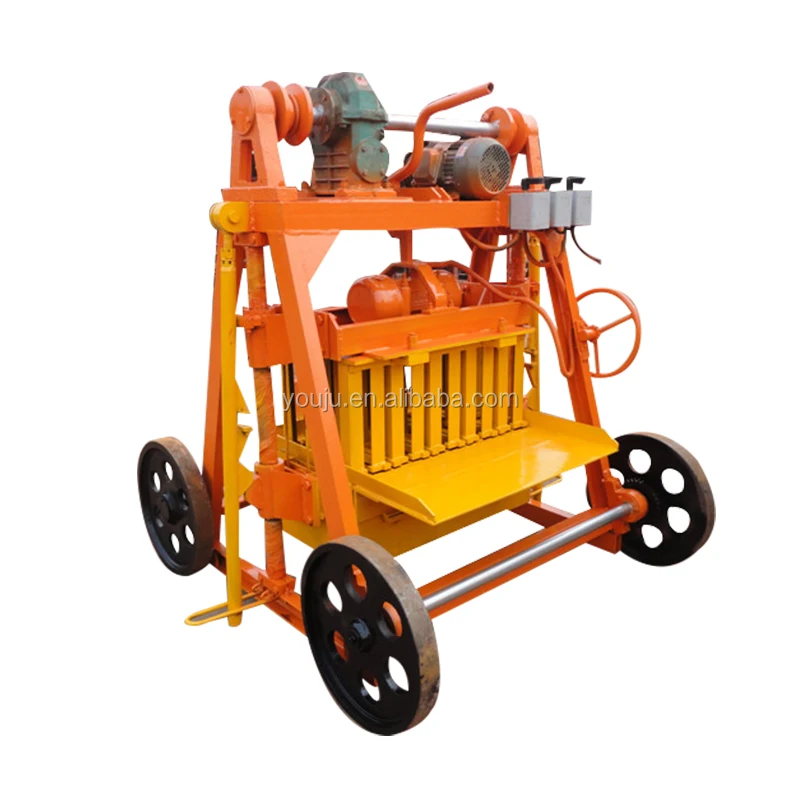
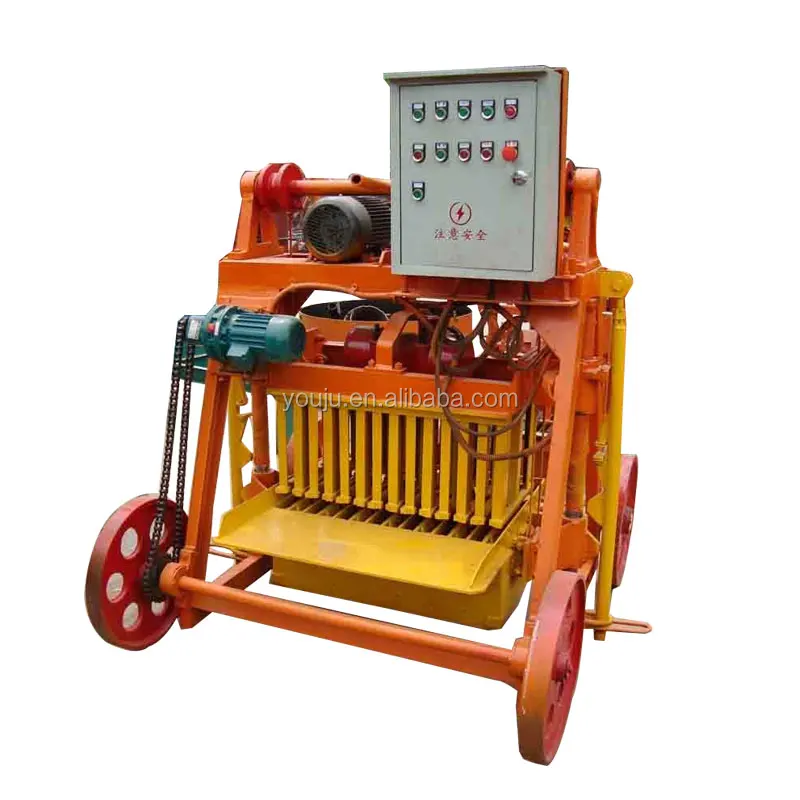
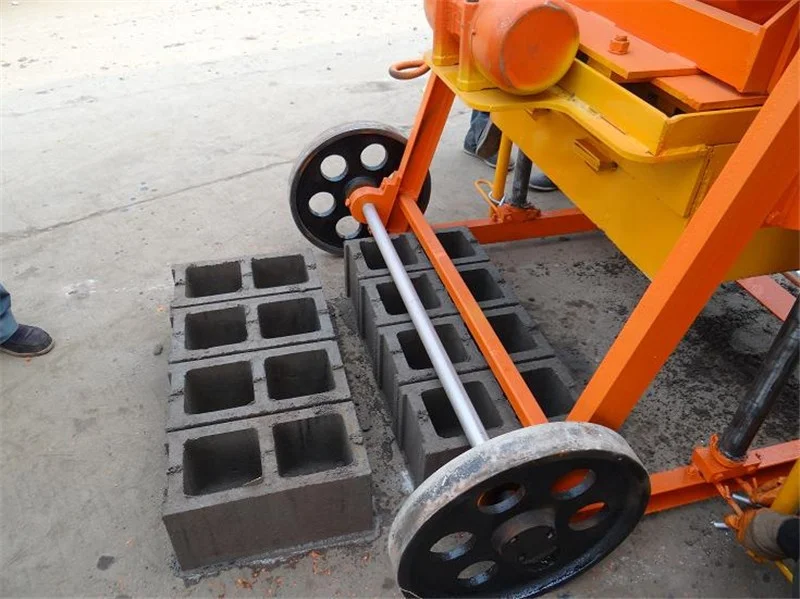
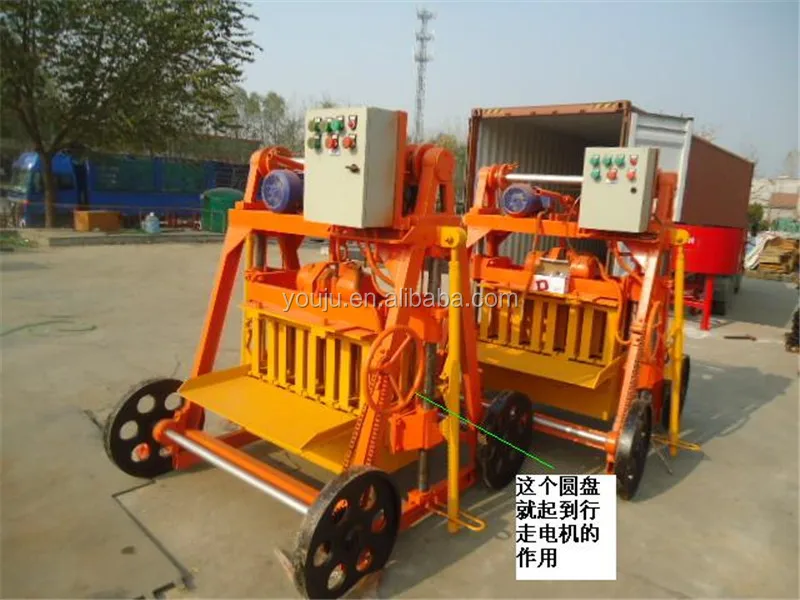
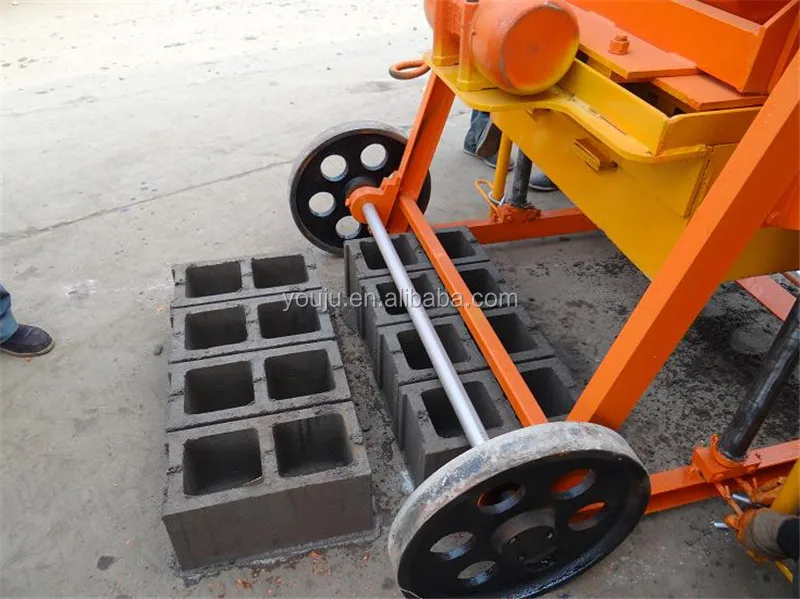
Description
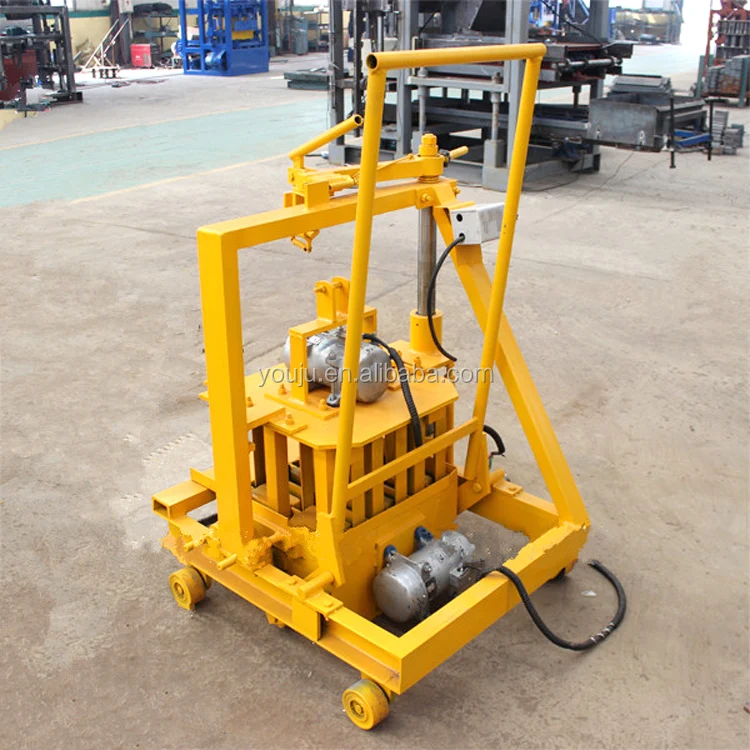
Fast Dispatch Capability — The QMJ4-45 mobile egg laying block making machine ships from our Linyi stockyard within days, not weeks, so your on-site production starts while the project window is still open.
Technical Specifications
| Parameter | Value |
|---|---|
| Model | QMJ4-45 |
| Product Type | Mobile Egg Laying Block Making Machine |
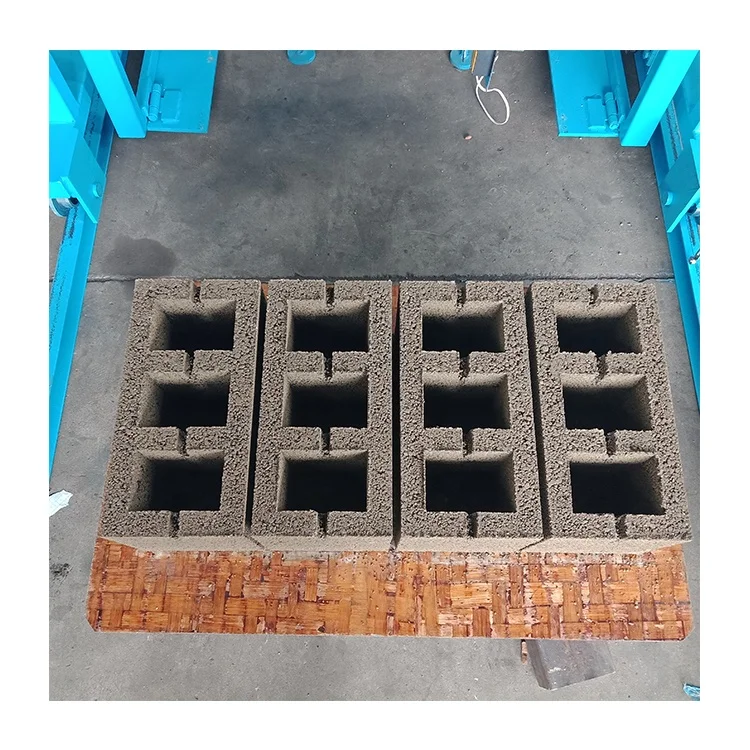
| Molding Capacity | 4 pcs/mould (based on 400×200×200 mm hollow block) |
| Vibration Frequency | 2400 r/min |
| Productivity (400×200×200 mm hollow block) | 3000 pcs/day (8-hour shift, 4 pcs/mould, 40–45 s cycle) |
| Productivity (400×150×200 mm hollow block) | 3500 pcs/day (8-hour shift, 5 pcs/mould, 40–45 s cycle) |
| Productivity (400×120×200 mm hollow block) | 4500 pcs/day (8-hour shift, 6 pcs/mould, 40–45 s cycle) |
| Compaction Method | Mould vibration (twice-vibration of molding core) |
| Molding Cycle | 40–45 s |
| Demold Method | Manual |
| Turning Method | Manual |
| Total Power | 6 kW |
| Power Source | Diesel / Petrol engine |
| Automation Level | Manual operation, no PLC |
| Control System | Manual (no PLC / MCC) |
| Warranty | One year for the whole machine |
Application Suitability
| Application | Material or Output |
|---|---|
| On-site hollow block production | Concrete mix with locally sourced aggregate, sand, and cement |
| Remote housing and infrastructure projects | Off-grid sites without electrical infrastructure |
| First-time block plant setup | Low-capital entry using diesel or petrol engine power |
| Contractor self-supply on building sites | 400×200×200 mm, 400×150×200 mm, and 400×120×200 mm hollow blocks |
What "3000 Blocks per Day" Actually Means on Your Job Site
Daily output figures only hold true when the block format, mix design, and site conditions are known before the machine ships.
I once watched a contractor in West Africa shut down an egg-laying machine after two weeks because the local river sand carried too much clay, and the vibration setting that worked in our Linyi factory produced crumbly blocks on his site. The productivity numbers listed above assume a standard concrete mix with clean aggregate and an eight-hour shift. When the raw material changes, the compaction behaviour changes too, and the cycle time shifts accordingly. A machine sitting in stock is only useful if it arrives configured for the material you actually have [NEED_CITE: aggregate grading and block strength correlation].
Dispatch Timing That Matches Your Project Deadline
When a buyer needs a mobile egg laying block making machine in stock, the first question is never about vibration frequency — it is about when the container leaves the yard. The QMJ4-45 is held as a complete, tested unit rather than a kit requiring assembly before dispatch. Once the voltage and engine specification are confirmed against your destination country’s fuel and emission rules, the machine can move to container loading within a short window. This matters most for contractors working against a rainy season or a handover date where every idle week on site costs labour and penalty fees.
Loading, Dismantling, and Arrival Estimates Quoted Upfront
The second reality check is whether the machine fits in a standard container and what reassembly looks like on arrival. The QMJ4-45 is compact enough to ship without specialised flat-rack logistics, and its manual design means there are fewer electrical components to reconnect after transit. Before payment, you receive a written container loading plan and an estimated arrival date calculated from the destination port [NEED_CITE: typical ocean freight transit times to West African and Southeast Asian ports]. This removes the common surprise where a buyer pays for a machine and then discovers the vessel schedule adds weeks to the plan.
Vibration, Cycle Time, and Block Density
The twice-vibration molding core inside the QMJ4-45 applies two distinct vibration phases during each 40–45 second cycle. The first phase settles the concrete into the mould cavity, while the second compacts it around the core pins. This produces a denser block wall compared to single-vibration egg layers, which often leave air pockets near the bottom of taller hollow block formats. At a vibration frequency of 2400 r/min, the machine delivers consistent compaction across all three listed hollow block sizes. The total power draw of 6 kW is supplied entirely by the onboard diesel or petrol engine, so no grid connection or generator set is needed.
When the Wrong Specification Reaches the Site
A mobile block machine that arrives with the wrong engine specification or an unsuitable vibration setting becomes dead weight on the job site. Contractors who skip the material sampling step often discover that the block strength falls below local building codes only after the first wall is built. The cost of demolition and rework on a housing project far exceeds the time spent sending a bag of local aggregate to the factory for a trial run before dispatch [NEED_CITE: common causes of block failure in tropical construction].
Why Buyers Source This Model Here
The QMJ4-45 is specified as a single matched unit — machine, engine, and mould — rather than assembled from separate component suppliers. Each unit is tested with a reference mix before leaving the Linyi factory, and the test record travels with the machine. Mould options cover the hollow block formats that actually sell in the destination market, and custom mould drawings are accepted for non-standard formats. Stock availability means the lead time conversation starts with a realistic dispatch date, not a production schedule that shifts depending on the factory’s current order book.
Documentation & Verification
- Factory test record showing block output on a reference mix before dispatch
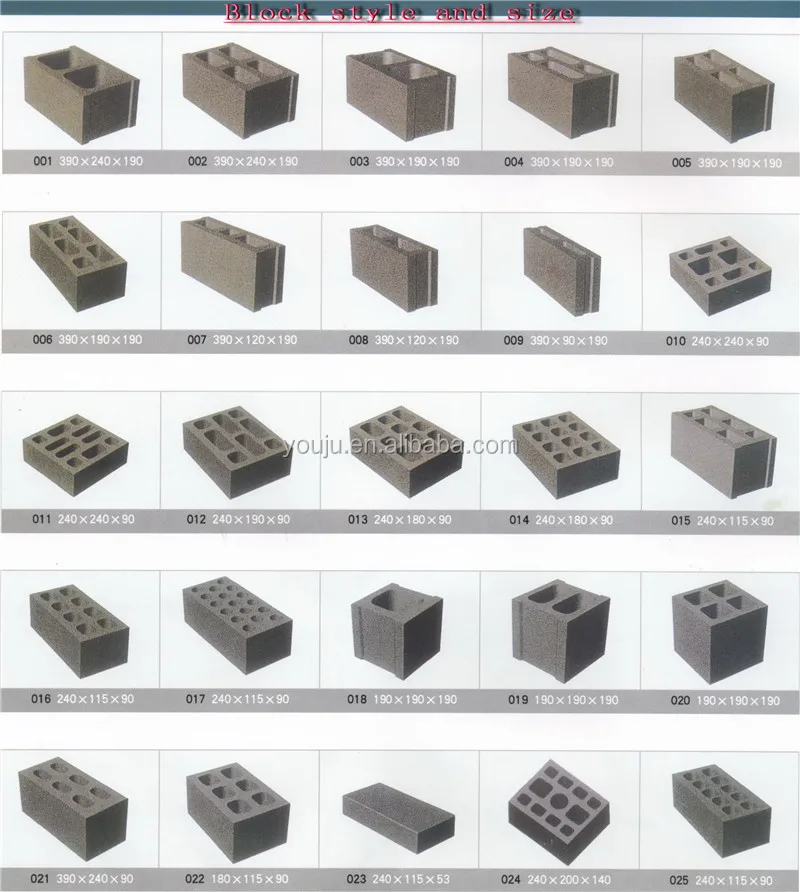
- Mould drawing and format list matching the three hollow block sizes specified
- Engine specification sheet confirming fuel type and power rating
- Packing photographs documenting the machine condition at container loading
- Operation and maintenance manual with illustrated parts breakdown
Installation, Commissioning & Support
- Machine arrives dismantled for container loading with a reassembly guide included
- Diesel or petrol engine requires only fuel and oil before first start-up
- Manual demold and turning design eliminates electrical commissioning delays
- Vibration frequency of 2400 r/min is factory-set but adjustable on site for local mix variations
- One-year warranty covers the full machine with wear parts listed in the manual
- Operator training materials provided in illustrated format for first-time plant operators
What to Include in Your Inquiry
Send the block format your local market demands, the aggregate source nearest your project site, and the port where you plan to receive the container. If the site has any elevation or climate constraints, note those as well. With these details, the quotation can include a confirmed dispatch date and an estimated arrival window rather than a generic lead time estimate.
Frequently Asked Questions
Q: What is the dispatch lead time if the QMJ4-45 is in stock today?
A: When the QMJ4-45 mobile egg laying block making machine in stock is confirmed at inquiry, dispatch follows engine specification confirmation and container booking. The exact window depends on the destination port schedule, but the machine does not need to go through a production cycle first. You receive a written loading plan before payment so the timeline is locked in advance.
Q: How is the machine loaded into a container and reassembled on arrival?
A: The QMJ4-45 is dismantled into sections that fit inside a standard shipping container without flat-rack surcharges. Reassembly on site involves reconnecting the engine to the vibration drive and bolting the mould frame into position. The packing list includes a step-by-step reassembly guide, and the manual design means no PLC wiring or electrical panel reconnection is required.
Q: What block formats are the listed productivity figures based on?
A: The productivity numbers — 3000, 3500, and 4500 pieces per day — are each based on a specific hollow block size: 400×200×200 mm, 400×150×200 mm, and 400×120×200 mm respectively, over an eight-hour shift. If your market requires a different format, the mould can be changed and a revised productivity figure calculated for that specific block size and cycle time.
Q: Does the diesel engine meet emission standards at the destination country?
A: Engine emission compliance varies by country. During the inquiry stage, we confirm the destination market’s requirements and match the engine specification accordingly. This conversation happens before the machine is dispatched, not after it arrives at customs.