Description
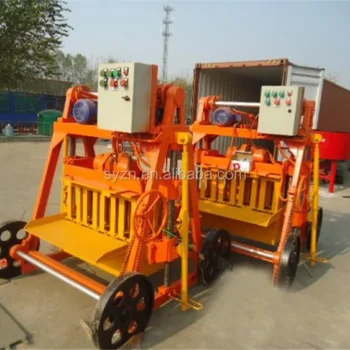
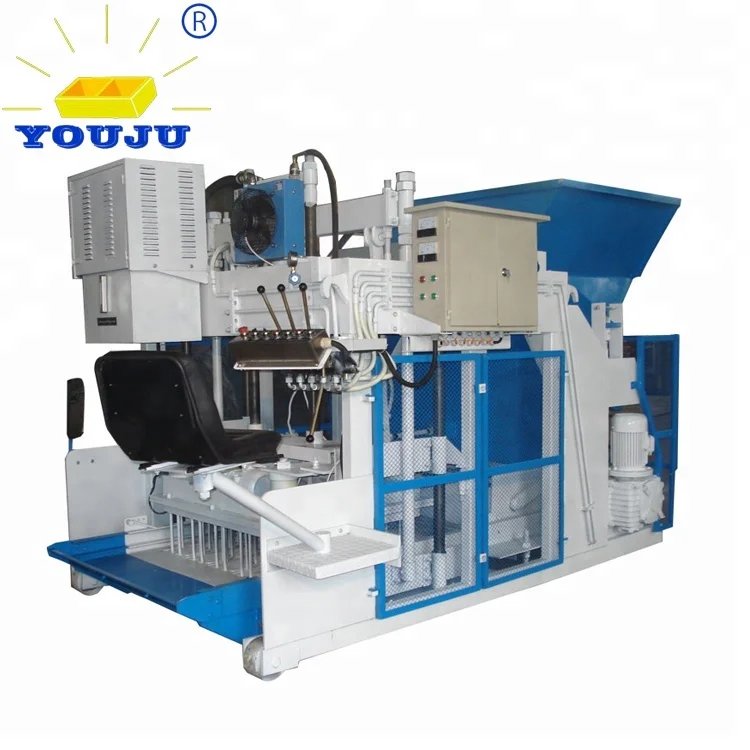
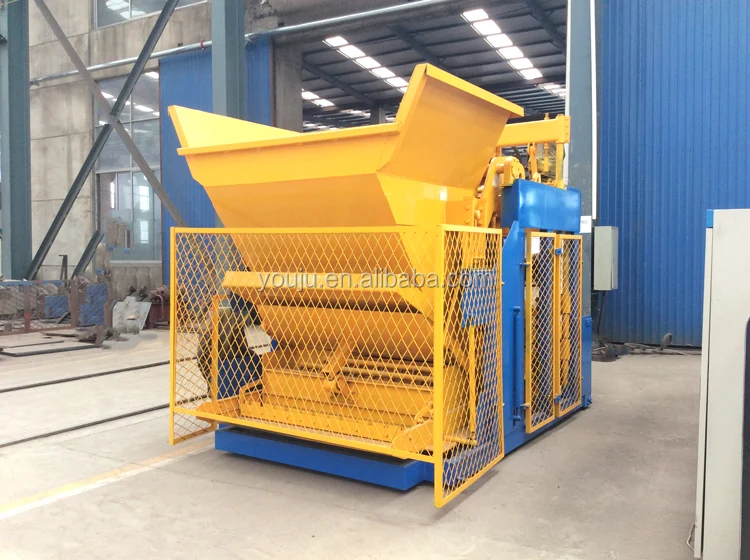
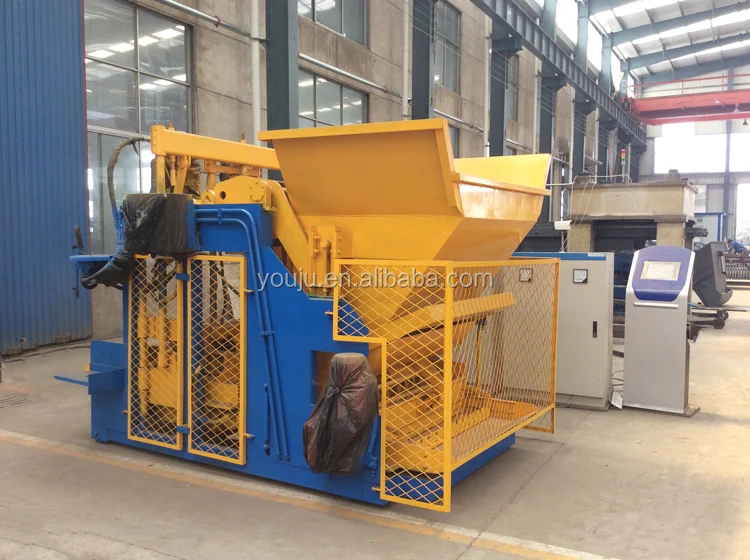
Matched system readiness — the QMY12-15 mobile block machine ships as an integrated engine-driven unit with moulds and pallets specified to your block format before the container is sealed.
Technical Specifications
| Parameter | Value |
|---|---|
| Model | QMY12-15 |
| Product Type | Automatic Cement Hollow Block Making Machine |
| Machine Type | Mobile / egg-laying block machine |
| Block Format Range | 4–9 inch block sizes (basis to be confirmed) |
| Drive System | Engine & Gear |
| Automation Level | Automatic |
| Power Source | Engine (fuel type / kW to be confirmed) |
| Voltage & Frequency | To be confirmed for destination market |
| Control System | To be confirmed (PLC / manual) |
| Pallet Size | To be confirmed |
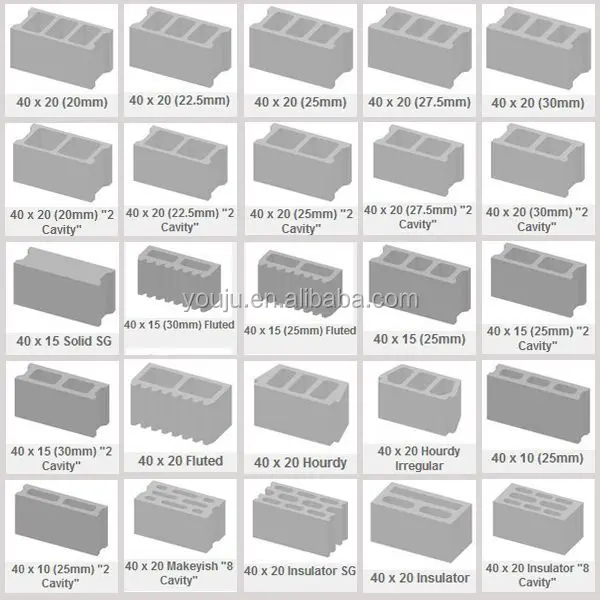
| Mould Format | Supports 4–9 inch block sizes; exact mould list to be confirmed |
| Mould Change Time | To be confirmed |
| Cycle Time per Format | To be confirmed |
| Output Capacity | High Efficiency (basis not stated in source) |
| Hydraulic Pressure | To be confirmed |
| Vibration Force | To be confirmed |
| Assembly State | Mobile unit with integrated engine drive |
Application Suitability
| Application | Material or Output |
|---|---|
| On-site hollow block production for building contractors | Cement, crushed stone, sand, and water mix |
| Housing project block manufacturing at remote sites | Local aggregate with cement binder, engine-powered |
| First-stage block plant for entrepreneurs | Standard concrete mix designs for 4–9 inch hollow blocks |
| Temporary production for infrastructure projects | Site-sourced aggregate with portable egg-laying operation |
Why "Ready to Ship" Means Nothing Without Mix Confirmation
A mobile block machine in stock only solves the timeline problem if the configuration matches your local material.
I once stood on a jobsite in the Philippines watching a mobile egg-laying machine struggle through its first day. The volcanic ash content in the local sand was far higher than the standard test mix assumed. The blocks came out soft, the cycle had to be slowed, and what was supposed to be a fast deployment turned into a two-week delay while we adjusted everything on the ground [NEED_CITE: impact of local aggregate variation on block density and cycle time]. That is the gap between a machine sitting in a warehouse and a machine that actually produces on your site. Dispatch speed only matters when the QMY12-15 mobile block machine in stock is configured for the aggregate you can actually source within hauling distance of your project.
Engine Drive and On-Site Independence
The QMY12-15 runs on an integrated engine and gear drive system, which removes the dependency on a stable grid connection at your project location. For contractors working on housing developments or road projects where power infrastructure is unreliable or nonexistent, this means the mobile block machine in stock can begin producing hollow blocks the day it is offloaded. The engine-driven configuration keeps the vibration and material feeding independent of external electrical supply variations that would otherwise disrupt cycle consistency.
Egg-Laying Operation Without a Fixed Plant
The egg-laying design allows the QMY12-15 to move along a prepared ground surface, laying blocks directly onto the curing area without pallets returning through a conveyor loop. This eliminates the pallet handling infrastructure that a stationary plant requires. For project-based contractors, the reduced footprint and setup time mean the mobile block machine in stock can be operational in a fraction of the time a fixed line demands [NEED_CITE: typical setup time comparison between mobile egg-laying and stationary block plants]. The trade-off is that ground preparation and curing space planning become your responsibility before the machine arrives.
Reading the Specification Sheet Honestly
The block format range is listed as 4–9 inch sizes, but the actual output per shift depends entirely on which specific block dimension you are running, the wall thickness, and the density your market requires. Vibration force and hydraulic pressure must be matched to your mix design — a lightweight aggregate blend behaves differently under vibration than a dense crushed-stone mix. The engine power rating determines whether the machine can sustain full vibration force through an entire shift without thermal derating. Mould change time dictates whether switching from a 6-inch to a 4-inch block is a quick operation or consumes a significant portion of your working day. These parameters must be confirmed against your actual production target before dispatch [NEED_CITE: relationship between vibration force, mix design, and block compressive strength].
The Cost of Skipping Configuration Verification
When a mobile block machine ships without confirming the buyer’s local aggregate, the result is often a machine that runs but produces blocks failing to meet local strength standards. Contractors then face the choice of importing a different sand or cement type at added cost, or running the machine below its designed capacity to compensate for a mix it was never set up for. Mould availability is another frequent gap — if the first replacement mould cannot be sourced locally, production halts until a shipment arrives [NEED_CITE: lead time for replacement moulds shipped internationally]. Pallet specification, even on an egg-laying machine where pallets are minimal, still matters for any auxiliary handling and initial setting stages.
Why Buyers Source This Machine Here
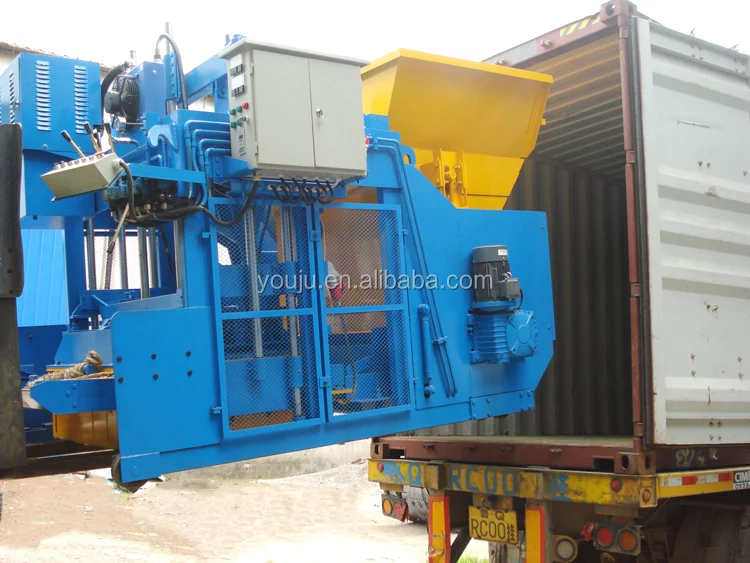
The QMY12-15 is specified as part of a matched system including moulds, supporting equipment, and pallet configuration rather than sold as a standalone press. Configuration is set against the buyer’s actual mix design and local aggregate, not pulled from a catalogue default. Mould design covers the formats the buyer’s market actually sells, with custom drawings available when standard options do not match. Stock availability and dispatch lead time are confirmed before the order is placed, with container loading planned around the machine’s dismantling requirements. Installation support and operator training are included so that the machine reaches productive output without an extended learning curve on site.
Documentation & Verification
- Machine specification sheet stating block format and mix assumptions for capacity figures
- Mould drawing and format list matching your confirmed block sizes before dispatch
- Voltage and control language confirmation document for your destination market
- Factory test record on your specified block format prior to container loading
- Packing photographs and customs documentation support for import clearance
Installation, Commissioning & Support
- Ground preparation and curing area layout confirmed against the QMY12-15 egg-laying travel path
- Engine fuel type and spare filter specifications matched to local supply availability
- Mould mounting and alignment verified during first production run on your aggregate
- Operator training covering engine maintenance intervals and block quality checkpoints
- Wear parts list with mould replacement schedule provided before first production cycle ends
- Daily and weekly maintenance checklist specific to engine-driven mobile operation
What We Need to Confirm Your Machine
To move from stock availability to a confirmed dispatch, share your target block dimensions including wall thickness, the local aggregate type and source, and your daily output requirement stated per block format. Confirm the destination country voltage and frequency even though this is an engine-driven unit, as any auxiliary controls may require electrical compatibility. Let us know your project timeline so container loading and transit can be scheduled against your site readiness date.
Frequently Asked Questions
Q: What block formats can the QMY12-15 produce and what determines actual daily output?
A: The QMY12-15 supports 4–9 inch hollow block sizes, but daily output depends on which specific block format you run, the wall thickness, and your mix design. A larger block with thicker walls requires longer cycle times and produces fewer units per shift than a smaller format. We confirm realistic output per format based on your material before dispatch.
Q: How does engine power affect continuous production on site?
A: The integrated engine must sustain full vibration force and material feeding throughout an entire shift without overheating or losing output consistency. Fuel type, ambient temperature, and altitude all influence engine performance. We confirm the engine rating against your site conditions and expected shift length to avoid thermal derating mid-production.
Q: What is the dispatch timeline once configuration is confirmed?
A: Once your block format, mould selection, and material compatibility are verified, the QMY12-15 is prepared for container loading from stock. Dismantling for shipment, loading, and securing in the container follow a standard procedure. Transit time depends on destination port, and we quote the arrival estimate before the order is finalized.
Q: Are replacement moulds and wear parts available after the first production run?
A: Mould and wear parts lists are provided with the machine, and replacement moulds can be manufactured to the same specifications. Lead time for international shipment of replacement moulds must be planned into your production schedule. We recommend ordering the first replacement set before the original moulds reach end of life.