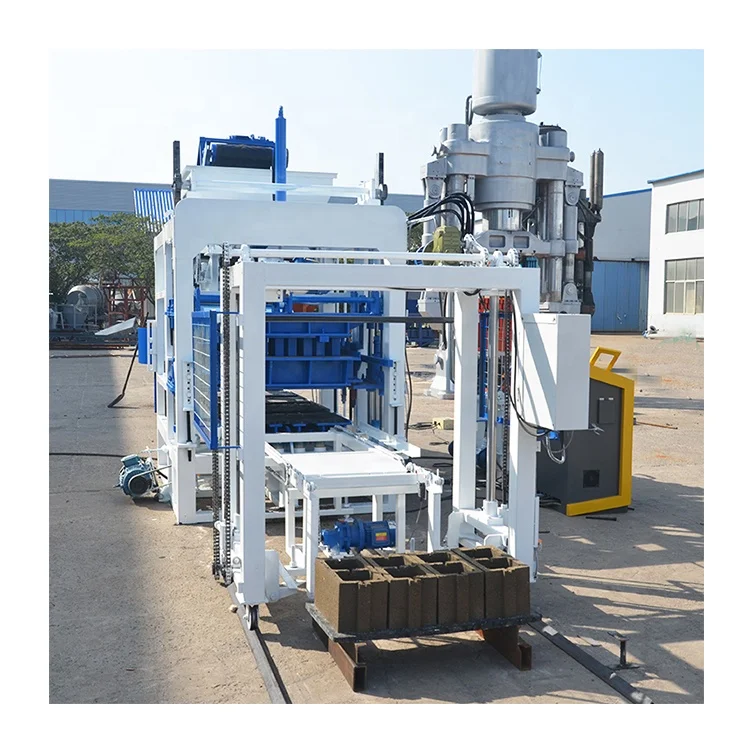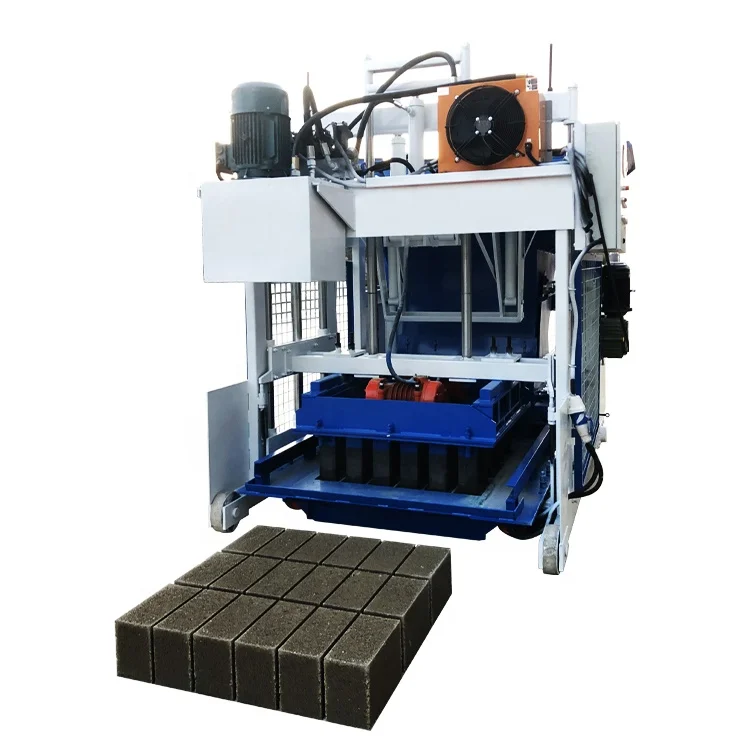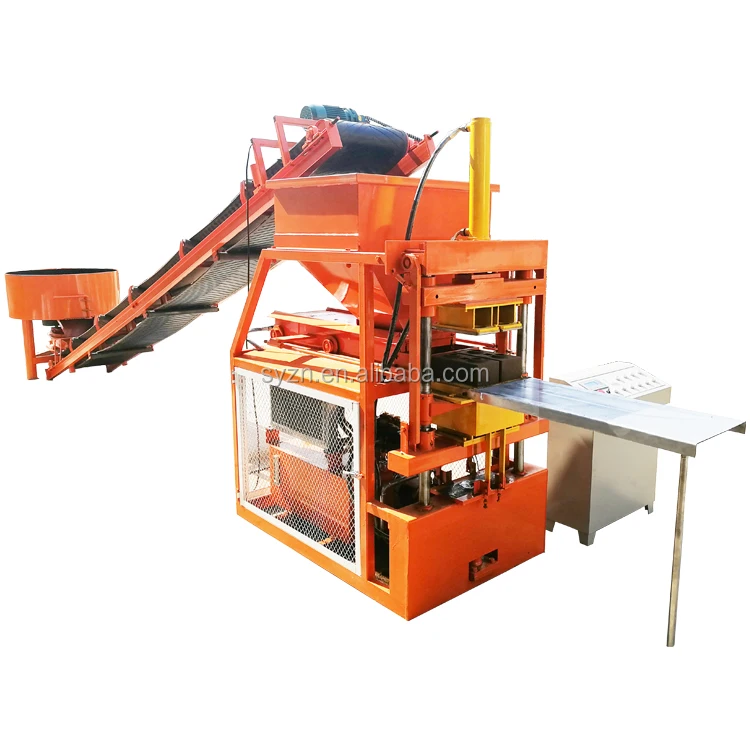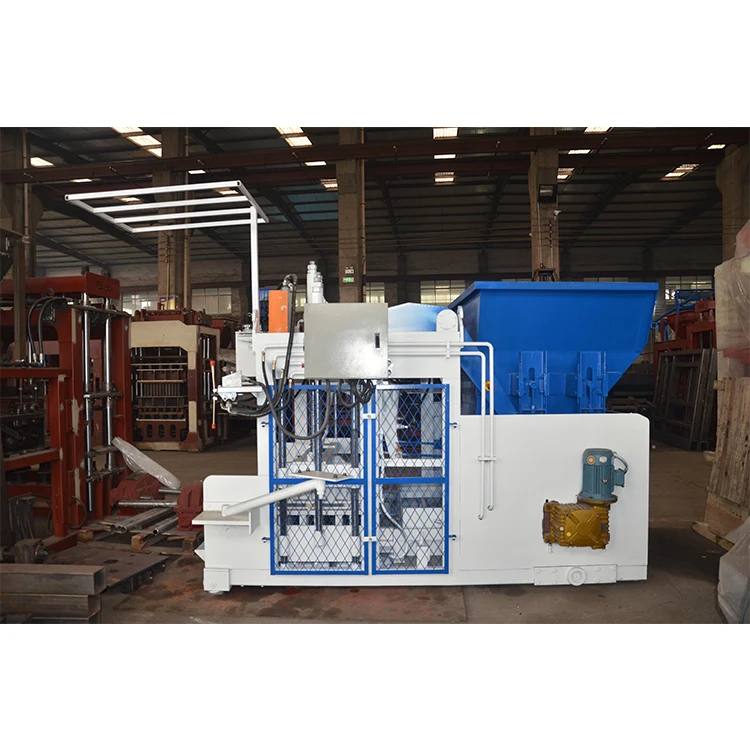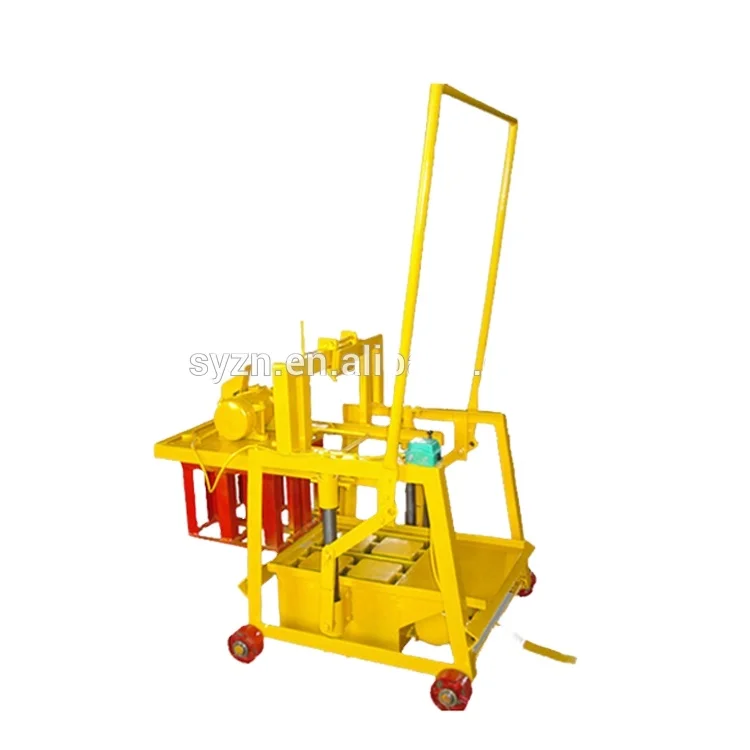
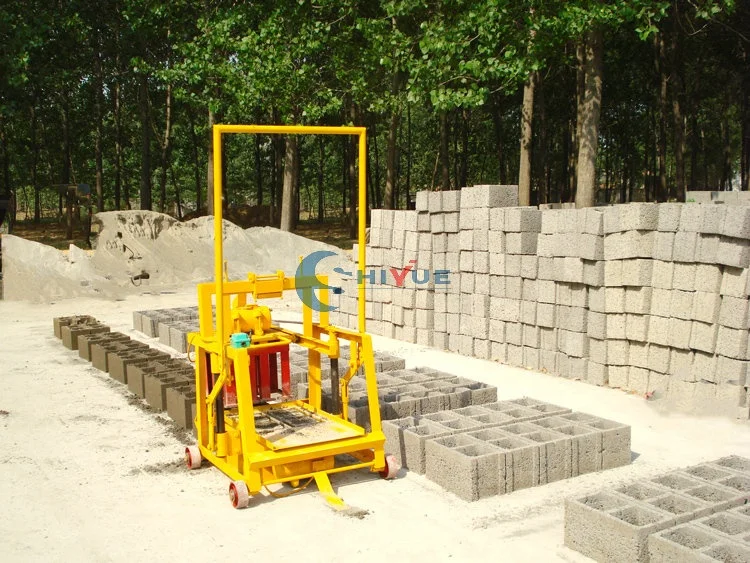
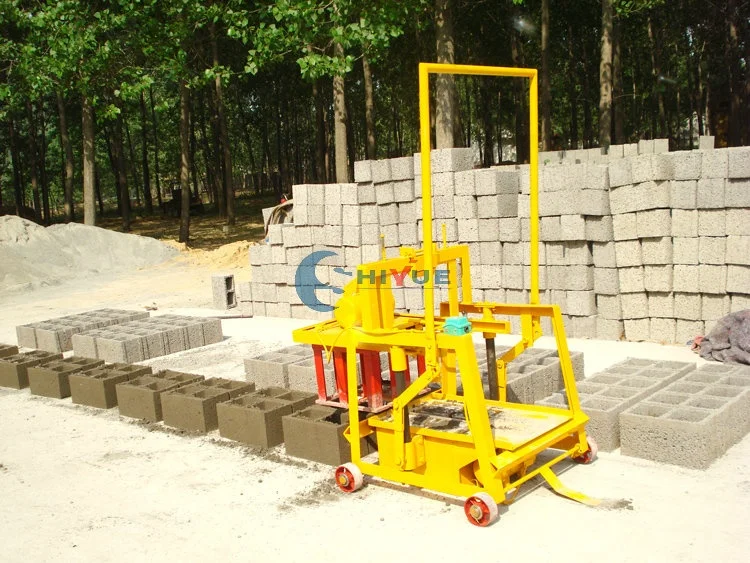


Description
Quick Dispatch Readiness — the QMJ2-45 mobile block machine ships fully assembled and tested, so your on-site hollow block production starts within days of container arrival rather than weeks of reassembly.
Technical Specifications
| Parameter | Value |
|---|---|
| Model | QMJ2-45 |
| Product Type | Mobile Egg-Laying Block Making Machine |
| Rated Power | 1.5 kW |
| Overall Dimensions (L×W×H) | 1000 × 800 × 1300 mm |
| Net Weight | 215 kg |
| Vibration Type | Mold Vibration |
| Mould Format | 400 × 200 × 200 mm hollow block (2 pcs per mould) |
| Cycle Time | 45 s per mould |
| Output Capacity | 1000 pcs/day (basis not stated in source — confirm block format, working hours, and material) |
| Basic Equipment Included | JQ350 Mixer |
| Automation Level | Manual / egg-laying (mobile, no fixed pallet system) |
| Motor Voltage | Customizable to local voltage and frequency |
| Warranty | 1 year (excluding wearing parts) |
| Assembly State | Fully assembled, nude packing |
Application Suitability
| Application | Material or Output |
|---|---|
| On-site hollow block production for building contractors | Crushed stone, river sand, and cement blends |
| Small-scale block business in rural or remote areas | Local aggregate with standard cement ratios |
| Housing and wall construction projects | 400 × 200 × 200 mm hollow concrete blocks |
| First block operation with limited capital | Low-moisture concrete mix from JQ350 pan mixer |
What "1000 Pieces per Day" Actually Means for a Mobile Block Machine
Daily output depends entirely on your block format, shift length, and mix quality — not on a brochure number.
I have watched small mobile machines of this class arrive at a job site, get unloaded, and start laying blocks within the same afternoon. The appeal is obvious: no pallets, no fixed plant, no concrete foundation. But I have also seen operators chase a capacity figure printed on a spec sheet, only to discover their local river sand carries too much silt for the vibration force available. When the mix cannot hold its edge after the mould lifts, every other cycle becomes a reject. The machine itself is honest about what it does. The question is whether your material and your expectations match. [NEED_CITE: aggregate grading and silt content requirements for concrete block production]
Stocked and Ready — What Fast Delivery Actually Looks Like
When a contractor has a wall going up next month, waiting through a typical multi-week production cycle is not an option. This QMJ2-45 mobile block machine is held in stock, fully assembled, and can move from warehouse to container in a compressed window. Nude packing means the machine goes in as-is — no crating delay, no pallet system to pack separately. For a buyer searching for a mobile block machine in stock, this eliminates the single biggest gap between order date and blocks on the ground.
Container Loading and Arrival Timing
The machine weighs 215 kg and measures 1000 × 800 × 1300 mm, which means it fits inside a standard shipping container alongside the JQ350 mixer and any spare moulds. Loading does not require special flat-rack arrangements. Before dispatch, voltage and motor winding are confirmed in writing against the destination country’s grid supply. That step alone prevents the most common commissioning delay — a machine that powers on but runs the motor in the wrong direction or overheats within the first hour [NEED_CITE: voltage and frequency standards by export market].
How Mould Vibration and Cycle Time Translate on Site
The 45-second mould cycle and mould-box vibration are the two numbers that matter once the machine is on the ground. Mould vibration, as opposed to table vibration, means the shaking force is applied directly to the mould walls. For a 400 × 200 × 200 mm hollow block produced two at a time, this concentrates compaction energy into a relatively small volume. The 1.5 kW rated power keeps electrical demand low enough for a portable generator at a remote site. Cycle time sets your rhythm: one operator feeds the mixer, another wheels the machine forward after each cycle. Over an eight-hour shift with consistent material flow, this rhythm determines whether you approach the quoted output or fall well short of it.
The Cost of Skipping the Sand Question
I once spoke with a contractor who ordered a small egg-laying machine based on nothing but a cycle-time figure and a price. When it arrived, his local sand was unwashed and heavy with clay. The mould vibration on a machine this size is not powerful enough to compact that material into a clean block. He spent more on washed aggregate transport than the machine itself cost. A mobile block machine in stock is only a good deal if your material suits the vibration force and pressure available. Skipping that check turns a fast-delivery advantage into a slow, expensive lesson [NEED_CITE: effect of clay and silt content on concrete block compressive strength].
Why Buyers Source This Machine Here
Block machinery is the only product line in the workshop, so every QMJ2-45 that leaves the floor has been specified, assembled, and tested by people who understand egg-laying machines specifically. Voltage and motor configuration are confirmed against your grid before the machine enters the container — not assumed from a default setting. The JQ350 mixer ships as part of the basic package, removing one sourcing variable from your list. Mould customization against your drawings is available, so you are not locked into the standard hollow block format if your market demands a different size. Dispatch lead time is quoted upfront at the inquiry stage, not revised after the order is placed.
Documentation & Verification
- Factory test record on the standard 400 × 200 × 200 mm hollow block before dispatch
- Voltage and frequency confirmation sheet matched to your destination country grid
- Packing photographs showing machine condition and container loading arrangement
- Operation and maintenance manual with mould and wearing parts list at order
- Machine specification sheet covering power, dimensions, and cycle data
Installation, Commissioning & Support
- Fully assembled nude-packed unit requiring only motor wiring and mixer connection on arrival
- 1.5 kW motor with voltage confirmed pre-dispatch to match local single-phase or three-phase supply
- Egg-laying operation requires a flat, level concrete floor surface for block curing in place
- JQ350 mixer positioned adjacent to machine path for consistent material feeding rhythm
- Operator training covers mix ratio adjustment, mould change procedure, and daily greasing points
- Mould and wearing parts list supplied at order so first replacements are sourced without delay
What to Share When You Request a Quote
To give you an honest dispatch window and confirm the machine suits your site, share your target block format, the type of sand or aggregate you can source locally, and your available working hours per shift. Confirm your site voltage and frequency — including whether supply is single-phase or three-phase — so the motor can be wound correctly before the machine ships. If you already own a forklift or a specific curing space, mention the dimensions so the egg-laying path can be planned around your existing setup.
Frequently Asked Questions
Q: How is the 1000 pcs/day capacity calculated — what block format and shift length does it assume?
A: The basis for that figure is not stated in the source documentation. Daily output depends on your block format, mix workability, operator rhythm, and shift length. For a 400 × 200 × 200 mm hollow block at a 45-second cycle, confirm your available working hours so we can provide a realistic daily estimate tied to your actual conditions.
Q: What is the dispatch lead time from order to container loading?
A: Stocked machines can move to container loading within a compressed window after order confirmation. Exact timing depends on voltage customization requirements and any mould modifications. We quote a specific dispatch date at the inquiry stage, not after payment, so your project schedule is built on a known departure point.
Q: Can the motor voltage be matched to my country’s supply before shipment?
A: Yes. Motor voltage and frequency are configurable and confirmed in writing before the machine enters production or leaves stock. This prevents the most common commissioning issue — a motor wired for the wrong grid standard — and means the machine can be powered on the day it is unloaded.
Q: What mould formats are in stock versus made to order?
A: The standard 400 × 200 × 200 mm hollow block mould ships with the machine. Other formats are available to order, including custom moulds built to your drawings. Confirm your market’s best-selling block size at the inquiry stage so we can advise on availability and any additional lead time for non-standard moulds.
Q: How is the machine packed and what does container loading look like?
A: The QMJ2-45 ships fully assembled in nude packing — no crate, no pallet frame — at its 1000 × 800 × 1300 mm footprint and 215 kg weight. It loads into a standard container alongside the JQ350 mixer and any additional moulds. Packing photographs are provided before the container is sealed.