

Description
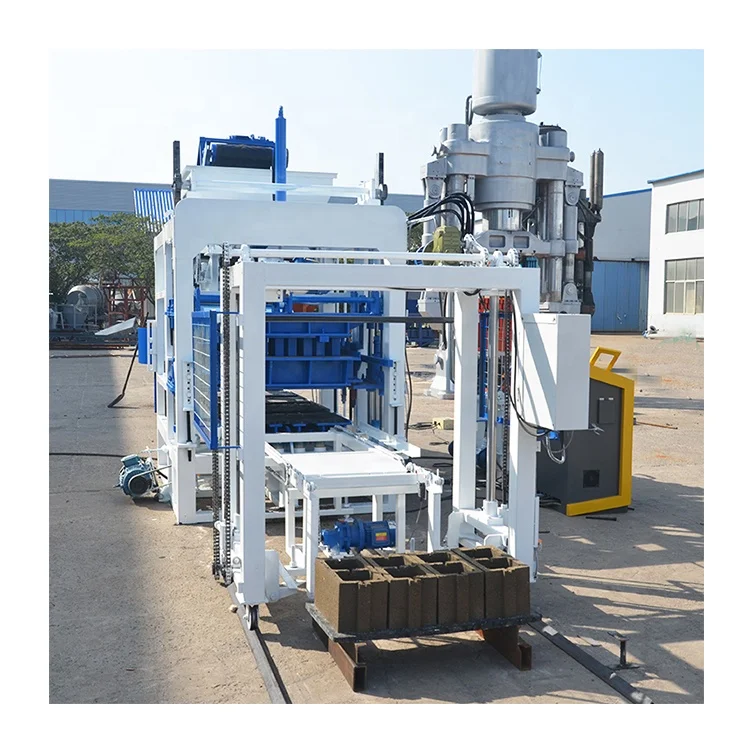
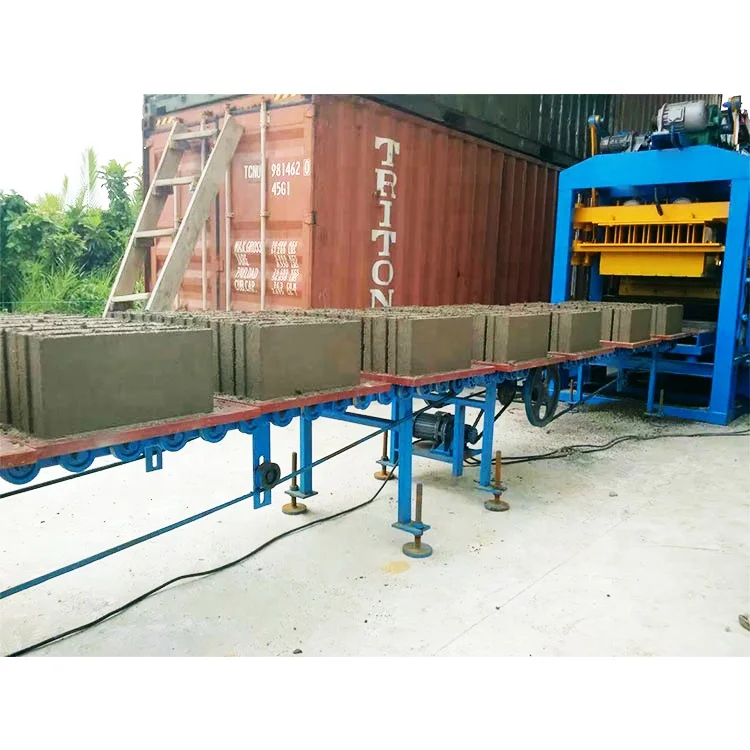
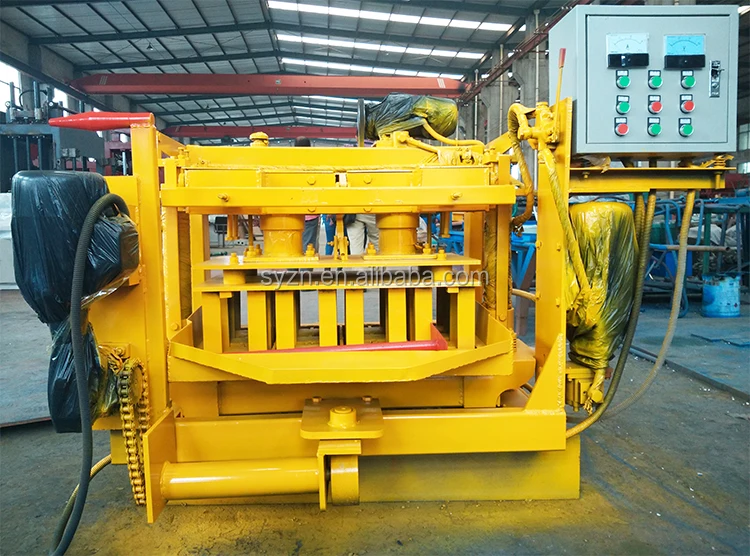
Stocked and Dispatch-Ready — the QMY4-30 mobile block machine is held in inventory with standard moulds, dismantled for container loading, and can be shipped within days of voltage and frequency confirmation.
Technical Specifications
| Parameter | Value |
|---|---|
| Model | QMY4-30 |
| Product Type | Diesel Engine Mobile Egg-Laying Block Making Machine |
| Overall Dimensions (L×W×H) | 1300 × 1500 × 1000 mm |
| Total Mass | 950 – 1000 kg |
| Vibration Method | Mold Vibration |
| Exciting Force | 28.6 kN |
| Excitation Frequency | 4500 r/min |
| Total Power | 5.95 kW |
| Molding Cycle | 30 s |
| Output Capacity | 3000 pcs/day (8 h) (basis to be confirmed — depends on block format, material and wall thickness) |
| Power Source | Diesel Engine |
| Voltage Options | 220 V / 380 V |
| Raw Material Compatibility | Concrete, sand, cement, fly ash, lime, gypsum, stone dust, stone nitrate, construction waste, slag, mine tailings, river sand, coal gangue, porcelain granule, carpolite, sandrock |
| Machine Type | Mobile / Egg-Laying |
| Certification | CE (declaration available on request) |
Application Suitability
| Application | Material or Output |
|---|---|
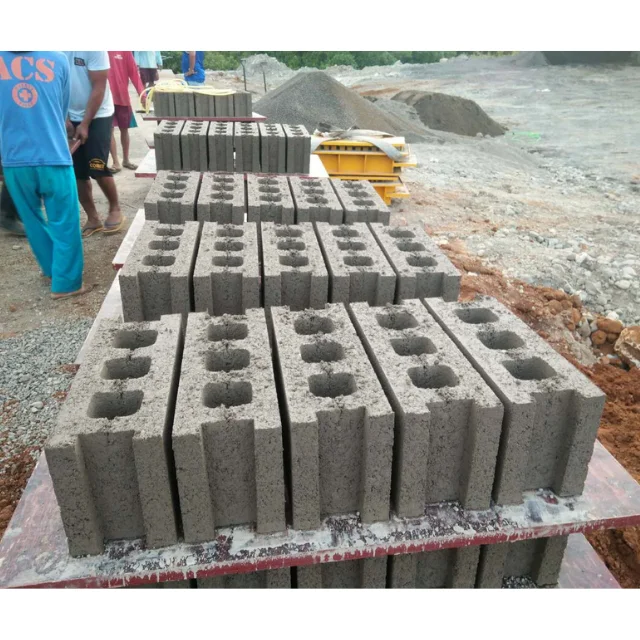
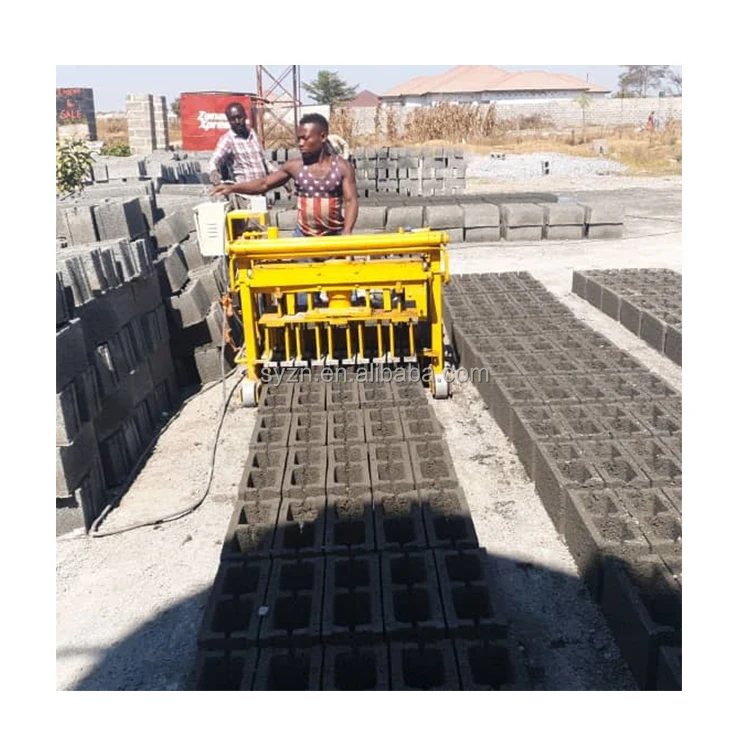
| On-site hollow and solid block production for housing projects | Crushed stone, sand, cement, fly ash blends |
| Remote or off-grid block manufacturing | Local aggregates, mine tailings, construction waste |
| Small contractor or first-time plant operation | River sand, stone dust, cement, lime |
| Mountainous, desert or coastal project sites | Sandrock, coal gangue, porcelain granule mixes |
| Paving block and interlocking brick production on-site | Concrete with stone nitrate or slag aggregate |
Why "3000 Pieces Per Day" Means Nothing Without the Block Format
Always ask which block format, wall thickness and aggregate type the output figure assumes before you compare machines.
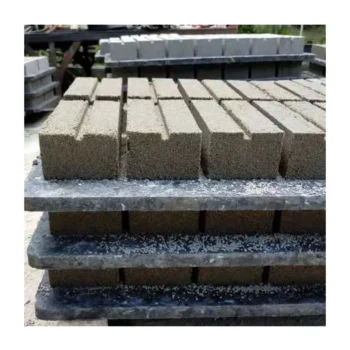
Catalogue sheets routinely quote a peak daily number without stating whether it refers to a small solid paver or a large hollow block. A mobile egg-laying unit like the QMY4-30 can complete a molding cycle in roughly 30 seconds, but the actual pieces produced per cycle vary with the mould fitted and the density required. If your project specification calls for 200 mm thick hollow blocks, the realistic daily throughput will differ substantially from a thin solid paver run [NEED_CITE: block format and cycle time relationship in mobile egg-laying machines]. Shipping a machine that cannot meet your site deadline because the output assumption was wrong is a delay no contractor can absorb.
Dispatch Timeline from Stock to Port
The QMY4-30 mobile block machine in stock status means the unit is assembled, factory-tested and waiting in the yard. Once you confirm destination port and the voltage configuration your grid requires, the machine is dismantled into its shipping configuration, photographed at each stage, and loaded into the container. This avoids the typical multi-week production queue that custom-ordered presses require. Buyers working to a project mobilization date benefit from knowing the dispatch window upfront rather than estimating it from a general factory lead time.
Container Loading and Arrival Visibility
At 950 to 1000 kg total mass and a compact footprint of 1300 × 1500 × 1000 mm, the QMY4-30 fits within standard less-than-container-load or full-container-load shipping limits. The diesel engine option removes the dependency on a site generator for initial commissioning. An arrival estimate is quoted based on your destination port at the time of order so that your site mobilization schedule and the machine landing date can be aligned. Dismantling photographs and packing images are shared before the container doors close [NEED_CITE: container loading and bracing standards for heavy machinery].
How Excitation Force and Molding Cycle Interact on a Mobile Unit
The 28.6 kN exciting force delivered at 4500 r/min through mold vibration determines how densely the concrete mix is compacted before the block is laid on the ground. On an egg-laying machine there is no fixed pallet system; the block cures where it is deposited. A 30-second molding cycle is the mechanical floor, but the operator must also account for the time needed to move the machine forward between cycles. The 5.95 kW total power rating covers vibration motor, hydraulic pump and travel motor combined, which is why confirming diesel fuel availability is as important as confirming voltage on grid-connected sites.
The Cost of Overlooking Voltage and Frequency Before Shipment
Exporting a block machine configured for the wrong grid standard does not just delay commissioning — it can damage the vibration motor and control components before the first block is produced [NEED_CITE: voltage and frequency standards by export market]. The QMY4-30 is configurable for 220 V or 380 V, but the frequency must also match. A 60 Hz destination country receiving a 50 Hz machine will see the excitation frequency and molding cycle shift from their rated values. Confirming voltage, frequency and plug type at the quotation stage prevents a situation where the machine sits idle on a construction site waiting for a transformer that was never ordered.
Why Buyers Source This Machine from Stock
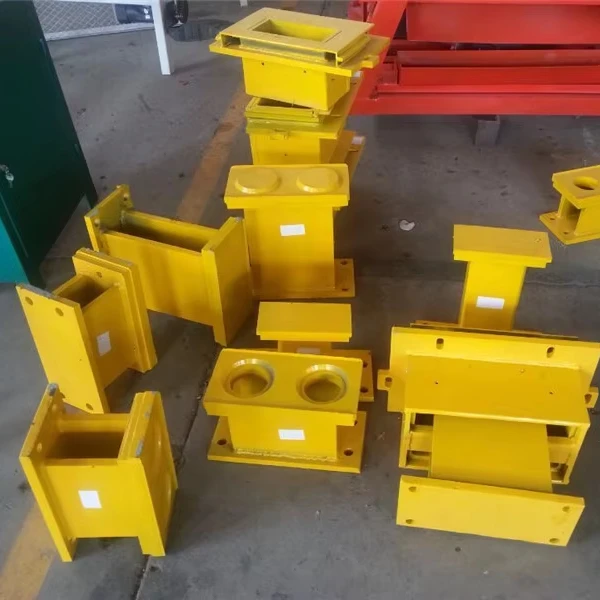
Block machinery is the single focus of the production facility, meaning the QMY4-30 is built and tested alongside the moulds, pallets and handling equipment it will operate with — not assembled from third-party components. Standard moulds for common block formats are held in stock and can ship with the machine. Installation support includes operator training on the specific block format and local aggregate your site will use. Factory test records are generated on your target format before dispatch, and wear parts lists are provided so the first replacement cycle does not halt production unexpectedly.
Documentation & Verification
- Factory test record run on your target block format before dispatch
- Machine specification sheet confirming voltage, frequency and control language
- Mould drawing and format list for the standard moulds included in the shipment
- Packing photographs taken at each dismantling and loading stage
- CE declaration documentation provided where applicable for customs clearance
Installation, Commissioning & Support
- Flat, compacted ground surface required; no fixed foundation needed for the 1300 × 1500 mm footprint
- Diesel engine eliminates grid dependency; confirm fuel grade and filtration for local climate
- Dismantling for shipment means reassembly on-site with hydraulic and electrical reconnection
- First-run parameter setting covers excitation force and cycle timing matched to your mix design
- Operator training includes mould change procedure and daily mold vibration inspection
- Wear parts list covers hydraulic seals and vibration motor bearings for planned maintenance intervals
What We Need to Quote an Accurate Dispatch Date
Share the block format and wall thickness your project requires, the destination port and country, and the local voltage and frequency standard. If your site relies entirely on the diesel engine option, let us know the ambient temperature range so fuel and lubricant specifications can be matched. Confirming these details at the inquiry stage is what separates a machine that arrives ready to produce from one that sits on-site waiting for configuration changes.
Frequently Asked Questions
Q: Is the QMY4-30 mobile block machine in stock and what is the dispatch lead time?
A: The QMY4-30 is held as a stocked unit with standard moulds available from the same inventory. Once voltage, frequency and destination port are confirmed, the machine is dismantled, photographed and loaded. Dispatch timing is quoted at order placement based on current shipping schedules to your port.
Q: How is the QMY4-30 packed and loaded into a container?
A: The machine is dismantled into its shipping configuration to fit standard container dimensions. The 950–1000 kg mass and 1300 × 1500 × 1000 mm footprint allow flexible loading. Packing photographs are taken at each stage and shared with the buyer before the container is sealed.
Q: What voltage and frequency will be configured before shipment?
A: The QMY4-30 supports 220 V and 380 V configurations. Frequency must be confirmed separately to match the destination country grid standard. Both parameters are locked in during the quotation stage to prevent on-site delays or motor damage after arrival.
Q: Can I receive an arrival estimate for my destination port?
A: An arrival estimate is provided at the time of order based on the confirmed destination port and current shipping routes. This allows site mobilization planning to align with the machine landing date rather than working from a general industry lead time.
Q: What standard moulds ship with the machine and which are in stock?
A: Standard moulds for common hollow and solid block formats are held in stock and can be loaded with the QMY4-30 at dispatch. Custom moulds require separate lead time. The included mould format list and drawings are provided in the shipment documentation package.