Description
Rapid Dispatch — A grouped line configuration ready for immediate container loading, keeping your project timeline intact from factory test to site commissioning.
Technical Specifications
| Parameter | Value |
|---|---|
| Model | QT10-15 |
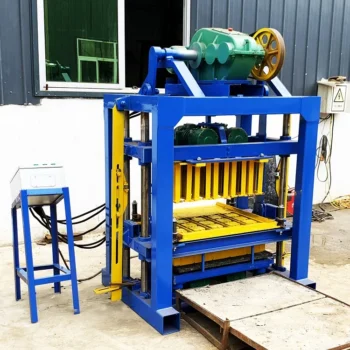
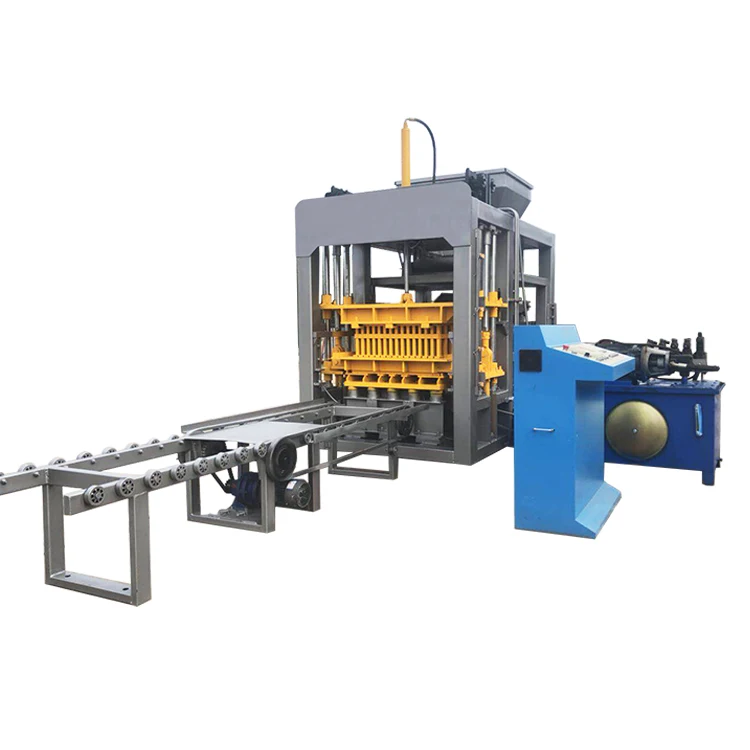
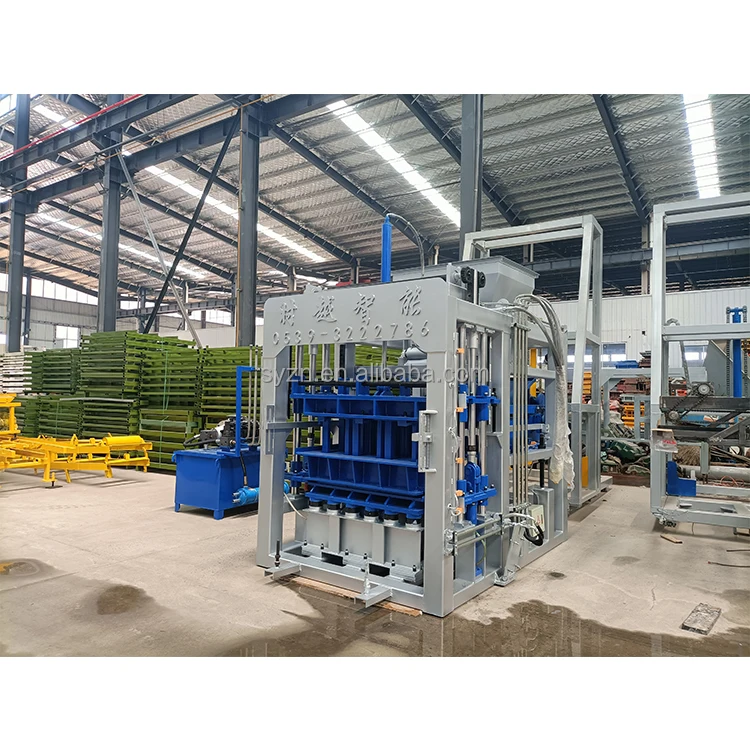
| Product Type | Fully Automatic Stationary Concrete Block Making Machine |
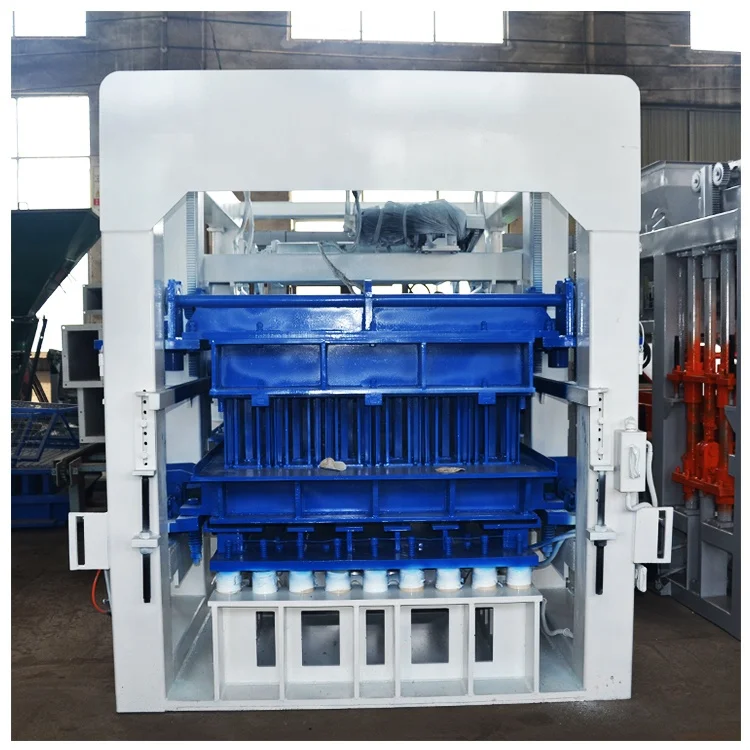
| Host Machine Dimensions | 5870 × 2220 × 2850 mm |
| Host Machine Weight | 12 Tons |
| Molding Area | 1100 × 900 mm |
| Workshop Area Requirement | 200 ㎡ |
| Host Machine Power | 57 kW |
| Vibration Force | 100 kN |
| Vibration Method | Hydraulic + Platform Vibration |
| Vibration Frequency | 2800–4500 Times/Minute |
| Pallet Size | 1100 × 900 × 30 mm |
| Voltage | 220/380/415/440V (Customized) |
| Molding Period | 15 Seconds (basis not stated in source — confirm block format / material / thickness) |
| Control System | Siemens PLC with Touch Screen |
| Travel Switch | France Schneider / Japan Omron |
| Motor | Germany SIEMENS or CE standard brand |
| Mould Treatment | Heat treatment and carburizing (54-58 HRC, 100,000+ times life span) |
| Welding | Carbon dioxide protection welding |
| Batching Machine | PLD1200 (1200L hopper, 4×2.5m³ storage, ±2% precision) |
| Concrete Mixer | JS750 (750L discharge, 35m³/h capacity, 30kW motor) |
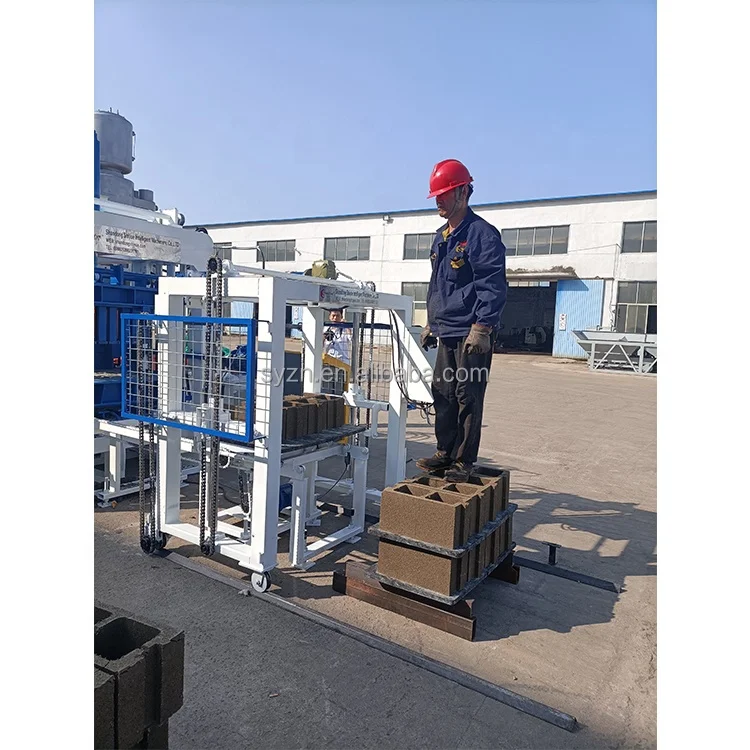
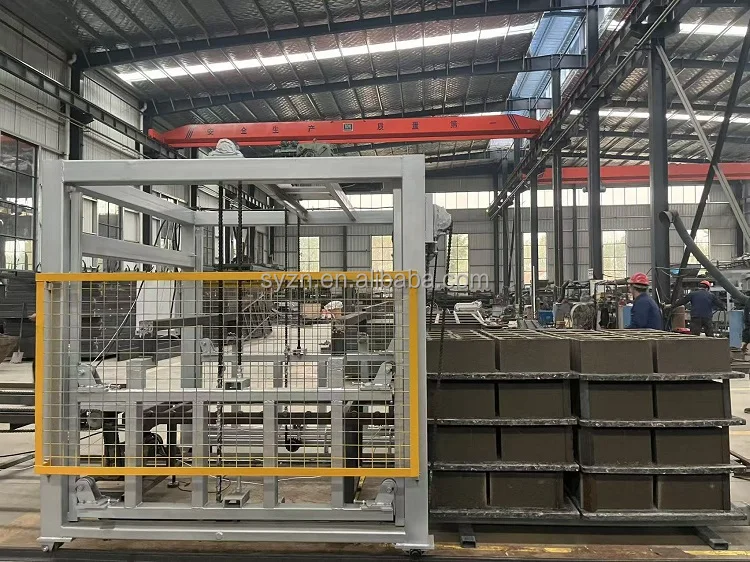
| Stacker | SY-8 (3kW, mobile pallet stack, 600 KGS weight) |
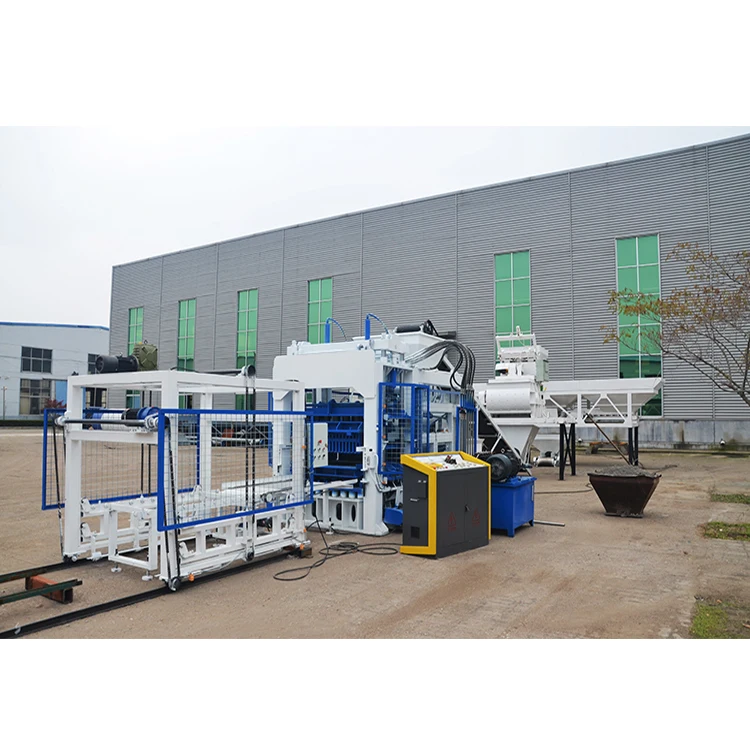
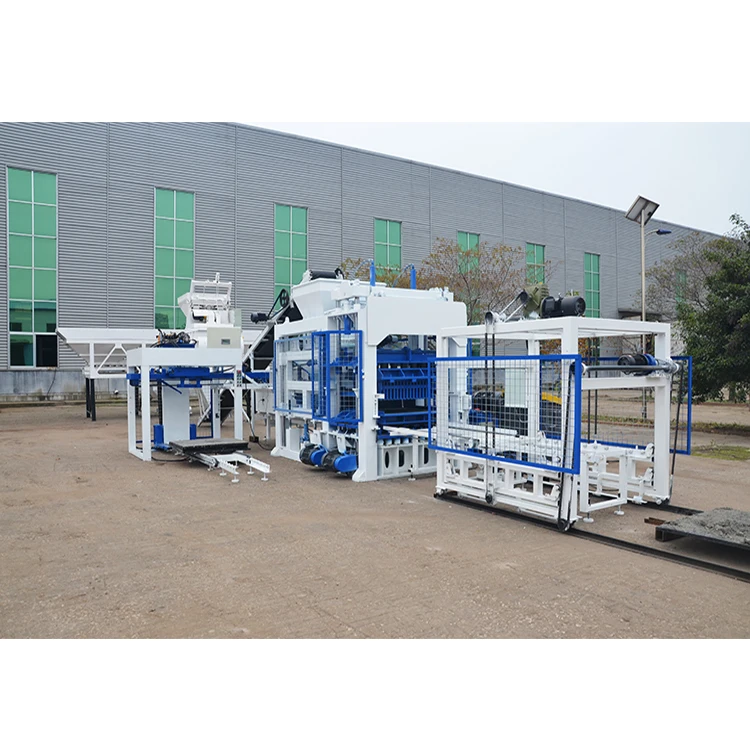
| Assembly State | Grouped line (host machine, pallet feeder, brick receiver, hydraulic station, batching, mixer, conveyor, hydraulic trolley) |
| Color Paver Option | Color feeding system available |
| Standard | CE |
Application Suitability
| Application | Material or Output |
|---|---|
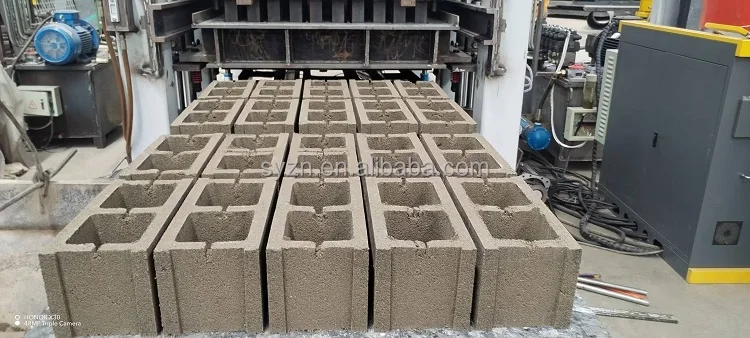
| Hollow block production | Crushed stone, sand, cement, and lightweight aggregate blends |
| Solid block manufacturing | Dense aggregate mixes with standard cement ratios |
| Paving block production | Fine aggregate surface layers with structural base mixes |
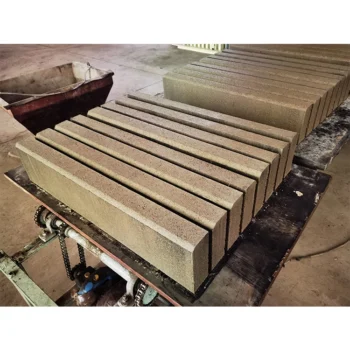
| Kerbstone forming | High-strength concrete with graded coarse aggregate |
| Interlocking brick output | Soil-cement or pure concrete mixes depending on local standards |
| Porous brick production | Permeable aggregate blends for drainage applications |
What "Available in 6 Weeks" Actually Means When Your Deadline Is Next Month
A stocked QT10-15 block machine in stock ships within days, not weeks — and that difference decides whether your crew is standing idle or producing.
Project timelines in construction do not wait for manufacturing schedules. When a contractor commits to delivering a housing phase or an infrastructure milestone, equipment lead time becomes the single variable that can collapse an entire sequence. Waiting for a machine to be built from scratch introduces multi-week gaps that no amount of on-site effort can recover. The availability of a complete line — press, batching, mixer, and stacker shipped together as one consignment — removes the most common bottleneck buyers face when sourcing under deadline pressure. [NEED_CITE: typical lead time variances in construction equipment procurement]
Stocked Lines Move on Your Schedule, Not the Factory’s
When you confirm a QT10-15 block machine in stock, the machine has already passed factory testing. The hydraulic circuits have been pressurized, the PLC program has run through its full cycle, and the vibration platform has been balanced under load. This means the time between your payment confirmation and container loading is measured in days rather than production cycles. Fast delivery becomes a realistic commitment because the machine is not waiting on component procurement or assembly queue.
One Shipment, One Customs Clearance, One Arrival Date
The grouped line assembly state means the host machine, PLD1200 batching unit, JS750 mixer, SY-8 stacker, pallet feeder, hydraulic station, and conveyor all travel under a single bill of lading. You are not coordinating partial shipments from separate suppliers or watching one component clear customs while another sits in a bonded warehouse. The container loading plan is prepared at the point of order confirmation, so you know which models and how many containers before you commit. [NEED_CITE: container loading standards for industrial machinery]
Arrival Estimates You Can Plan Around
Dispatch lead time and port-to-port transit are calculated before the quotation is finalized, not discovered after the machine is built. For buyers working backward from a project handover date, this means the QT10-15 block machine in stock arrival estimate is a number you can build a Gantt chart around — not an optimistic hope. Voltage and control language are confirmed at order stage so that the touch screen displays instructions your operators can read the moment power is connected on site.
Reading the Specs That Matter Before the Ship Date
The vibration force of 100 kN combined with a frequency range of 2800–4500 times per minute determines how densely the concrete is compacted into the mould. Higher density translates directly to block strength, but only if the mix design and aggregate gradation match the vibration parameters. The pallet size of 1100 × 900 × 30 mm dictates both the mould cavity layout and the curing rack dimensions you will need on site. The 57 kW host machine power requirement means your electrical contractor must prepare a dedicated supply circuit well before the machine arrives — a detail that causes more commissioning delays than most buyers anticipate.
The Cost of Ordering a Machine That Is Not Ready to Ship
When a buyer selects a block machine based purely on catalogue output figures without verifying stock status, the consequence is rarely just a delayed shipment. The entire project sequence shifts — labour contracts are extended, material deliveries are rescheduled, and penalty clauses activate. A machine that arrives three weeks late on a project with liquidated damages can erase whatever price advantage was negotiated upfront. [NEED_CITE: construction project delay penalties and equipment dependency]
Why Buyers Source Stocked Equipment Here
The QT10-15 block machine in stock is configured as a matched system — the batching precision of the PLD1200 at ±2% ingredient accuracy feeds directly into the JS750 mixer, which delivers consistent concrete to the press at a rate the cycle timing can absorb. Mould heat treatment to 54-58 HRC means the first production runs will not require premature replacement. Voltage customization across 220/380/415/440V ensures the machine matches your destination grid without an intermediary transformer. Every stocked unit carries the CE mark, and dispatch documentation includes factory test records specific to the machine serial number you are buying. [NEED_CITE: CE machinery directive compliance for concrete block equipment]
Documentation & Verification
- Factory test record confirming hydraulic pressure and vibration balance before dispatch
- Voltage and control language confirmation sheet matched to your destination site
- Packing photographs of the specific unit loaded into your containers
- Complete mould drawing and format list for the blocks included in your order
- Hydraulic and electrical schematic for on-site troubleshooting from day one
- Customs documentation package prepared for your import market requirements
Installation, Commissioning & Support
- Foundation plan provided based on the 12-ton host machine weight and vibration load distribution
- Electrical contractor receives the confirmed voltage and 57 kW power draw before machine arrival
- Grouped line components arrive dismantled with reassembly sequencing documented per unit
- Siemens PLC touch screen configured to operator language prior to first production run
- Mould change procedure covered during on-site operator training session
- Wear parts list supplied covering hydraulic seals and mould surfaces for the first replacement cycle
What We Need to Confirm Before Dispatch
To match the right stocked configuration to your project, provide the block format and daily volume you need to produce, the local aggregate types available near your site, and the voltage and frequency standard at your destination. If you have existing pallets or curing racks, share their dimensions so we can verify compatibility with the 1100 × 900 mm pallet size before the machine ships.
Frequently Asked Questions
Q: Which QT10-15 configurations and moulds are currently in stock?
A: Stocked configurations include the complete grouped line with the PLD1200 batching machine, JS750 mixer, and SY-8 stacker. Standard hollow block and paver moulds matching the 1100 × 900 mm molding area are available for immediate dispatch. Custom mould formats require a separate lead time. Confirm your required block dimensions and we will verify which mould sets are on the shelf.
Q: What is the dispatch lead time and estimated arrival at destination port?
A: Stocked QT10-15 units are prepared for container loading within days of order confirmation. Port-to-port transit time depends on your destination and current shipping schedules. We provide the arrival estimate at quotation stage so you can align it with your project milestones before committing.
Q: How is the machine dismantled and loaded into containers for shipment?
A: The host machine, batching unit, mixer, stacker, and all ancillary equipment are dismantled into container-optimized sections. A loading plan is prepared showing how each component is secured. Packing photographs of your specific shipment are provided before the containers are sealed.
Q: Can voltage and control language be confirmed before dispatch?
A: Yes. Voltage is configurable across 220/380/415/440V and must be confirmed at order stage. The Siemens PLC touch screen language is set to match your operators before the machine leaves the factory, so commissioning begins immediately upon power connection.
Q: Are moulds and hydraulic wear parts shipped with the machine?
A: The moulds specified in your order are included and fitted for testing before dispatch. A wear parts list covering hydraulic seals and mould contact surfaces is provided so you can plan your first replacement order based on your actual production volume.