

Description
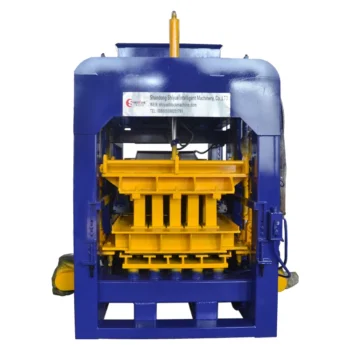
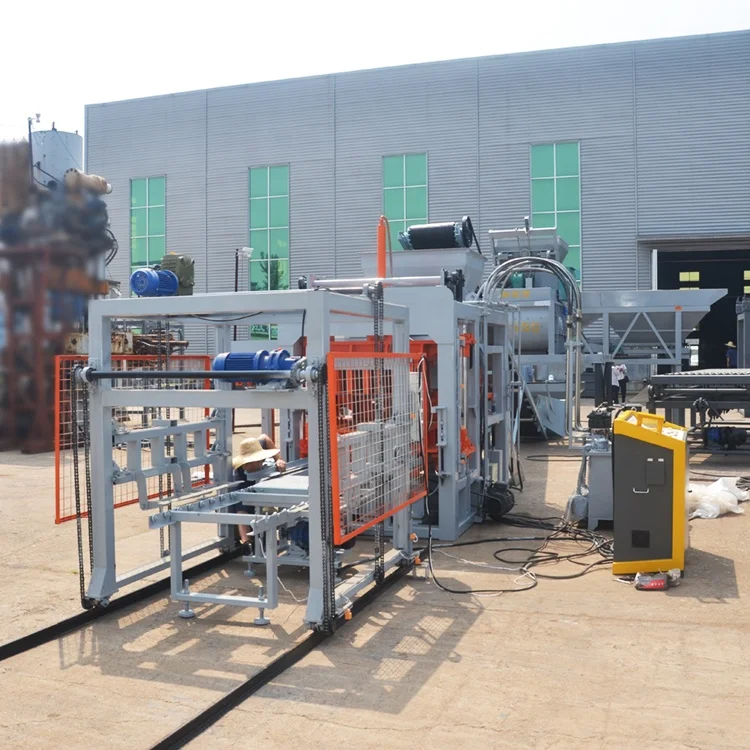
Dispatch-Ready Inventory — We keep the QT10-15 fully automatic interlocking brick machine and standard moulds on the floor, dismantling and loading them into containers only after your local voltage and site arrival deadlines are locked in.
Technical Specifications
| Parameter | Value |
|---|---|
| Model | QT10-15 |
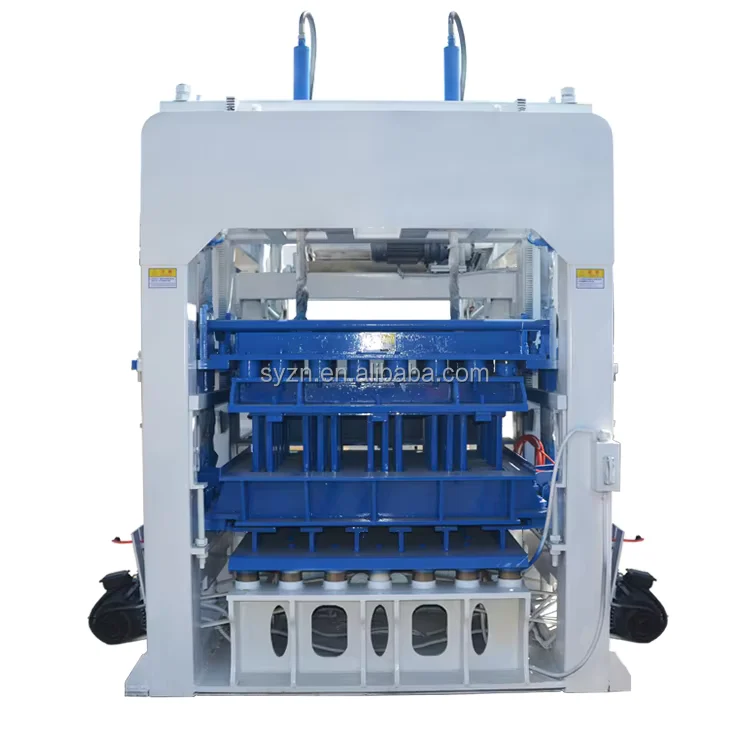
| Product Type | Fully Automatic Interlocking Brick Machine |
| Rated Power | 44 kW |
| Voltage & Frequency | Customer local voltage (frequency not stated in source) |
| Control System | PLC |
| Overall Dimensions (L×W×H) | 9350 × 2320 × 2950 mm |
| Net Weight | 10000 kg |
| Hydraulic Pressure | 21 MPa |
| Vibration Form | Platform Vibration |
| Vibration Frequency | 2800-4500 r/min |
| Molding Cycle | 15-25 seconds (basis to be confirmed) |
| Pallet Size | 1100 × 900 mm |
| Brick Size Formats | 400×100×200, 400×120×200, 200×100×60, 300×150×100, 400×150×200, 240×115×90, 200×200×60, 150×150×100, 400×200×200, 230×220×115 mm |
| Automation Level | Fully Automatic |
| Warranty | 1 Year |
Application Suitability
| Application | Material or Output |
|---|---|
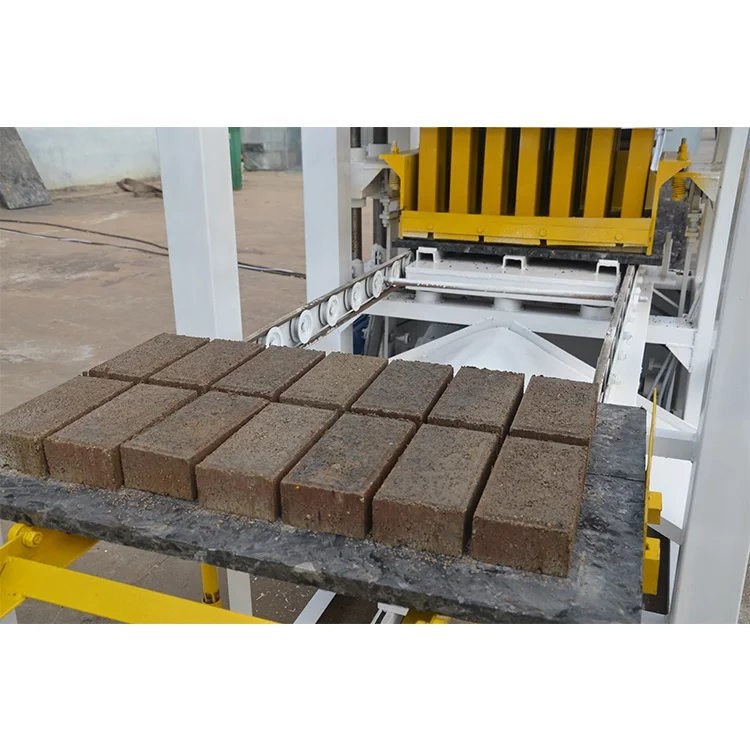
| Interlocking brick production | Cement and concrete raw materials |
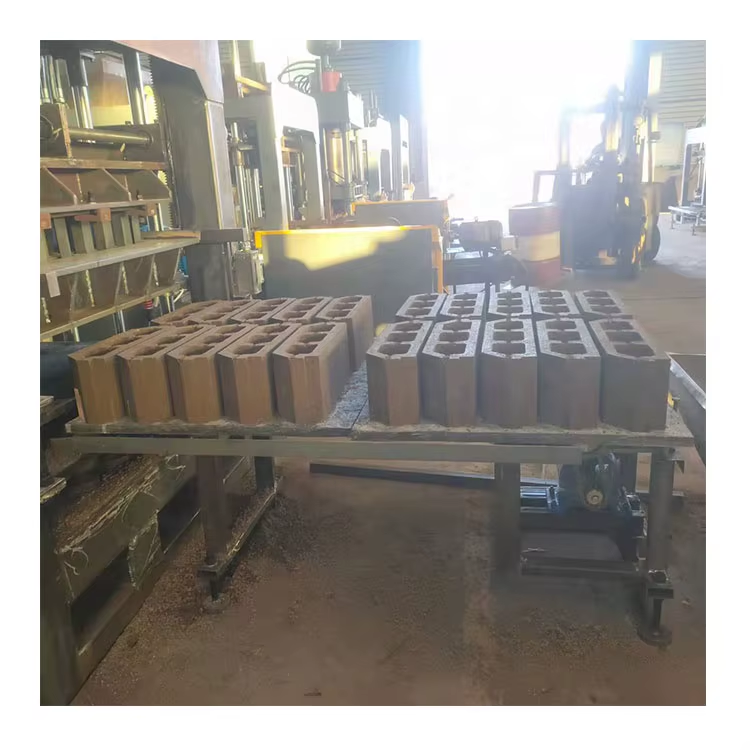
| Hollow block manufacturing | Cement and concrete raw materials |
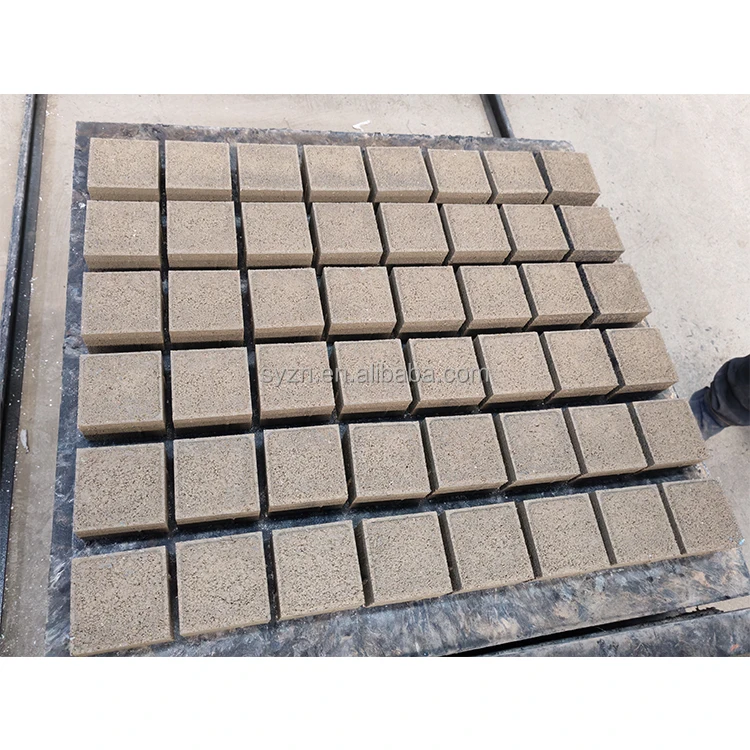
| Paving block formation | Cement and concrete raw materials |
| Curbstone extrusion | Cement and concrete raw materials |
Why the Voltage Question Must Precede the Dispatch of Your QT10-15 Interlocking Brick Machine in Stock
A machine sitting dead on a foundation because of a mismatched electrical supply is a failure of the shipping plan, not the hardware.
I remember a fully automatic line arriving at a coastal project site, completely unresponsive because the local grid frequency and voltage were never verified before the container was sealed. The buyer waited weeks for a custom transformer while their construction deadline slipped away [NEED_CITE: common electrical mismatches in exported heavy machinery]. When you are searching for a QT10-15 interlocking brick machine in stock to meet a strict timeline, the physical availability of the press is only the first hurdle. Ensuring the 44 kW power requirement matches your site’s temporary or permanent electrical drop dictates whether the equipment powers up on day one or sits idle.
Container Loading and Dismantling Logistics
Moving a 10000 kg press with overall dimensions of 9350 × 2320 × 2950 mm requires a precise dismantling strategy before it ever reaches the port. We break down the mainframe and hydraulic stations to maximize container space utilization, ensuring the QT10-15 interlocking brick machine in stock fits securely without damaging sensitive PLC components during ocean transit. Every bolt and hydraulic hose is tagged during teardown so your local crew can reassemble the line without guessing.
Pallet Sizing and Site Clearance Alignment
The 1100 × 900 mm pallet size dictates not just the pressing area, but the footprint required for your curing racks and forklift turning radius at the destination. We verify that your site layout can accommodate these specific pallet dimensions before finalizing the dispatch schedule [NEED_CITE: curing area spatial requirements for standard block pallets]. Shipping a press without confirming the downstream handling space leads to bottlenecks the moment the machine starts cycling.
Interpreting the Physical Footprint and Power Draw
The 21 MPa hydraulic pressure and platform vibration system demand a rigid concrete foundation to absorb the dynamic forces generated during the 2800-4500 r/min vibration cycles. If the ground preparation is delayed, the machine cannot be leveled upon arrival. Furthermore, the 44 kW rated power draw requires dedicated circuit breakers and heavy-gauge cabling installed before the equipment is unloaded. Confirming these site prerequisites ensures the physical installation matches the speed of the ocean freight delivery.
The Hidden Costs of Rushing the Loading Plan
Skipping the pre-dispatch electrical verification or container loading simulation often results in damaged hydraulic lines or fried control boards upon arrival. Buyers who prioritize immediate shipping over thorough spec confirmation frequently face extended downtime waiting for replacement parts to clear customs [NEED_CITE: freight damage claims in heavy equipment export]. A delayed arrival caused by poor loading execution easily wipes out any time saved by purchasing from ready inventory.
Why Source Your Ready-to-Ship Equipment Here
Our single focus on block machinery means the press, pallets, and handling equipment are staged together in our yard, ready to be loaded as a matched system. We confirm your local voltage and PLC display language before the machine leaves the floor, preventing the dead-on-arrival scenarios I witnessed early in my career. You receive packing photographs and a detailed dismantling map, ensuring the reassembly process is straightforward. We provide arrival estimates quoted upfront, so your project managers can schedule the foundation pouring and crane rentals with confidence.
Documentation & Verification
- Machinery test report confirming hydraulic pressure and vibration frequency before teardown.
- Video outgoing-inspection showing the PLC interface language set to your local standard.
- Detailed packing list mapping every dismantled component to its specific container location.
- Customs documentation support tailored to your destination port’s import regulations.
Installation, Commissioning & Support
- Foundation blueprints aligned with the 9350 × 2320 × 2950 mm footprint and dynamic vibration loads.
- Electrical schematics detailing the 44 kW power distribution and required breaker capacities.
- Dismantling maps guiding the reassembly of the hydraulic station and mainframe on site.
- PLC parameter setting and initial cycle testing once the local voltage is connected.
- Wear parts list identifying critical hydraulic seals and vibration components for your first reorder.
Preparing Your Site for Immediate Dispatch
To finalize the loading schedule, please provide your exact local voltage and frequency, along with the available foundation dimensions at your project site. Let us know your target arrival date and the specific port of discharge so we can calculate the ocean transit time and secure the earliest available vessel space.
Frequently Asked Questions
Q: What standard configurations of the QT10-15 are currently ready for immediate loading?
A: We maintain the mainframe, hydraulic stations, and standard mould formats on the floor. Before we seal the container, we configure the PLC language and verify the electrical components against your local grid to ensure the equipment is fully operational upon arrival.
Q: How long does it take from order confirmation to the container leaving the port?
A: Once your voltage and site conditions are verified, the dismantling and loading process takes a few days. We then coordinate with the freight forwarder to secure the earliest vessel, providing you with a firm departure and arrival estimate.
Q: Do you provide visual proof of the container loading process?
A: Yes, we supply detailed packing photographs showing exactly how the dismantled components and standard moulds are secured inside the container. This visual record helps your local crew anticipate the unloading sequence and verify the shipment upon arrival.
Q: How is the estimated time of arrival calculated for my specific port?
A: We calculate the ETA based on the current shipping schedules from our dispatch port to your destination. We also provide the necessary customs documentation in advance so your broker can prepare for a smooth clearance process.