

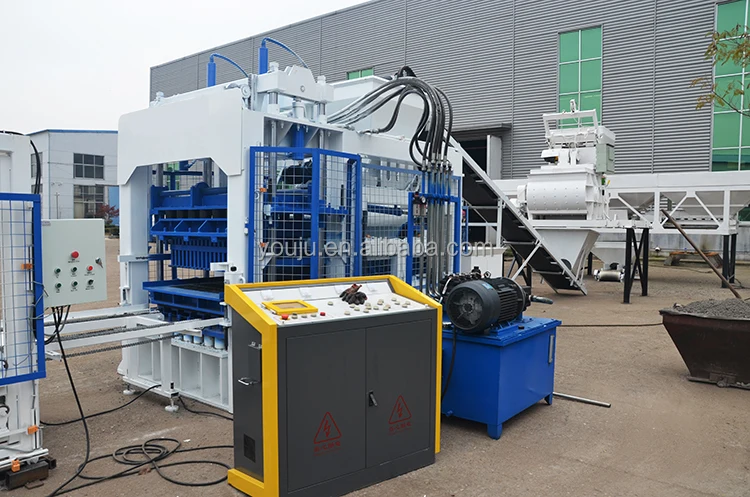

Description
Stocked and configured before dispatch — every QT10-15 block machine in stock is matched with pallet size, voltage and standard moulds verified against the buyer’s port schedule before the container is sealed.
Technical Specifications
| Parameter | Value |
|---|---|
| Model | QT10-15 |
| Product Type | Fully Automatic Concrete Block Making Machine |
| Overall Dimensions (L×W×H) | 9350×2320×2950 mm |
| Rated Pressure | 21 MPa |
| Main Vibration Form | Platform vibration |
| Vibration Frequency | 4500–5100 r/min |
| Pallet Size | 1100×900 mm |
| Moulding Area | 1025×810 mm |
| Forming Height | 40–250 mm |
| Molding Cycle | 15–25 s |
| Overall Power | 44 kW |
| Mixer Model | JS750 |
| General Water Consumption | 12 T/day |
| Voltage | Customized to local request (confirm voltage, frequency and phase before order) |
| Control System | PLC with Mitsubishi electric components |
| Hydraulic Unit | Taiwan Jiugang |
| Switches | Omron |
| Electrical Elements | Schneider |
| Host Machine & Mixer Motor | Siemens |
| Mould Treatment | High-temperature carburizing heat treatment |
| Output Capacity (400×200×200 mm hollow block, 10 pcs/mould) | 1,800–2,400 pcs/h |
| Output Capacity (400×150×200 mm hollow block, 12 pcs/mould) | 2,160–2,880 pcs/h |
| Output Capacity (240×115×90 mm solid brick, 52 pcs/mould) | 9,360–12,480 pcs/h |
| Automation Level | Fully automatic |
| Key Features | PLC control, hydraulic press, platform vibration, high-temperature carburized moulds |
Application Suitability
| Application | Material or Output |
|---|---|
| Hollow block production | Crushed stone, sand, cement and fly ash mixes for load-bearing and non-load-bearing walls |
| Solid brick manufacturing | Dense aggregate blends for structural and paving-grade bricks |
| Paver and interlocking brick output | Fine-graded sand and cement for driveways, walkways and public spaces |
| Curbstone forming | Coarse aggregate with high cement content for road-edge and drainage profiles |
| High-volume fixed plant operation | Pallet-based curing systems serving multiple block formats from one press |
What "In Stock" Actually Means When a Project Deadline Is Real
A QT10-15 block machine ready to ship only matters if the pallets, voltage and moulds are already matched to your site before loading.
I have watched containers leave Linyi with the right machine inside and the wrong pallet size, because nobody confirmed the forklift the buyer already had at the curing yard. The QT10-15 block machine in stock here is not just sitting on the floor waiting for any buyer; the dispatch sequence locks in the 1100×900 mm pallet, the local voltage and the mould formats that match the destination market. Miss one of those three and the machine arrives to a site that cannot run it [NEED_CITE: common commissioning delays in exported block machinery].
Dispatch Sequence for the QT10-15 Block Machine in Stock
Once a buyer confirms destination port and block format, the stocked QT10-15 is pulled from the yard and matched with the correct mould set and pallet stack. The voltage, frequency and PLC display language are confirmed in writing before the machine is released for dismantling. This avoids the situation where a machine arrives with a 380V motor on a 440V supply or a PLC screen the operator cannot read.
Container Loading and Arrival Timing
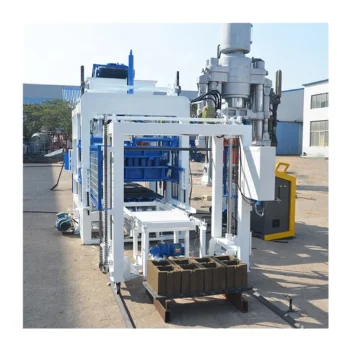
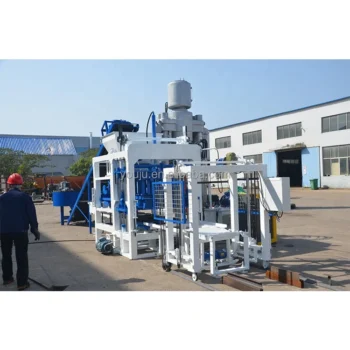
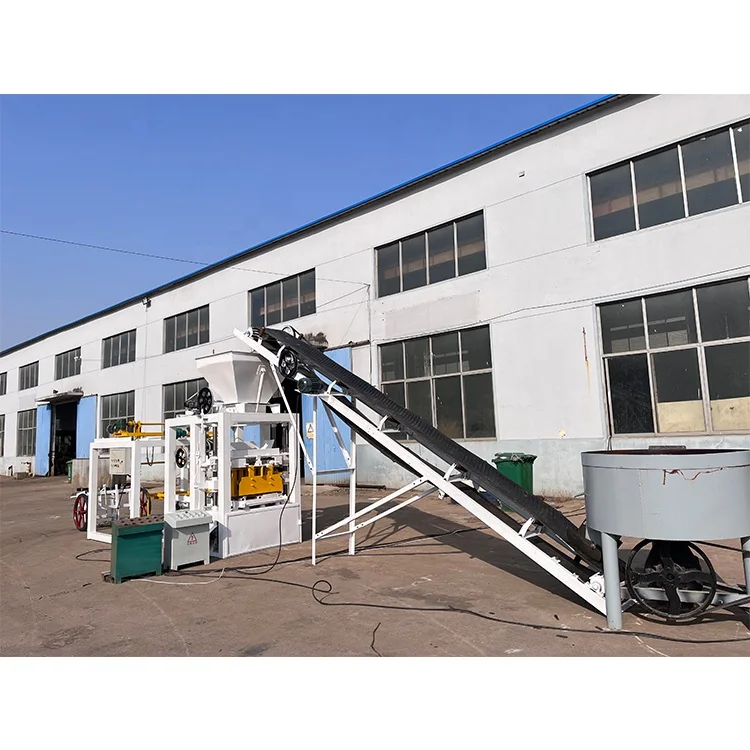
The QT10-15 is dismantled into host frame, mixer, hydraulic station and pallet feeder for container loading. Every joint is photographed before sealing, and the packing list travels with the shipment. Dispatch lead time is quoted against the next available sailing from the nearest port, giving the buyer a realistic arrival window rather than an open-ended promise [NEED_CITE: container transit variability by destination region].
Pressure, Vibration and What They Decide on the Curing Rack
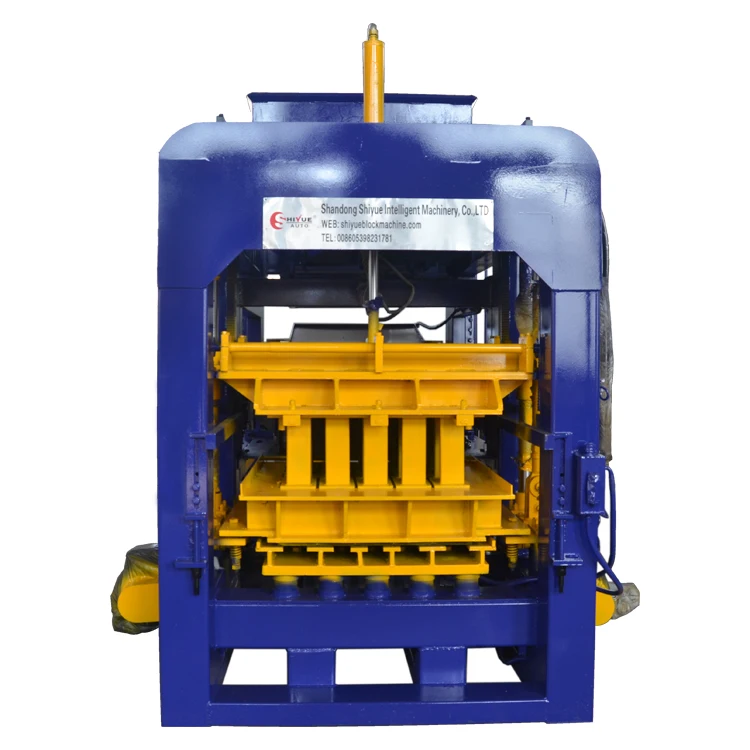
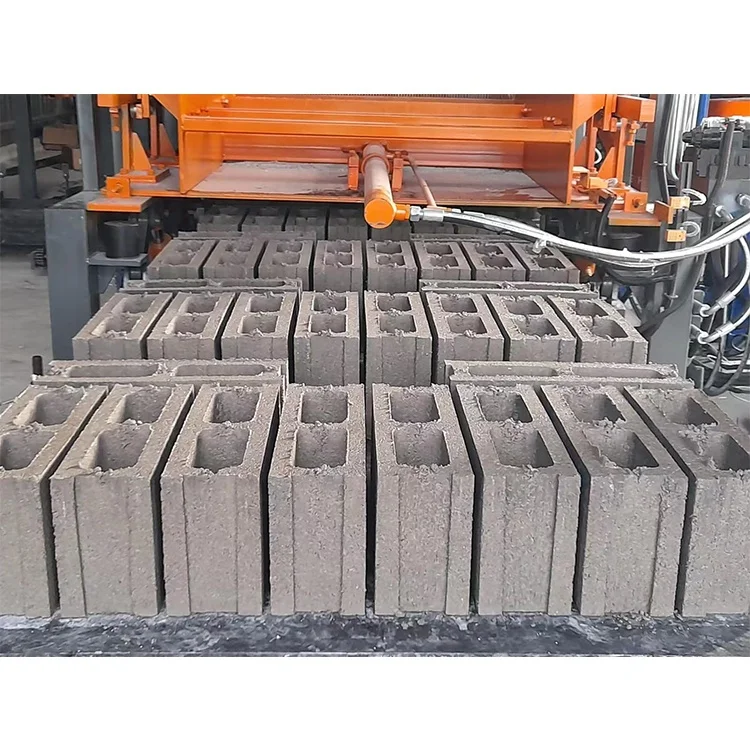
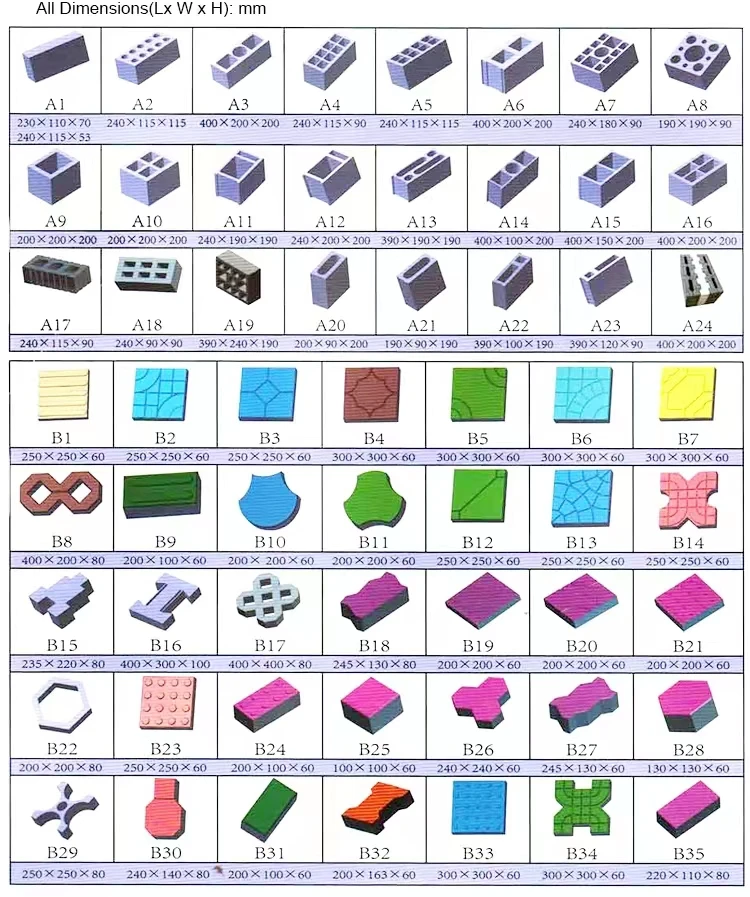
The 21 MPa rated pressure combined with platform vibration at 4500–5100 r/min determines how tightly the aggregate pack is compacted before the block leaves the mould. Higher frequency with matched hydraulic force produces denser hollow blocks that survive pallet handling and early-stage curing without corner damage. The 1025×810 mm moulding area and 40–250 mm forming height cover everything from 240×115×90 mm solid bricks to large hollow blocks, so the same press serves multiple product lines without a second machine investment.
What Happens When Pallet Size Is an Afterthought
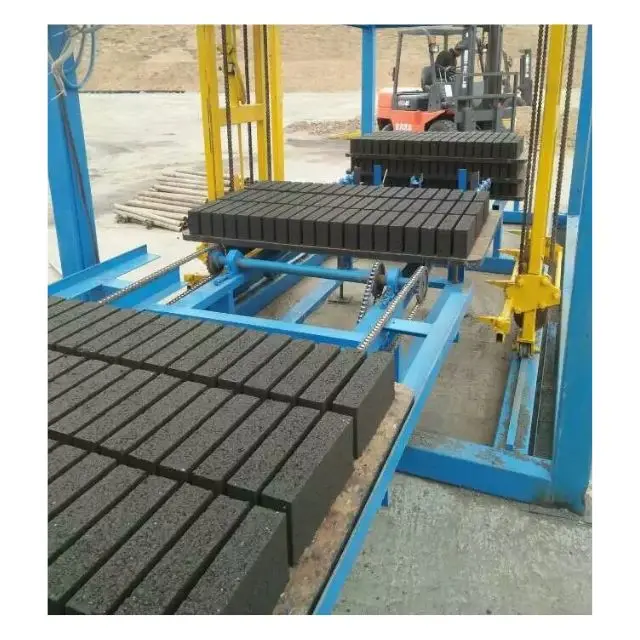
A pallet dimension that does not match the curing racks already on site means every wet block has to be restacked by hand before it can be moved to the yard. That extra handling at green strength is where most corner cracks and surface chips come from. The 1100×900 mm pallet on this machine must align with the buyer’s existing forklift tine spacing and rack width, or the whole curing workflow has to be rebuilt around a new pallet standard [NEED_CITE: pallet compatibility issues in block plant setups].
Why Dispatch from a Block-Machinery-Focused Stockyard Matters
Shandong Shiyue Intelligent Machinery keeps block machines, moulds, pallets and handling equipment under one roof, so a QT10-15 block machine in stock ships as a matched system rather than a press waiting for parts from three different suppliers. Voltage and control language are locked in before release, not left for the buyer to sort out after arrival. Moulds are carburized and test-run on the actual block format the buyer orders. The packing photograph set documents every major component before the container doors close. Operator training and wear parts support follow commissioning, because the team that loaded the container is the same team answering the phone when the first mould change is due.
Documentation & Verification
- Factory test record on your ordered block format before the QT10-15 leaves the yard
- Voltage, frequency and PLC language confirmation sheet signed off before dispatch
- Container loading plan with dismantling photographs of host frame, mixer and hydraulic station
- Packing list matched to the specific mould set and pallet stack included in your shipment
- Hydraulic and electrical schematic for the QT10-15 configuration shipped to your port
Installation, Commissioning & Support
- Foundation must support the 9350×2320×2950 mm footprint and dynamic vibration loads of the host frame
- Dedicated power circuit sized for the 44 kW overall draw with the confirmed local voltage and phase
- Host frame, JS750 mixer and hydraulic station reassembled on site with all joints re-torqued
- First run cycles set against your local aggregate and target block format using the PLC
- Operator training covers mould change procedure, pallet feed sequence and daily greasing points
- Wear parts and mould list supplied so the first replacement order can be placed before stock runs out
What to Have Ready When You Open the Conversation
Send the block format your market actually buys, the daily output you need to hit, and the voltage and frequency at your site. If you already have curing racks and a forklift, include the pallet dimensions they accept so the 1100×900 mm standard can be verified or adjusted before the QT10-15 block machine in stock is released for loading.
Frequently Asked Questions
Q: Which QT10-15 machines and mould formats are currently in stock and ready to ship?
A: Stock status changes as orders are confirmed. When you send your target block format, the current available QT10-15 units and their matched mould sets are listed against your requirement. Standard hollow block and solid brick moulds are typically on hand, and custom formats can be added before the container is sealed.
Q: How is dispatch lead time calculated, and what is the estimated arrival at my port?
A: Lead time starts from written confirmation of voltage, mould format and pallet specification. The dispatch date is set against the next available sailing from the nearest port, and an arrival estimate is quoted based on published transit times to your destination port before the order is finalized.
Q: Is voltage, frequency and PLC language confirmed before the machine leaves the factory?
A: Yes. Voltage, frequency, phase and PLC display language are confirmed in writing before the QT10-15 is released for dismantling and container loading. This prevents commissioning delays that happen when electrical specifications are assumed rather than verified against the buyer’s local supply.
Q: What standard moulds and pallets come with the stocked package, and can I add formats?
A: The stocked package includes the mould set matched to your confirmed block format and pallets sized at 1100×900 mm. Additional mould formats can be added before shipment if the moulding area and forming height range accommodate the requested profile, and these are listed on the packing sheet before loading.
Q: How is the QT10-15 dismantled and loaded, and what photographs do I receive?
A: The machine is dismantled into host frame, JS750 mixer, hydraulic station and pallet feeder for container loading. Photographs of every major component and joint are taken before the container doors are sealed and sent to the buyer along with the packing list and loading plan.