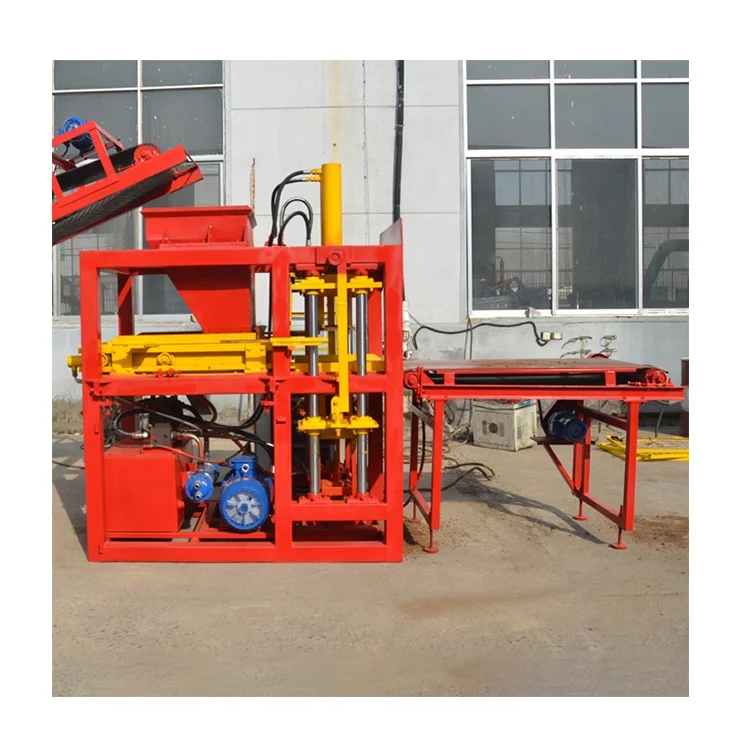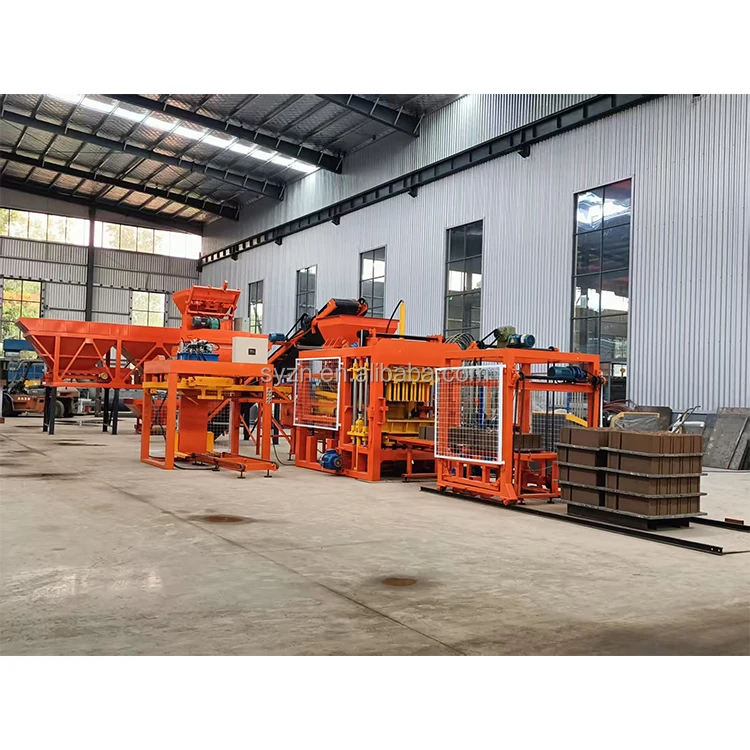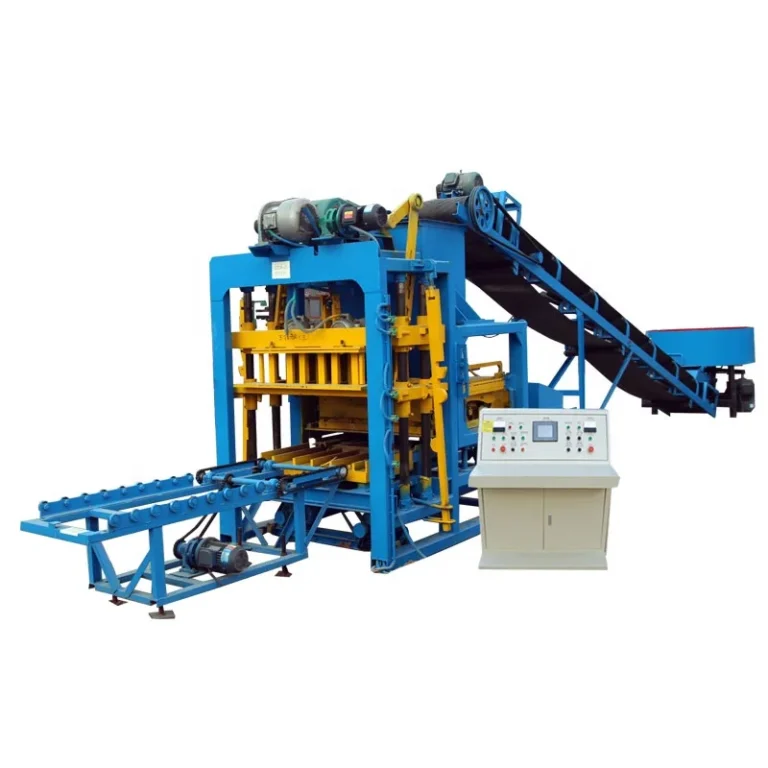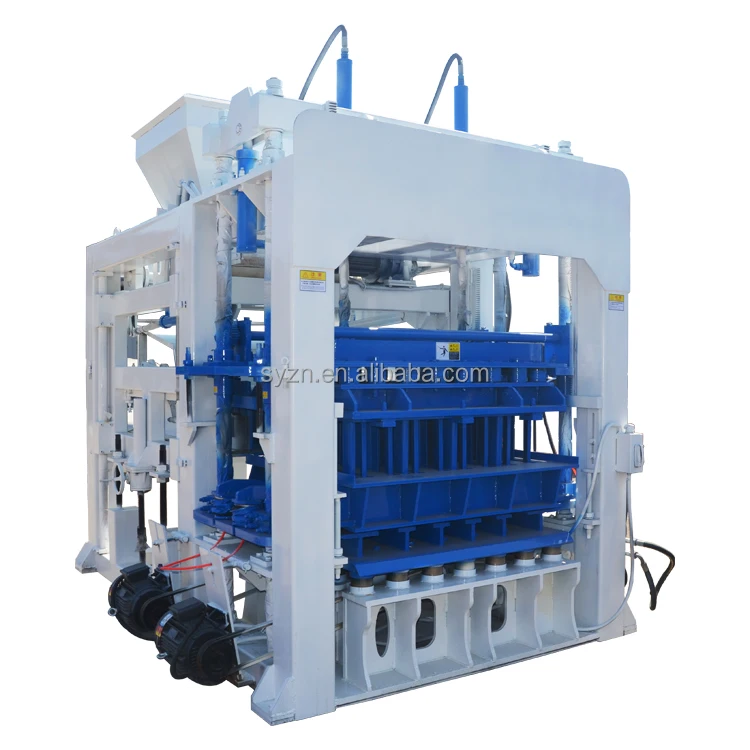


Description
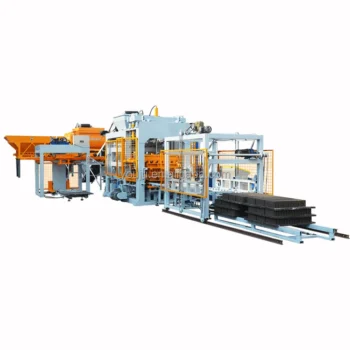
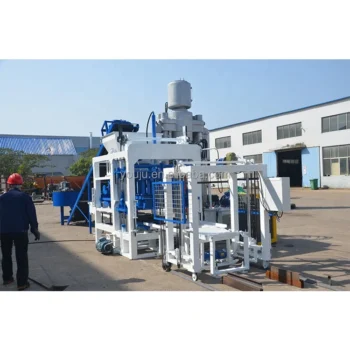
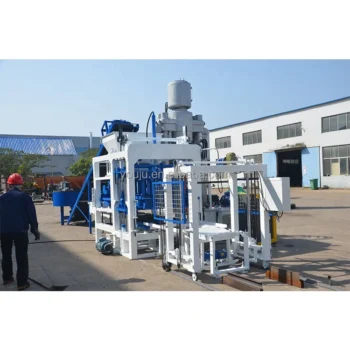
In-Stock Availability — QT12-15 automatic block making machine units ready for container loading, cutting typical multi-week lead times for large-scale stationary block plant buyers.
Technical Specifications
| Parameter | Value |
|---|---|
| Model | QT12-15 |
| Product Type | Automatic Block Making Machine |
| Control System | PLC aptitude control with human-machine interface dialogue system |
| Vibration System | Vertically synchronous vibration, frequency conversion and braking, double vibration sources |
| Hydraulic System | Computer control flow pressure |
| Feeding System | Semi-closed screen reticular rotational feeding unit, forced feeding |
| Cycle Time | 15–25s depending on block format |
| Output — Hollow Block 400×200×200mm | 2,160–2,880 pcs/h (12 pcs/mould, 15–20s cycle) |
| Output — Hollow Block 400×150×200mm | 2,520–3,360 pcs/h (14 pcs/mould, 15–20s cycle) |
| Output — Solid Brick 240×115×53mm | 9,360–12,480 pcs/h (52 pcs/mould, 15–20s cycle) |
| Output — Rectangular Brick 200×100×60mm | 5,040–6,300 pcs/h (35 pcs/mould, 20–25s cycle) |
| Output — Zigzag Brick 225×112.5×60mm | 3,888–4,860 pcs/h (27 pcs/mould, 20–25s cycle) |
| Automation Level | Automatic, mass production capable |
| Assembly State | Stationary |
| Structure | Super-strong steel structure with imported original parts |
| Rated Power | Confirm with supplier |
| Voltage & Frequency | Confirm with supplier |
| Overall Dimensions | Confirm with supplier |
| Net Weight | Confirm with supplier |
| Pallet Size | Confirm with supplier |
Application Suitability
| Application | Material or Output |
|---|---|
| Hollow block production for building construction | Crushed stone, cement, sand aggregate mixes |
| Solid brick manufacturing for masonry | Fly ash, slag, or natural sand blends |
| Paving block and rectangular brick for roads | High-density concrete with coarse aggregate |
| Interlocking zigzag brick for pavement | Cement-bound granular mix with fine aggregate |
| Large-scale on-site contractor production | Local quarry aggregate with Portland cement |
Why "Pieces per Hour" Means Nothing Without the Block Format
A capacity number without a mould count and cycle time is a guess, not a specification.
I have watched buyers sign contracts for a QT12-15 automatic block making machine based on a single headline output figure, only to discover on site that the quoted number assumed a small solid brick they never intended to produce. When their actual hollow block format cycles at a slower rate with fewer cavities per mould, daily throughput drops noticeably below what the proforma invoice implied [NEED_CITE: block format assumptions in capacity quotations]. The frustration is not about the machine — the press itself performs as engineered. The frustration is about a quotation that left out the variables that actually determine what leaves the curing yard each shift.
Stocked Models and What That Means for Your Timeline
Project deadlines do not wait for factory build slots. The QT12-15 automatic block making machine is held in stocked configuration so that once voltage, frequency, and PLC language are confirmed, the unit moves to container loading rather than entering a production queue. For contractors working against a handover date or distributors filling an urgent import order, this availability window shortens the gap between purchase order and first block off the line.
Dispatch Lead Time and Container Loading Realities
A stationary machine of this output class travels dismantled across multiple flat-rack or open-top containers. The main frame, hydraulic station, mould set, and pallet feeder each require separate securing. Dispatch lead time covers factory test completion, dismantling for shipment, container booking, and port dispatch documentation [NEED_CITE: container loading standards for heavy industrial machinery]. Buyers working to a project deadline need this timeline stated in calendar days on the quotation, not buried in email chains after the deposit clears.
Reading the Specs That Actually Shape Your Output
The dual vibration sources with vertical synchronous action and frequency conversion braking determine how densely the concrete pack fills each mould cavity — denser packing means higher block strength at demoulding and fewer breakages during pallet transfer. The computer-controlled hydraulic flow pressure works in tandem with vibration: too little pressure and the block crumbles at the edges; too much and the mix segregates, leaving weak zones. The semi-closed screen reticular forced feeding unit ensures each mould fill is consistent cavity to cavity, which matters when you are producing thousands of rectangular pavers per shift and surface finish uniformity is a selling point. Cycle time ranges from 15 to 25 seconds depending on the block format, and that five-second spread across a ten-hour shift translates to a meaningful difference in pallets cured.
What Happens When Dispatch Speed Is the Only Thing You Checked
I once visited a site where a large-capacity press sat idle for weeks after arrival because the voltage and PLC display language had never been confirmed before shipment. The local electrician could not commission the control panel, and the operator could not read the fault codes. The machine was physically ready; the paperwork handoff was not [NEED_CITE: voltage and frequency standards by export market]. A fast dispatch means little if the machine arrives in a configuration your site cannot power or your crew cannot operate. Confirming these three items — voltage, frequency, control language — before the container doors close prevents a delay that has nothing to do with shipping time.
Why Buyers Source This Machine Here
Block machinery is the single focus of the workshop, so the QT12-15 press, its mould set, pallets, and handling equipment are specified as one matched system rather than assembled from unrelated suppliers. Stocked standard moulds for hollow, solid, rectangular, and zigzag formats are available alongside custom mould design to buyer drawings. Capacity calculations on every quotation state the block format, mould cavity count, and assumed cycle time — no headline number without its前提. Factory test records and packing photographs are provided before the container is sealed, so you see exactly what is on the pallets before it reaches your port.
Documentation & Verification
- Factory test record showing cycle time on your specified block format before dispatch
- Capacity calculation sheet listing output per mould count and cycle for each format ordered
- Voltage, frequency, and PLC display language confirmation signed before production release
- Packing photographs of dismantled components and container loading sequence
- Mould drawing and format list matching the cavity count stated in the quotation
- Hydraulic and electrical schematic for on-site maintenance reference
Installation, Commissioning & Support
- Foundation plan matched to the QT12-15 frame dimensions and vibration isolation requirements
- Dedicated power circuit sized to the confirmed rated power and voltage specification
- Dismantled shipment with reassembly sequence and bolt torque schedule included
- First-run commissioning with PLC parameter setting for your local aggregate mix design
- Operator training covering mould change procedure, fault code reading, and daily greasing points
- Wear parts and mould list supplied at delivery for first replacement planning
What to Include in Your Inquiry
Send the block format you intend to produce, your target daily output, and the local aggregate type available at your site. Confirm your facility voltage, frequency, and preferred PLC display language so that the QT12-15 automatic block making machine configuration matches your grid and your crew before it leaves the factory. If you have existing pallets or a curing rack system, share the dimensions so the handling equipment is sized to match.
Frequently Asked Questions
Q: How do I verify the actual output of the QT12-15 for my block format?
A: Request a capacity calculation sheet that lists your specific block dimensions, the mould cavity count for that format, and the cycle time assumption. Output figures are only meaningful when tied to a defined format — a hollow block at 12 cavities per mould cycles differently than a solid brick at 52 cavities, and the daily throughput reflects that gap.
Q: Which models and mould sizes are currently in stock for fast dispatch?
A: Standard stocked configurations of the QT12-15 automatic block making machine include hollow, solid, rectangular, and zigzag mould sets. Confirm your required pallet size and voltage at inquiry so that the matched set is reserved and the dispatch timeline is stated on your quotation in calendar days.
Q: How is the machine loaded into containers, and is reassembly complex?
A: The press is dismantled into main frame, hydraulic station, mould, and feeder assemblies, each secured in open-top or flat-rack containers. Reassembly on site follows a numbered sequence with bolt torque values. Commissioning includes parameter setting and a first production run before handover.
Q: Can I track the shipment from port departure to arrival at my site?
A: Container booking references and vessel details are shared after loading. Arrival estimates depend on the destination port and shipping line schedule. Request the estimated transit window at the quotation stage so your foundation and power work are timed to the machine’s arrival [NEED_CITE: typical ocean freight transit windows by region].
Q: Will the control panel language and electrical specs match my country’s standards?
A: Voltage, frequency, and PLC display language are confirmed and documented before production release. This prevents a situation where the machine arrives physically intact but electrically incompatible with your site supply or unreadable to your operators during commissioning.