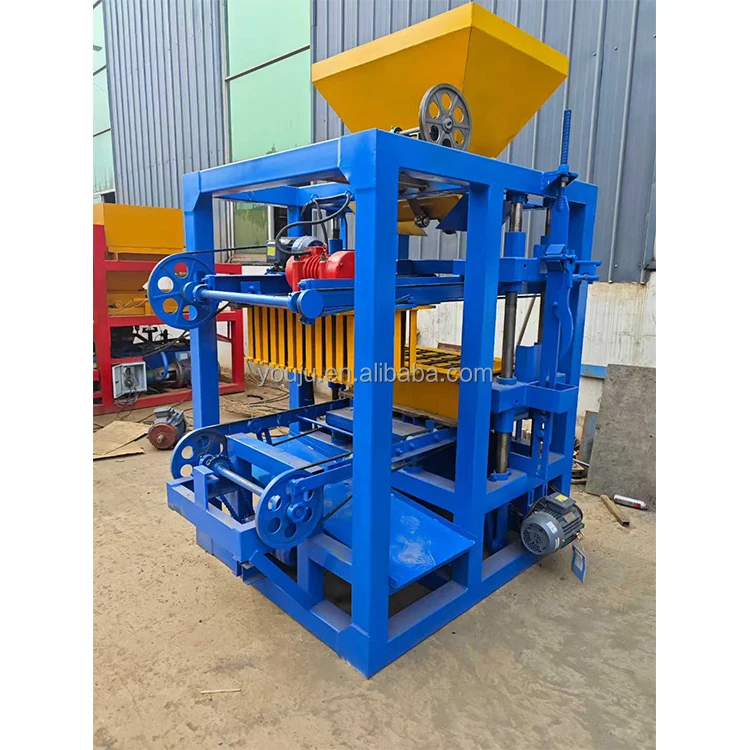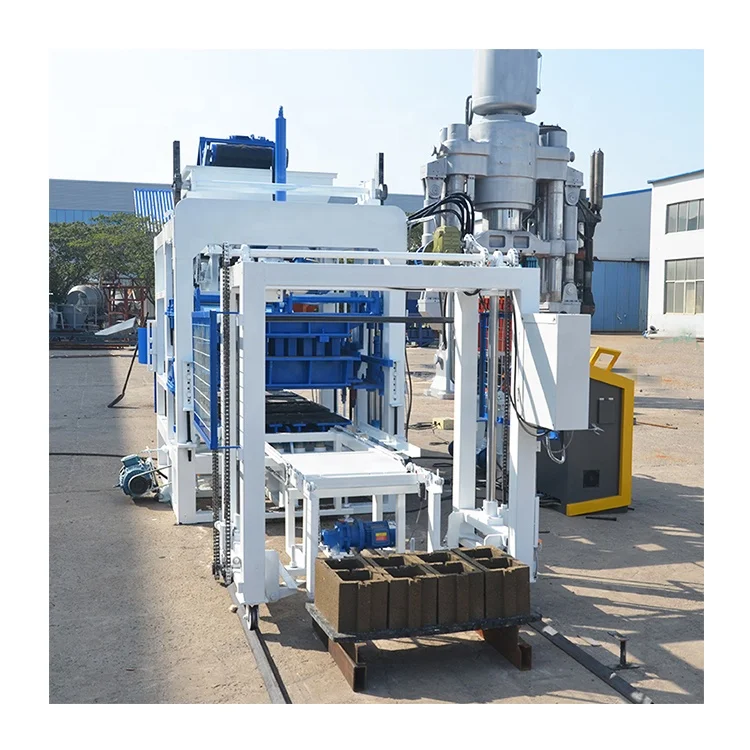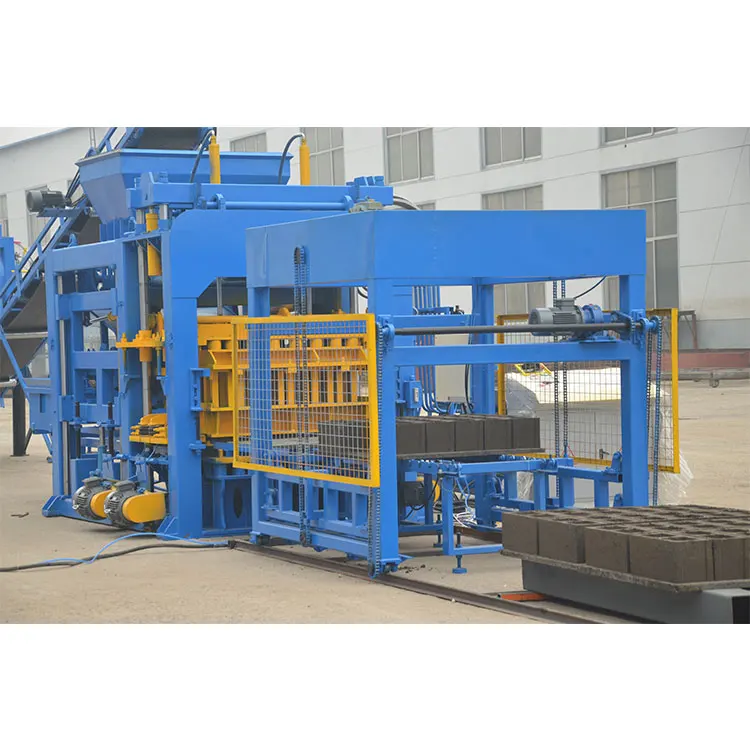
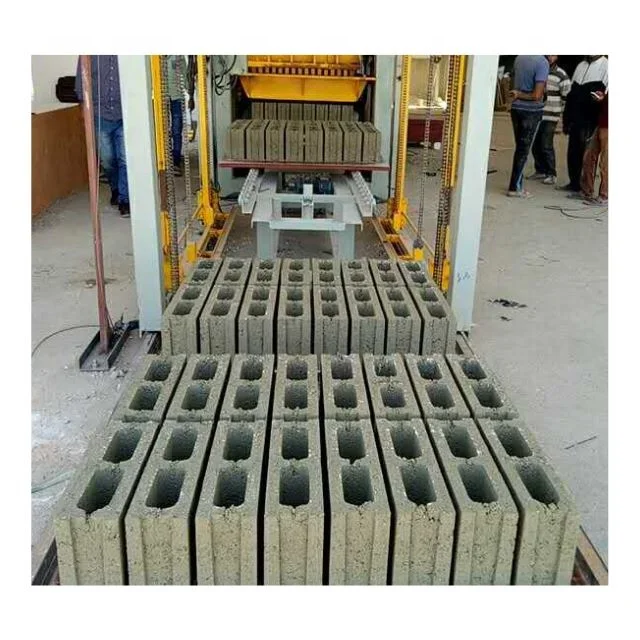
Description
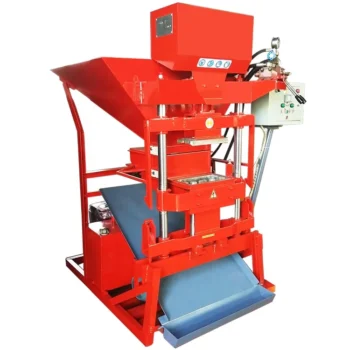
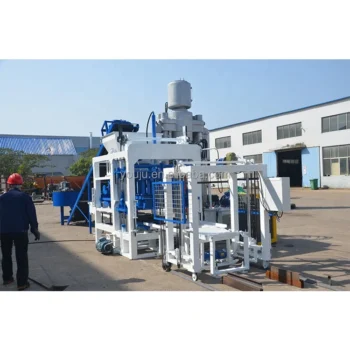
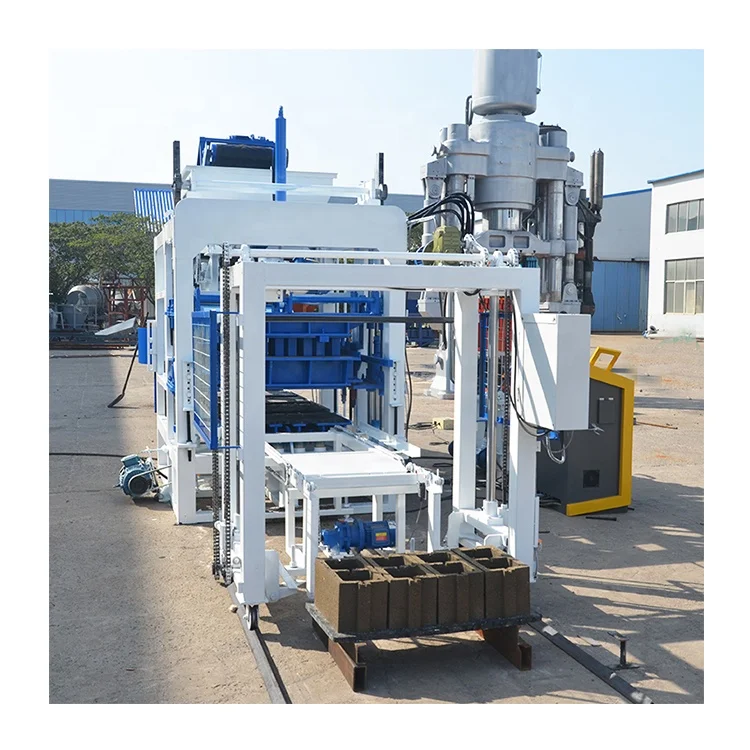
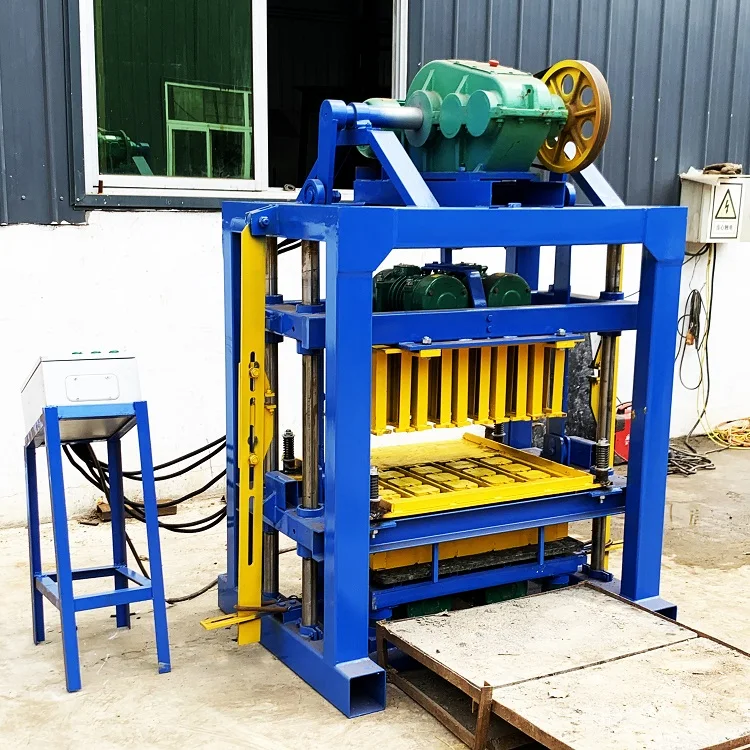
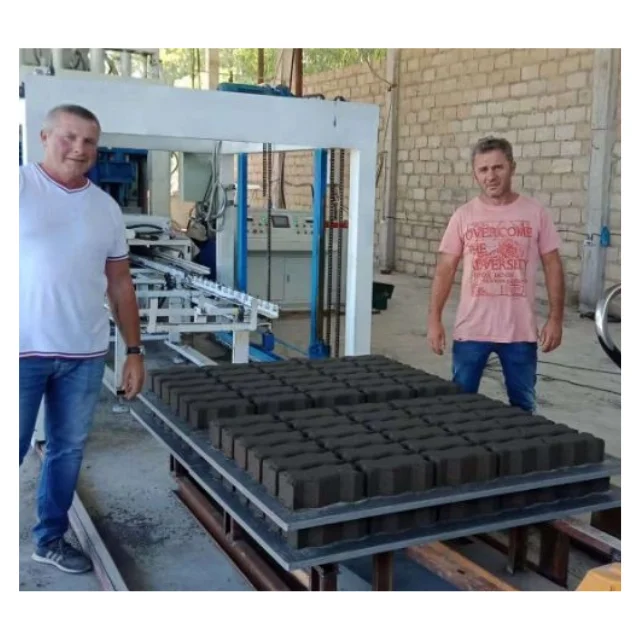
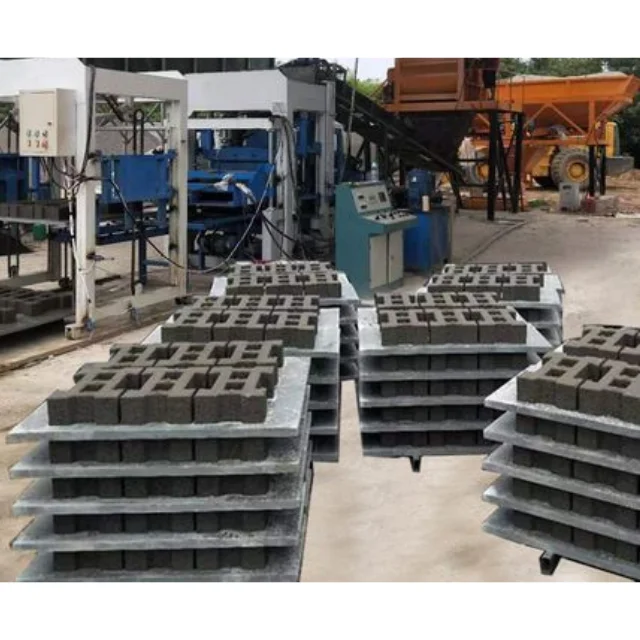
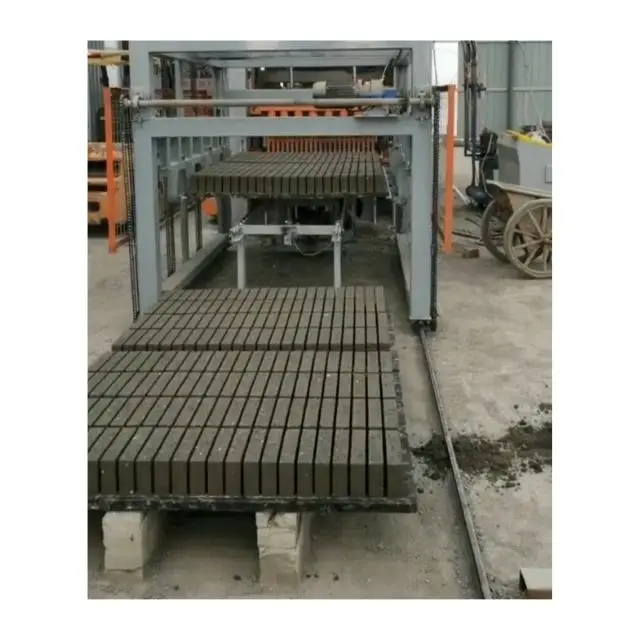
Stocked Configuration — the QT12-15 block making machine is held ready for dispatch with pallet size, voltage and PLC language confirmed before the container is sealed.
Technical Specifications
| Parameter | Value |
|---|---|
| Model | QT12-15 |
| Product Type | Automatic Cement Block Making Machine |
| Overall Dimensions (L×W×H) | 9350 x 2520 x 2950 mm |
| Rated Pressure | 21 MPa |
| Main Vibration Form | Platform Vibration |
| Vibration Frequency | 2800-4500 r/min |
| Vibration Acceleration | 15-20 g |
| Exciting Force | 120 kN |
| Fixed Brick Height Range | 50-200 mm |
| Pallet Size | 1350 x 850 mm |
| Molding Cycle | 15-25 s |
| Storage Hopper Volume | 0.4 m³ |
| Feeding Device Volume | 0.31 m³ |
| Total Power | 50.7 kW |
| Total Weight | 12000 kg |
| Control System | PLC controlled (brand and language options to be confirmed) |
| Voltage & Frequency | Configurable (to be confirmed before commissioning) |
| Output Capacity (Hollow block 390×190×190mm) | 1720–2160 pcs/h, 13700–17200 pcs per 8h day |
| Output Capacity (Porous block 240×115×90mm) | 5040–6300 pcs/h, 40300–50400 pcs per 8h day |
| Output Capacity (Standard block 240×115×53mm) | 13100–14800 pcs/h, 105000–119000 pcs per 8h day |
| Mould Format | Hollow block, Porous block, Standard solid block |
| Automation Level | Automatic (PLC controlled, mechanical-hydraulic synthesis) |
| Recommended Batching Line | PL1200 batching machine, JS500 or JS750 mixer, 8m conveyor belt, stacker |
| Frame Structure | Gantry frame type, super steel, shock resistant |
| Mould Material | Manganese steel, carburizing and quenching treatment |
Application Suitability
| Application | Material or Output |
|---|---|
| Hollow block production for building walls | Crushed stone, sand, cement, fly ash |
| Porous block manufacturing | Lightweight aggregate, cement blend |
| Standard solid block for load-bearing structures | River sand, gravel, cement |
| Interlocking brick and paving block | Quarry dust, stone powder, cement |
| On-site production for housing projects | Locally sourced aggregate matched to mix design |
Why Dispatch Timing Fails When Interfaces Are Not Confirmed
A QT12-15 block making machine in stock can still sit idle on arrival if the voltage, PLC language or pallet size does not match the buyer’s site. We confirm every interface parameter before the machine leaves the Linyi factory floor.
I have watched containers arrive in West Africa only to find the control panel displaying Mandarin while the local operators spoke French, and the three-phase supply on site was 415V/50Hz while the motor was wound for 380V/60Hz. Commissioning stalled for weeks while replacement contactors and an HMI faceplate were air-freighted. These delays are not equipment faults — they are confirmation failures that happen before the crate is nailed shut [NEED_CITE: voltage and frequency standards by export market].
Container Loading Sequence and Arrival Estimate
The QT12-15 block making machine in stock is dismantled into press frame, hydraulic station, pallet feeder and mould set for loading. Each sub-assembly is photographed in position inside the container so the buyer can cross-reference the packing list against what arrives at port. Dispatch lead time and an arrival estimate are quoted at order, not after production.
Pallet Compatibility With Existing Curing Infrastructure
The 1350 x 850 mm pallet is the interface between the press and the curing yard. If the buyer’s existing forklift tines or curing racks were built around a different dimension, every pallet movement becomes a manual work-around. We ask for the curing area layout and forklift specification before confirming the pallet size, so the QT12-15 drops into an existing handling workflow without retrofit [NEED_CITE: pallet handling best practices for block curing yards].
How Vibration Force and Hydraulic Pressure Shape Block Density
The 120 kN exciting force combined with 21 MPa rated pressure determines whether a hollow block leaves the mould with consistent wall density or crumbles at the corner. Platform vibration at 2800-4500 r/min compacts the mix from below while the hydraulic head presses from above; if the local aggregate is porous — like laterite or crushed coral — the vibration frequency must be tuned lower and the dwell time extended to avoid air pockets. The 15-25 s molding cycle range gives the operator room to adjust without changing the mechanical setup. Manganese steel moulds treated by carburizing and quenching hold their tolerance across production runs, so the 50-200 mm brick height range stays accurate as the die wears.
The Cost of Skipping the Mix Trial
When a block machine is configured for a catalogue-default mix and the buyer’s local quarry supplies a different gradation, the first production run reveals weak corners, inconsistent weight and rejection rates that wipe out the shift. I once saw an interlock brick line shut down for three days because the sand fraction was too fine for the standard feeder setting; the storage hopper bridged and the feeding device starved. Running a sample of the buyer’s actual aggregate through the machine before dispatch catches these mismatches while adjustments still cost hours, not weeks [NEED_CITE: aggregate gradation impact on block compressive strength].
Why Buyers Source This Machine From Our Stock Program
Block machinery is our single focus, so the QT12-15 is specified with its mould, pallet and handling equipment as one matched system rather than assembled from separate vendors. Configuration is set against the buyer’s actual mix design and target block format, not a catalogue default. Automation level is selectable — a buyer can start with the standard PLC package and add automatic stacking later. Mould design covers the formats the buyer’s market actually sells, and custom drawings are accepted. Factory testing uses the buyer’s shipped sample material so output data reflects real conditions, not laboratory assumptions.
Documentation & Verification
- Line layout and capacity calculation stating block format assumed for each output figure
- Voltage, frequency and PLC display language confirmation sheet signed before shipment
- Pallet specification matched to buyer’s curing rack dimensions and forklift capacity
- Factory test record using buyer-supplied aggregate sample with measured cycle times
- Packing photographs and container loading plan provided prior to dispatch
Installation, Commissioning & Support
- Foundation pad sized to 9350 x 2520 mm footprint with anchor bolt template supplied
- 50.7 kW total power requires dedicated three-phase circuit; voltage confirmed pre-shipment
- Gantry frame reassembled on site with hydraulic station and pallet feeder aligned to press
- PLC parameters tuned to local mix during first production run with operator present
- Manganese steel mould wear parts list provided with recommended replacement intervals
- Operator training covers mould change procedure and daily vibration platform inspection
What We Need Before Quoting Dispatch
Send us the block format you sell most, the daily volume your market absorbs, and the aggregate source nearest your site. Confirm your site voltage and frequency, the language your operators read on a screen, and whether your curing yard already has racks and forklifts in place. With those details the QT12-15 block making machine in stock can be matched, tested and loaded with a confirmed arrival window.
Frequently Asked Questions
Q: What is the dispatch lead time and is the QT12-15 currently in stock?
A: The QT12-15 block making machine in stock is available for immediate allocation. Once voltage, frequency, PLC language and pallet size are confirmed against your site conditions, the machine is dismantled, photographed during container loading, and a dispatch date with arrival estimate is issued. Typical lead from confirmation to port departure runs in days rather than weeks.
Q: How is the machine dismantled for container loading and what is the arrival estimate?
A: The press frame, hydraulic station, pallet feeder and mould set are separated for container loading. Each sub-assembly is photographed in position so you can verify contents on arrival. An arrival estimate is quoted at order based on your destination port and current sailing schedules, giving you a date to plan foundation work and operator mobilization around.
Q: Are voltage, frequency and PLC language confirmed before shipment?
A: Yes. Before the QT12-15 leaves the factory we document your site voltage, frequency and the language your operators need on the PLC display. This confirmation is signed off and filed with the shipping documents so commissioning begins immediately on arrival without waiting for replacement electrical components or HMI faceplates.
Q: Which block formats are included and can additional moulds ship in the same container?
A: Standard shipment includes moulds for hollow block, porous block and standard solid block within the 50-200 mm height range. Additional moulds — interlock, paving or custom formats — can be loaded in the same container if space allows, which we confirm during the loading plan stage so everything arrives together.
Q: What pallet size does the machine use and is it compatible with my existing curing setup?
A: The QT12-15 uses 1350 x 850 mm pallets. Before shipment we ask for your curing rack dimensions and forklift specification to confirm compatibility. If your existing infrastructure was built around a different pallet size, we discuss options before the machine is loaded so handling on your site remains uninterrupted.