Description
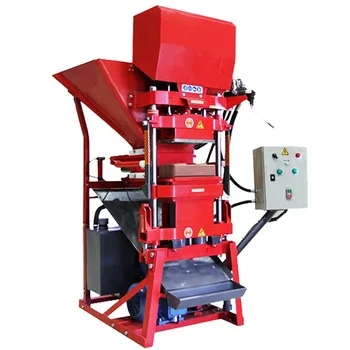
Dispatch-Ready Configuration — Every QT12-15 unit we quote for stock ships with dismantling diagrams and container loading plans confirmed before you pay the deposit, so arrival timing stays predictable.
Technical Specifications
| Parameter | Value |
|---|---|
| Product Type | Concrete Block Making Machine Line |
| Model | QT12-15 |
| Total Power | 62 kW |
| Pallet Size | 1300×900 mm |
| Moulding Cycle | 15–30 seconds (basis not stated in source — confirm block format / material / thickness) |
| Vibration Type | Table vibration |
| Vibration Acceleration | 20g |
| Excitation Force | 120 kN (source value — verify against manufacturer catalog) |
| Voltage | Customized to local industrial voltage (confirmed per order) |
| Control System | PLC with frequency conversion control |
| Automation Level | Automatic line |
| Vibration Technology | Four-axis synchronized vibration with dynamic and static table |
| Feeding System | 360° rotating press-in arch breaker for material distribution |
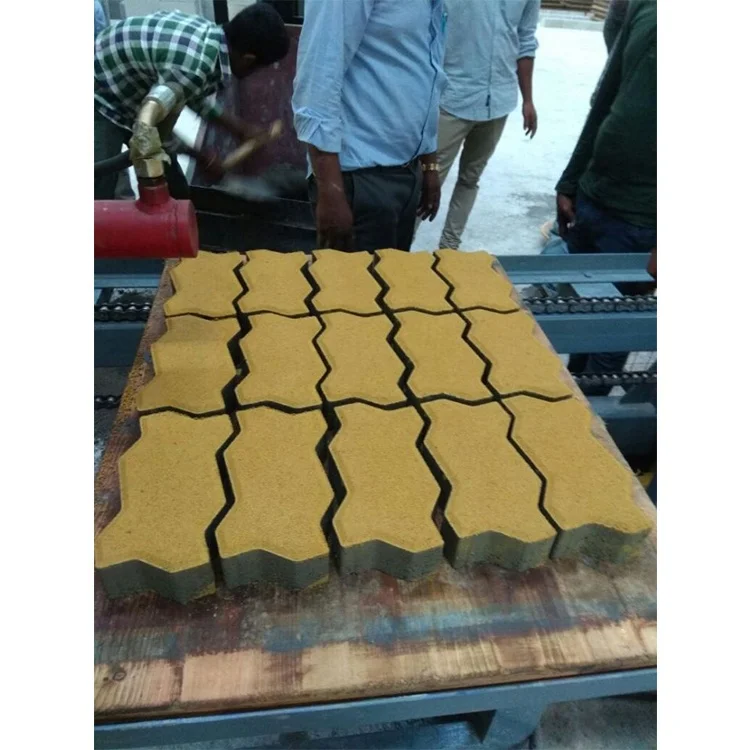
| Mould Versatility | Hollow block, solid block, interlocking brick, paving block, porous brick, slope protection brick |
Application Suitability
| Application | Material or Output |
|---|---|
| High-capacity hollow block production | Crushed stone, sand, cement, and water mix |
| Solid block manufacturing for load-bearing walls | Dense aggregate and cement blend |
| Interlocking brick for paving and landscaping | Fine aggregate with pigment additives |
| Paving block for roads and walkways | High-strength concrete mix with surface finish |
| Porous brick for permeable surfaces | Graded aggregate with controlled porosity |
| Slope protection brick for embankments | Heavy-duty concrete mix with interlocking geometry |
What "Ready to Ship" Actually Means for a QT12-15 Block Making Machine Line
Stock status is only useful if the container loading plan, voltage configuration, and mould set are already decided before the machine leaves the factory floor.
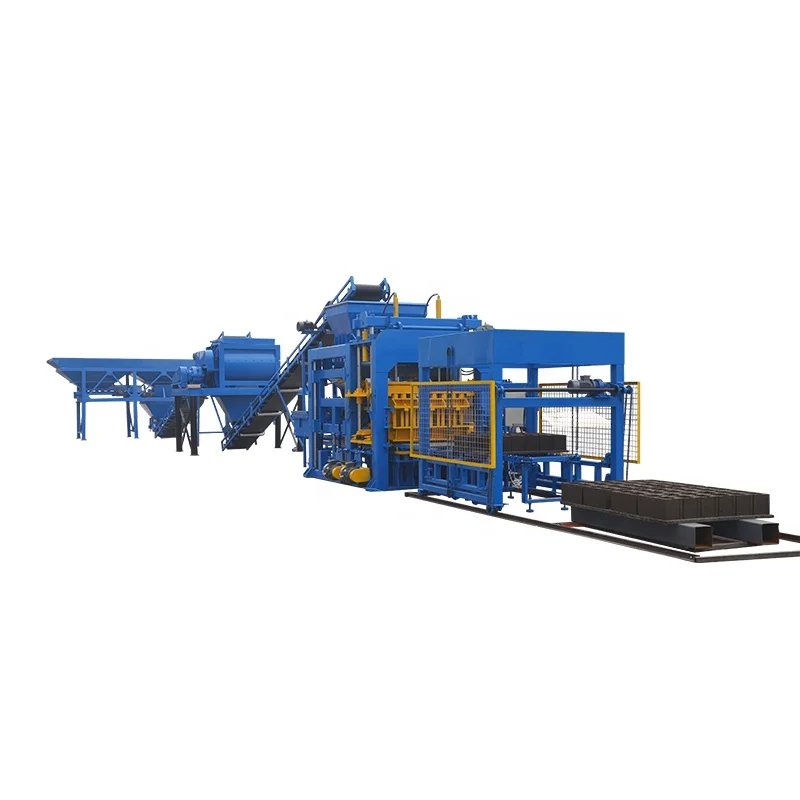
Project deadlines do not wait for production queues. I have watched contractors lose weeks because a machine was listed as available but the moulds, pallets, or electrical panel still needed customization that added a multi-week delay after the deposit cleared. When a buyer asks about a QT12-15 block making machine in stock, the real question is whether the complete line — press, feeder, stacker, pallets, and moulds — can actually be crated and loaded within the quoted window. [NEED_CITE: typical lead time variables in block machinery export]
How Dispatch Lead Time Gets Calculated Before You Commit
A genuine stock unit means the press frame, hydraulic station, and vibration table are assembled and tested. The QT12-15 block making machine in stock configuration still requires pallet quantity confirmation, mould selection matching your block format, and voltage verification against your site supply. These three items determine whether the machine ships in days or weeks.
Container Loading and Dismantling Realities
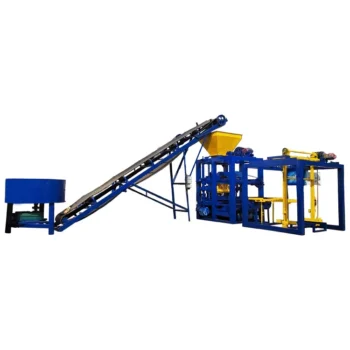
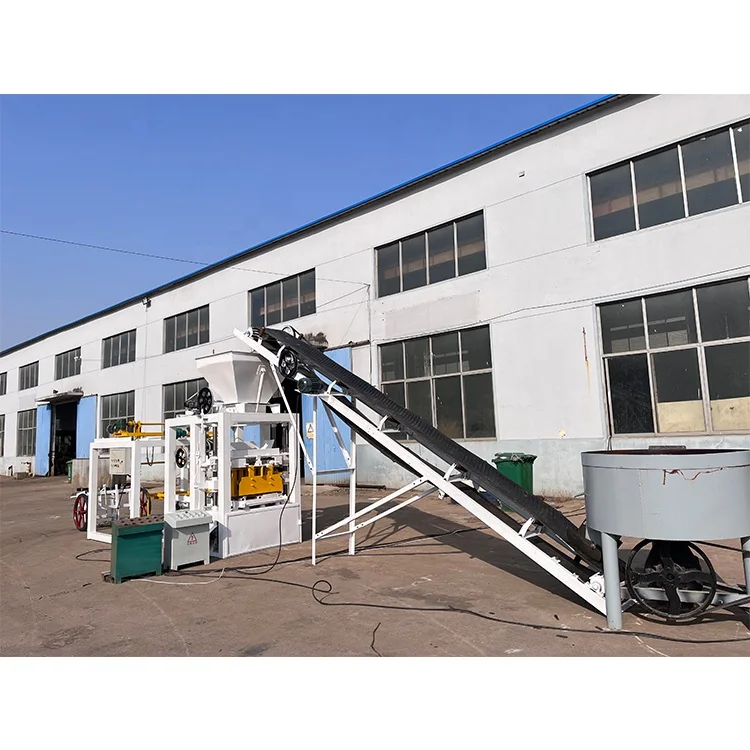
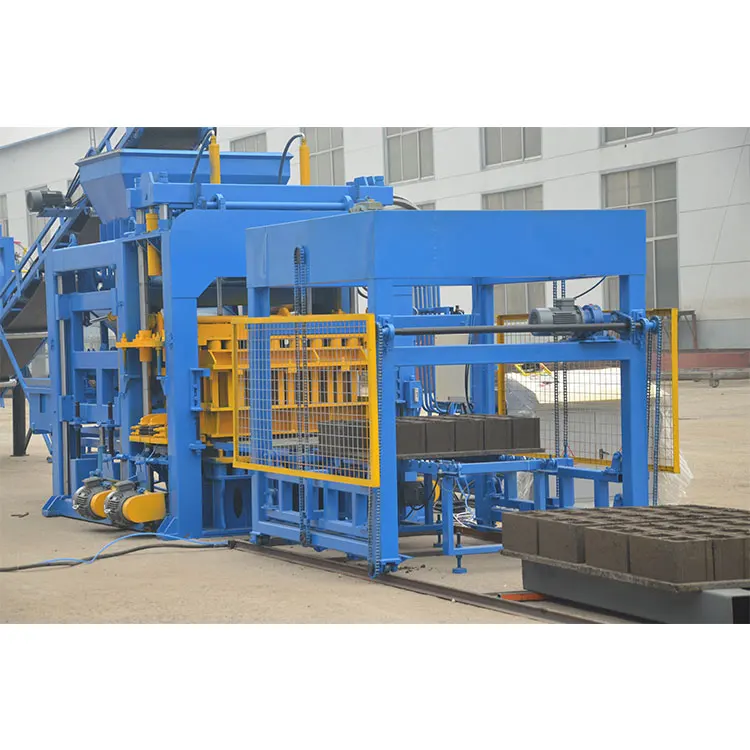
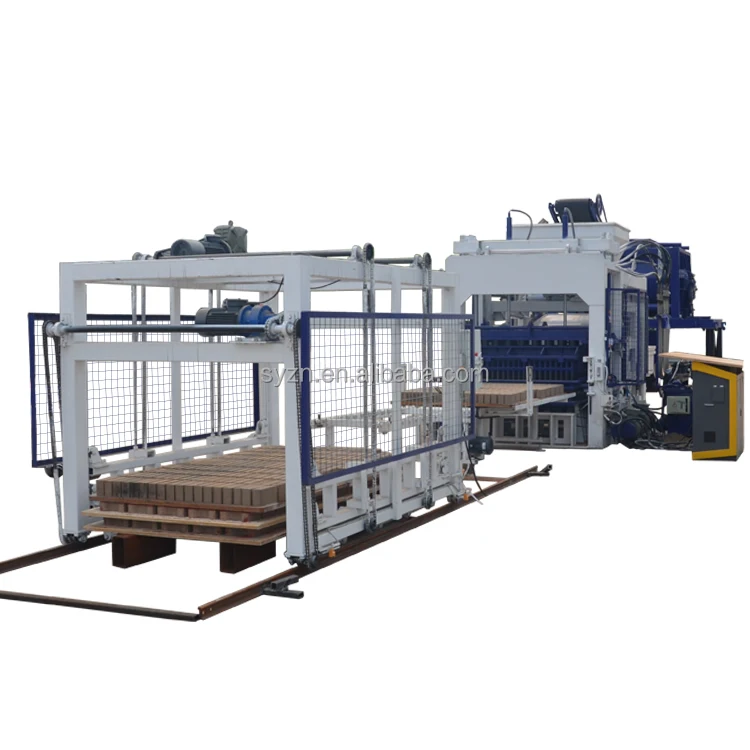
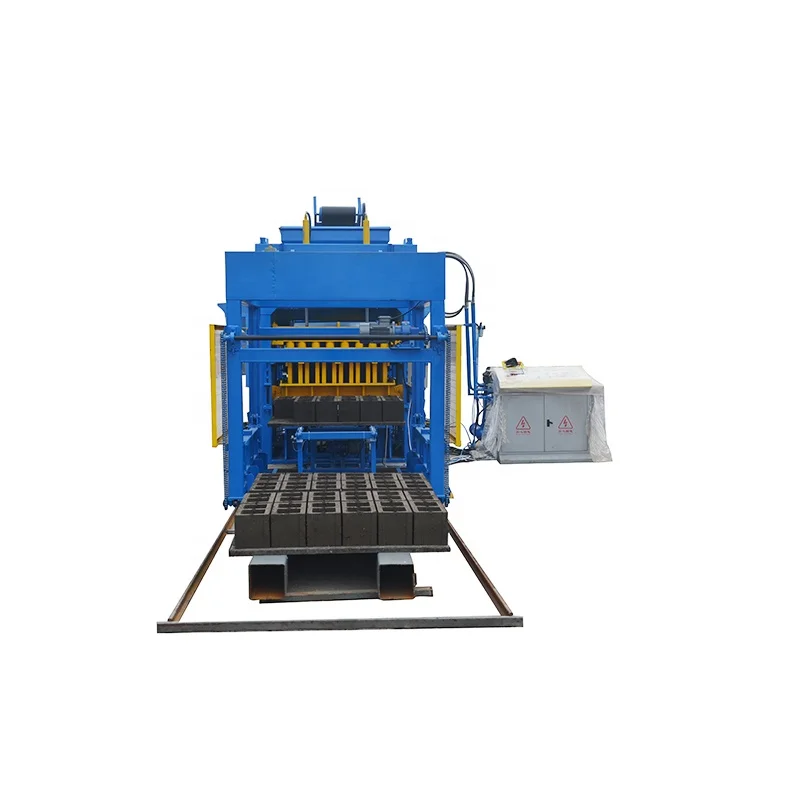
The 1300×900 mm pallet size and total power of 62 kW influence how the line breaks down for a 40-foot container. The press travels as a single welded frame, but the feeder, stacker, and curing rack handling stations dismantle into separate crates. I always insist on packing photographs before the container doors close — it is the only way to verify that hydraulic hoses, PLC panels, and mould bolts are accounted for when the crate arrives at a port thousands of kilometres from the factory. [NEED_CITE: container loading standards for heavy machinery]
Reading the Specs That Matter on Site
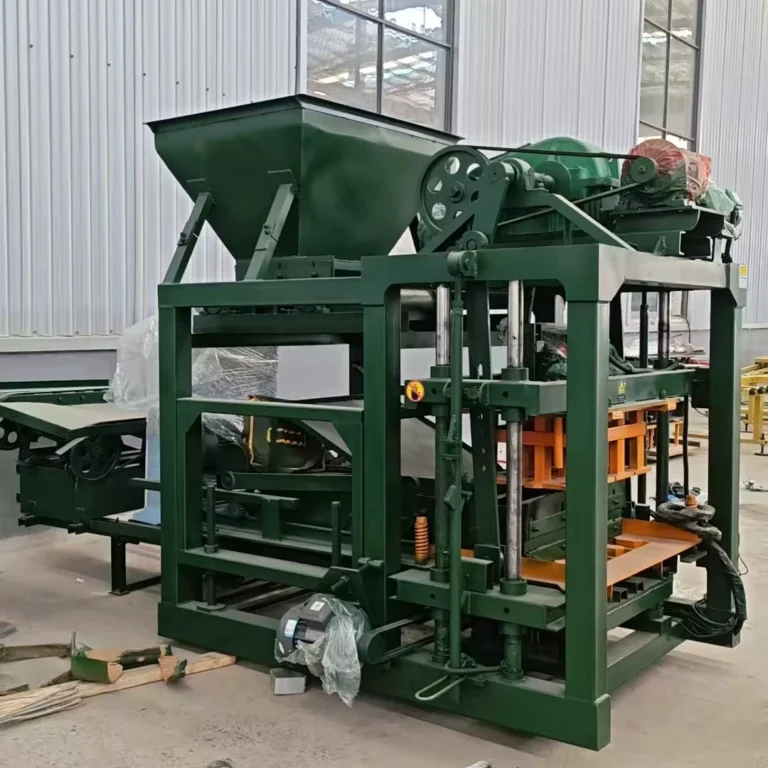
The four-axis synchronized vibration system with 20g acceleration is what gives consistent block density across the 1300×900 mm pallet surface. If the vibration force and hydraulic pressure are not matched to your local aggregate and mix design, blocks will cure with uneven strength regardless of the machine’s rated capacity. The 360° rotating press-in arch breaker prevents material bridging in the hopper — a small detail that eliminates the manual poking operators resort to when feed distribution stalls mid-cycle. The PLC with frequency conversion control allows the moulding cycle to be adjusted between 15 and 30 seconds depending on block thickness and format, which is why any capacity figure must state the exact block being produced.
The Cost of Skipping the Voltage Conversation
I have seen lines sit idle for weeks on a job site in East Africa because the control panel was wired for a voltage and frequency that the local grid could not supply, and the transformer needed to fix it was not available locally. Confirming voltage, frequency, and PLC display language before crating eliminates this entirely. The 62 kW total power draw also means the site needs a dedicated circuit with adequate capacity — discovering that after arrival means renting a generator or waiting for an electrician while the project clock keeps running. [NEED_CITE: voltage and frequency standards by export market]
Why Buyers Source This Line Here
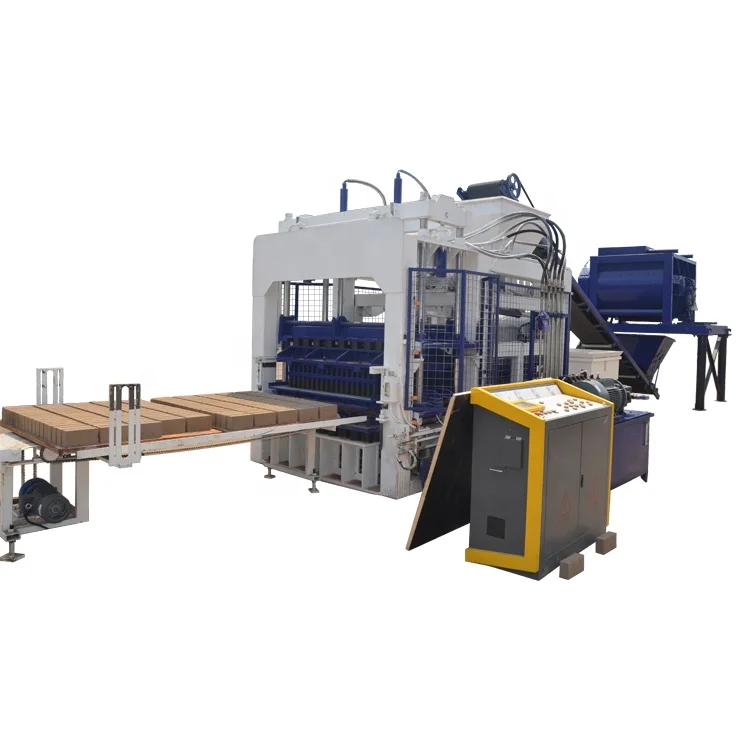
Block machinery is the single focus of this operation, which means the QT12-15 press, moulds, pallets, and handling equipment are specified as one matched system rather than assembled from unrelated suppliers. Configuration is set against your actual mix design and target block format, not pulled from a catalogue default. Mould design covers the formats your market sells, with custom drawings available when standard options do not fit. Stock and delivery timing are quoted with the dismantling method and container loading plan included, so there is no guesswork between deposit and dispatch. The automation level is selectable — buyers can start with semi-automatic pallet handling and upgrade the stacking and cubing stations later without replacing the press.
Documentation & Verification
- Factory test record running your specific block format before the machine is dismantled for shipment
- Line layout showing how each station connects around the QT12-15 press with cycle time matching
- Voltage, frequency, and PLC display language confirmation sheet signed off before crating
- Container loading plan with dismantling method and packing photographs of every crate
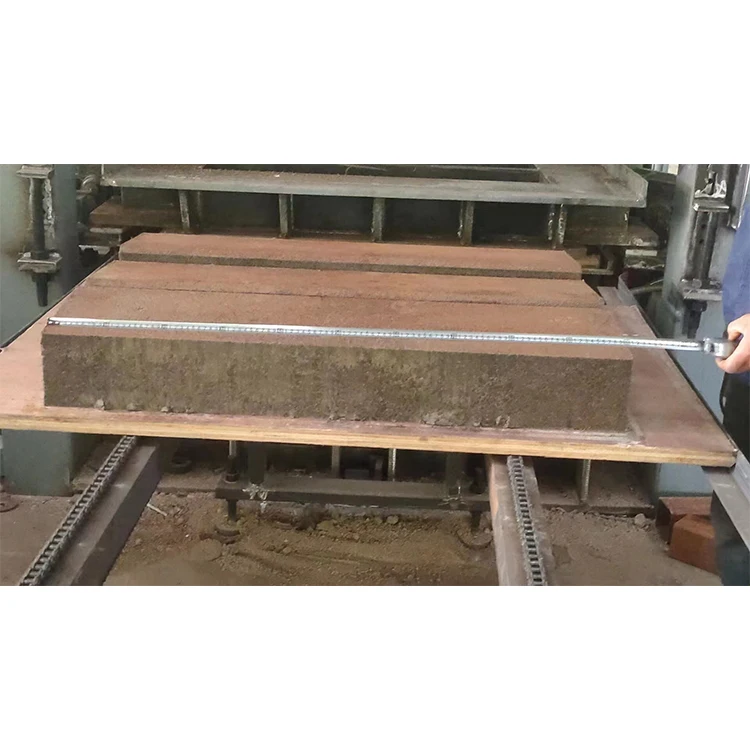
- Mould drawing and format list confirming cavity count and block dimensions per mould set
- Hydraulic and electrical schematic for on-site troubleshooting after commissioning
Installation, Commissioning & Support
- Site foundation must accommodate the 1300×900 mm pallet footprint and vibration isolation requirements
- Dedicated 62 kW electrical circuit with confirmed voltage and frequency before the panel is energized
- Press arrives as a welded frame; feeder, stacker, and pallet return reassemble on pre-set anchor points
- First run includes moulding cycle adjustment between 15 and 30 seconds matched to your block format
- Operator training covers PLC interface navigation, mould change procedure, and daily vibration system checks
- Wear parts list includes hydraulic seals, vibration belts, and mould wear plates shipped with the initial order
What to Prepare Before Requesting a Quote
Share your target block format with dimensions, the daily output you need to hit your project schedule, and the destination port so an arrival estimate can be calculated. Confirm your local industrial voltage and frequency, and let us know whether you need standard moulds from the current stock list or a custom format that will affect the dispatch timeline.
Frequently Asked Questions
Q: Which QT12-15 configurations are currently in stock versus built-to-order?
A: The press frame, hydraulic station, and vibration table for the QT12-15 are held in stock configuration. Mould sets for standard hollow and solid block formats ship from inventory, while custom mould designs and non-standard pallet materials are built to order and add to the dispatch timeline. Voltage and PLC language are always configured per destination before crating.
Q: What is the dispatch lead time from deposit to container departure?
A: Once deposit clears and the voltage, mould set, and pallet quantity are confirmed in writing, a stock QT12-15 configuration can be dismantled, crated, and loaded within a typical multi-week window. Custom moulds or special pallet materials extend this timeline, which is quoted before you commit.
Q: How is the machine dismantled for container loading and what pallet quantity ships with it?
A: The press travels as a single welded frame. The feeder, stacker, pallet return, and curing rack stations dismantle into separate crates. Pallet quantity is confirmed based on your curing area capacity and the block format ordered. Packing photographs are taken before the container doors close.
Q: Can standard moulds ship with the machine or do custom moulds add lead time?
A: Standard moulds for common hollow block, solid block, and paving block formats ship from stock alongside the machine. Custom moulds designed to buyer drawings require additional production time, which is stated in the quotation so the dispatch date remains transparent.
Q: What is the estimated arrival time at my destination port after dispatch?
A: Arrival estimates are calculated based on your destination port and the shipping route available at the time of booking. This estimate is quoted upfront alongside the dispatch lead time so you can plan site preparation and crane availability accordingly.