Description
Stock readiness verified — QT18-15 configurations held for immediate dispatch after voltage, PLC language, and container loading are confirmed against your site conditions, so arrival timing stays honest from day one.
Technical Specifications
| Parameter | Value |
|---|---|
| Model | QT18-15 |
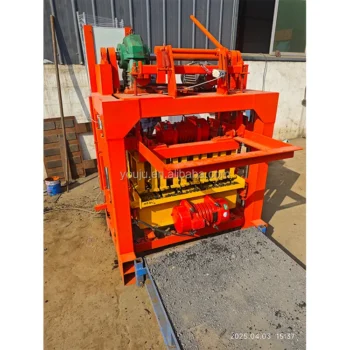
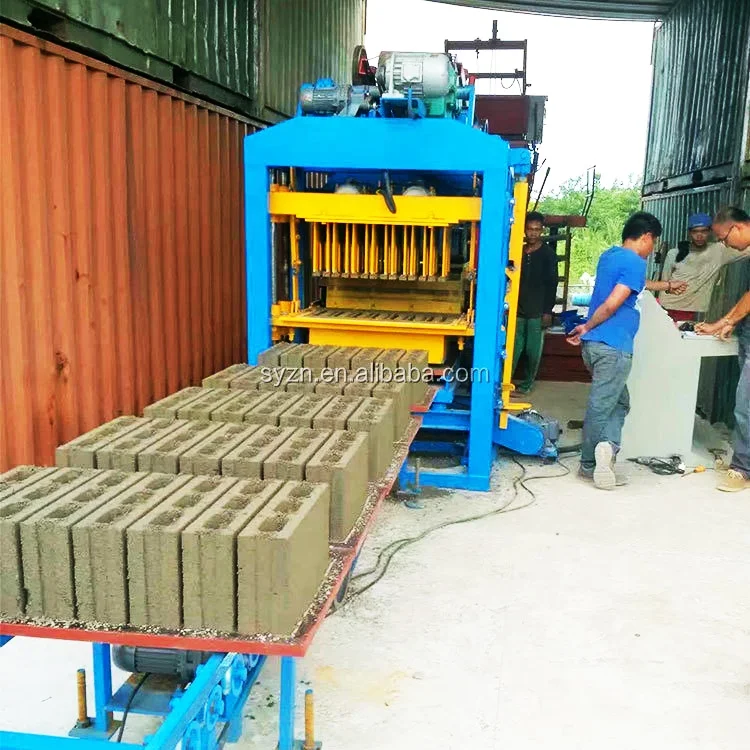
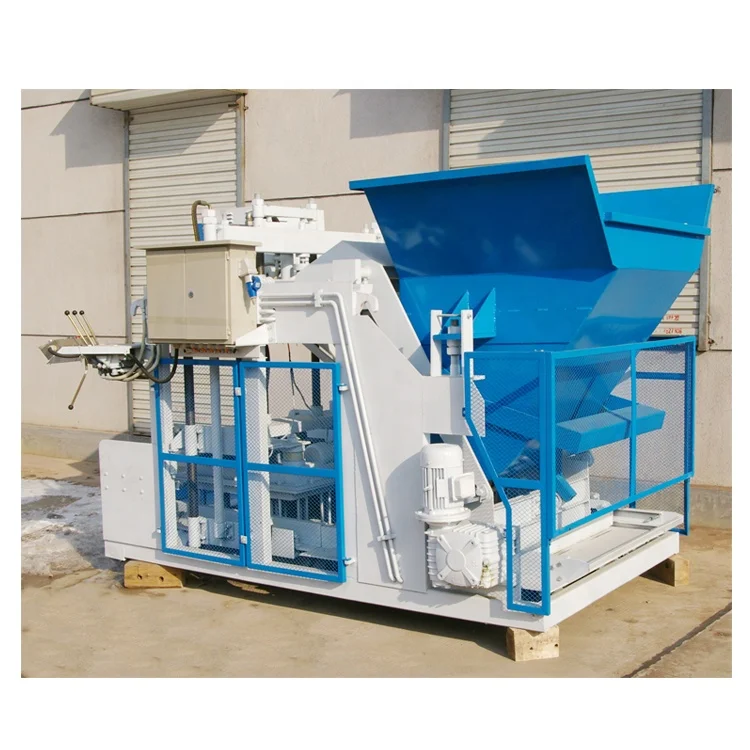
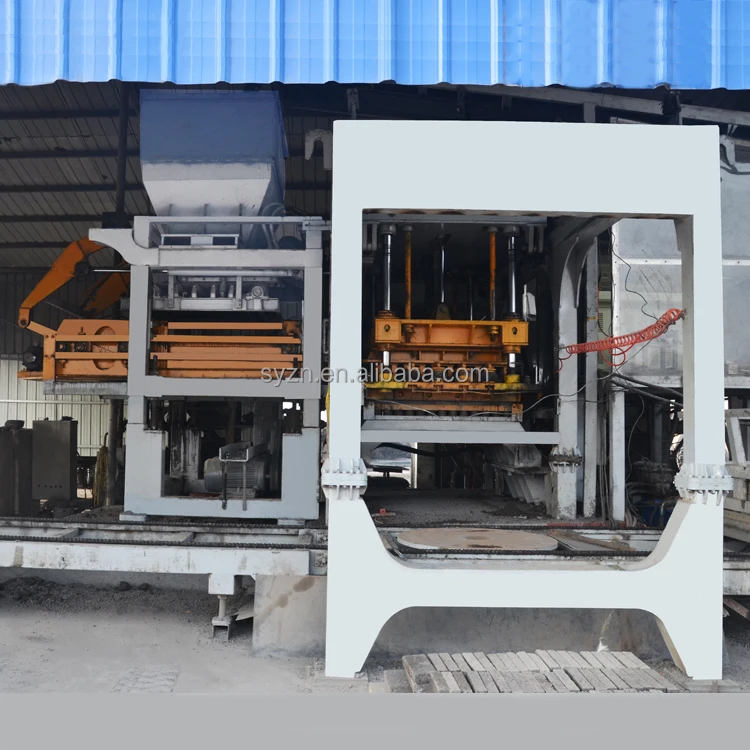
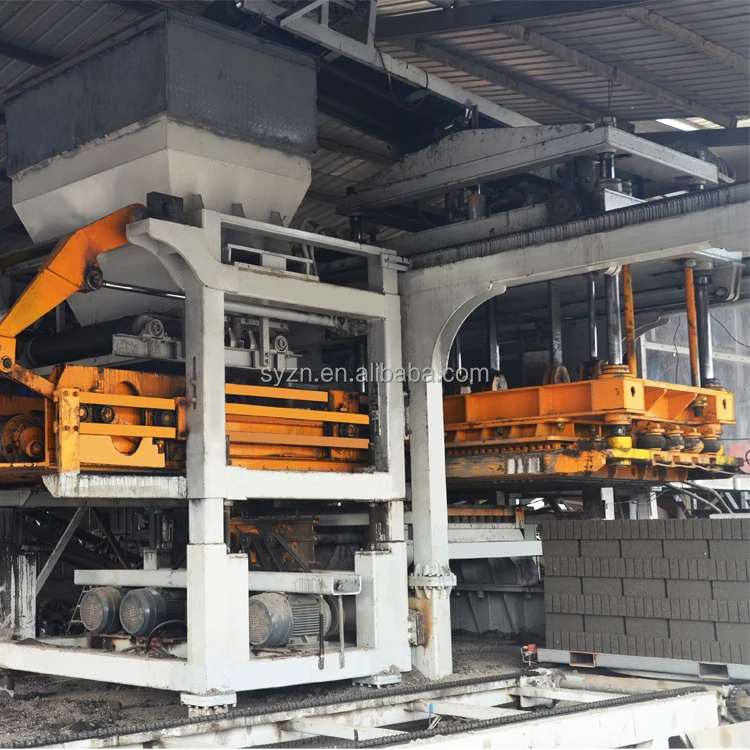
| Product Type | Fully Automatic Pallet-free Block Making Machine |
| Brick Height Range | 50–300 mm |
| Stacking Height | 0–1200 mm |
| Main Vibration Form | Platform Vibration |
| Vibration Frequency | 2800–4500 r/min |
| Vibration Power | 60 kW |
| Hydraulic System Power | 59 kW |
| Total Installed Power | 119 kW |
| Driving Method | Hydraulic |
| Demolding Method | Vibration and Hydraulic |
| Molding Cycle | 15–25 s (basis not stated in source — confirm block format, material, thickness) |
| Pallet Size | 1350 × 1350 × 120 mm (note: product is described as pallet-free — verify against manufacturer catalog) |
| Water Consumption | 8 T/Day |
| Factory Area Required | 2000 m² |
| Control System | PLC with person-machine conversation interface |
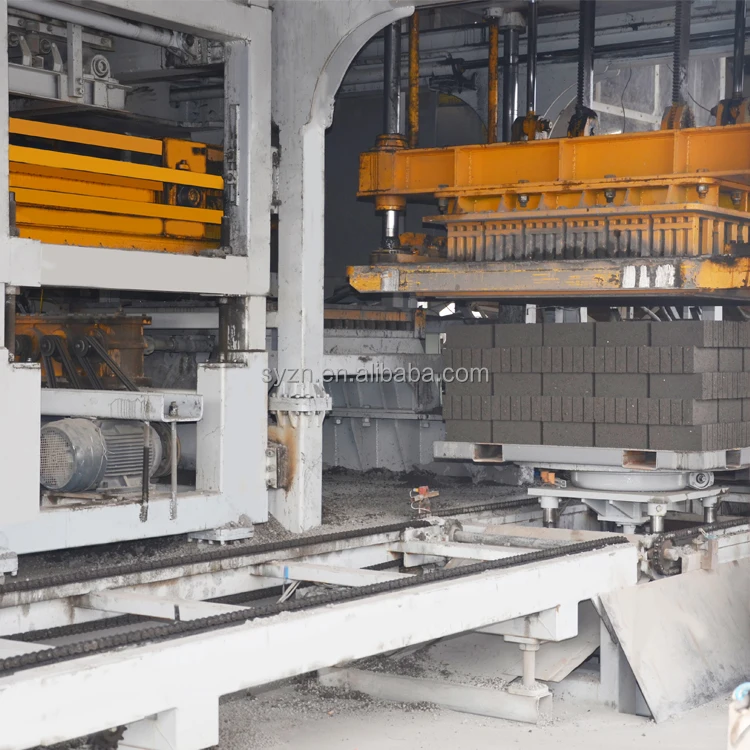
| Automation Level | Fully automatic, blocks stacked directly after moulding |
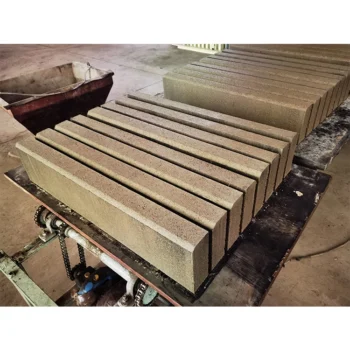
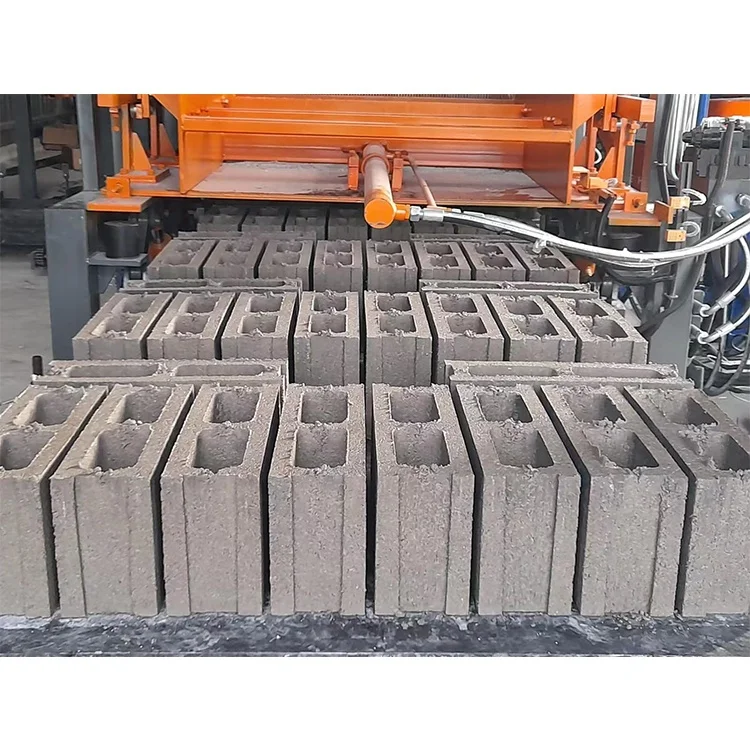
| Applied Products | Concrete hollow/solid blocks, pavers, interlocking blocks, curbstone, colored pavers |
Application Suitability
| Application | Material or Output |
|---|---|
| High-output hollow block production | Crushed stone, sand, cement, fly ash |
| Solid block manufacturing for housing projects | Gravel, sand, cement, slag |
| Interlocking paver and colored paver runs | Fine aggregate, cement, pigment additives |
| Kerbstone and curb production | Coarse aggregate, cement, dust blends |
| On-site block production for development contractors | Locally sourced sand, stone, and cement |
What "In Stock" Actually Means Before You Wire the Money
A machine is only in stock if the voltage, frequency, and PLC language match your grid and your operators.
I have loaded machines into containers on a Monday only to learn on Wednesday that the destination site runs 440V/60Hz while the panel was wired for 380V/50Hz. The result is a three-week delay and an electrician rewiring the cabinet on a dusty construction site. When we say the QT18-15 block machine in stock is ready, it means the core frame, hydraulic station, and vibration platform are built and sitting in the yard — but the final electrical cabinet is held until your voltage and language are confirmed in writing. [NEED_CITE: voltage and frequency standards by export market]
Dispatch Timeline When the QT18-15 Block Machine in Stock Is Reserved
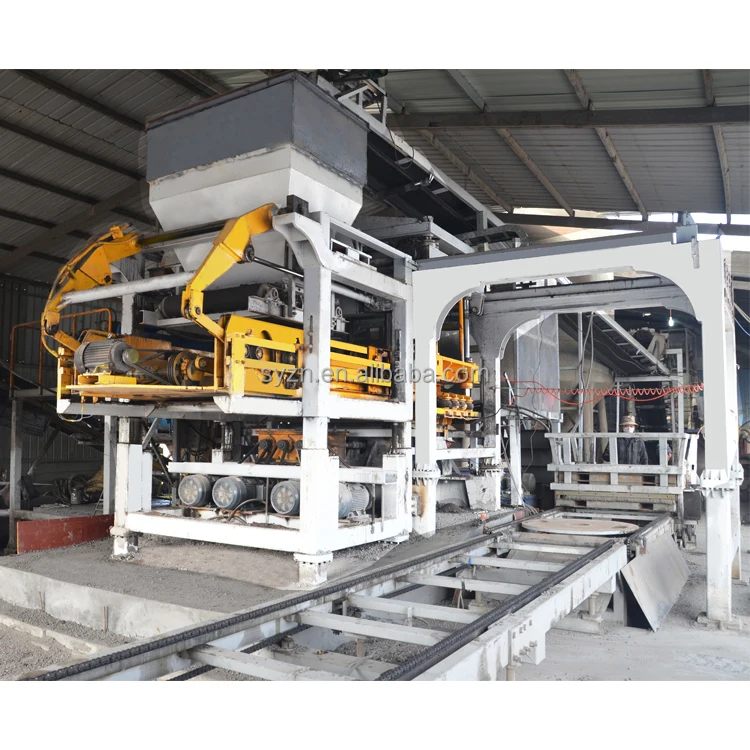
Once your voltage, frequency, and PLC display language are locked, the electrical cabinet is assembled and bench-tested. The machine is then dismantled into shipping modules — main frame, hydraulic power unit, stacking system, and control cabinet — each secured with bolted braces and wrapped for open-deck or container transit. A complete container loading plan is shared with you before the doors close, showing which module goes in which container and the sequence for on-site reassembly.
How Pallet-free Stacking Changes Your Curing Yard Layout
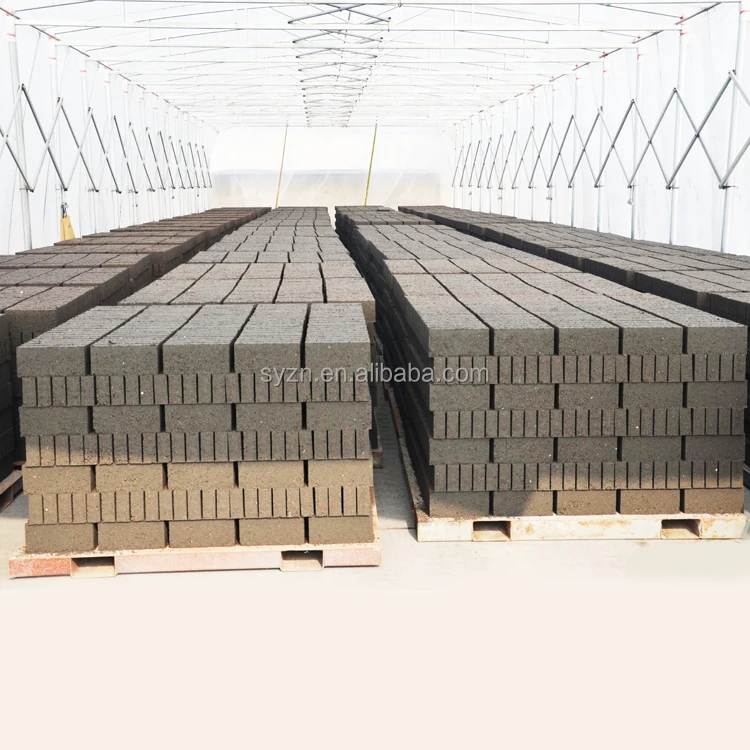
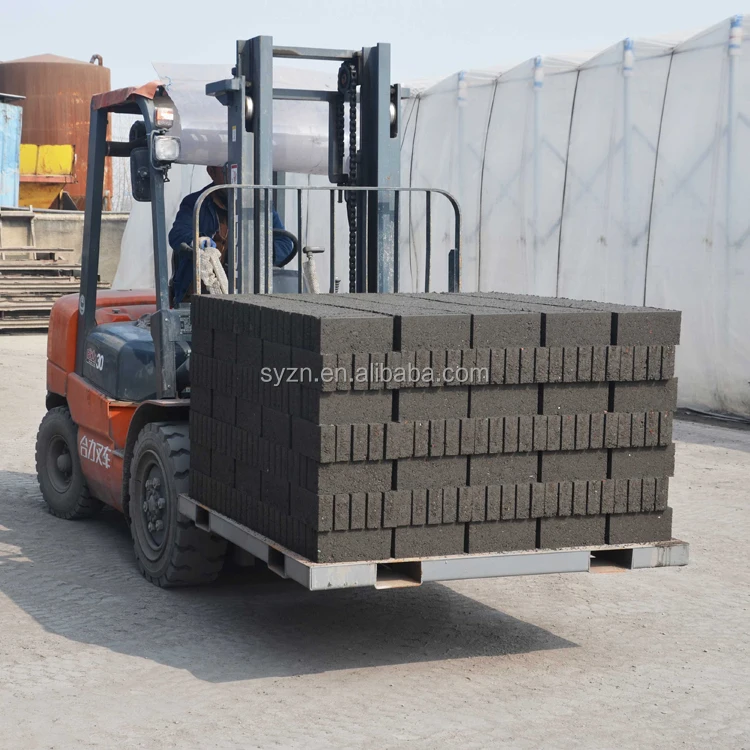
The QT18-15 lifts freshly moulded blocks directly off the press table and stacks them up to 1200 mm high without a pallet underneath. That means you do not purchase thousands of pallets, you do not maintain a pallet return loop, and your curing area is simply a flat concrete floor. Forklifts move finished stacks rather than individual pallets, which simplifies traffic flow. [NEED_CITE: curing area requirements for pallet-free block lines]
Vibration, Pressure, and the Density You Actually Ship
Platform vibration at 2800–4500 r/min driven by 60 kW of vibration power works together with 59 kW of hydraulic pressure to compact the mix in the mould box. Higher frequency tightens the surface finish on pavers, while sustained hydraulic pressure builds core density in tall hollow blocks. The PLC-controlled person-machine interface lets operators store recipes per block format so a switch from 200 mm hollow blocks to 60 mm pavers is a parameter recall, not a manual guess. When the vibration and pressure are matched to the buyer’s actual aggregate and cement ratio, block strength stays consistent batch after batch rather than drifting through the shift.
The Cost of Skipping the Voltage Conversation
Sending a 380V/50Hz cabinet to a 440V/60Hz site does not just delay commissioning. Transformers add losses, motor speeds shift, and the PLC power supply can fail within weeks. I have seen contractors idle an entire crew because the control board fried on first start-up and the replacement had to fly from the factory. Confirming voltage and frequency before the cabinet is wired costs nothing and saves a multi-week standstill on a deadline-driven project. [NEED_CITE: CE machinery directive requirements for industrial equipment]
Why Buyers Source This Line Here
Block machinery is our single focus, so the QT18-15 press, stacking system, and handling stations are specified as one matched set rather than bolted together from separate vendors. Dispatch lead time is quoted against your destination port before you pay the deposit, not after. Container loading plans are prepared per machine, showing dismantling points and bracing so reassembly on site follows a clear sequence. Factory test records covering your target block format are documented before the machine leaves the floor. Voltage, frequency, and PLC language are confirmed in writing before the electrical cabinet is closed.
Documentation & Verification
- Factory test record covering your target block format and mould set before dispatch
- Container loading plan showing dismantling sequence and bracing points per module
- Voltage, frequency, and PLC language confirmation sheet signed before cabinet closure
- Hydraulic and electrical schematic matching the as-built configuration
- Operation and maintenance manual in your selected language
Installation, Commissioning & Support
- Foundation drawing specifying load points for the 119 kW total power layout
- Dedicated circuit sizing guidance for the 60 kW vibration and 59 kW hydraulic circuits
- On-site reassembly support following the pre-shipped container loading sequence
- First-run parameter tuning across the 50–300 mm brick height range
- Operator training on the PLC person-machine interface for recipe storage and recall
- Wear parts list covering hydraulic seals and vibration motor bearings
What to Include in Your Inquiry
Send your target block formats, required daily output, and the local aggregate you plan to use. Confirm the voltage and frequency at your site, plus the PLC display language your operators need. If you already have curing space or forklifts on site, share the dimensions and lift capacity so the stacking height and handling flow are sized to fit.
Frequently Asked Questions
Q: Which QT18-15 configurations and mould formats are in stock right now?
A: The main frame, hydraulic station, and vibration platform of the QT18-15 block machine in stock are built and available. Mould sets and the electrical cabinet are configured to your confirmed block format, voltage, and PLC language before dispatch. Contact us with your format list and grid specs for a same-day stock status reply.
Q: What is the dispatch lead time and how is container loading handled?
A: Once voltage, frequency, and PLC language are confirmed, the electrical cabinet is finished and bench-tested within a short window. The line is dismantled into numbered modules and a container loading plan is shared with you before doors close, showing exact placement and reassembly sequence on site.
Q: Can the arrival estimate be confirmed before order placement?
A: Yes. We calculate the shipping window from our yard to your destination port and quote the arrival estimate alongside the dispatch lead time, so you can plan foundation work and crew scheduling against a realistic date rather than a guess.
Q: What voltage and frequency options ship from stock versus require custom build?
A: The mechanical modules of the QT18-15 block machine in stock are ready regardless of electrical spec. The control cabinet is built to your exact voltage, frequency, and language after confirmation. Common industrial voltages are turned around quickly; unusual grid specs may add a short wiring cycle.
Q: How does the pallet-free stacking system affect curing area setup on arrival?
A: Pallet-free stacking up to 1200 mm means your curing area needs only a level concrete floor — no pallet racks or return conveyors. Forklifts handle full stacks rather than single pallets, so aisle width and lift capacity should be checked against the 1350 × 1350 mm mould footprint before the machine arrives.