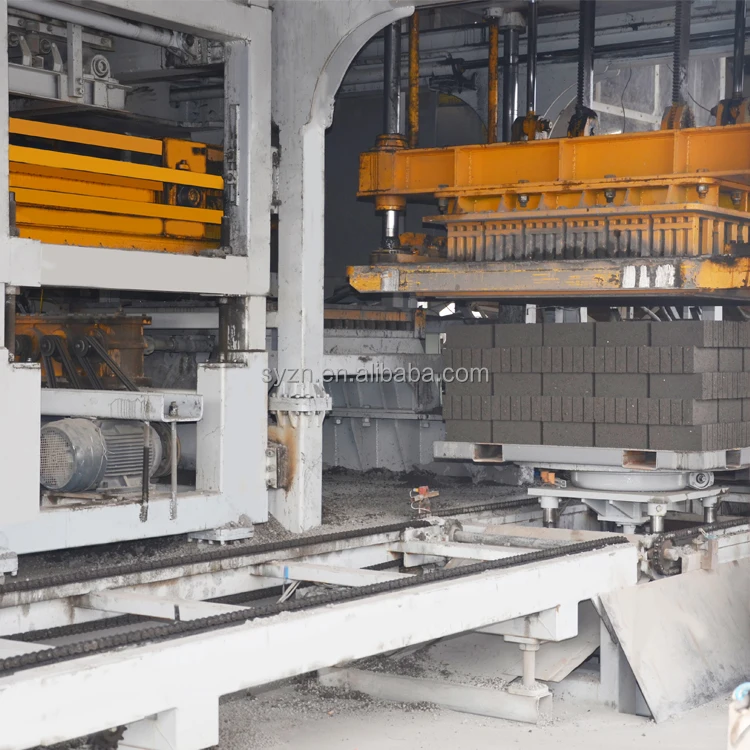
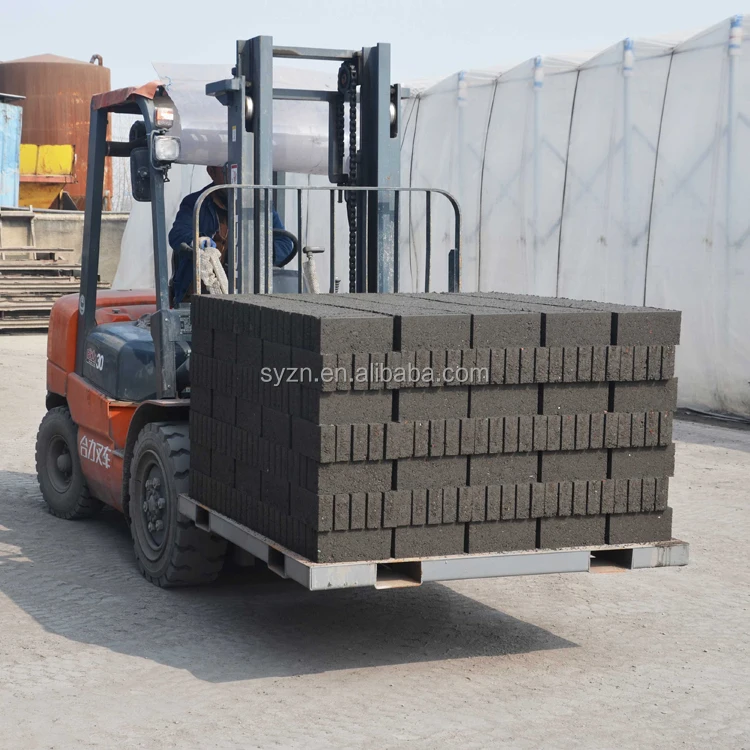
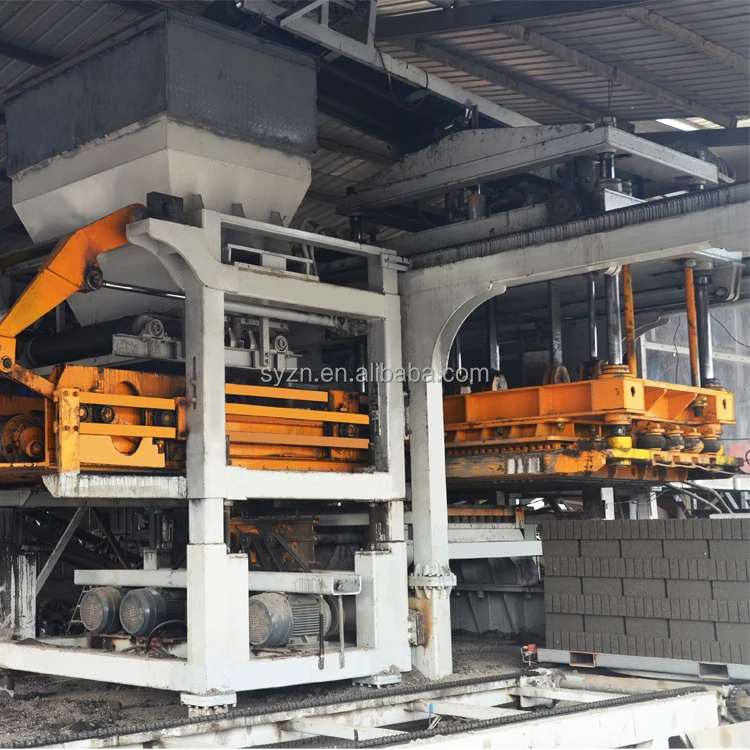
Description
Rapid Dispatch Configuration — Every QT18-15 stationary block machine in stock is pre-inspected against the buyer’s voltage, PLC language, and mould list before container loading.
Technical Specifications
| Parameter | Value |
|---|---|
| Model | QT18-15 |
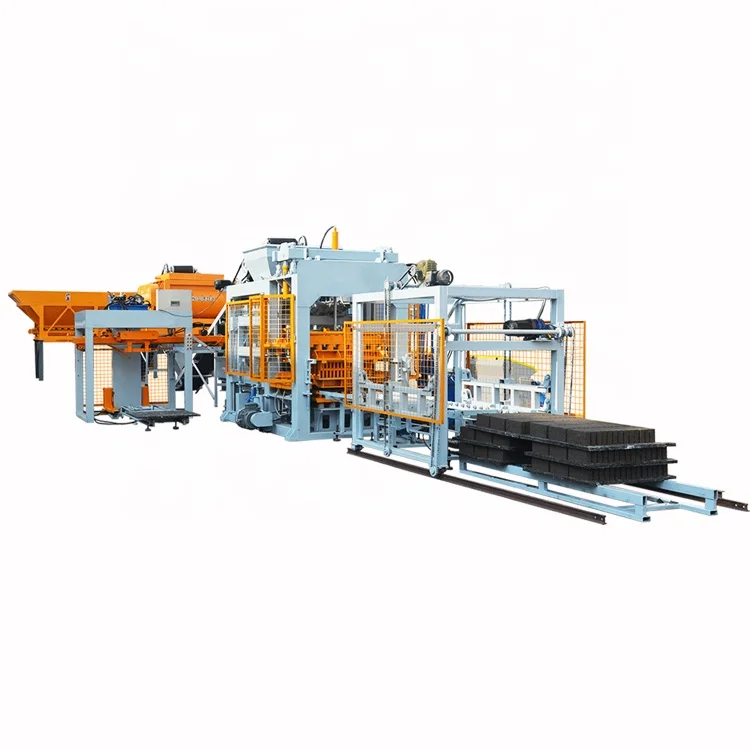
| Product Type | Fully Automatic Pallet-free Block Making Machine |
| Brick Height Range | 50–300 mm |
| Stacking Height | 0–1200 mm |
| Main Vibration Form | Platform Vibration |
| Vibration Frequency | 2800–4500 r/min |
| Vibration Power | 60 kW |
| Hydraulic System Power | 59 kW |
| Driving Method | Hydraulic |
| Demolding Method | Vibration and Hydraulic |
| Pallet Size | 1350×1350×120 mm (basis to be confirmed for pallet-free operation) |
| Molding Cycle | 15–25 s (basis not stated in source) |
| General Water Consumption | 8 T/Day |
| Control System | PLC with person-machine conversation interface |
| Automation Level | Fully Automatic |
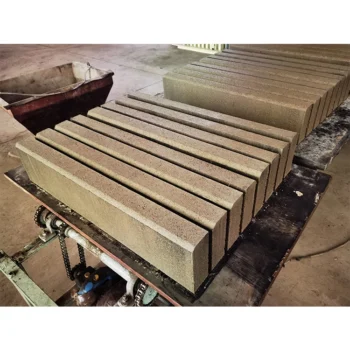
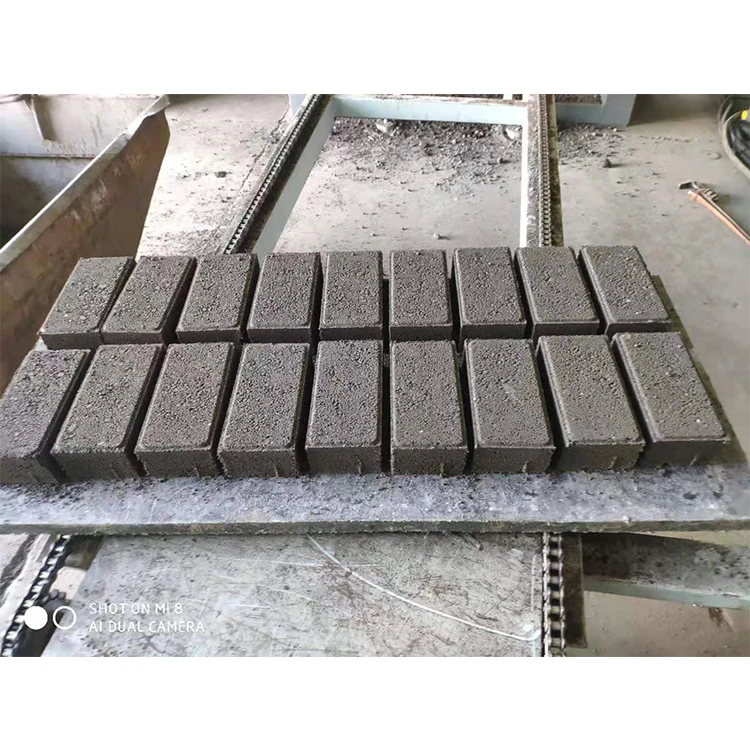
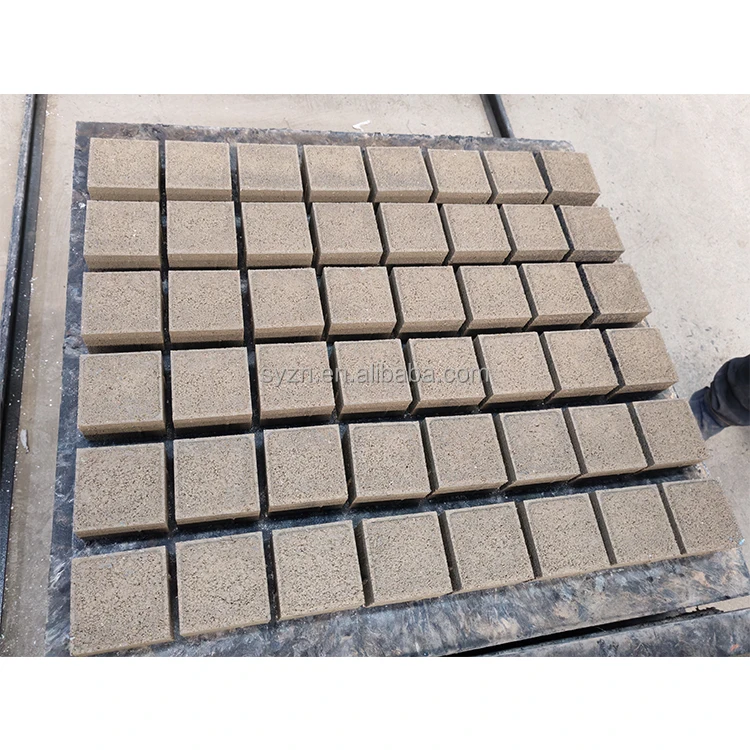
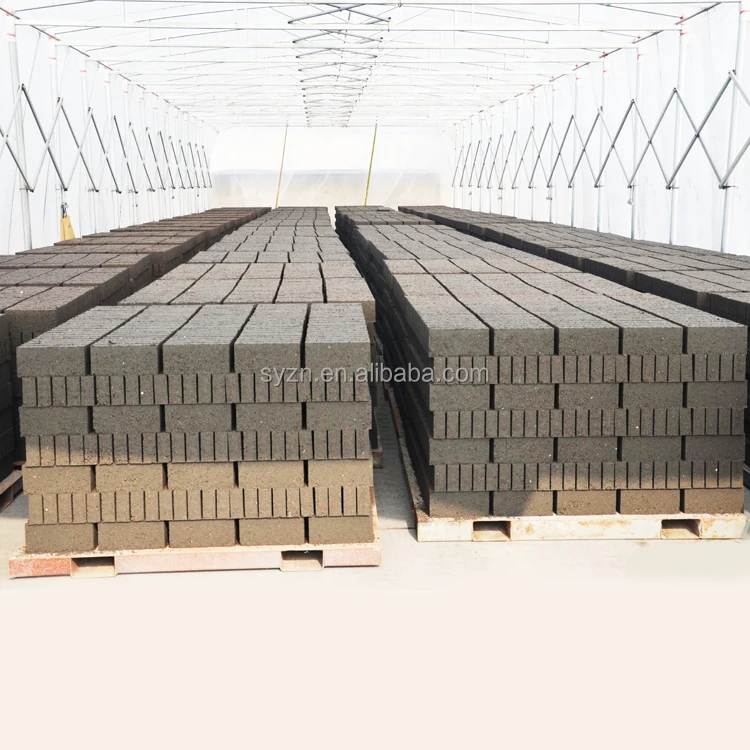
| Applied Products | Concrete blocks, hollow blocks, solid blocks, pavers, interlocking blocks, curbstone, colored pavers |
| Raw Materials | Crushed stone, sand, cement, dust, fly ash, gravel, slag |
| Factory Area Required | 2000 m² |
Application Suitability
| Application | Material or Output |
|---|---|
| On-site housing project production | Hollow and solid blocks from local crushed stone and cement |
| Paver and curbstone manufacturing | Colored concrete pavers and kerbstones for municipal contracts |
| First block plant setup | Interlocking blocks and porous bricks from fly ash and gravel |
| High-volume distributor supply | Standard concrete blocks for regional building material networks |
Why "Ready to Ship" Matters More Than the Cycle Time
A machine sitting in a factory yard in Shandong is only useful if it actually matches your site’s power grid and language requirements.
When a contractor in Lima or Nairobi has twenty masons standing by and a foundation already poured, the last thing they need is a stationary block machine in stock that arrives with a 380V motor when the site runs on 440V, or a PLC screen displaying only Chinese characters. I have watched container seals break at Callao and Mombasa only for the buyer to discover that the control panel language was never confirmed and the hydraulic pump wiring does not match the local three-phase supply. Commissioning then stalls for weeks while an electrician is sourced locally and the factory sends updated PLC firmware by courier [NEED_CITE: voltage and frequency standards by export market].
The QT18-15 eliminates that risk only when the dispatch checklist is completed before the container doors close — voltage, frequency, PLC display language, and mould inventory all verified against the buyer’s written confirmation.
Container Loading and Dispatch Lead Time
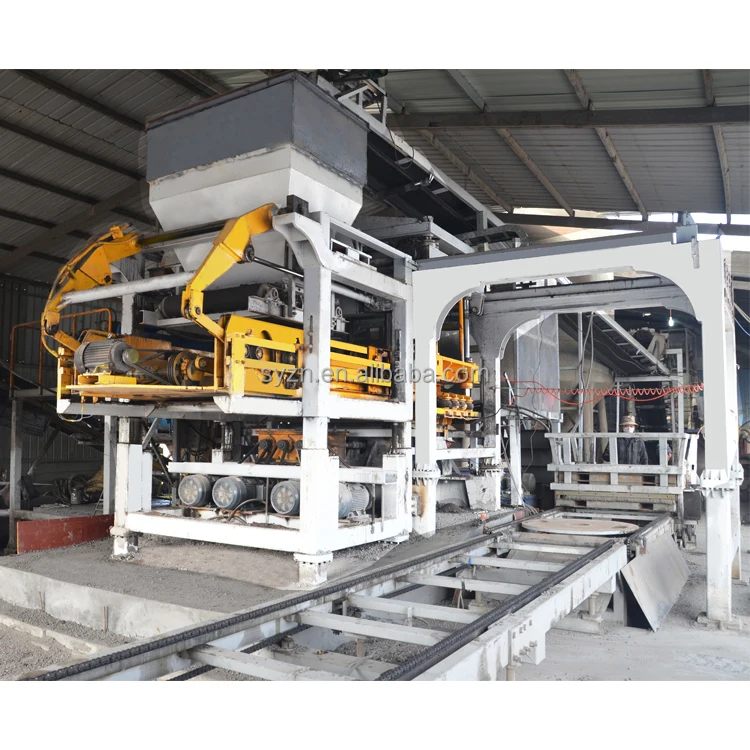
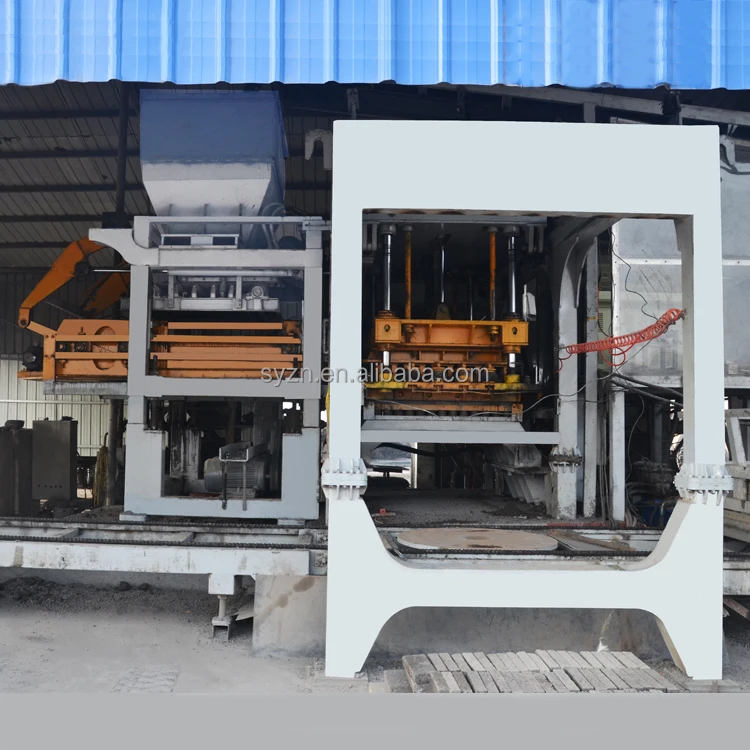
Once the order is confirmed and the electrical parameters are locked, a stocked QT18-15 stationary block machine in stock can be dismantled, wrapped, and loaded into a 40-foot high-cube container within a typical multi-week window. The hydraulic station, vibration platform, and stacking mechanism are separated into bolted sub-assemblies so that reassembly on-site requires standard workshop tools rather than specialized rigging.
Mould and Spare Parts Availability at Dispatch
Standard hollow block, solid block, and paver moulds are held in the warehouse alongside the machine frames. Before loading, each mould is dry-fitted to the QT18-15 vibration table to confirm bolt pattern alignment and stripper head clearance. A set of hydraulic seals, vibration springs, and proximity sensors travels inside a bolted crate on the container floor — the same parts I once had to air-freight to Peru at considerable cost when a single spring was missed off the packing list.
Reading the Specs That Actually Determine Output
The QT18-15 runs a platform vibration system with a frequency range of 2800–4500 r/min and 60 kW of vibration power, paired with a 59 kW hydraulic station that handles both pressing and demolding. In pallet-free operation, the vibration force and hydraulic pressure must be balanced against the buyer’s specific mix design — a fly-ash-heavy blend demands different vibration timing than a coarse crushed-stone mix. The PLC person-machine conversation interface stores these timing profiles so that a mould change does not require the operator to reprogram cycle parameters from scratch. The brick height range of 50–300 mm and stacking height of up to 1200 mm define the format envelope; any block outside that envelope requires a custom pallet or stacking solution that must be discussed before the machine leaves the factory [NEED_CITE: concrete block density standards for load-bearing applications].
What Happens When the Dispatch Checklist Is Skipped
A stationary block machine in stock that ships without confirmed voltage documentation routinely arrives to a job site where the main breaker trips on startup because the motor winding configuration was set for the wrong star-delta arrangement. The buyer then pays an electrician to rewire the cabinet, voiding the factory warranty on the hydraulic solenoids. Pallet-free machines are especially vulnerable because the stacking mechanism relies on precise proximity sensor alignment — if the sensor bracket shifts during ocean transit and no alignment photo was taken before loading, the first stack topples and damages fresh blocks [NEED_CITE: CE machinery directive requirements for industrial equipment].
Why Buyers Source This Machine Through Our Dispatch Workflow
Every QT18-15 is treated as a matched system: machine, mould, stacking mechanism, and spare parts crate are cross-referenced on a single packing list before the container is sealed. Voltage, frequency, and PLC language are confirmed in writing and recorded on the factory test sheet. Standard moulds for hollow block, solid block, and paver formats ship from the same warehouse as the press, avoiding split-shipment delays. The dismantling plan is designed so that the heaviest sub-assembly can be lifted by a standard 10-ton forklift at the destination port. Packing photographs of every crate and bolt bag are shared with the buyer before the container doors close, and customs documentation support is provided for the destination market.
Documentation & Verification
- Factory test record showing PLC language and voltage matched to your grid before dispatch
- Mould drawing and format list confirming every block type included in your container
- Hydraulic and electrical schematic with component part numbers for local sourcing
- Packing photographs of each sub-assembly and spare parts crate before container doors close
- CE declaration where applicable, filed with customs documentation for your port of entry
- Voltage and control language confirmation sheet signed off before production release
Installation, Commissioning & Support
- 2000 m² site layout plan showing stacking zone clearance for 1200 mm stack height
- Dedicated three-phase power circuit sized for combined 119 kW vibration and hydraulic load
- Bolted sub-assembly reassembly sequence requiring standard workshop tools only
- PLC parameter upload for your confirmed block format and local aggregate mix design
- Operator training on mould change procedure and person-machine conversation interface navigation
- Spare parts crate containing hydraulic seals, vibration springs, and proximity sensors included in container
Before You Request a Quote
Tell us which block formats your market actually sells, the daily volume you need per format, and the voltage and frequency at your site. Confirm whether your curing area can accommodate the 1200 mm stacking height and which forklift you have available for moving stacked cubes. If you are importing, let us know the destination port so we can estimate transit time alongside the dispatch window.
Frequently Asked Questions
Q: Which QT18-15 configurations and standard moulds are currently in stock?
A: Standard hollow block, solid block, and paver moulds are held alongside machine frames in the warehouse. Each unit is matched to a specific voltage and PLC language configuration during the order confirmation stage. Custom mould formats require a separate lead time, which we quote at the inquiry stage so your project schedule is not delayed.
Q: What is the dispatch lead time from order confirmation to container loading?
A: Once voltage, frequency, PLC language, and mould selection are confirmed in writing, a stocked QT18-15 typically moves through final inspection, dismantling, and container loading within a standard multi-week window. We quote the arrival estimate at the order stage based on your destination port and current shipping schedules.
Q: How is the machine dismantled and loaded for container shipment?
A: The hydraulic station, vibration platform, and stacking mechanism are separated into bolted sub-assemblies designed for reassembly with standard workshop tools. The heaviest component is sized for a standard 10-ton forklift at the destination. Packing photographs are shared with the buyer before the container doors are sealed.
Q: What is the estimated arrival time to my destination port?
A: Arrival estimates depend on the destination port and current vessel schedules. We quote the transit time alongside the dispatch window at the order confirmation stage, so you can align your site preparation, foundation work, and labour mobilisation to a single timeline rather than working from a guess.