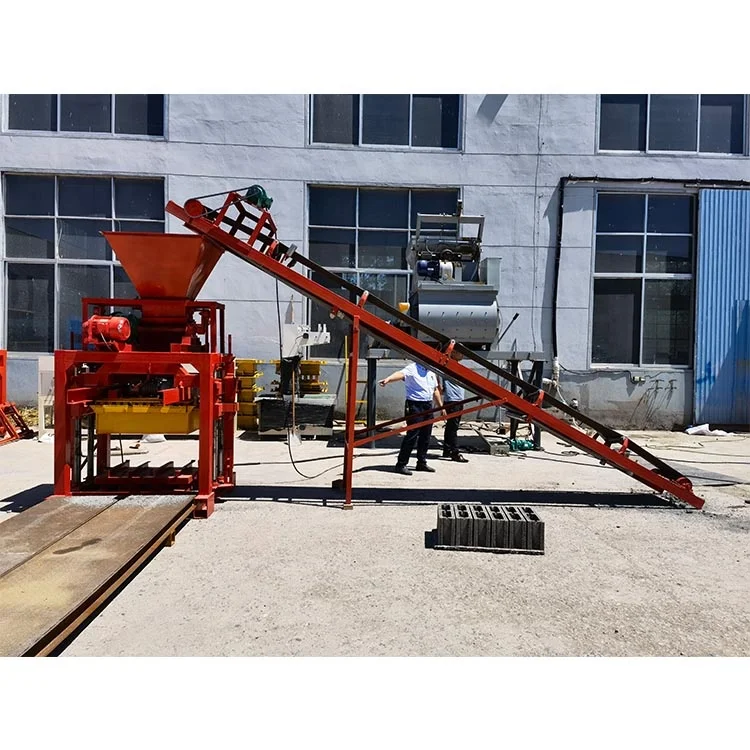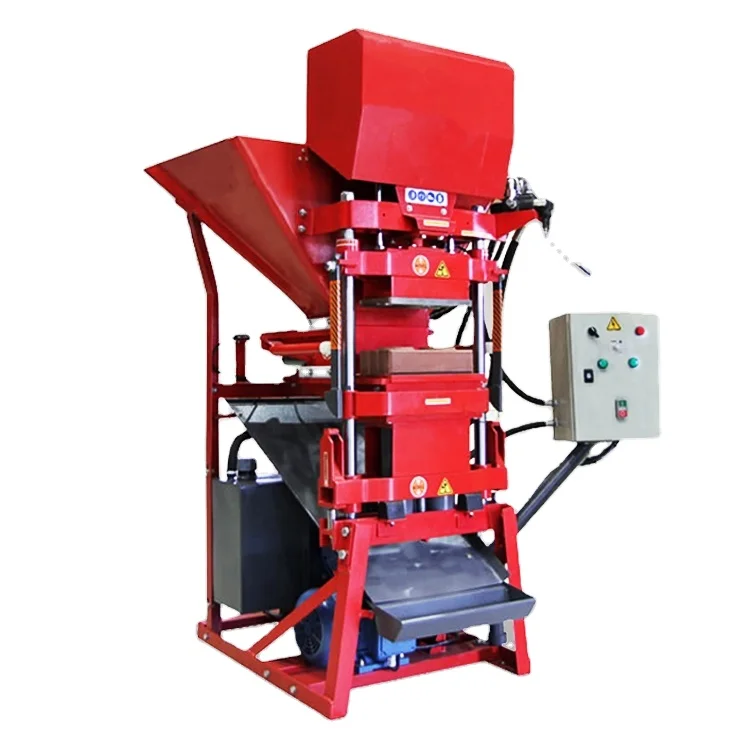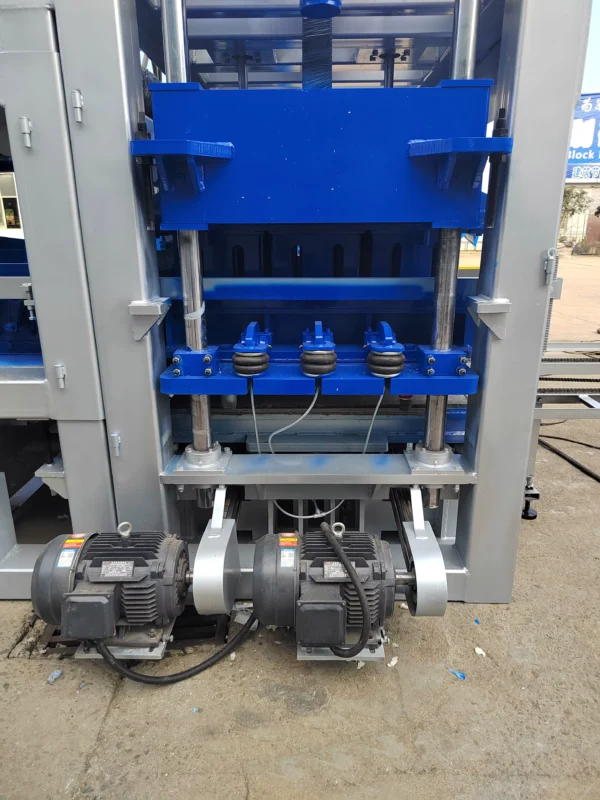
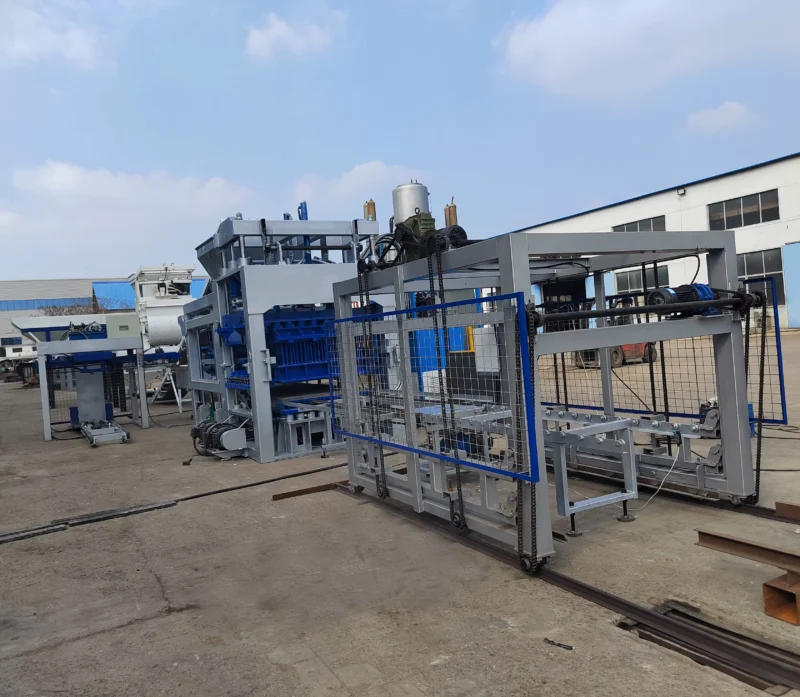
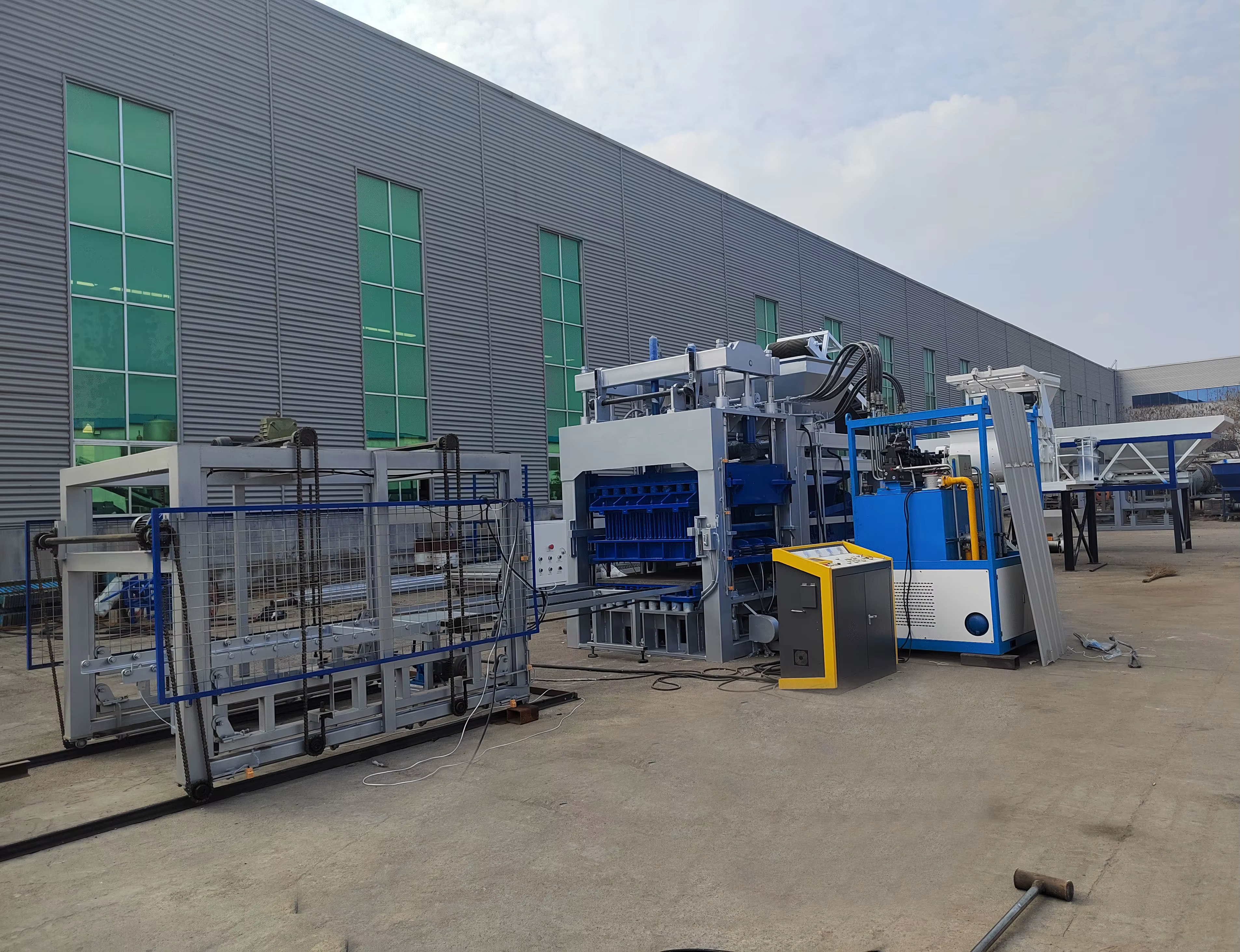
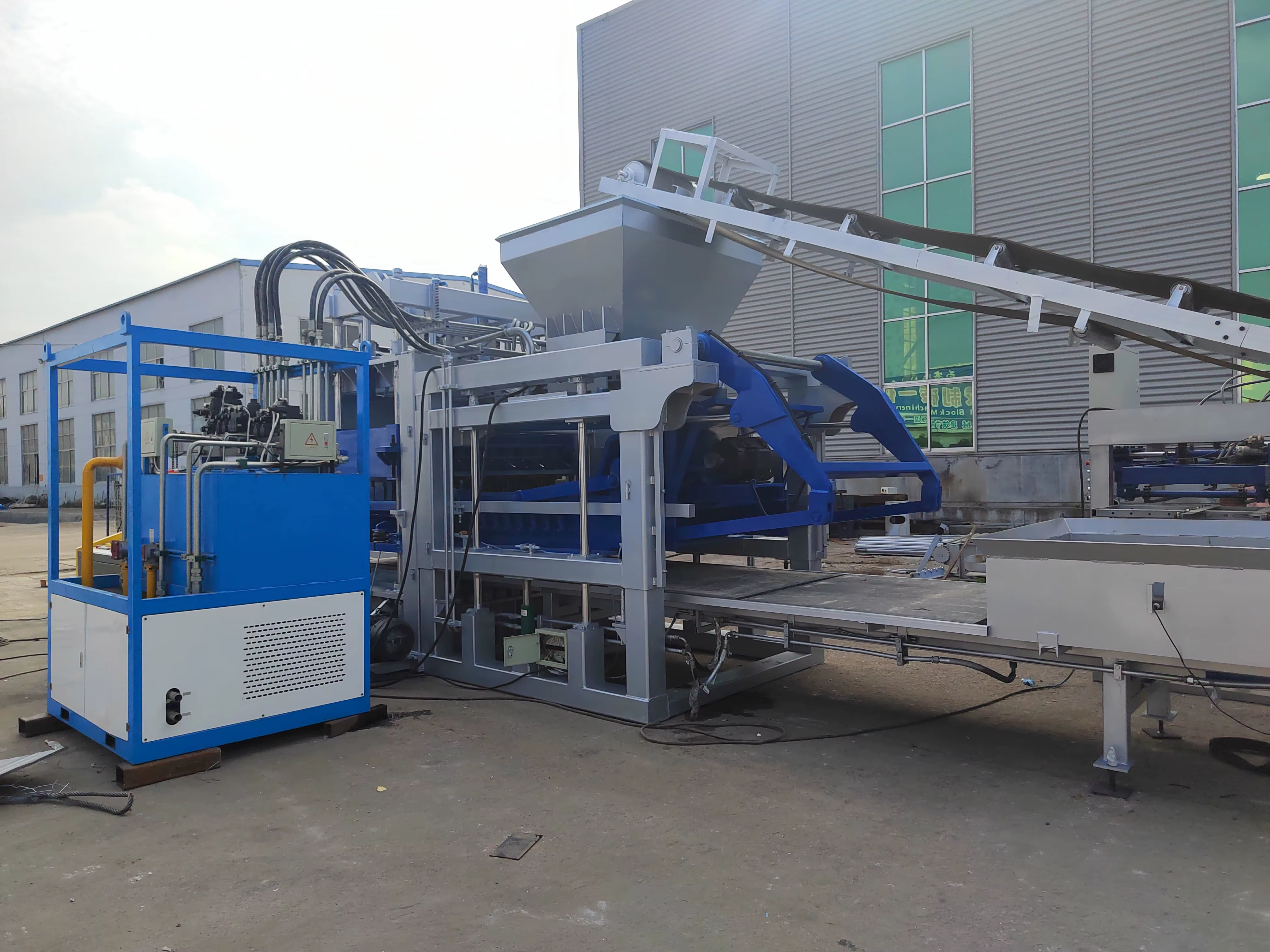
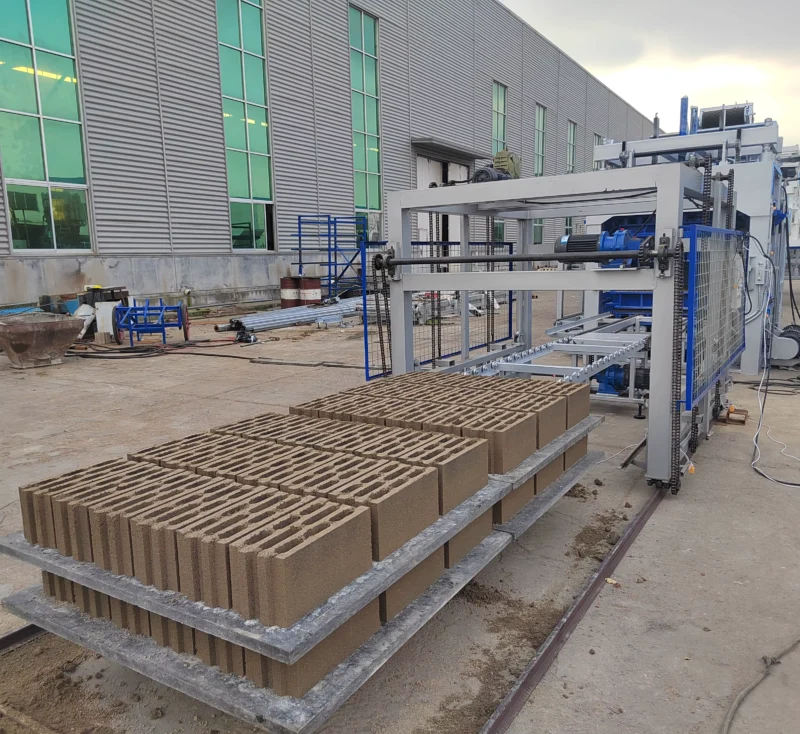
Description
Ready-Matched Mould Inventory — Standard block formats are pre-selected and packed alongside the press for immediate dispatch, keeping your project timeline intact.
Technical Specifications
| Parameter | Value |
|---|---|
| Model | QT18-15 |
| Product Type | Fully Automatic Hydraulic Block Making Machine |
| Method | Hydraulic pressure |
| Automation Level | Automatic |
| Overall Dimensions (L×W×H) | 935025202950mm |
| Hydraulic Pressure | 26MPa |
| Core Components | PLC, Pressure Vessel |
| Mould Format Options | 400200200 mm, 400150200 mm, 400120200 mm, 400100200 mm, 24011590 mm, 230220115 mm, 20020060 mm, 20010060 mm |
| Cycle Time | 15s (basis to be confirmed) |
| Voltage | Local Voltage (basis to be confirmed) |
| Warranty | 2 Years |
Application Suitability
| Application | Material or Output |
|---|---|
| Hollow block production for structural walls | Concrete and cement |
| Paving block manufacturing for walkways | Concrete and cement |
| Interlock block production for landscaping | Concrete and cement |
| Curbstone block forming for road edges | Concrete and cement |
Why the Voltage Question Must Precede the Dispatch Date
Confirming local power standards before loading prevents costly on-site electrical failures.
Rushing a fast delivery block machine to a project site without verifying the destination grid frequency often leads to immediate motor burnouts or control panel failures. I once saw a fully automatic press sit idle on a Kenyan job site for weeks because the local transformer output did not match the factory-wired configuration, forcing an emergency rewind of the main drive motor. Securing the exact voltage and phase requirements before the container doors close ensures the QT18-15 block making machine in stock powers up correctly the moment it hits your facility [NEED_CITE: voltage and frequency standards by export market].
Container Loading and Dismantling Strategy
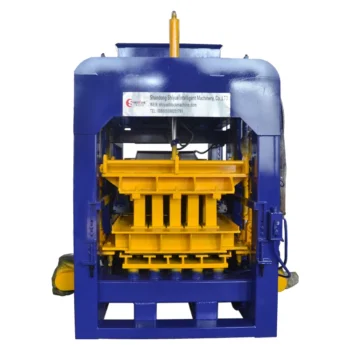
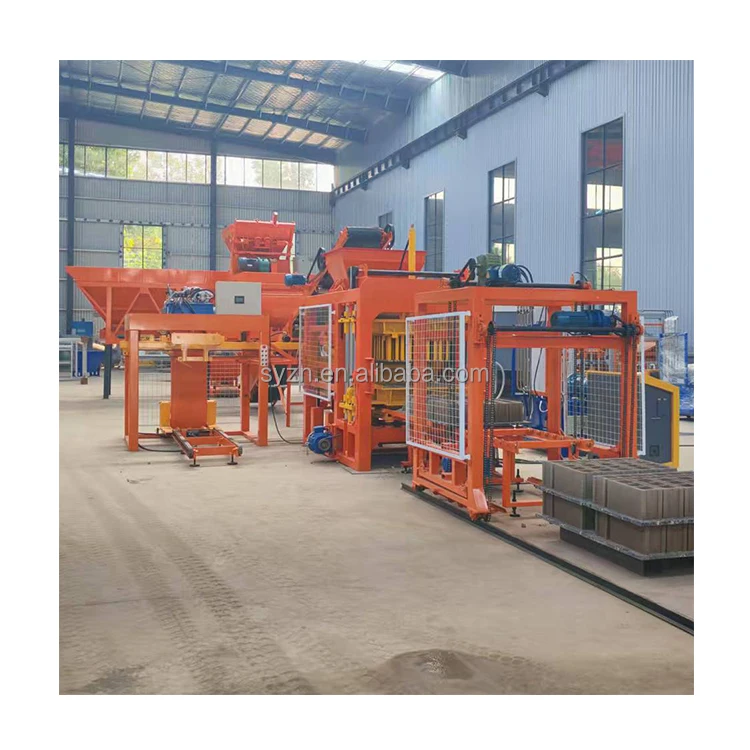
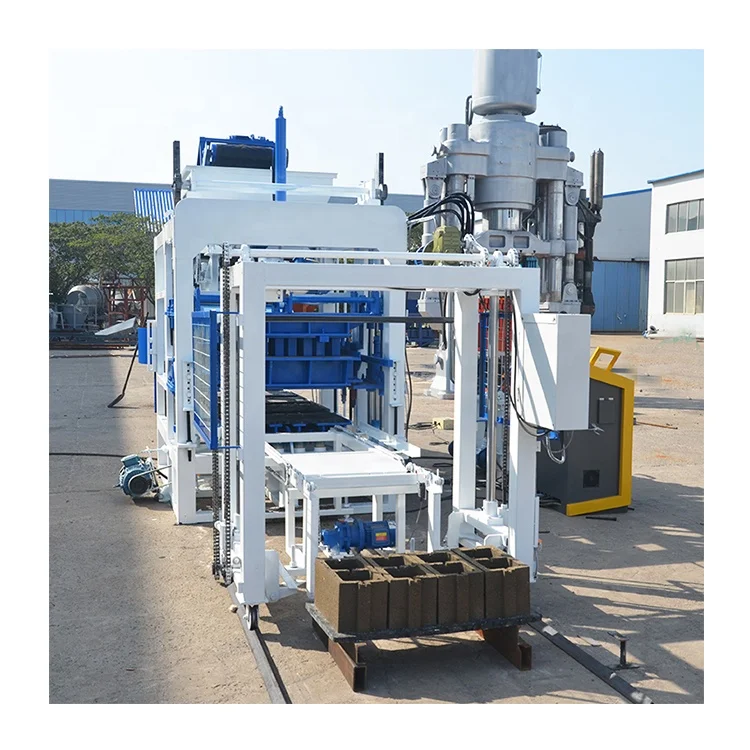
Shipping a fully automatic hydraulic block making machine requires precise spatial planning to maximize container utility and protect sensitive components. The main frame, hydraulic station, and PLC cabinet are systematically dismantled and secured to prevent transit damage. This structured breakdown allows the QT18-15 block making machine in stock to fit efficiently into standard shipping vessels, accelerating the ocean freight process and providing buyers with reliable arrival estimates.
Securing Standard Moulds for Immediate Dispatch
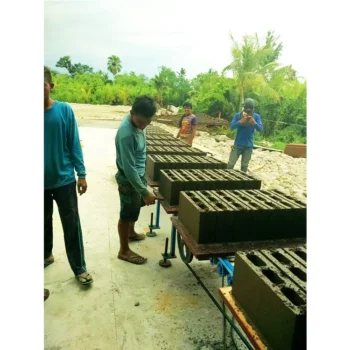
Project deadlines rarely wait for custom tooling fabrication, making immediate mould availability a critical factor for rapid deployment. Our inventory includes standard formats like 400200200 mm hollow blocks and 20010060 mm pavers, which are matched to the press and loaded directly into the container. This readiness eliminates the typical manufacturing lag, ensuring your fast delivery block machine arrives with the exact production formats required to start pouring concrete immediately [NEED_CITE: standard concrete block dimensions in global construction].
Hydraulic Pressure and Physical Footprint
The 26MPa hydraulic pressure rating provides the necessary compaction force to form dense structural blocks, but this power demands a stable physical foundation. With overall dimensions spanning 935025202950mm, the equipment requires a precisely leveled concrete pad to maintain frame alignment during high-pressure cycles. Proper site preparation based on these exact measurements prevents structural twisting and ensures the pressure vessel operates within safe tolerances once the fast delivery block machine is reassembled on your floor.
The Hidden Cost of Overlooking Site Readiness
Failing to prepare the curing area and power supply before the equipment arrives turns a rapid deployment into a logistical bottleneck. When the local grid cannot support the required amperage, or the forklift capacity is insufficient to unload the heavy dismantled sections, the machinery sits in the yard burning through project float time. These oversights negate the advantage of purchasing a QT18-15 block making machine in stock, as the physical installation stalls while contractors scramble to upgrade their site infrastructure [NEED_CITE: heavy machinery installation site prerequisites].
Why Source Your Equipment Through Our Dispatch Network
We maintain a dedicated inventory of fully automatic hydraulic presses, allowing us to bypass the standard manufacturing queue and ship immediately. Every unit undergoes a comprehensive pre-dispatch inspection where the PLC logic and hydraulic pressure vessel are tested under load to verify operational integrity. Our loading team specializes in dismantling and securing these specific dimensions for ocean transit, providing you with a clear container loading plan and an upfront arrival estimate. This focus on dispatch speed and logistical clarity ensures your capital equipment reaches the job site without administrative or physical delays.
Documentation & Verification
- Factory test record confirming hydraulic pressure vessel integrity before container loading.
- Detailed machine dismantling and container loading plan for your port receiving team.
- Upfront arrival estimate and shipping schedule based on current vessel availability.
- Electrical schematic matching your confirmed local voltage and frequency requirements.
- Standard mould format list verifying the specific block dimensions included in the shipment.
Installation, Commissioning & Support
- Foundation blueprint detailing the pad requirements for the 935025202950mm overall footprint.
- Power specification sheet outlining the dedicated circuit needs for the main hydraulic pump.
- Step-by-step reassembly guide for reconnecting the PLC and pressure vessel post-transit.
- Initial parameter setting protocol to calibrate the 26MPa hydraulic pressure for your specific concrete mix.
- Wear parts inventory list to ensure continuous operation during the first production months.
Project Alignment and Inquiry Details
To finalize the dispatch schedule for your QT18-15 block making machine in stock, we need to align the shipment with your site conditions. Please provide your exact local voltage and frequency, the specific standard mould formats required for your current contracts, and your preferred destination port. Supplying these details allows us to lock in the container booking and generate a precise arrival timeline for your project managers.
Frequently Asked Questions
Q: What is the exact dispatch lead time for this equipment?
A: Because this model is kept in our ready inventory, the primary lead time involves pre-dispatch testing, voltage confirmation, and container booking. Once your local power specifications and mould formats are verified, the dismantling and loading process begins immediately, allowing us to provide a firm departure date within days rather than months.
Q: Are standard moulds and pallets currently available for loading?
A: Yes, our stock includes standard formats such as 400200200 mm hollow blocks and various paving sizes. These are matched to the press and packed into the same container. Buyers must confirm their required pallet dimensions early so we can include the correct curing racks and handling pallets in the shipment.
Q: How is the machinery dismantled for fast ocean shipment?
A: The main frame, hydraulic station, and control cabinets are separated to optimize container space and protect sensitive electronics. We provide a detailed loading plan showing exactly how the components are secured, ensuring your local team can safely unload and reassemble the equipment upon arrival at the destination port.
Q: Can the voltage and PLC language be adjusted before dispatch?
A: Absolutely. Before the container is sealed, we configure the electrical system to match your confirmed local grid frequency and voltage. We also set the PLC display to your preferred operational language, ensuring the control panel is fully readable and safe for your operators from the moment the machine is powered on.