Description
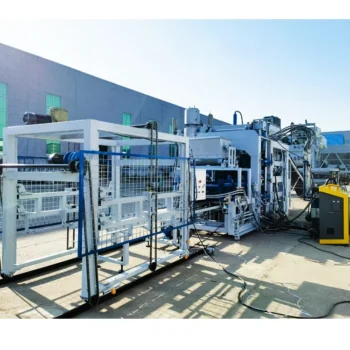
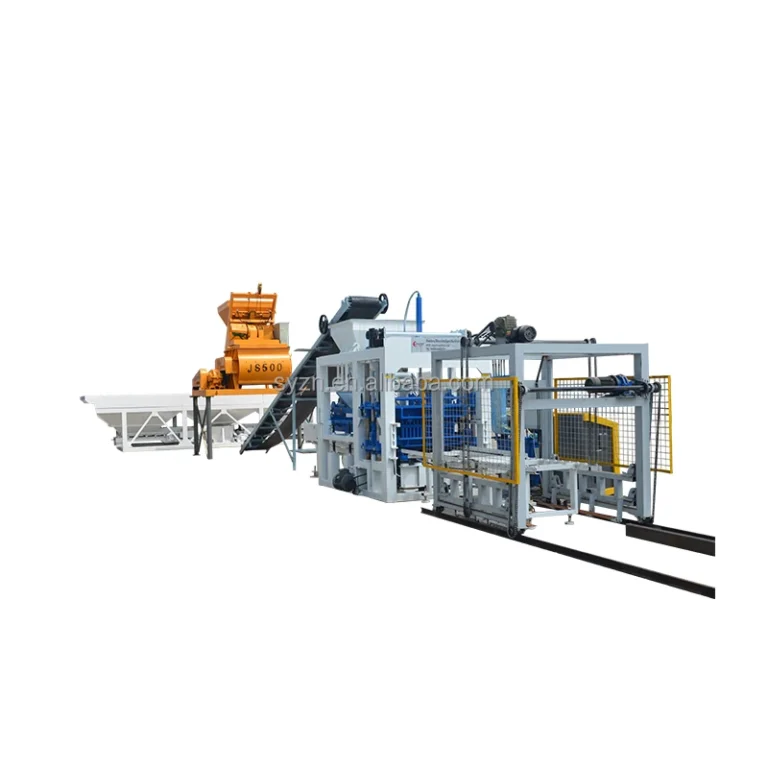
Stocked QT18-25 line — dispatch lead time and container loading plan quoted at order, with voltage and PLC language confirmed before the machine leaves the factory floor.
Technical Specifications
| Parameter | Value |
|---|---|
| Model | QT18-25 |
| Product Type | Pallet-free Automatic Block Making Machine |
| Brick Height Range | 50–300 mm |
| Stacking Height | 0–1200 mm |
| Main Vibration Form | Platform Vibration |
| Vibration Frequency | 2800–4500 r/min |
| Molding Cycle | 15–25 s (basis not stated in source — confirm block format / material / thickness) |
| Vibration Power | 60 kW |
| Hydraulic System Power | 59 kW |
| Diving Method | Hydraulic |
| Demolding Method | Vibration and Hydraulic |
| General Water Consumption | 8 T/Day |
| Factory Area | 2000 m² |
| Control System | PLC with person-machine conversation interface |
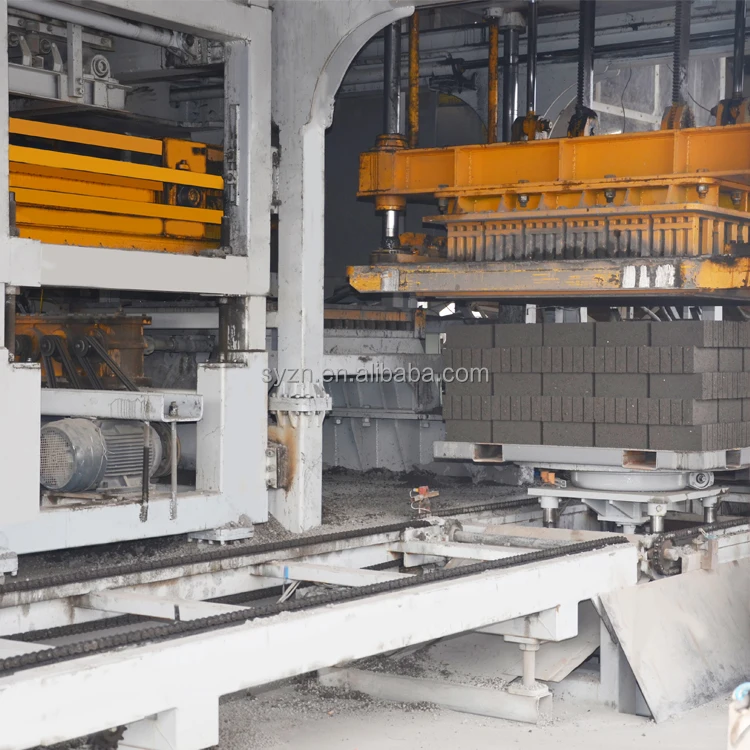
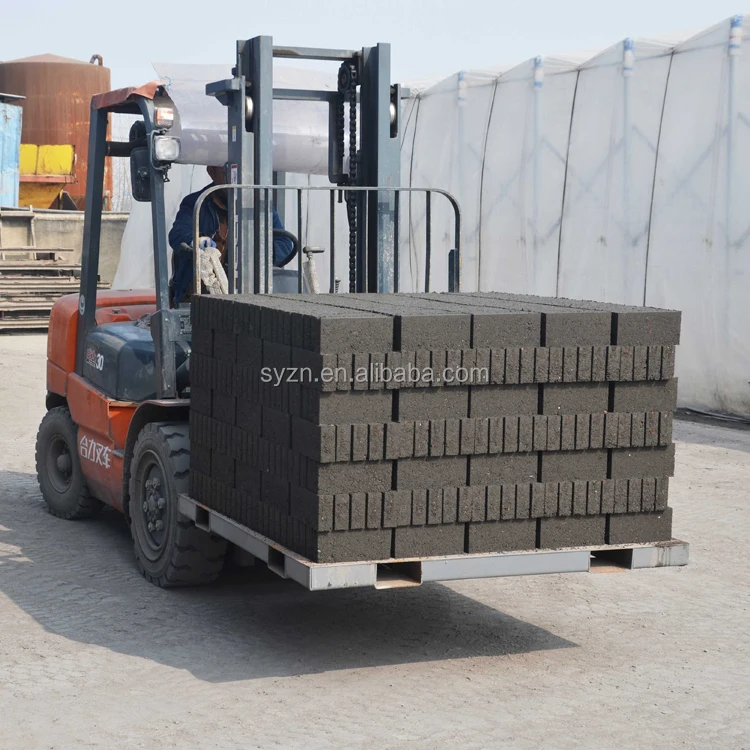
| Automation Level | Fully automatic, blocks stacked directly after moulding without pallets |
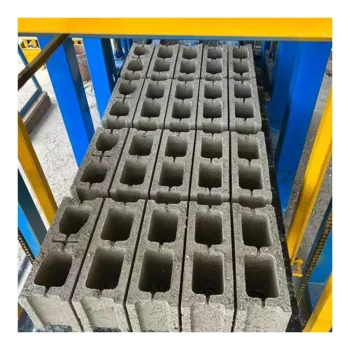
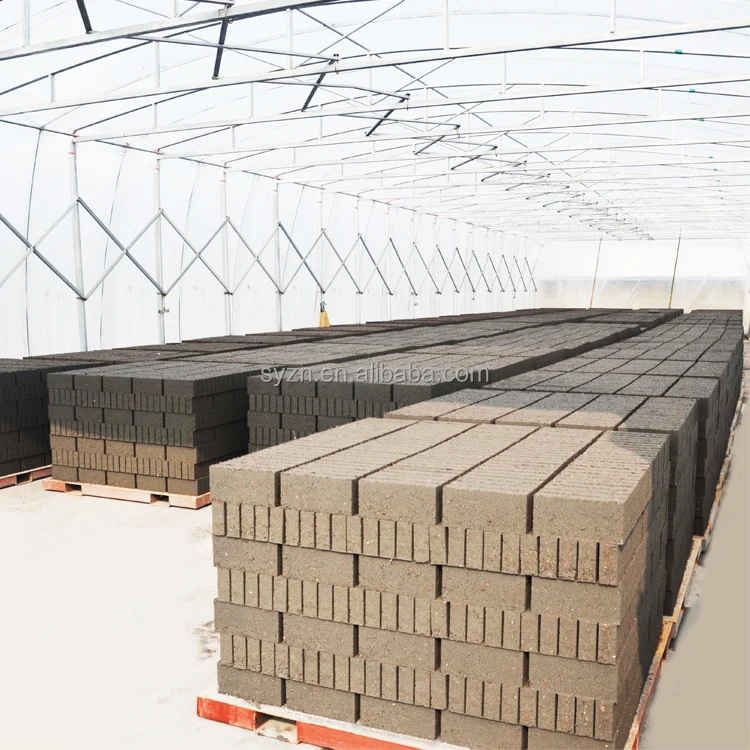
| Applied Products | Concrete blocks, hollow/solid blocks, pavers, interlocking blocks, curbstone, colored pavers |
| Raw Materials | Crushed stone, sand, cement, dust, fly ash, gravel, slag |
| Warranty | 1 year (excluding quick-wear parts) |
Application Suitability
| Application | Material or Output |
|---|---|
| Hollow block production for residential and commercial walls | Crushed stone, sand, cement, fly ash |
| Solid block manufacturing for load-bearing structures | Gravel, cement, slag blends |
| Paving block and interlocking paver runs for driveways and walkways | Colored concrete mixes, fine aggregate |
| Kerbstone and curb production for road and site perimeter works | High-density concrete with coarse aggregate |
| On-site block production for housing and infrastructure projects | Locally sourced sand, stone dust, cement |
Why the Voltage Question Must Come Before Dispatch
A stocked pallet-free block making machine in stock means nothing if the motor will not start on arrival.
I spent years on the buyer side in the Middle East before switching to the supplier side, and one memory still stings. A QT18-25 pallet-free block making machine arrived at a Saudi site, and the voltage and frequency had not been matched to the local grid. The PLC threw an alarm the moment we energised the panel, and the entire line sat idle for three weeks while a step-down transformer was sourced locally. That delay cost the contractor far more than the transformer itself [NEED_CITE: voltage and frequency standards by export market]. Every unit we now release for fast delivery carries a confirmed electrical data sheet signed off against the destination grid before it leaves the factory.
From Factory Floor to Container in Days, Not Weeks
When a project deadline is tight, the difference between a machine sitting in a warehouse and one loaded into a container matters. The QT18-25 pallet-free block making machine in stock is held in a pre-commissioned state, meaning hydraulic lines are flushed, the PLC program is loaded, and the person-machine conversation interface is set to the buyer’s language before crating. Dispatch lead time is quoted at the order stage, not buried in fine print, so the buyer can align vessel booking with site readiness.
Container Loading and Dismantling for Transit
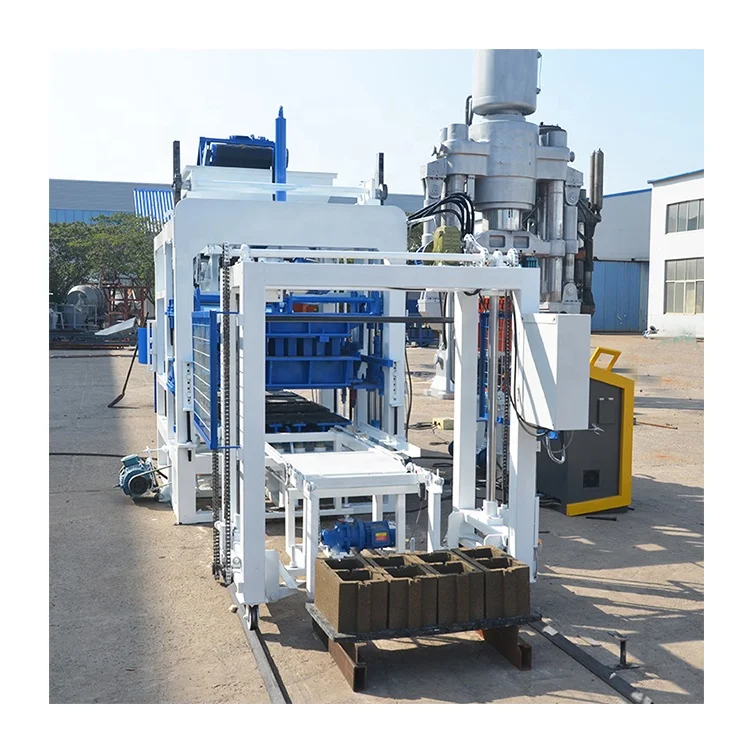
The QT18-25 is dismantled into modules that fit standard open-top or flat-rack containers, depending on the stacking frame height. The main press, hydraulic station, and control cabinet travel as separate secured loads to prevent transit damage to the vibration platform. A detailed dismantling and reassembly drawing is supplied with every pallet-free block making machine in stock so the local crew can begin re-erection the day the container is devanned [NEED_CITE: container loading standards for heavy industrial machinery].
Reading the Specs That Matter On-Site
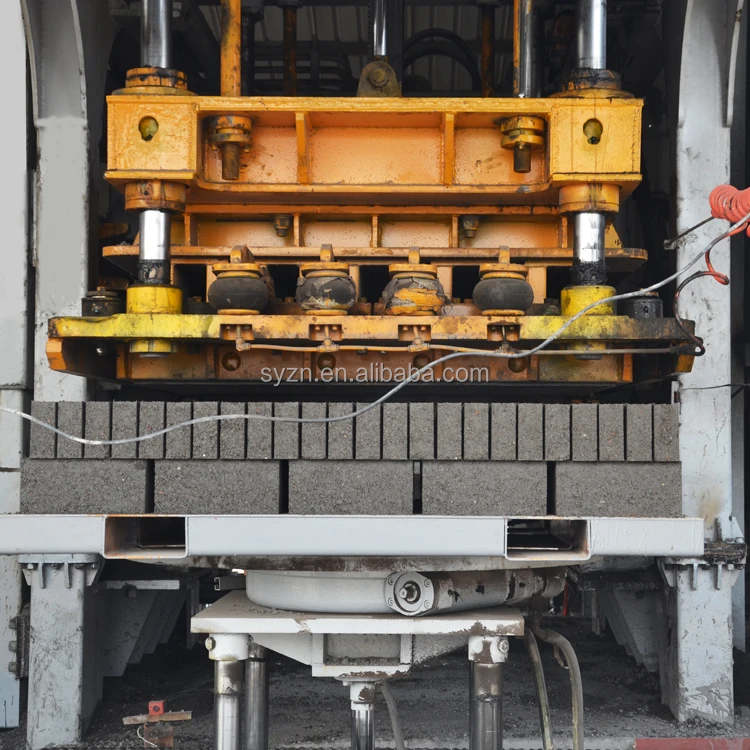
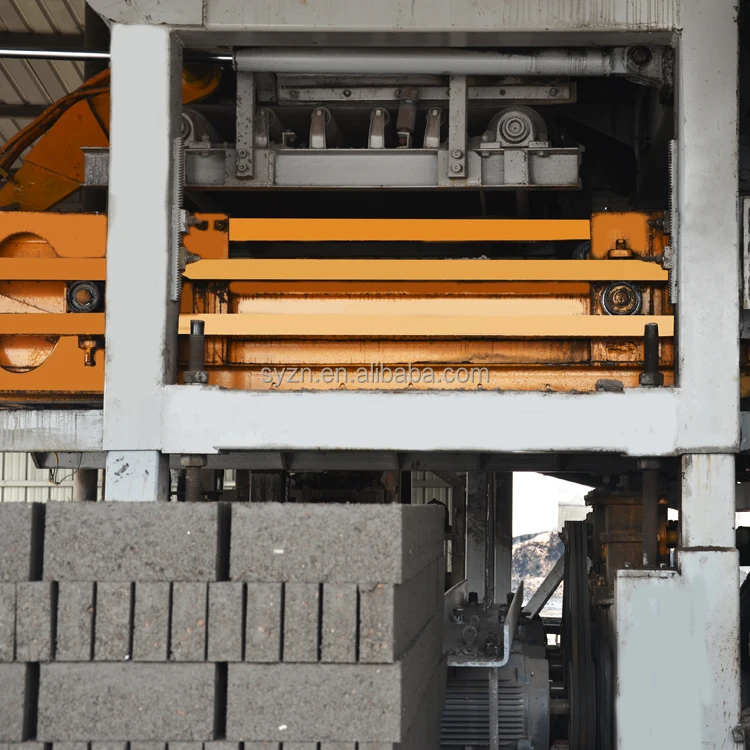
The platform vibration system operates between 2800 and 4500 r/min, and this frequency range works in tandem with the 59 kW hydraulic system to compact the mix under combined vibration and pressure. Block density and early脱模 strength depend on both forces being correctly matched to the local aggregate gradation and cement content. The molding cycle of 15–25 s is quoted without a stated block format, so buyers must confirm which product dimensions and wall thickness that figure assumes before basing daily output projections on it. The PLC-controlled person-machine conversation interface allows operators to adjust vibration duration, hydraulic pressure, and feed volume per recipe, which keeps batch-to-batch consistency tight when switching between hollow blocks and pavers.
The Hidden Cost of Skipping the Electrical Check
A pallet-free block making machine in stock can ship within days, but if the voltage, frequency, and control language are left unconfirmed, commissioning stalls the moment power is applied. On one Gulf project, the local operator could not read the PLC prompts because the display language had defaulted to a setting he did not recognise, turning a routine recipe change into a two-hour troubleshooting session. Multiply that across every shift and the lost output quickly eclipses any time saved by fast dispatch [NEED_CITE: PLC language and HMI configuration best practices]. Always verify the electrical and interface specifications against site conditions before the QT18-25 leaves the factory.
Why Buyers Source This Line Here
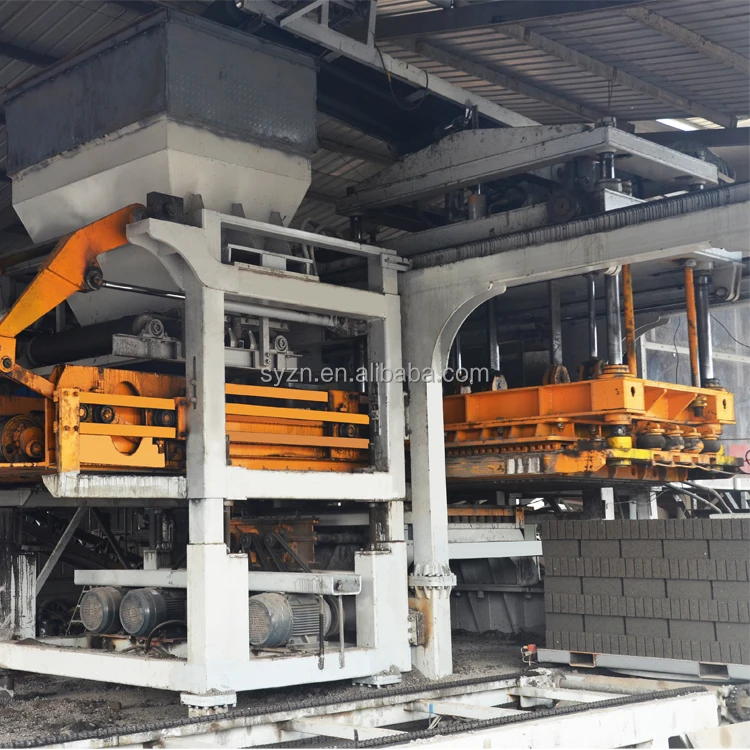
Block machinery is the single focus of this operation, so the QT18-25 is specified as a matched system — press, stacking unit, and control — rather than assembled from unrelated suppliers. Machines held as a pallet-free block making machine in stock have already completed a factory test run, and the test record travels with the documentation package. Configuration is set against the buyer’s actual mix design and target block format, not a catalogue default. Voltage, frequency, and PLC language are locked in before dispatch, eliminating the on-site surprises that delay commissioning. Dispatch lead time and arrival estimates are stated upfront so project schedules stay intact.
Documentation & Verification
- Factory test record covering vibration frequency and hydraulic pressure on your block format
- Electrical schematic with confirmed voltage, frequency, and breaker ratings for your site
- PLC program backup and person-machine conversation language confirmation sheet
- Dismantling drawing and container loading plan matched to your selected shipping route
- Wear parts list with part numbers for moulds, hydraulic seals, and vibration motor bearings
Installation, Commissioning & Support
- Foundation plan referencing the 2000 m² factory area and platform vibration load points
- Dedicated power circuit sized for the combined 119 kW vibration and hydraulic system draw
- On-site reassembly guided by the dismantling drawing, typically completed within one week
- First-run commissioning with parameter tuning for your local aggregate and target block density
- Operator training on the PLC person-machine conversation interface and recipe storage
- Spare mould and wear parts list supplied at handover for your first replacement cycle
Before You Request a Quote
Share the block formats and dimensions you intend to produce, along with your local raw material sources and cement type. Confirm your site voltage, frequency, and preferred PLC display language so these are locked in before the QT18-25 leaves stock. Provide your destination port and project timeline so we can quote a realistic arrival estimate alongside the dispatch date.
Frequently Asked Questions
Q: Which QT18-25 units and mould formats are currently in stock, and what is the dispatch lead time?
A: Stocked units are held in pre-commissioned condition with the PLC loaded and hydraulic lines flushed. Standard mould formats for hollow blocks, solid blocks, and pavers are available for immediate pairing. Dispatch lead time is quoted at order based on your container type and destination port, and the estimate includes factory test completion and crating.
Q: How is the machine dismantled for container loading, and what container type is required?
A: The QT18-25 is broken down into the main press frame, hydraulic station, stacking unit, and control cabinet. Depending on the stacking frame height, a standard open-top or flat-rack container is used. A full dismantling and reassembly drawing is included in the shipping documentation so your crew can re-erect the line without guesswork.
Q: Can arrival timing be estimated upfront based on my destination port?
A: Yes. Once your destination port is confirmed, a vessel schedule and estimated arrival date are provided alongside the dispatch lead time. This allows you to align site preparation, foundation work, and crane booking with the expected container devanning date, keeping the project timeline intact.
Q: Is voltage and PLC language confirmed before shipment to match my local grid and operators?
A: Voltage, frequency, and breaker ratings are verified against your site electrical data before the machine is released from stock. The PLC display language is set to your preference and confirmed on the test record, so operators can read prompts and alarms from the first shift without reconfiguration delays.
Q: What is included in the shipment — does the quotation cover the full line or only the press?
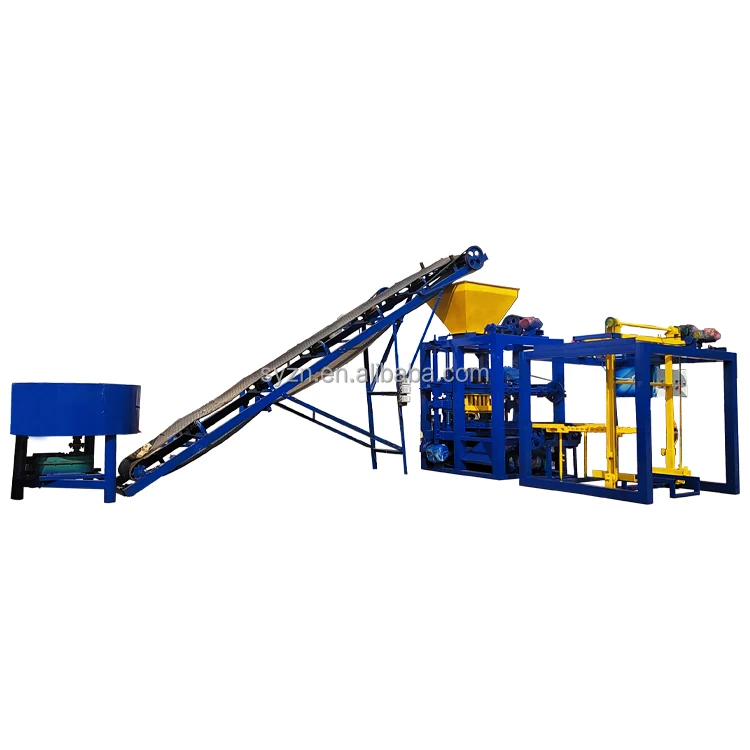
A: The quotation covers the press, hydraulic station, PLC control cabinet, and the pallet-free stacking unit. Raw material feeding and mixing equipment can be added as separate line items. Every item included is listed on the packing photograph sheet and the container loading plan so nothing is left ambiguous at dispatch.