Description
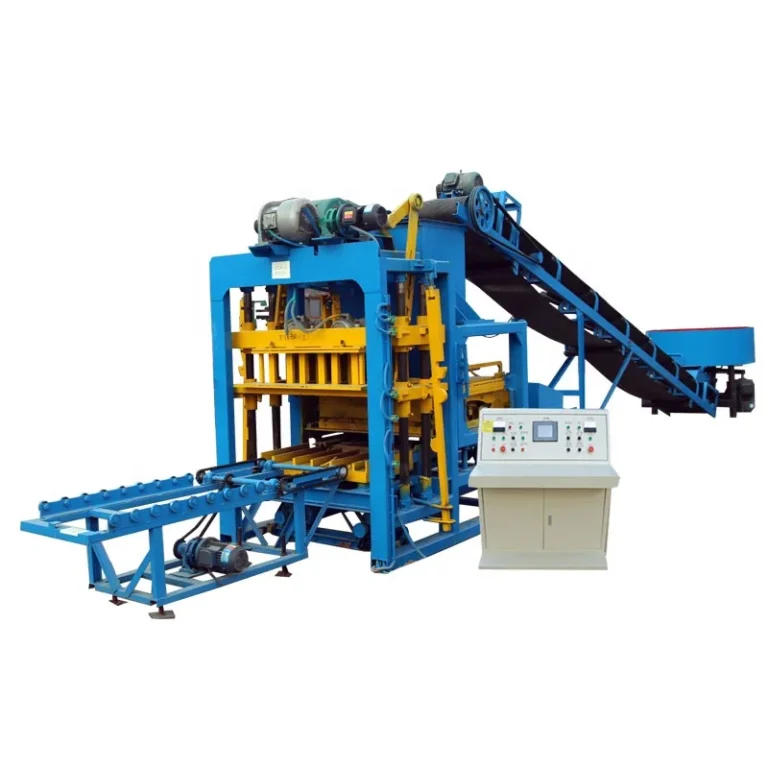
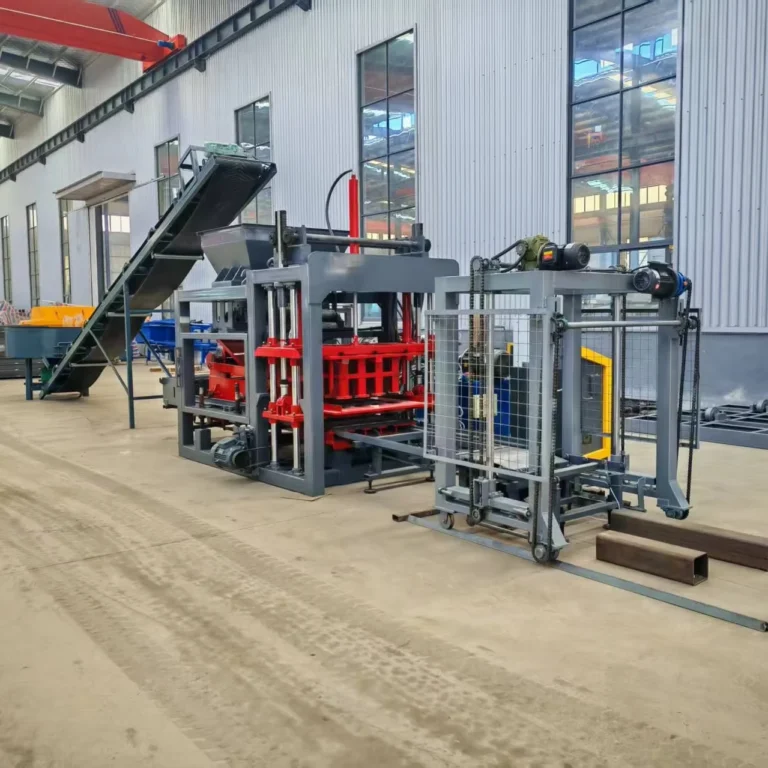
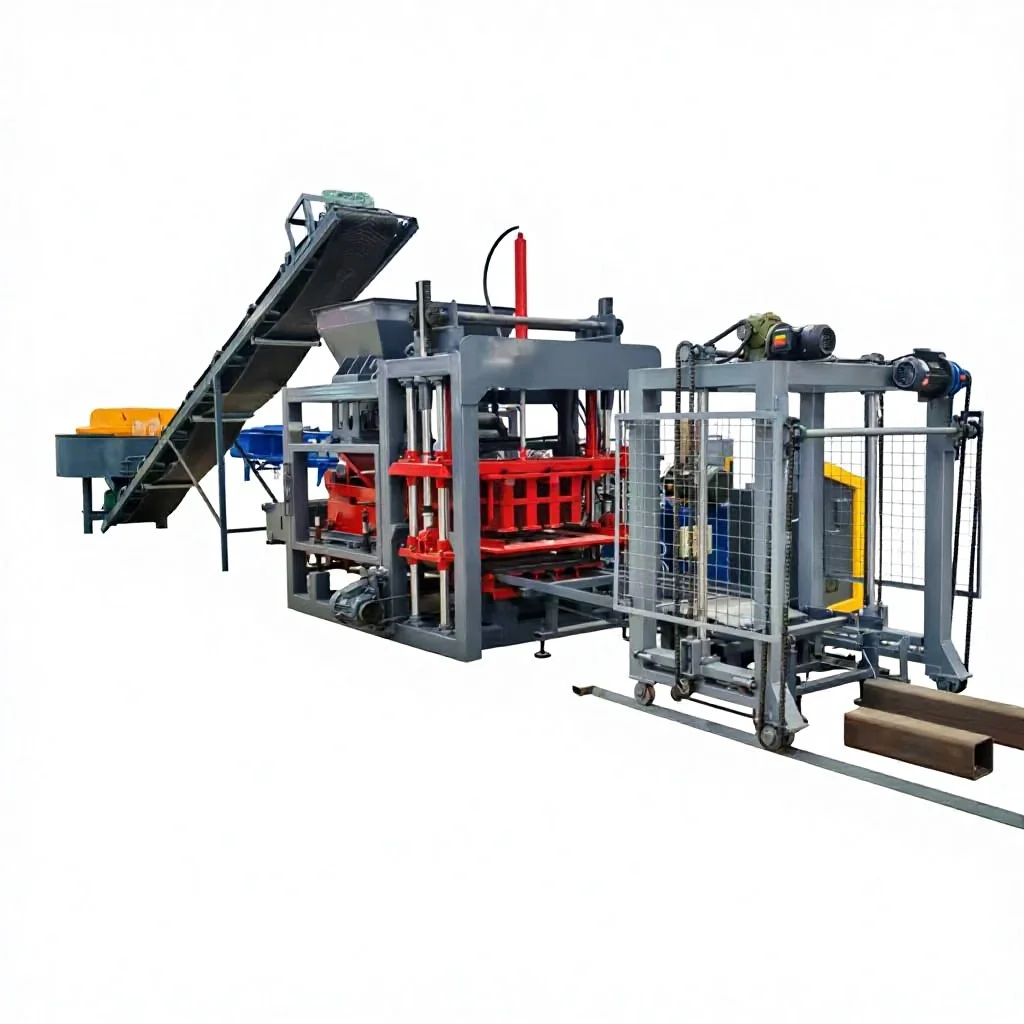
Stocked Configuration — This QT4-15A block machine in stock ships with hydraulic and vibration parameters pre-matched to standard concrete mixes, eliminating the guesswork between order placement and container loading.
Technical Specifications
| Parameter | Value |
|---|---|
| Model | QT4-15A |
| Product Type | Fully Automatic Hydraulic Concrete Block Making Machine |
| Overall Dimensions (L×W×H) | 4100×1600×2600 mm |
| Rated Pressure | 16–21 MPa |
| Main Vibration Form | Platform Vibration |
| Vibration Frequency | 4200 r/min |
| Vibration Force | 55 kN |
| Pallet Size | 880×550 mm |
| Molding Cycle | 25–30 s per pallet (basis not stated in source — confirm block format) |
| Overall Power | 18.45 kW |
| Total Mass | 4 T |
| Demolding Method | Hydraulic |
| Factory Area Required | 300 m² |
| Control System | PLC |
| Automation Level | Fully automatic |
| Assembly State | Shipped in 1×40HQ container |
| Warranty | 1 year (excluding spare parts) |
Application Suitability
| Application | Material or Output |
|---|---|
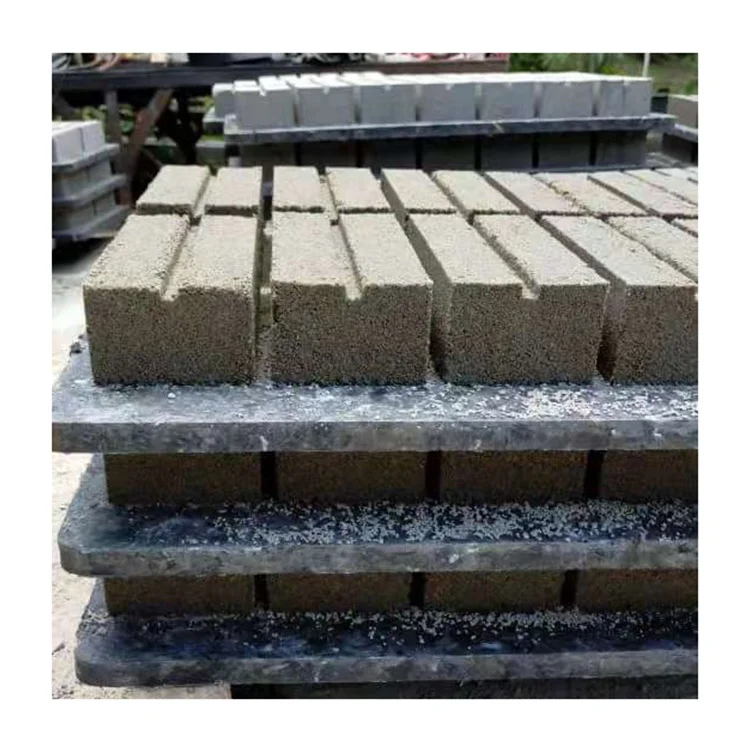
| Hollow block production | Crushed stone, sand, cement, fly ash |
| Solid block manufacturing | Gravel, sand, cement, dust |
| Paver and interlocking brick | Colored concrete mixes, slag, sand |
| Curbstone and kerbstone | Heavy aggregate concrete with cement binder |
| On-site project block production | Locally sourced aggregate and cement |
Why the Voltage Question Must Come Before Dispatch
Every QT4-15A block machine in stock leaves our Linyi warehouse only after voltage, frequency, and PLC language are confirmed in writing.
I once watched a Middle East contractor lose three weeks on a QT4-15 installation because the site ran on a voltage standard the factory test bench had not replicated. The transformer retrofit cost more than the shipping delay itself. That incident rewired how we handle every dispatch — electrical confirmation now sits ahead of container booking, not after [NEED_CITE: voltage and frequency standards by export market].
Dispatch Readiness for Project-Deadline Buyers
When a housing development or commercial build enters its masonry phase, waiting sixty days for a custom-built press is rarely an option. The QT4-15A block machine in stock sits assembled and factory-tested, meaning the lead time compresses to container scheduling and sea freight transit. Standard mould formats — hollow, solid, and paver — are warehoused alongside the press so a single 40HQ carries the core production package.
Container Loading and Arrival Visibility
A 4-ton machine in a 40HQ container requires deliberate dismantling of the upper frame and hydraulic manifold to clear the door aperture. We plan the loading sequence before dispatch so the buyer knows which components arrive flat and which stand assembled. An arrival estimate tied to the booking confirmation lets the receiving team schedule forklifts and foundation curing around a known date rather than a hoped-for window [NEED_CITE: CE machinery directive requirements for industrial equipment].
Reading the Specification Sheet Against Real Output
The rated pressure range of 16–21 MPa combined with 55 kN vibration force at 4200 r/min determines how densely the concrete mix compacts inside each mould cavity. Higher pressure with insufficient vibration leaves honeycomb voids in hollow block webs; excessive vibration without matching hydraulic squeeze produces blocks that crumble at the edges during demolding. The 880×550 mm pallet size governs how many block units fit per cycle — and whether the buyer’s existing curing racks and forklift can handle the loaded pallets without modification. The 25–30 second molding cycle applies per pallet, but daily throughput depends entirely on which block format fills that pallet. Request a written capacity calculation tied to your target product before comparing machines.
What Unconfirmed Electrical Specs Cost on Site
Arriving at a job site with a machine wired for the wrong frequency means the vibration motor runs at an unintended speed, shifting compaction behavior and block density. A PLC display in a language the operator cannot read turns fault diagnosis into guesswork, extending every breakdown from minutes into hours. These are not specification sheet footnotes — they are the difference between commissioning in two days and commissioning in two weeks [NEED_CITE: industrial PLC language configuration for export machinery].
Why Buyers Source This Model Here
The QT4-15A ships as one matched system — press, mould, pallet, and handling — specified against the buyer’s local aggregate and target block format rather than a catalogue default. Stocked moulds cover the formats most markets sell, and custom drawings are accommodated when the local demand requires a non-standard profile. Automation level is selectable so a buyer can start with manual pallet handling and add stacking later. Every dispatch includes packing photographs and a container loading plan so the receiving site prepares accurately.
Documentation & Verification
- Factory test record on your target block format before dispatch
- Voltage and control language confirmation sheet signed pre-shipment
- Machine specification sheet with pallet size and power rating verified
- Mould drawing and format list matching your ordered cavity profiles
- Hydraulic and electrical schematic for on-site troubleshooting
- Packing photographs and container loading plan per shipment
Installation, Commissioning & Support
- 300 m² factory area required; confirm slab curing time before machine arrival
- 18.45 kW total power demands a dedicated circuit with confirmed voltage and frequency
- Upper frame dismantled for 40HQ loading; reassembly and leveling on-site at commissioning
- PLC configured to operator language and tested against your mix before handover
- Mould change procedure trained on-site with your first production run
- Wear parts and hydraulic seal list provided for the first replacement cycle
Before You Request a Quote
Send your target block format and daily output requirement so the capacity calculation matches reality, not a catalogue assumption. Confirm your site voltage, frequency, and preferred PLC display language to prevent commissioning delays. Share your existing curing area dimensions and forklift capacity so the 880×550 mm pallet specification either slots in or gets adjusted before the machine ships.
Frequently Asked Questions
Q: What is the dispatch lead time for a stocked QT4-15A versus a custom-built order?
A: A stocked unit with standard moulds ships once electrical confirmation and container booking are complete, typically within a short scheduling window. Custom-built orders with non-standard mould profiles or automation packages require a longer production cycle. We quote the dispatch date against current warehouse inventory at the time of order confirmation.
Q: Which mould formats are in stock and which require a lead time?
A: Standard hollow, solid, and paver moulds matching the 880×550 mm pallet are typically warehoused for immediate pairing with the press. Custom profiles — interlocking patterns, kerbstones with specific chamfers, or buyer-drawn formats — require a separate mould production cycle. Confirm your target formats early so we pair available tooling or schedule accordingly.
Q: How is the machine loaded into a 40HQ container?
A: The upper frame and hydraulic manifold are dismantled to clear the container door aperture, and components are secured against transit movement. No special port equipment is required beyond a standard container forklift or reach stacker. We provide a loading plan so your receiving team knows the reassembly sequence before the container arrives.
Q: Can I receive an arrival estimate before placing the order?
A: Yes. Once the dispatch date and port of destination are confirmed, we provide a transit estimate based on current shipping schedules. This lets you prepare the foundation, electrical connection, and operator team around a realistic arrival window rather than committing resources to an unconfirmed timeline.
Q: What voltage and frequency options are available from stock?
A: The press motor and PLC are configurable to common industrial standards, but confirmation must happen before dispatch — not after arrival. We verify your site’s exact voltage, phase, and frequency during the order process and configure the electrical package accordingly, with a signed confirmation sheet included in the shipping documents.