
Description
Stocked Configuration Matched to Your Deadline — QT4-18 units held in standard build with dispatch lead time, container loading plan, and port arrival estimate confirmed before your payment clears.
Technical Specifications
| Parameter | Value |
|---|---|
| Model | QT4-18 |
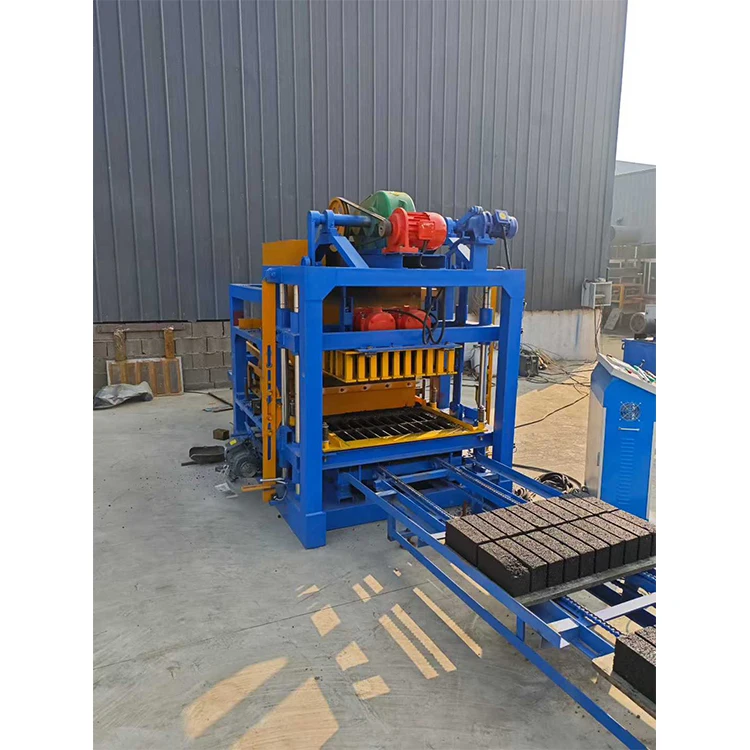
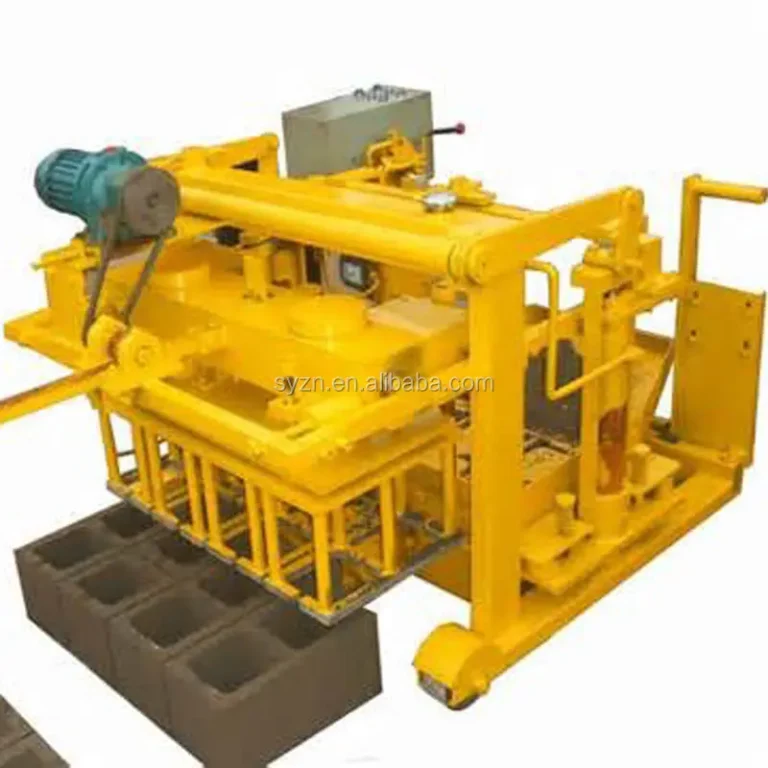
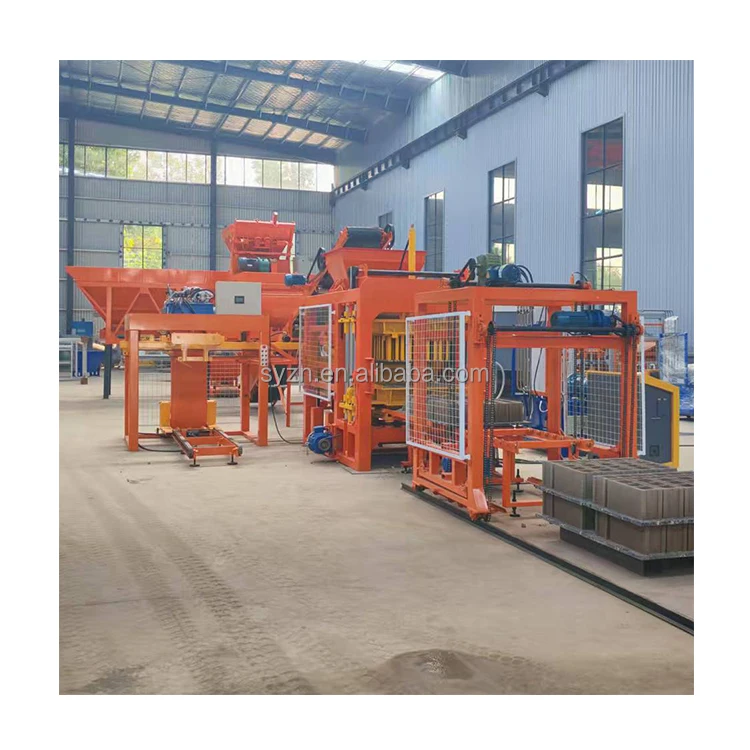
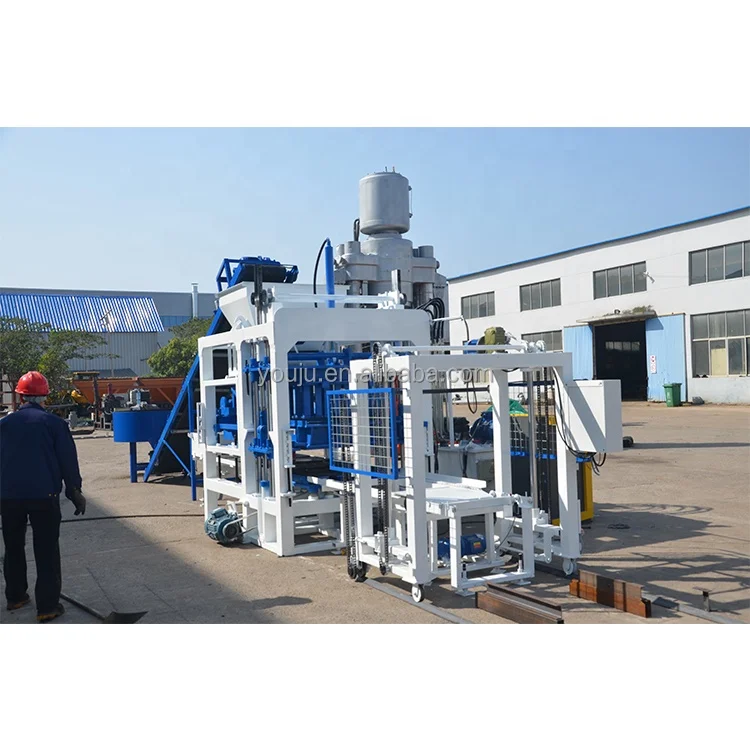
| Product Type | Automatic Concrete Block Making Machine |
| Overall Dimensions (L×W×H) | 2500 × 1750 × 2200 mm |
| Rated Pressure | 16 MPa |
| Vibration Form | Platform Vibration |
| Pallet Size | 950 × 550 mm |
| Molding Cycle | 18–25 s (basis to be confirmed against block format and material) |
| Overall Power | 27.5 kW |
| Control System | PLC control with frequency converter |
| Electrical Components | Schneider brand |
| Mold Lifting Mechanism | Double-sided sync gears |
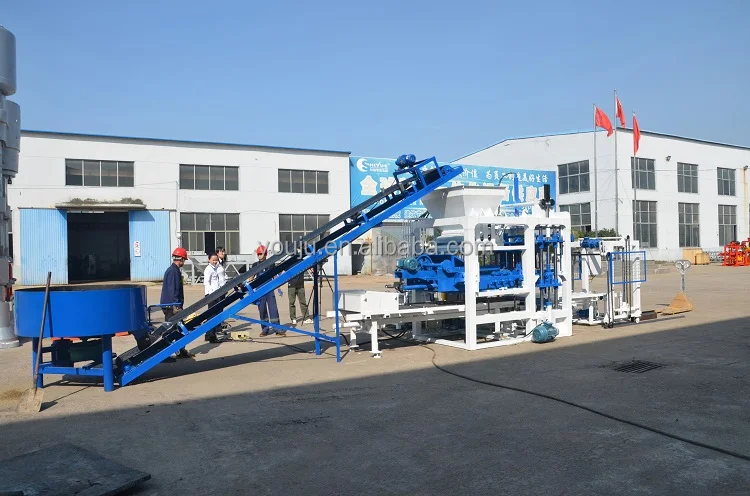
| Material Feeding System | Hopper, feeding box, feeding platform, conveyor system |
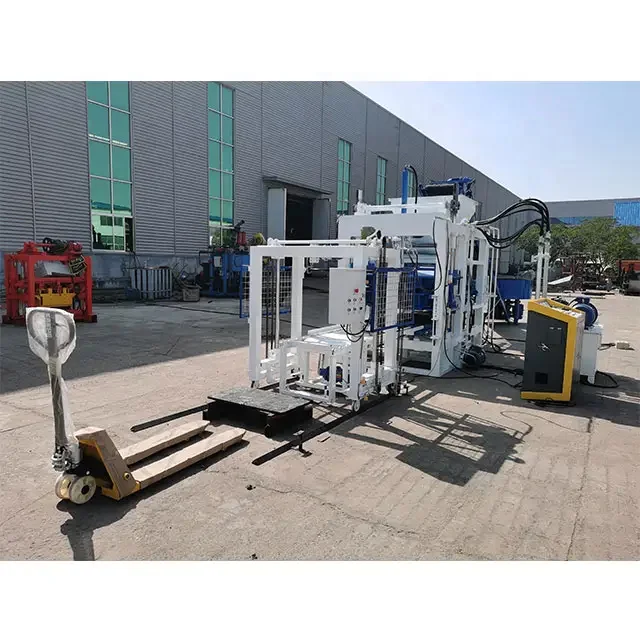
| Block Receiver | Chassis, transport system, idlers, motor, reducer, triangular belt |
| Support Equipment Options | JQ500 concrete mixer, 8 m / 6 m belt conveyor, stacker, block gripper, extra molds, trolley, concrete batching plant |
| Mould Format | Hollow mold included; extra molds customizable |
| Stacking Method | Stacker takes blocks layer by layer |
| Automation Level | Automatic (single-operator PLC control) |
| Certification | CE declaration where applicable |
Application Suitability
| Application | Material or Output |
|---|---|
| Hollow block production | Crushed stone, sand, cement, water |
| Solid block production | Quarry dust, gravel, cement blend |
| Paving block production | Fine aggregate with cement binder |
| On-site construction supply | Local aggregate sourced near project location |
| Small-to-mid block plant operations | Standard concrete masonry formats for regional distribution |
What "In Stock" Actually Means for Your Project Timeline
A stocked QT4-18 automatic block machine ships within days of order confirmation, not weeks after a production slot opens up.
When you are working against a housing project’s masonry phase or replacing a press that failed mid-contract, a quoted lead time of 45 days is a deal-breaker. Buyers who commit to a machine before confirming whether it is genuinely built and sitting on the factory floor — versus scheduled for a production run — often discover the real dispatch date only after the deposit has cleared. That gap between the promised date and the actual container loading can push your entire site schedule back. I have seen contractors lose their first month of block sales because the machine they ordered was still waiting on hydraulic valves when they expected it on the dock [NEED_CITE: common causes of delayed industrial equipment dispatch].
Stocked Units Versus Built-to-Order: Where the Line Is Drawn
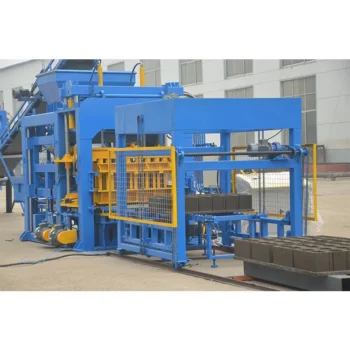
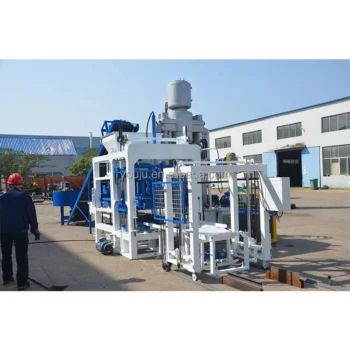
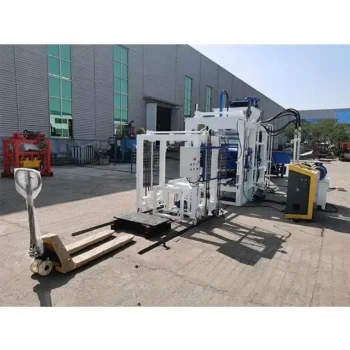
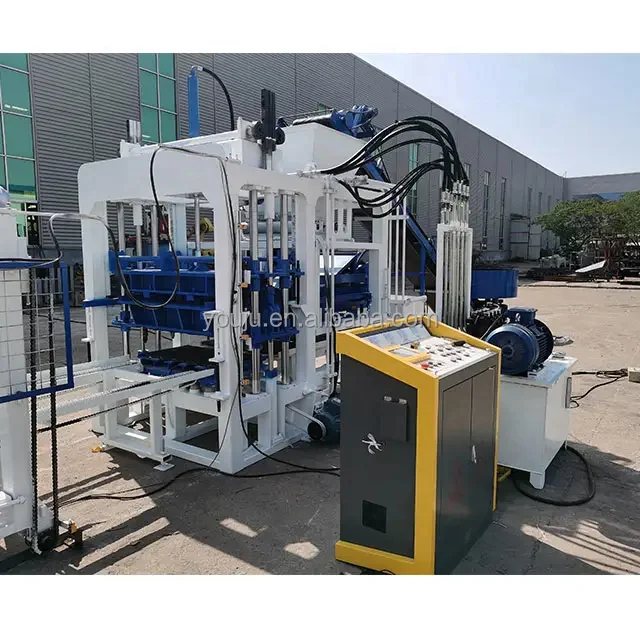
The QT4-18 automatic block machine is held as a standard-configuration unit with the core press, PLC cabinet, hydraulic station, and platform vibration system assembled and factory-tested before it enters inventory. This means the main frame, vibration motors, and control panel are not waiting on a production queue. When you confirm an order, the unit moves to the dispatch stage — dismantling for container loading, packing, and customs documentation — rather than entering fabrication. The distinction matters because a machine that is genuinely stocked eliminates the variable lead times that come with component procurement delays.
Container Loading and Arrival Timing You Can Plan Around
Shipping a QT4-18 automatic block machine requires dismantling the press frame, hydraulic station, and feeder assembly to fit within standard container dimensions. The loading plan — which components go in which container, how the mould and pallets are secured — is confirmed before dispatch so you know exactly what arrives and in how many containers. Arrival estimates are calculated from your destination port against current sailing schedules and quoted upfront. This removes the guesswork from your site preparation timeline, so your foundation, curing area, and electrical connections are ready when the container clears customs [NEED_CITE: typical ocean freight transit times by major trade lane].
Reading the Specs That Determine Your Daily Output
The 18–25 second molding cycle is the range across different block formats, not a single fixed number. A hollow block with standard wall thickness will cycle differently than a dense paving block that demands extended vibration. The 950 × 550 mm pallet size dictates how many blocks are pressed per cycle and must match the curing racks and forklift you already have on site — ordering a pallet size that your existing equipment cannot handle creates a bottleneck no machine upgrade will fix. The 16 MPa rated pressure combined with platform vibration determines the compaction density of each block, which directly affects whether your product meets the compressive strength standard your local market requires. The 27.5 kW overall power draw must be matched against your site’s available supply and voltage configuration.
The Hidden Cost of Ordering Without Confirming What Ships
A stocked machine is configured to a standard specification. If your site runs on a voltage or frequency that differs from that standard, reconfiguration takes time — and if you did not ask before ordering, you discover the mismatch after arrival. The same applies to moulds: a stocked QT4-18 ships with a hollow mould included, but if your market demands interlocking pavers or kerbstones, those extra moulds are built to order and carry their own lead time. Buyers who skip these verification steps end up with a machine on their floor that cannot produce the format they need, or that cannot power up without an electrical panel swap [NEED_CITE: voltage and frequency standards by export market].
Why Source This Machine Through a Stock-Focused Channel
Block machinery is the single focus here, so the QT4-18 is specified as a matched system — press, mould, pallet, and handling equipment — rather than assembled from unrelated suppliers. Stocked units are factory-tested before they enter inventory, so the test record exists before you place your order, not after. The pallet size, mould format, and automation level are confirmed in writing so the configuration that ships is the one you planned for. Dispatch lead time, container loading plan, and arrival estimate are quoted before payment, giving you a fixed timeline to build your site preparation around. Documentation — from hydraulic schematics to packing photographs — is prepared as part of the stock release process, not as an afterthought.
Documentation & Verification
- Factory test record run on standard block format before the unit enters stock
- Machine specification sheet confirming pallet size, pressure rating, and electrical components
- Container loading plan detailing dismantled components and securing arrangement
- Voltage and control language confirmation matched to your destination country
- Packing photographs taken at the point of dispatch for your records
- Operation and maintenance manual covering PLC interface and hydraulic station
Installation, Commissioning & Support
- Foundation must support 2500 × 1750 mm footprint with level tolerance for vibration stability
- Electrical supply must deliver 27.5 kW at confirmed voltage and frequency for Schneider components
- Machine ships dismantled; reassembly covers press frame, hydraulic station, and feeder conveyor
- First production run includes molding cycle adjustment against your local aggregate and mix design
- PLC control language set to operator preference before commissioning begins
- Hollow mould included; extra mould formats carry separate lead times to confirm at order
- Wear parts list provided with reorder intervals for vibration platform and hydraulic seals
What to Prepare Before You Request a Dispatch Quote
To get a firm dispatch lead time and arrival estimate on a QT4-18 automatic block machine, you will need to confirm your destination port, the block format you intend to produce first, and your site’s voltage and frequency. If your curing area and forklift are already in place, share the dimensions so the 950 × 550 mm pallet can be verified against them. Let us know whether the hollow mould covers your immediate requirement or if additional formats need to be quoted alongside the machine.
Frequently Asked Questions
Q: Which QT4-18 configurations and moulds are currently stocked versus built to order?
A: The standard QT4-18 with hollow mould, PLC cabinet, hydraulic station, and platform vibration system is held as a stocked unit. Additional mould formats, custom pallet sizes, and specific support equipment such as the JQ500 mixer or concrete batching plant are built to order and carry their own lead time. Confirm which components you need before requesting a dispatch date.
Q: What is the dispatch lead time and how is the machine packed for container shipment?
A: Dispatch lead time for a stocked QT4-18 covers dismantling, packing, and customs documentation — typically a matter of days once your order is confirmed. The press frame, hydraulic station, and feeder assembly are broken down to fit standard container dimensions. A full container loading plan is provided before dispatch so you know exactly how many containers ship and what is inside each one.
Q: Can the arrival estimate be quoted before I place the order?
A: Yes. Once your destination port is confirmed, an arrival estimate is calculated against current sailing schedules and quoted alongside the dispatch lead time. This gives you a fixed timeline for site preparation, including foundation work, electrical connections, and curing area setup, before any payment is required.
Q: Does the stocked voltage and frequency match my country’s grid, or is reconfiguration needed?
A: Stocked QT4-18 units are configured to a standard electrical specification. If your site operates on a different voltage or frequency, reconfiguration of the motors and Schneider electrical components may be required. State your local grid specification at inquiry stage so any necessary adjustments are included in the dispatch timeline rather than discovered after arrival.
Q: Which spare parts and moulds ship with the machine, and what is the lead time for reorders?
A: The stocked QT4-18 ships with one hollow mould included and a wear parts list covering vibration platform components and hydraulic seals. Extra moulds for other block formats are customizable and carry their own production lead time. Reorder lead times for consumable parts are confirmed at the point of order so you can plan your first maintenance window before production begins.