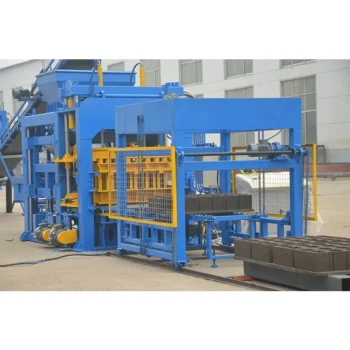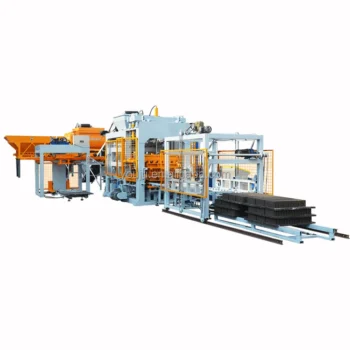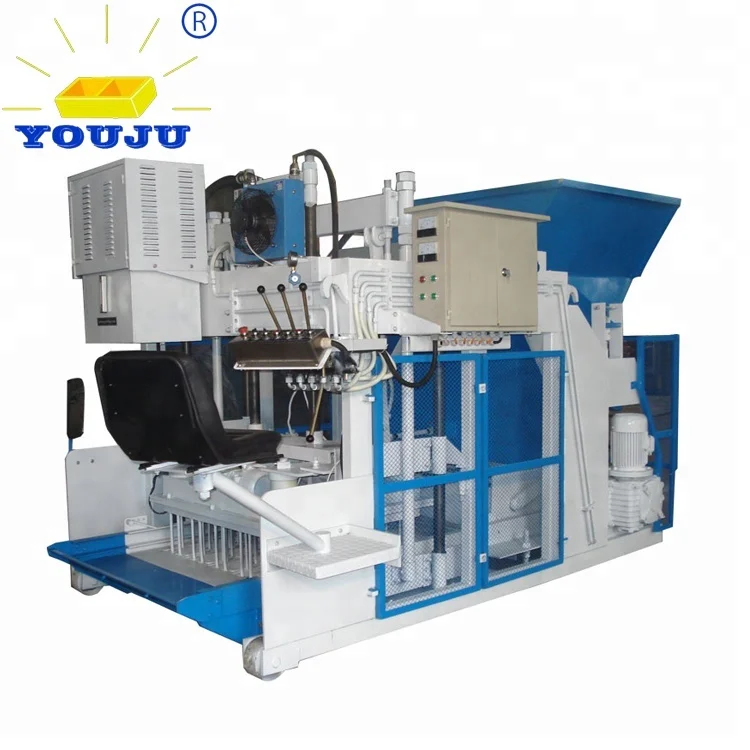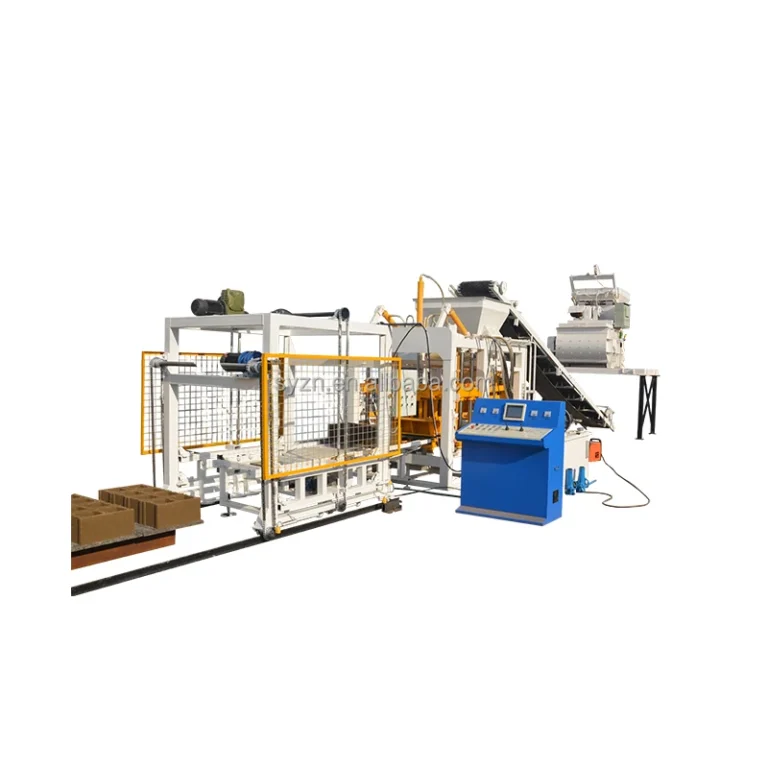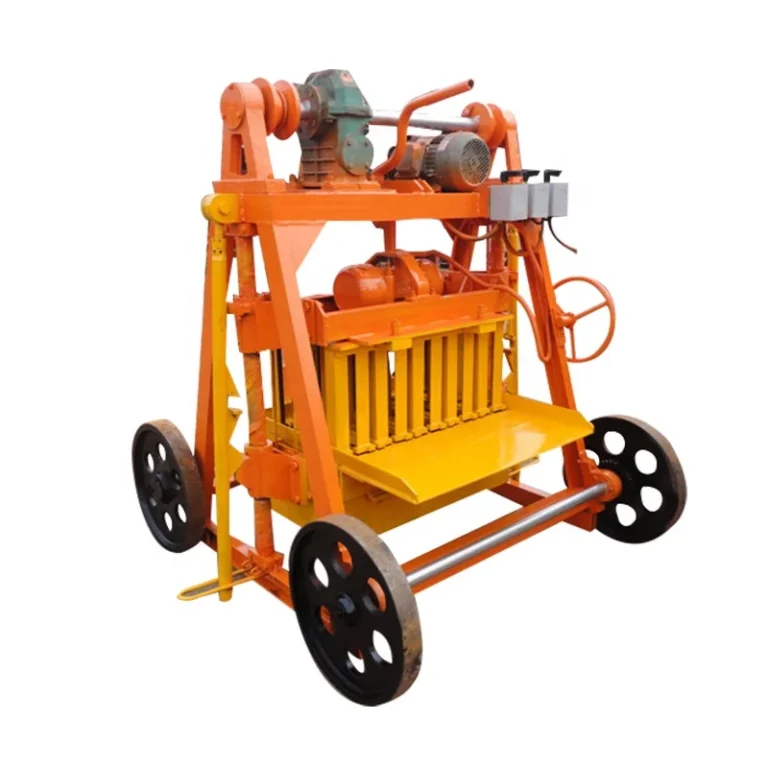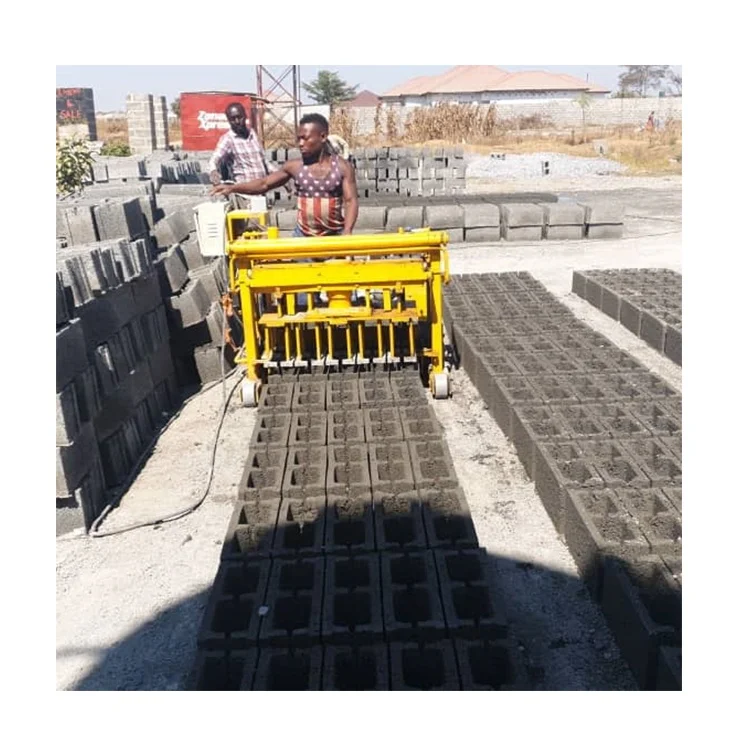
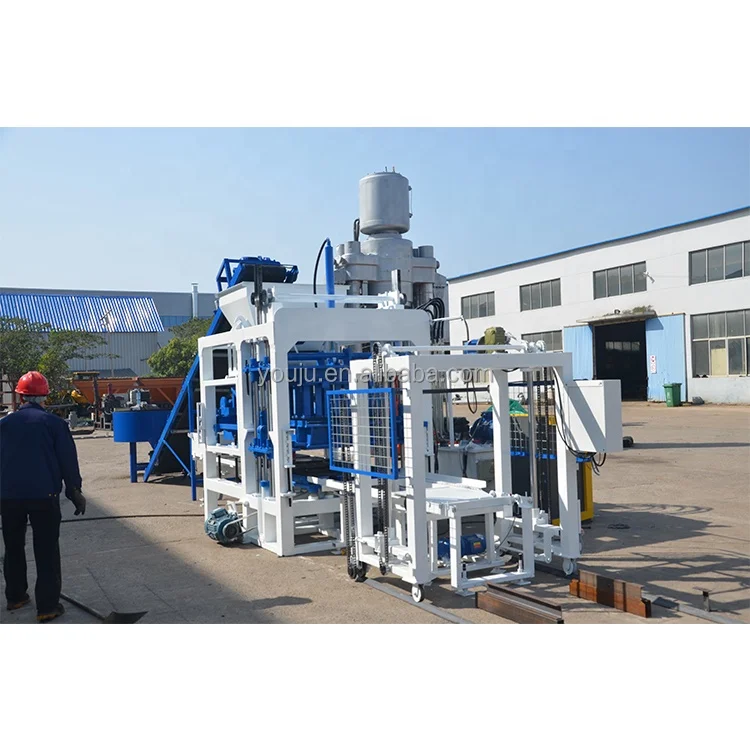
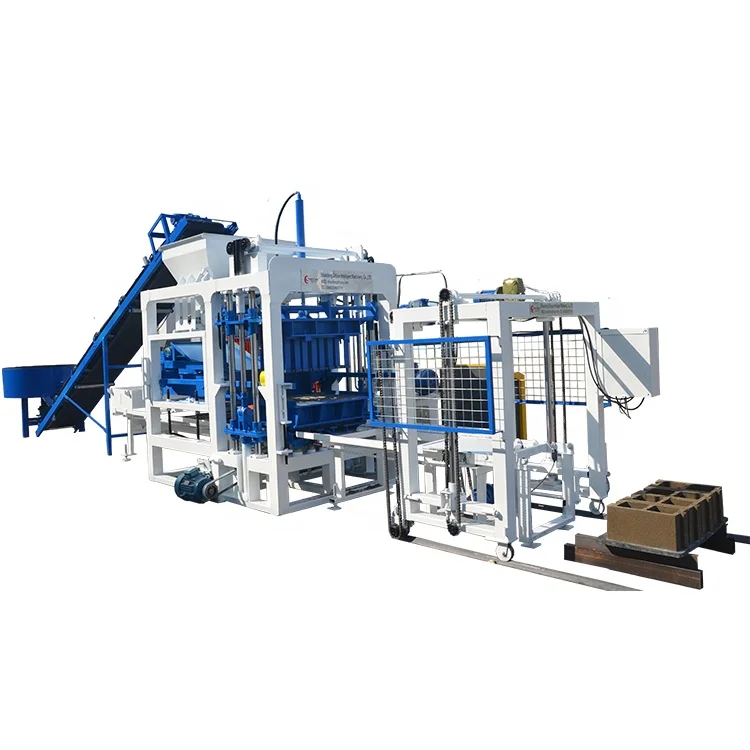

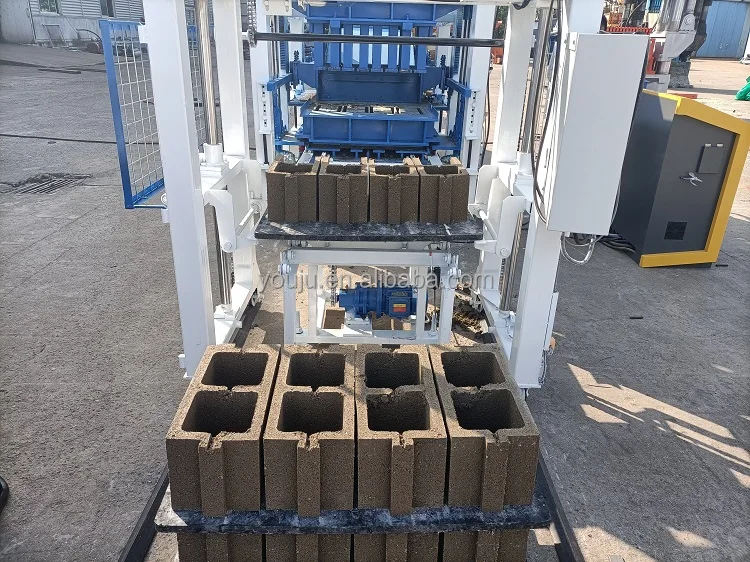
Description
Dispatch from stock — QT4-18 block machine available now with dismantling plan, container loading layout, and port arrival estimate provided before you sign.
Technical Specifications
| Parameter | Value |
|---|---|
| Model | QT4-18 |
| Product Type | Automatic Concrete Block Making Machine |
| Overall Dimensions | 2500×1750×2200 mm |
| Rated Pressure | 16 MPa |
| Vibration Form | Platform Vibration |
| Pallet Size | 950×550 mm |
| Molding Cycle | 18–25 s (basis not stated in source — confirm block format) |
| Overall Power | 27.5 kW |
| Control System | PLC control with frequency converter |
| Electrical Components | Schneider brand (source value — verify against manufacturer catalog) |
| Mould Lifting Mechanism | Double-sided synchronous gears |
| Material Feeder System | Hopper, feeding box, feeding platform, conveyor system |
| Block Receiver | Frame, conveyor system, idler wheels with motor, reducer, triangle belt |
| Automation Level | Automatic pallet feeding via hydro-cylinder, automatic demould and block conveying |
| Mould Change Method | Manual bolt release, conveyor-assisted removal and installation |
| Voltage & Frequency | Configurable to destination (basis not stated in source — confirm before dispatch) |
| Output Capacity | Basis not stated in source — confirm block format, material, and thickness |
Application Suitability
| Application | Material or Output |
|---|---|
| Hollow block production | Crushed stone, cement, sand, and water |
| Solid block production | Dense aggregate mix with cement binder |
| Paving block production | Fine aggregate surface layer over coarse base mix |
| On-site construction block making | Local quarry aggregate and Portland cement |
| First block plant startup | Standard concrete masonry unit formats for regional market |
Why Arrival Timing Matters More Than Quoted Cycle Times
A machine sitting in a workshop in Linyi does not help a contractor whose foundation crew is waiting.
Buyers often compare machines on cycle time alone, but the real deadline risk sits between the factory gate and the project site. I have watched orders stall because nobody confirmed whether the machine would ship from stock or enter a production queue, and by the time the container was booked, the construction schedule had already slipped. With the QT4-18 block machine in stock, the conversation shifts from "when will production finish" to "when does the vessel depart." [NEED_CITE: typical ocean freight transit times vary by destination port and carrier schedule]
The gap between order confirmation and machine arrival includes dismantling for container loading, inland transport to port, customs clearance, and ocean transit — each step adding days that compound into weeks if not planned upfront.
What Stock Availability Actually Means for Your Timeline
When a QT4-18 block machine in stock is allocated to your order, the lead time compresses to dismantling, inspection, and container stuffing rather than a full production cycle. This matters for project contractors who have already broken ground and need block production running before structural work advances. The machine is inspected against the configuration sheet, test-run on the pallet size specified, and then broken down into shipping sections that fit standard container dimensions.
Container Loading and Dismantling for Shipment
The QT4-18 measures 2500×1750×2200 mm in assembled form, which requires partial dismantling of the upper frame and hydraulic station for container loading. Supporting equipment — the JQ500 pan mixer, belt conveyor, and pallet trolley — can consolidate into the same container when the configuration is planned together. I always check whether the buyer needs the stacker and extra moulds in the first shipment or if those can follow in a second container, because splitting the line across two sailings means commissioning stalls halfway. [NEED_CITE: container loading plans for industrial machinery must account for weight distribution and lashing points]
Reading the Specs That Determine Dispatch Readiness
The 27.5 kW overall power draw means the QT4-18 needs a dedicated circuit at the site, and voltage must be confirmed before the electrical panel is wired — rewiring after arrival delays commissioning by days. The 16 MPa rated hydraulic pressure works with platform vibration to compact concrete into the mould cavity; if the buyer’s local aggregate has high clay content, the vibration frequency and pressure timing need adjustment during commissioning, not after the first week of weak blocks. The 950×550 mm pallet size must match the curing racks and forklift tines already at the destination site, because switching pallet dimensions later means replacing the entire pallet inventory. The PLC control with frequency converter allows cycle adjustment across the 18–25 second range, but the display language needs to be set before the panel leaves the factory to avoid operator confusion on day one.
The Cost of Ordering Without Confirming Dispatch Details
I have seen machines arrive at port with the wrong voltage configuration, sitting in a container while the buyer sources a step-down transformer that was never part of the plan. The PLC display showed Chinese characters because nobody ticked the language confirmation box on the order sheet, and the local electrician spent days navigating menus he could not read. [NEED_CITE: electrical commissioning delays are among the most common causes of startup setbacks in exported machinery] When voltage, frequency, and control language are confirmed before the QT4-18 leaves the factory, the machine powers up and runs on the first day instead of the fifth.
Why Buyers Source This Machine From Our Stock
The QT4-18 block machine in stock is configured as a matched system — press, pallets, mixer, and conveyor specified together rather than assembled from separate suppliers. Dispatch lead time is quoted at order confirmation, not estimated vaguely as "a few weeks." Container loading plans show exactly how the machine and supporting equipment fit, so there are no surprises at the port. Voltage, frequency, and PLC language are locked in before production or dispatch, removing the most common commissioning delays. Moulds and hydraulic wear parts ship with the machine so the first replacement cycle does not halt production.
Documentation & Verification
- Factory test record run on your specified block format before container loading
- Container loading plan showing machine dismantling sections and lashing arrangement
- Voltage and PLC language confirmation sheet signed before dispatch
- Pallet specification matched to your curing rack dimensions and forklift capacity
- Hydraulic and electrical schematic for on-site troubleshooting during commissioning
Installation, Commissioning & Support
- Foundation pad must support 2500×1750 mm footprint with level tolerance for platform vibration stability
- Dedicated 27.5 kW circuit at confirmed voltage and frequency required before machine energization
- Upper frame and hydraulic station reassembled on-site after container unloading
- PLC parameters set to local aggregate mix design during first production run
- Mould change procedure trained on-site using manual bolt release and conveyor-assisted method
- Wear parts list provided with hydraulic seals and vibration components for first replacement cycle
What We Need to Move Your Order Forward
To allocate a QT4-18 block machine in stock and confirm your arrival estimate, we need your destination port, required voltage and frequency, target block format with dimensions, and the pallet size your curing area accommodates. If you already have a mixer or conveyor on-site, tell us so we can adjust the supporting equipment list and container loading plan accordingly.
Frequently Asked Questions
Q: Which QT4-18 configurations and moulds are currently in stock versus made-to-order?
A: Standard QT4-18 machines with common hollow block and solid block moulds are held in stock for fast dispatch. Custom mould designs drawn to your specific block dimensions enter a production queue. We confirm exact stock availability and dispatch date at inquiry so you can plan around your project deadline without guessing.
Q: What is the dispatch lead time and how is arrival estimated for my port?
A: Stocked QT4-18 machines are dismantled, inspected, and container-loaded within days of order confirmation. Arrival estimates are calculated from your destination port using current shipping schedules and quoted upfront. Transit time depends on carrier routing and port congestion, which we factor into the estimate provided at order.
Q: How is the machine dismantled and loaded into containers for shipment?
A: The QT4-18 is partially dismantled — upper frame separated, hydraulic station secured — to fit standard container dimensions. Supporting equipment like the mixer and belt conveyor consolidate into the same container. A loading plan documents weight distribution and lashing points so nothing shifts during ocean transit.
Q: Can voltage, frequency, and control language be confirmed before dispatch?
A: Yes. Voltage and frequency are set to your site supply before the electrical panel is wired. The PLC display language is configured to match your operators. Both are confirmed on a signed sheet before the machine leaves the factory, eliminating the most common commissioning delays we see on export orders.
Q: What supporting equipment ships together in the same container?
A: The JQ500 pan mixer, belt conveyor, pallet trolley, and block clamper can ship in the same container as the QT4-18 when the configuration is planned together. Stacker and extra moulds may require a second container depending on volume. We confirm the container plan at quotation stage.