
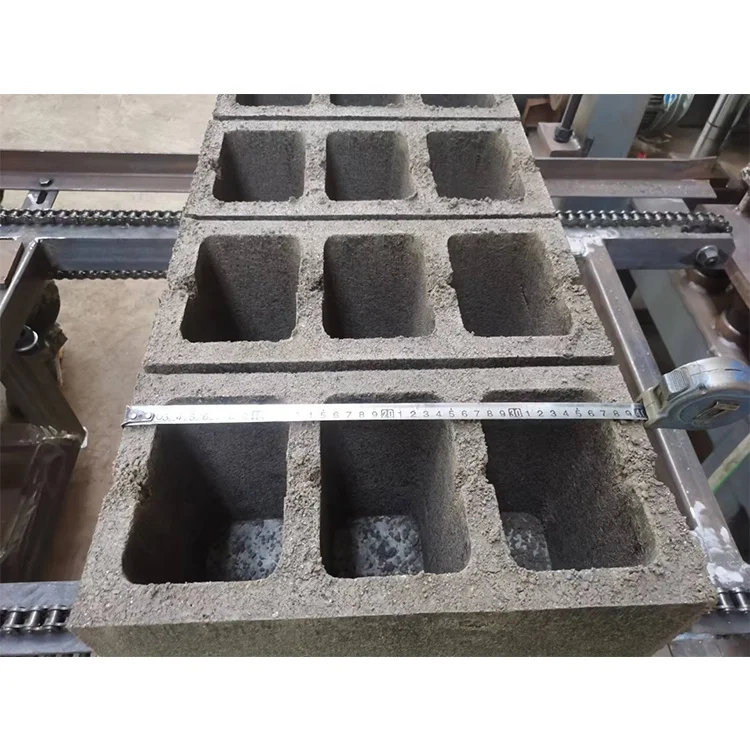
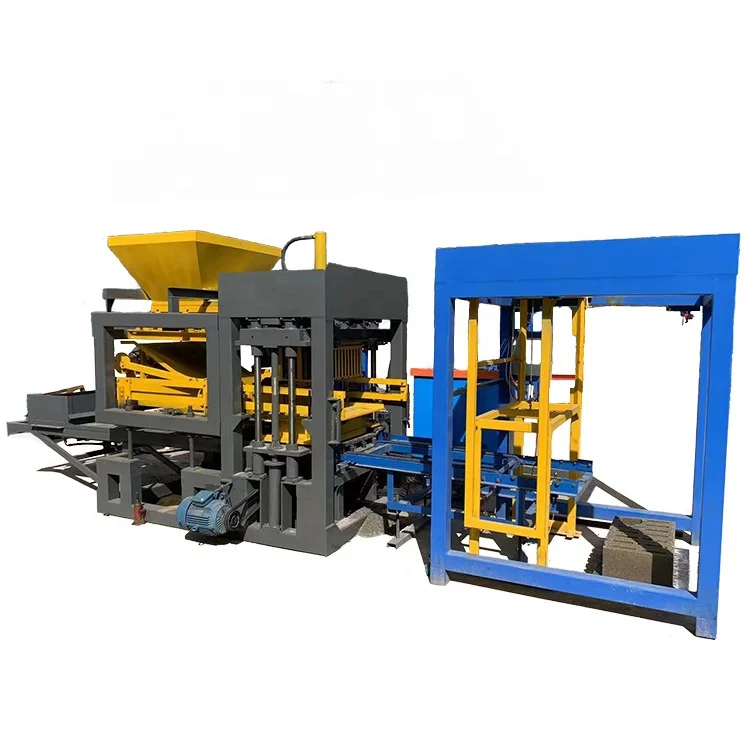
Description
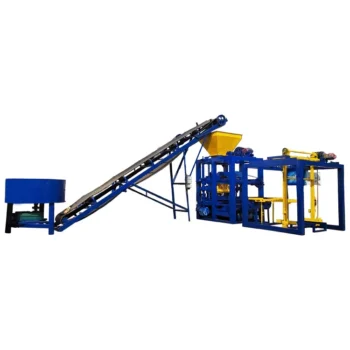
Stocked Configuration — We verify host machine, hydraulic station, PLC, pallets and mould availability on the factory floor before confirming a dispatch date for the QT4-18.
Technical Specifications
| Parameter | Value |
|---|---|
| Model | QT4-18 |
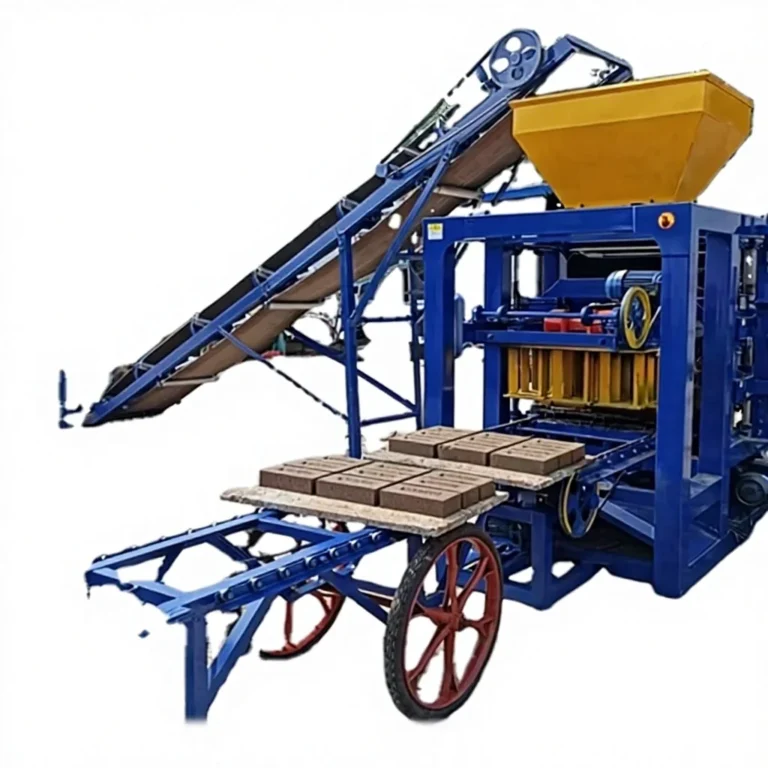
| Product Type | Automatic Hydraulic Concrete Block Making Machine |
| Overall Dimensions | 3900 × 1600 × 2300 mm |
| Total Weight | 3 T |
| Exciting Force | 40–50 kN |
| Hydraulic Station | Included |
| Control System | PLC control system |
| Total Power | 24 kW |
| Mixer Model | JQ350 |
| Pallet Size | 850 × 550 × 25 mm |
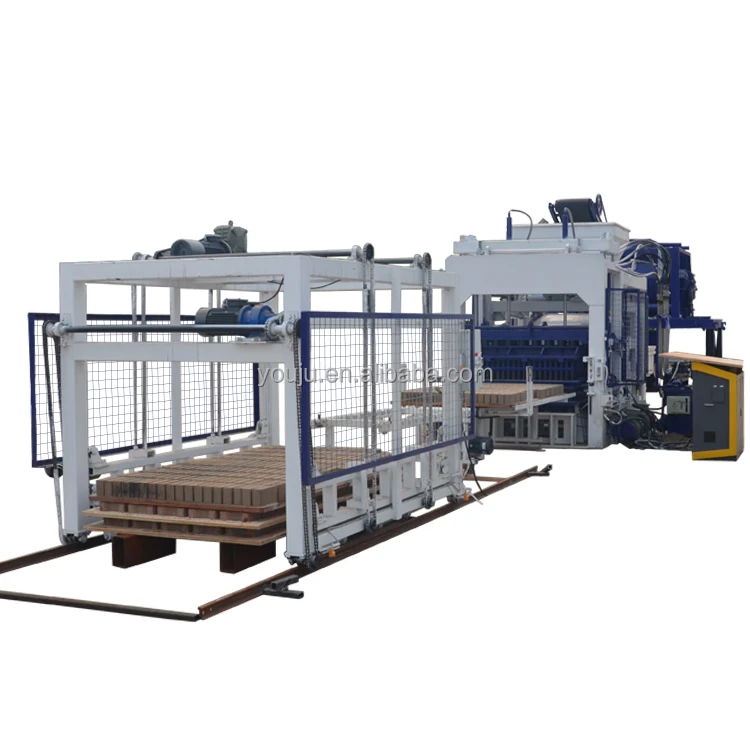
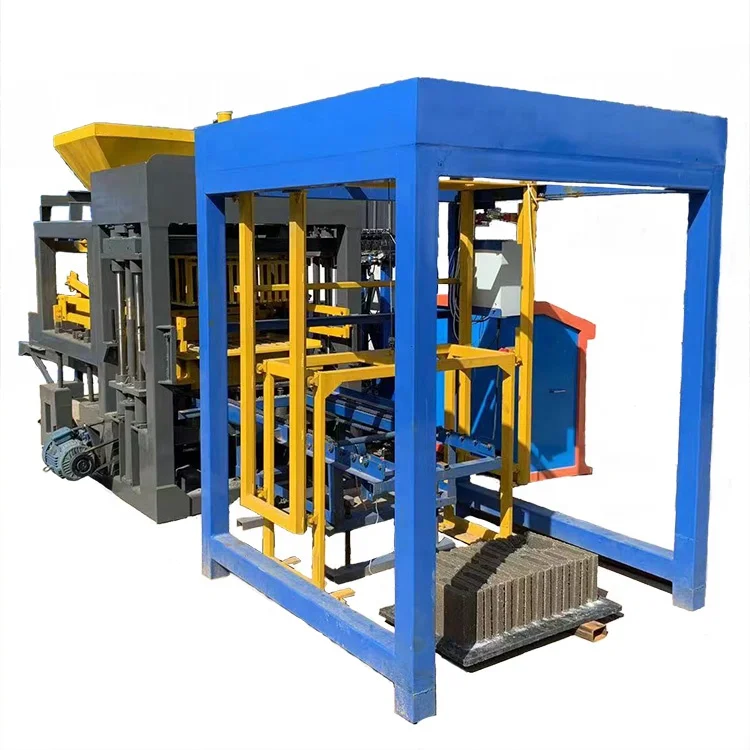
| Line Components | Block making machine, hydraulic station, PLC control system, pallet feeder, brick conveyor, block sweeper |
| Free Accessories | Manual hydraulic trolley, spare parts and tools |
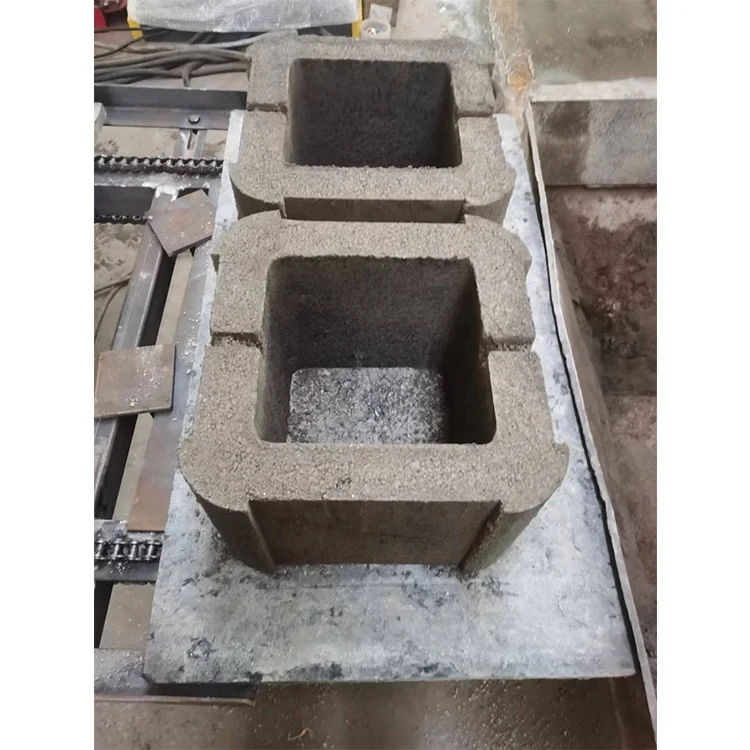
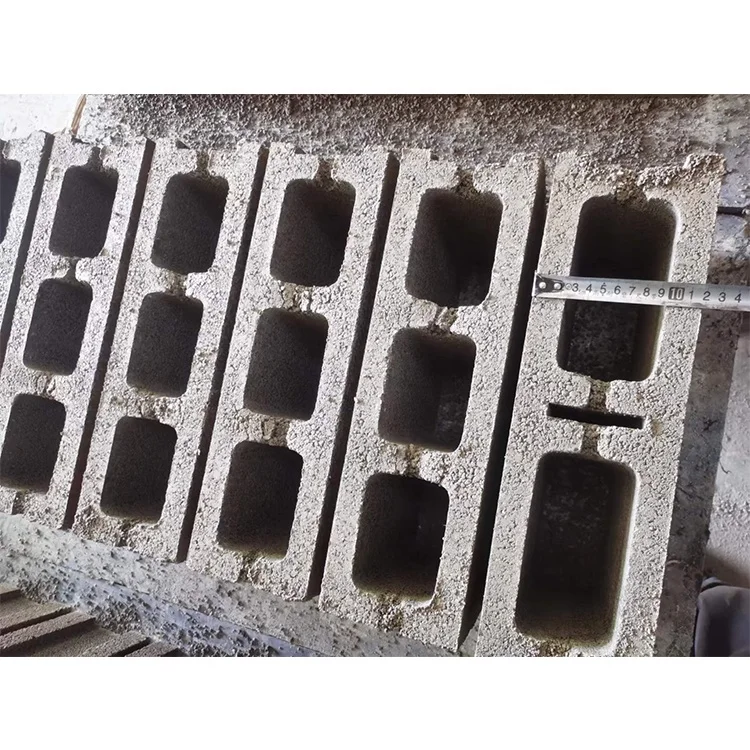
| Output Capacity (400×200×200mm hollow block) | 1200–1680 pcs/hr (basis: 15–20s cycle) |
| Output Capacity (400×150×200mm hollow block) | 1800–2400 pcs/hr (basis: 15–20s cycle) |
| Output Capacity (240×115×53mm solid brick) | 3240 pcs/hr (basis: 15–20s cycle) |
| Voltage & Frequency | To be confirmed before shipment |
| PLC Display Language | To be confirmed before shipment |
Application Suitability
| Application | Material or Output |
|---|---|
| Hollow block production for masonry | Crushed stone, sand, cement, fly ash, dust |
| Solid brick production for building | Local aggregates, cement, sand |
| Paver and curbstone for infrastructure | Concrete mix with crushed stone |
| On-site or small plant production | Readily available regional raw materials |
Dispatch Lead Time and the Reality of "Ready to Ship"
The phrase "QT4-18 block machine in stock fast delivery" means nothing unless the entire scope of supply — press, hydraulic station, pallet feeder, moulds and pallets — is physically on the floor and matched to your voltage. A host machine without its configured pallets and the correct mould set is a delayed project. I have watched machines sit idle at a job site for weeks because a single component was left behind to meet a loading deadline. Buyers working against a project completion date need a confirmed container loading plan, not a general promise [NEED_CITE: standard container loading procedures for industrial machinery].
Container Loading and the Physical Footprint
The QT4-18 block machine in stock fast delivery configuration is designed for nude packing inside a 20GP container. The host machine is dismantled to fit the footprint, and the included manual hydraulic trolley and spare parts are secured alongside. Approximately 500 production pallets can be loaded into the same 20GP container, providing an immediate stock for the first production runs. This consolidated loading prevents the delay of a second shipment arriving later.
Arrival Estimate Against Your Deadline
Quoting an arrival time requires knowing your destination port. Once the container is loaded and dispatched, the port-to-port transit time is fixed by the shipping line. For a project-deadline buyer, we provide this transit estimate upfront so you can plan your foundation work and raw material stockpile against the expected arrival date, rather than working backward from an uncertain vessel schedule [NEED_CITE: typical ocean freight transit times by region].
The Scope of Supply Gap
A quotation often lists the press and the PLC but omits the pallet feeder, brick conveyor, and block sweeper. These are standard inclusions here. The pallet feeder ensures the press is not left waiting for manual placement, maintaining the stated molding cycle. Without the block sweeper and conveyor, freshly pressed blocks must be moved by hand immediately, creating a bottleneck that the press itself cannot solve.
Matching Pallets to Your Curing Area
The 850 × 550 × 25 mm pallet size must match the dimensions of your existing curing racks and the capacity of your site forklift. Ordering a machine without confirming this match forces an expensive and time-consuming modification to the curing infrastructure upon arrival. We confirm this dimension with the buyer before loading the 500 pallets into the container.
Pressure, Vibration, and the Local Mix
The 40–50 kN exciting force works in concert with the hydraulic station to compact the mix. Block strength is determined by how well this force is matched to your specific aggregate and cement ratio. A machine configured for a standard catalogue mix will produce inconsistent strength when fed a different local sand or fly ash. The QT4-18 block machine in stock fast delivery must be verified against the raw materials you can actually source [NEED_CITE: relationship between vibration force and concrete block compressive strength].
The Cost of Rushed Dispatch
Skipping the stock verification step leads to the most expensive consequence in this industry: a machine that arrives but cannot produce. If the mould set required for your primary block format is not included in the first container, production halts. The project deadline passes while waiting for a second, smaller shipment to clear customs. This is why checking the press, the specific moulds, and the pallet count before promising a ship date is the only honest way to quote a project-deadline buyer.
Why Procurement Focuses on the Loading Bay
We focus on the physical readiness of the equipment. Every QT4-18 offered for immediate dispatch is verified as a matched system — the host, the JQ350 mixer, the hydraulic station, and the PLC are tested together. We do not assemble components from separate suppliers at the last minute. The dispatch lead time is quoted in days from order confirmation to container sealing, based on what is currently on the assembly floor, not on a production schedule that has not yet started.
Documentation & Verification
- Packing photographs of the dismantled host and secured pallets before container sealing.
- Factory test record running your specified block format and mix design.
- Voltage and control language confirmation document signed before dispatch.
- Customs documentation support with harmonized codes for block machinery.
Installation, Commissioning & Support
- Foundation plan based on the 3900 × 1600 mm footprint and 3 T operating weight.
- Power connection matching the confirmed voltage for the 24 kW total load.
- Assembly and leveling of the dismantled host machine and hydraulic station on site.
- First production run supervised using your local raw materials and the supplied pallets.
- Operator training covering the PLC interface and the manual mould change procedure.
- List of hydraulic and vibration wear parts with reorder codes.
Pre-Shipment Confirmation Checklist
To ensure the QT4-18 block machine in stock fast delivery meets your project deadline, provide your target block format, the required daily output, and your local raw material source. We also require your site voltage and frequency, the preferred PLC display language, and the destination port to quote a realistic arrival estimate.
Frequently Asked Questions
Q: What specific QT4-18 components are currently in stock and ready to ship?
A: We verify the physical presence of the host machine, the hydraulic station, the PLC cabinet, the pallet feeder, the brick conveyor, and the block sweeper on the assembly floor. We also confirm the exact count of 850 × 550 mm pallets and the specific mould sets available for your required block format before confirming a dispatch date.
Q: How many days from order confirmation to container loading?
A: The lead time is quoted as a specific date, not a range, based on the current stock status of the complete line components. Once the voltage, frequency, and PLC language are confirmed, and the payment is received, we schedule the dismantling and container loading sequence against our current dispatch calendar.
Q: What is the container loading plan for the complete QT4-18 line?
A: The standard configuration is loaded nude in a 20GP container. The host machine is dismantled to fit, and approximately 500 production pallets are secured in the same container. We provide a detailed loading plan showing the dismantling sequence and securing method before the container is sealed.
Q: Can the voltage and PLC language be confirmed before dispatch?
A: Yes, these are confirmed and documented before the machine leaves the factory. The electrical system is configured to your specified voltage and frequency, and the PLC display is set to your required language. This prevents the commissioning delay that occurs when these parameters are left unconfirmed.
Q: How do you estimate the arrival time at my port?
A: We quote the port-to-port transit time based on the vessel schedule from our loading port to your specified destination port. This estimate is provided upfront against your project deadline, allowing you to plan site preparation and raw material delivery for the machine’s arrival.