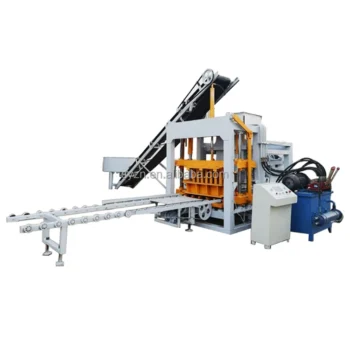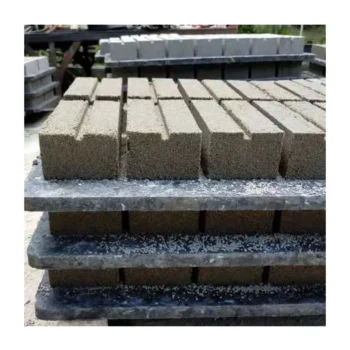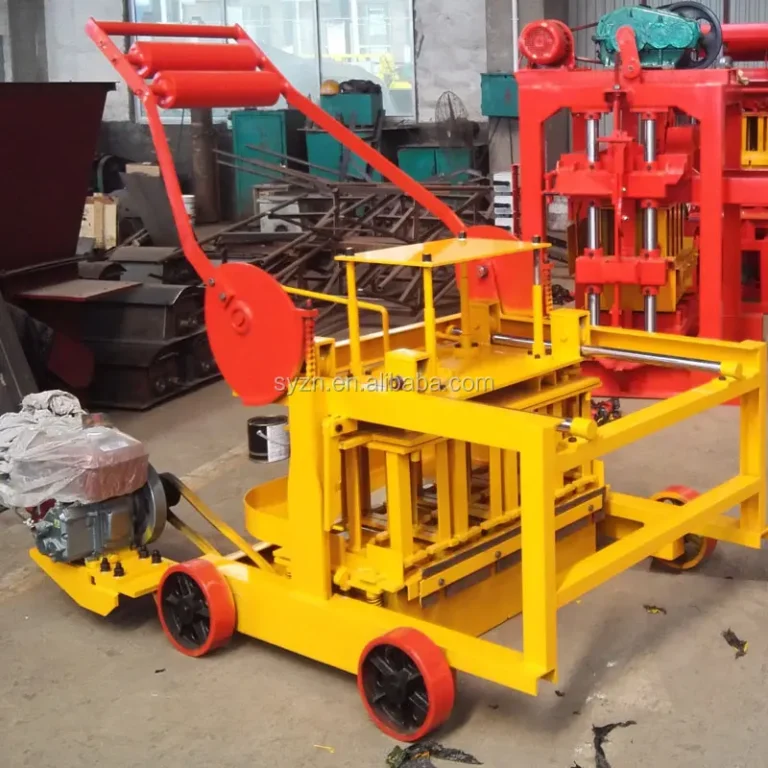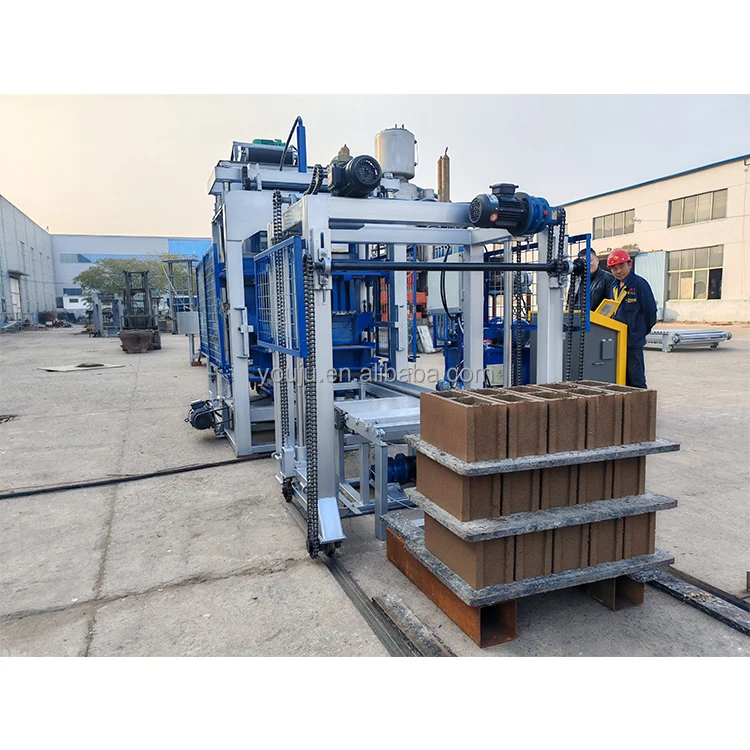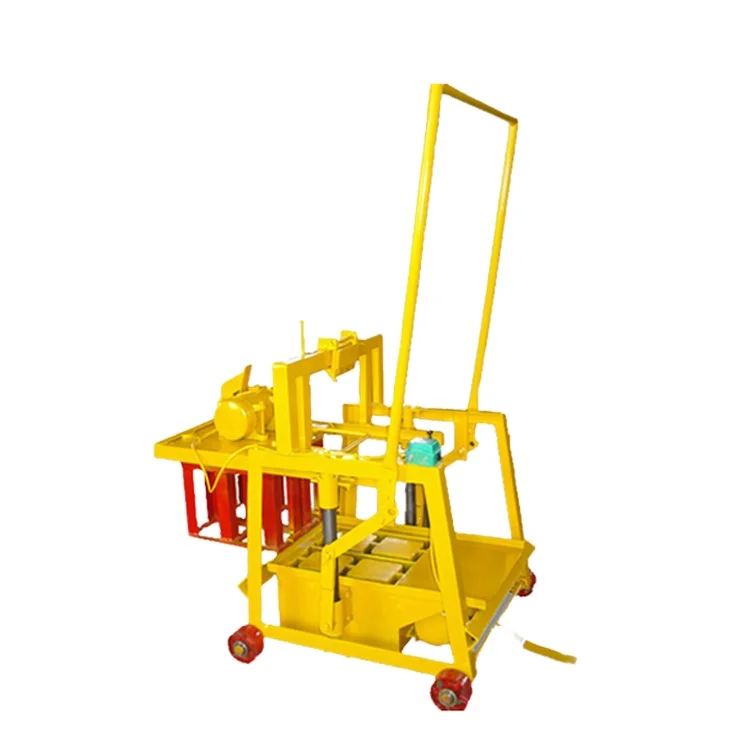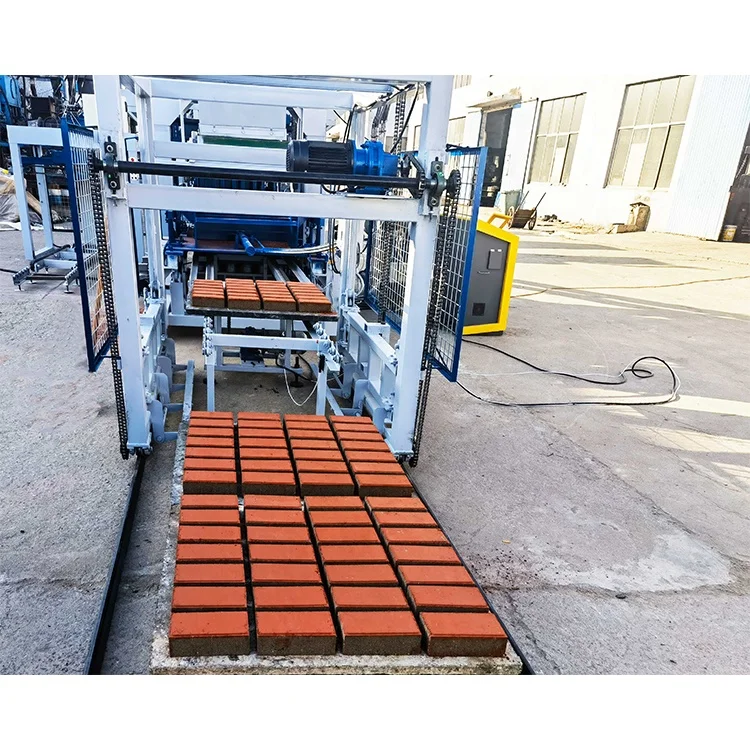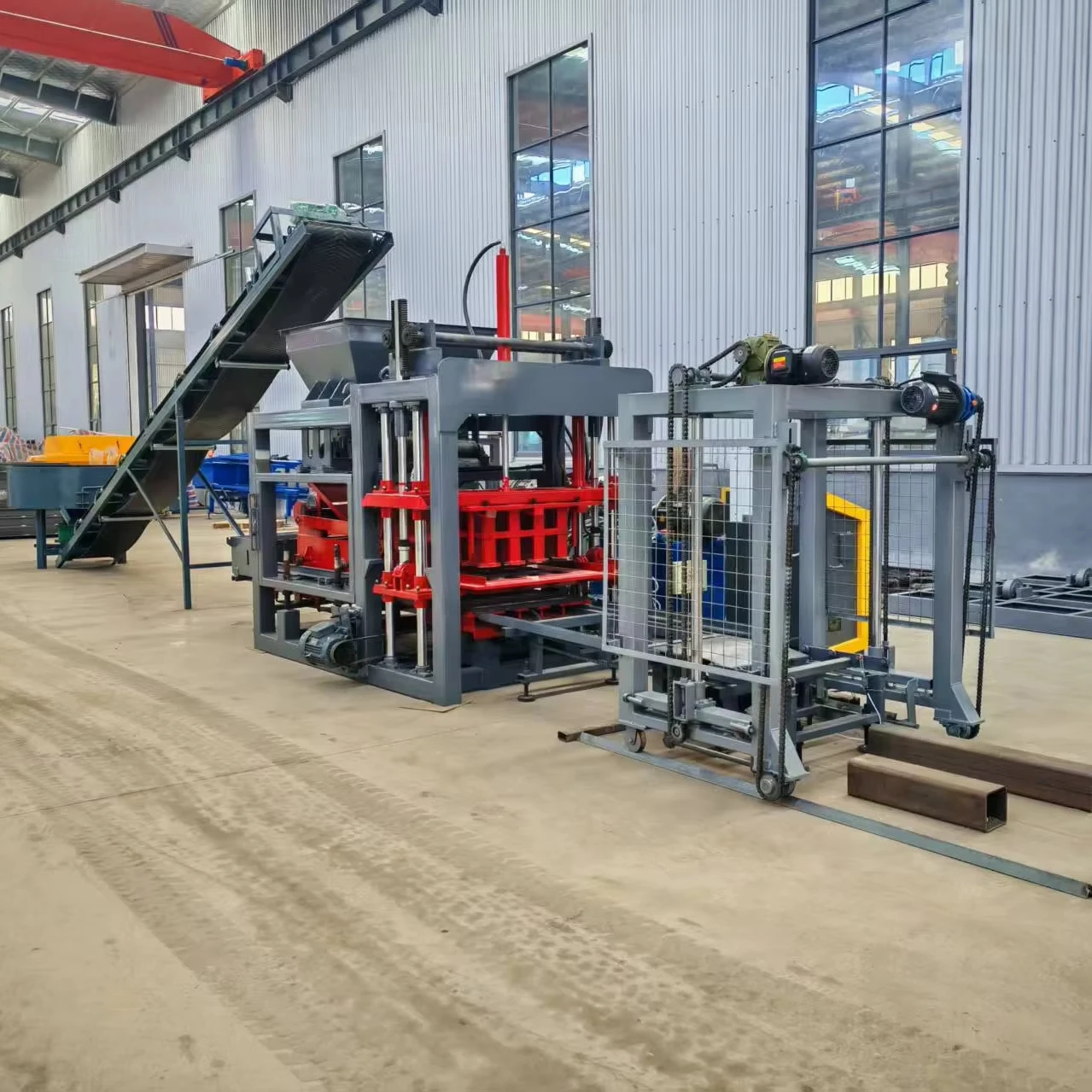
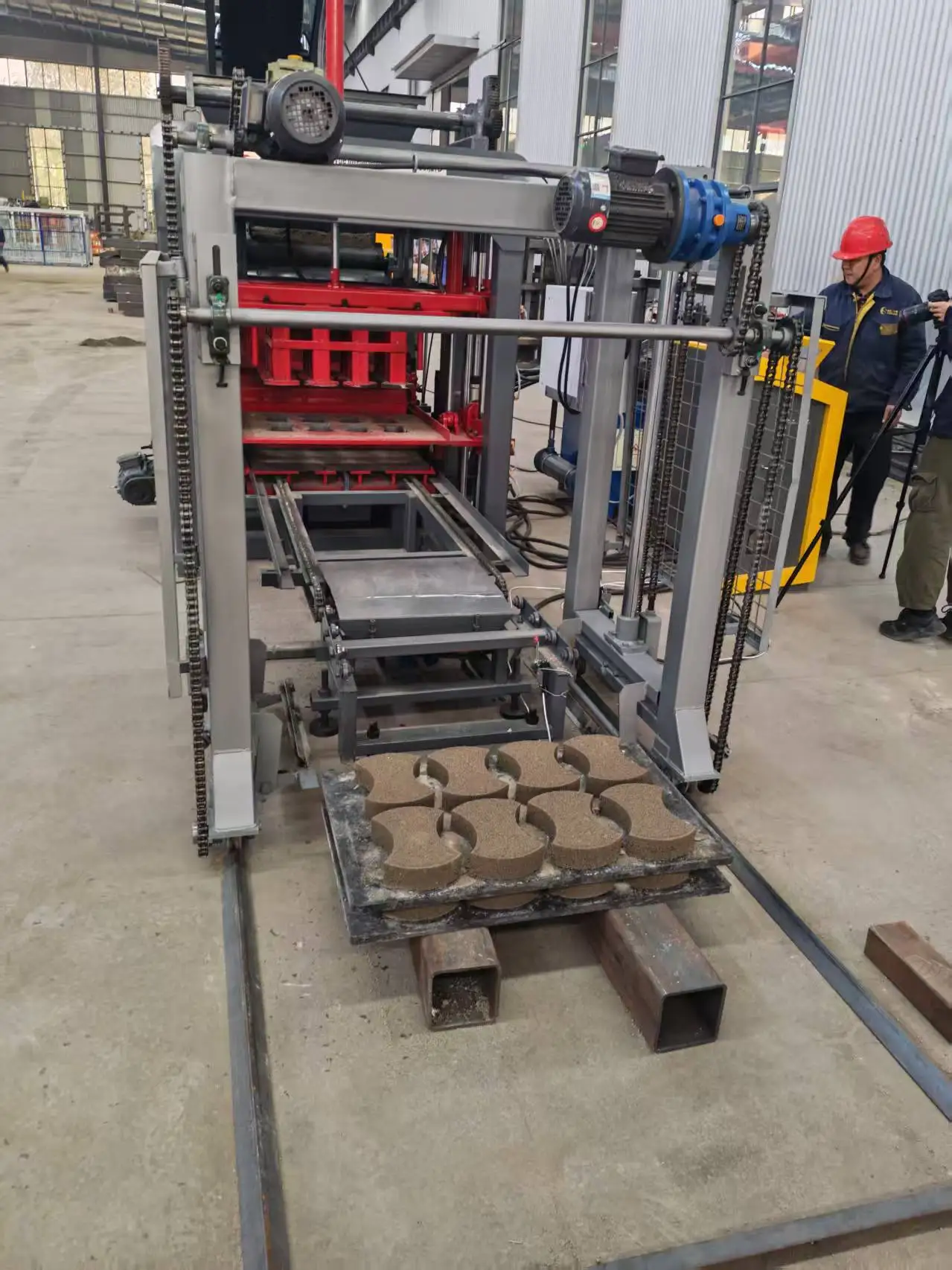
Description
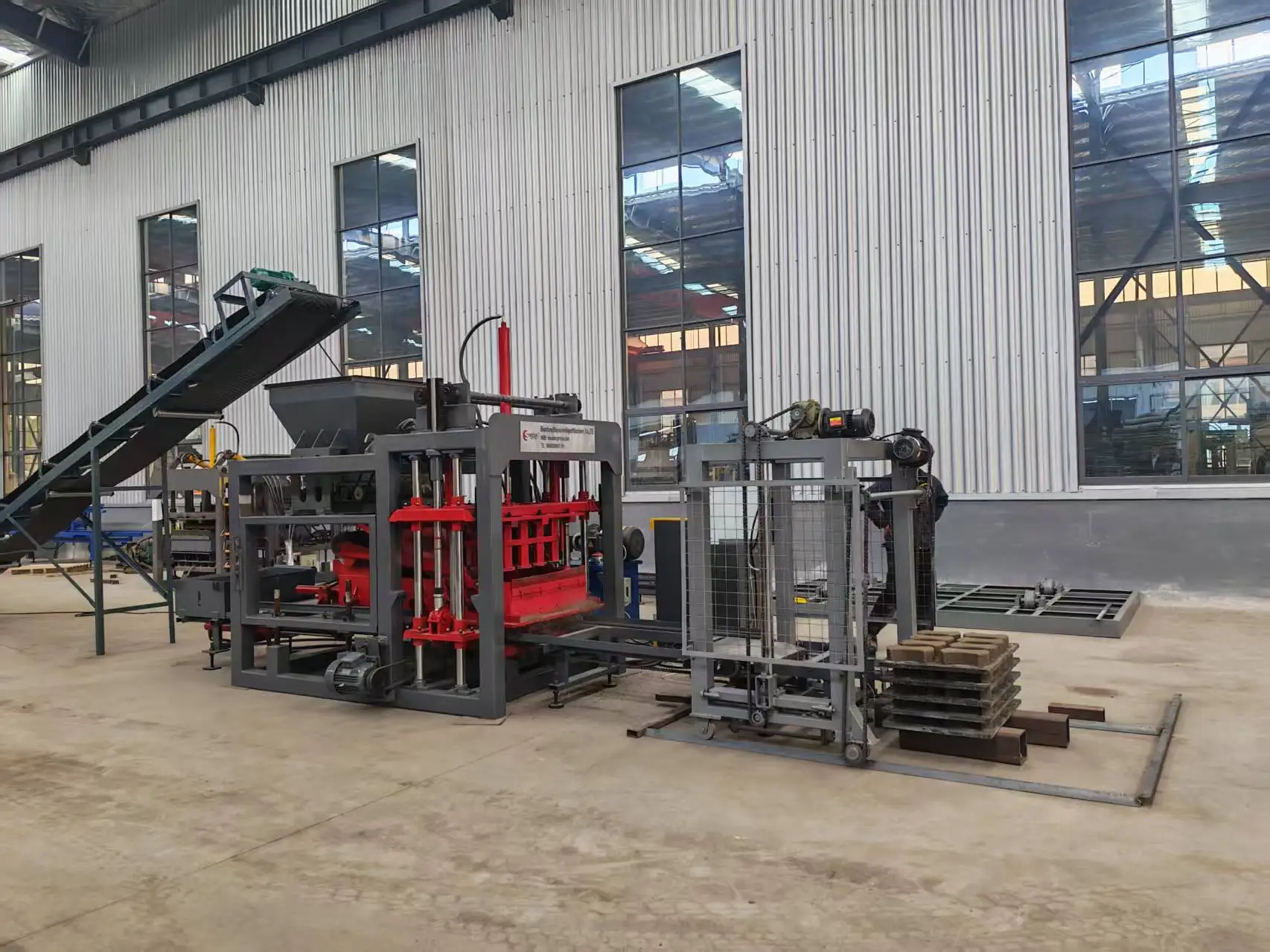
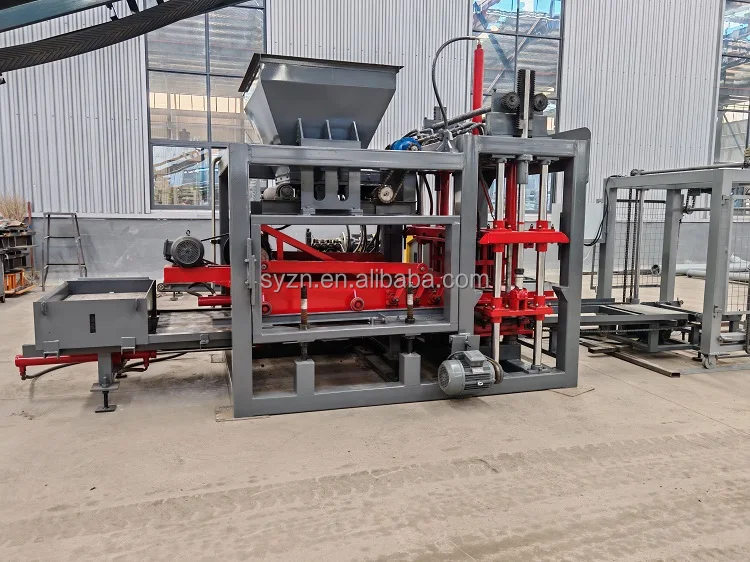
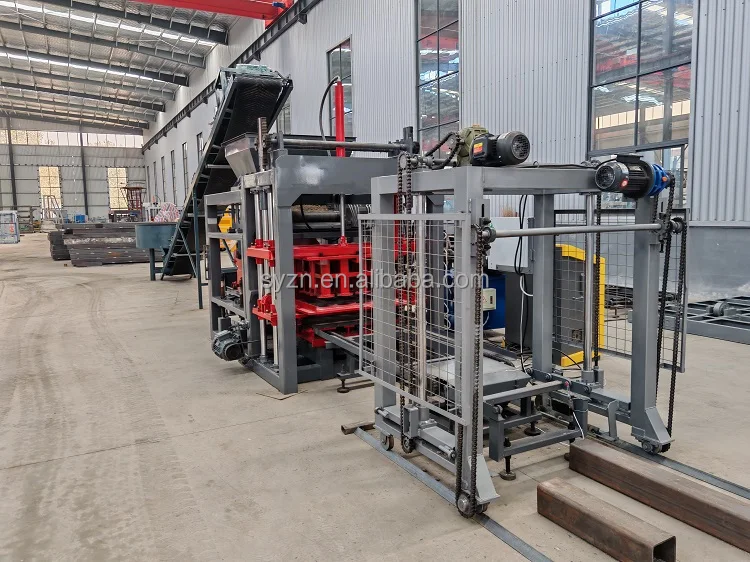
Stocked for Fast Dispatch — The QT4-18 is held in our Linyi yard ready to load, cutting the usual multi-week build wait down to a confirmed dispatch date before your deposit clears.
Technical Specifications
| Parameter | Value |
|---|---|
| Model | QT4-18 |
| Product Type | Hydraulic Concrete Block Making Machine |
| Overall Dimensions (L×W×H) | 3900×1600×2300 mm |
| Total Weight | 3T |
| Rated Power | 24KW |
| Exciting Power (Vibration Force) | 40-50KN |
| Molding Cycle | 15-25s (basis not stated in source — confirm block format / material / thickness) |
| Mixer Model | JQ350 |
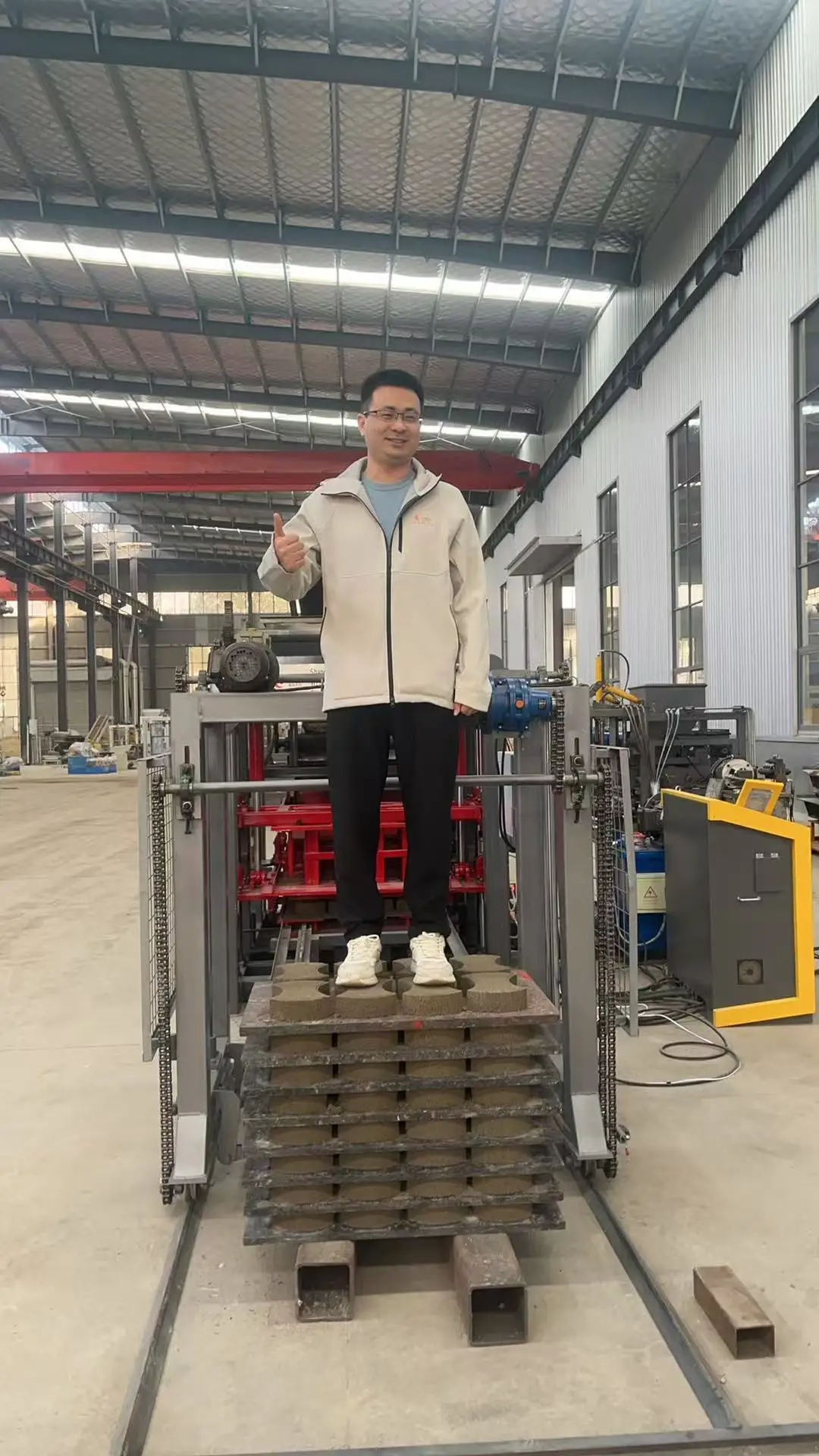
| Pallet Size | 850×550×25mm |
| Output Capacity (Hollow Block 400×200×200mm) | 1200-1680 Pcs/Hr, 9600-13440 Pcs/8hr |
| Output Capacity (Hollow Block 400×150×200mm) | 1800-2400 Pcs/Hr, 14400-19200 Pcs/8hr |
| Output Capacity (Solid Brick 240×115×53mm) | 3240 Pcs/Hr, 16200-19440 Pcs/8hr |
| Cycle Time per Format | 15-20s (source value — verify against manufacturer catalog) |
| Automation Level | Semi-automatic |
| Hydraulic System | Equipped with hydraulic station for high pressure and stable operation |
| Applied Products | Paver, solid, hollow, curbstone |
| Raw Materials | Crushed stones, sand, cement, dust, fly ash |
| Standards | CE declaration where applicable |
Application Suitability
| Application | Material or Output |
|---|---|
| On-site construction production | Hollow blocks from crushed stone and cement for housing projects |
| First block plant setup | Solid bricks and pavers from local sand and fly ash |
| Building material distribution | Interlocking pavers and curbstone for municipal supply |
| Small workshop production | Standard hollow and solid formats for local retail |
Why Your Dispatch Date Often Slips After the Quote
A stocked QT4-18 block machine in stock means the lead time is measured in loading days, not production weeks.
I’ve watched too many projects stall because a quoted "two-week delivery" turned into a month once the buyer asked for a specific mould, a different pallet material, or a 60Hz motor. On a fast delivery concrete block making machine project in West Africa, the contractor had his foundation poured and curing racks built, but the machine was still sitting on a factory floor waiting for a custom voltage panel. The QT4-18 avoids this by shipping in a standard configuration that covers the most common export requirements, so the gap between order and container loading stays short [NEED_CITE: common causes of dispatch delays in machinery exports].
What "In Stock" Actually Means for Your Timeline
When we say a fast delivery concrete block making machine is ready, it means the press, hydraulic station, and JQ350 mixer have passed their factory test and are sitting dismantled in our Linyi warehouse. You are not waiting for parts to arrive from a sub-supplier. The pallet size of 850×550×25mm is already cut and drilled for standard curing racks, so there is no delay waiting for a custom pallet order to complete.
Loading Plan and Arrival Estimate Upfront
Before you transfer a deposit, you get a container loading plan showing exactly how the QT4-18 breaks down for a 20GP container, how many pallets fit alongside, and which moulds ship in the same box. The arrival estimate is calculated from your destination port, not guessed. This is what separates a real QT4-18 block machine in stock from a catalogue listing that says "contact for availability."
Reading the Numbers Behind the Output
The vibration force of 40-50KN combined with the hydraulic station pressure determines how densely your local aggregate packs into the mould. A higher exciting force gives stronger blocks from the same cement content, but only if the pallet can absorb the vibration without cracking. The 850×550mm pallet specification is chosen to match this vibration range — swap to a thinner pallet and you will see edge chipping on hollow blocks after a few hundred cycles.
The 24KW rated power covers the press, hydraulic pump, and mixer drive together. On sites where the generator is shared with welding equipment or other machinery, this total draw must be factored into your peak load calculation before commissioning day [NEED_CITE: power planning for block plant startup].
The Hidden Cost of Ordering Built-to-Order When You Need It Now
A contractor I worked with in Nairobi had a housing project with a fixed handover date. He ordered a custom-spec machine with a wider pallet to match his existing curing racks, which meant a six-week build. By the time it arrived, his crew had been idle for a month and the penalty clauses in his contract had already kicked in. A stocked machine with standard pallets would have let him start production while the curing area was still being prepared [NEED_CITE: construction contract penalty clauses for delayed delivery].
Why Buyers Come Back for a Second Line
Block machinery is our single focus, so the press, mould, pallet, and handling equipment are specified as one matched system. Every machine we ship is configured against the buyer’s actual mix design and local aggregate — not a catalogue default that assumes Chinese river sand. Moulds are designed for the formats that sell in your market, and we hold wear parts and replacement hydraulic seals in the same warehouse as the machines. Installation support includes operator training on your specific block format, not a generic video.
Documentation & Verification
- Factory test record showing cycle times on your specified block format before dispatch
- Hydraulic and electrical schematic matching the exact panel installed on your machine
- Pallet specification sheet confirming material grade and load rating for your curing setup
- Voltage and control language confirmation signed off before container loading
- CE declaration documentation where applicable for your import market
- Packing photographs showing dismantling method and container loading sequence
Installation, Commissioning & Support
- Foundation plan based on the 3900×1600mm footprint and 3T operating weight
- Power connection spec for the 24KW total draw with dedicated circuit recommendation
- Dismantling and reassembly guide for the QT4-18 after container transport
- First-run parameter setting for vibration force and hydraulic pressure on your local aggregate
- Operator training covering mould change procedure and daily maintenance points
- Wear parts list with hydraulic seal and vibration spring part numbers for reorder
What We Need to Confirm Before Loading
To lock in your dispatch date and arrival estimate, send us your destination port, the block formats you plan to produce, and your local voltage and frequency. If you have existing pallets or curing racks on site, share the dimensions so we can confirm compatibility with the 850×550mm standard. A sample of your local aggregate lets us verify the vibration and pressure settings before the machine leaves our yard.
Frequently Asked Questions
Q: Is the QT4-18 in stock or built to order, and what is the dispatch lead time?
A: The QT4-18 is held as a stocked model in our Linyi warehouse. Once you confirm voltage, frequency, and mould selection, the dispatch lead time is measured in days for container loading, not weeks for production. We confirm the exact loading date before you pay the deposit.
Q: What container does the QT4-18 need, and how is it loaded for shipment?
A: The QT4-18 ships in a 20GP container in nude packing. The machine is dismantled into major assemblies — press frame, hydraulic station, and mixer — to fit alongside pallets and moulds. We provide a loading plan and dismantling guide before dispatch.
Q: How many pallets ship in the same container, and what is the arrival estimate?
A: The 850×550×25mm pallets are stacked in the same 20GP container with the machine. The exact count depends on mould quantity. The arrival estimate is calculated from your destination port and quoted upfront based on current shipping schedules.
Q: Are standard moulds for hollow, solid, and paver blocks stocked with the machine?
A: Yes, standard moulds for common hollow block, solid brick, and paver formats are stocked and can ship in the same container as the QT4-18. Custom mould designs require a separate lead time, which we confirm at inquiry stage.
Q: Is voltage and control language confirmed before dispatch to avoid delays?
A: Voltage, frequency, and PLC display language are confirmed in writing before the machine leaves our warehouse. This prevents commissioning delays when the machine arrives on your site and the electrician finds a mismatch with local supply.