
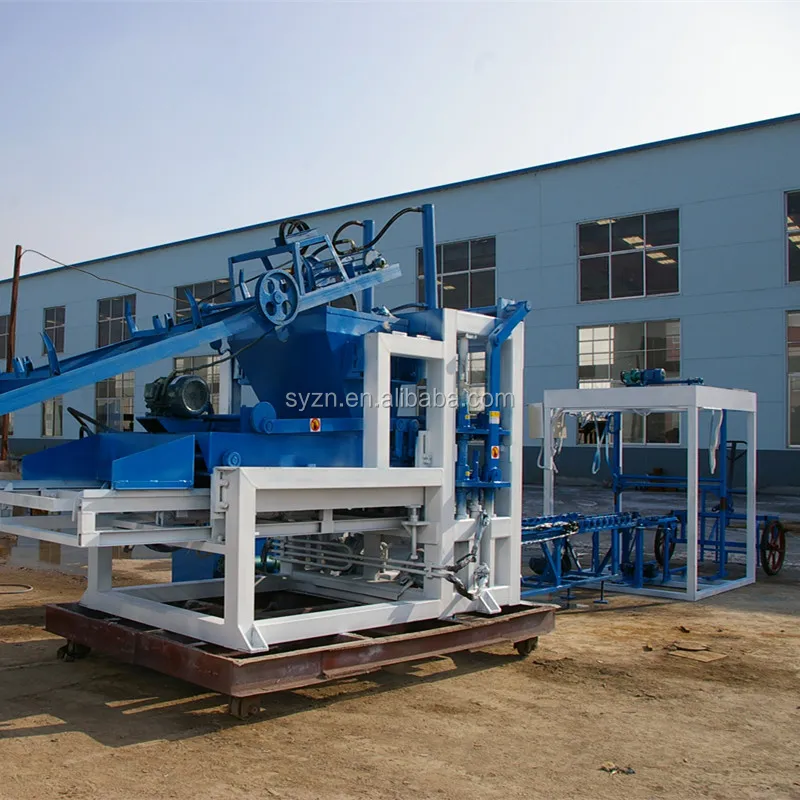
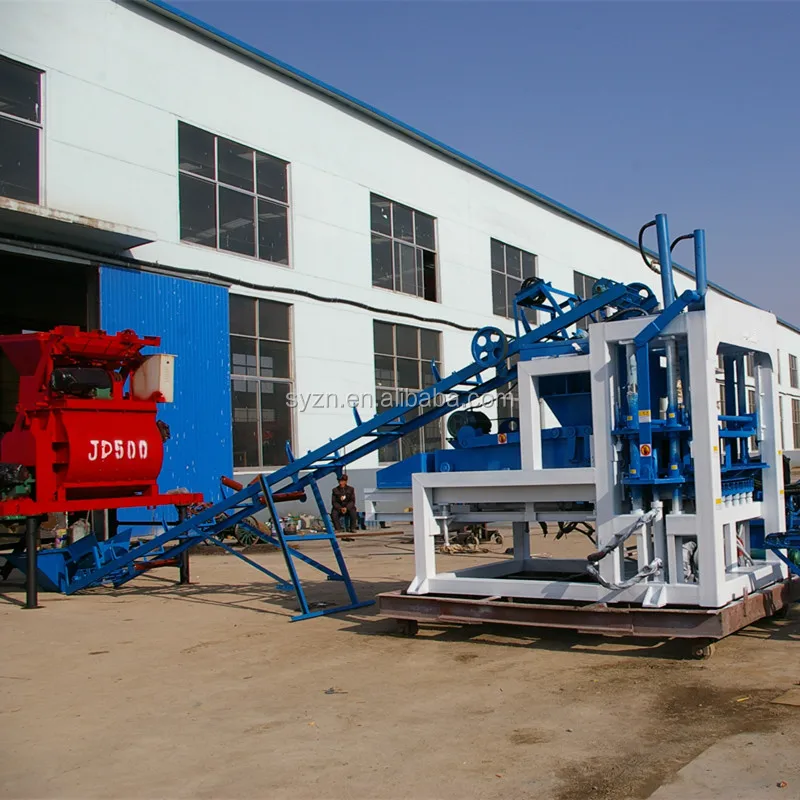
Description
Dispatch Ready When You Are — Stocked QT4-20 block machines ship from warehouse to container without waiting for a build cycle, so your project timeline stays intact.
Technical Specifications
| Parameter | Value |
|---|---|
| Model | QT4-20 |
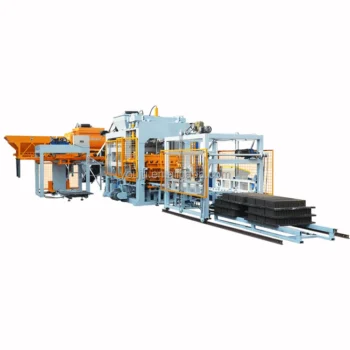
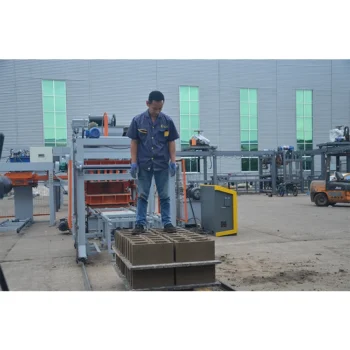
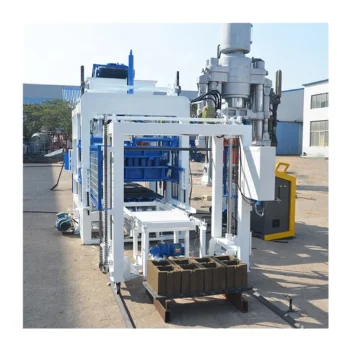
| Product Type | Automatic Concrete Block Making Machine |
| Overall Dimensions (L×W×H) | 7100×1600×2610 mm |
| Rated Pressure | 21 MPa |
| Main Vibration Form | Platform Vibration |
| Vibration Frequency | 2800~4500 r/min |
| Vibration Force | 60 kN |
| Pallet Size | 1020×570 mm |
| Molding Cycle | 15-25 s (basis not stated in source) |
| Overall Power | 27.5 kW |
| Total Mass | 5.8 T |
| Demolding Method | Hydraulic |
| Control System | PLC with person-machine conversation interface |
| Automation Level | Automatic production line |
| General Water Consumption | 8 T/Day |
| Factory Area | 500 m² |
| Standards | CE declaration where applicable |
Application Suitability
| Application | Material or Output |
|---|---|
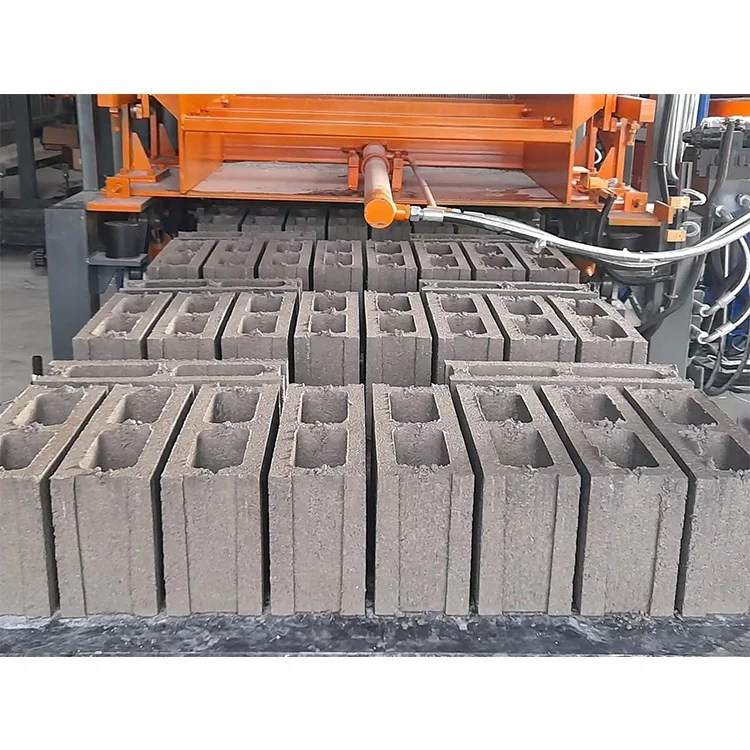
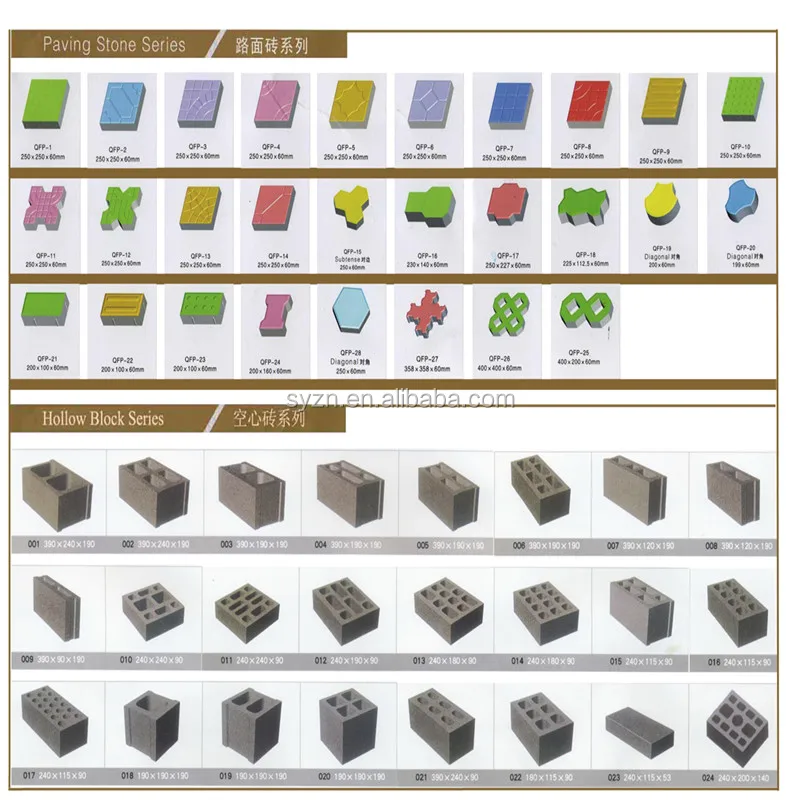
| Hollow block production for building walls | Crushed stone, sand, cement, fly ash |
| Solid block manufacturing for load-bearing structures | Gravel, sand, cement, slag |
| Paving block and colored paver production | Crushed stone, sand, cement, dust |
| Interlocking block and kerbstone forming | Sand, cement, gravel, fly ash |
| On-site block production for construction projects | Locally available aggregate, sand, cement |
Why Voltage Confirmation Beats Every Other Pre-Shipment Checklist Item
A machine that arrives with the wrong voltage setting becomes an expensive storage unit until an electrician reconfigures the entire cabinet.
I have watched a QT4-20 block machine in stock sit idle on a Riyadh job site for three weeks because the buyer assumed 380V was universal, while the local grid ran at 415V. The variable frequency drive tripped immediately on startup, and sourcing a compatible transformer in the middle of a desert project is not a same-day exercise [NEED_CITE: voltage and frequency standards by export market]. The QT4-20 automatic block making machine draws 27.5 kW overall, meaning every motor, heater, and PLC module inside that cabinet must match the destination grid before the crate leaves the factory floor.
Container Loading Plan and Dispatch Timing
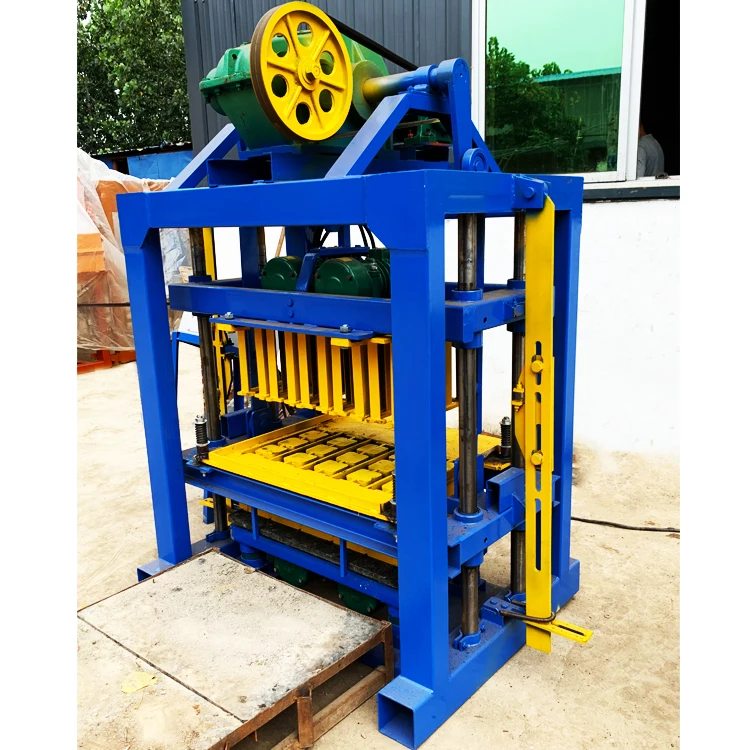
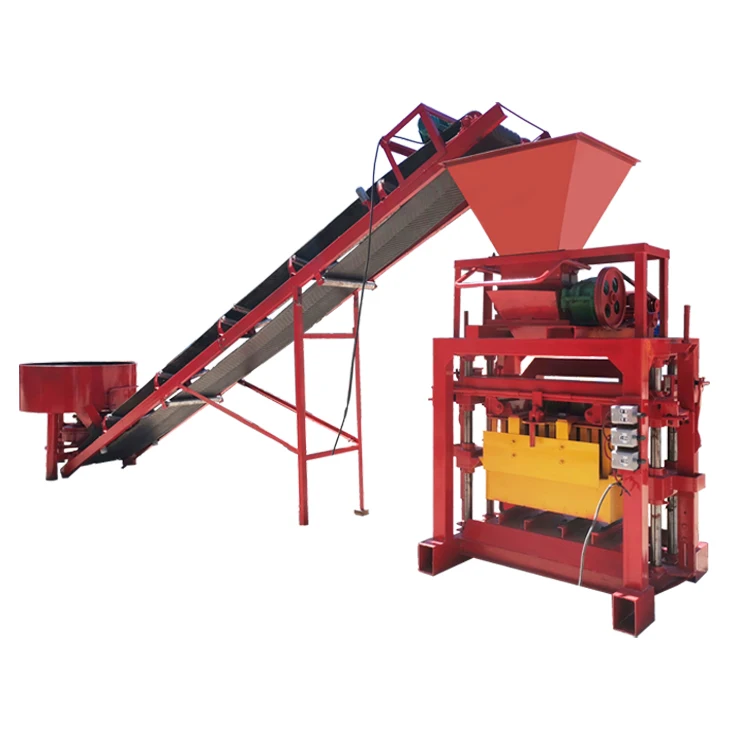
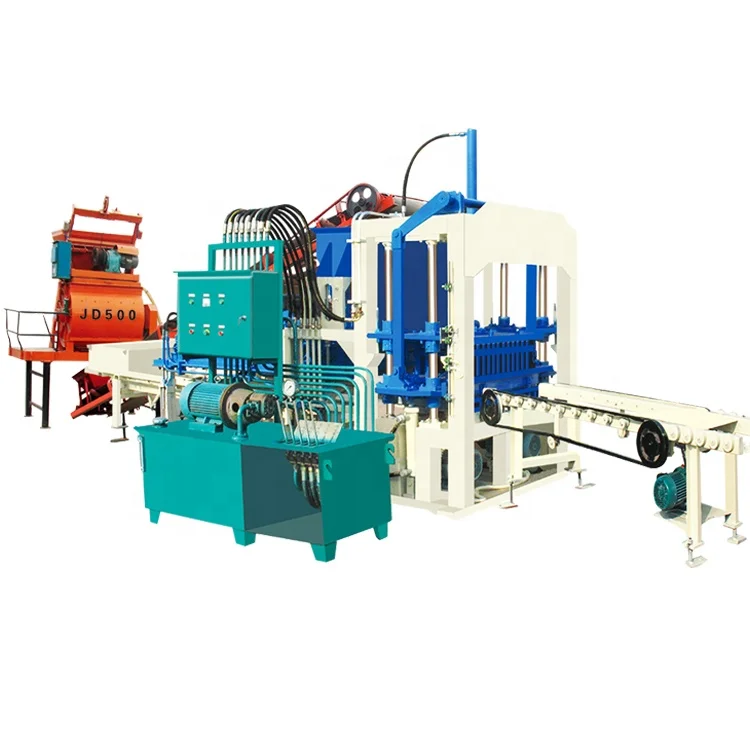
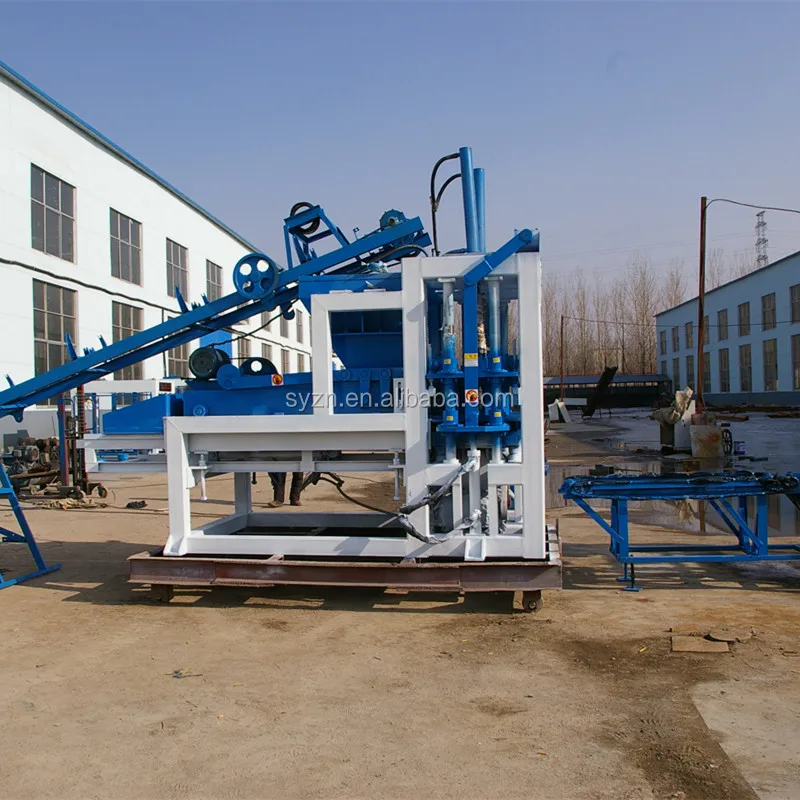
When buyers ask how fast a QT4-20 block machine in stock can reach their port, the honest answer depends on container availability and dismantling sequence, not just warehouse proximity. The QT4-20 measures 7100×1600×2610 mm and weighs 5.8 tonnes, which means the main frame, hydraulic station, and pallet feeder typically travel as separate secured units inside a 40-foot high-cube container. Standard moulds ship alongside the press so that commissioning can begin the day the crate is opened. Dispatch lead time is quoted at order stage, not buried in fine print after payment.
Arrival Estimate Quoted Before You Commit
The gap between factory gate and job site involves inland trucking, port handling, ocean transit, and customs clearance at destination. For a QT4-20 block machine in stock, the production phase is eliminated, compressing the timeline to loading, transit, and local delivery. Buyers working against a concrete pour schedule or a housing project milestone need that arrival estimate written into the quotation, not offered as a vague promise [NEED_CITE: typical ocean freight transit times from Chinese manufacturing ports to Middle East and African destinations]. The quotation should state the assumed port of discharge and the transit window so the buyer can coordinate foundation work and raw material procurement accordingly.
Reading the Specs That Actually Determine Output
The QT4-20 lists a molding cycle of 15-25 seconds, but that range only becomes meaningful once the block format, wall thickness, and mix design are defined. A thin paving block on a 1020×570 mm pallet will cycle faster than a 200 mm hollow block on the same pallet, because vibration must fully compact a taller, heavier charge of material. The 21 MPa rated pressure and 60 kN vibration force work together: hydraulic pressure squeezes the mix while platform vibration at 2800-4500 r/min settles aggregate into voids. If the local sand is fine-graded and low in coarse fraction, the vibration frequency may need to sit at the upper end of the range to achieve adequate density. Pallet size directly governs how many blocks fit per cycle — a 1020×570 mm pallet typically holds four 400×200×200 mm hollow blocks or a larger count of pavers per press stroke. The 27.5 kW overall power requirement means most mid-range diesel generators can supply the line, which matters for remote project sites without stable grid access.
What Happens When the Pallet Spec Is Ignored
A buyer once ordered a block machine without checking whether the quoted pallet size matched the curing racks already welded in their yard. The machine arrived with pallets that were too wide for the rack slots, forcing a complete re-weld of the curing area and delaying production by over a fortnight. With the QT4-20, the 1020×570 mm pallet is a standard dimension, but the buyer must still confirm that their existing forklift tines, curing rack spacing, and stacking height all accommodate that footprint [NEED_CITE: pallet handling compatibility in block plant layout]. The PLC-controlled pallet feeder assumes a consistent pallet thickness and material stiffness; warped or undersized pallets will jam the feeder and halt the cycle until an operator clears the station.
Why Procurement Through a Stock-and-Dispatch Specialist Matters
Stock availability means the QT4-20 block machine in stock has already passed factory testing, so the buyer receives a unit with a known test record rather than a freshly assembled press that still needs break-in runs. Container loading plans are prepared against the actual dismantled dimensions of this model, reducing the risk of last-minute repacking surprises at the warehouse. Standard moulds for hollow blocks, solid blocks, pavers, interlocking bricks, and kerbstones ship from the same inventory, so the buyer does not wait for a separate mould production cycle. Voltage, frequency, and PLC display language are confirmed against the destination country grid before the machine is crated, eliminating the on-site electrical rework that stalls so many projects. Dispatch lead times are stated in the quotation alongside the arrival estimate, giving the buyer a single document to plan foundation work, raw material orders, and operator mobilization.
Documentation & Verification
- Factory test record showing QT4-20 cycle times on your specified block format before crating
- Voltage and frequency confirmation sheet signed off against your local grid standard
- Pallet specification matching your existing curing rack dimensions and forklift capacity
- Container loading plan with dismantling sequence and securing points for the 5.8-tonne main frame
- CE declaration documentation where applicable for your import market requirements
- Operation and maintenance manual with PLC interface language set to your operator preference
Installation, Commissioning & Support
- Foundation pad must support the 7100×1600 mm footprint with level tolerance for platform vibration stability
- Dedicated 27.5 kW power circuit with correct voltage and breaker rating confirmed before energizing
- Hydraulic station reconnected and bled on site after container transport to restore 21 MPa rated pressure
- PLC person-machine interface verified in the confirmed language during first-cycle commissioning
- Operator training covers mould change procedure, pallet feeder adjustment, and daily vibration motor inspection
- Wear parts list and hydraulic seal kit included for the first replacement cycle
What to Include in Your Inquiry
Provide the block formats your market sells most — hollow, solid, paver, or interlocking — along with the daily output target so the correct mould set is pulled from stock. State your local voltage, frequency, and preferred PLC display language so the QT4-20 block machine in stock is configured before dispatch rather than adjusted on site. Confirm the pallet dimensions your curing area and forklift already accommodate, and note whether you need the supporting raw material feeding and stacking equipment included in the same container load.
Frequently Asked Questions
Q: How is the molding cycle of 15-25 seconds verified for my specific block type?
A: The cycle range depends on block format, wall thickness, and mix composition. Before dispatch, we run a factory test using your target block dimensions and a representative mix, then record the actual cycle time achieved. That test record ships with the machine so you know the realistic output before it arrives on site.
Q: What is the actual lead time from order to port of discharge?
A: Because the QT4-20 block machine in stock is already built and tested, the timeline covers container loading, inland transport, ocean transit, and destination clearance. The quotation states the estimated arrival date based on current shipping schedules to your named port, so you can plan site preparation accordingly.
Q: How do you confirm voltage and frequency before the machine ships?
A: We request your local grid specification — voltage, phase, and frequency — at inquiry stage and lock it into the production checklist. The electrical cabinet is wired and tested at that voltage, and the PLC display language is set to your preference before the machine enters the container.
Q: What installation support is included when the machine arrives?
A: An engineer guides reconnection of the hydraulic station, power circuit verification, and first-cycle commissioning on your 1020×570 mm pallets. Operator training covers the PLC interface, mould change steps, and daily maintenance checks. The visit typically spans the period needed to reach stable production on your chosen block format.
Q: How quickly can I reorder moulds or hydraulic wear parts?
A: Standard moulds for common block formats are kept in stock alongside the machines. Hydraulic seals and vibration motor wear parts ship on the same logistics channels used for the original dispatch. Lead time for replacement parts is quoted at order stage so you can schedule maintenance without halting production.