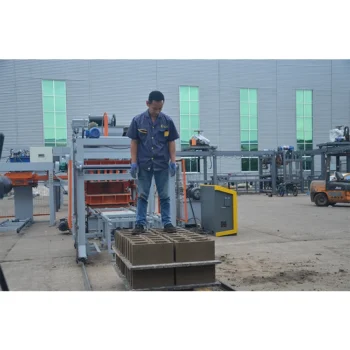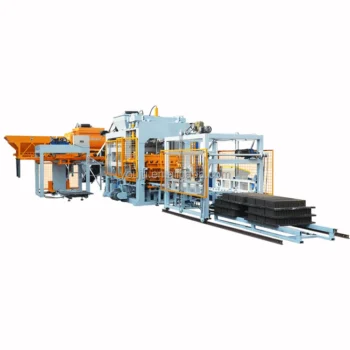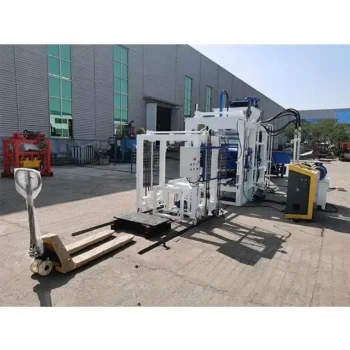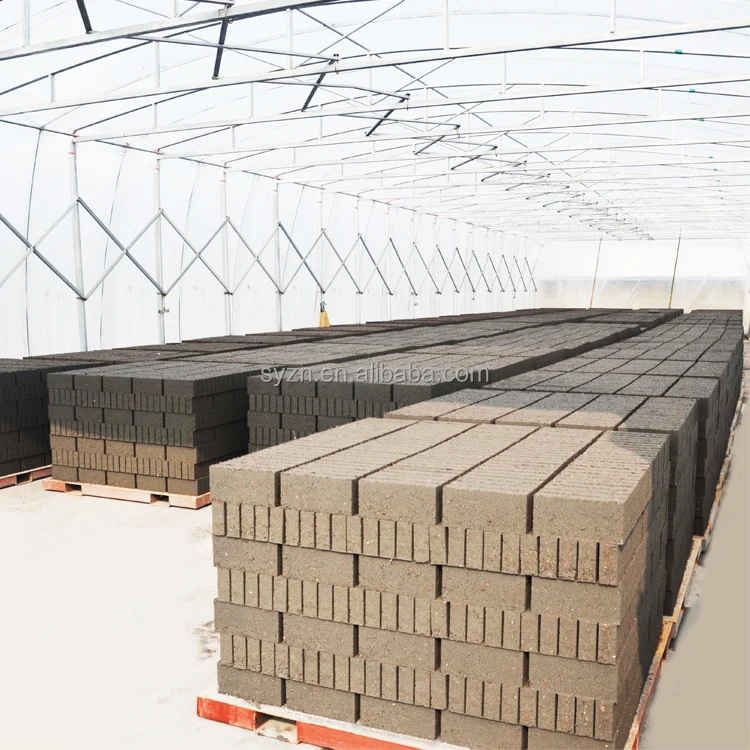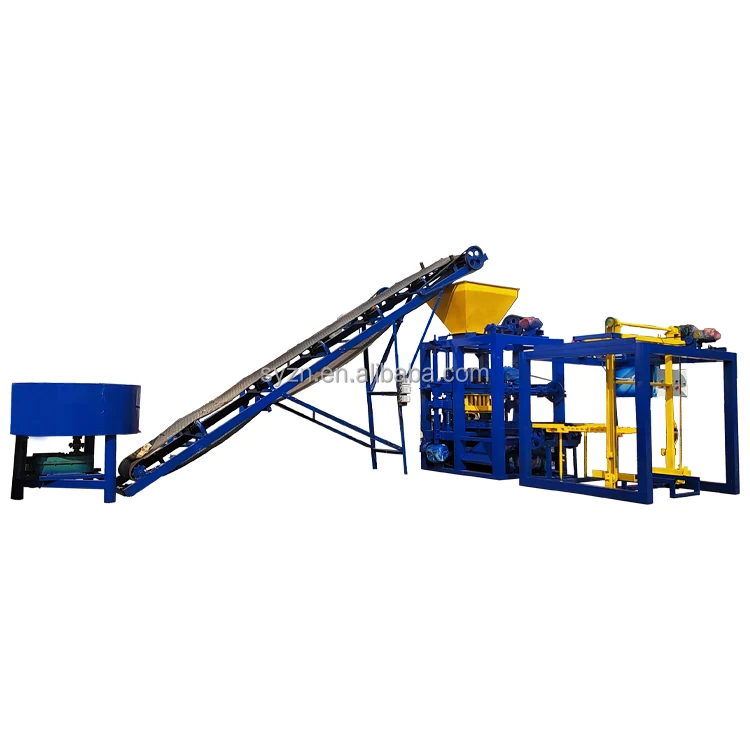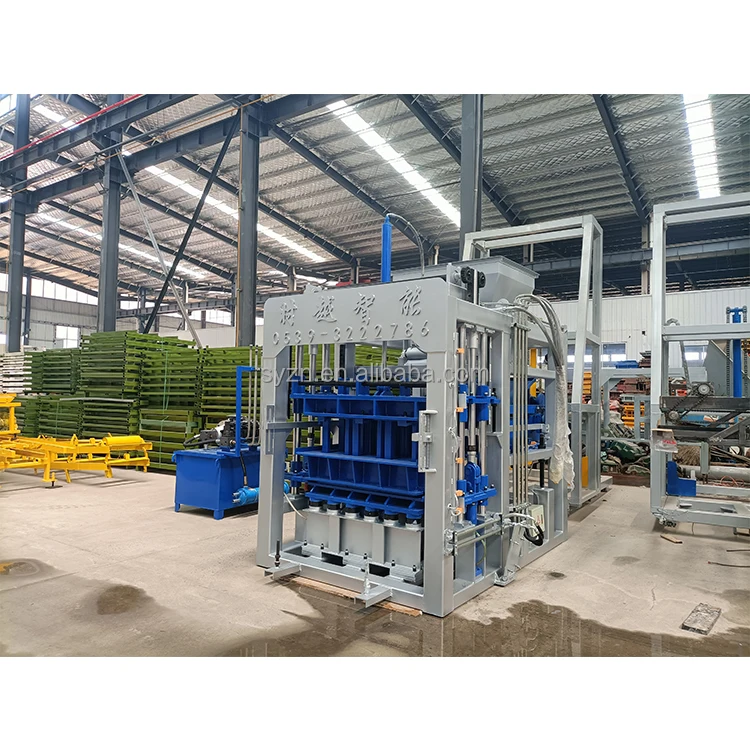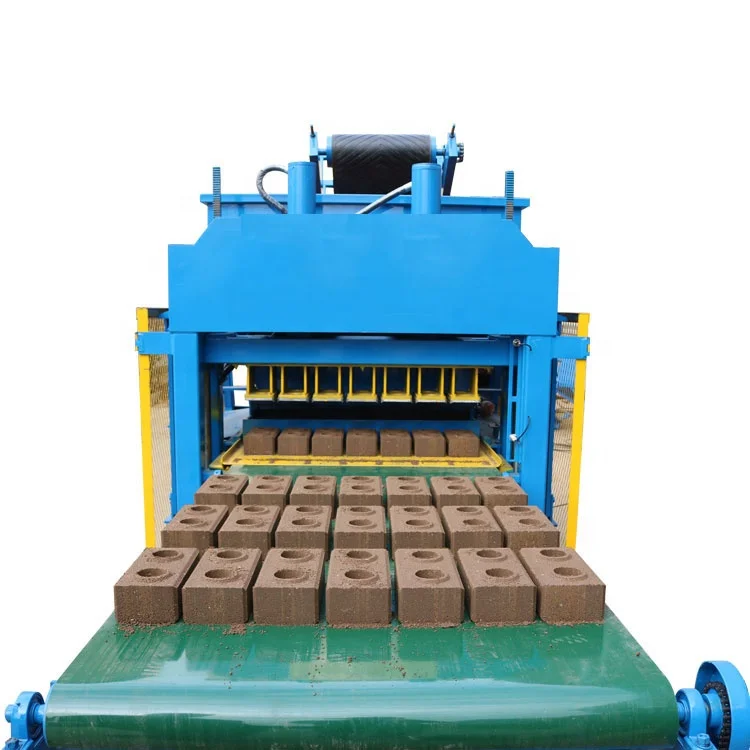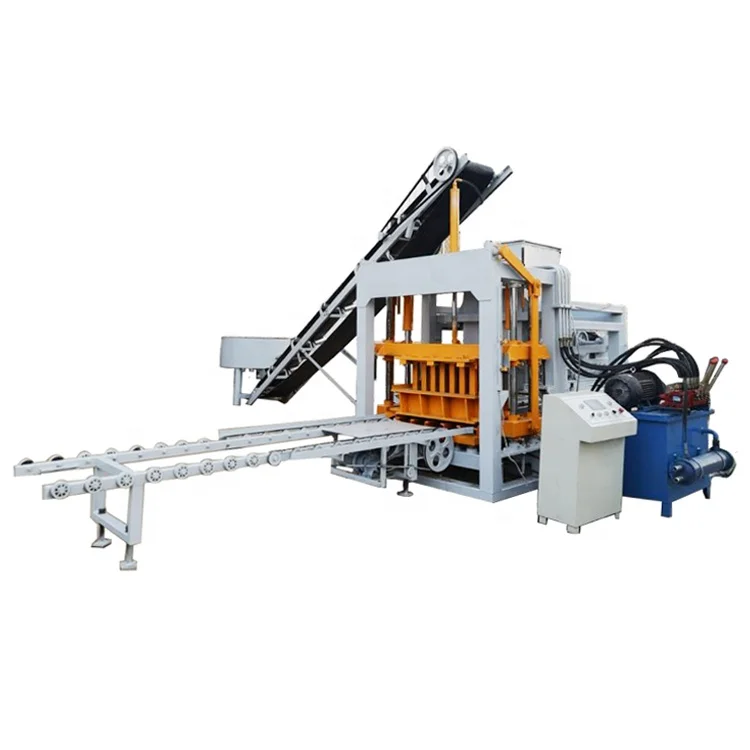
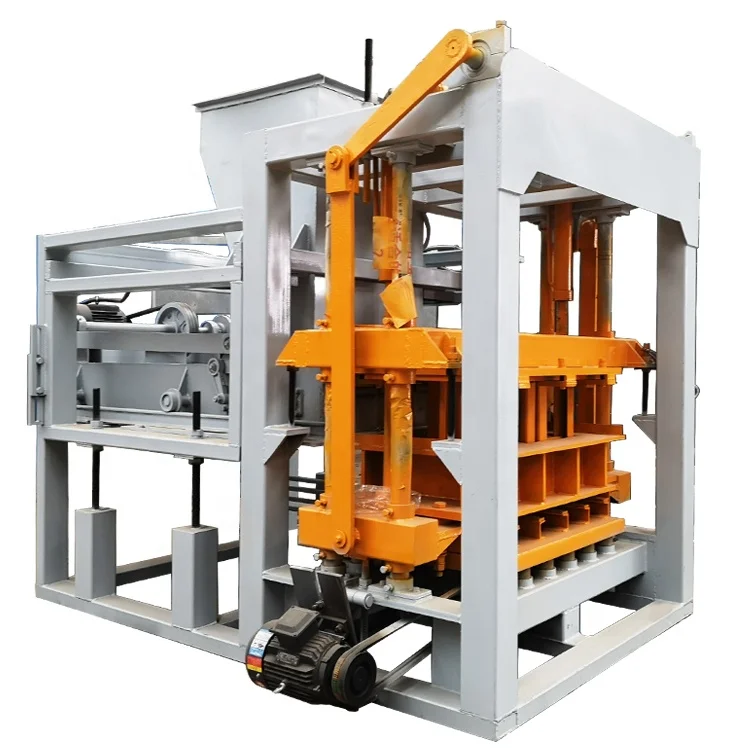
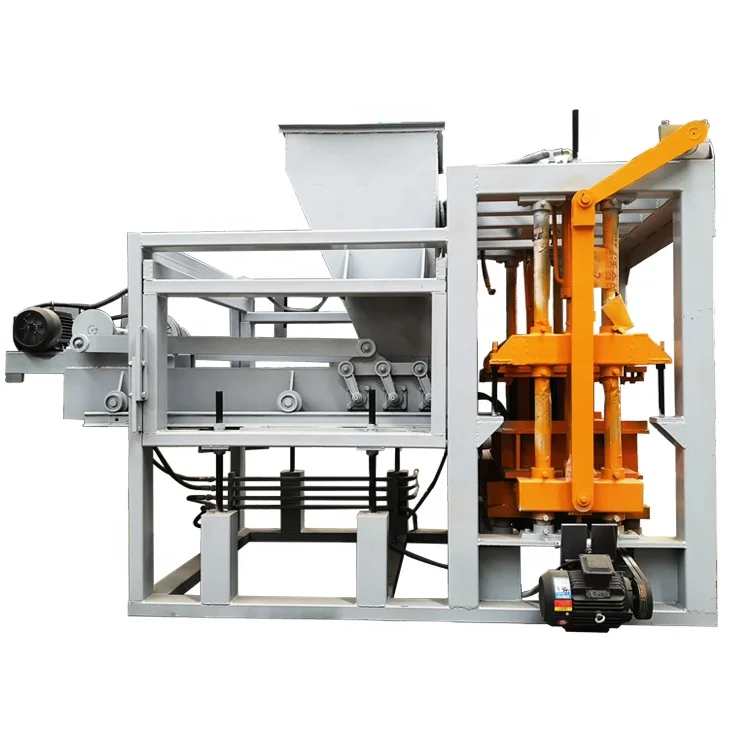
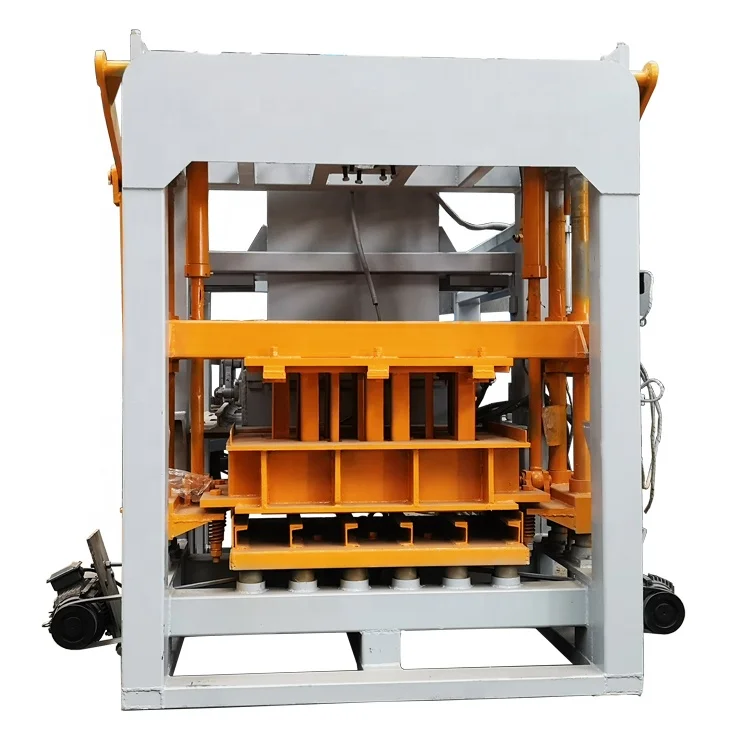
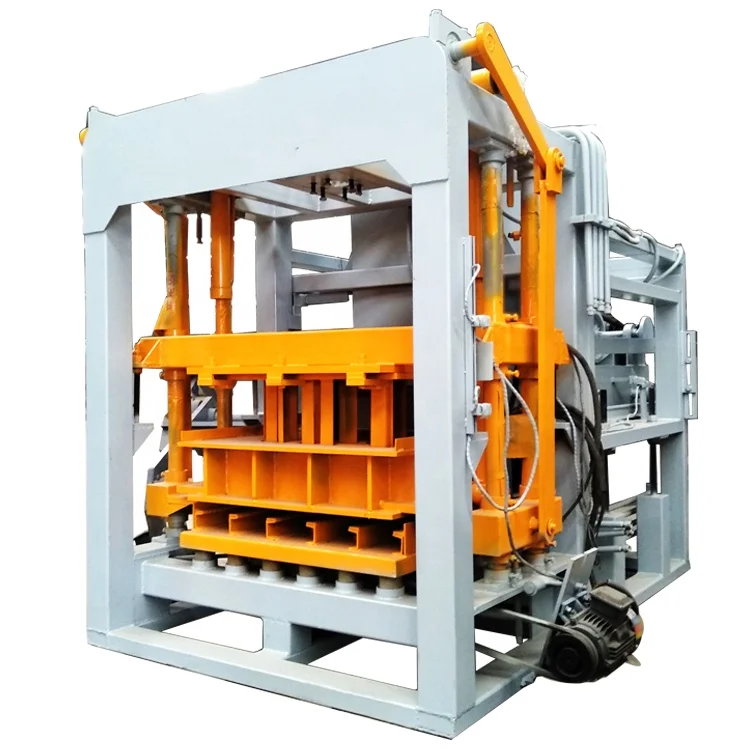

Description
Short lead time, matched system — The QT4-20 block making machine in stock status and container loading plan are confirmed before you pay, so your project start date stays intact.
Technical Specifications
| Parameter | Value |
|---|---|
| Model | QT4-20 |
| Product Type | Automatic Concrete Block Making Machine |
| Overall Dimensions (L×W×H) | 7100 × 1600 × 2610 mm |
| Rated Pressure | 16–21 MPa |
| Main Vibration Form | Platform Vibration |
| Vibration Frequency | 4600 r/min |
| Pallet Size | 950 × 500 mm |
| Molding Cycle | 15–25 s (basis not stated in source — confirm block format, material and thickness) |
| Overall Power | 27.5 kW |
| Automation Level | Semi-automatic |
| Drive System | Hydraulic |
| Monitoring | Non-contact proximity switch |
| Capacity: Hollow 400×200×200 mm | 480–720 pcs/h (3,840–5,760 pcs/8 hr) |
| Capacity: Hollow 400×150×200 mm | 600–900 pcs/h (4,800–7,200 pcs/8 hr) |
| Capacity: Hollow 400×100×200 mm | 960–1,440 pcs/h (7,680–11,520 pcs/8 hr) |
| Capacity: Paver 200×100×60 mm | 1,920–2,880 pcs/h (15,360–23,040 pcs/8 hr) |
| Capacity: Solid 240×115×53 mm | 3,360–5,930 pcs/h (26,880–47,440 pcs/8 hr) |
| Mould Change | Manual mould change (time to be confirmed) |
| Shipping | 40 ft high-cube container, steel-fixed |
| Warranty | 1 year on complete machine, excluding wear parts |
| Voltage & Frequency | To be confirmed before order |
| Control System | PLC brand and display language to be confirmed |
| Raw Materials | Sand, cement, fly ash, slag, gangue, industrial waste |
| CE Declaration | Available where applicable |
Application Suitability
| Application | Material or Output |
|---|---|
| Hollow block production for wall construction | Crushed stone, sand and cement mix |
| Solid standard brick production | Sand, fly ash and cement blend |
| Interlocking and paving block for hardscape | Fine aggregate with cement binder |
| Kerbstone and curb production | Coarse aggregate with high cement ratio |
| On-site block production for housing projects | Local sand, gravel and available cement |
| Small plant start-up for building material supply | Industrial waste residue, slag, fly ash |
What the Quoted Cycle Time Does Not Tell You
A 15–25 second cycle only translates to the listed output when the block format, mix design and pallet handling all align with that figure.
I have watched buyers in Europe pull out a QT4-20 block making machine in stock brochure, circle the highest number, and sign a contract assuming that output would hold on their local river gravel. It rarely does. The cycle time printed on a spec sheet is measured under a specific mould, a specific vibration load and a specific mix. Once your aggregate is coarser, or your cement ratio changes to match local pricing, the press either slows down or produces blocks that fail a drop test [NEED_CITE: effect of aggregate grading on block compressive strength].
Stock Status, Dispatch Window and What "In Stock" Really Means
When we list the QT4-20 block making machine in stock, it refers to a press that has completed factory testing and is waiting for a voltage confirmation and container slot. A stocked unit skips the production queue, but it still requires a pre-shipment check: pallets aligned, hydraulic lines flushed, and PLC language set to the operator’s language. Dispatch is then measured in weeks rather than the typical multi-week build cycle.
Container Loading and Arrival Planning
The machine ships in a 40 ft high-cube container with the frame fixed by steel bracing. The overall 7100 × 1600 × 2610 mm footprint leaves room for moulds, pallets and the first set of wear parts in the same box. On arrival, the bracing is cut and the press is lifted out as a single unit, meaning you do not need a reassembly crew standing by the moment the doors open.
Vibration Force, Hydraulic Pressure and the 950 × 500 Pallet Decision
The 4600 r/min platform vibration works with 16–21 MPa hydraulic pressure to compact the mix against the pallet. These two numbers only matter if the pallet beneath them is stiff enough to transfer the energy. The 950 × 500 mm pallet size must match your existing curing racks and forklift forks; a mismatch here means either buying new racks or watching blocks crack on undersized timber [NEED_CITE: pallet deflection under high-frequency vibration].
The Cost of Skipping Voltage Confirmation
Arriving at a site with a 400 V machine when the local grid runs 380 V at 50 Hz does not just delay commissioning — it burns out motors and voids warranties. Voltage and frequency must be locked in writing before the container is sealed. This is the single most common avoidable cost I see on sites from Lisbon to Warsaw.
Why Source This Press Here
The QT4-20 is treated as part of a matched line, not a standalone press. Moulds, pallets and handling gear are specified together so cycle times are not defeated by a bottleneck upstream. Configuration starts from your actual mix and target block, not a catalogue default, and mould drawings are supplied for the formats your market sells. Semi-automatic operation keeps the initial investment manageable while leaving an upgrade path to full stacking and cubing when volume justifies it.
Documentation & Verification
- Factory test record run on your specified block format before dispatch
- Machine specification sheet with confirmed voltage, frequency and PLC language
- Mould drawing package listing every format included in the shipment
- Pallet specification matched to your curing rack dimensions
- Packing photographs taken after container loading, before door seal
- Operation and maintenance manual in the operator’s language
Installation, Commissioning & Support
- Foundation must carry the 7100 mm frame length and vibration load without flex
- Dedicated circuit matching confirmed kW and voltage before motor start-up
- Hydraulic lines and proximity switches verified on site before first production run
- 950 × 500 mm pallets aligned with existing curing racks and forklift capacity
- Operator training on mould change procedure and cycle time adjustment
- First wear parts list supplied with reorder lead times stated upfront
Before You Request a Quote
Send the block format you sell the most of, the daily volume you need to hit, and the local aggregate you plan to use. Include your site voltage and frequency, the language your operators speak, and the dimensions of any curing racks or forklifts already on site. This information lets us confirm whether a stocked QT4-20 fits your line or whether a different configuration is needed.
Frequently Asked Questions
Q: What is the current dispatch lead time — is the QT4-20 in stock or built to order?
A: Stock status changes weekly. When listed as available, the press has passed factory testing and awaits voltage confirmation and a container slot. Built-to-order units carry typical multi-week lead times. We confirm the exact dispatch window in writing before payment so you can plan vessel booking and site preparation.
Q: How is the machine loaded, and do I need to reassemble on arrival?
A: The complete QT4-20 press, along with moulds and pallets, is loaded into a single 40 ft high-cube container and fixed by steel bracing. On arrival, the bracing is cut and the press is lifted out as one unit. No major reassembly is required, but hydraulic connections and electrical hook-up must be completed by your local team.
Q: Can voltage and frequency be matched to my site before shipment?
A: Yes. Voltage, frequency and PLC display language are confirmed in writing before the machine leaves the factory. This step is mandatory for every shipment and is the single biggest factor in avoiding commissioning delays. We will not seal a container until these values are signed off.
Q: Which moulds ship with the machine, and how fast can I get additional formats?
A: The initial mould set is agreed during the quotation stage based on your target block formats. Additional moulds are produced to drawing and shipped separately. Lead time for a first replacement or additional format mould is confirmed at the time of order so you can plan your product launch sequence.
Q: What documentation comes with the shipment?
A: Each shipment includes the factory test record, machine specification sheet, mould drawings, pallet specification, operation manual in the operator’s language, packing photographs, and customs documentation. A CE declaration is provided where applicable for the destination market.